Essential questions about the Russia-Hamas link: The evidence and its implications
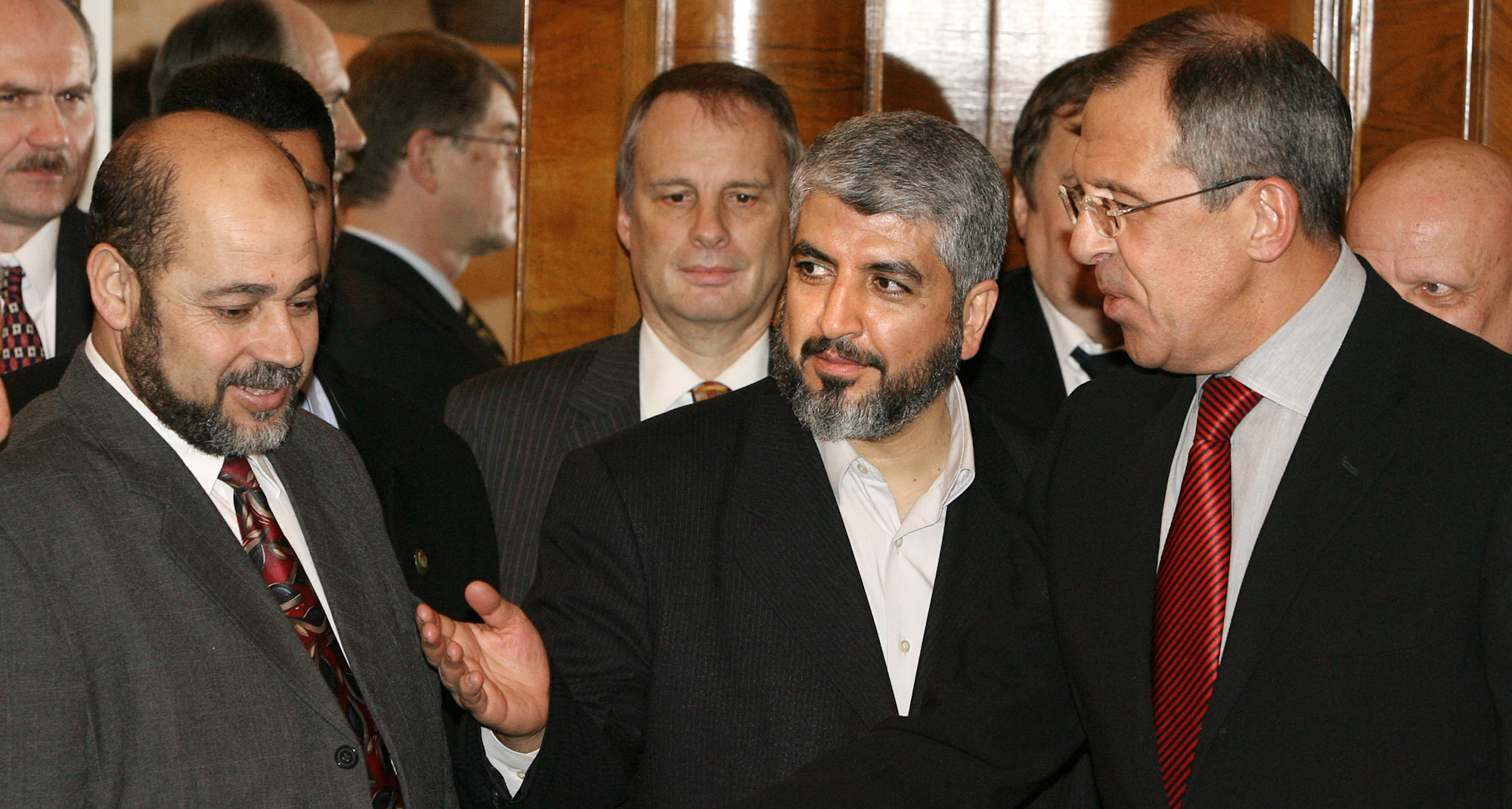
As the war in Gaza continues to unfold, essential questions about Russian and Iranian support for Hamas remain. They include whether Russia played any role in providing support to Hamas ahead of its Oct. 7 attack on Israel. Evidence available from foreign-language publications in Russian, Persian, Arabic, and Hebrew, as well as those in English, provides provocative leads, which, if accurate, have serious potential implications.
The EU and the Israel-Hamas war: A narrow but important niche
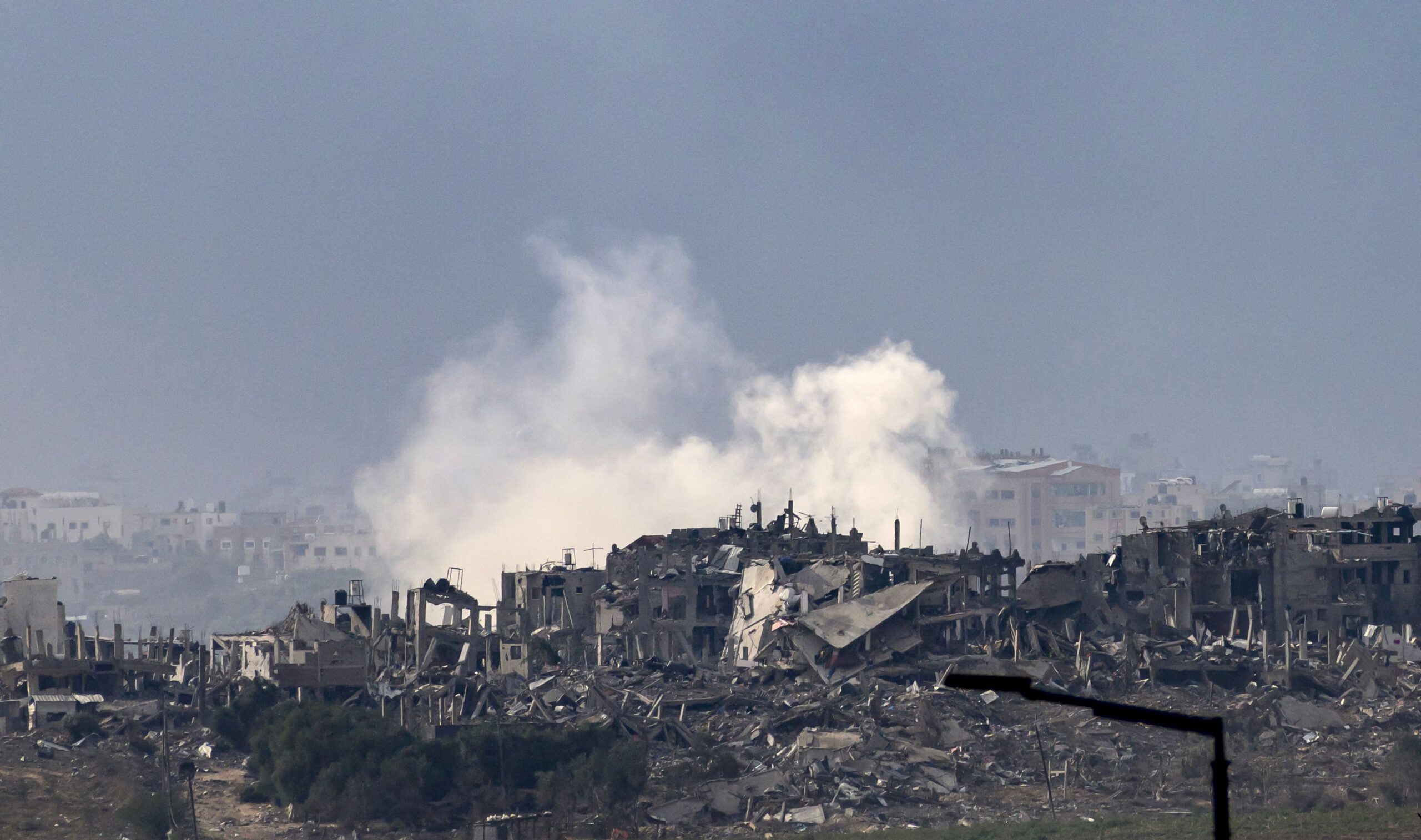
Much has been written about the European Union’s confused and cacophonic response to the heinous Oct. 7 Hamas terrorist attack that has plunged the Middle East into one of the most violent crises the region has known since World War II. While the condemnation of Hamas’ atrocities was unanimous, not much else was.
Any swords into ploughshares? The challenge of the current conflict
The only long-term way of building security and stability, and reducing violence for Palestinians and Israelis alike, is to create hope and establish a political pathway for both sides
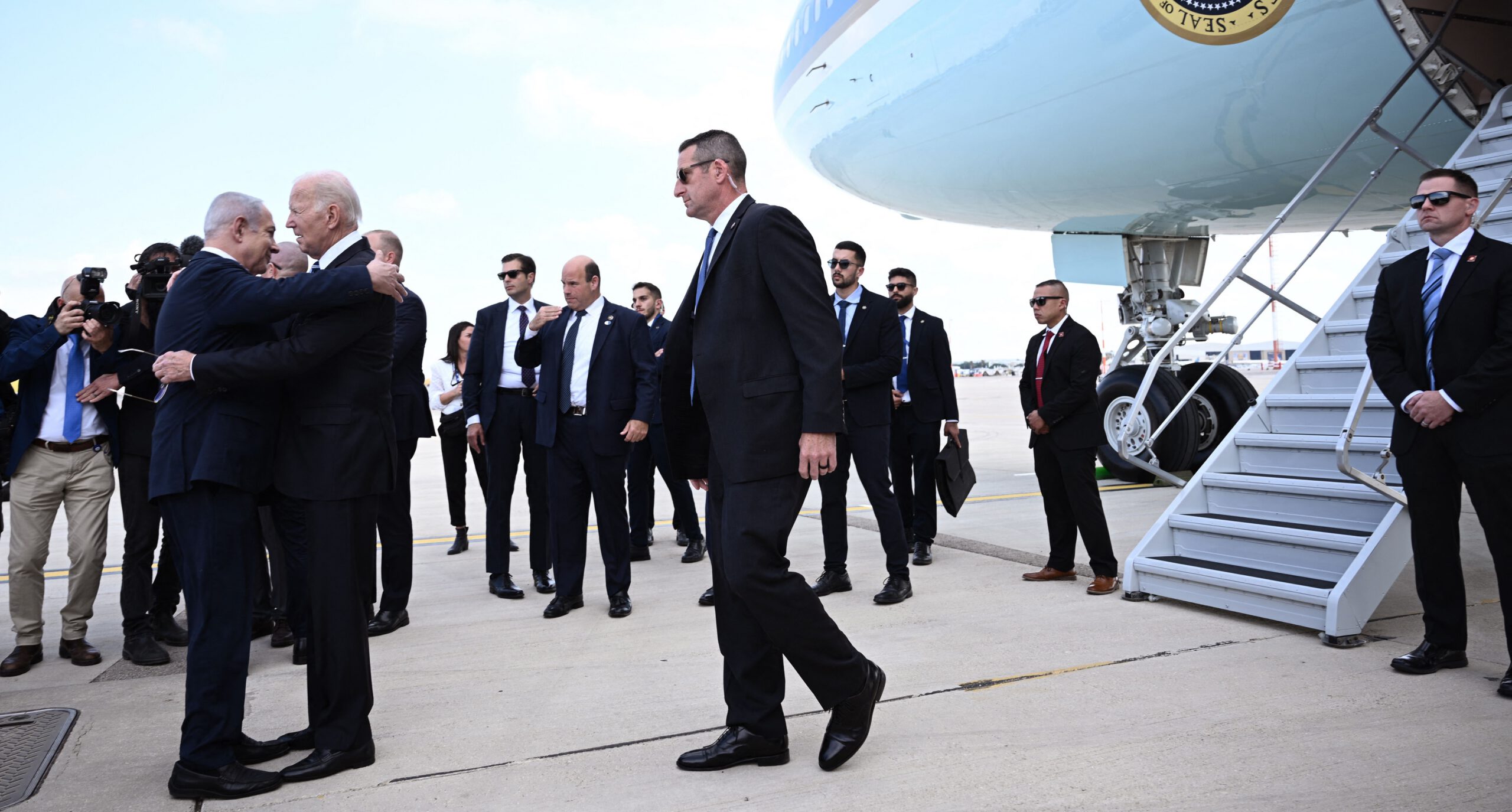
The intensity of the Oct. 7 terrorist attacks by Gaza and the ensuing crisis have already had a significant and dramatic impact on relations between the United States and Israel. The resolute American backing reflects the purest expression of the strategic partnership that has existed between Israel and the U.S. for more than five decades.
The October 7 Hamas attack: An Israeli overreliance on technology?
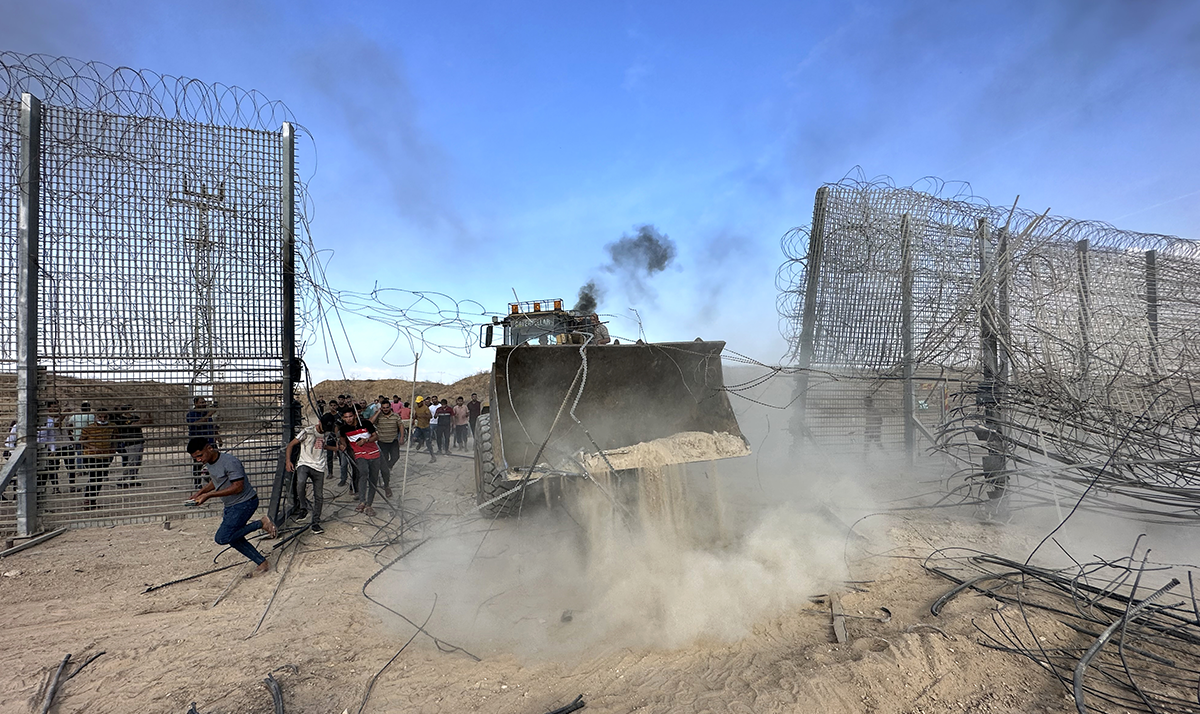
Did the IDF rely too heavily on advanced technologies in its effort to secure and fortify Israel’s border with Gaza? That is one of many questions that have arisen in the days since Hamas’ Oct. 7 incursion into Israel and attacks on Israeli forces and civilians. The absence of early warnings from data collected via sensors, cameras, and surveillance drones along the border’s “smart fence,” as well as the penetration of the Iron Dome missile defense system, has led to a sense that Israel experienced a tragic “high-tech failure.”
The war in Gaza as a major test of China’s Middle East peace diplomacy
China has long sought to brand itself as a “neutral” player and force for peace in the Middle East and elsewhere, willing and able to talk to “all sides.” Beijing’s nascent ambition to play the role of peacemaker and its potential to shape regional events was on display when it succeeded last March in brokering the détente between Riyadh and Tehran. The Israel-Hamas war offers no such low-hanging fruit. On the contrary, it poses a major test of China’s Middle East peace diplomacy — and an opportunity to examine some of our own, perhaps faulty assumptions.
An Israeli ground assault on Gaza requires an endgame
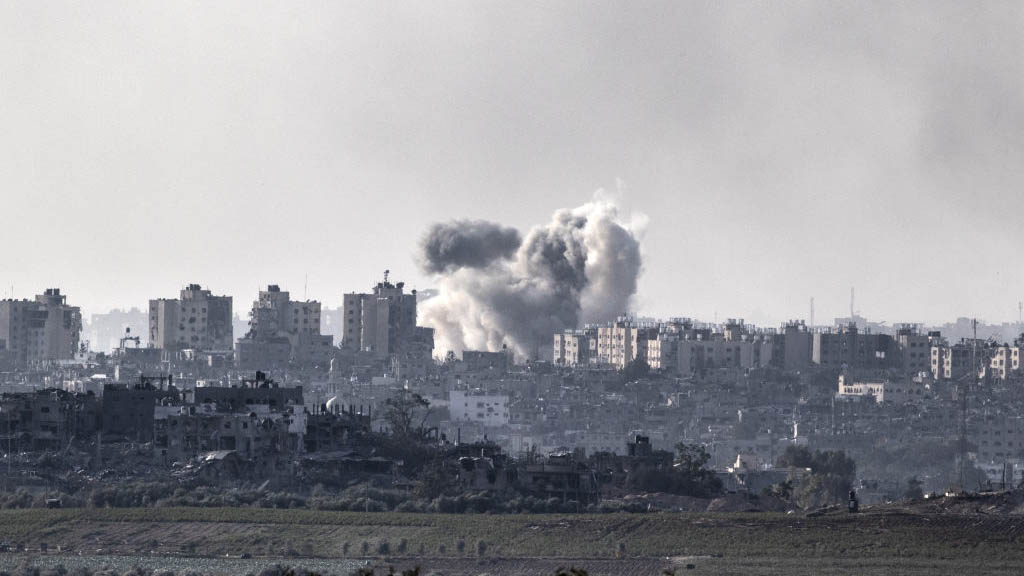
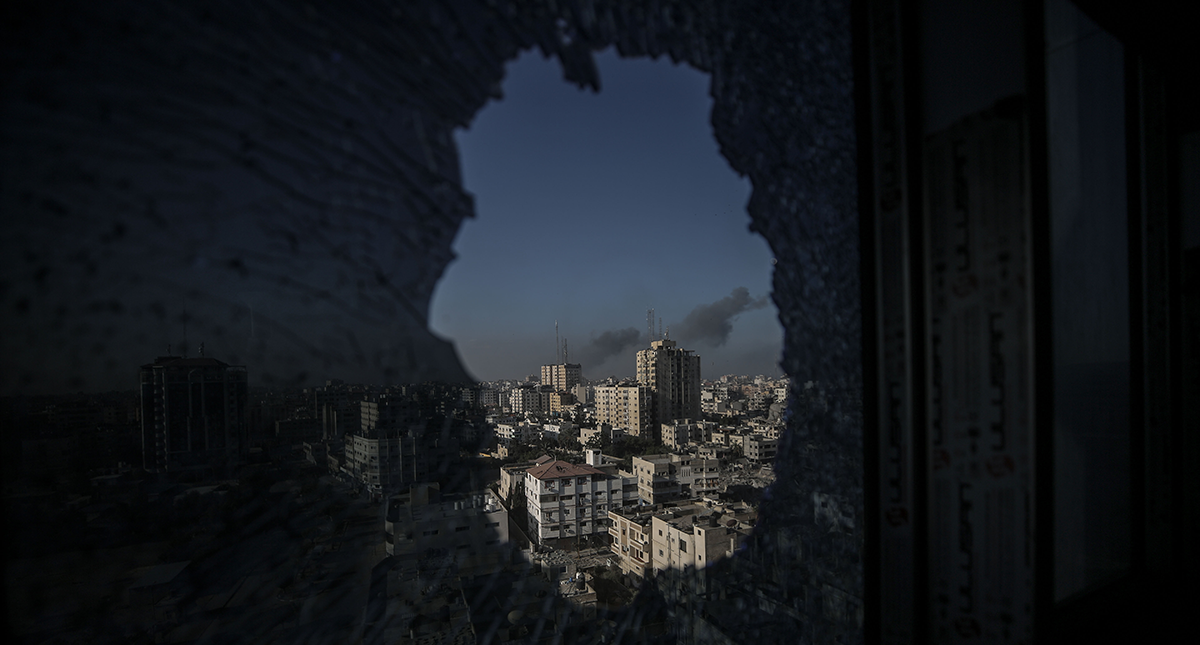
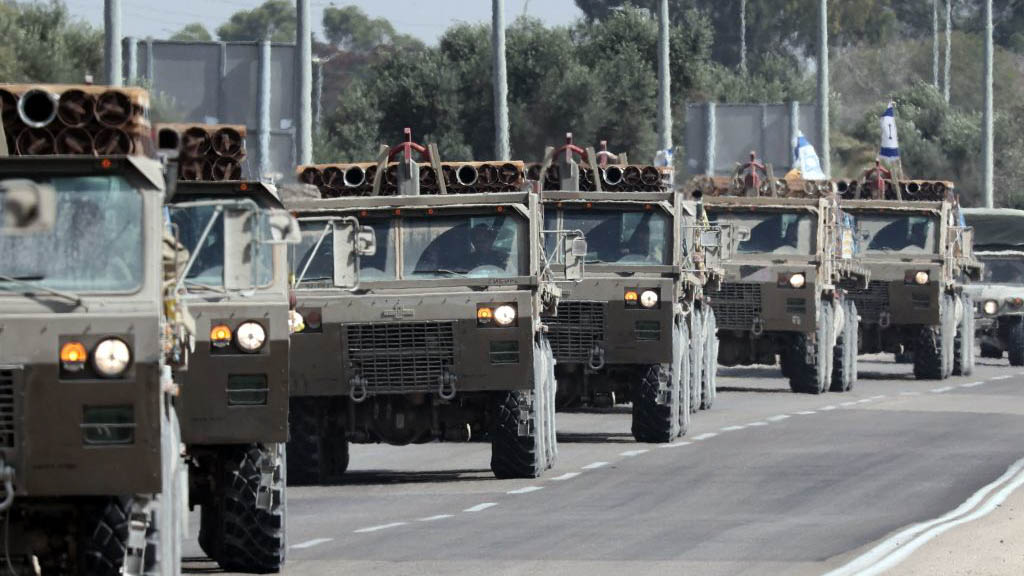
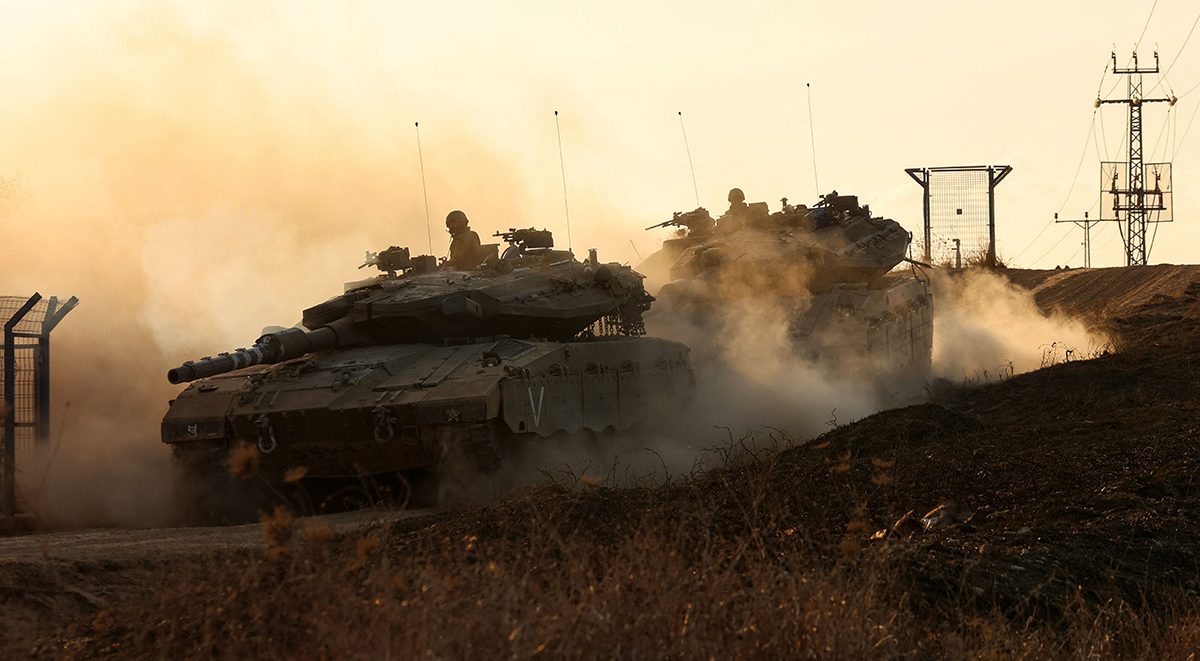
Though it has mobilized 360,000 reservists, the highest number since its 1982 invasion of Lebanon, in pursuing a large-scale ground invasion of Gaza Israel risks unprecedentedly high casualties of its own and massive condemnation by both the Arab world and the West if Palestinian deaths, already reported as exceeding 3,000, rise to multiples of that figure.
Bytes and Beltways: Decoding Beijing’s Tech-Centric Geopolitics in the Gulf
As China pursues a grand strategy aimed at displacing the US-led global order, technology has emerged as a fourth pillar alongside the political, military, and economic elements of its plans. A test case is the Arabian Gulf. Since the 2010s, China has been strategically enhancing its influence in West Asia, with a particular focus on the Gulf states, leveraging technology as a potent tool. This approach involves the deployment of Chinese software and hardware, coupled with joint technology and cyber initiatives.
Hezbollah’s calculations on opening a second front against Israel
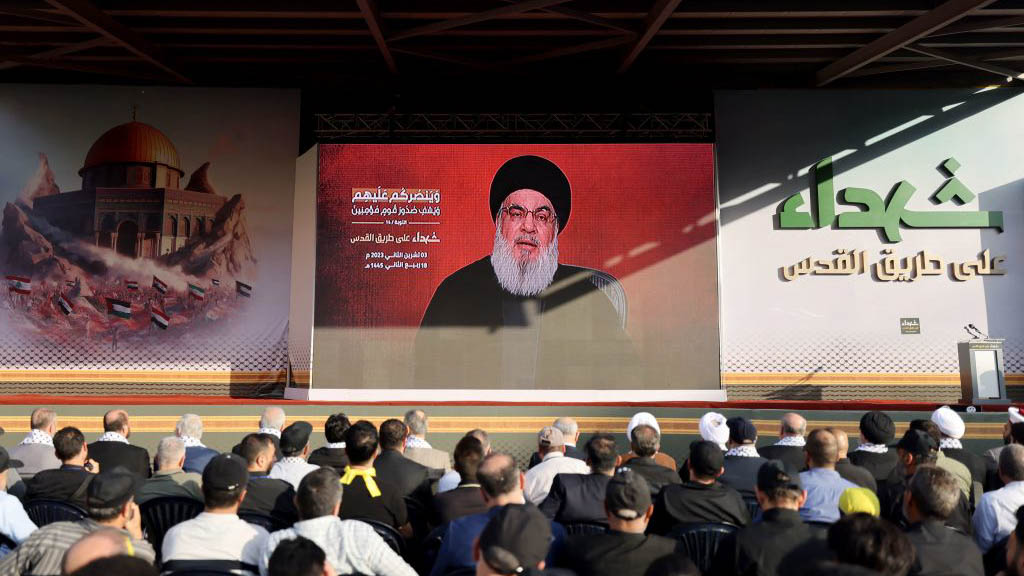
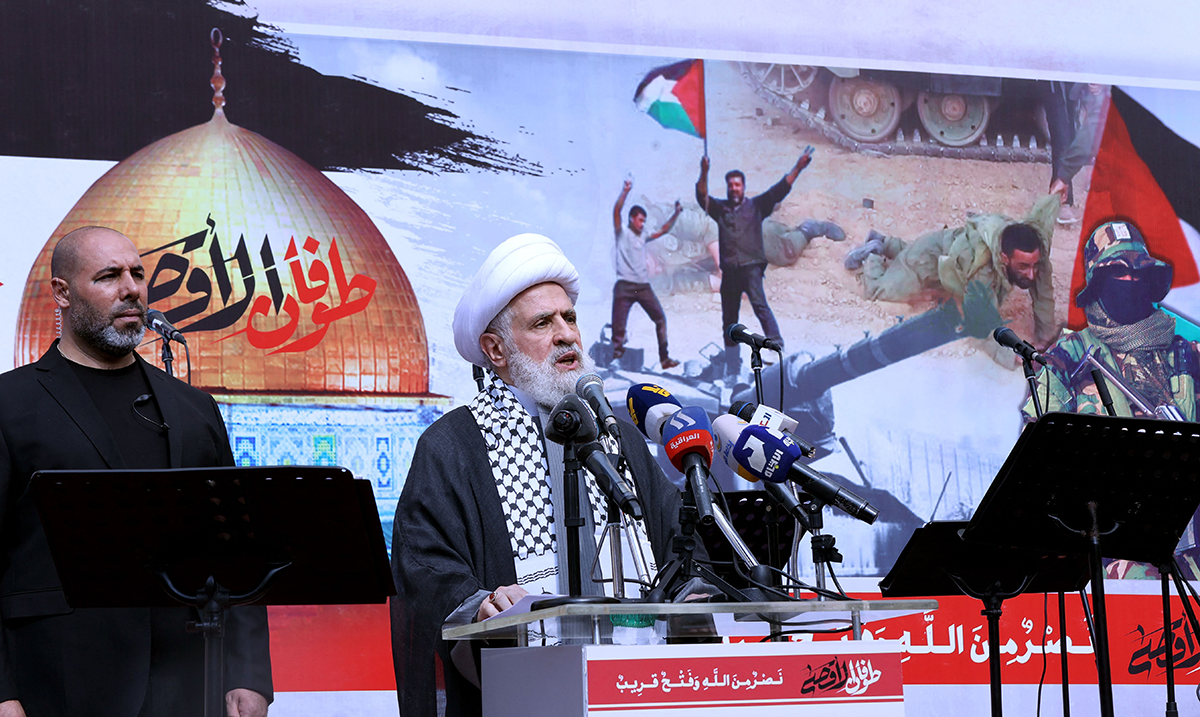
Since the Hamas attack on Oct. 7, regional and extra-regional actors have been working to prevent an expansion of the conflict beyond the Gaza-Israel theater, focusing particularly on the Lebanese-Israeli border. A decision by Hezbollah to enter the ongoing war would open a second front and bring into the fight their large arsenal of rockets and precision-guided missiles capable of hitting critical Israeli infrastructure. It would also bring destruction to Lebanon while the country reels from a severe economic crisis.