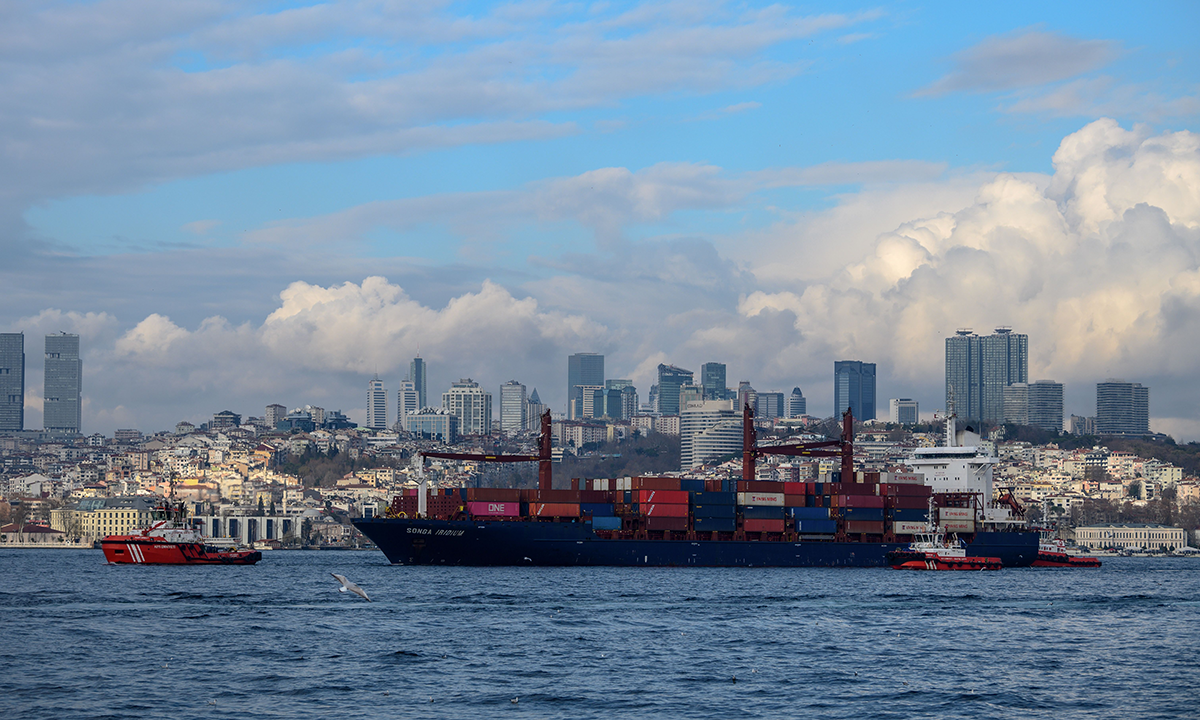
The Turkish government recently confirmed that the country has approved development plans to carve a new passage between the Black Sea and the Sea of Marmara. Cutting through forests and farmland, the new Canal Istanbul would run parallel to the Bosphorus for a total of 45 km (28 miles) with a depth of 20.75 meters (68 feet) and a width of 275-350 meters (900 to 1150 feet). Ground-breaking for the first bridge over the proposed canal is scheduled to take place on June 26. However, this will be a ceremony for domestic political consumption and by no means indicates that construction is really starting. Financing the massive project might prove impossible due to the environmental concerns and investment risks hanging over it.
Black Sea Security: Priorities for the US-Georgia Partnership Under President Biden
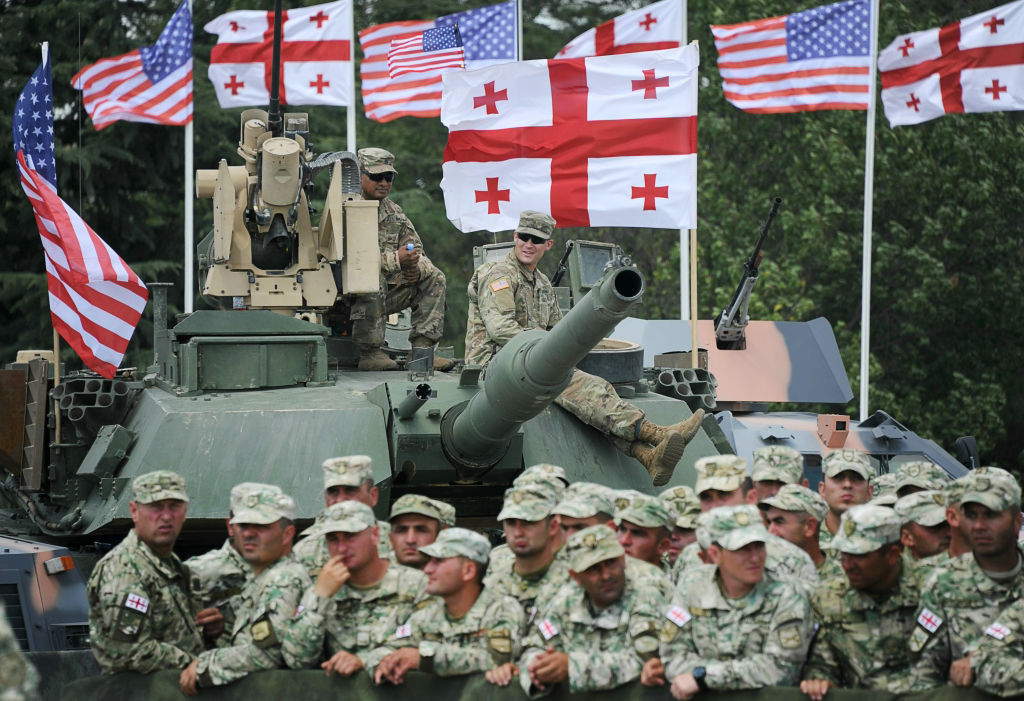
Tbilisi and Washington have in recent years built a strong strategic partnership. Yet, a myriad of threats imposed by Russia on Georgia and the Black Sea region – including a continued “borderization” policy, modernization of the Black Sea Fleet, and attempts to transform the Black Sea into an Anti-Access/Area Denial (A2/AD) zone – call for a review of U.S. policy toward Georgia and the wider Black Sea region.
The “Palestinian exception”: Social media censorship of Palestinian activism
In a landscape of suppression and retaliation against Palestinian journalists and activists at the hands of Israel, social media networks have been at once critical organizing platforms and tools for exacerbating censorship.
The EU in the Black Sea is absent, but highly desired
The Memorandum of Understanding signed recently by Georgia, Moldova, and Ukraine on enhanced cooperation toward European Union (EU) membership highlights both progress and overall shortcomings of the EU’s Eastern policy. Despite the Union enlarging to the East in 2004 and 2007 – and the fact that Russian aggression has long been felt on EU territory – the bloc’s Eastern policy still does not reflect realities on the ground. However, the recent buildup of Russian military in Ukraine, as well as the deployment of Russian ‘peacekeepers’ in Nagorno-Karabakh, has created momentum for an urgently needed rethink of the Union’s Eastern neighborhood policy.
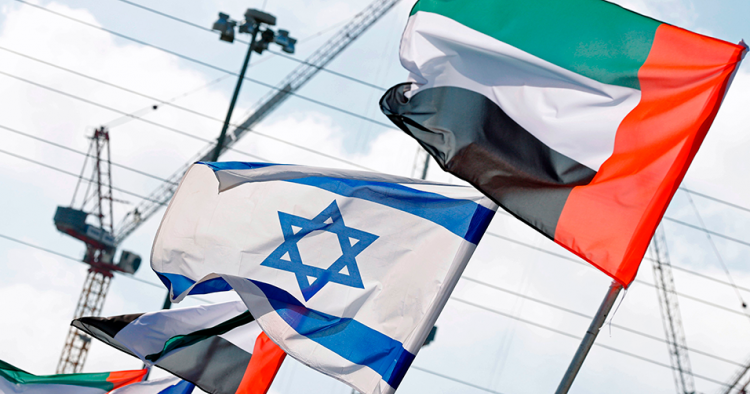
The Abraham Accords and their cyber implications: How Iran is unifying the region’s cyberspace
On Sept. 15, 2020, the world witnessed a new era of Israeli-Arab relations as the UAE and Bahrain opened diplomatic relations with Israel, in what is known as the Abraham Accords. Unlike the Israeli-Egyptian or the Israeli-Jordanian peace deals, which aimed to end direct military confrontations, the Abraham Accords seek to maximize common interests and address security issues to form a new front against Iranian threats. As Biden’s administration shows a willingness to return to some form of the 2015 Iran nuclear deal, the joint cooperation between Israel and the Gulf states is becoming more visible than ever, particularly in cyberspace, where they share a common enemy.
Black Sea security: Is COVID-19 a window of opportunity for Ukraine?
The Black Sea region is currently managing military pressure from Russia, the economic influence of China, and soft power efforts of the West, making it a stage for power competition. With COVID-19 exacerbating Ukraine’s political weaknesses and economic vulnerabilities, Russia and China are increasingly adopting a united front in the Black Sea. Such geopolitical changes in power distribution require more active presence and involvement of the U.S. in the Black Sea.
Tehran and Moscow: Alignment and Divergence in the Caspian
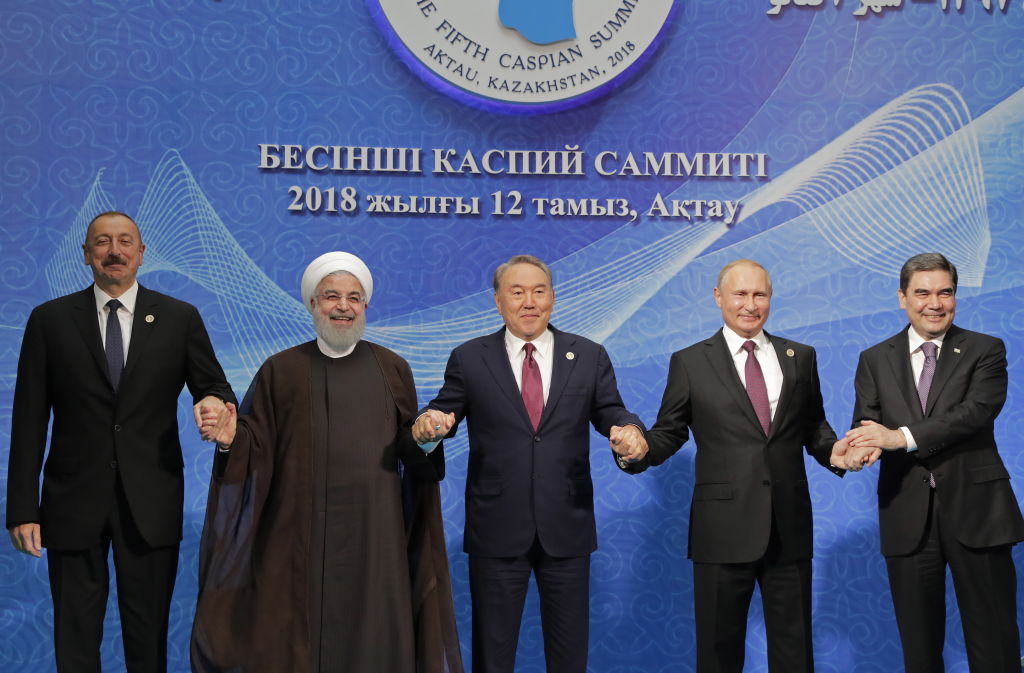
The complexities, converging interests, and persistent tensions marking Iranian-Russian relationships are evident in their policies toward the Caspian Sea region. Iran and Russia are the two largest countries that border the sea, the world’s largest inland body of water. The Caspian region therefore provides many opportunities for diplomatic, economic, and military engagement between Iran and Russia. Some issues of mutual importance relating to the Caspian include the Nagorno-Karabakh War, the Afghanistan and Iraq conflicts, NATO partnerships in the Caucasus region, and the construction of trans-Caspian pipelines.
The U.S. must ensure NATO’s door remains open to Georgia and Ukraine
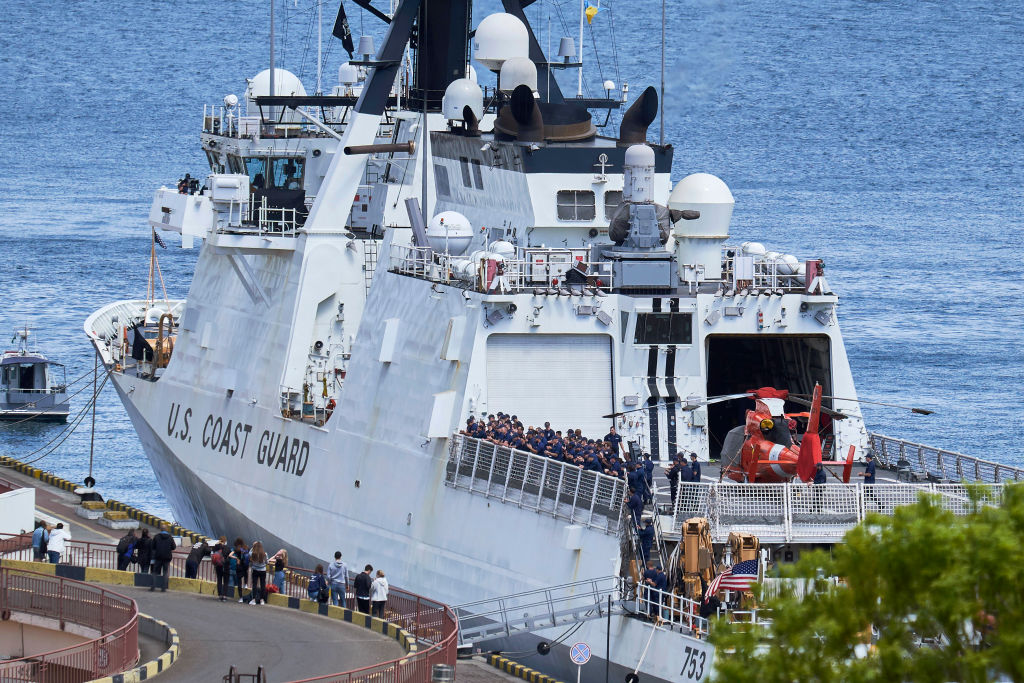
The USCGC Hamilton recently completed a visit around the Black Sea. This visit was notable for a couple of reasons. First, this was the first time the United States Coast Guard has operated in the Black Sea since 2008 when Russia invaded Georgia. Second, this U.S. deployment to the Black Sea came on the heels of a sizable Russian military buildup in the region.
Sarah Johansson and Mohammed Soliman join guest host Mike Sexton to discuss the various legal, technical, and environmental challenges of cryptocurrencies in the region, among others.
The 5G divide in the Middle East: Further disparity between the Gulf and its neighbors
The 5G technology revolution is poised to change society irreversibly in the Middle East. The evolution of the Internet of Things (IoT) powered by 5G networks could prove life-enhancing. Already, the Gulf countries have led the way in adopting 5G technology in the region and the rollout of 5G showcases the Gulf’s new role as a leader in digital technology. Although the Gulf countries have made strides to be global tech leaders, their neighbors in the region seriously lag behind in their abilities to adopt large-scale 5G technology. This disparity will further deepen the divides in development between the Gulf and the rest of MENA. Looking to the future, the Gulf will surely pull ahead as the tech hub of the region, but there are still important benefits for the rest of the region to reap as they slowly adopt next generation technology.
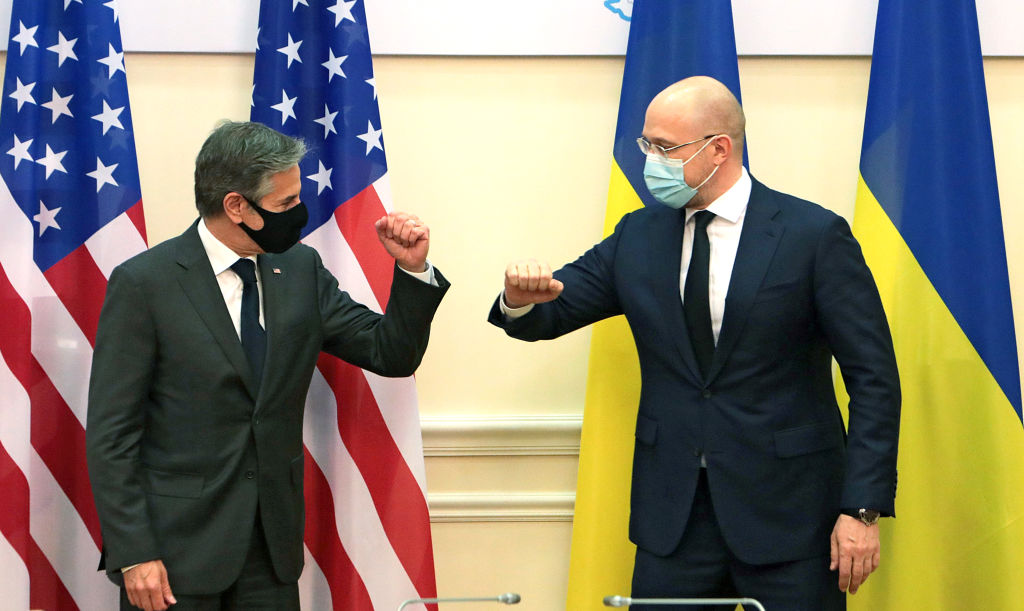
Blinken’s visit to Kiev showed solidarity, but a strategic approach is still desperately needed
The recent visit of Secretary Anthony Blinken and Under Secretary Victoria Nuland to Kiev demonstrated the urgency of Ukrainian security and Russian aggression. The visit, however, occurred on shaky grounds, with three main obstacles preventing Ukraine from making significant progress in its partnership with the U.S. First, Ukrainian President Volodymyr Zelensky’s limited progress on democratic reforms. Second, Western Europe’s lukewarm support for Ukraine and against Russian aggression. And third, Russia’s diversionary policy.
Since the normalization of UAE-Israel relations was first announced, much of the international commentary only focused on the deal’s political and diplomatic significance. However, the deal will create a new digital order in the Middle East, one in which Israel and the UAE will partner more closely than ever in developing emerging technologies and cyber capabilities. This cooperation will be at the forefront of this UAE-Israel tech order.
How Facebook’s Oversight Board Can Do More for Syria
Around the world, there is ongoing debate over the extent to which speech should be regulated for the common good. Facebook has been a key battleground in this debate. Indeed, since nearly its founding day, the company has struggled with the degree to which it bears responsibility for the content that its users post on the platform, including but not limited to, the glorification of violence, incitement to terrorism, and false and misleading political content. In 2020, the company officially launched the Facebook Oversight Board, a trust-based body composed of 40 members and tasked with passing final, binding rulings upon Facebook’s content moderation decisions.
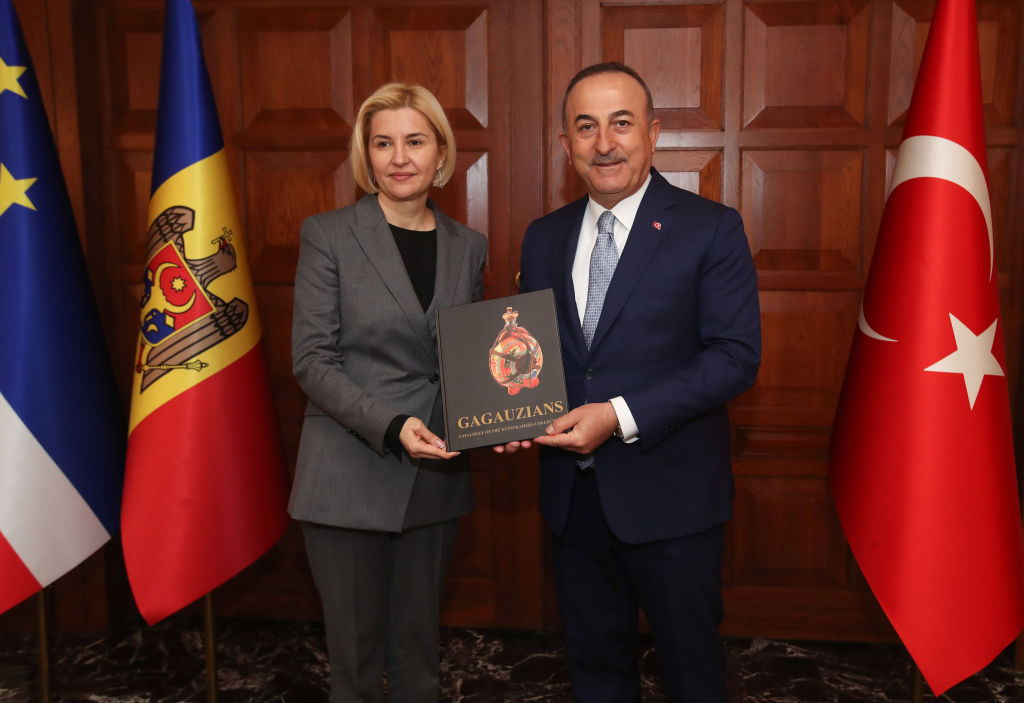
The Autonomous Territorial Unit of Gagauzia: A new focal point for Russo-Turkish competition?
Although many policymakers and commentators in the West tend to see Turkish President Recep Tayyip Erdoğan and Russian President Vladimir Putin as often working together, history shows us that the natural state of affairs between Russia and Turkey is one of competition, confrontation, and even conflict.
Recent geopolitical events remind us of this. However, there is another area to keep an eye on that serves as a historical and cultural fault line of Turkish and Russian geopolitical rivalry: the Autonomous Territorial Unit of Gagauzia located in southern Moldova.
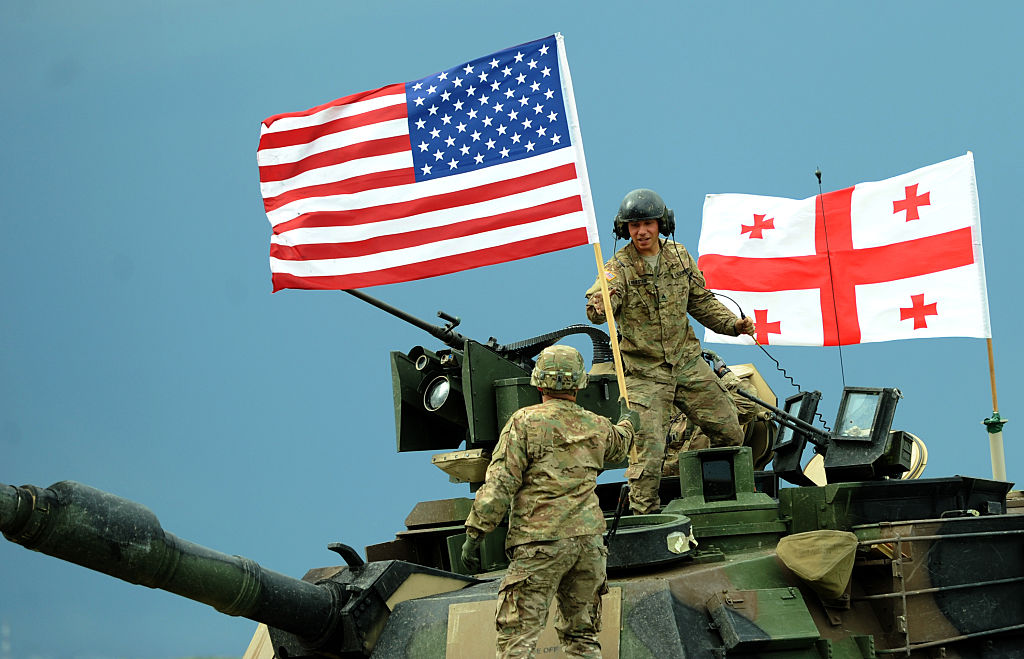
United States partnerships with Georgia and Ukraine: Prospects for advancing military cooperation
A spotlight has been cast over the Black Sea region for the past two decades. Located at the geopolitical junction of Western Europe, Russia, and the Middle East, the Black Sea littoral states have partnered with Western powers on global counterinsurgency and anti-terrorism efforts. Simultaneously, the Black Sea region continues to face insecurities triggered by enduring great power competition. The importance of stability in the Black Sea region has long been recognized by the West.