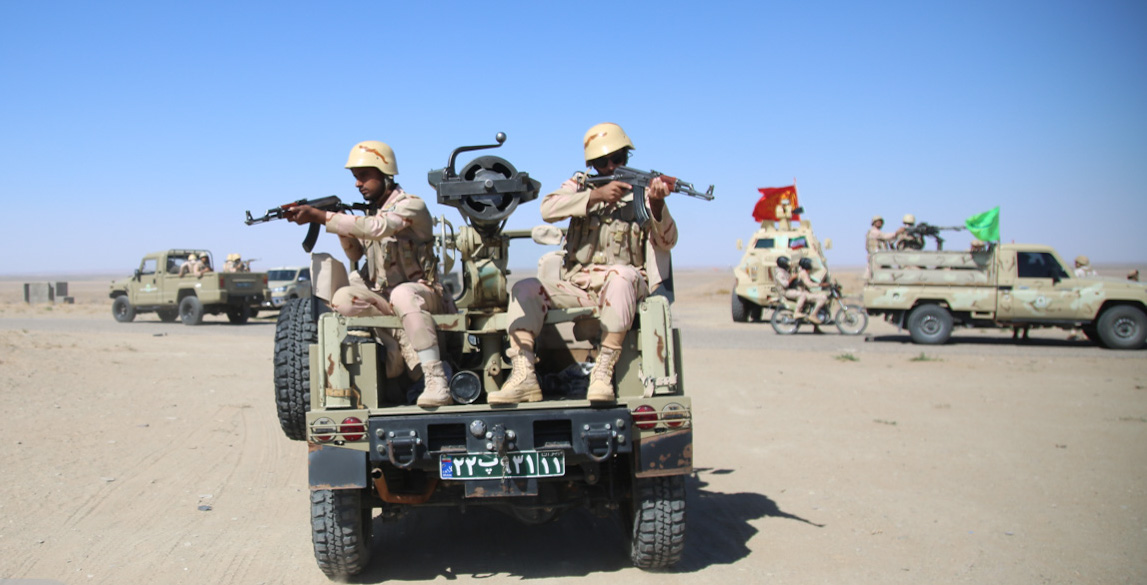
Iran’s Islamic Revolutionary Guard Corps Navy is converting two merchant container ships into vessels capable of carrying and launching combat drones against maritime or coastal targets. For now, Iran’s drone carriers are unlikely to pose a clear and present danger to the U.S., but they possess symbolic significance as a potential tool to defy American initiatives in the Middle East and respond to Israel’s attacks against Iran.
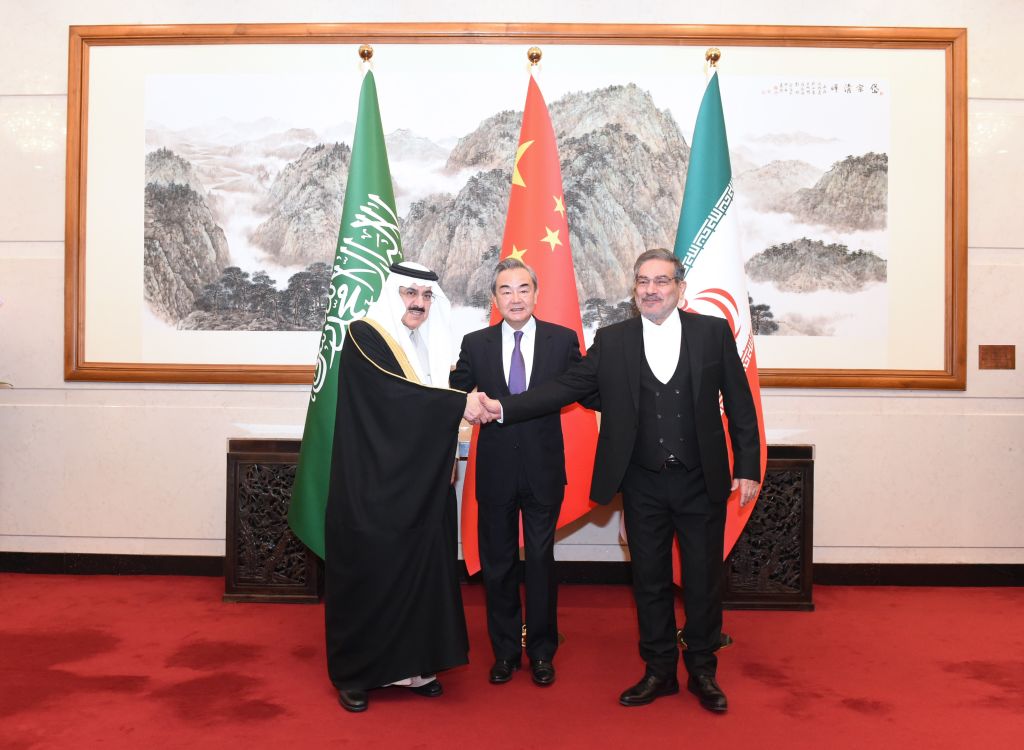
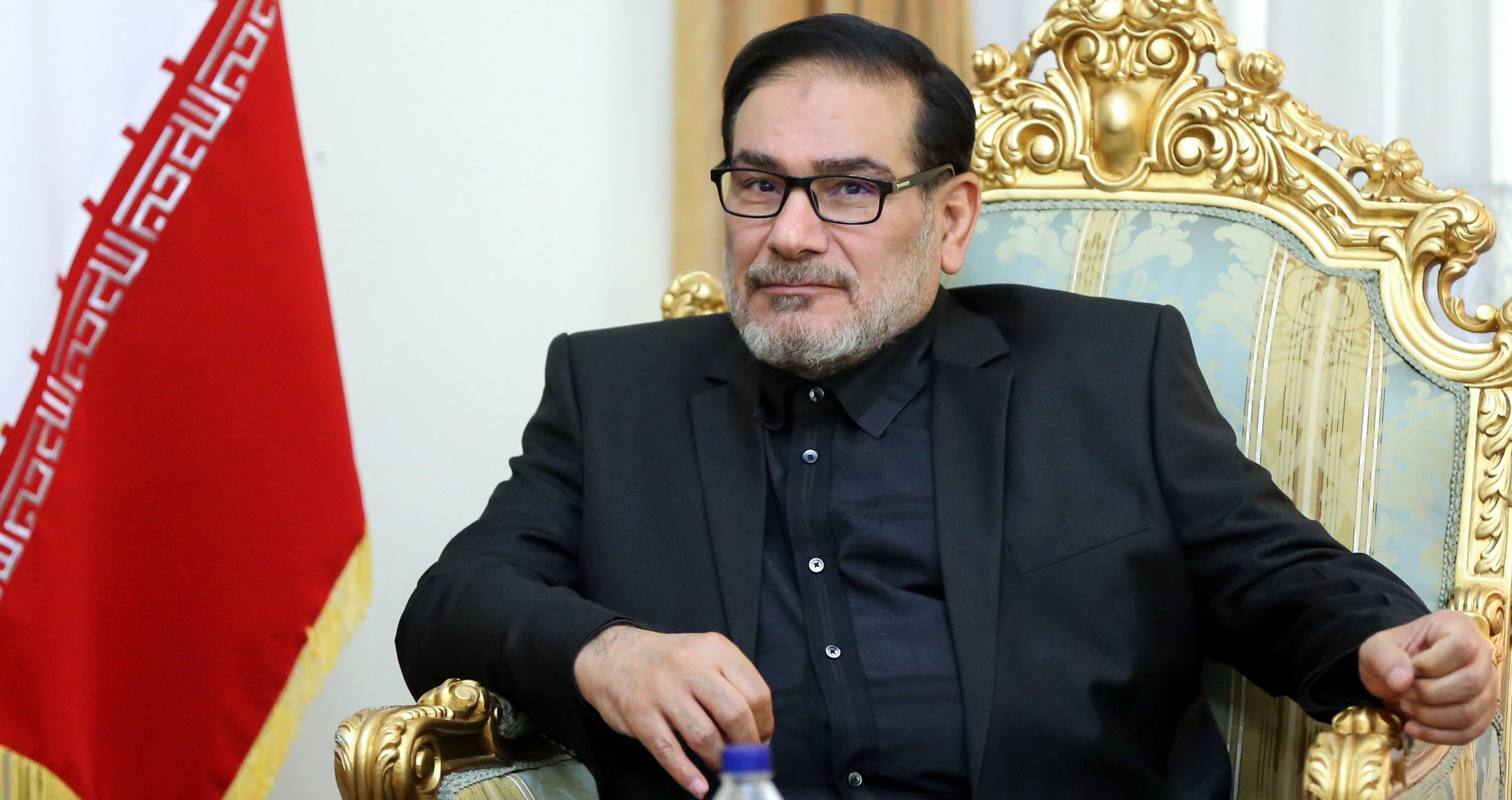
The race to replace Ali Shamkhani, Iran’s most palatable interlocutor with the West
Rear Admiral Ali Shamkhani has served for 10 years as secretary of the Supreme National Security Council, Iran’s top policymaking body in both domestic and foreign policy matters. A number of recent developments have aroused speculation that he could soon vacate his seat. Such a change would be an important signpost of how the Iranian establishment is posturing itself against the backdrop of continued revolutionary sentiment among significant segments of the population.
Russia's Influence in MENA After a Year of War in Ukraine
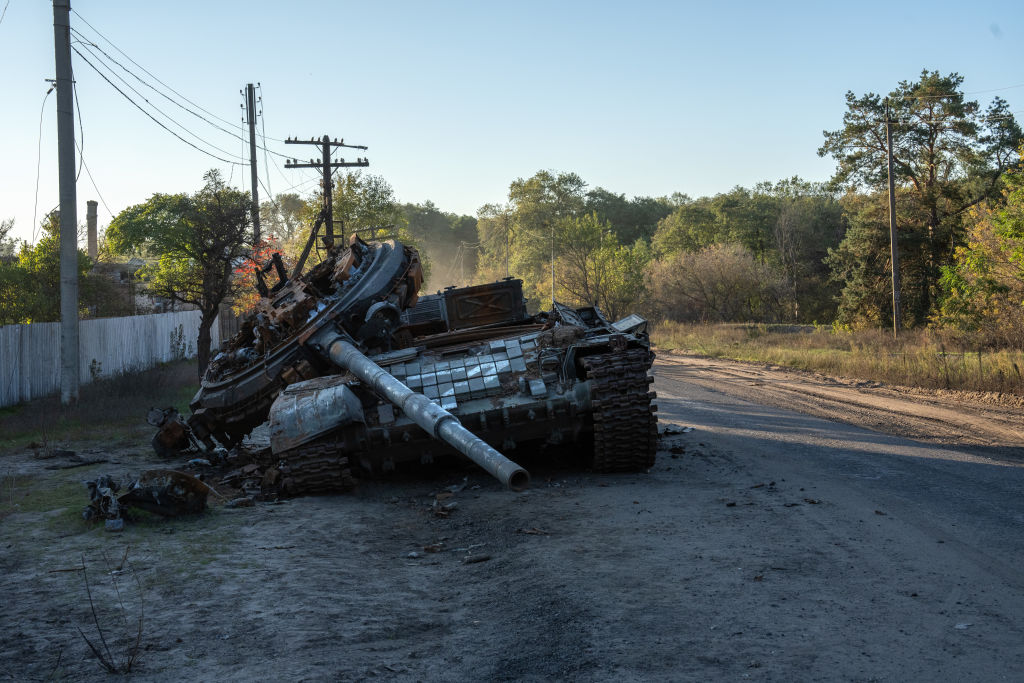
MEI Managing Editor Matthew Czekaj speaks with scholars Iulia-Sabina Joja, Alex Vatanka, Yörük Işık, Charles Lister, and Roger Kangas on Russia’s current standing in the Middle East a year since re-invading Ukraine.
How has Russian aggression in Ukraine redrawn Moscow’s relationships in the MENA region? And as the Middle East increasingly becomes a key area of global great power competition, is Russia still a meaningful player there, politically, economically, militarily, and diplomatically?
A message to Tehran: What drone attacks on Iranian critical infrastructure tell us
For the first time in several months, Iranian critical military infrastructure again came under attack from an unknown assailant. The Jan. 28 drone attack on a Ministry of Defense workshop complex appeared designed to deliver a politico-strategic message. The strike may mark the beginning of a more unstable post-JCPOA security environment in the Middle East characterized by a return of deterrence and risk-taking behavior.
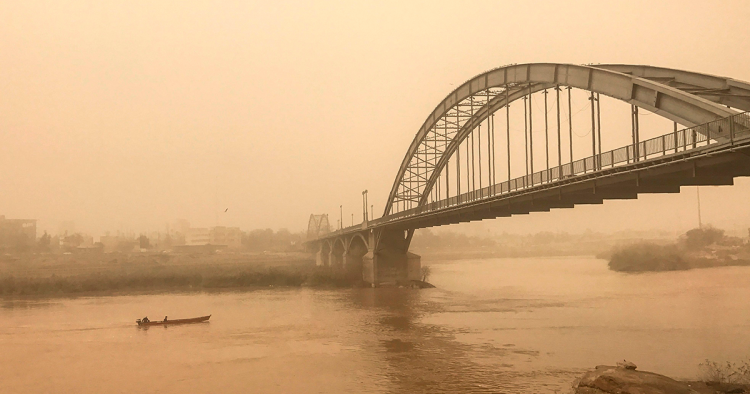
A decline in average annual precipitation, rise in temperatures, and dire water shortages are leading drivers of climate-induced internal migration in Iran. This long-term trend was further exacerbated in 2022 by more intense heat waves, resulting in a spike in seasonal migration.
From the streets to the border: Iran’s growing paranoia toward Azerbaijan
Azerbaijani-Iranian relations have been strained since Azerbaijan’s victory in the 2020 war with Armenia. However, the situation dramatically worsened in the last few months, with Iran holding two large-scale drills near the border with Azerbaijan and accusing Baku of colluding with its enemies and interfering in its internal affairs.
Mahsa Amini and the future of internet repression in Iran
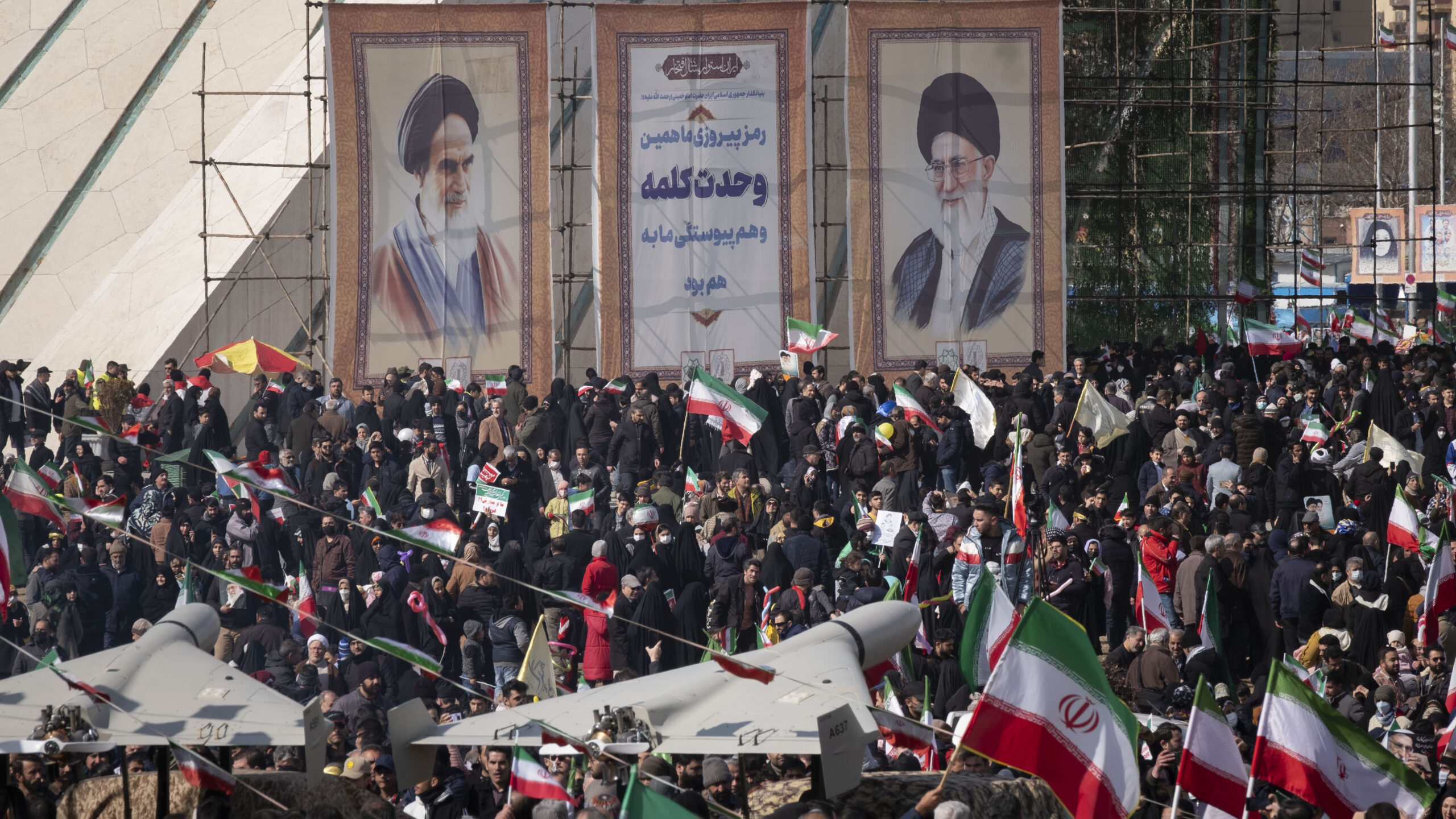
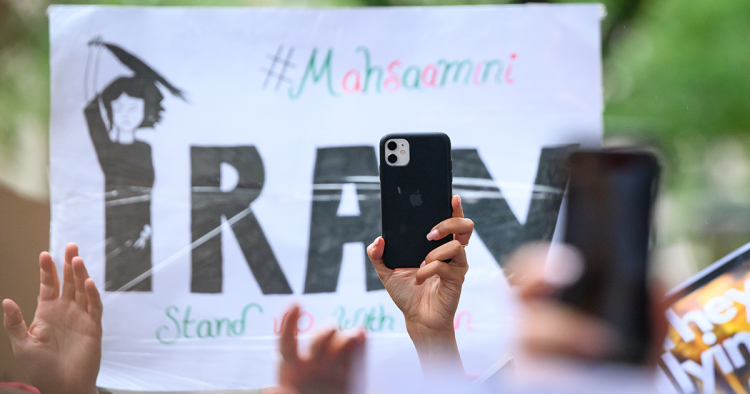
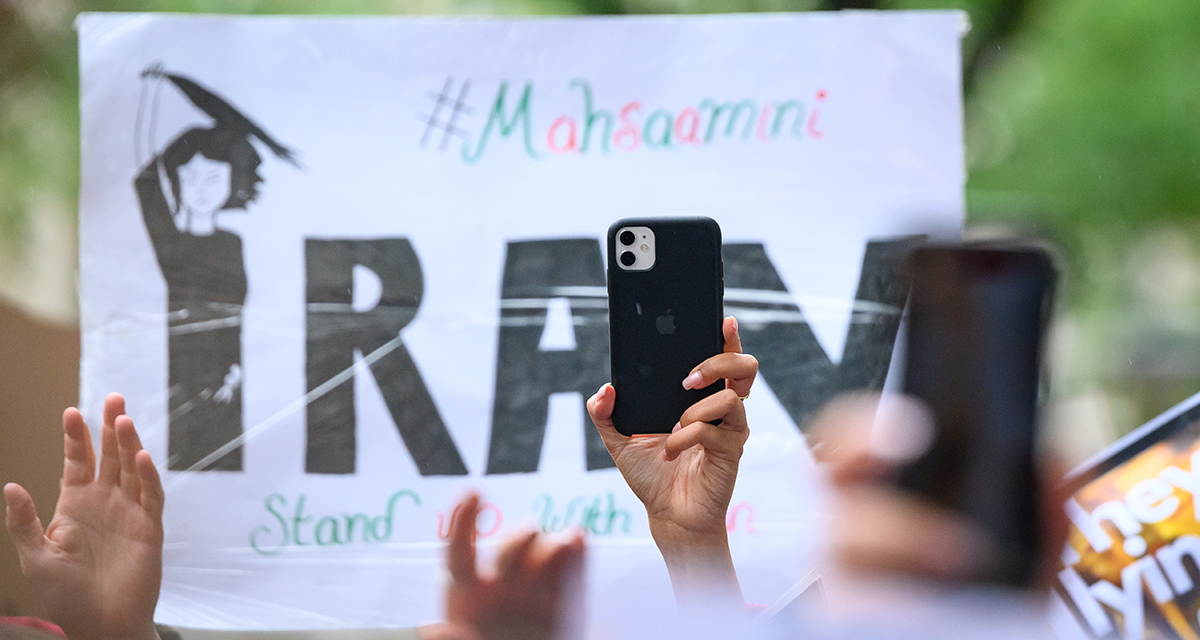
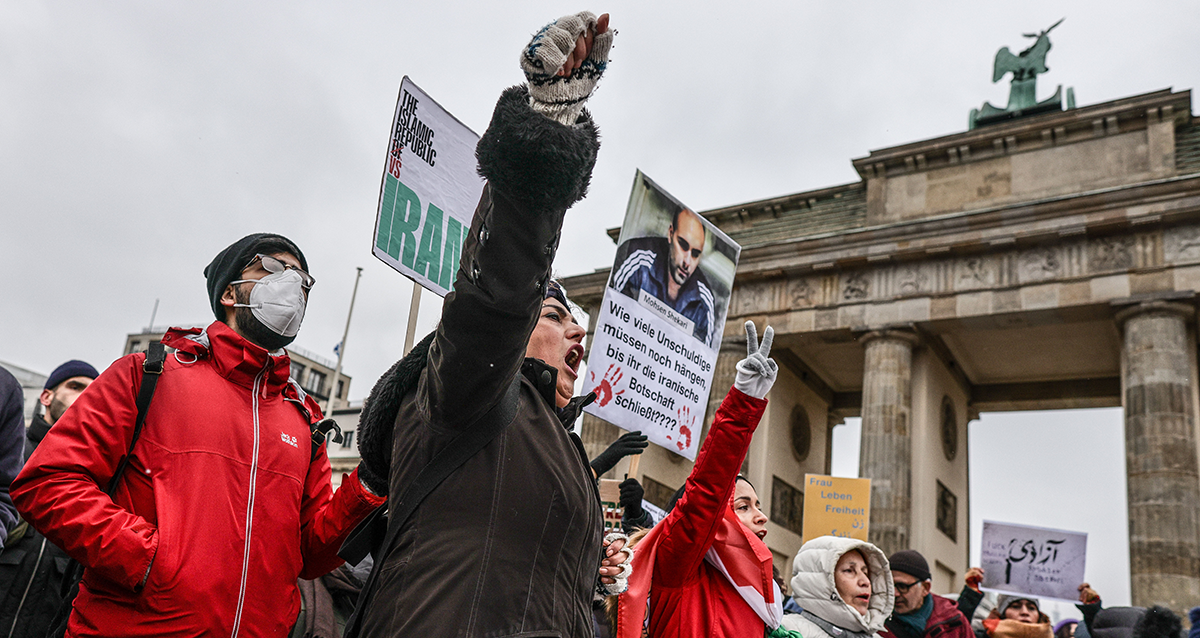
The death of Mahsa Amini in September 2022 has remained the catalyst and central rallying cry of almost half a year of escalating protests in Iran — protests that have, like many before, and like many will in the future, lived as much online as they have on the ground. What is clearer than ever is that the Iranian state’s relationship to dissent will continue to be predominantly mediated by its practices and attitude toward freedom of information, which, today, largely remains a question of internet access.
The French cultural center shuttered: What does cultural isolation mean for Iranians?
The general policy of the Islamic Republic is to constrain, as much as possible, its citizens’ exposure to foreign cultures and prevent their engagement with the outside world, which explains why cultural ties, even with neighboring or friendly countries, are so limited.
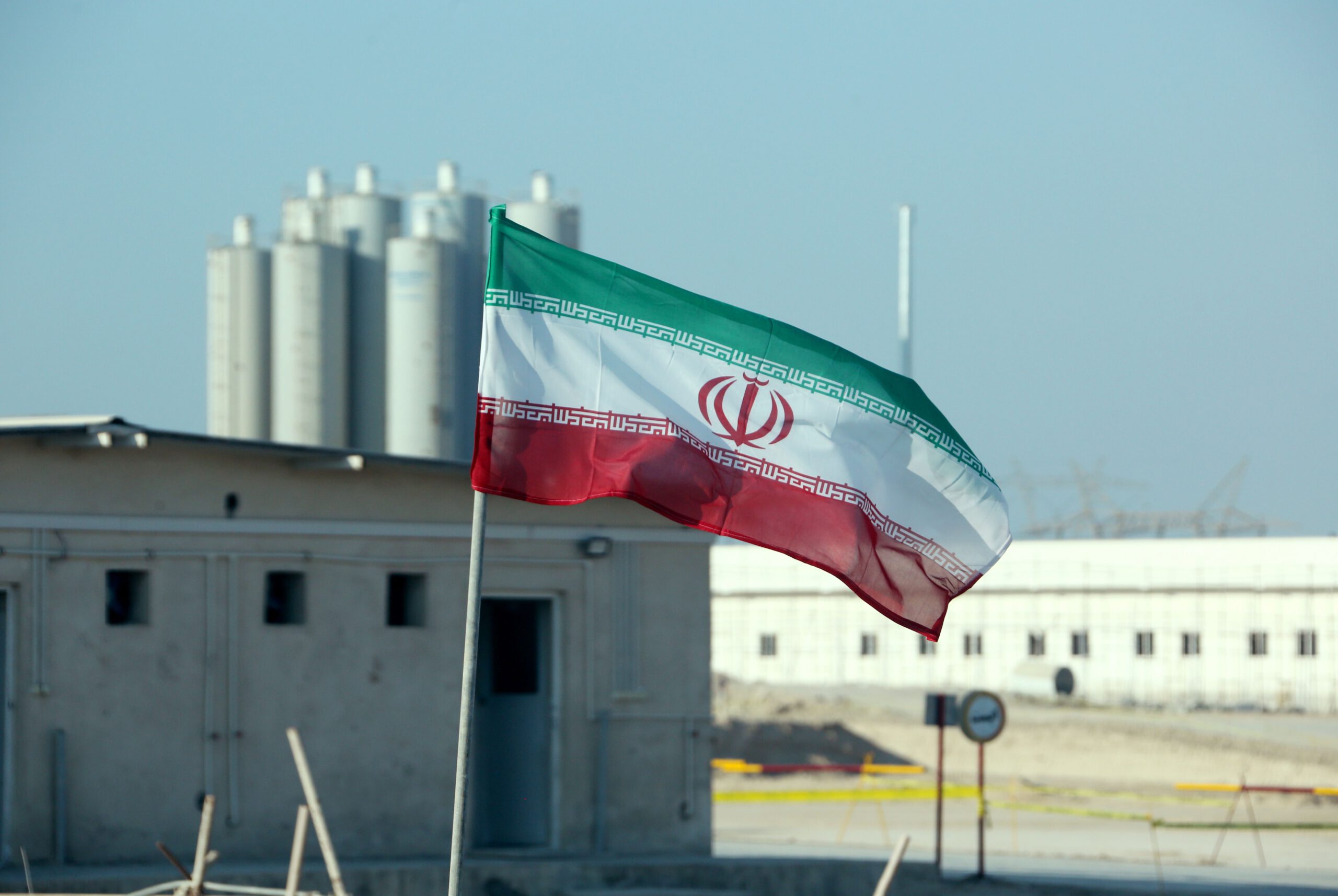
The Iran protests and US policy on Tehran’s nuclear program
When the Iranian government faces intense Western criticism, such as over its brutal suppression of the protest movement and its recent executions, it frequently resorts to specific actions, one of which is hostage-taking. Nevertheless, perhaps the most important “hostage” Tehran counts on to influence the positions of Western powers is not their imprisoned citizens, but rather Iran’s nuclear program.