CAATSA sanctions are hurting Turkey’s military readiness at a time when NATO can’t afford it
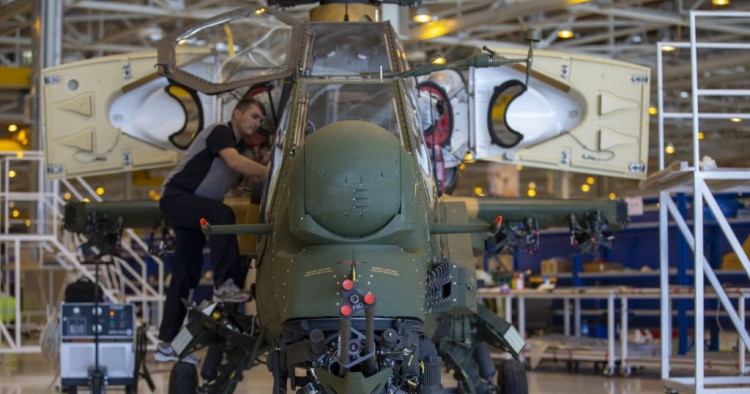
On Dec. 14, 2020, the Trump administration sanctioned Turkey’s Presidency of Defense Industries (SSB), along with key individuals involved in the purchase of the Russian–made S-400 surface-to-air missile system. The sanctions were issued under the 2017 Countering America’s Adversaries Through Sanctions Act (CAATSA), a law intended to punish Russia for a wide range of malign activities.
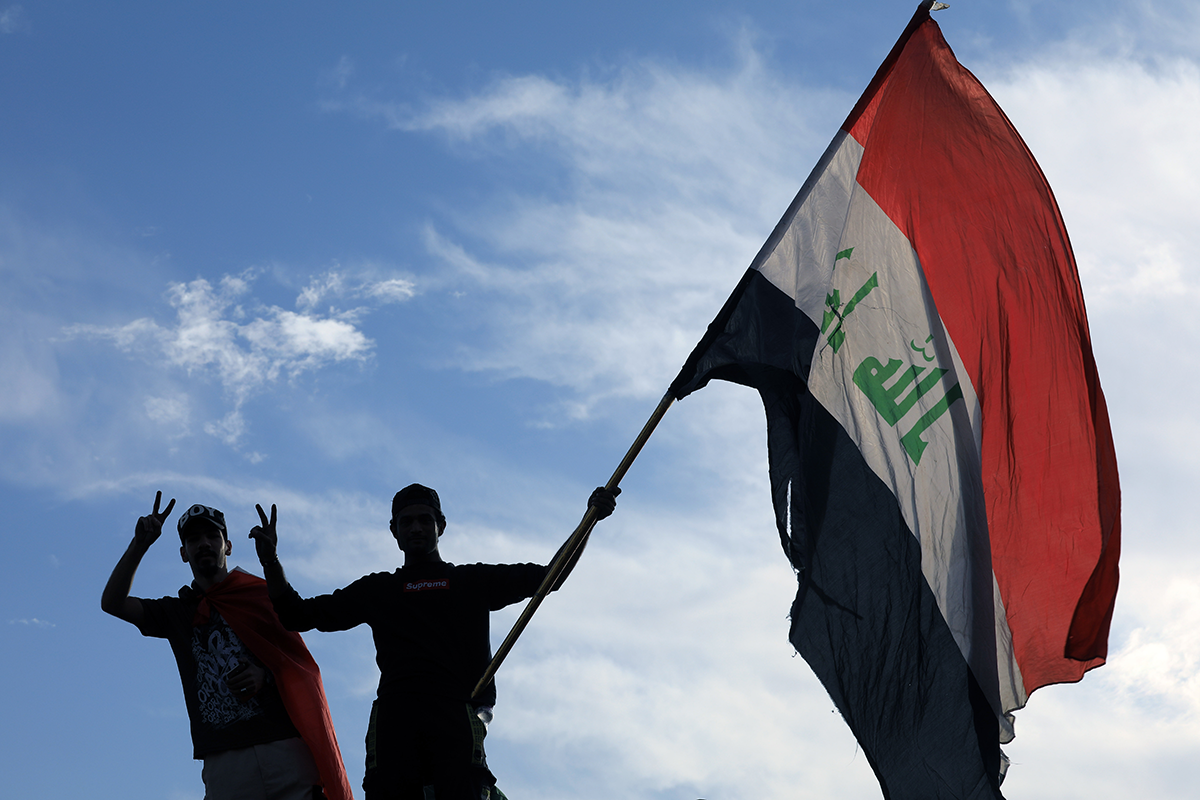
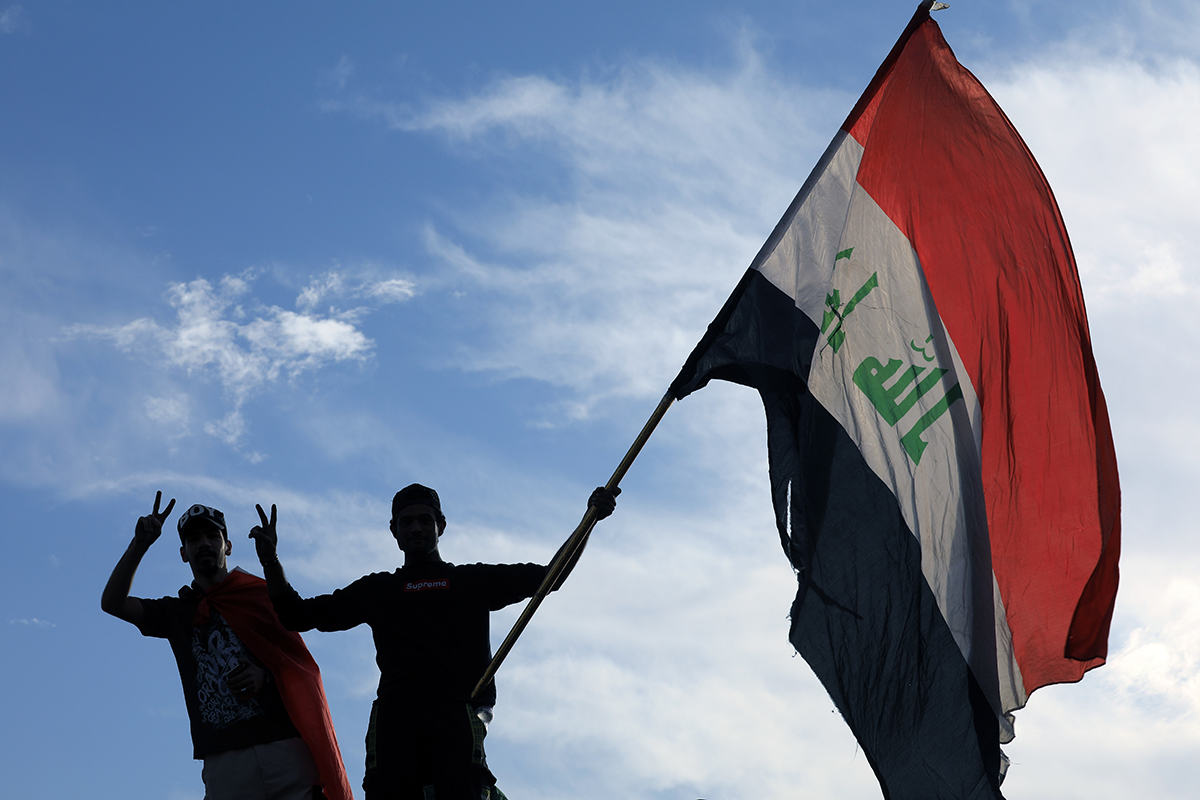
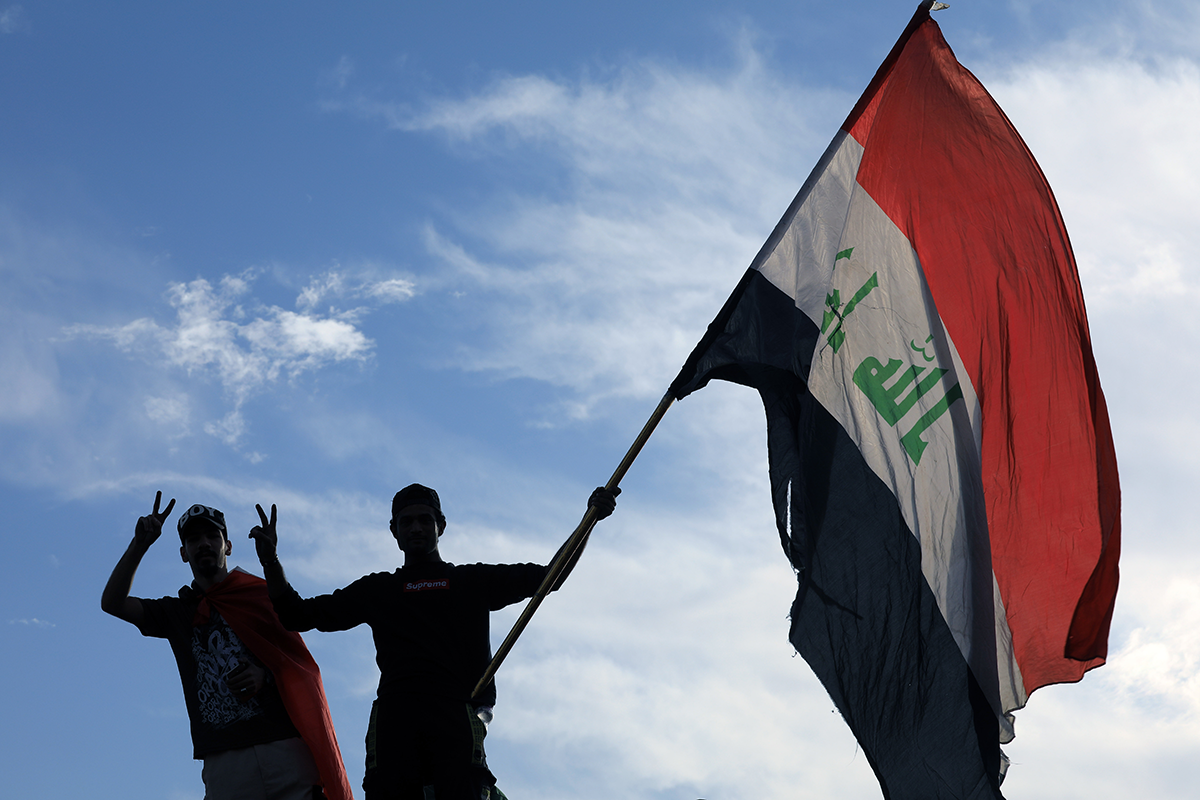
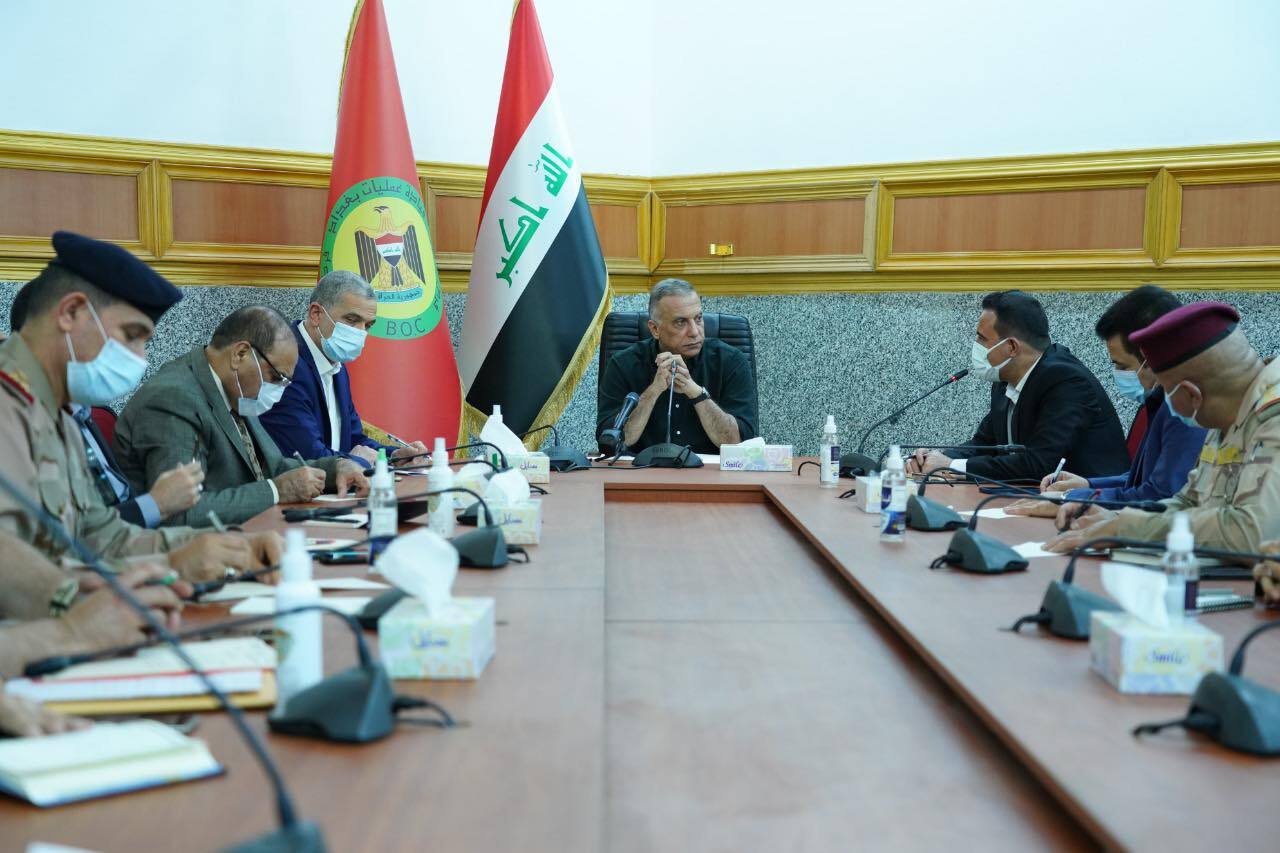
Although it has been more than 18 months since Iraq’s October 2019 protests, many of the big questions raised remain unanswered, most of which revolve around the sustainability of the post-2003 political system and its ability to correct itself over time.
في عام 2003 ، بعد الإطاحة بنظام صدام حسين ، كان لدى العراقيين آمال كبيرة في إحداث تغيير جوهري في حياتهم بعد ثلاثة عقود ونصف من الاستبداد. لكن في السنوات التي تلت ذلك ، لم تتحقق الكثير من هذه التوقعات.
“إذا كان الاجتماع الإيراني السعودي في بغداد نتيجة دبلوماسية عراقية قديرة وذكية، فإن مأساة المستشفى هي نتيجة للفساد المستشري في الطبقة السياسية وثقافة الإفلات من العقاب”.
Expert Views: The Biden administration and the Middle East: Reflecting on the first 100 days
At the end of Joe Biden’s first 100 days as president of the United States, where do things stand when it comes to U.S. policy toward the Middle East and North Africa? We asked experts and scholars from across MEI to weigh in with their thoughts on the changes we’ve seen so far, the new challenges that have emerged, and what we know about the administration’s key priorities for the region.
The new wave of normalization in Turkey’s Middle East foreign policy
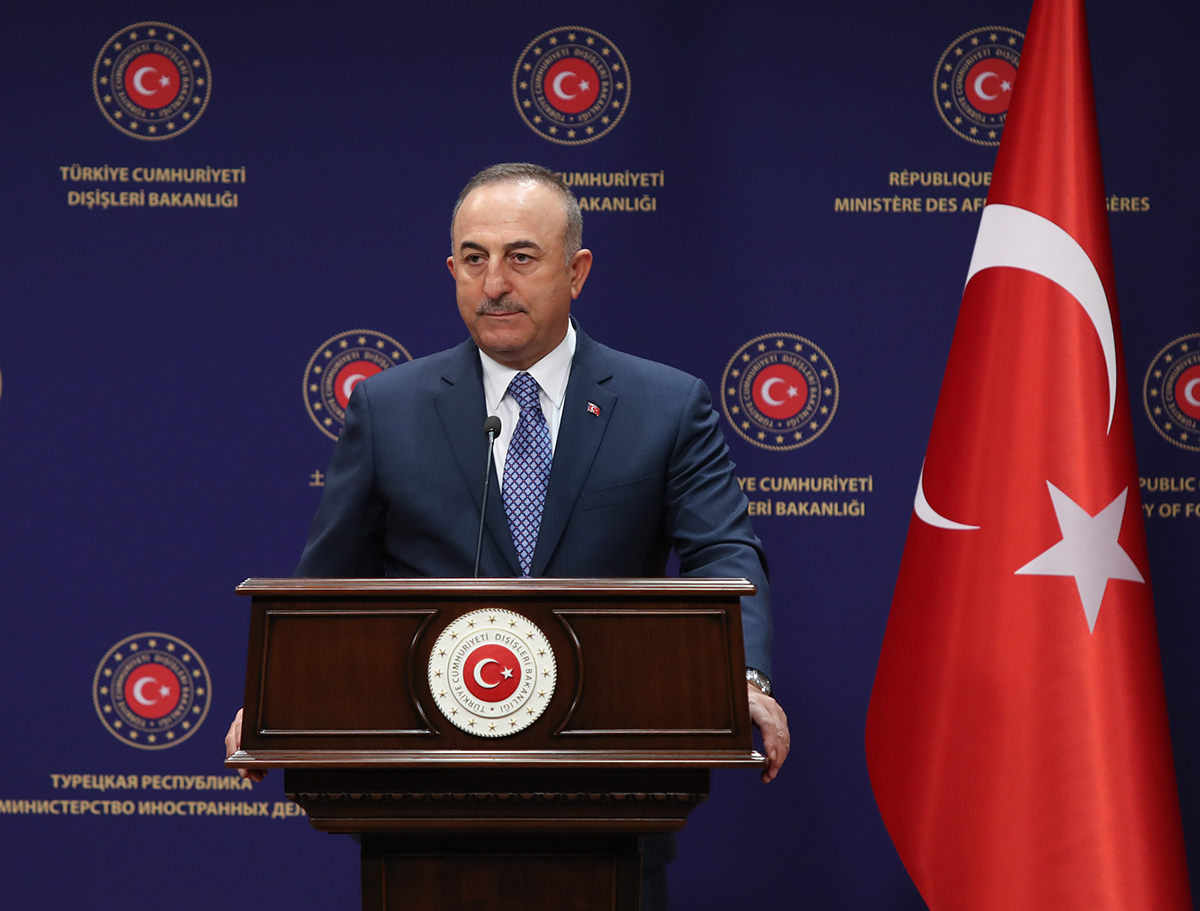
In the past several weeks, news has been coming out of Ankara regularly about normalization in relations with countries with which Turkey has had problematic relationships for some time.
What does the transition in Chad mean for Middle Eastern regional powers?
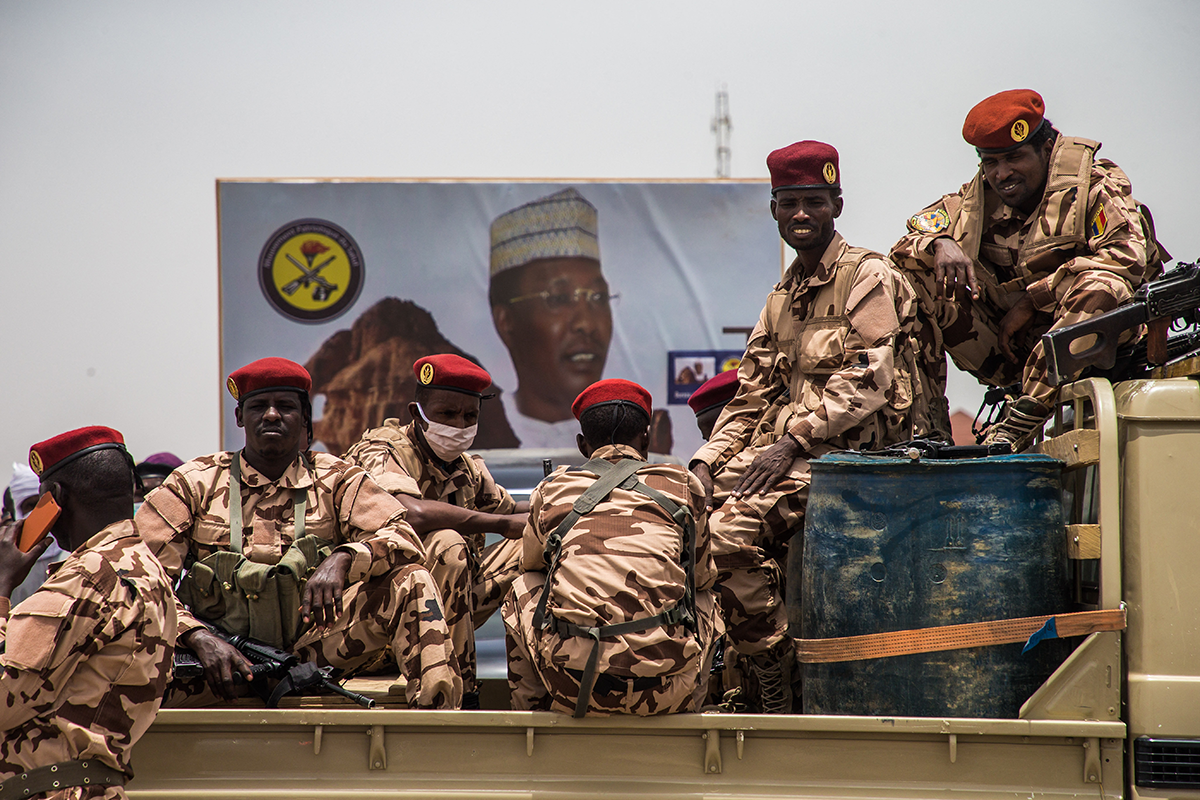
On April 20, Chadian President Idriss Déby was killed by Front for Change and Concord in Chad (FACT) rebels in the country’s northwestern Tibesti region. The sudden death of Déby, who seized power in Chad via a military coup in December 1990 and was re-elected on April 11 with 79.3% of the vote, risks plunging Chad into a state of prolonged instability.
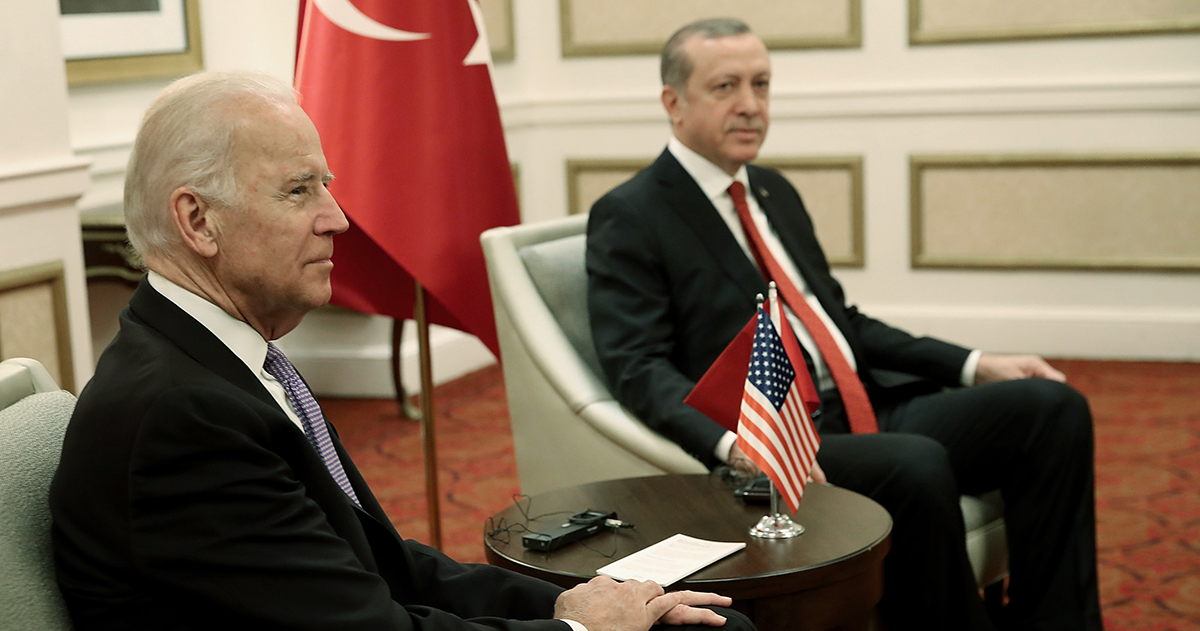
Relations between the United States and Turkey have never been worse, but the two countries still must deal with each other, and so President Joe Biden and President Recep Tayyip Erdoğan may talk this week. Each will review his list of issues. Both will commit to better relations and to best efforts to reach peaceful solutions to global, regional, and bilateral issues — and very little will change.
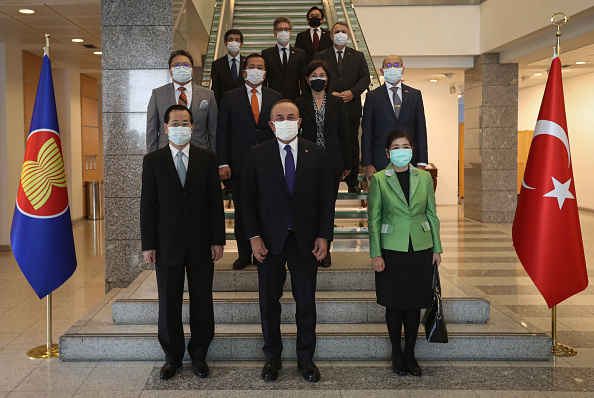
Turkey initiated a strategy to engage Southeast Asian nations in the early 2000s that resulted in the opening of new embassies and branches of numerous state-sponsored institutions across the region. With the launching of the Asia Anew Initiative in late 2019, Ankara has redoubled efforts to forge closer ties with the ten members of the Association of Southeast Asian Nations (ASEAN) and with ASEAN itself.