Skip to Content

Research & Commentary Results

Filter by
1318 Results
The Arab Spring 10 years on
Middle East Institute
  • Podcast
  • The Arab Spring 10 years on

    Sahar Khamis, Sabina Henneberg, Karam Shaar, and Ibrahim Jalal join host Alistair Taylor to examine the legacy and impact of the Arab Spring in Tunisia, Egypt, Yemen, and Syria ten years after the uprisings began.

    March 1, 2021

    The role of US special forces in the war in Afghanistan
    Middle East Institute
  • Podcast
  • The role of US special forces in the war in Afghanistan

    Jessica Donati, foreign affairs reporter for the Wall Street Journal, joins host Alistair Taylor to discuss her new book, Eagle Down: The Last Special Forces Fighting the Forever War.

    February 19, 2021

    Geo-technology trends to watch in MENA in the 2020s
    Photo by GIUSEPPE CACACE/AFP via Getty Images
  • Analysis
  • Geo-technology trends to watch in MENA in the 2020s

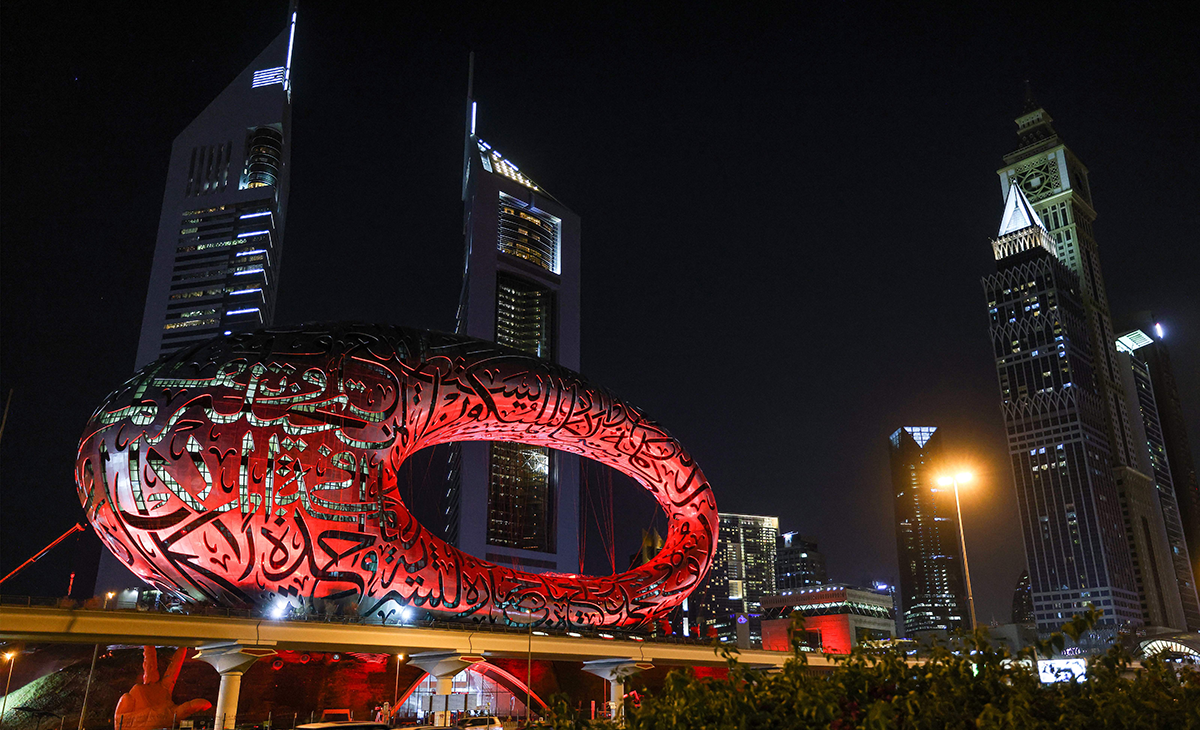
    Ongoing conflicts in Syria, Libya, and Yemen are expected to continue to destabilize the Middle East and North Africa (MENA) in 2021. However, technology will likely add another layer of complexity to these conflicts and reshape the region throughout the 2020s. When the Arab Spring began a decade ago, the biggest challenge facing long-standing Arab autocrats was grappling with the power of social media and the rise of online political opposition by tech-savvy millennial activists. In the 2020s, however, regional governments are now facing a new set of emerging technologies that will shape not only domestic politics but also regional geopolitical dynamics. These advancing technologies include: drone, cyber, and space technologies.

    Turkey and Egypt: Time for Normalization? Not Quite Yet
  • Commentary
  • Turkey and Egypt: Time for Normalization? Not Quite Yet

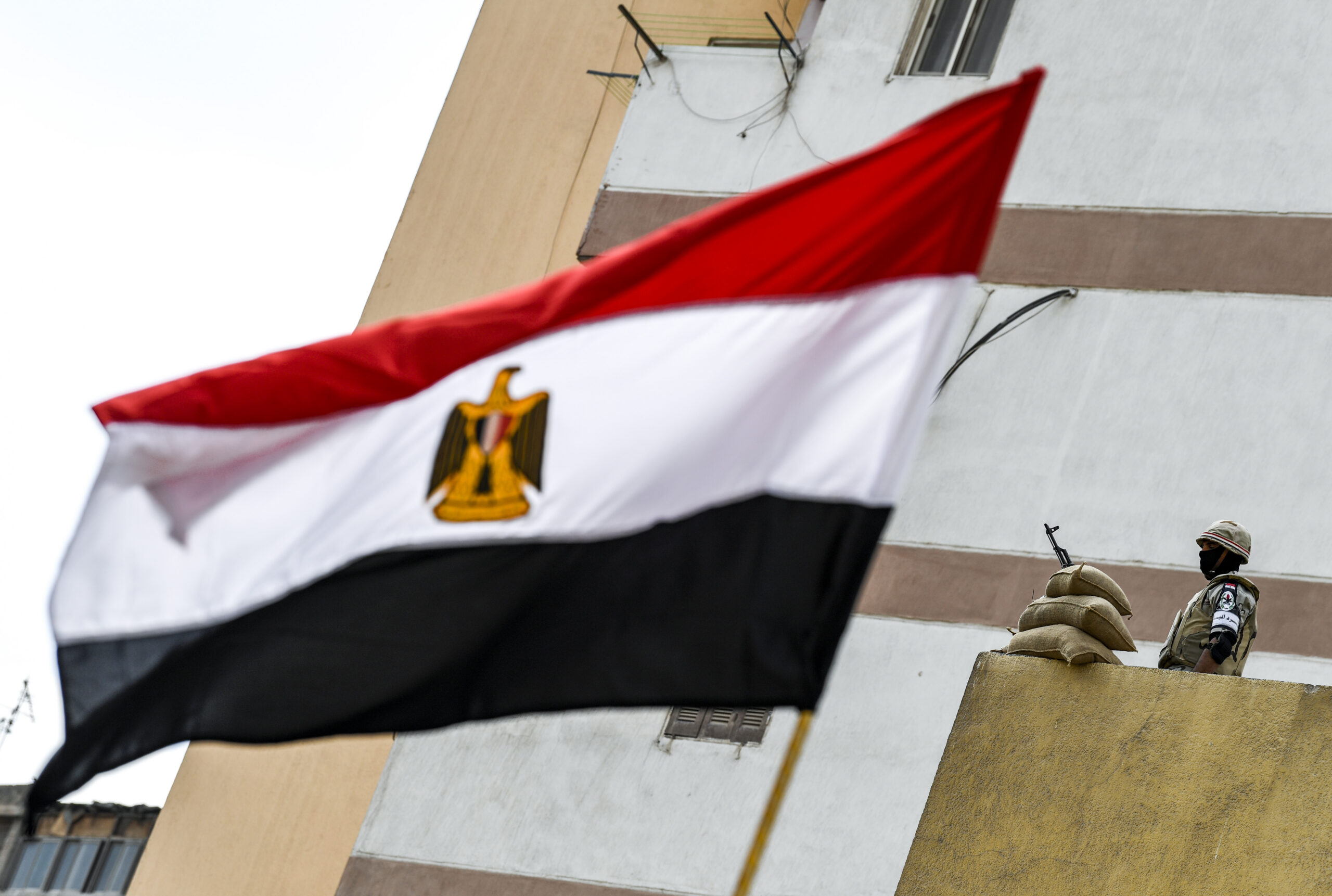
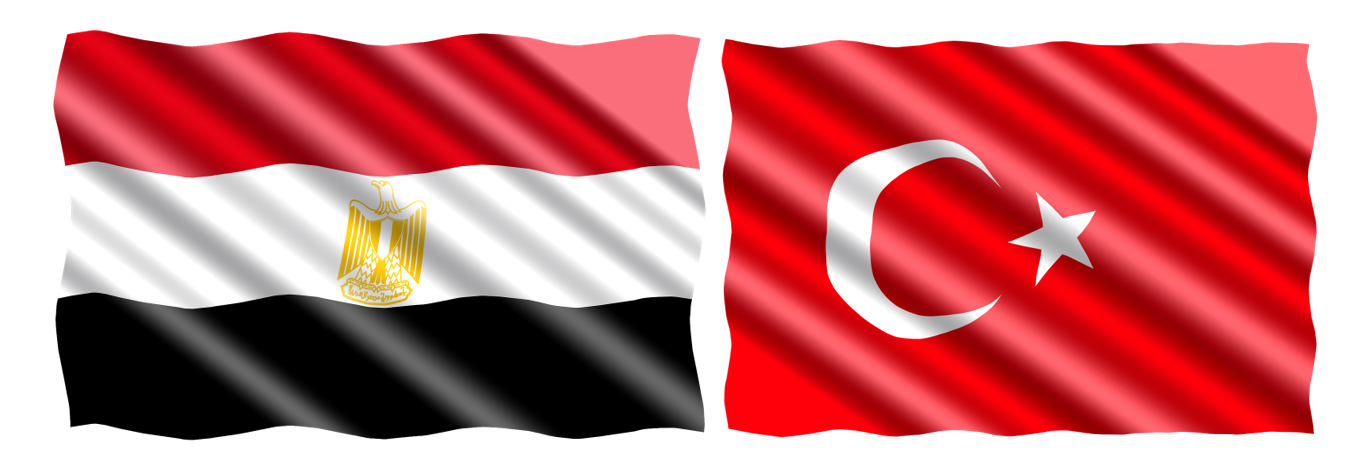
    Dr. Marwa Maziad discusses the relationship between Turkey and Egypt over the long term, analyzing the causes and effects of the divergent approaches to domestic and regional politics held presently by the respective Turkish and Egyptian presidents.

    February 15, 2021

    The Turkey-Pakistan entente: Muslim middle powers align in Eurasia
  • Analysis
  • The Turkey-Pakistan entente: Muslim middle powers align in Eurasia

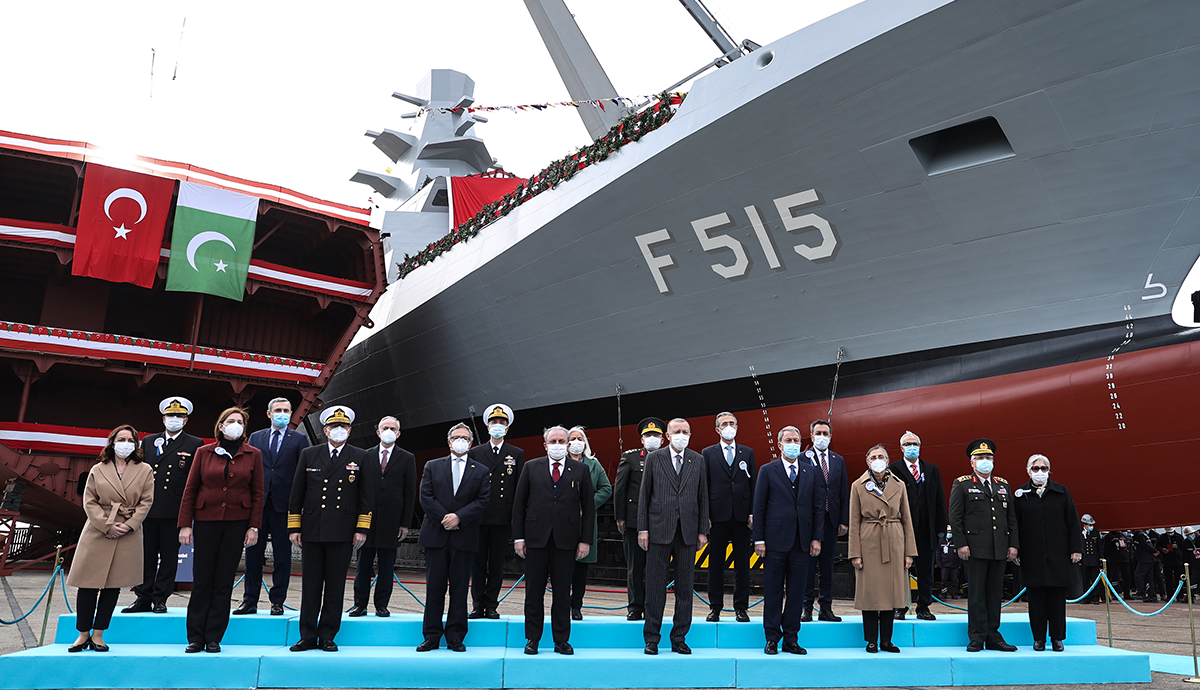
    In the 1950s, at the onset of the Cold War, Pakistan and Turkey were part of the Central Treaty Organization or CENTO, a pro-Western bloc of Muslim-majority states. Today, the two countries — both with troubled relations with the United States — are Muslim middle powers with a growing entente in a multipolar Eurasia. In recent years, cooperation between Pakistan and Turkey has strengthened not just in the defense, diplomatic, and economic realms, but also in the cultural space, causing geopolitical ripple effects in the Himalayas, the Arabian Peninsula, and the South Caucasus.

    January 29, 2021

    Ethiopia’s domestic problems risk becoming international
  • Analysis
  • Ethiopia’s domestic problems risk becoming international

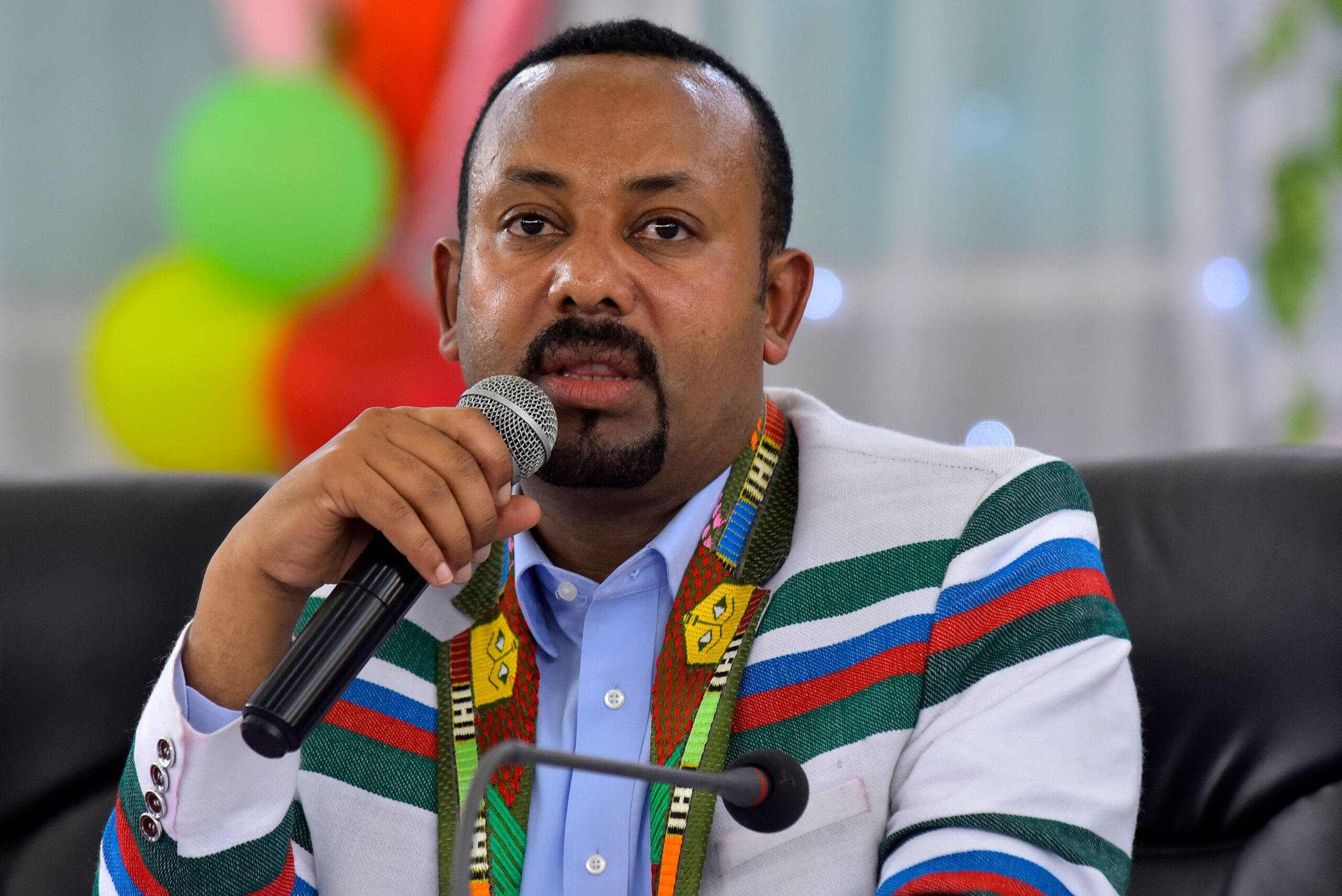
    In Egypt, Ethiopia, and Sudan, coverage of negotiations around the Grand Ethiopian Renaissance Dam (GERD) has tended to consistently be in the news over the past few years. The events of the last few weeks, however, have easily pushed GERD talks to the side. On Nov. 4, 2020, Ethiopian federal government forces started pounding the Tigray region, one of 10 semiautonomous regions in the country, after Prime Minister Abiy Ahmed accused the Tigray People’s Liberation Front (TPLF) of attacking a federal base. Relations had been disintegrating after Abiy cancelled elections, due to COVID, that would have marked the end of his term. While most of Ethiopia’s ethnic minorities took umbrage, the TPLF went a step further by holding their own elections, the results of which were declared null and void by the federal government.
    Monday Briefing: Biden administration sends mixed signals on Afghanistan
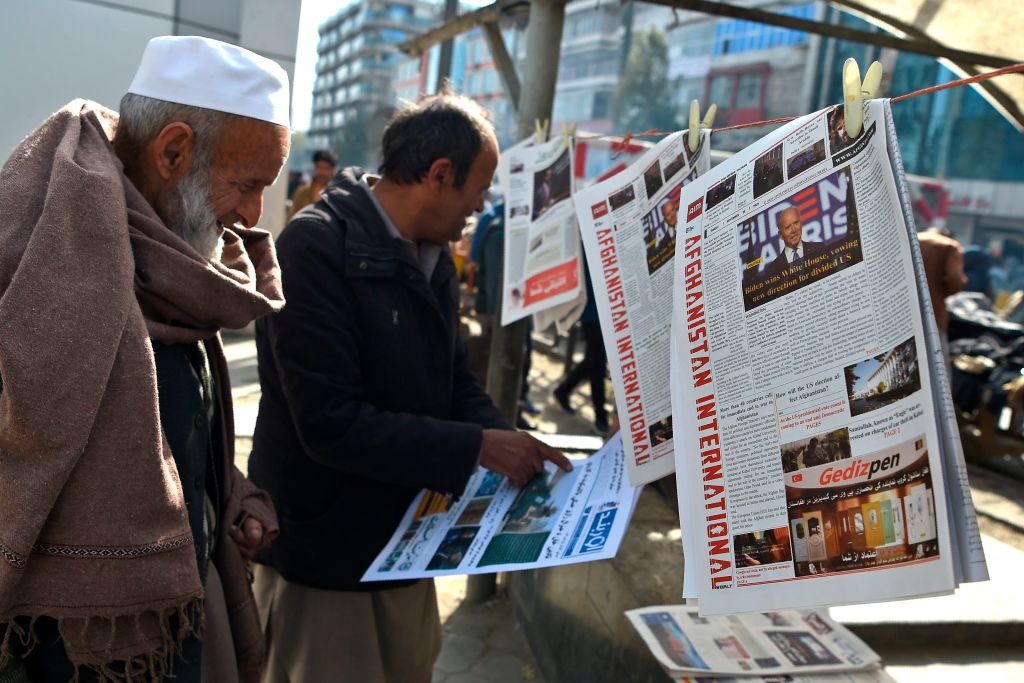
    Photo by WAKIL KOHSAR/AFP via Getty Images
  • Commentary
  • Monday Briefing: Biden administration sends mixed signals on Afghanistan

    Contents:

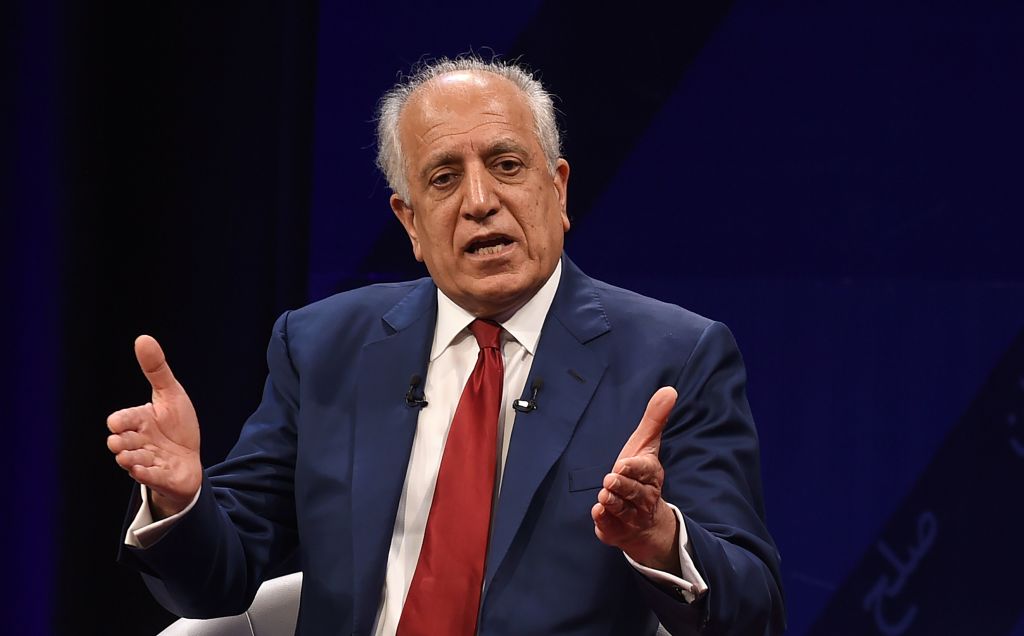
    Biden administration sends mixed signals on Afghanistan

    Marvin G. Weinbaum
    Director, Afghanistan and Pakistan Studies

    Rethinking relations with Pakistan
  • Analysis
  • Rethinking relations with Pakistan

    The incoming Biden administration has a full plate as it seeks to reinvigorate American foreign policy engagements around the world. The need to reimagine future U.S. engagement with South Asia may not be among the highest priorities for policy makers. Yet, this region, home to nearly a quarter of the world’s population, presents perennial challenges as well as new threats that U.S. policy makers cannot afford to ignore.