Women’s Reproductive Rights and Abortion in Morocco: Regulatory Reforms Should Not Miss the Bigger Picture
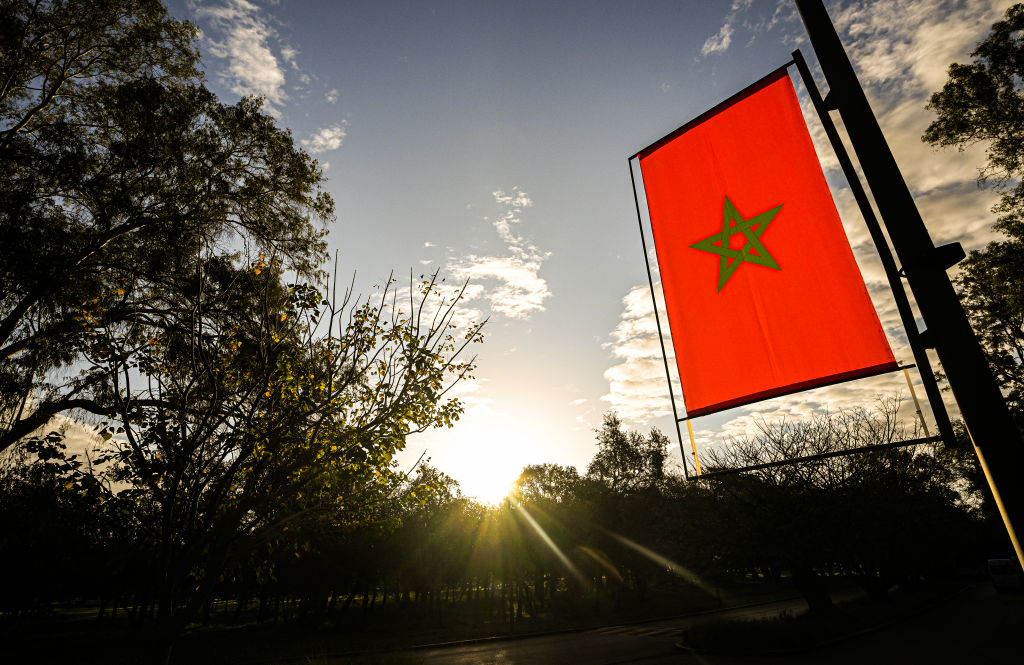
The recent death of a 14-year-old girl following a botched “back alley” abortion at the house of her abuser is the latest reminder of the need to better protect women’s reproductive rights in Morocco and should push Moroccan authorities to address the multi-faceted social, legal, and economic drivers behind unwanted pregnancies.
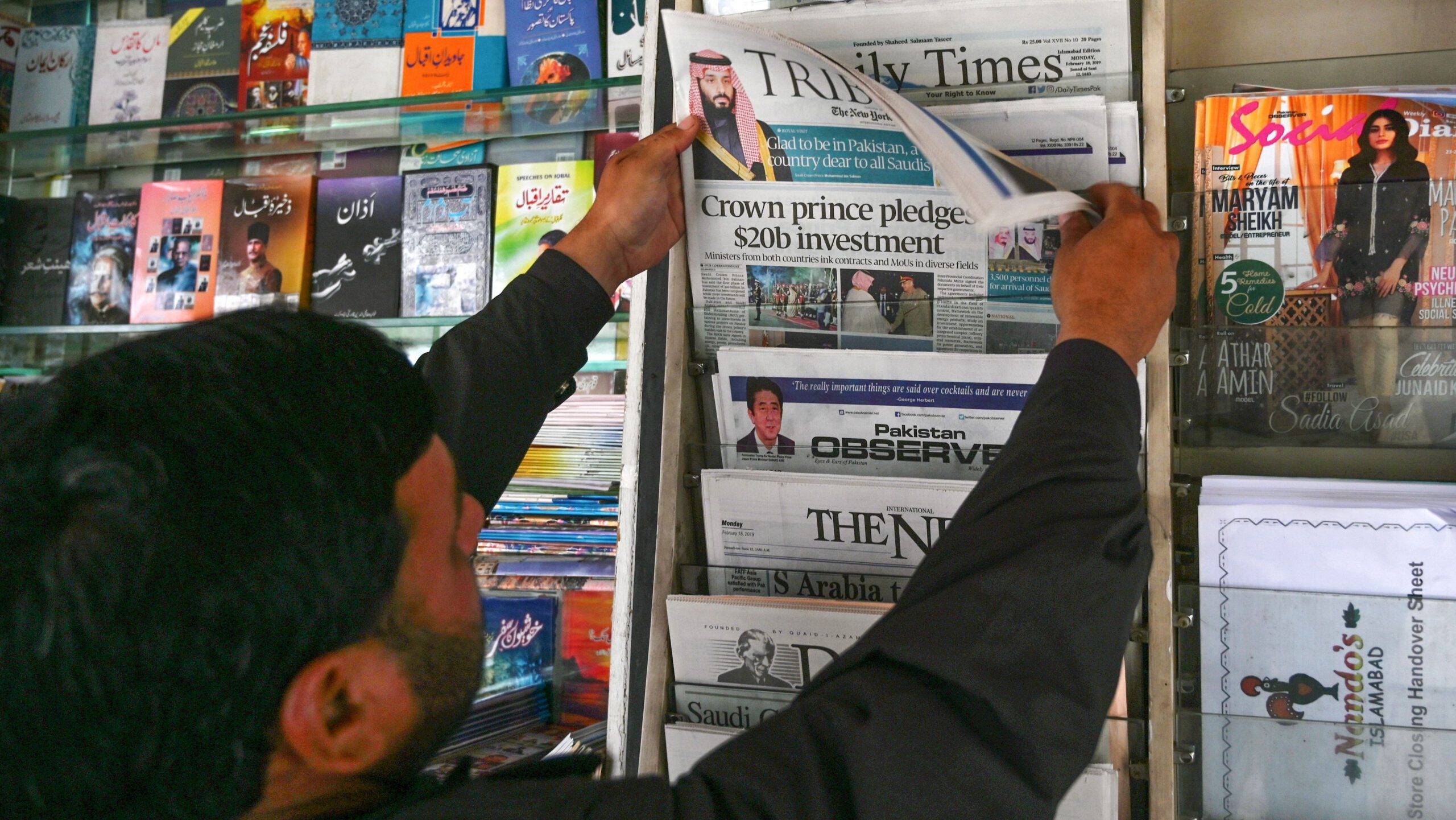
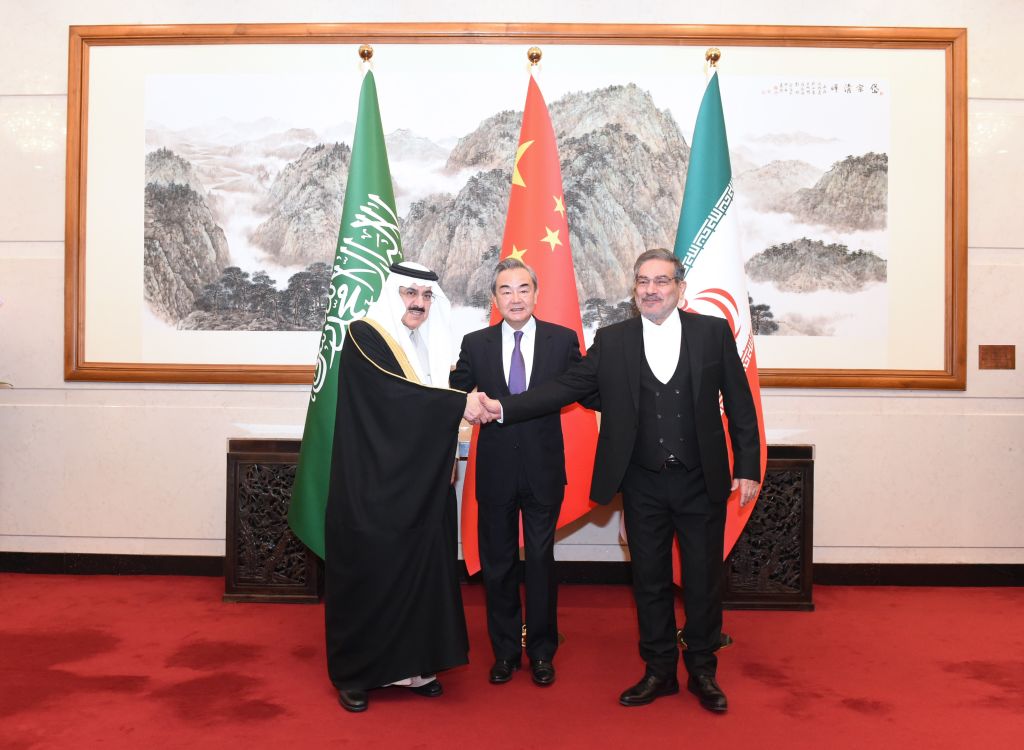
Unexpected beneficiary: The implications of the China-brokered Saudi-Iran deal for Pakistan
The implications of the apparent rapprochement between Saudi Arabia and Iran are likely to have significant consequences for vital neighboring regions like South Asia and other populous Muslim countries, including, notably, Pakistan.
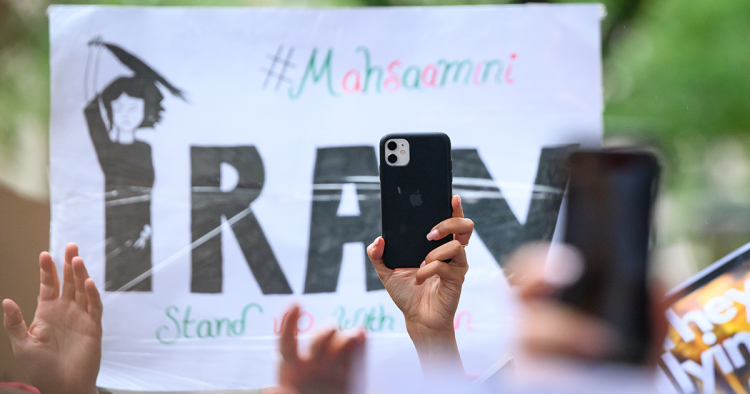
Why the Iranian public remains silent in the face of Israeli attacks
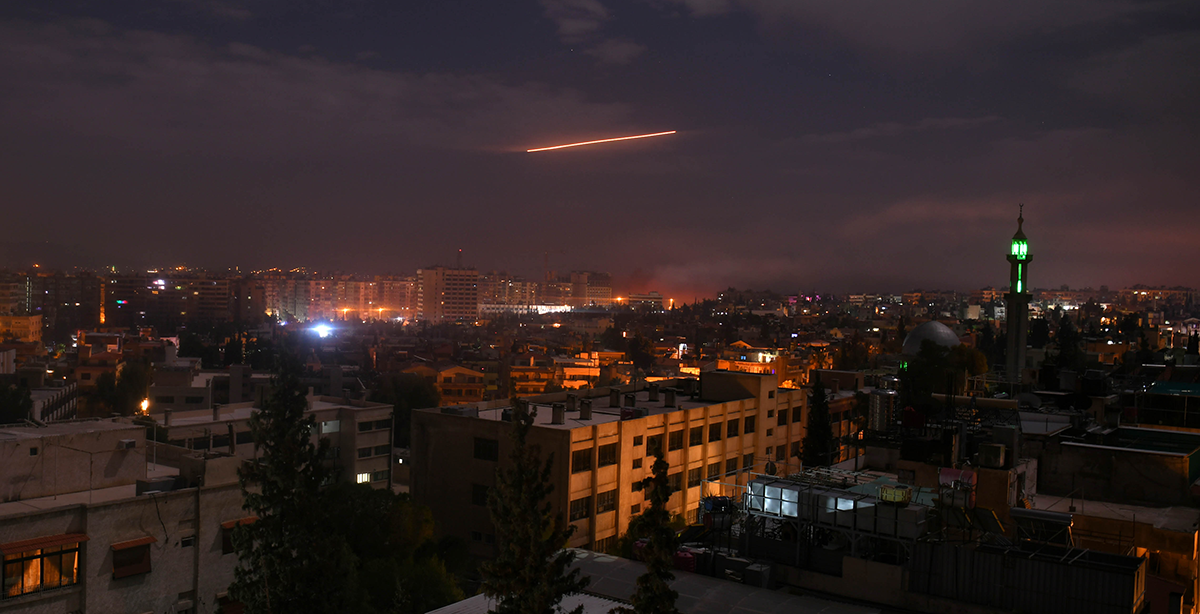
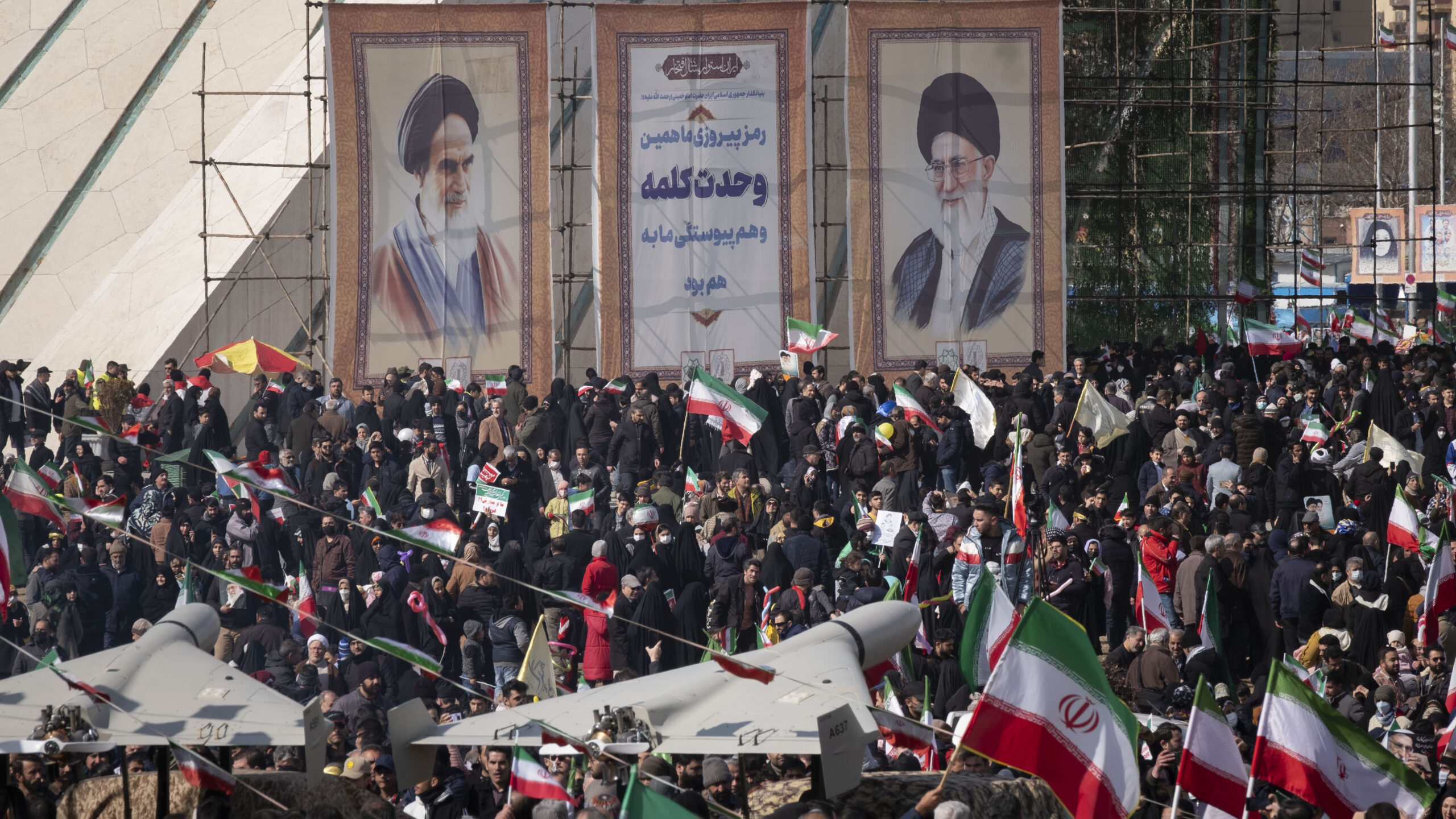
The silence from Iran is deafening. Judging by social media reactions and media reports from Iran, few, if any, members of the Iranian public seem to care that, since 2011, the Israeli air force has attacked Iranian and Iranian-affiliated positions in Syria on more than a thousand occasions, reportedly killing a number of Iranian members of the IRGC.
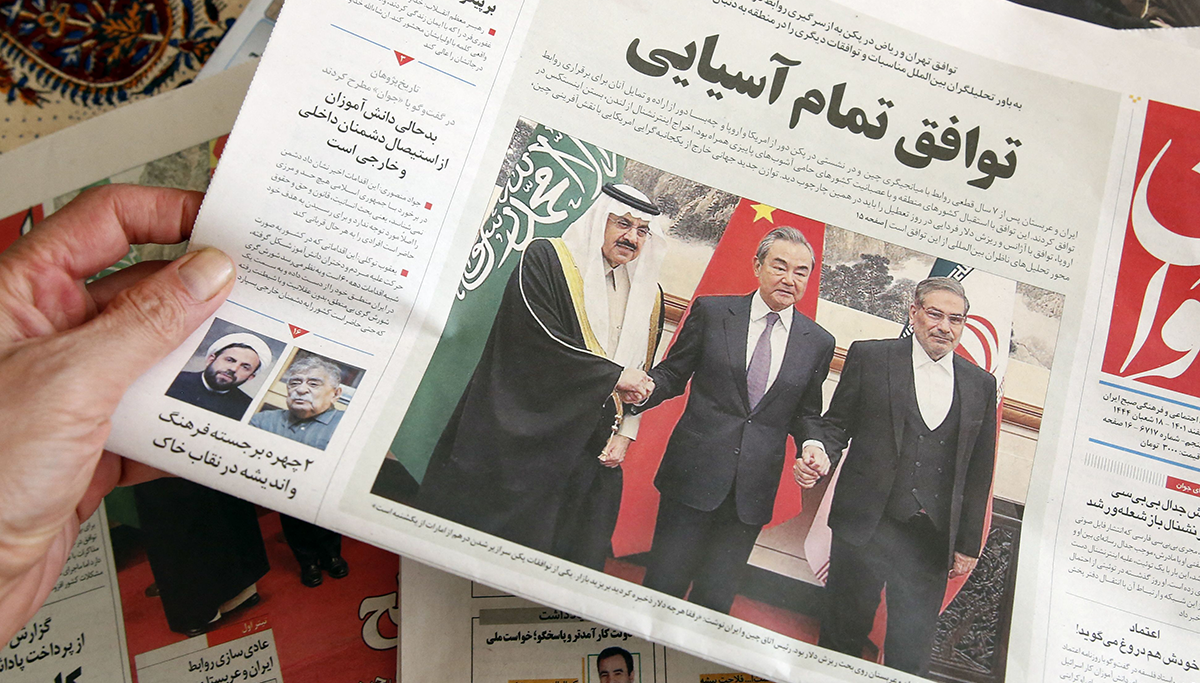
Two weeks ago, on March 10, Iran said it would restore diplomatic relations with Saudi Arabia after a seven-year rupture as part of a deal brokered by China. The agreement, reached in Beijing, is the result of almost a year and a half of mostly quiet talks between Iran and Saudi Arabia, facilitated by a host of countries including China, Iraq, Oman, Russia, and the United States.
The Food-Energy Nexus and Italy–Morocco Cooperation
The unwinding of global food production chains due to the combined shocks of Covid-19 and the war on Ukraine, made worse by the impact of climate change on the food-water-energy nexus, will require the six nations of the western Mediterranean – Morocco, Algeria, Tunisia, Spain, France and Italy – to develop new forms of economic cooperation. An Italy–Morocco partnership on green energy food production can be a model for resilient food production chains.
Iran’s Islamic Revolutionary Guard Corps Navy is converting two merchant container ships into vessels capable of carrying and launching combat drones against maritime or coastal targets. For now, Iran’s drone carriers are unlikely to pose a clear and present danger to the U.S., but they possess symbolic significance as a potential tool to defy American initiatives in the Middle East and respond to Israel’s attacks against Iran.
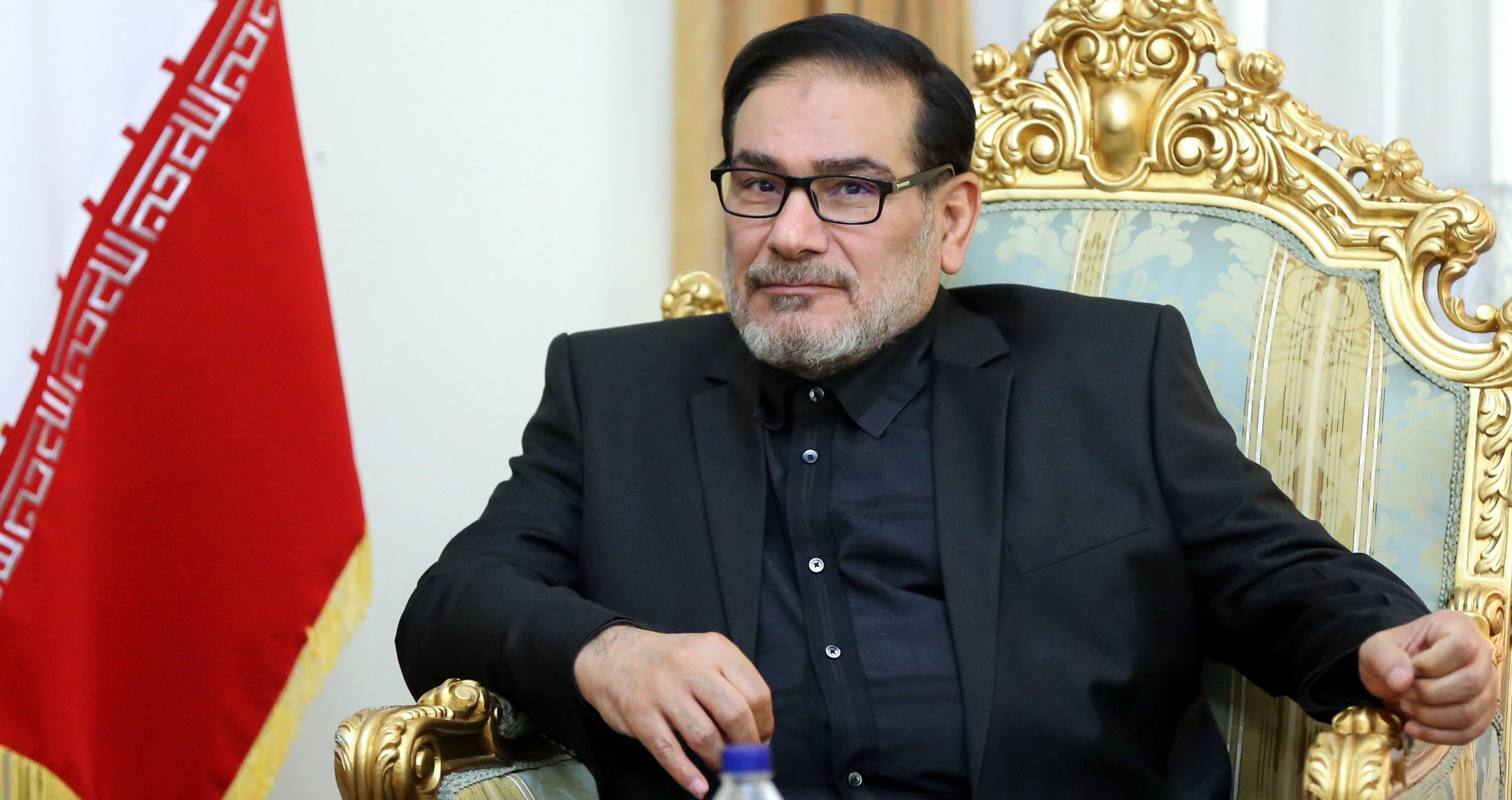
The race to replace Ali Shamkhani, Iran’s most palatable interlocutor with the West
Rear Admiral Ali Shamkhani has served for 10 years as secretary of the Supreme National Security Council, Iran’s top policymaking body in both domestic and foreign policy matters. A number of recent developments have aroused speculation that he could soon vacate his seat. Such a change would be an important signpost of how the Iranian establishment is posturing itself against the backdrop of continued revolutionary sentiment among significant segments of the population.
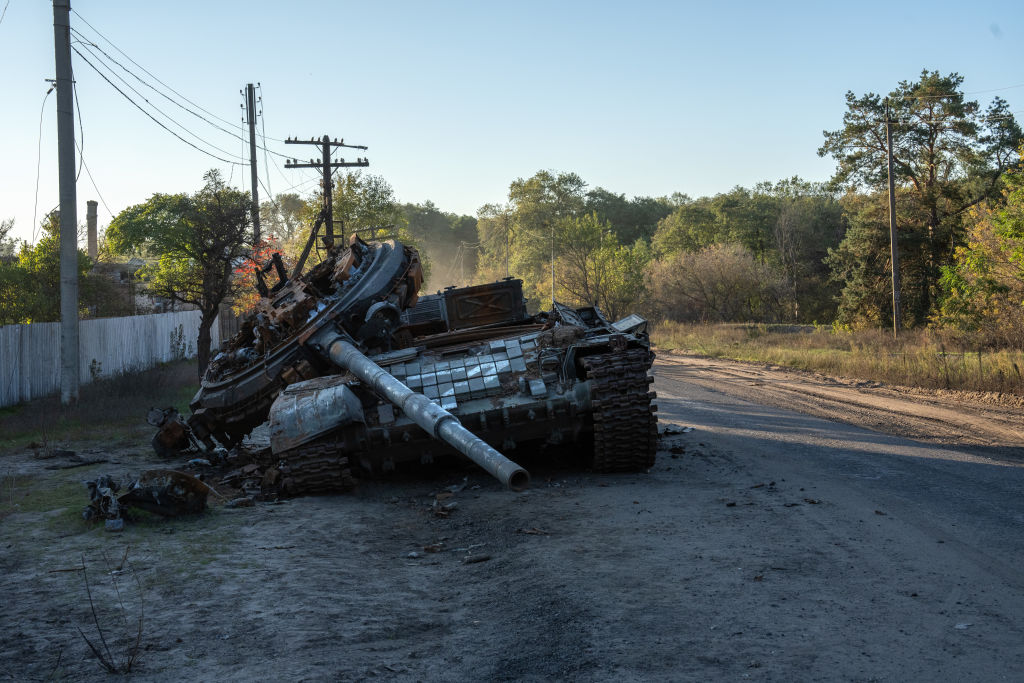
Russia's Influence in MENA After a Year of War in Ukraine
MEI Managing Editor Matthew Czekaj speaks with scholars Iulia-Sabina Joja, Alex Vatanka, Yörük Işık, Charles Lister, and Roger Kangas on Russia’s current standing in the Middle East a year since re-invading Ukraine.
How has Russian aggression in Ukraine redrawn Moscow’s relationships in the MENA region? And as the Middle East increasingly becomes a key area of global great power competition, is Russia still a meaningful player there, politically, economically, militarily, and diplomatically?
A message to Tehran: What drone attacks on Iranian critical infrastructure tell us
For the first time in several months, Iranian critical military infrastructure again came under attack from an unknown assailant. The Jan. 28 drone attack on a Ministry of Defense workshop complex appeared designed to deliver a politico-strategic message. The strike may mark the beginning of a more unstable post-JCPOA security environment in the Middle East characterized by a return of deterrence and risk-taking behavior.
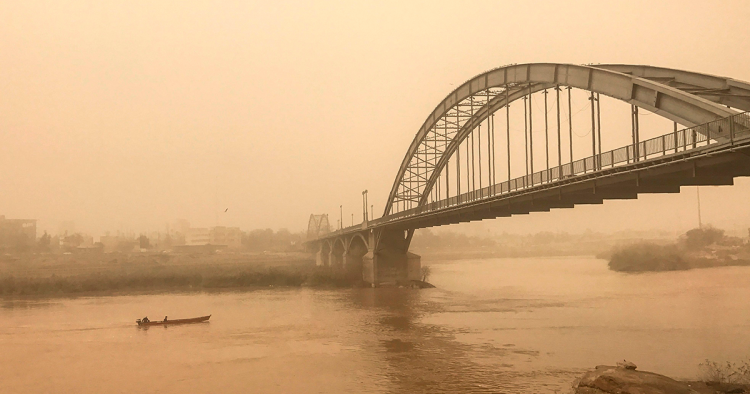
A decline in average annual precipitation, rise in temperatures, and dire water shortages are leading drivers of climate-induced internal migration in Iran. This long-term trend was further exacerbated in 2022 by more intense heat waves, resulting in a spike in seasonal migration.