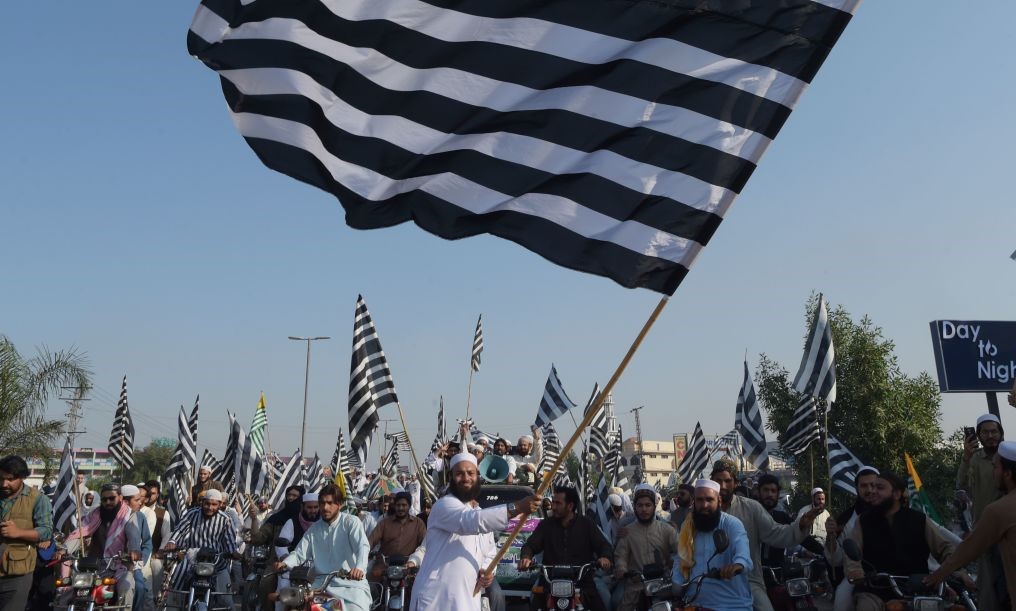
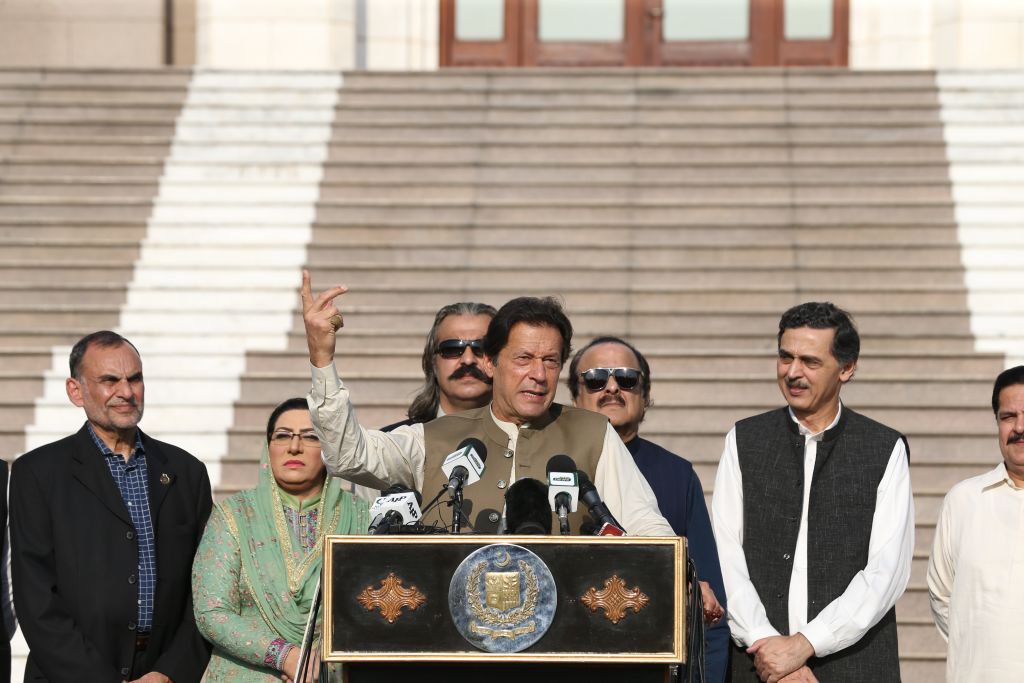
Once again, an elected Pakistani government is being pressed to resign
While there is probably zero chance Prime Minister Khan will step down, efforts will persist in trying to delegitimize those in power because this is what Pakistan’s opposition parties seem best programmed to do.
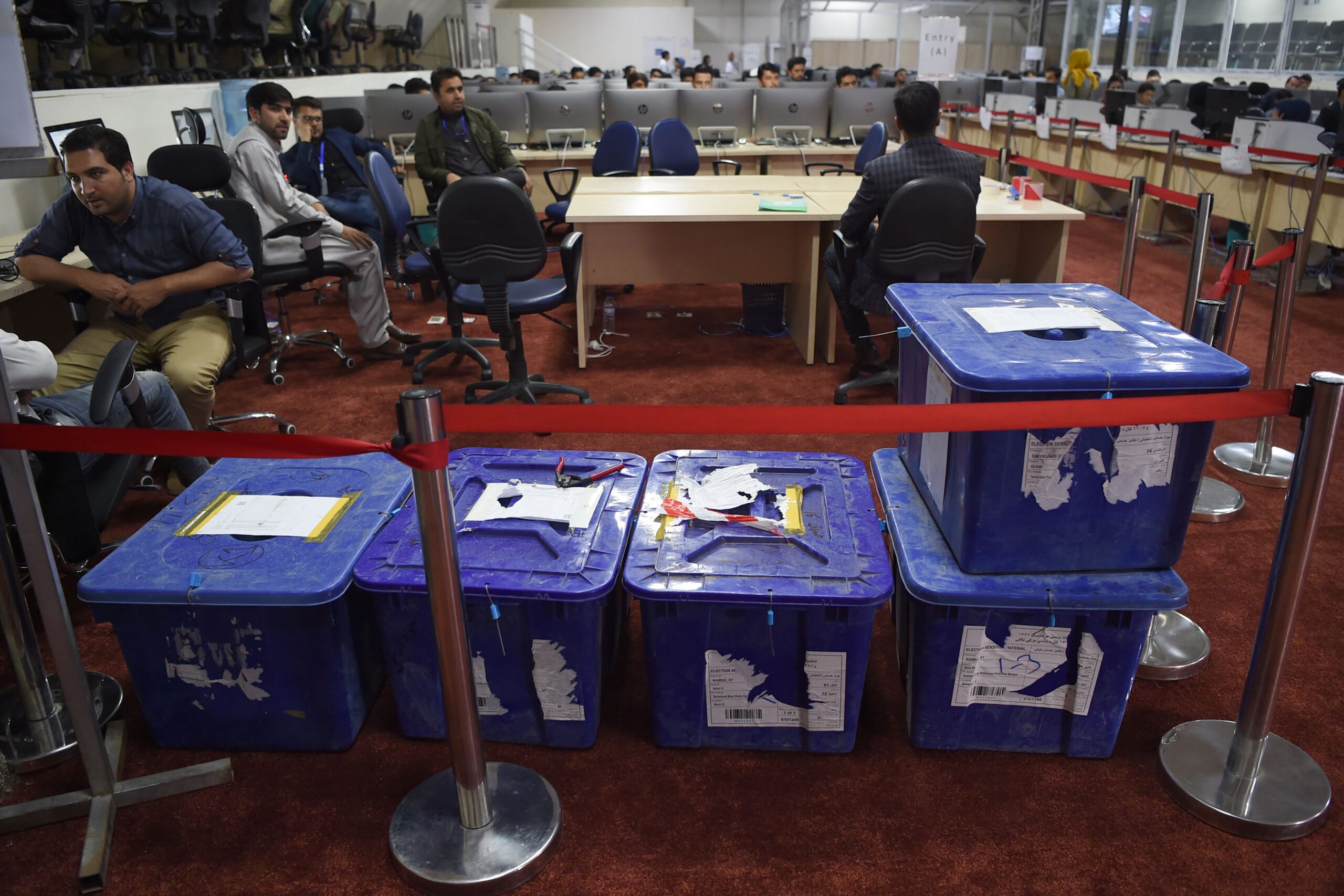
The US eyes the exit as Afghan election results are once again delayed
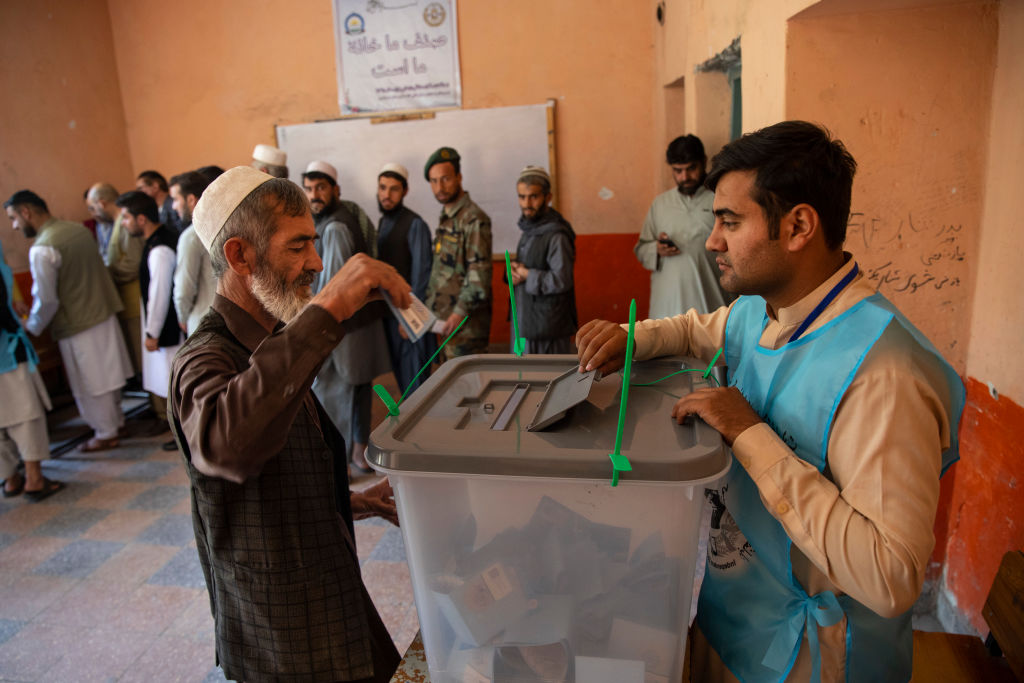
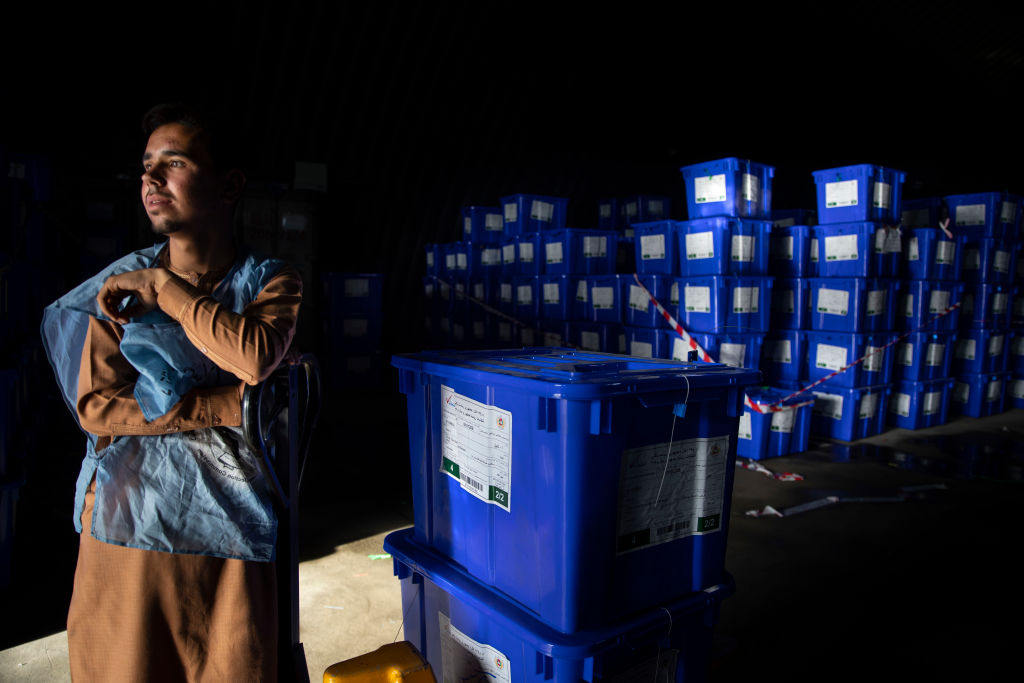
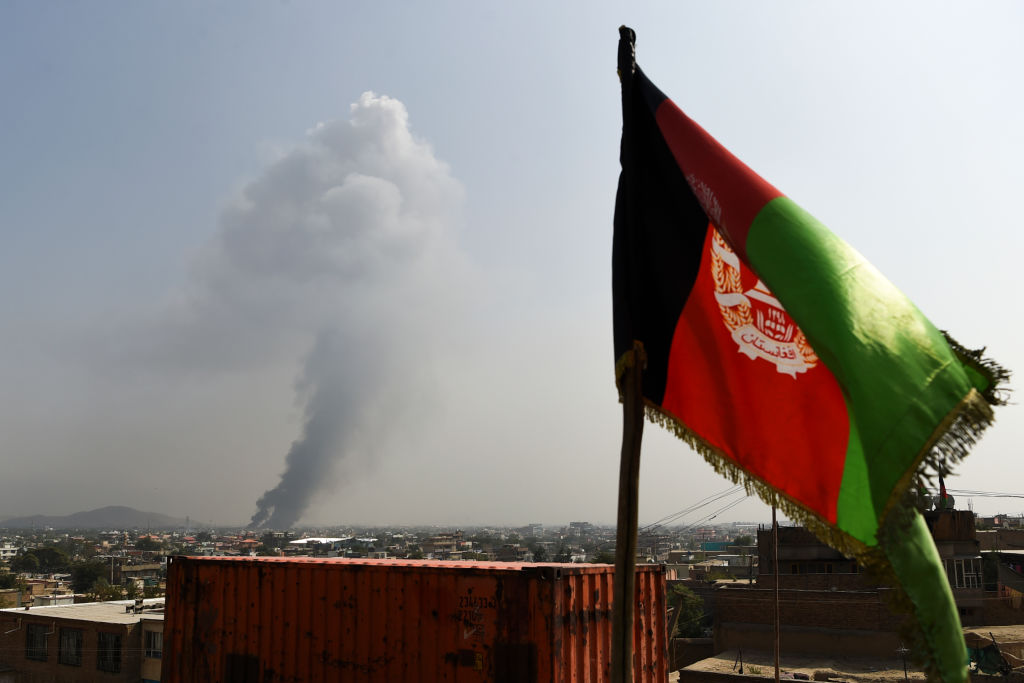
In a move that surprised no one, on Oct. 19 the Afghan election commission said it was unable to announce the preliminary results of the Sept. 28 presidential election as planned, due to delays in processing biometric data. Held amid political uncertainty, terrorist violence, and general skepticism, the September election was the fourth presidential contest in Afghanistan since 2001, when the brutal Taliban regime was toppled in the wake of the Sept. 11 terror attacks on the United States.
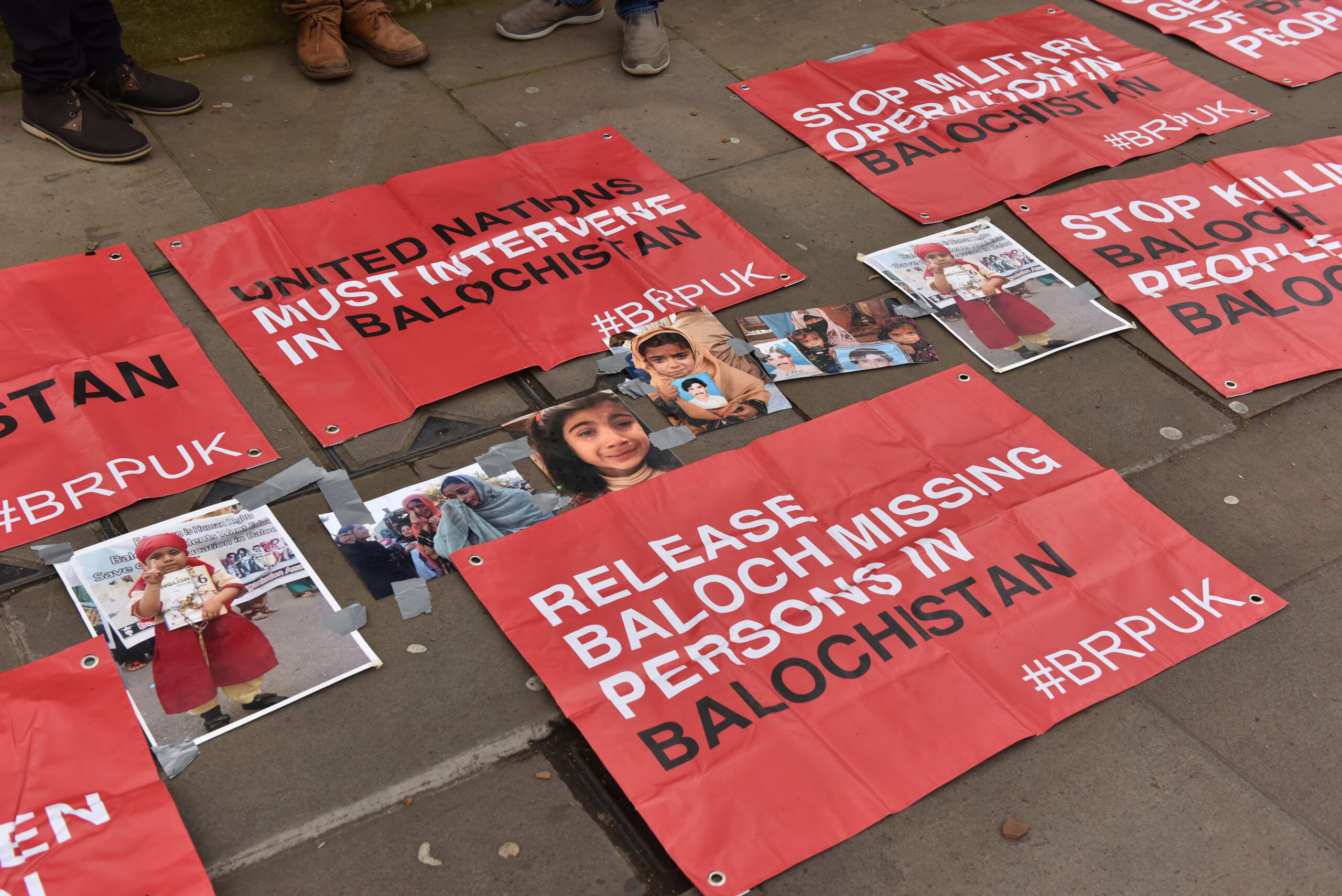
Balochistan: From the periphery to the center of attention
With an estimated $1 trillion in natural resources and sitting astride an international crossroads of increasingly critical importance, Balochistan is becoming a stage on which the world’s powers are playing out their ambitions. China, the U.S., and India have all formulated Balochistan policies in the past few years, hoping to utilize the region to achieve wider international goals — and the three countries across which Balochistan is divided, Pakistan, Afghanistan, and Iran, have been eager to use it as a bargaining chip for their own purposes.
Afghanistan may be headed for a post-election political impasse
Preliminary results from the Sept. 28 Afghan presidential election will not be announced for at least another week. Yet events are shaping up that could drive Afghanistan into a political impasse similar to what the country faced in its last presidential election.
What’s next after the sudden death of the Afghan peace process?
In the end, it all fell apart rather quickly. Instead of a long-awaited announcement about the details of a U.S.-Afghan Taliban peace deal, on Sept. 7 President Donald Trump tweeted that the talks were off, adding shortly afterwards that the Afghan peace process was “dead.” Only days earlier, Washington’s special representative for Afghanistan, Zalmay Khalilzad, had announced a draft agreement had been reached after nine rounds of gruelling negotiations.
Pakistan’s tricky balancing act between Saudi Arabia and Iran
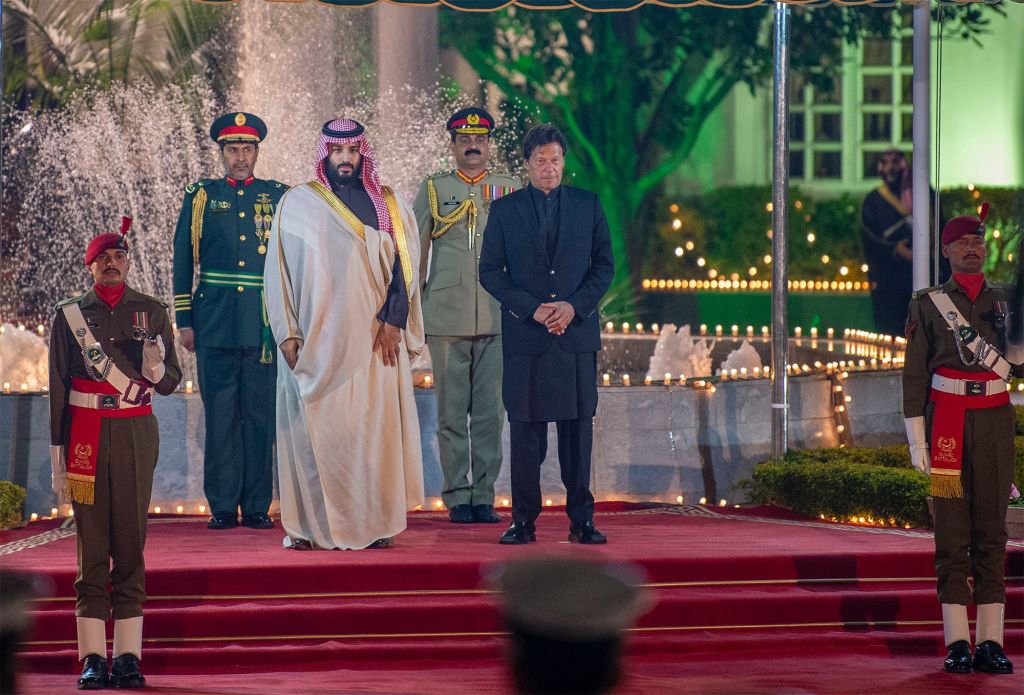
The Sept. 14 attack on Saudi Arabia’s Abqaiq oil processing plant has put Pakistan in a place it never wanted to be: possibly forced to choose between Saudi Arabia and Iran.
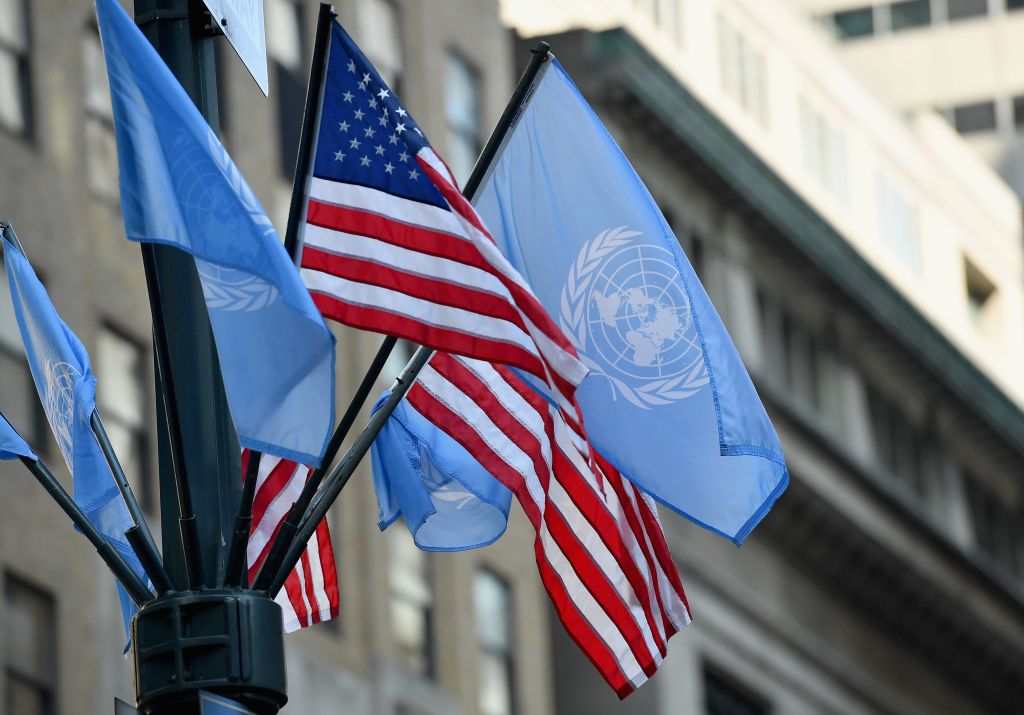
Monday Briefing: Middle East takes center stage at UNGA
This week’s briefing on recent news and upcoming events in the region featuring Gerald Feierstein, Alex Vatanka, Eran Etzion, Gonul Tol, Amal Kandeel, Marvin G. Weinbaum, Michael Sexton and Eliza Campbell.
This week’s briefing on recent news and upcoming events in the region featuring Marvin G. Weinbaum, Robert S. Ford, Fatima Abo Alasrar, Jean-François Seznec, Michael Sexton and Eliza Campbell.
US negotiations with the Taliban: The cases for hope and skepticism
Amb. Robin Raphel and MEI’s Marvin Weinbaum join guest host Jerry Feierstein to discuss the latest round of negotiations between the US and the Taliban and lay out their competing views on whether there is greater cause for optimism or pessimism as the US seeks to withdraw its troops after nearly twenty years in Afghanistan.
Pakistan on Kashmir: “They have colonized the territory”
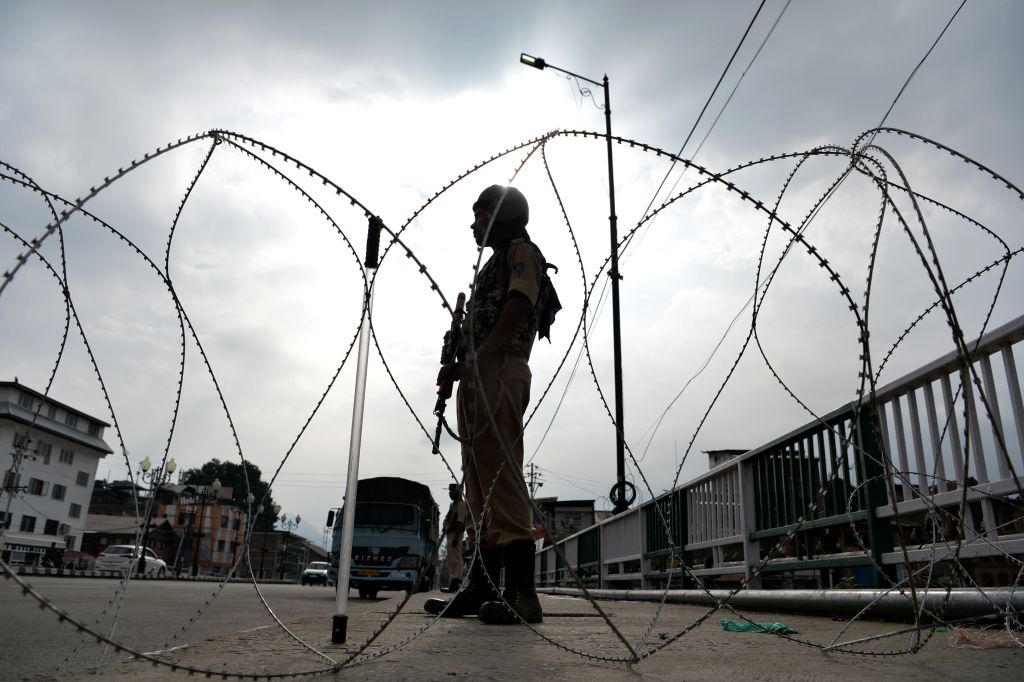
MEI scholar Lawrence Pintak speaks to Sardar Masood Khan, the president of Pakistani-administered Kashmir, about India’s early August annexation of the semi-autonomous territory of Jammu and Kashmir.
Monday Briefing: A mixed record for PM Khan’s first year in office
This week’s briefing on recent news and upcoming events in the region featuring Arif Rafiq, Ibrahim Jalal, Michael Sexton and Eliza Campbell, and Alex Vatanka.
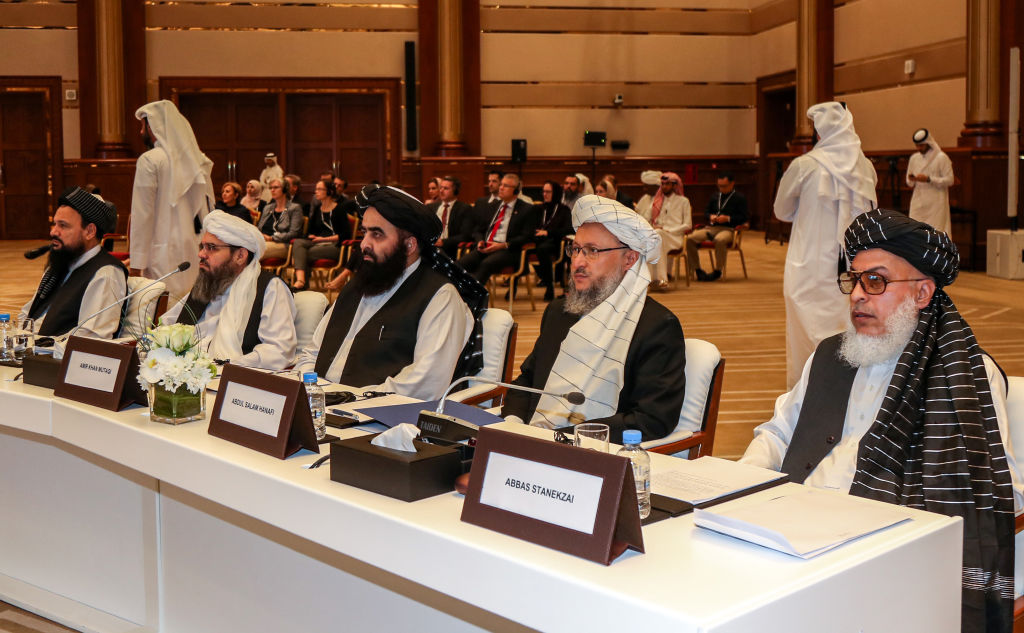
Much has been written about the ongoing direct peace talks between U.S. Special Representative Zalmay Khalilzad and an Afghan Taliban delegation headed by Mullah Sher Mohammad Abbas Stanikzai in Doha, Qatar. This article takes a closer look at the challenges to negotiating with the Afghan Taliban and lays out six reasons why the prospects for peace in Afghanistan still seem bleak.
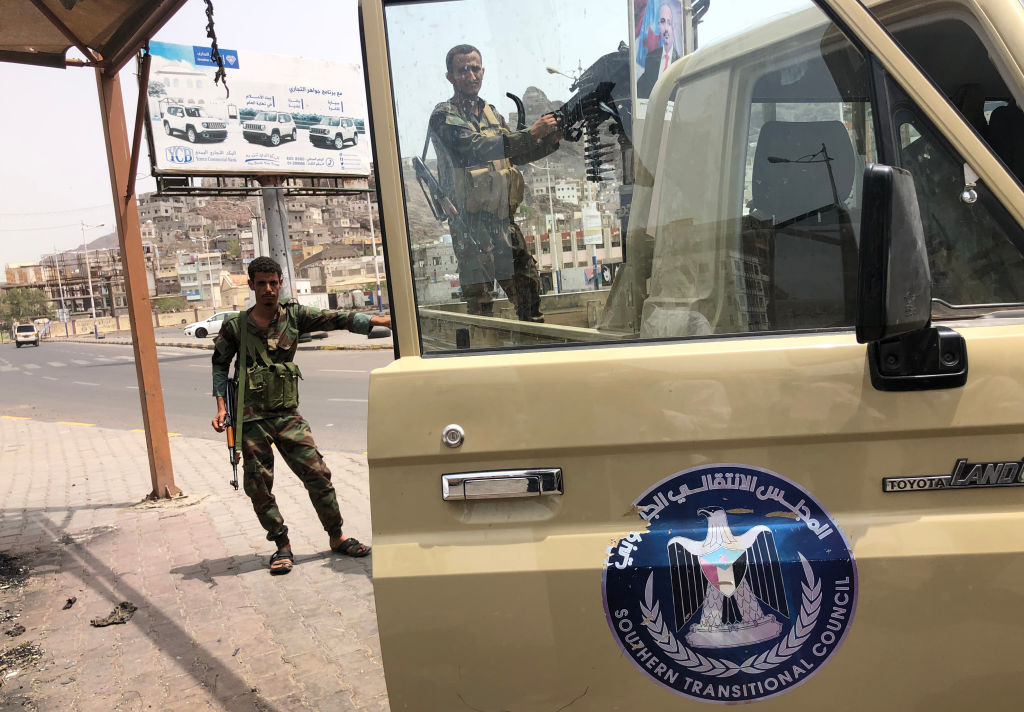
Monday Briefing: Fighting flares up in southern Yemen
This week’s briefing on recent news and upcoming events in the region featuring Fatima Abo Alasrar, Gonul Tol, Marvin G. Weinbaum, Randa Slim, and Michael Sexton and Eliza Campbell.