New Saudi Outreach with Iraqi Shiite Leaders | Monday Briefing
In this week’s Monday Briefing, MEI experts Randa Slim, Paul Salem, and Marvin G. Weinbaum analyze new Saudi diplomatic engagement with Iraq, the escalating G.C.C. crisis, and the continuation of dynastic politics in Pakistan.
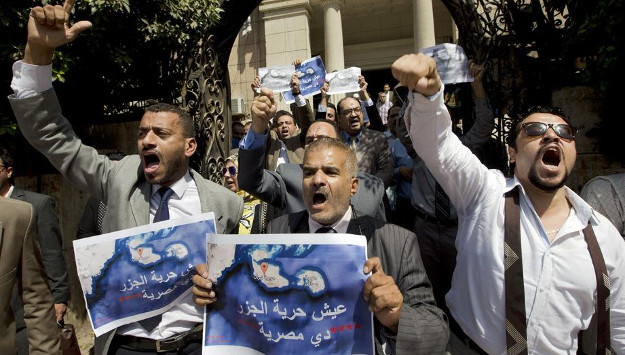
Red Sea Islands Deal Undermines Arab Peace Initiative
The Saudi-led Arab Peace Initiative is losing its value in the wake of Egypt’s decision to return the Red Sea islands of Tiran and Sanafir to Saudi Arabia, and the latter’s participation as a security guarantor of the Egypt-Israel peace treaty.
Last month, the Egyptian parliament, bucking widespread public and institutional opposition, acknowledged Saudi sovereignty over the islands.
Most attention has focused on the dispute over sovereignty, which has been under Egyptian administration for more than half a century. But the real significance of the deal lies elsewhere.
Egyptian Copts Under Attack: The Frailty of a National Unity Discourse
This essay discusses the recent spate of attacks upon and heightened sense of insecurity felt by Egyptian Coptic Christians. The essay focuses on Copts’ growing frustration with state authorities’ responses to their grievances.
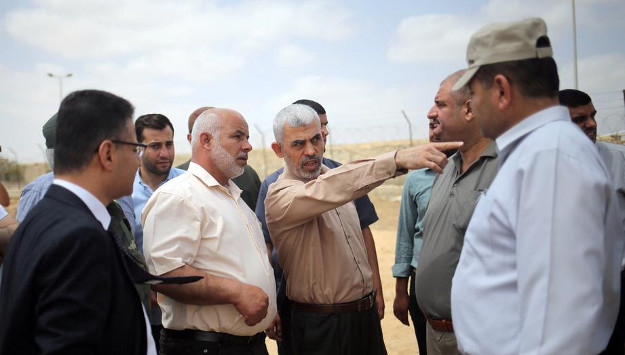
Jordan’s conspicuous silence over the unexpected trilateral rapprochement involving Hamas, Egypt, and former Fatah strongman Mohammad Dahlan does not mean that Amman is not keeping a close eye on recent developments. It is an unusual partnership that brings together once bitter foes, especially in the case of Dahlan and Hamas.
Amid all the accusations being traded recently against each other by Gulf Arab states some truths are getting lost in the smoke.
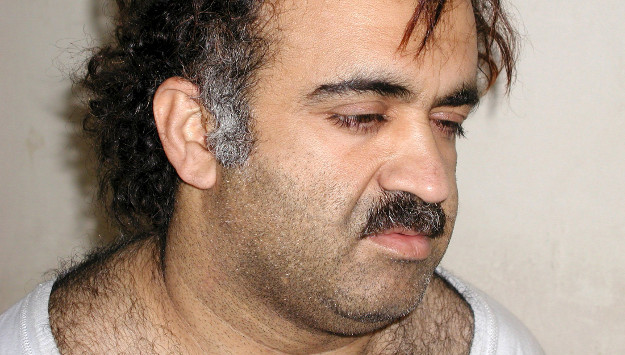
It has been true that Qatar has served as a sanctuary for leaders of groups that the U.S. or other countries deem to be terrorist organizations. That, however, is nothing new. It has been going on for at least 20 years — and one of those who had sanctuary was the mastermind of the 9-11 attacks.
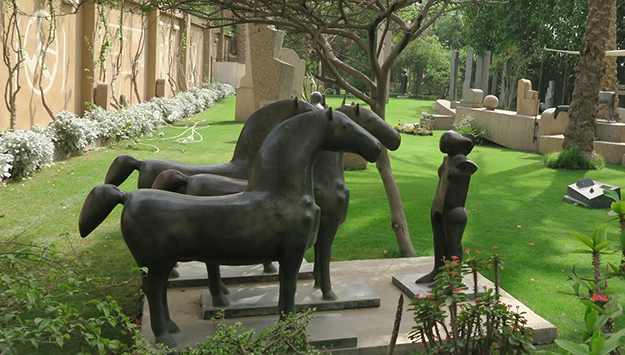
The road to Haraniyya, a formerly rural area just beyond the Giza pyramids, is now an eight-lane highway flanked by red-brick buildings packed and stacked as if designed by some demented cubist. But take the exit, cross a canal and tucked behind a wall of residential towers, the Museum of Adam Henein exists in magical contrast, a verdant stronghold of living art, and one of Cairo’s hidden treasures.
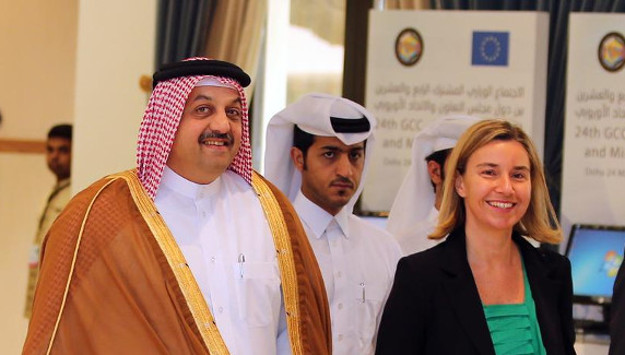
The ongoing Saudi-led blockade of Qatar came as a surprise to the international community, including the European Union. When Saudi Arabia, the U.A.E., Egypt, and Bahrain cut ties with the Qatari monarchy, the E.U. found itself in a new and complex political reality. Though the intra-Gulf crisis had been simmering for quite a long time, it seems that the Europeans were not prepared for such a scenario. Ultimately, Europe must consider the severity of the current crisis’ potential diplomatic and economic consequences.
The Influence of North African Militaries in Foreign Policy-Making
This essay looks at five North African states, arguing that the armed forces — for a variety of often case-specific reasons — are actually not as politically powerful and thus influential in foreign policy-making as one might expect. It first discusses the political strength of the military establishments of five North African states — Morocco, Algeria, Tunisia, Libya, and Egypt — and then investigates the difference, if any, that the recent Arab upheavals have made in their involvement in foreign policy-making.
Monday Briefing: ISIS losing territory, President Erdogan visits Sudan
In this week’s Monday Briefing, MEI experts Charles Lister, W. Robert Pearson, and Yousef Munayyer provide analysis on ISIS’ continued threat to security despite losing territory, President Erdogan’s upcoming visit to Sudan as a political calculation, and Mohammed Dahlan’s effort to return to Palestinian politics.
Rouhani to Qatari Leader: Iran Stands with Doha, Rejects “Unacceptable Siege”
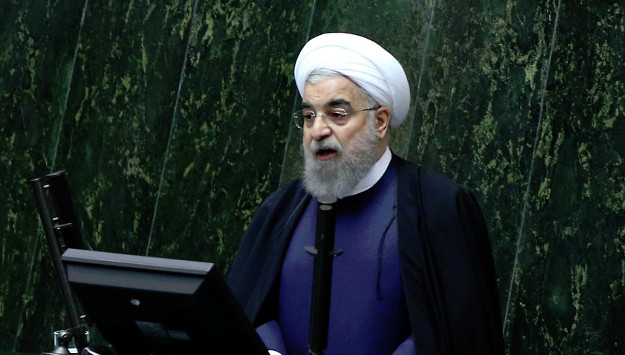
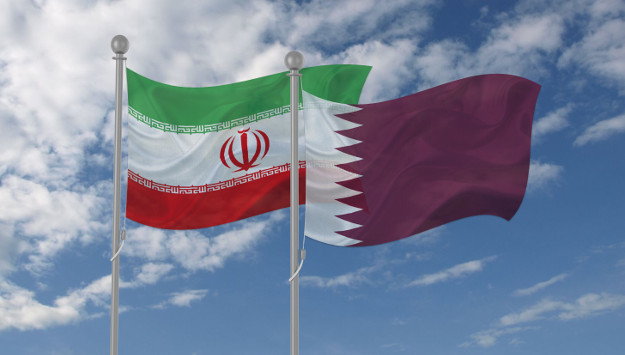
On Sunday, Iran’s President Hassan Rouhani pledged support for Qatar in its latest standoff with Saudi Arabia and its regional allies and called for the expansion of bilateral ties between Tehran and Doha, the Iranian media reported.
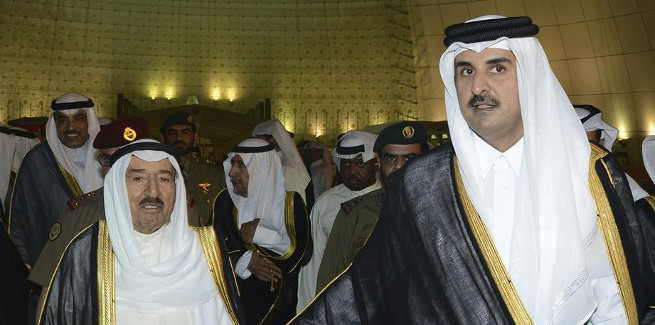
The ongoing Qatar crisis poses a major dilemma for Kuwait and Oman. Consistent with their “neutral” foreign policies, these two Arab Gulf states have maintained ties with Doha and seek to resolve the gravest internal Gulf Cooperation Council (G.C.C.) row since the organization’s establishment in 1981. Officials in Kuwait City and Muscat fear that failure to settle the Qatar crisis will break up the council, which would directly undermine vital Kuwaiti and Omani national interests given the potential for such a scenario to dramatically exacerbate regional geopolitical instability.
Iranian Media Weighs Pros and Cons of Tehran’s Role in Gulf Crisis
After President Donald Trump’s visit to Riyadh last month, Iranian leaders were worried about the creation of a U.S.-supported alliance of regional Arab states led by Saudi Arabia to counter Irani
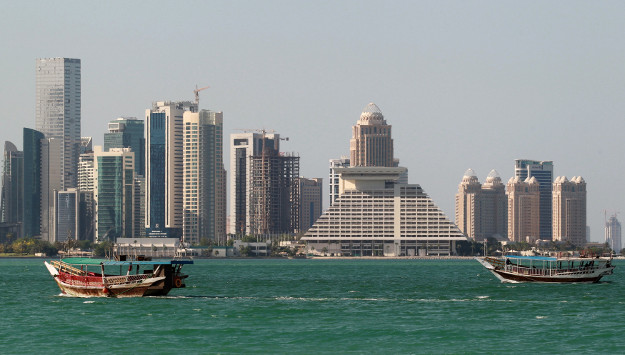
Those visiting Doha are often told by locals that the city is the epicentre for political deal-makings in the Middle East. If you just want to do business, go to Dubai, the Qatari political elites are fond of saying.
One way to understand the depths of the animosity that blew up the myth of brotherhood and cooperation among the monarchies of the Arab Gulf states on Monday is to look beyond the angry statements to a map published recently by the U.S. Energy Information Administration.
Citizens of the Gulf Cooperation Council (GCC) states woke up on Monday morning to what is the most severe crisis in the regional block’s 38 year history to date. In a closely coordinated series of statements, Saudi Arabia, Bahrain and the UAE, along with Egypt, announced the severing of ties with the peninsular state of Qatar.