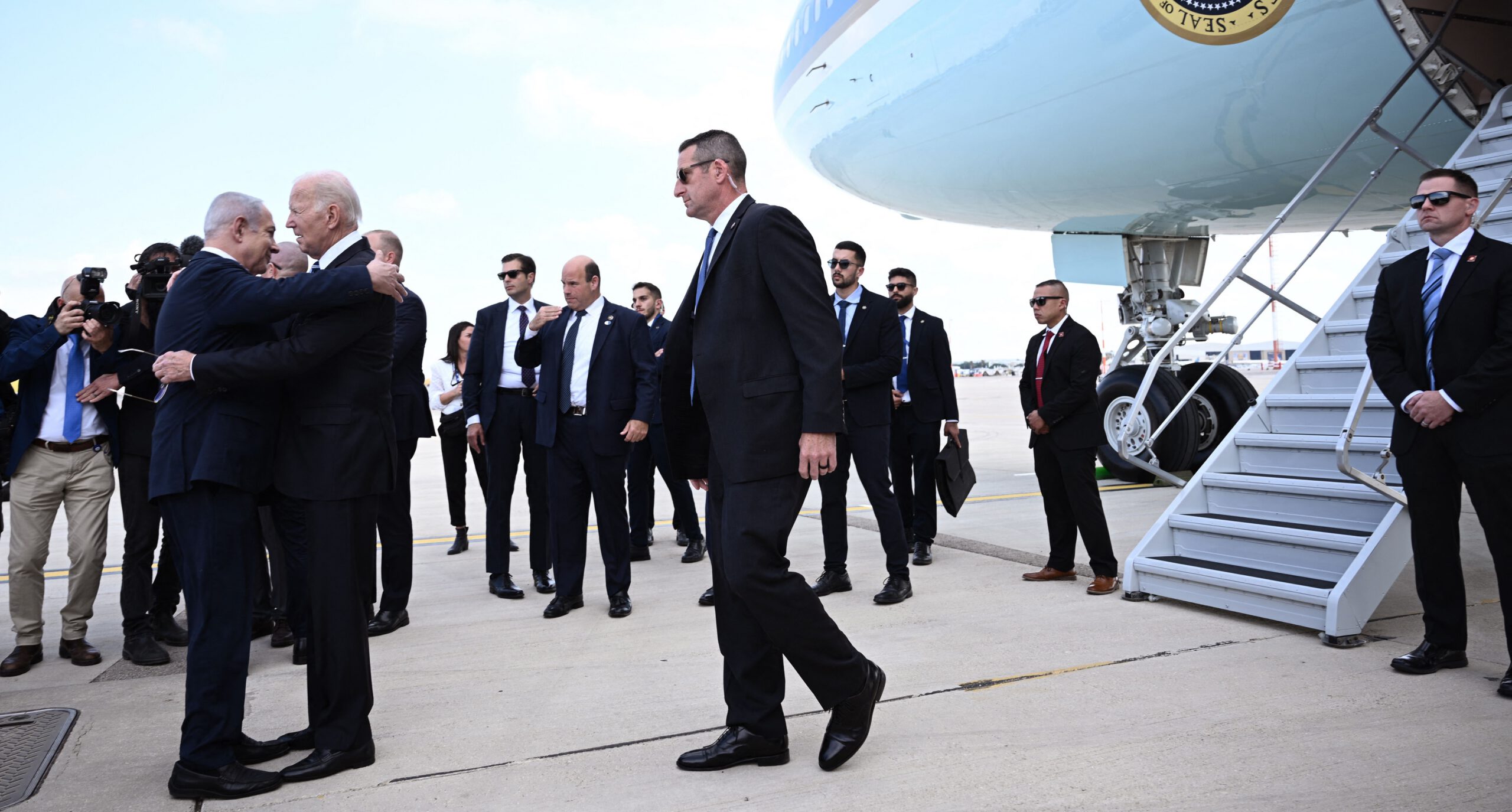
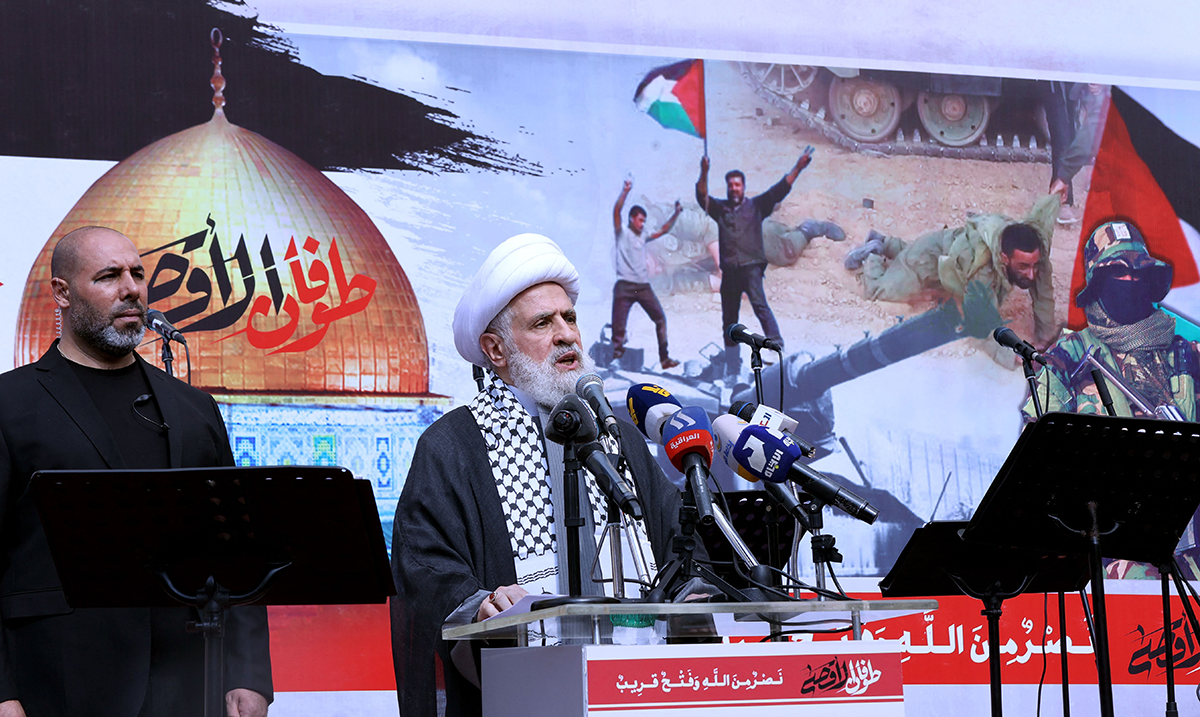
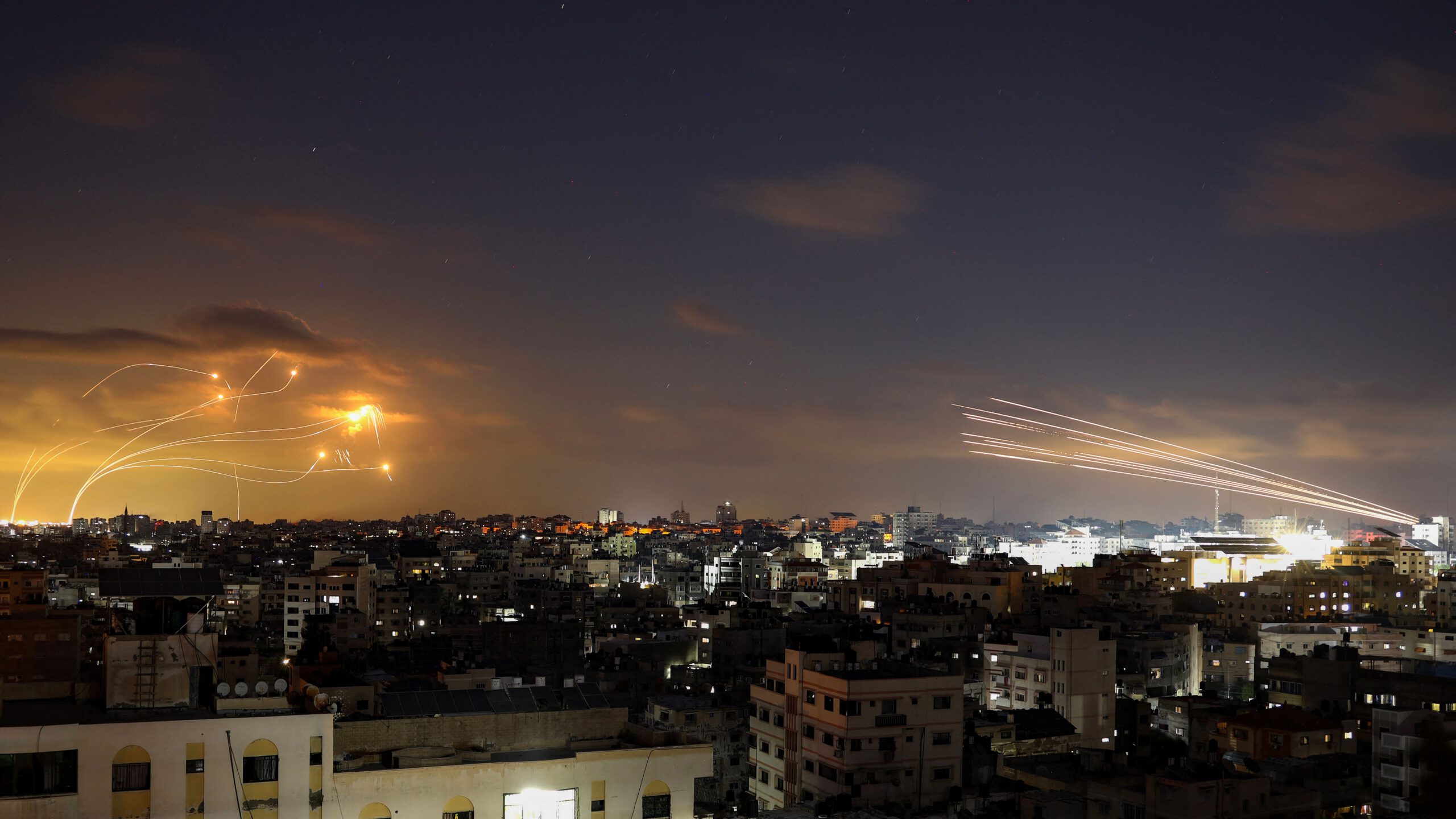
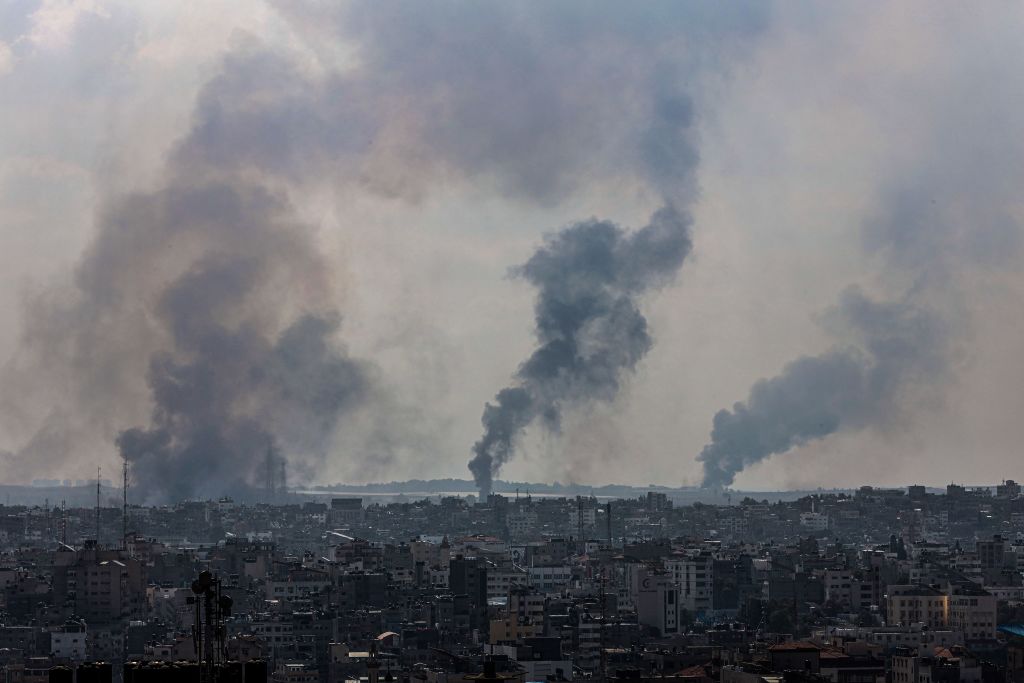
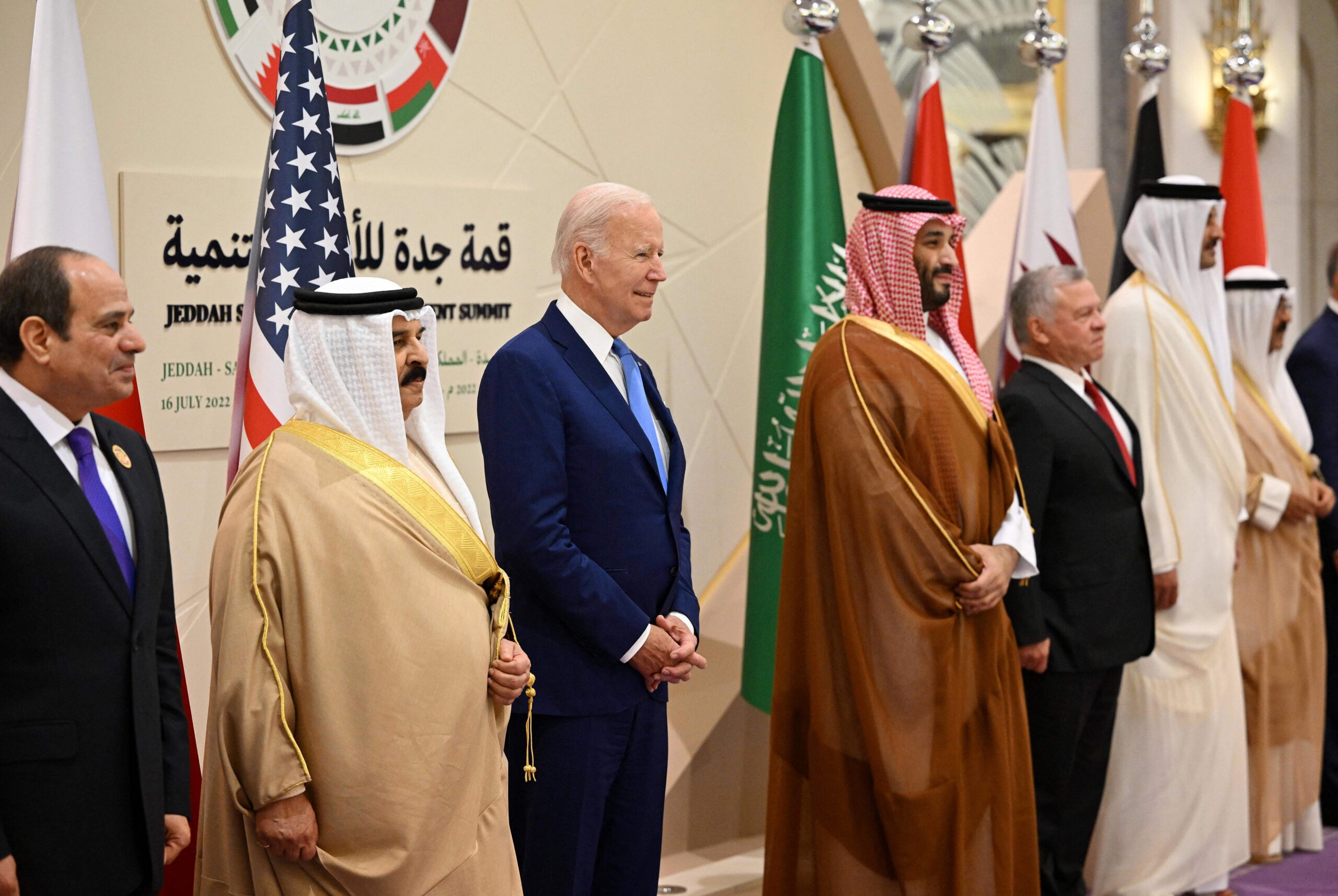
The intensity of the Oct. 7 terrorist attacks by Gaza and the ensuing crisis have already had a significant and dramatic impact on relations between the United States and Israel. The resolute American backing reflects the purest expression of the strategic partnership that has existed between Israel and the U.S. for more than five decades.
The war in Gaza as a major test of China’s Middle East peace diplomacy
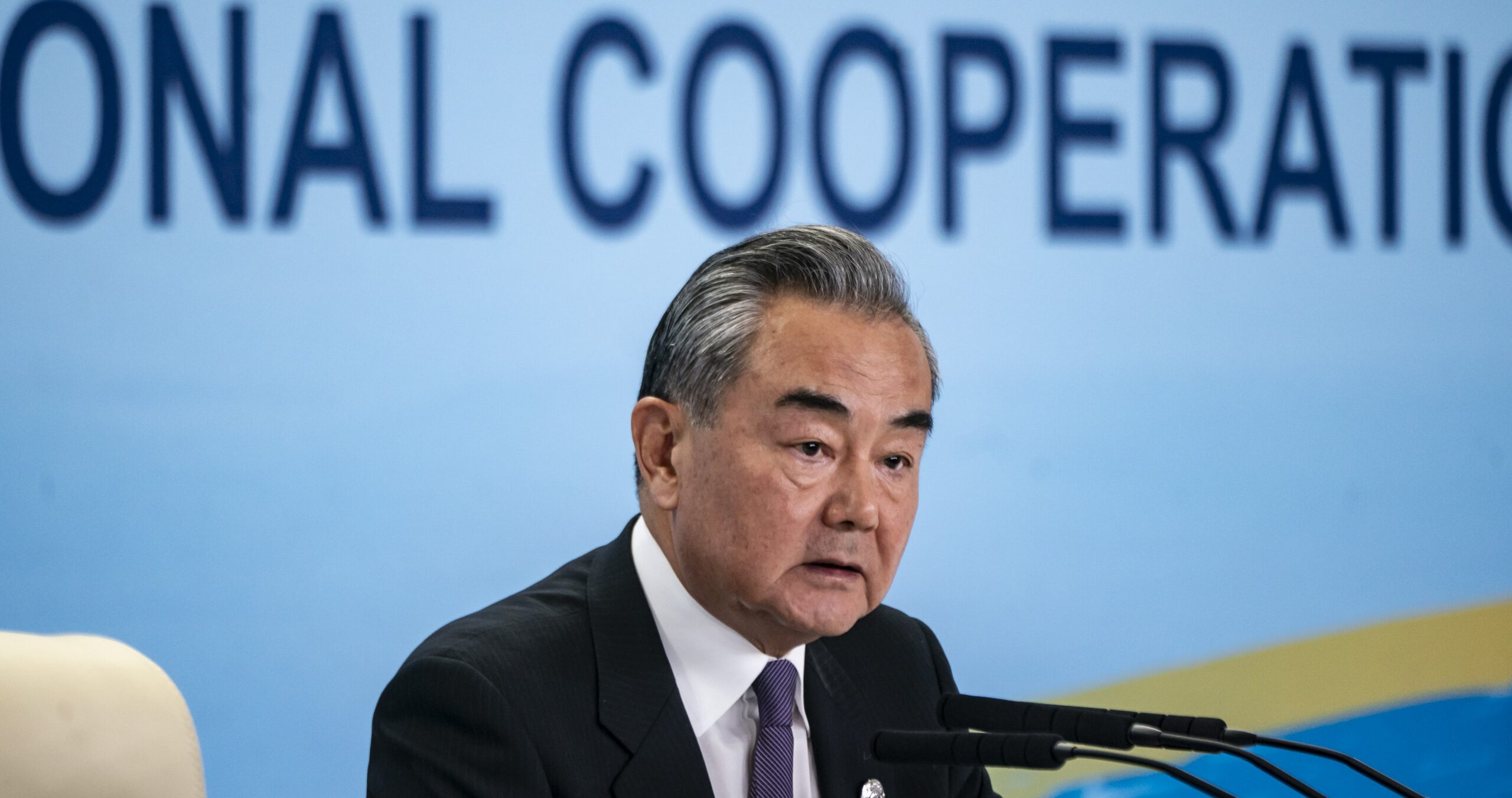
China has long sought to brand itself as a “neutral” player and force for peace in the Middle East and elsewhere, willing and able to talk to “all sides.” Beijing’s nascent ambition to play the role of peacemaker and its potential to shape regional events was on display when it succeeded last March in brokering the détente between Riyadh and Tehran. The Israel-Hamas war offers no such low-hanging fruit. On the contrary, it poses a major test of China’s Middle East peace diplomacy — and an opportunity to examine some of our own, perhaps faulty assumptions.
An Israeli ground assault on Gaza requires an endgame
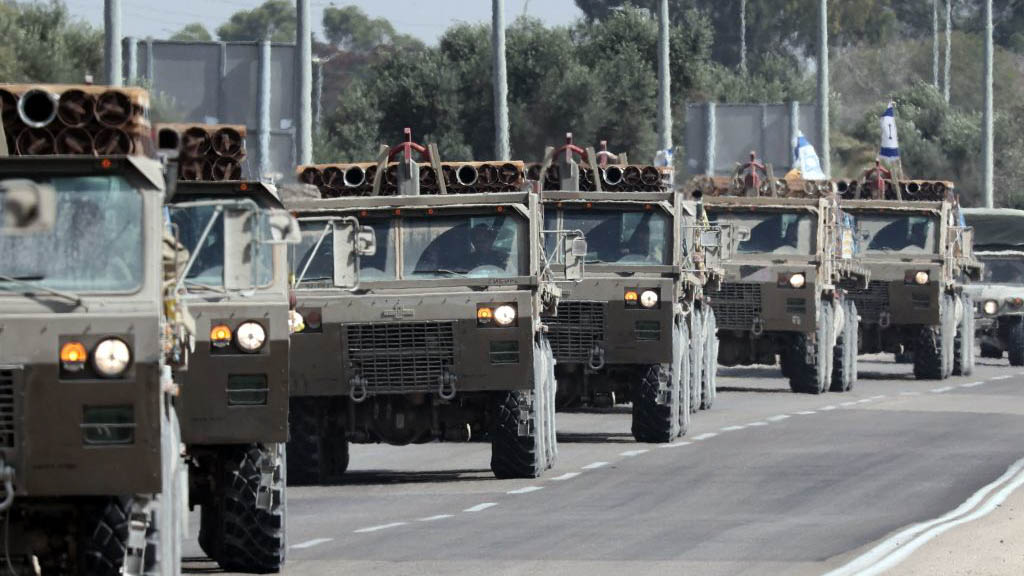
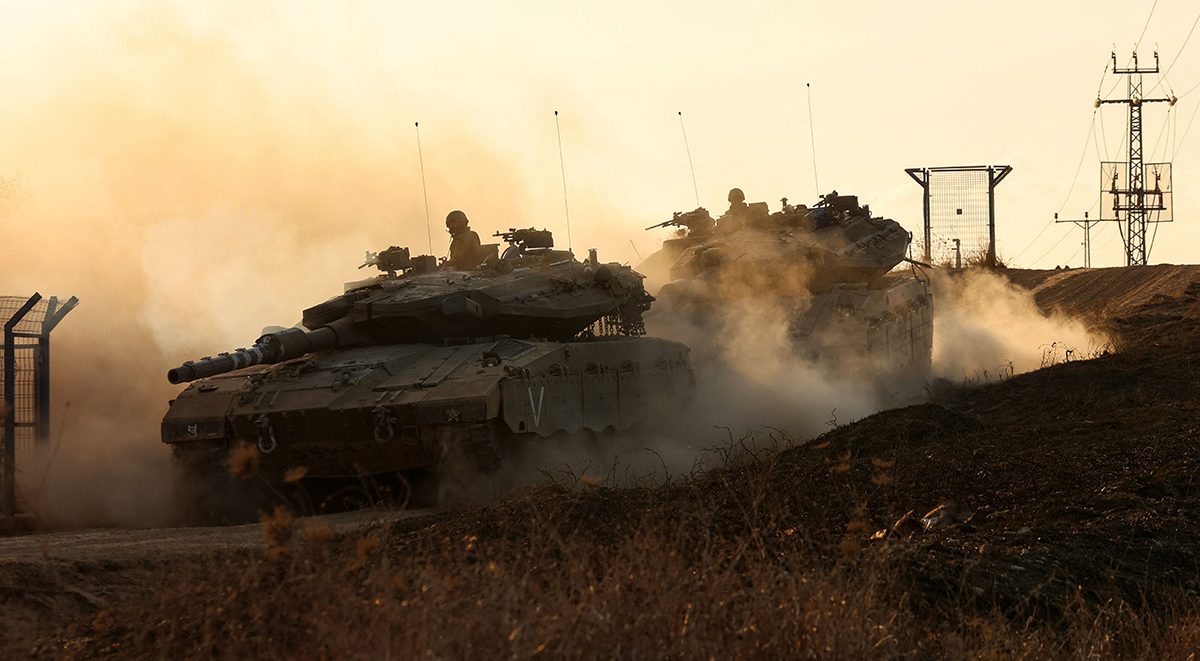
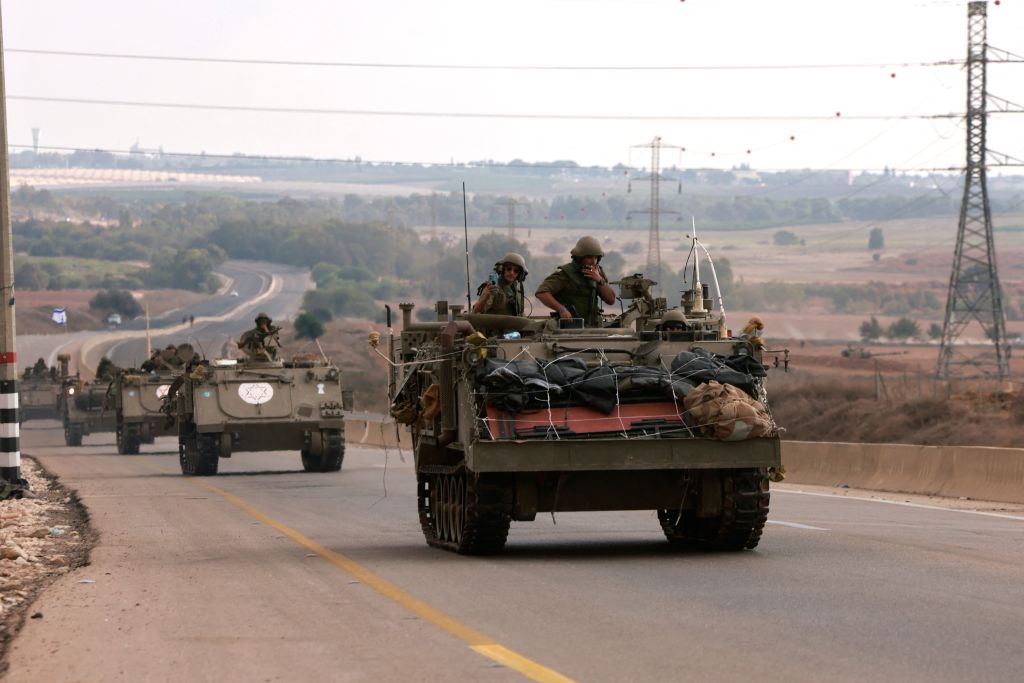
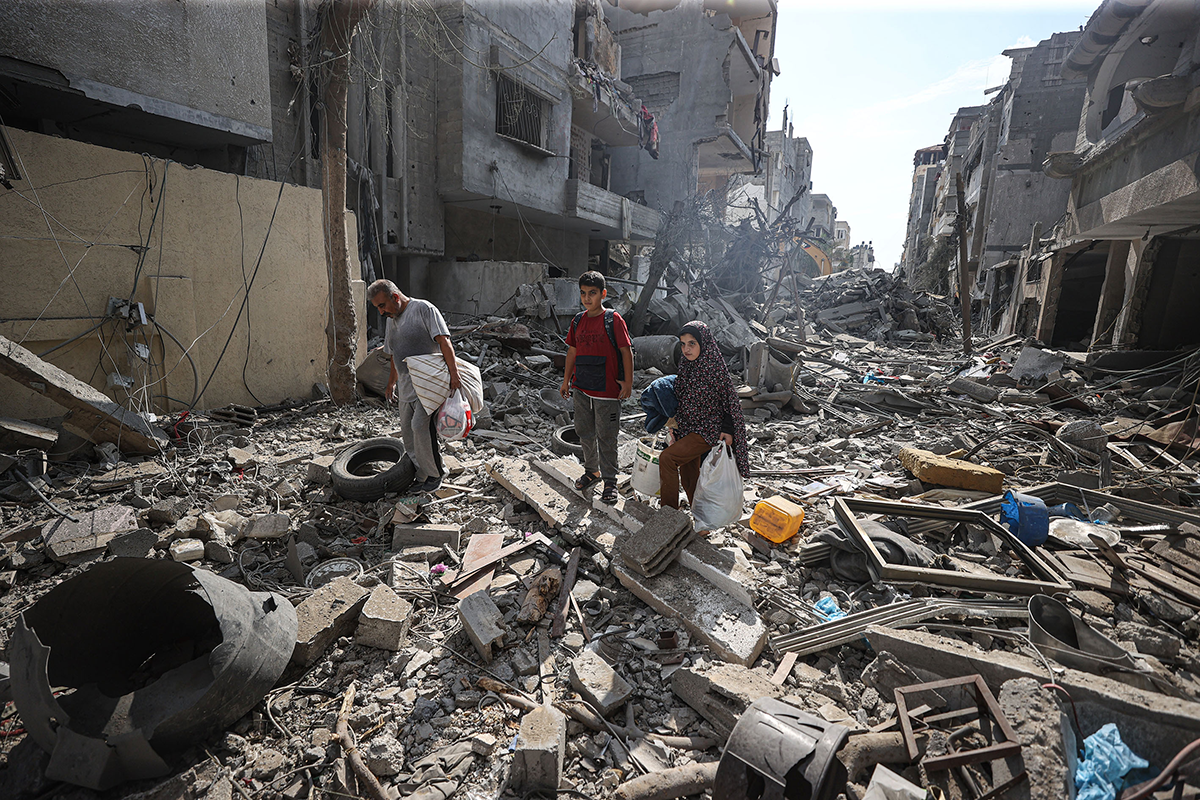
Though it has mobilized 360,000 reservists, the highest number since its 1982 invasion of Lebanon, in pursuing a large-scale ground invasion of Gaza Israel risks unprecedentedly high casualties of its own and massive condemnation by both the Arab world and the West if Palestinian deaths, already reported as exceeding 3,000, rise to multiples of that figure.
Hezbollah’s calculations on opening a second front against Israel
Since the Hamas attack on Oct. 7, regional and extra-regional actors have been working to prevent an expansion of the conflict beyond the Gaza-Israel theater, focusing particularly on the Lebanese-Israeli border. A decision by Hezbollah to enter the ongoing war would open a second front and bring into the fight their large arsenal of rockets and precision-guided missiles capable of hitting critical Israeli infrastructure. It would also bring destruction to Lebanon while the country reels from a severe economic crisis.
Israel-Hamas war: Conflict scenarios, US diplomacy, and shoring up regional stability
Nine days after the Hamas attack inside Israel, the Israel Defense Forces (IDF) is massing troops for a large-scale ground incursion into Gaza. For now, the outlines and endgame of Israel’s military action are not entirely clear. Meanwhile, escalation is rising along the Israel-Lebanon border and U.S. Secretary of State Antony Blinken is crisscrossing the Middle East communicating both deterrence and diplomacy.
Hamas Has Already Lost. Now, Who Will Win the Peace?
The events that began in Israel on Oct. 7 are a historical hinge. Like 9/11, as has been said, 10/7 will be remembered by most observers as a bright dividing line between “before” and “after.” What’s at stake for Israel—a fight for its survival—has echoes in other battles taking place around the world like Russia’s war against Ukraine and the Iranian regime’s continued repression of its own people. The world keeps moving toward the future, but the past and those retrograde elements that want to move the world backward still want to have a say.
In the eye of the storm: The battle over fossil fuels at COP28
As the existential threat of climate change continues to intensify, the future of fossil fuels has been thrust into the international spotlight. Reducing hydrocarbon production and consumption has gained traction in international climate talks amid warnings that the window to avoid catastrophic warming is closing quickly.
Carbon trading in the MENA region: Opportunities and challenges
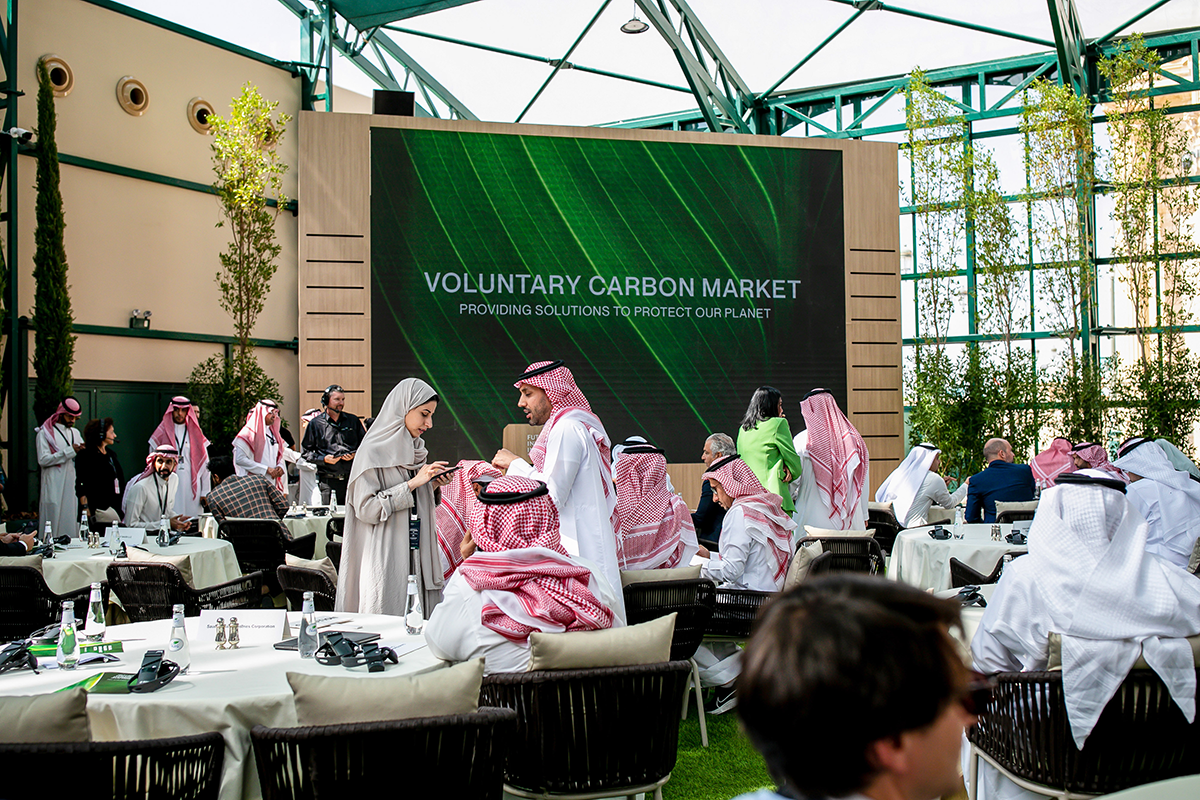
One of the key outcomes of the COP26 meeting in Glasgow in 2021 was the establishment of Article 6, which regulates carbon markets under the U.N. Framework Convention on Climate Change. It is argued that carbon markets could lead to more rigorous climate action by enabling governments and entities to trade carbon credits generated by the reduction or removal of greenhouse gases from the atmosphere, such as by phasing out fossil fuels and switching to renewable energy or conserving carbon stocks in ecosystems like forests.
Climate change and the Arabian Sea: Adapting to a “new normal”
In the summer of 2022, flash flooding due to heavy monsoon rains in Pakistan, Oman, the UAE, and southeast Iran killed well over 1,000 people. In this part of the world, the extreme shifts in weather between monsoon and dry season dictate subsistence cycles and financial livelihood. Shifting global precipitation patterns due to climate change, however, are altering the timing and magnitude of these events. What can be done to adapt to this new reality? Can infrastructure be adapted, optimized, or possibly even reimagined to take advantage of such events?
Shared governance of groundwater resources: The case of the Nubian Sandstone Aquifer System
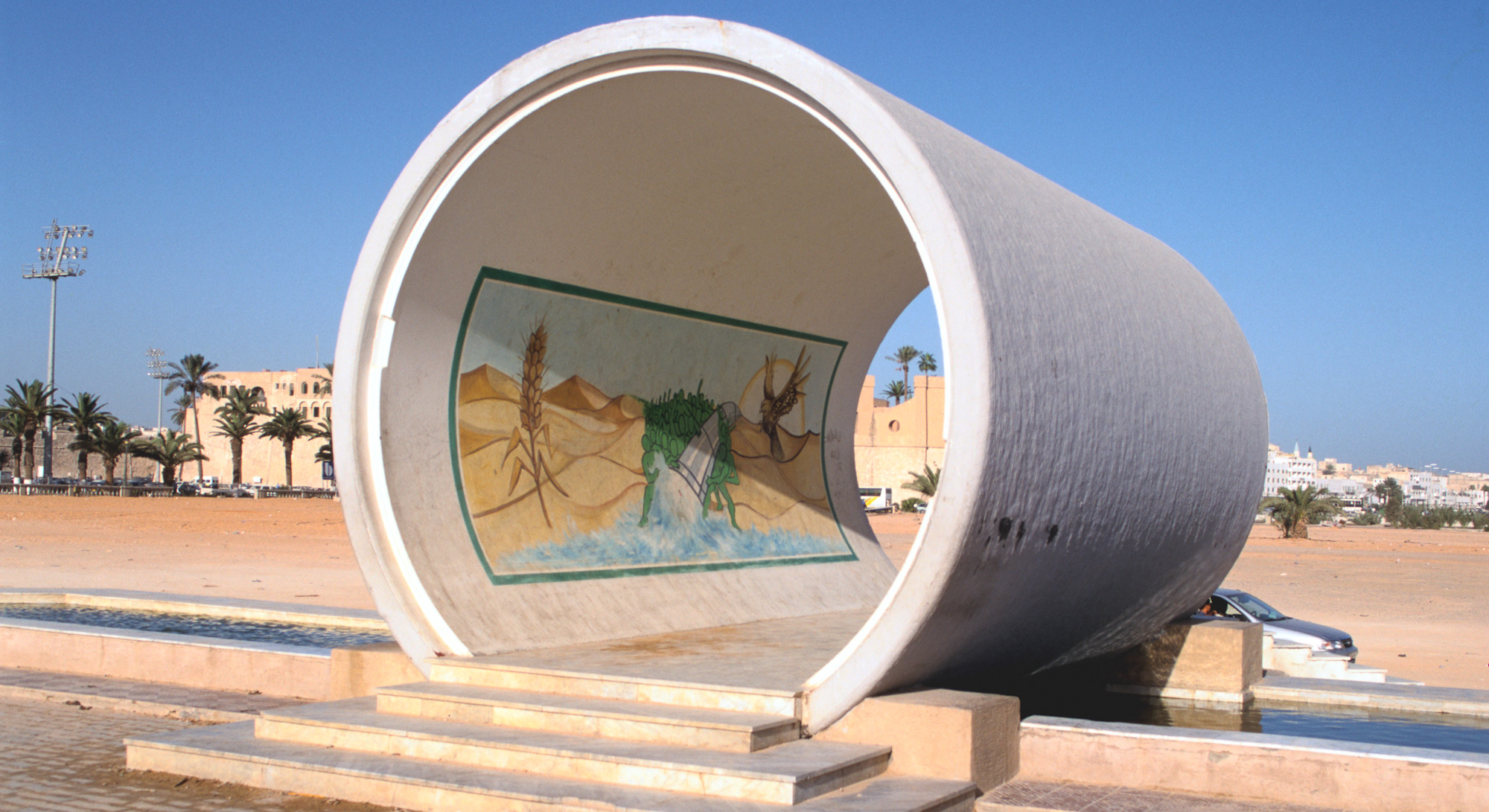
Groundwater resources are critical for the MENA region as much of it suffers from high water scarcity, and for some countries, groundwater aquifers are the only sources of available freshwater supply. The Nubian Sandstone Aquifer System in northeastern Africa is one of the most prominent examples, and must be managed properly in order to maintain regional security and avoid transboundary conflicts.
Treading Cautiously on Shifting Sands: An Assessment of Biden’s Middle East Policy Approach, 2021-2023
This report provides an interim assessment of the Biden administration’s overall Middle East strategy and examines the strategic opportunities and risks for U.S. policy in the broader region.