Skip to Content

Research & Commentary Results

Filter by
454 Results
What Syrian civil society should do next
Photo courtesy Lars Hauch
  • Analysis
  • What Syrian civil society should do next

    Following two years of preparation, the Syrian Madaniya (“Civil”) initiative held its inaugural conference with over 180 participating organizations. To claim a political role, Madaniya needs a program and a partner. The natural partner for this endeavor is the Syrian Negotiation Commission.

    July 12, 2023

    Addressing challenges to tolerance and religious diversity in Iraq
    Photo by SAFIN HAMID/AFP via Getty Images
  • Analysis
  • Addressing challenges to tolerance and religious diversity in Iraq

    Iraq has long had a troubled history with its ethno-religious minorities, one full of oppression and violence. This was true under the Ba’athist regime and continued after the 2003 U.S.-led invasion, reaching a nadir with the rise of the Islamic State terrorist group. Although Iraq is now enjoying its most stable period in the past two decades, it is also a case study of the pernicious effects of structural violence, especially toward the more marginalized and vulnerable segments of society.

    July 5, 2023

    The limits of human rights law in an authoritarian context: Torture and impunity in Turkey
    Photo by OZAN KOSE/AFP via Getty Images
  • Analysis
  • The limits of human rights law in an authoritarian context: Torture and impunity in Turkey

    Turkey is a test case of the limits of international human rights law in an authoritarian context. The country is party to all major U.N. and Council of Europe international human rights treaties, including those prohibiting torture and ill treatment, and is subject to the jurisdiction of the European Court of Human Rights. Its constitution and laws ban torture and contain procedural safeguards against it. Yet torture and the impunity of its perpetrators remain state practice, at times reaching systemic levels.

    June 13, 2023

    Stabilizing instability: The challenges of Middle East peacebuilding
    Photo by AFP via Getty Images
  • Analysis
  • Stabilizing instability: The challenges of Middle East peacebuilding

    The Middle East is experiencing a remarkable spate of diplomacy, de-escalation, and normalization. This is generally a positive development, as the region needs to take charge of its own destiny. But normalization and de-escalation does not always lead to meaningful conflict resolution; indeed, sometimes the reverse is true. What needs to be done so that this positive momentum can be the first phase of a more meaningful set of engagements to build a more lasting regional peace and integration?

    May 30, 2023

    Putting Diplomacy First in the Middle East: Creating Incentives for De-Escalation
    Photo by LUDOVIC MARIN/AFP via Getty Images.
  • Analysis
  • Putting Diplomacy First in the Middle East: Creating Incentives for De-Escalation

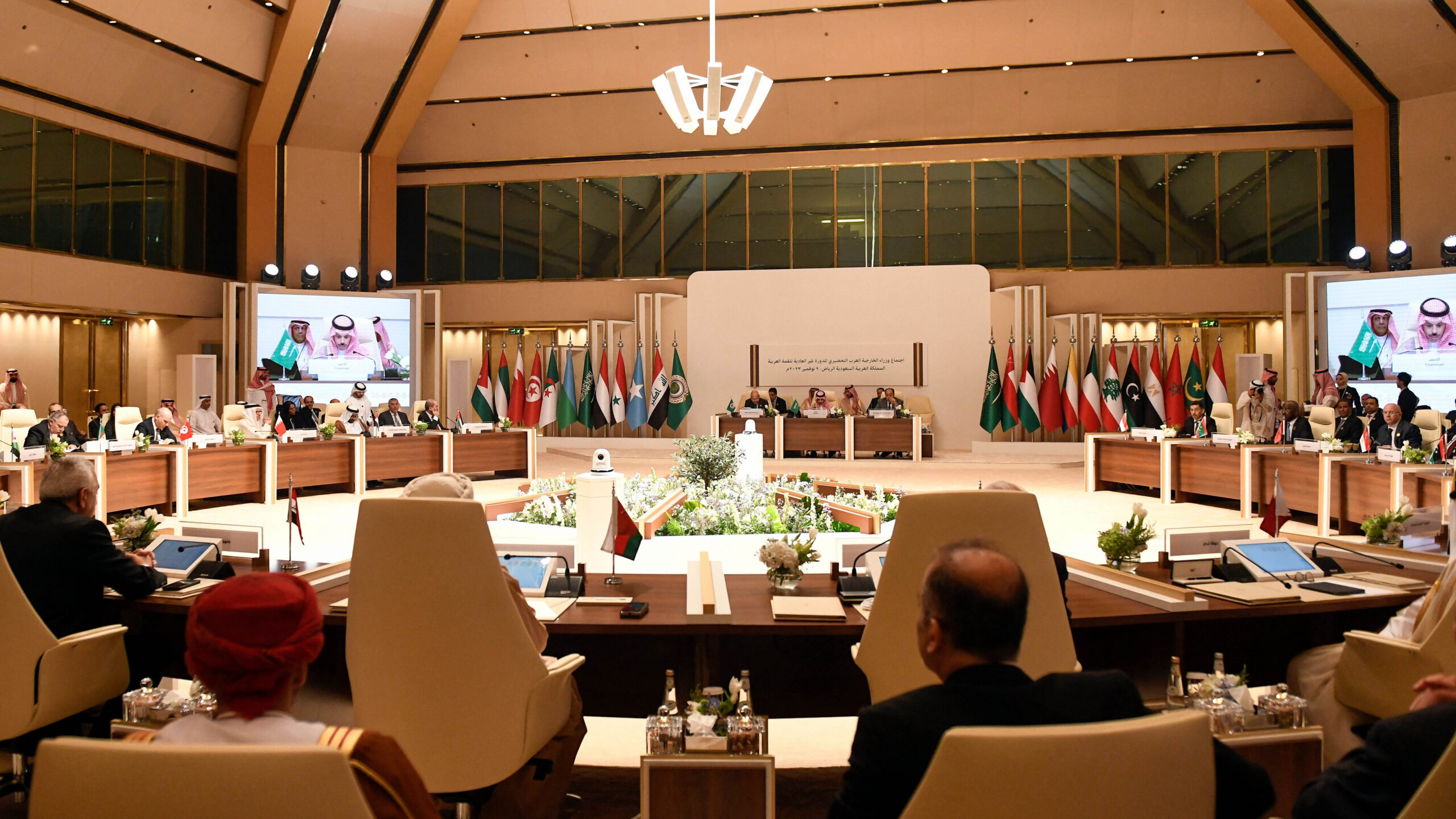
    The Middle East is undergoing a historic transformation with unprecedented opportunities to build new relationships, de-escalate tensions, and foster conditions for stronger integration. At the same time, the region remains on edge because of ongoing tensions in Yemen, Syria, Iraq, and other conflict zones, a civil war that broke out recently in Sudan, along with the overarching challenges presented by fraught relations between Iran, Israel, and several Arab Gulf countries — with the longer-term implications of the still-fragile Iranian-Saudi rapprochement yet to be fully assessed.

    Ending the Use of Child Soldiers
  • Podcast
  • Ending the Use of Child Soldiers

    On this week’s episode Alistair Taylor, MEI’s editor-in-chief, is joined by Mick Mulroy and Eric Oehlerich, Senior Fellows with MEI’s Defense & Security Program and the Co-founders of the Lobo Institute and End Child Soldiering, to discuss efforts to stop the recruitment and use of children in combat and rehabilitate former child soldiers. The use of child soliders is a widespread global problem that has a disproportionate impact on the broader Middle East, especially in Yemen, Syria, Sudan, and Somalia.

    May 17, 2023

    Joining the pieces together: Toward a comprehensive EU maritime approach for the Northwestern Indian Ocean, Persian Gulf, and Red Sea
    Photo credit: ROBIN UTRECHT/AFP via Getty Images
  • Analysis
  • Joining the pieces together: Toward a comprehensive EU maritime approach for the Northwestern Indian Ocean, Persian Gulf, and Red Sea

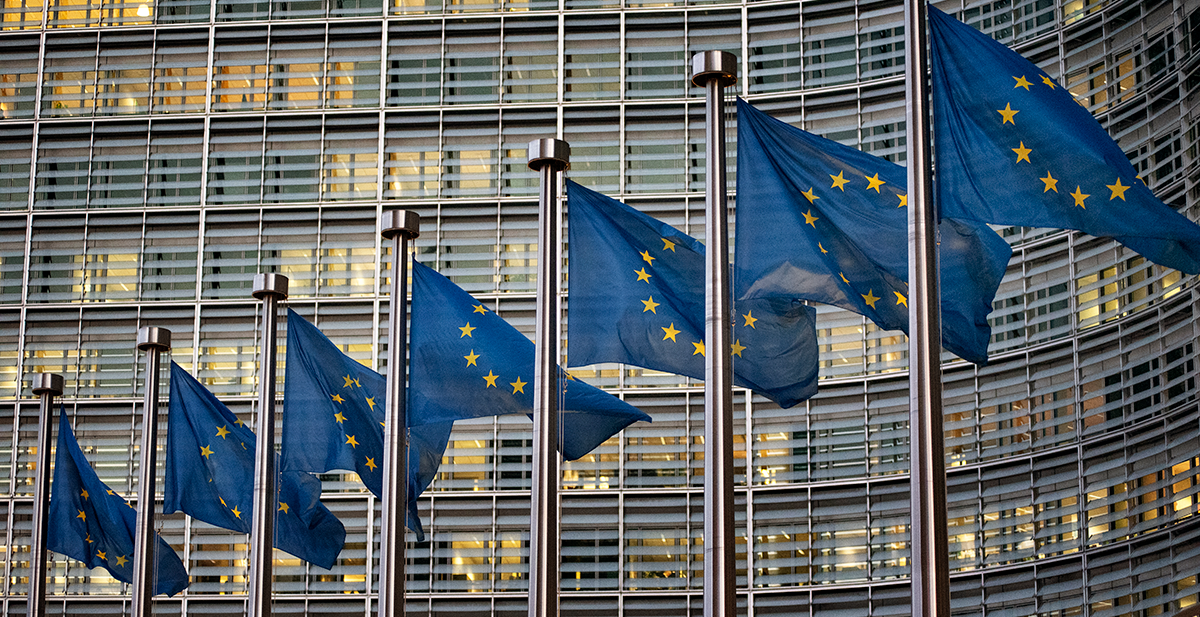
    Until recently, the EU has favored a piecemeal approach toward the Northwestern Indian Ocean, the Gulf, and the Red Sea, despite their close interdependence and inter-connectedness in the security, political, and economic realms. But the EU is now signaling a growing desire to steer its naval policy toward a more holistic and organic process, creating an opportunity for Brussels to become a more relevant security actor in the waters off the Arabian Peninsula.

    May 9, 2023

    As fighting in Sudan rages, Russia’s primary goal is to ensure authoritarian rule
    Photo by IBRAHIM ISHAQ/AFP via Getty Images
  • Analysis
  • As fighting in Sudan rages, Russia’s primary goal is to ensure authoritarian rule

    Although Russia has vested interests in the Burhan-Hemedti conflict, it is unlikely to actively pursue a blanket destabilization strategy in Sudan. Instead, it is likely to balance close ties with both warring parties and continue actively opposing a democratic transition in Sudan.

    May 3, 2023

    The road to Marrakech: US-China tensions loom over IMF/WB spring meetings
    Photographer: Samuel Corum/Bloomberg via Getty Images
  • Commentary
  • The road to Marrakech: US-China tensions loom over IMF/WB spring meetings

    Last week’s spring meetings of the IMF and World Bank in Washington, D.C., were an important occasion for financial and economic leaders from the MENA region to meet with their counterparts from these IFIs and major bilateral donor countries. At the same time, they serve as a lead up to the important Annual Meetings that will be held in Marrakech, Morocco, in the fall — the first time they will be hosted by an Arab or African country.

    April 20, 2023

    The troubled ingathering of Abraham’s children
    Photo by RYAN LIM/AFP via Getty Images
  • Analysis
  • The troubled ingathering of Abraham’s children

    Passover, Ramadan, and Easter coincide this year, a phenomenon that only occurs a few times a century. The alignment of these Jewish, Muslim, and Christian holy days comes at a time when dialogue between the three faiths offers a glimmer of hope for a conflict-stricken Middle East.

    April 15, 2023

    Women’s Reproductive Rights and Abortion in Morocco: Regulatory Reforms Should Not Miss the Bigger Picture
    Middle East Institute
  • Analysis
  • Women’s Reproductive Rights and Abortion in Morocco: Regulatory Reforms Should Not Miss the Bigger Picture

    The recent death of a 14-year-old girl following a botched “back alley” abortion at the house of her abuser is the latest reminder of the need to better protect women’s reproductive rights in Morocco and should push Moroccan authorities to address the multi-faceted social, legal, and economic drivers behind unwanted pregnancies.

    March 31, 2023