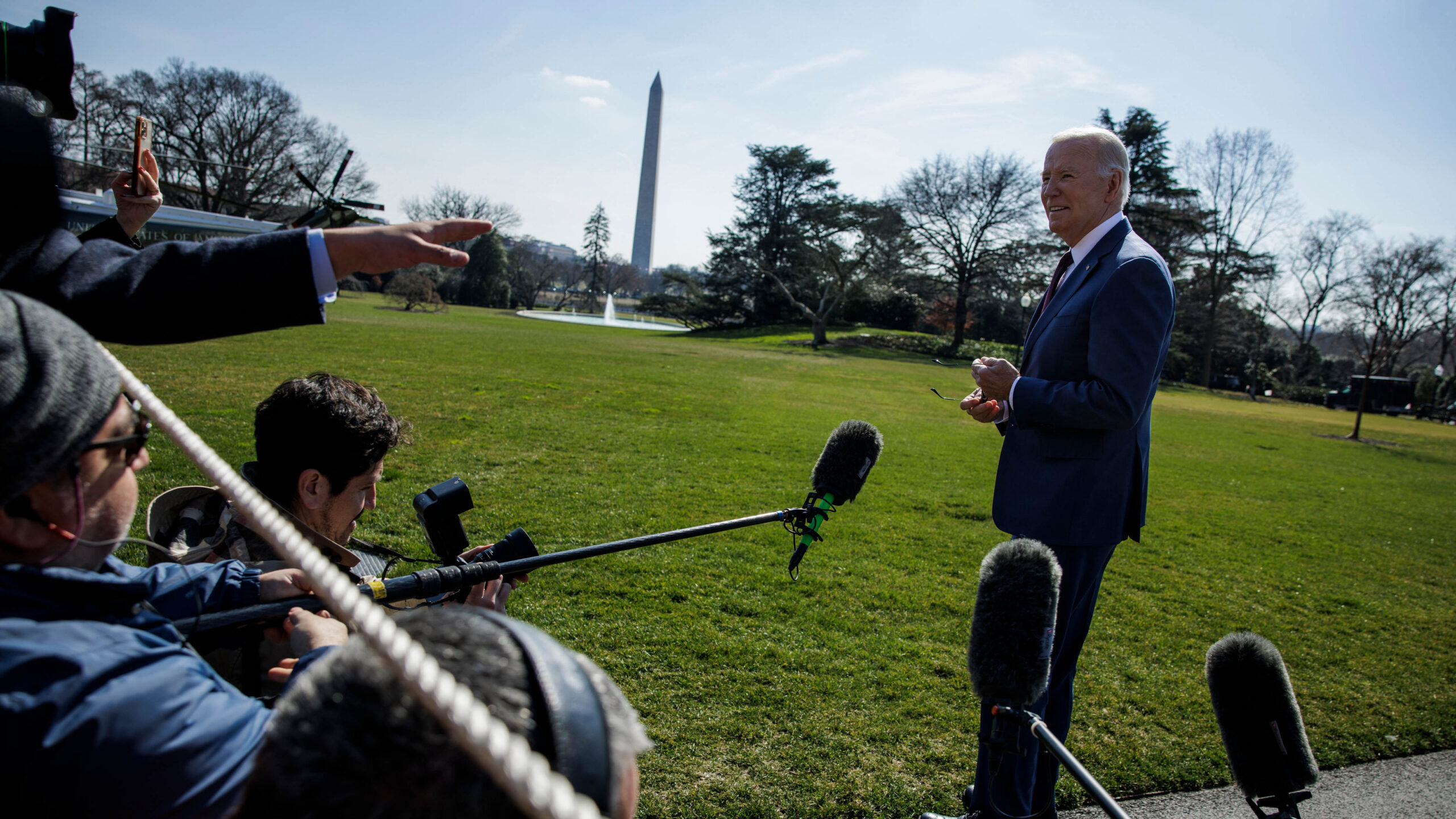
The Biden Administration’s Middle East Policy at a Time of War: An Assessment of US Policy Six Months Into the Israel-Hamas War
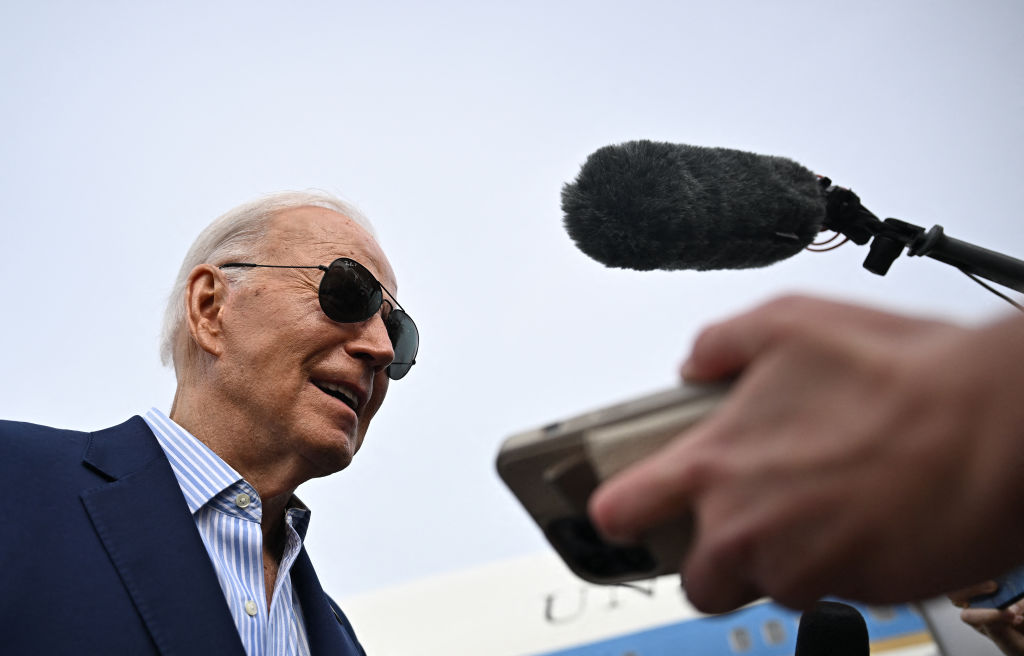
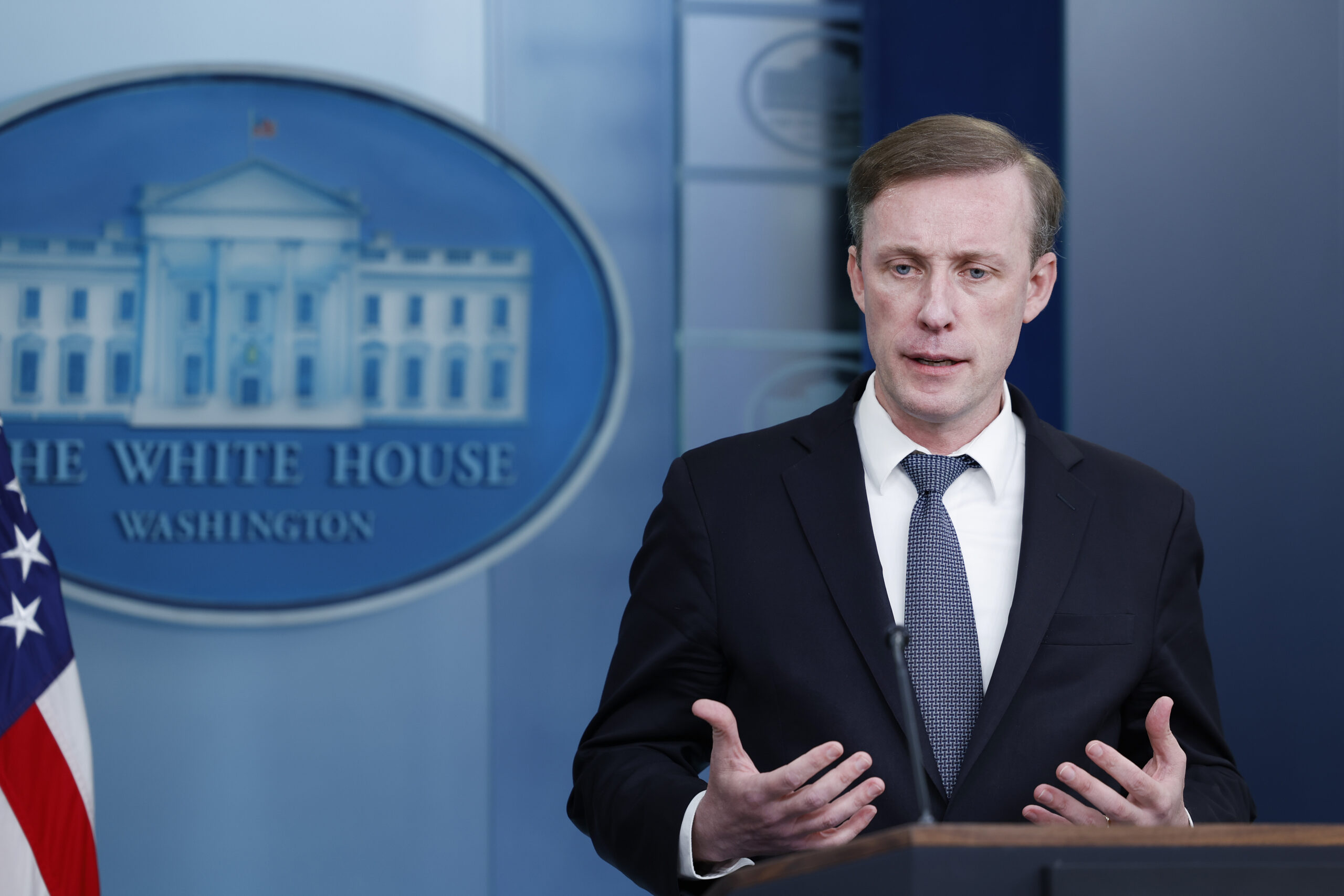
The Biden administration set forth five main objectives in reaction to the Oct. 7 Hamas attack against Israel and ensuing war in the Gaza Strip. Six months into the Israel-Hamas war, the Biden administration has not achieved enough progress toward these goals, although it has avoided some of the worst-case scenarios. Success is hampered in part by tensions stemming from the fact that some of the tactics and policy approaches are at odds with each other.
Iraq’s prime minister will toe a fine line in Washington visit
Prime Minister Sudani has been delicately balancing between maintaining bilateral relations with Washington and ensuring political support for his cabinet from pro-Iran hardliners in Baghdad. Both sides have conflicting expectations from the prime minister, and delivering on his promises will come down to his ability to convince each to compromise. But Sudani’s task has now become even more challenging as Iraq finds itself in the middle of direct confrontation between Iran and Israel.
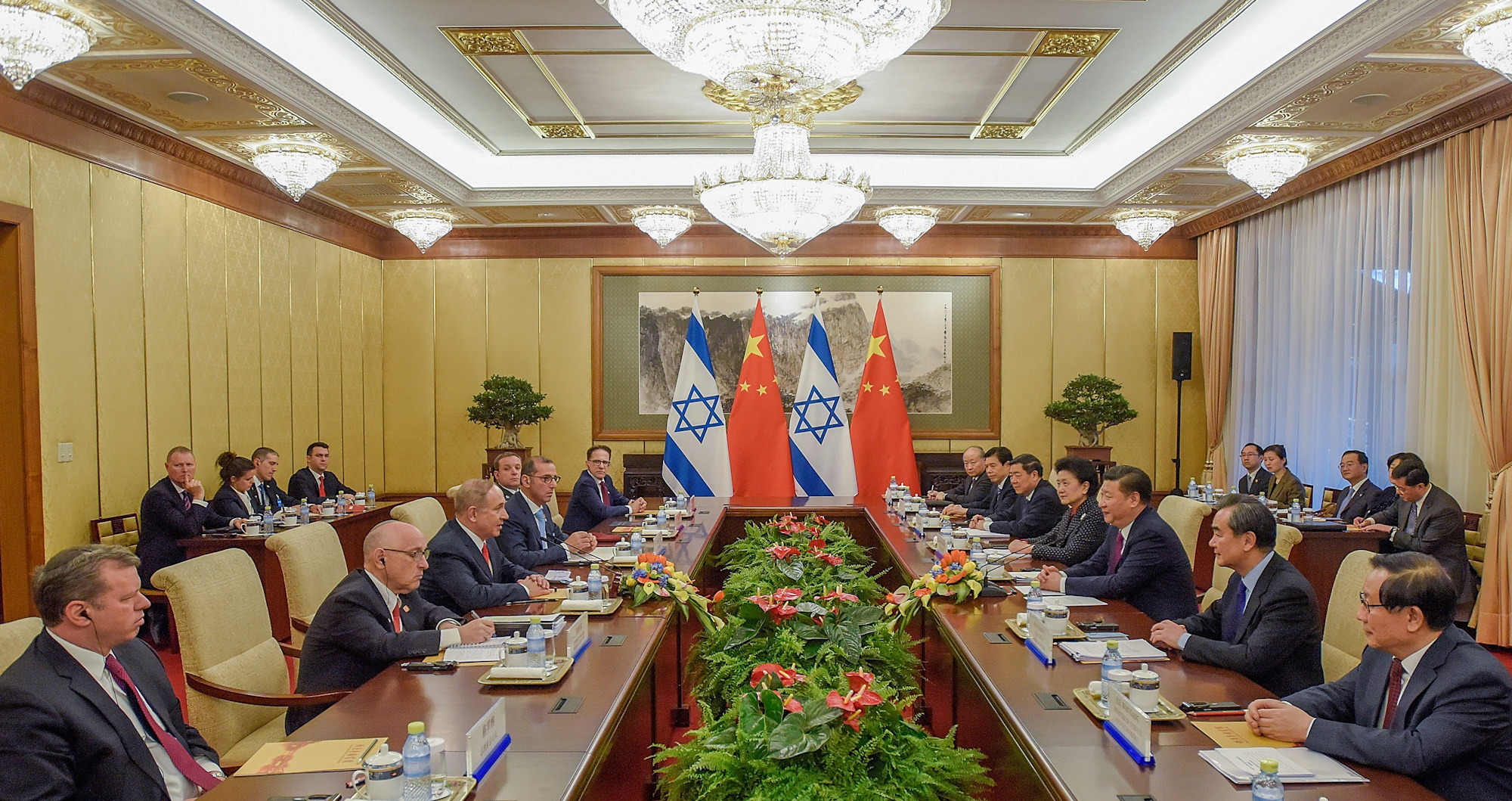
Over the past two decades, relations between Israel and China expanded significantly. Since then, however, there have been indications that the growth prospects for the bilateral relationship have diminished. China’s stance on the Oct. 7, 2023, Hamas attack and on Israel’s conduct during the ensuing war in Gaza, in particular, has further cast doubt on the future trajectory of the relationship.
Amid war, resolving Lebanon-Israel territorial disputes unlikely
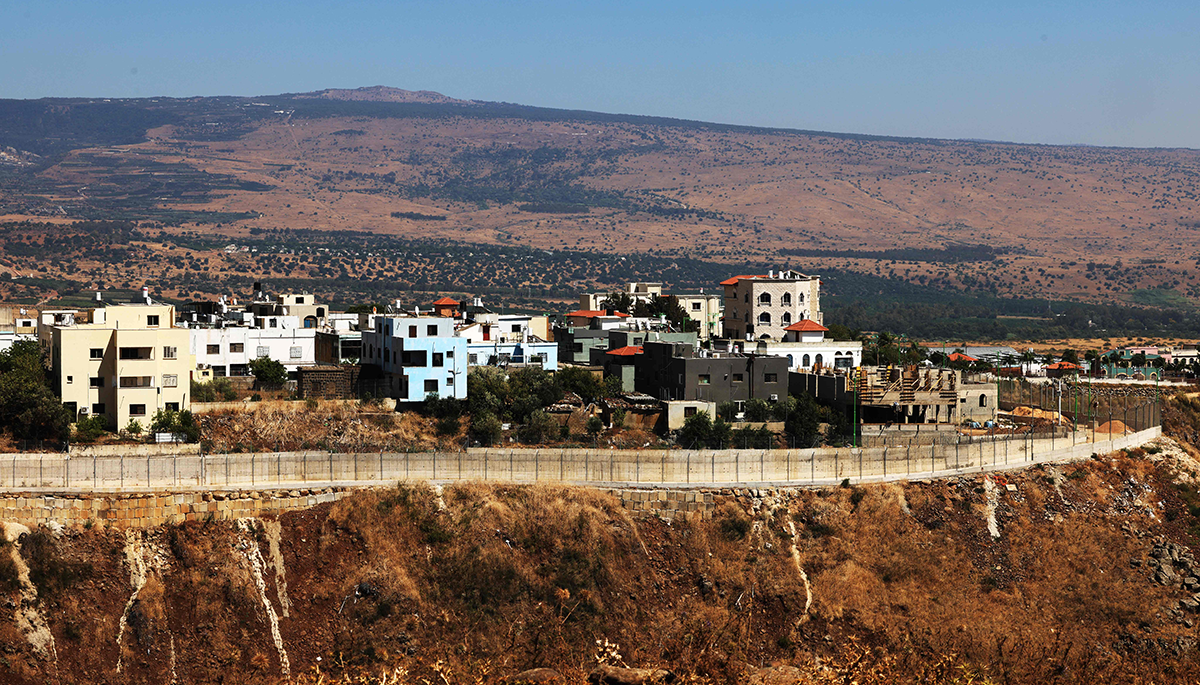
With Israel and Hezbollah on the brink of war, there have been ongoing diplomatic attempts to defuse tensions along the Israel-Lebanon border. Among the long-standing issues between the two countries are disagreements over their shared boundary. Asher Kaufman takes a closer look at these territorial disputes and how they came about, with a particular focus on the village of Ghajar at the center of the tension.
On this week’s episode, President and CEO of the Middle East Institute Paul Salem and Director of MEI’s Conflict Resolution and Track II Dialogues Program Randa Slim speak to MEI’s Editor-in-Chief Alistair Taylor about growing concerns over the potential for large-scale regional escalation as the Gaza war continues.
*Note: This episode was recorded before drone attacks that killed US soldiers in Jordan on 1/28.*