Geneva conference lays out challenges in Afghanistan
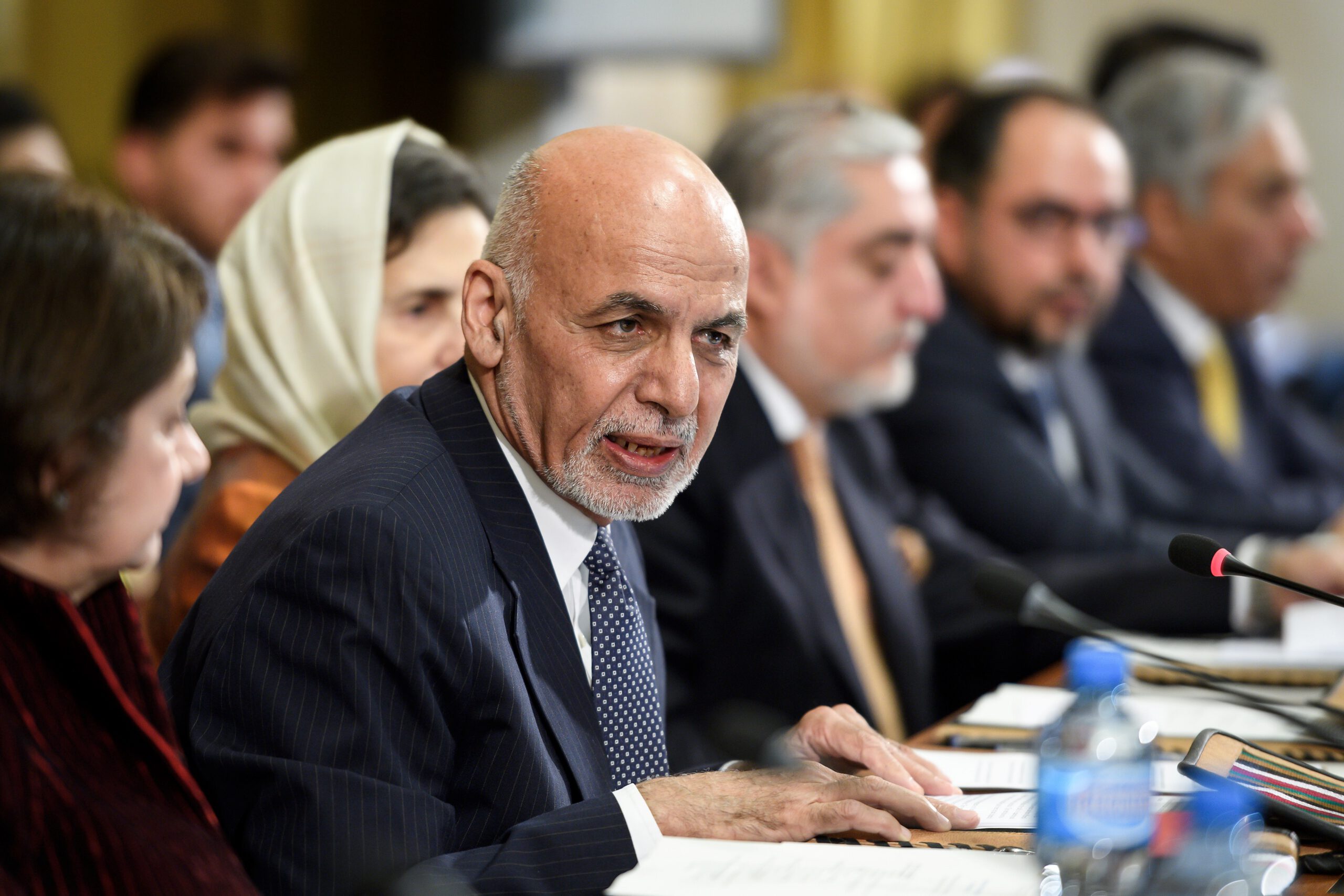
Held on Nov. 27-28, the two-day Geneva conference on Afghanistan voiced both challenges and prospects for Afghanistan’s economic and political stability.
Max Hoffman, associate director of national security and international policy at the Center for American Progress, and MEI’s Gonul Tol join host Alistair Taylor to discuss the social, political, and foreign policy issues Turkey has been grappling with in recent years.
From “hard power” to “soft power” and back again: Turkish foreign policy in the Middle East
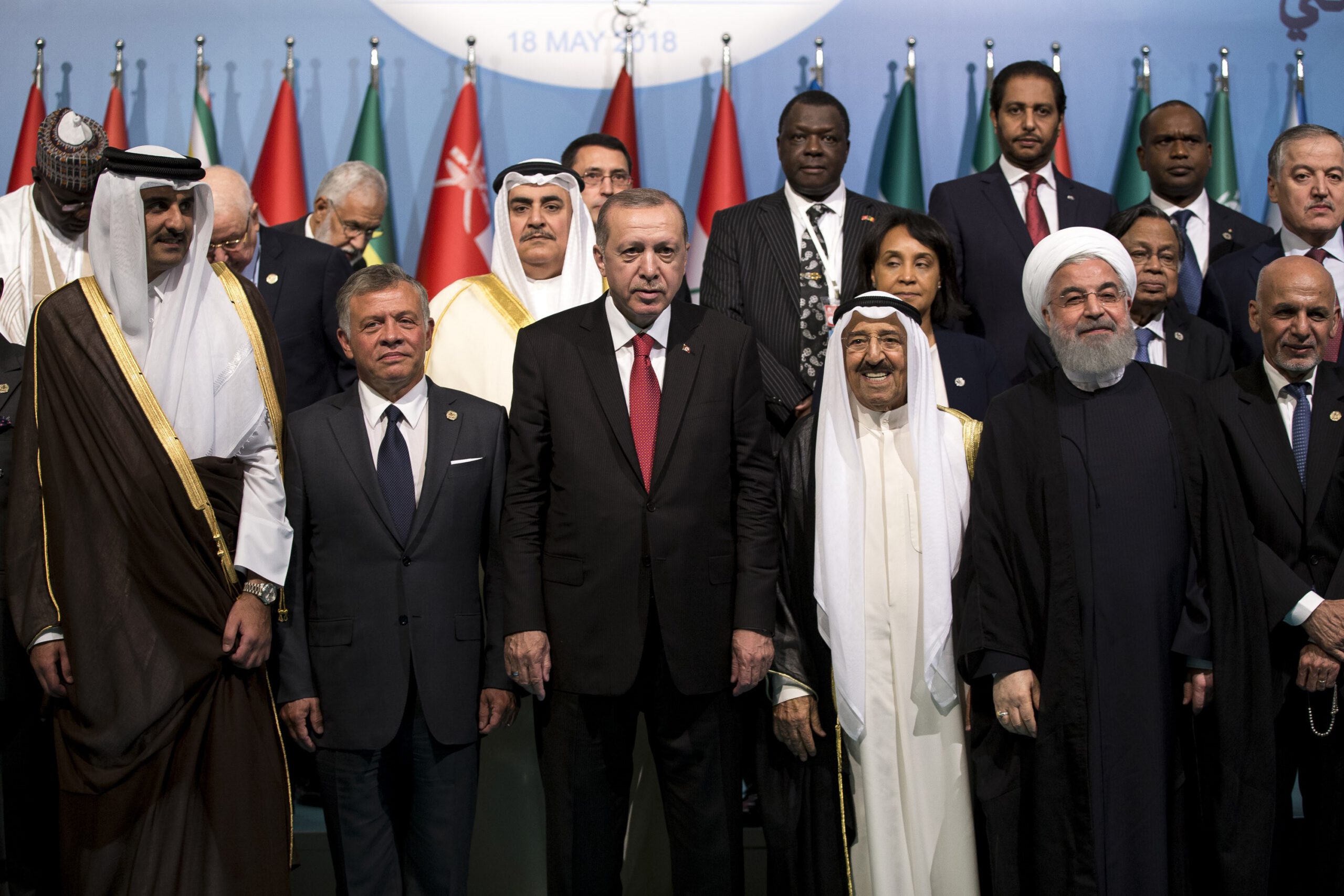
Turkey’s foreign policy has come full circle in the last few years, from a “soft power” and regional exemplar to a “hard power” pursuing a muscular stance sustained by military engagements.
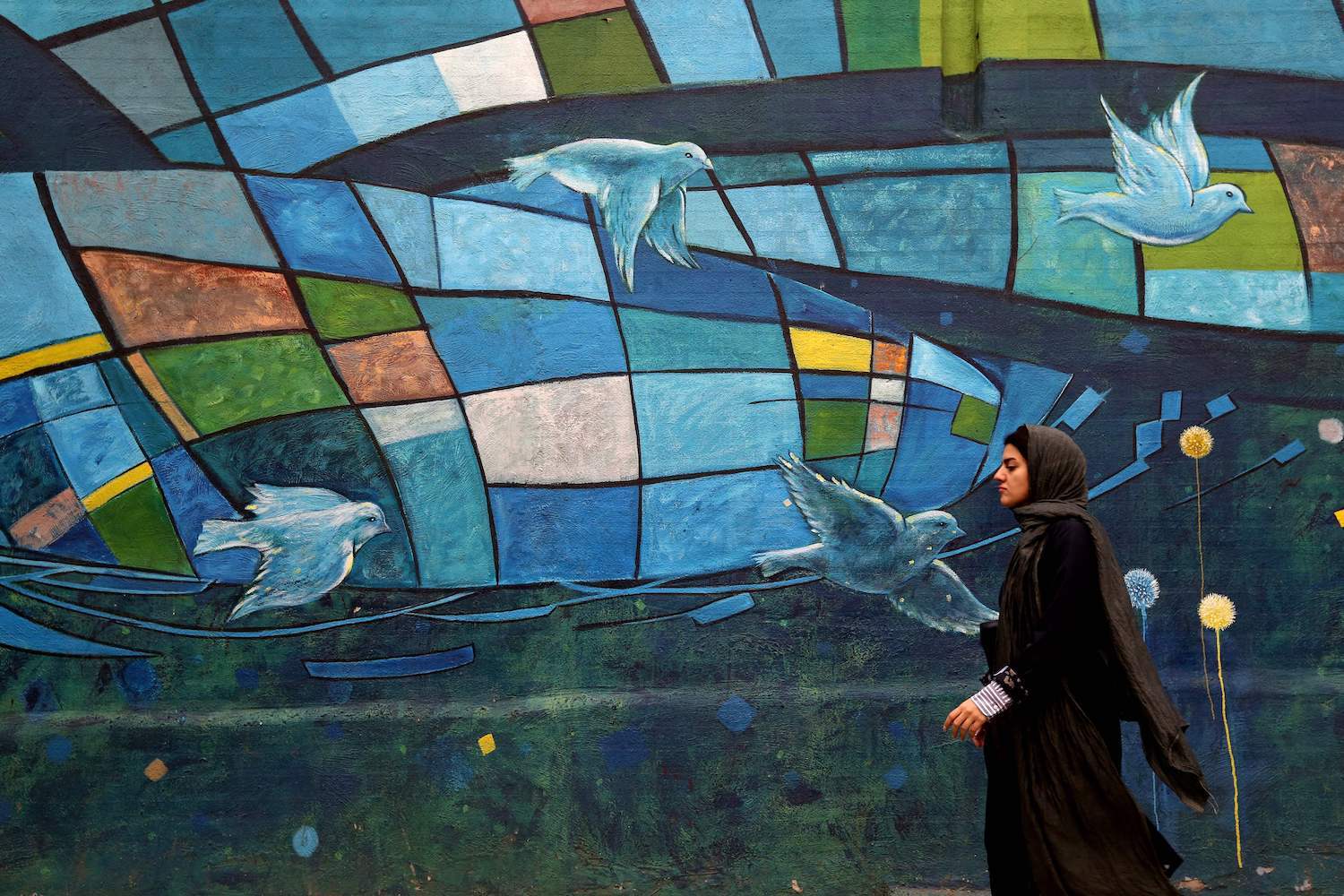
Even if negotiating with Trump is impossible—and Iran’s Supreme Leader Ali Khamenei has said it is—the leadership in Tehran can still look at his presidency as an opportunity to prepare the ground to talk to his successor.
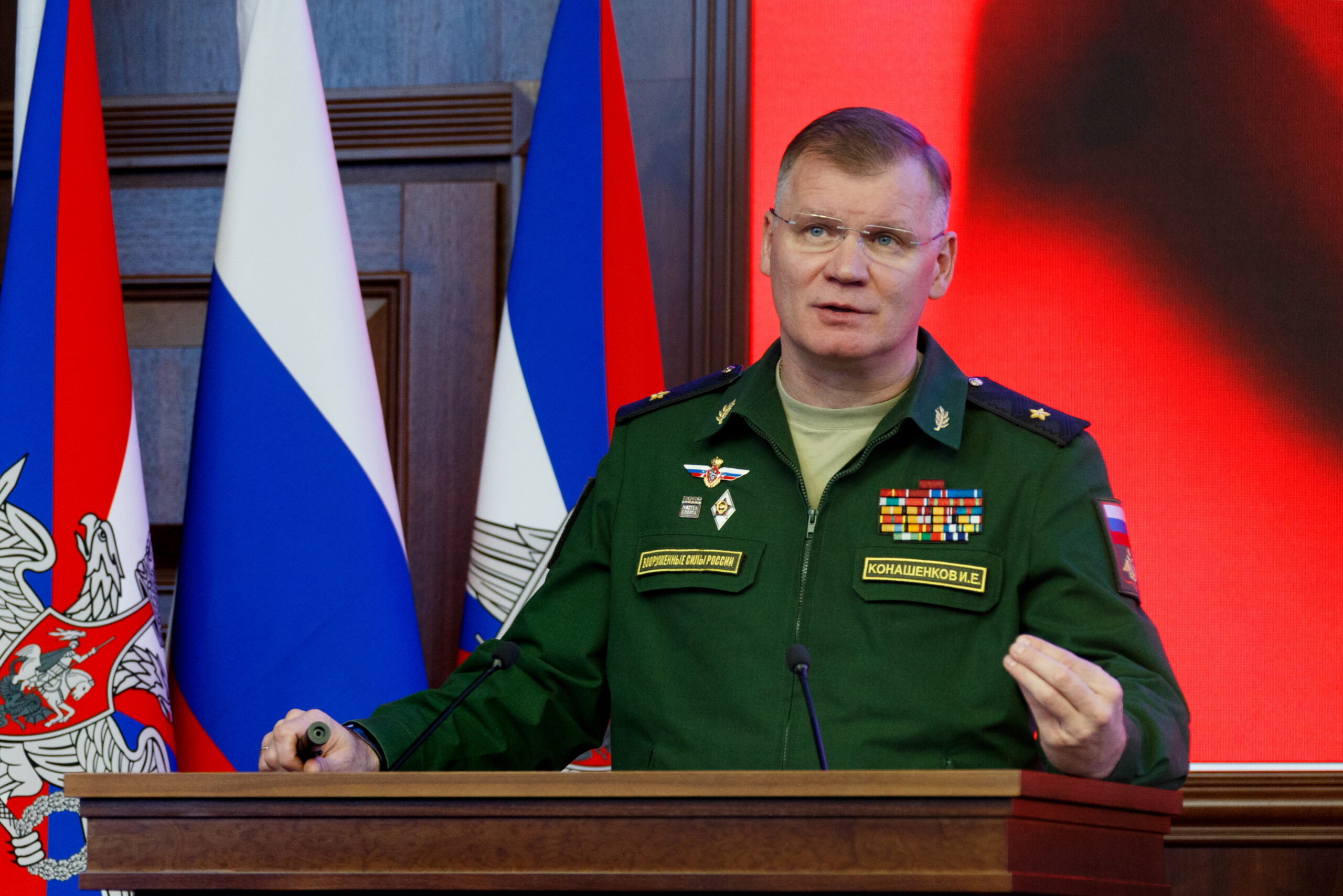
Moscow faces new challenges in Idlib "de-escalation zone"
“De-escalation” zones have been a key part of Russia’s policy in Syria over the past 18 months, but the situation in Idlib, the fourth and final zone, has proven a much greater challenge than the others.
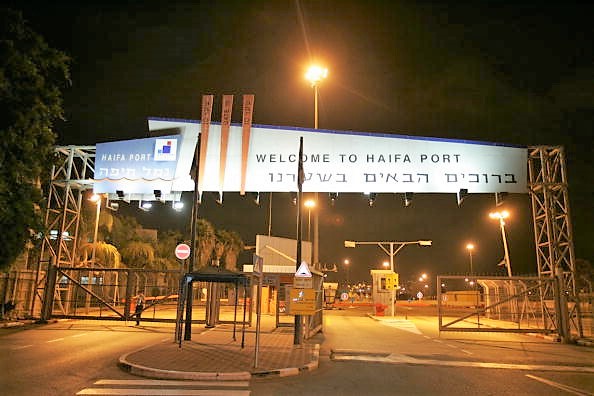
The Israel-China-U.S. Triangle and the Haifa Port Project
This essay discusses the Shanghai International Port Group (SIPG) contract to operate the northern port in Haifa in terms of Israel’s relations with China and the United States. The author urges greater caution by Israeli policy-makers and the public and closer cooperation between Israel and the U.S. in managing the risks associated with Chinese investment and commercial activities in critical sectors of the Israeli economy.
Monday Briefing: Russians launch air strikes after alleged gas attack
In this week’s Monday Briefing, MEI experts discuss recent and upcoming events including Russian air strikes in Aleppo, the elections in Bahrain, the growing international interest in Egypt’s offshore energy finds, and the appointment of a new Afghan team of negotiators for peace talks.
Elizabeth Campbell, director of UNRWA’s Representative office in Washington, and MEI’s Nathan Stock join guest host Alistair Taylor to discuss the recent flare-up in Gaza, the subsequent ceasefire, and where things go from here.
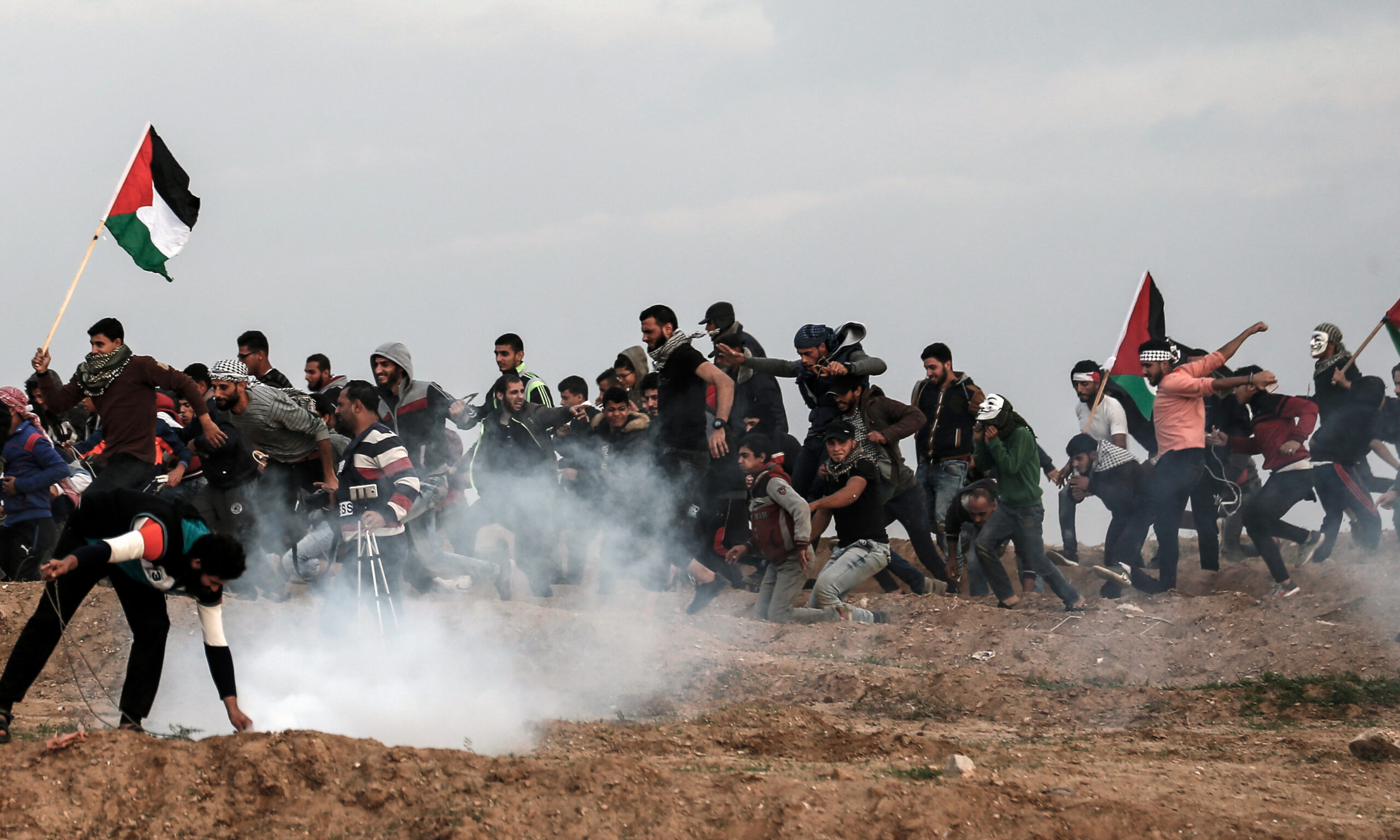
The Egyptian/Qatari initiative has afforded breathing room for Gaza, while Hamas and Prime Minister Netanyahu have demonstrated a determination to avoid war, for now.
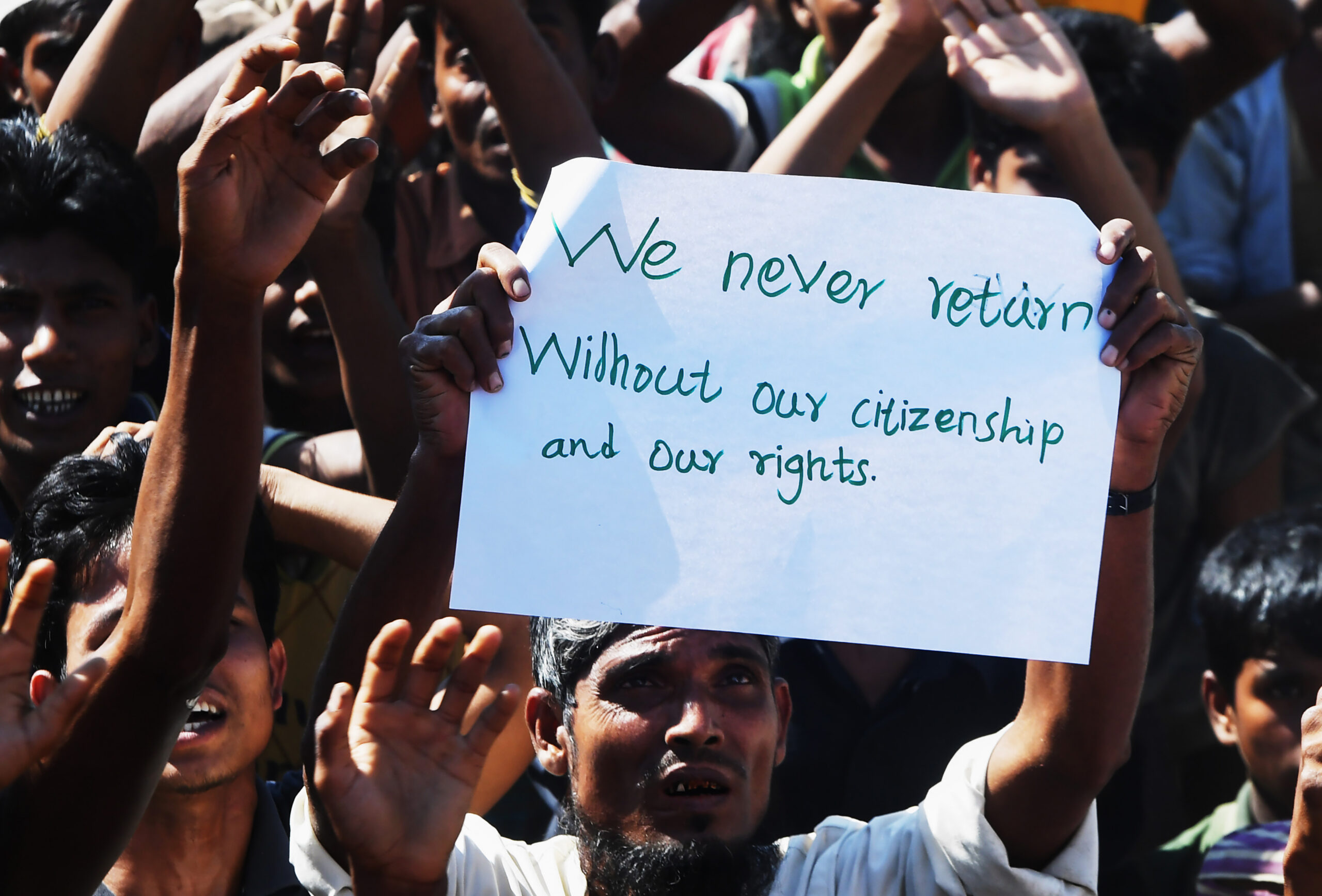
Ensuring the Safety of Rohingyas as a National Minority Inside Myanmar: Who? How?
Amid calls for international accountability, the government of Bangladesh has prioritized the repatriation of Rohingyas. In this article, the authors examine the pressures and motivations of the various players that favor repatriation. They argue that, given the current circumstances, it is inconceivable that any repatriation will be voluntary or sustainable.
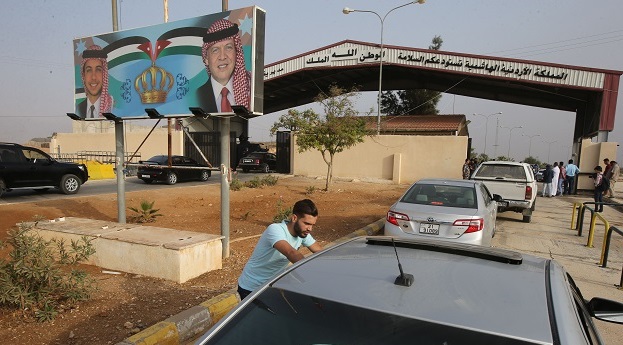
Border opportunities: Reviving the Jordan-Syria free trade zone
The reopening of the Naseeb-Jaber border crossing offers an opportunity to address the pressing political, economic, and humanitarian challenges confronting Jordan.
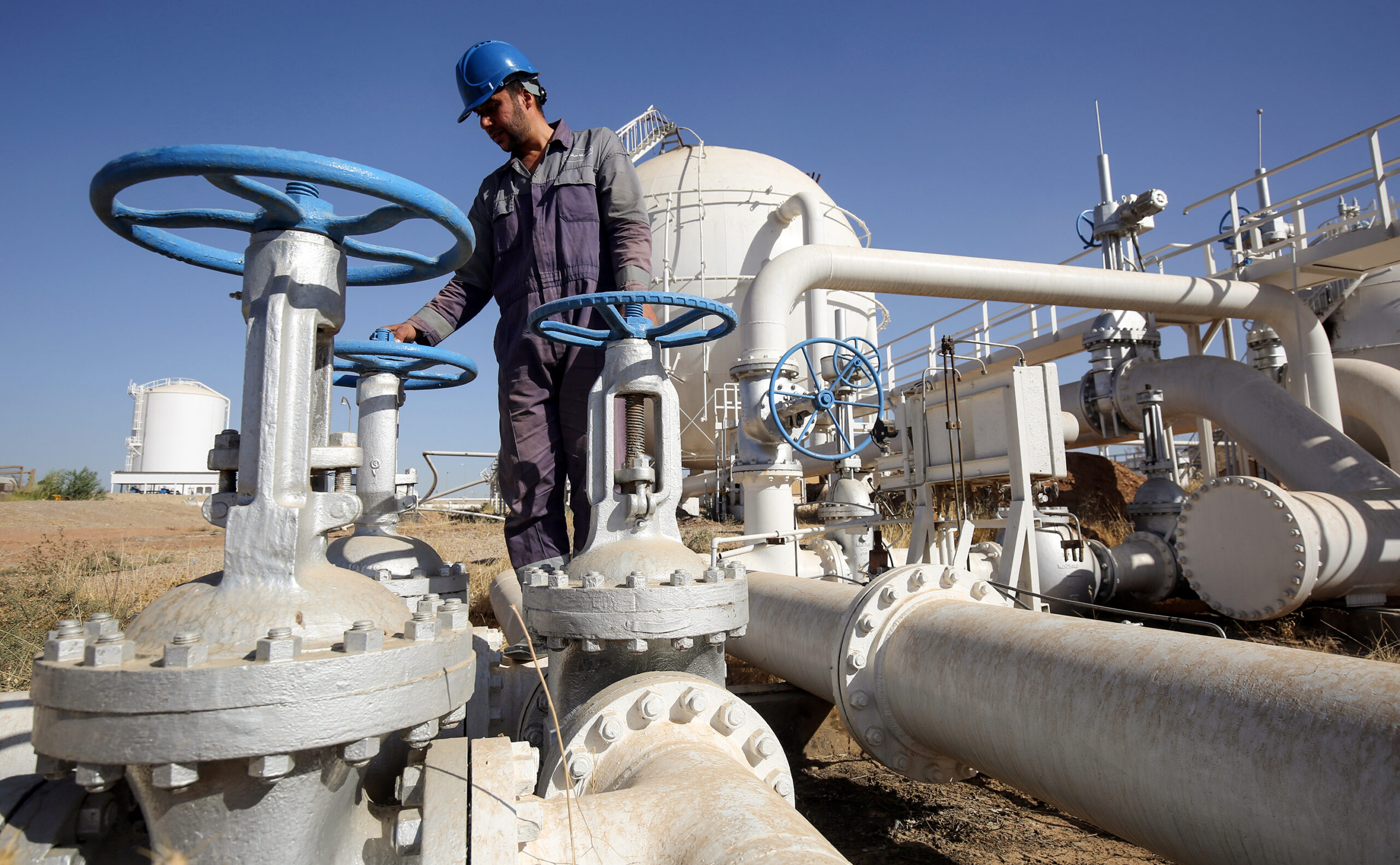
In this week’s Monday Briefing, MEI experts discuss recent and upcoming events including the Iraq-Kurdistan pipeline deal, how the YPG partnership affects US-Turkey ties, and the new Russia-Turkey gas pipeline.
Negotiations shepherded by Egypt appear to be making progress in establishing a new, more stable chapter in the ongoing conflict, but instability remains at the heart of the Gaza standoff.
MEI’s Jonathan Winer joins guest host Alistair Taylor to discuss the conditions in Libya nearly eight years after the country’s revolution, from the situation on the ground to the prospects for elections and political settlement more broadly.
A new approach in Afghanistan: China and India take steps toward cooperation
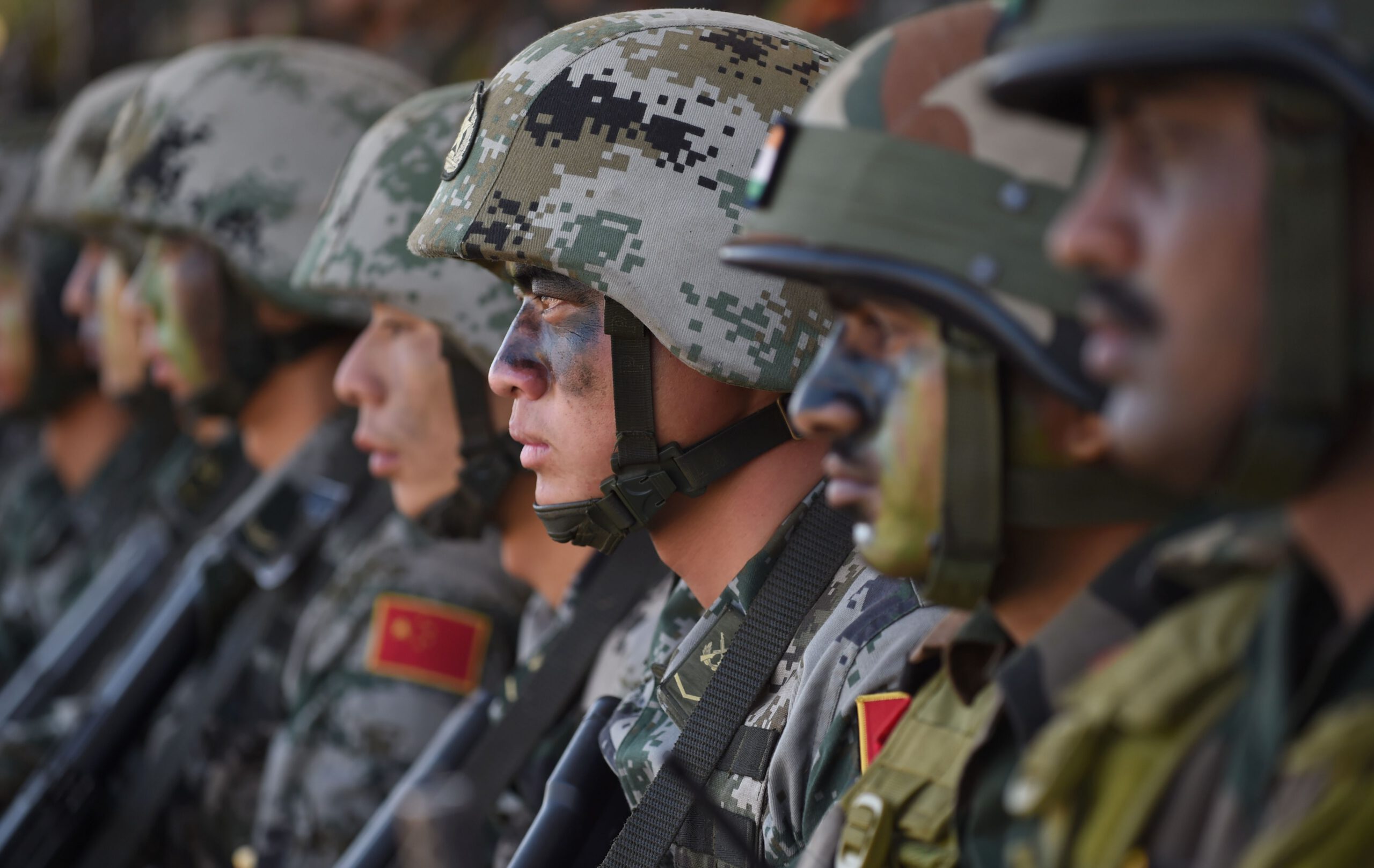
While there have been promising recent signs of Indian-Chinese cooperation in Afghanistan, Beijing’s “all-weather” friendship with Islamabad and Pakistan’s concerns about Indian involvement in the country remain obstacles to closer ties.