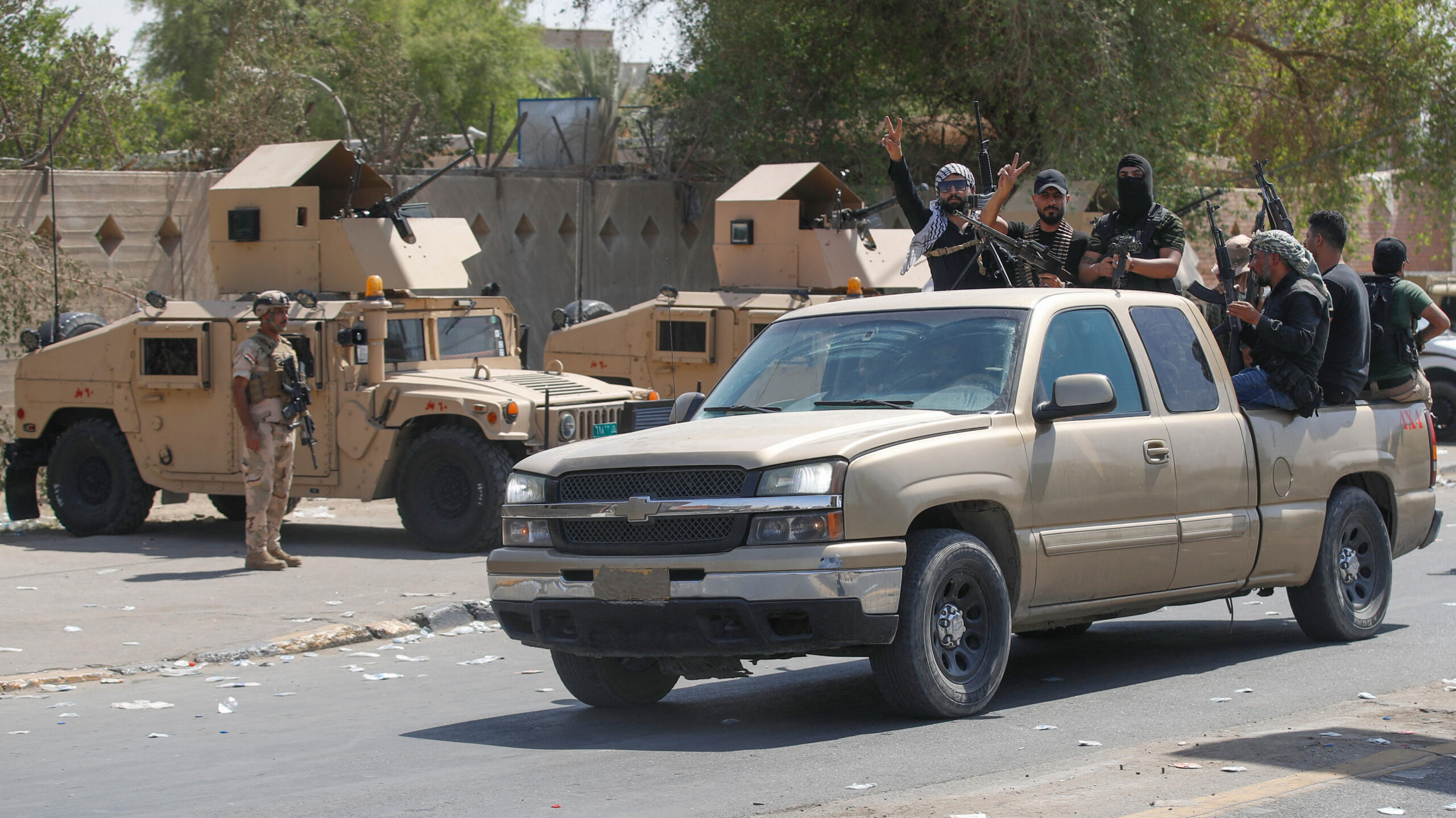
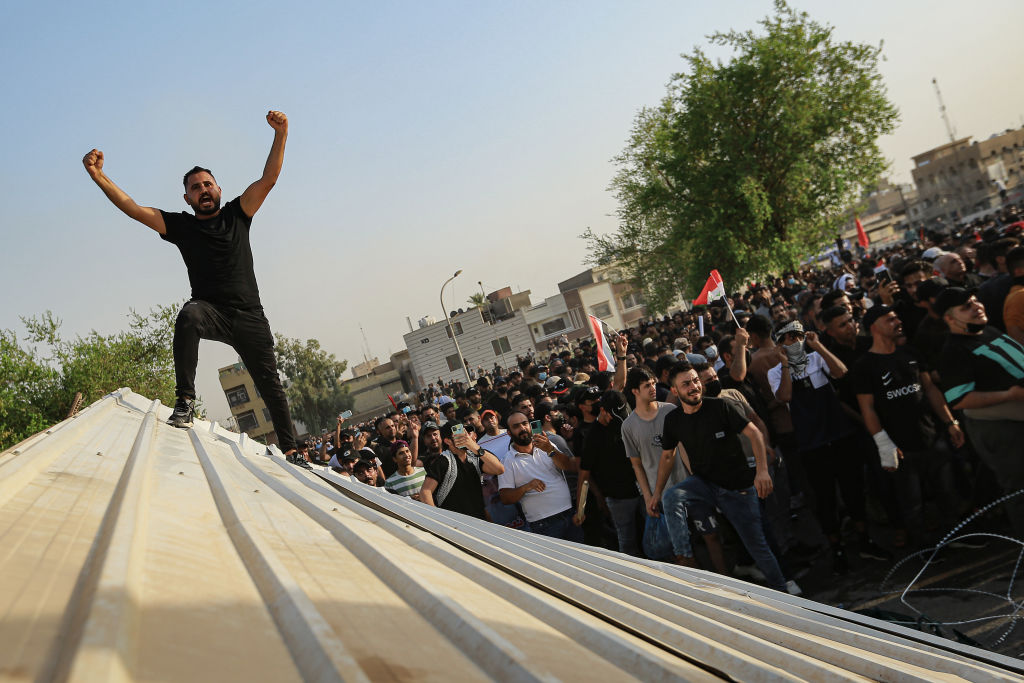
Followers of Iraqi Shi’a cleric and political leader Muqtada al-Sadr and those of the Iran-aligned Coordination Framework clashed in downtown Baghdad on Aug. 29. Iraqis spent that evening wondering whether the country was descending into an intra-Shi’a civil war.
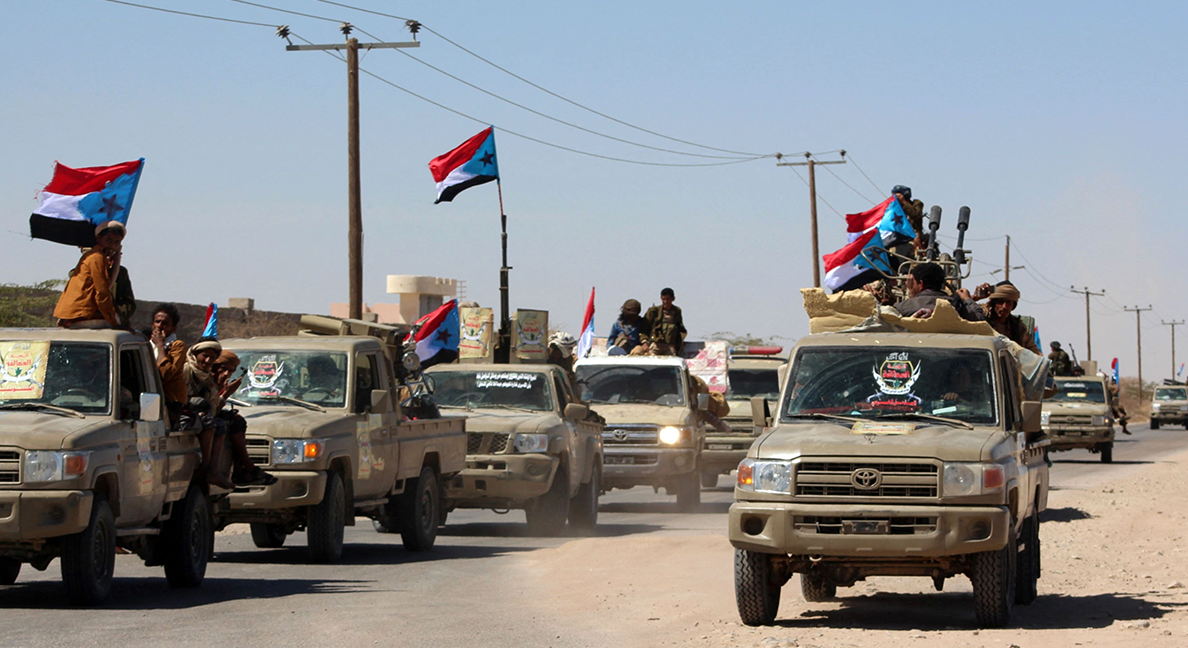
Emirati-backed forces eye Yemen’s energy heartland
The battle for control of the Yemeni heartland and its energy resources has reached a turning point. Yemen’s internationally recognized institutions are, once again, in crisis. In fact, the current infighting within the “government camp” threatens both the long-stalled implementation of the 2019 Riyadh Agreement and the political legitimacy of the newly-established Presidential Leadership Council.
Ten months on from last October’s elections, Iraq still does not have a new government and faces a deepening political crisis. To understand the current situation’s perils and what may be next for the future of the country, we are joined by Farhad Alaaldin, chairman of the Iraq Advisory Council, and Robert Ford, MEI Senior Fellow and former Ambassador to Syria and Algeria.
The diplomatic ice is breaking in the Gulf. What does that mean for the region?
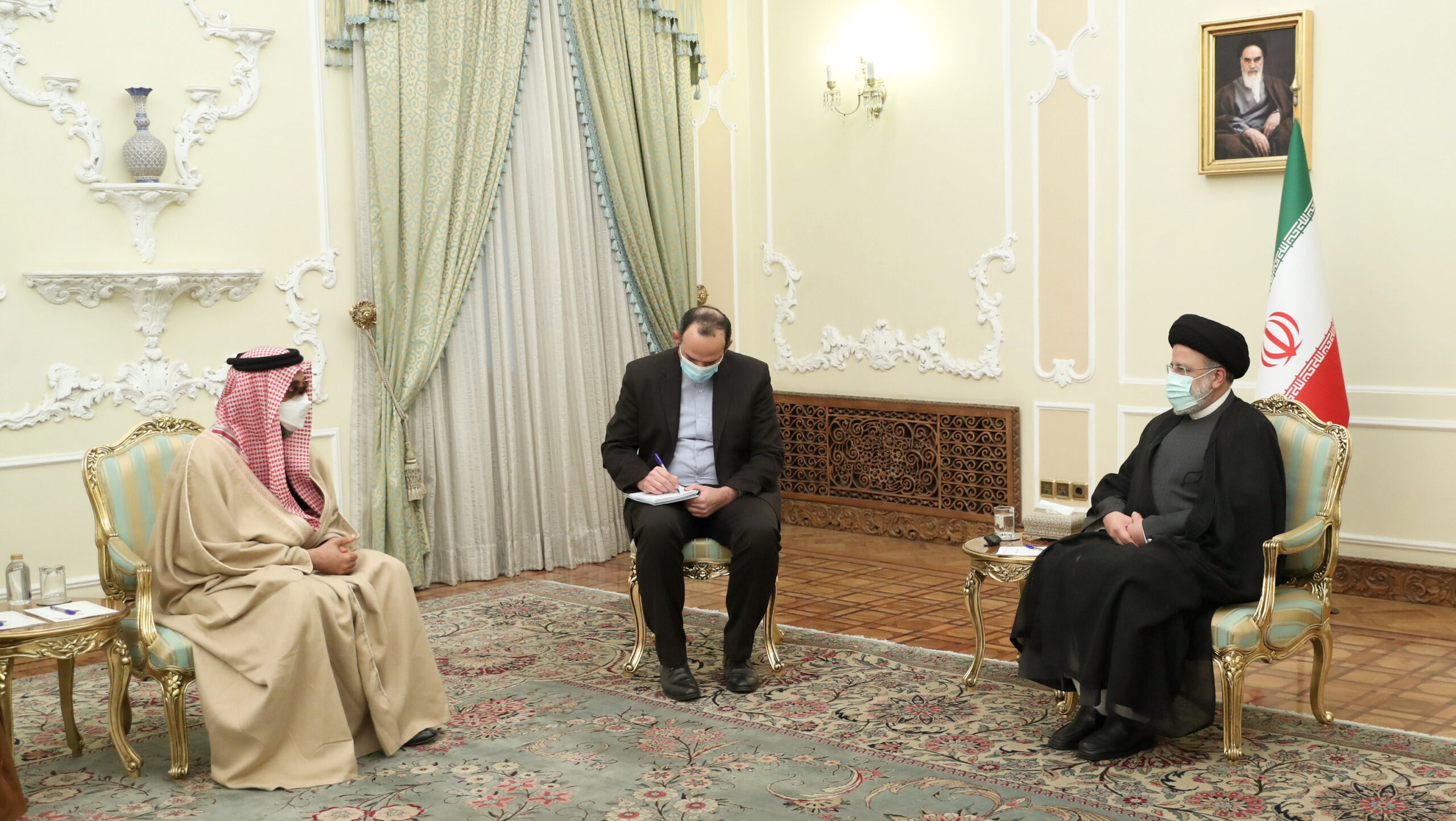
The announcements in mid-August that both the United Arab Emirates and Kuwait will be returning their ambassadors to Tehran after six years provided the latest indication that the diplomatic ice has started to break in the Gulf region.
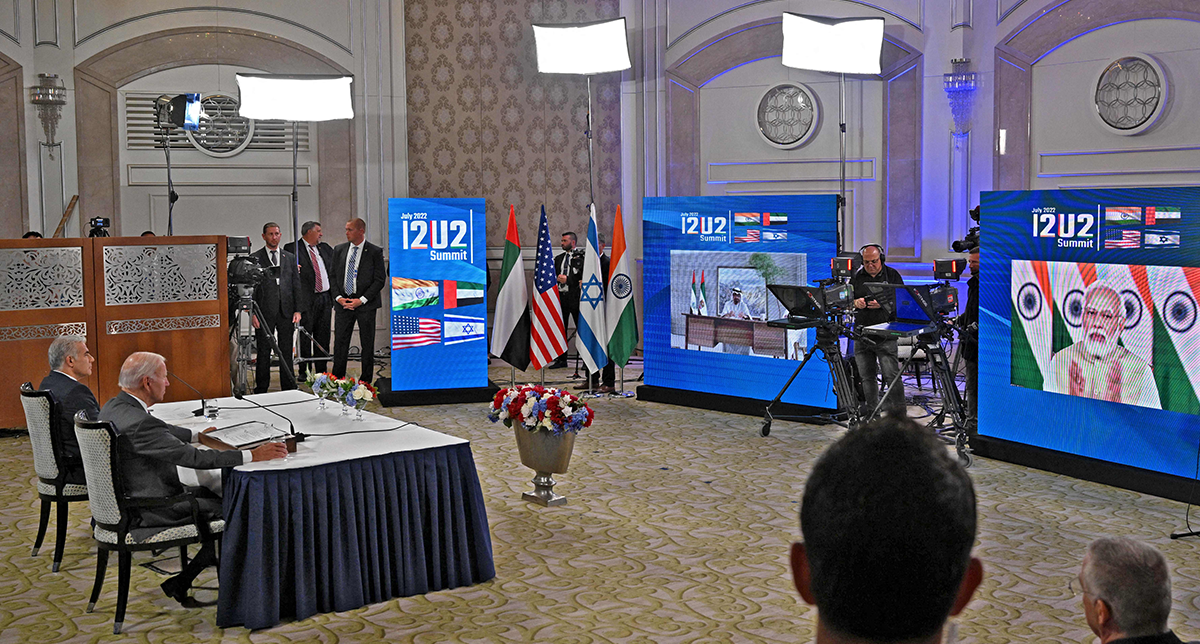
The July 2022 leaders’ meeting took good steps on energy and food security, but Egypt and Saudi Arabia can help take the I2U2 to the next level when it comes to regional security.
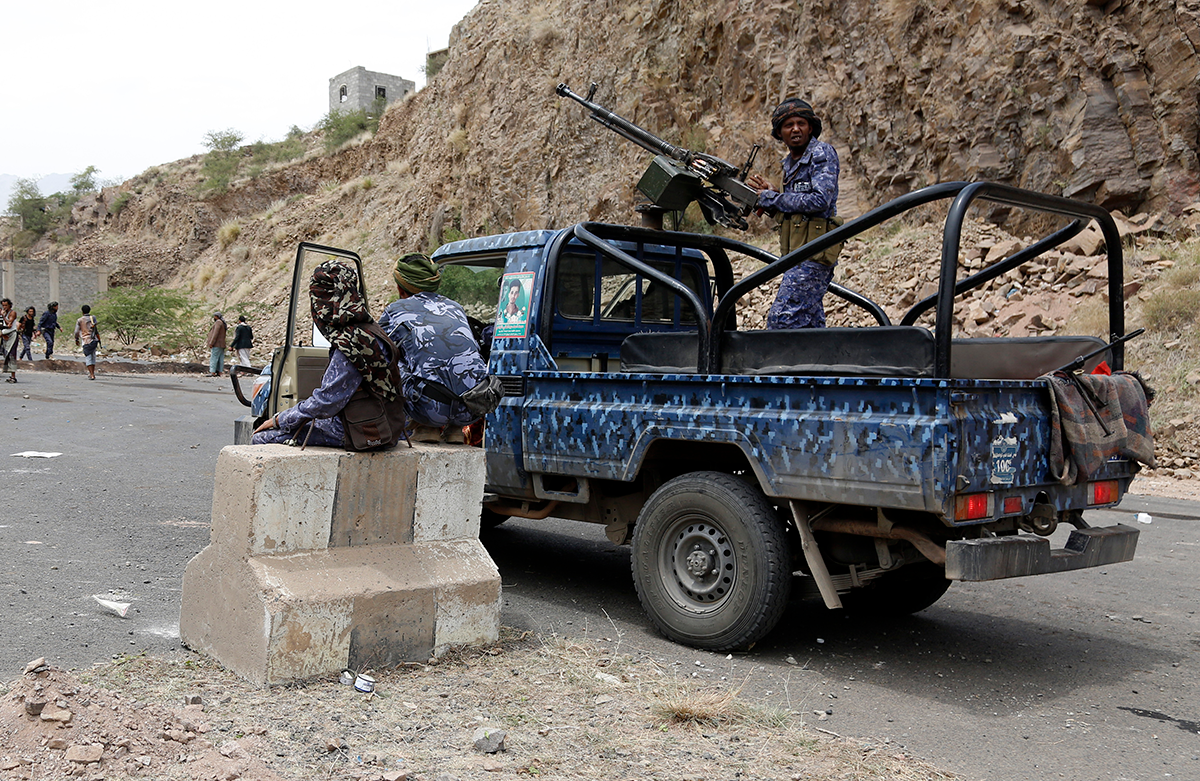
There is no shortage of U.N. interest in Taiz or concern over the Houthis’ blockade and truce violations in the city, but pressure on the Houthis to commit to relieving the humanitarian suffering of the Taizi people remains lacking.
Gulf economies should use the available fiscal space to ensure a soft landing
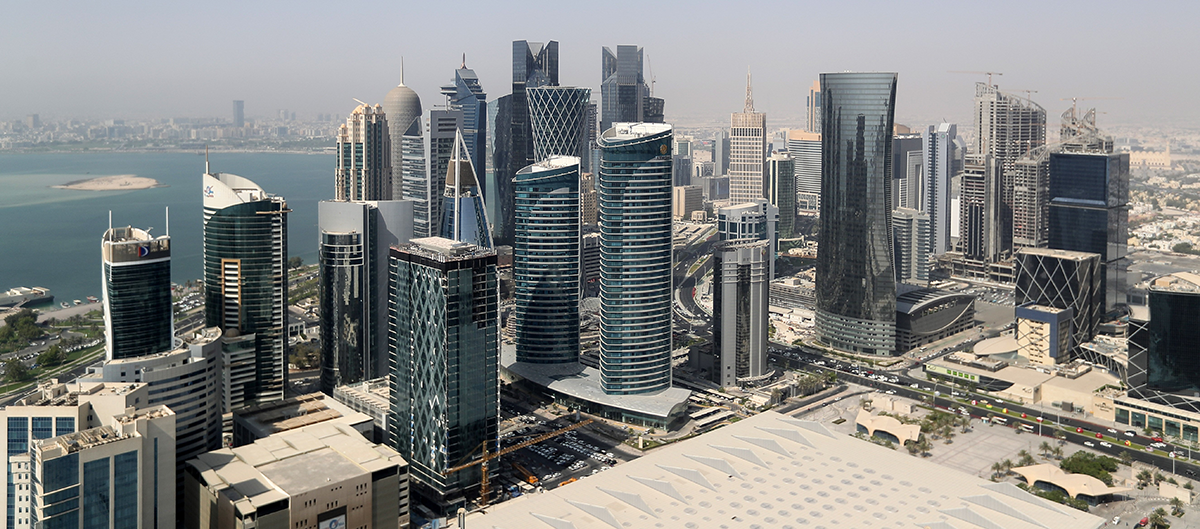
After achieving respectable growth in 2021, the GCC member states now face the risk of monetary (over) tightening due to the need to follow the U.S Federal Reserve’s interest rate adjustments. These increases are not warranted, however, as the GCC economies currently face relatively moderate inflation. Instead, they should use the available fiscal space to mitigate the negative fallout of monetary tightening and make greater use of PPPs for future infrastructure development.
Yemen cease-fire extension: The glass is still half-empty
Although the latest two-month extension of the Yemeni cease-fire was welcomed by all, the conflict will not end until meaningful pressure is applied on the Houthis to deny them a military victory and force them to accept a political resolution to the war they launched in 2014.
Biden’s trip was a start, but the US needs to sustain its influence in the Gulf
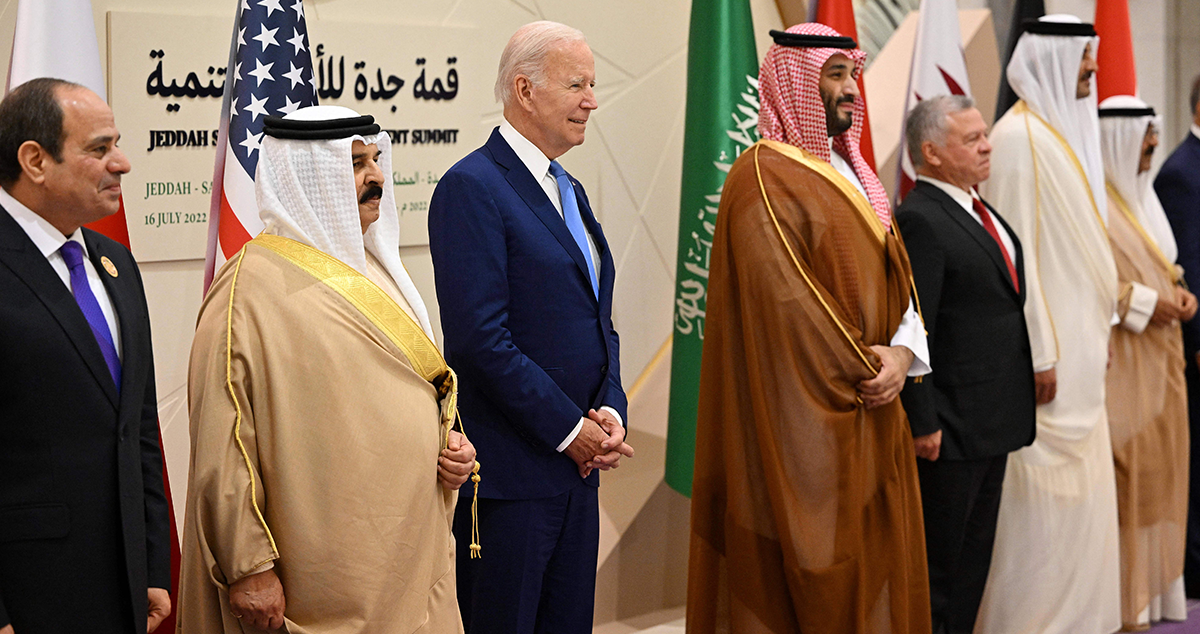
At the Jeddah summit in mid-July, President Joe Biden declared that “America is back,” a message that was welcomed by Saudi Arabia and Gulf media outlets. But Washington cannot maintain its influence and develop robust relationships in the Middle East without sustained American interest and effort, which have been oscillating with every change in administration.
One sided and incomplete, Yemen’s truce faces implementation hurdles as extension deadline nears
The U.N.-sponsored truce of April 2022 is the longest pause in fighting Yemen has experienced since the Houthi armed rebellion broke out in September 2014 and the Saudi-led coalition forces intervened six months later. But although there is strong external interest in both extending and expanding the truce given the scale of turmoil in the global arena, credible progress remains lacking, while serious obstacles persist.