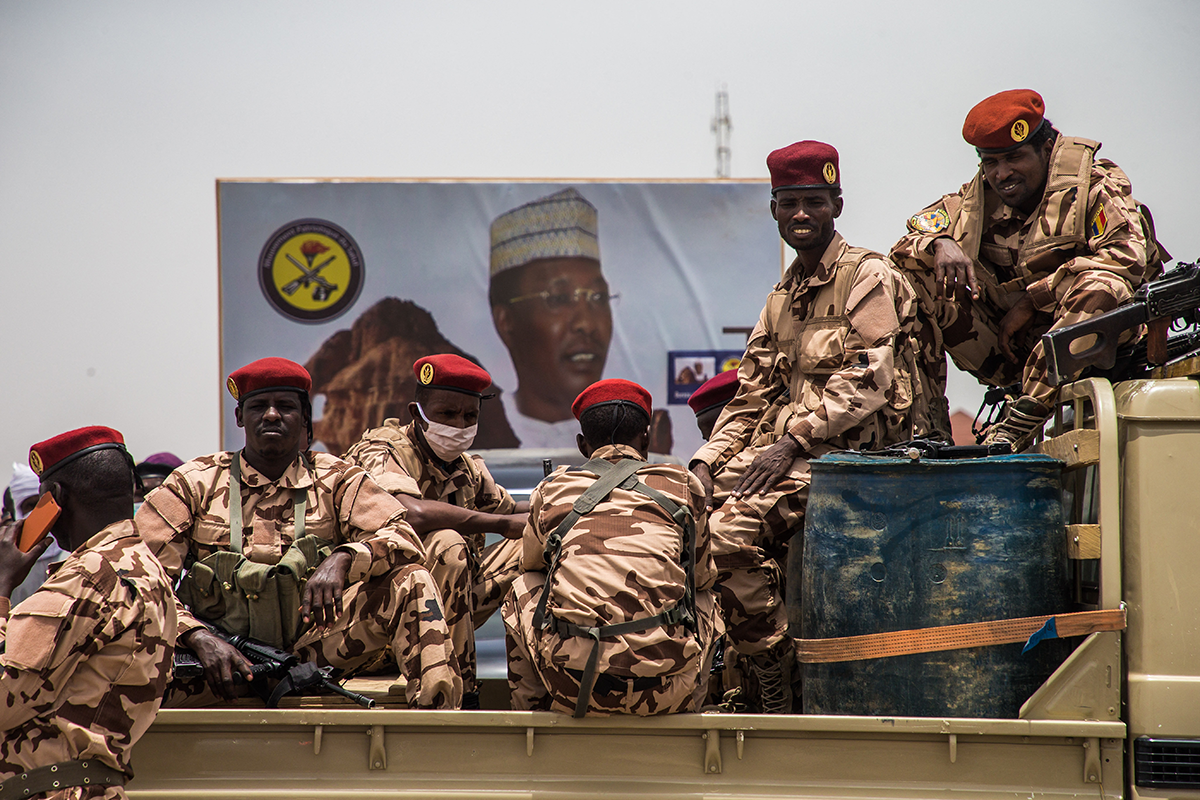
What does the transition in Chad mean for Middle Eastern regional powers?
On April 20, Chadian President Idriss Déby was killed by Front for Change and Concord in Chad (FACT) rebels in the country’s northwestern Tibesti region. The sudden death of Déby, who seized power in Chad via a military coup in December 1990 and was re-elected on April 11 with 79.3% of the vote, risks plunging Chad into a state of prolonged instability.
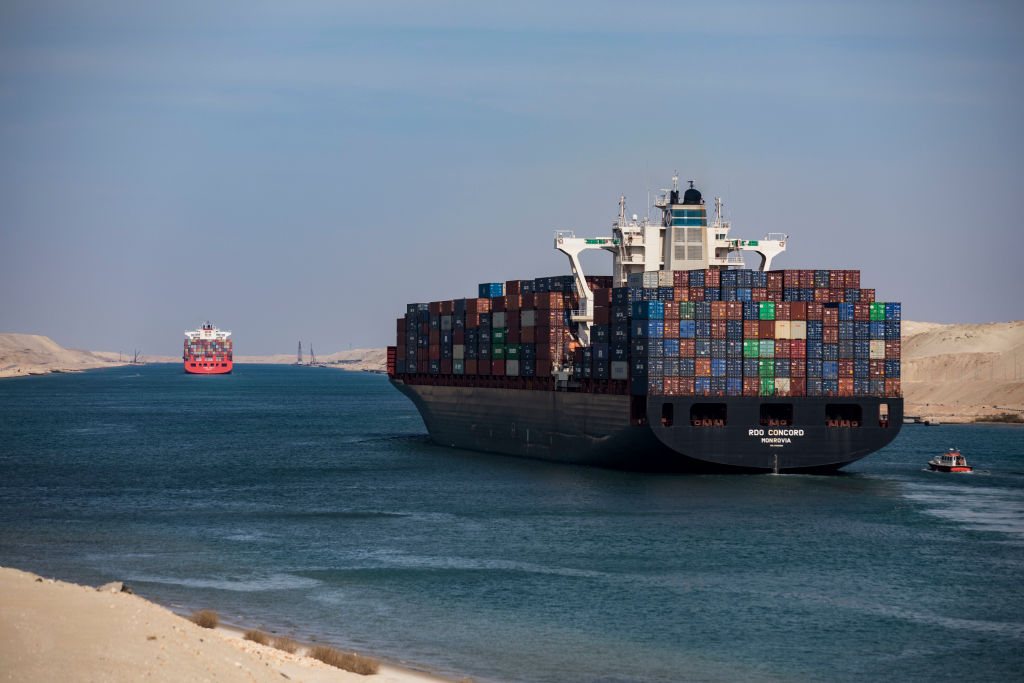
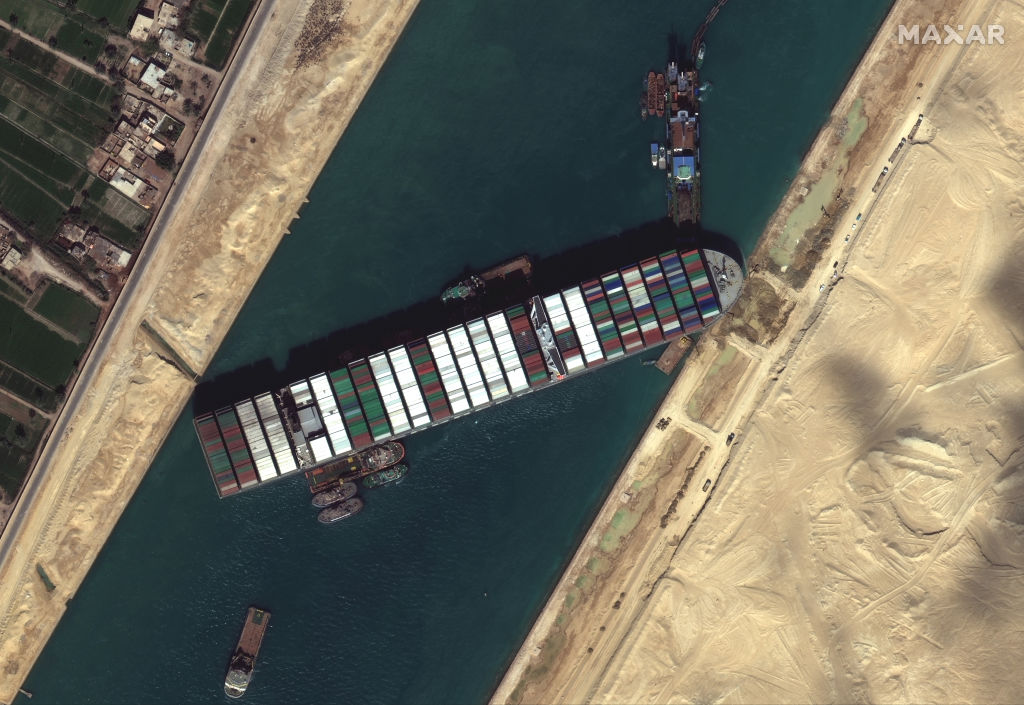
There Is No Indo-Pacific Without Egypt and the Suez Canal
As a major strategic chokepoint for this trade and maritime security, Suez is fundamental to the West’s commitment to a “free, open, secure and prosperous Indo-Pacific.”
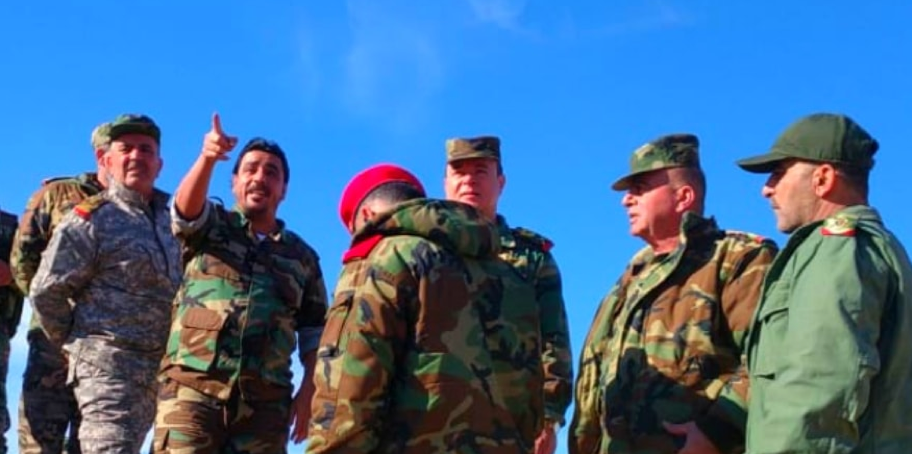
Five months into his job as commander of regime forces in Deir ez-Zor, Maj. Gen. Nizar Khader appears to have skillfully gained control over the diverse tapestry of loyalist forces in the region. Khader’s return to power in the east quickly put an end to the deadly disputes that had plagued the governorate’s security forces for years. He then launched a nearly three-month campaign, coordinated between Syrian, Iranian, and Russian forces, to push ISIS cells back into the province’s hinterlands, securing the crucial highway connecting Deir ez-Zor with Palmyra and Damascus to the west. His success, while impressive, will face its second major test soon as ISIS prepares for a potential Ramadan offensive.
Jonathan Winer and Mirette Mabrouk join host Alistair Taylor to discuss Libya’s new interim government, the complex regional and international dynamics at play, and what Libya’s future might look like.
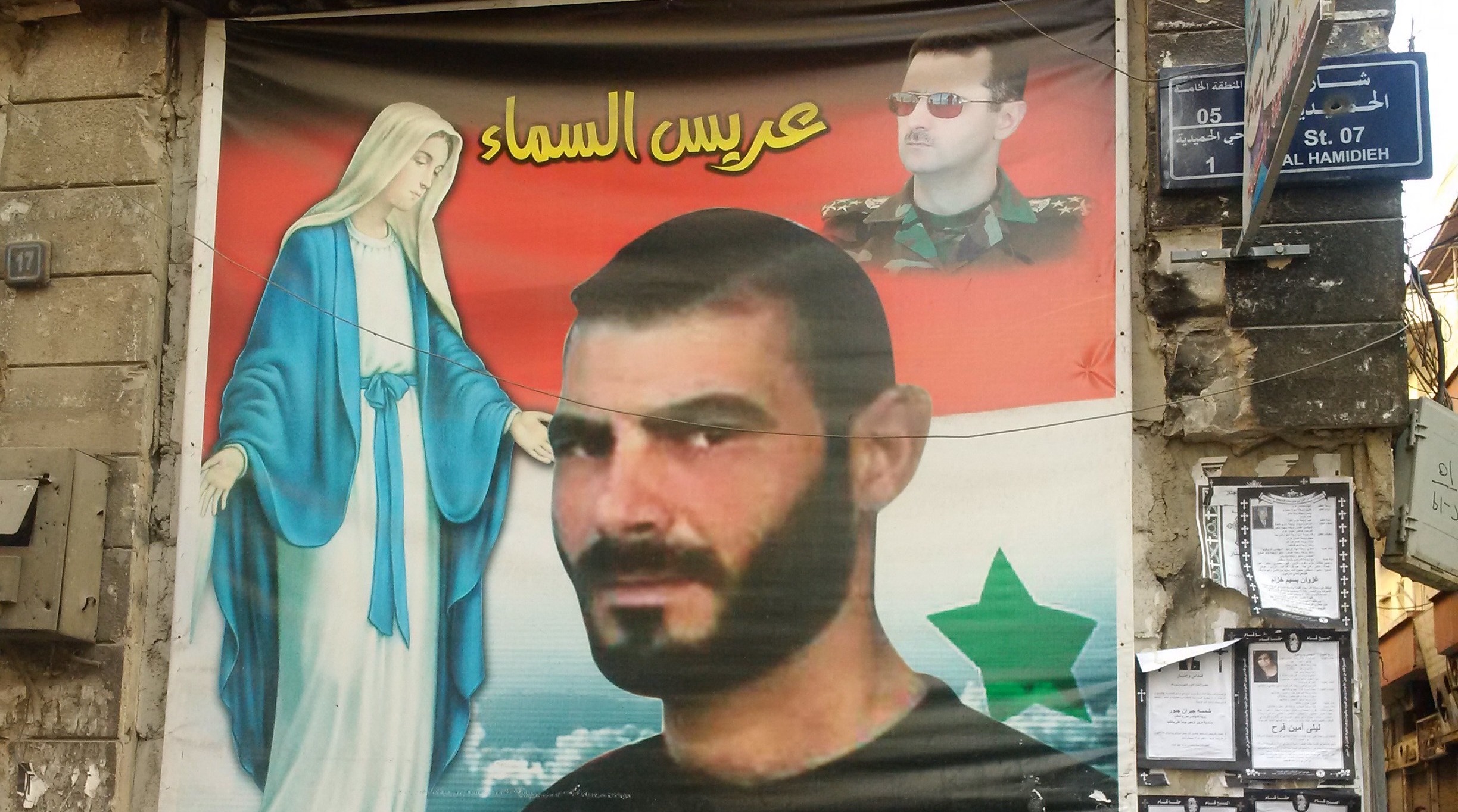
Is Bashar al-Assad really the guardian angel of Syria’s minorities?
Since the start of the current war, Bashar al-Assad, in power since 2000, has consistently sought to promote himself as the protector of Syria’s minorities — be they Christian, Alawi, Shi’i or Druze —from Islamist extremists. Many Western audiences have been seduced by his smart casual look and by his increasingly prominent, beautifully turned-out British wife, Asma. With presidential elections due to take place, under Russian auspices, in the coming months, in which Assad is widely expected to run, his claim demands close scrutiny. What has happened to minorities over the last 10 years of war and how does that compare to their treatment historically inside Syria?
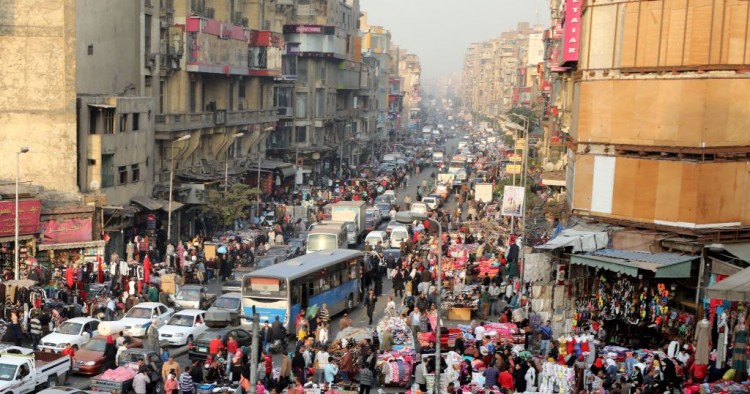
Egypt: The Pandemic Experience in a Time of Reform
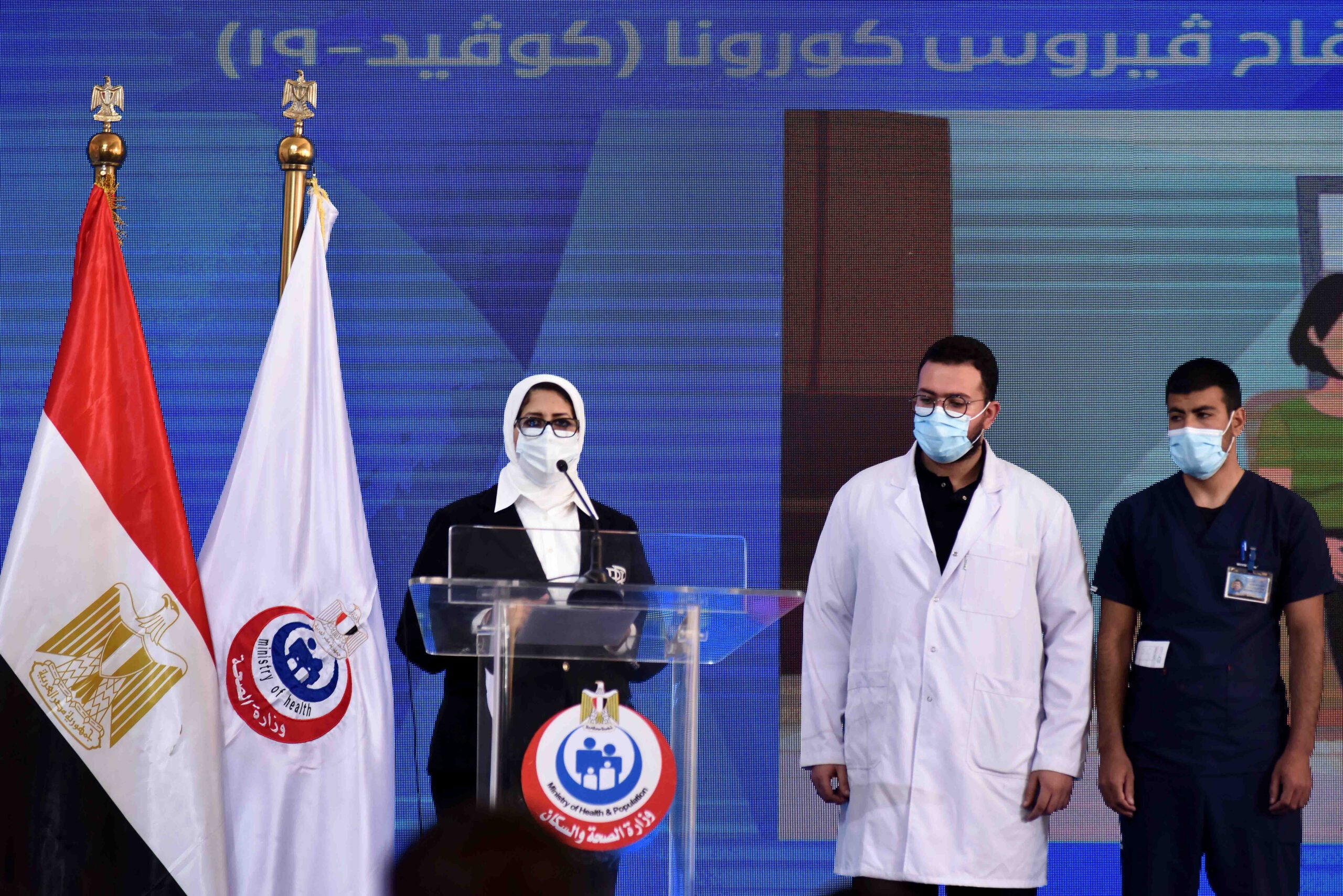
Egypt announced its first COVID-19 fatality on March 8, 2020, a few months after concluding a “reform” program supported by the International Monetary Fund (IMF) loan it had obtained in 2016. The pandemic thus posed the first test for the IMF-prescribed economic and social policies adopted by the Government of Egypt. As this article will show, whereas the reforms helped propel economic growth in a time of global recession, they did not provide a strong social safety net for vulnerable families during the crisis.
Egypt should go green by putting a price on carbon
It is time for Egypt to put a price on carbon. While Cairo has taken small steps toward developing a sustainability plan, it needs a bold idea to stop rising carbon emissions. Establishing a carbon exchange — or putting a price on carbon — would be good for the country and help make Egypt an environmental leader in the region.
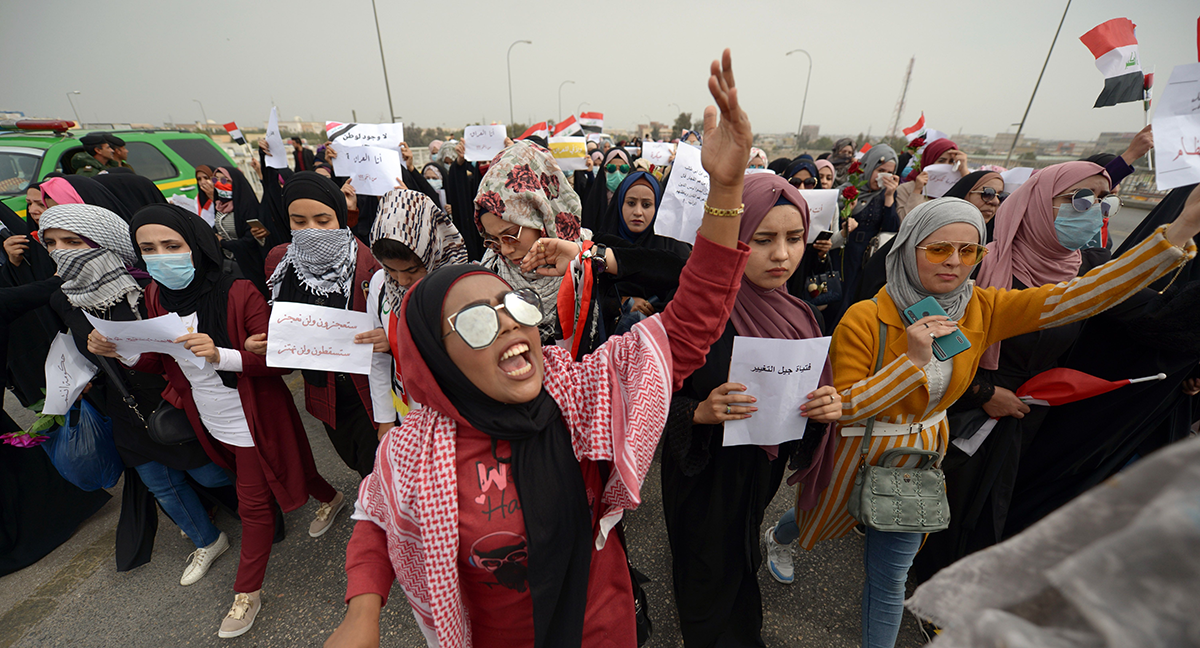
Reflecting on the global effort to fight violence against women
On March 8, the world came together to celebrate International Women’s Day (IWD), a barometer of annual development on global gender equality. This year, violence against women and women’s protection have been front and center on the political agenda across the world, including in the Middle East, as incidents of violence against them spark mass mobilization and anger from citizens. As civic activism grows, and citizens are increasingly politically and publicly engaged, women are fighting louder and harder than ever before to be a central voice in broader calls to action.
Political risk vs. risk to force: How policy decisions impact risk and capability in partner operations
Operation Inherent Resolve (OIR) is the U.S. military’s name for the international intervention to defeat ISIS in Syria and Iraq starting in 2014. While OIR has been a success, it has necessarily been imperfect. Throughout the campaign, cost-benefit calculations made by policymakers led to missed opportunities and possibly a longer conflict. These decisions will have lasting repercussions that could undermine the hard-won victory against ISIS, as well as the ability to partner in future interventions. In particular, the United States mishandled its partner relationships in the war to defeat ISIS. Political considerations apparently won out against supporting and sustaining the SDF, our military partner forces.
The Kin Who Count: Mapping Raqqa’s Tribal Topology
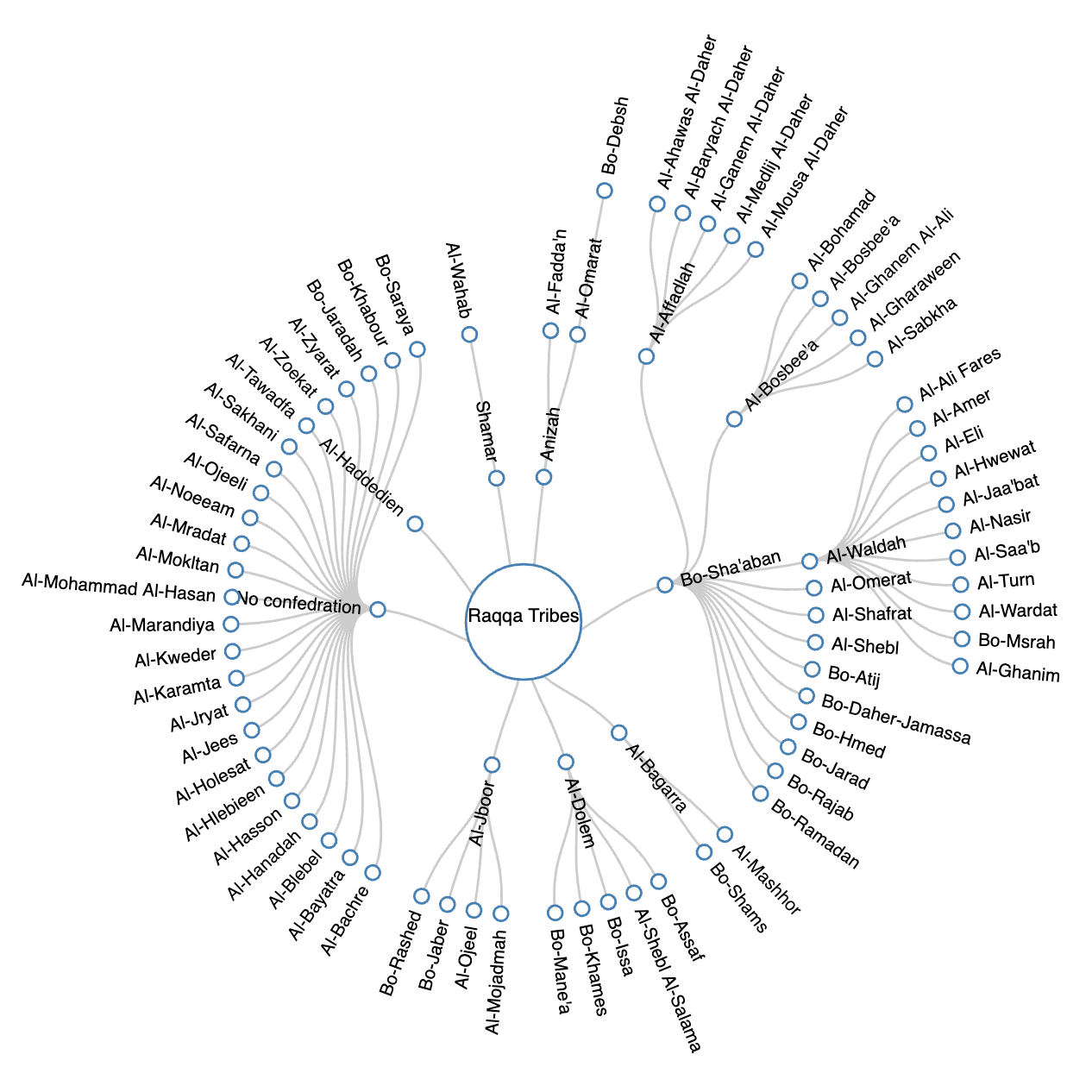
The northern Syrian governorate of Raqqa came to the world’s attention when it fell under the control of ISIS in 2014. Scenes of tribal leaders pledging allegiance to the group, after their governorate fell into its hands, raised many questions about the complex tribal dynamics in the area. Previous analyses of these dynamics have often misunderstood the intricate tribal structure and drawn false links between terrorism and tribalism. This research tool aims to shed light on Raqqa’s tribal structure, making it accessible to everyone interested in understanding the current state of affairs in the governorate.