The tectonics of Middle Eastern geopolitics: Seismic signs in the Caucasus
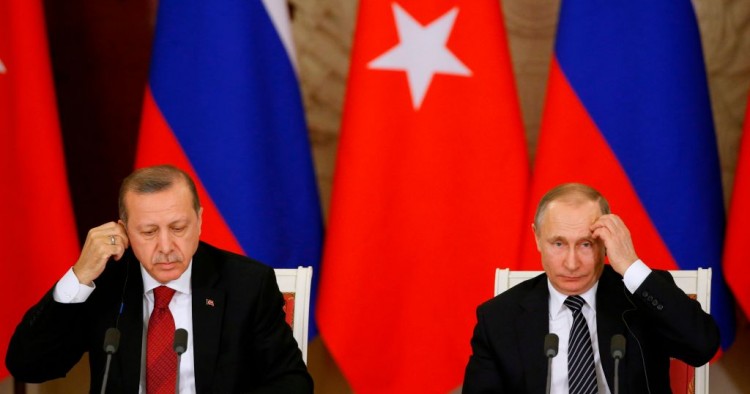
Throughout 2020, the geopolitics between the Middle East and its northern frontier have converged further. Russia, Turkey, and Iran not only compete for influence (as states and through non-state actors) in core countries of the Middle East and North Africa like Syria, Iraq, Libya, Egypt and beyond in the Gulf. They also happen to be the three former imperial powers in the Caucasus – the crucial link between the Black and Caspian Seas on the seam of Europe, the Middle East, and Central Asia.
Fake Paradise For Malaysian Foreign Terrorist Fighters
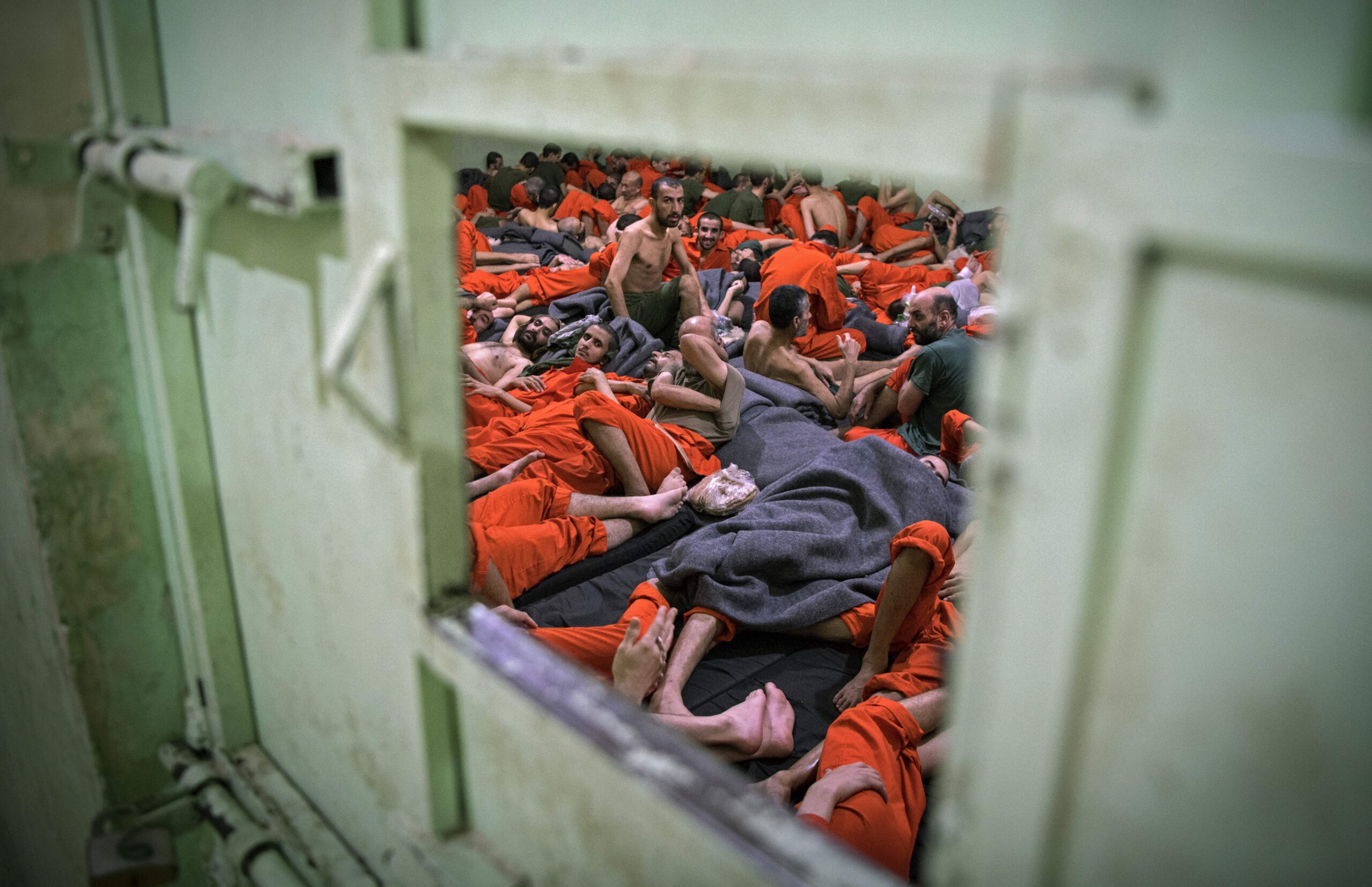
This article discusses the main factors that moved Malaysian jihadists to participate in the IS movement between 2013 to 2019, the grim circumstances in which they found themselves after having arrived in “paradise” and the status of the survivors who have returned home.
Turkey-NATO ties are problematic, but there is one bright spot
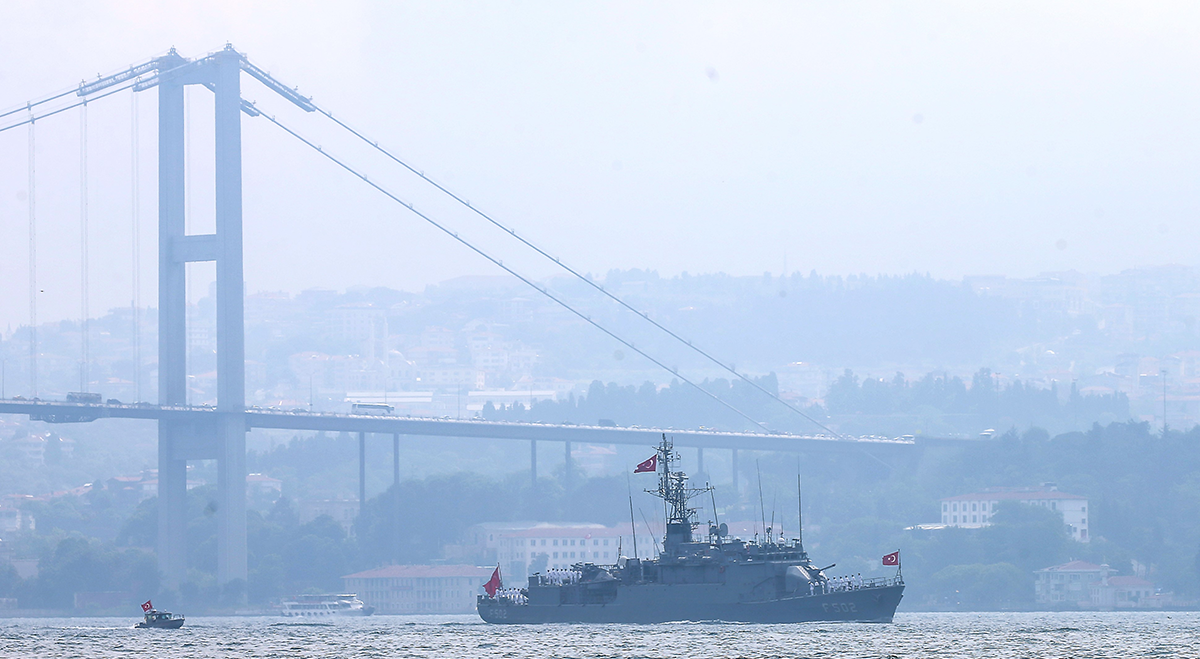
When it comes to Turkey-NATO ties, Ankara is regarded as more of a problem than an ally these days. Not only did it purchase a Russian S-400 air defense system, but its gunboat diplomacy in the eastern Mediterranean also raised the specter of military conflict between NATO allies when Greek and Turkish naval flotillas steamed directly toward each other this past summer. There is one region, however, where Turkey can help NATO efforts: the Black Sea.
Paul Goble, Gonul Tol, and Alex Vatanka join host Alistair Taylor to discuss the Nagorno-Karabakh conflict and the role of Russia, Turkey, and Iran in the South Caucasus.
Georgia’s historic victory: Implications of the ECHR ruling
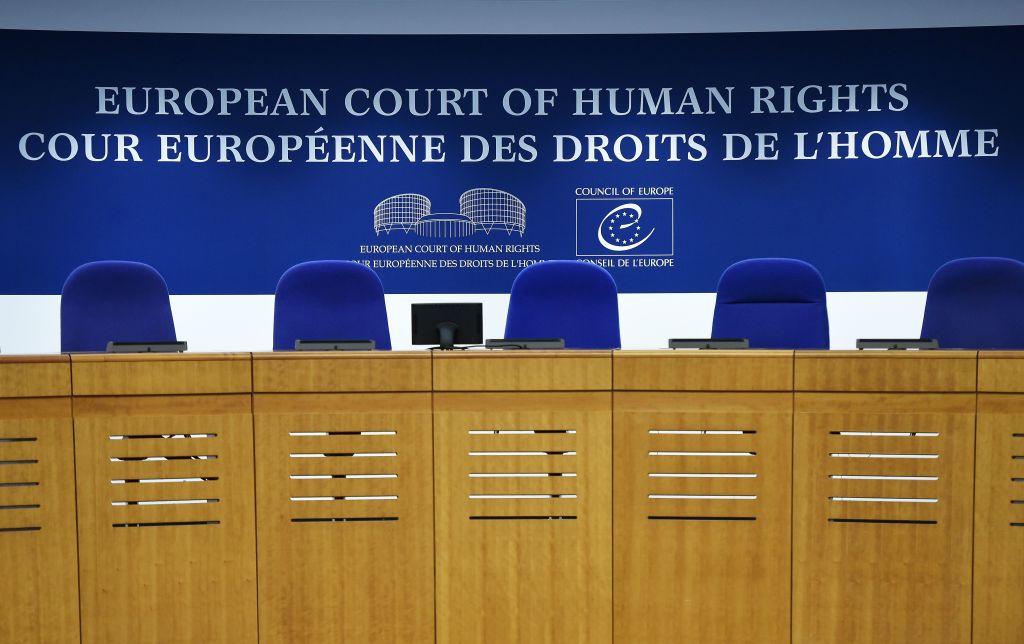
Amidst the pandemic and global economic hardships, Georgia has had an eventful beginning to the year, scoring a long-awaited victory against Russia. On 21 Jan., 2021, the European Court of Human Rights (ECHR) announced its verdict on the interstate case brought by Georgia against Russia, holding Moscow responsible for breaching six articles of the European Convention of Human Rights.
Iran and Turkey: Power dynamics in the South Caucasus
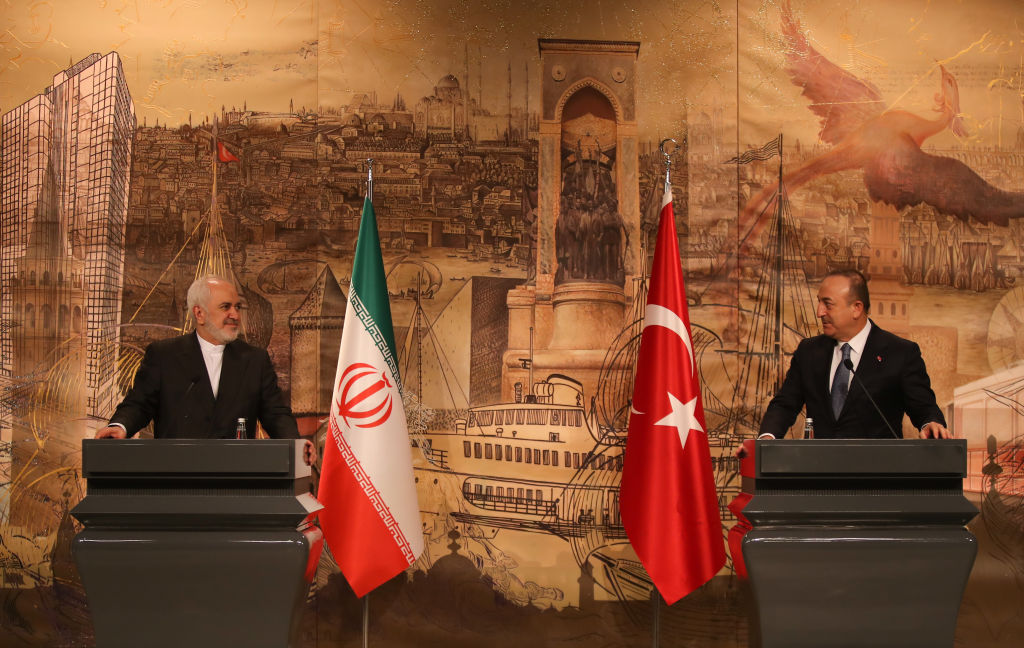
Iran was caught off guard by the July 2020 round of conflict between Armenia and Azerbaijan. Tehran was even more alarmed by the proactive role Moscow and Ankara played during and in the aftermath of the six-week war that ended with the Russian-brokered ceasefire on November 10. In fear of being kept on the sidelines, Iran’s Foreign Minister Javad Zarif embarked on a regional tour last month to Azerbaijan, Armenia, Russia, Georgia and Turkey.
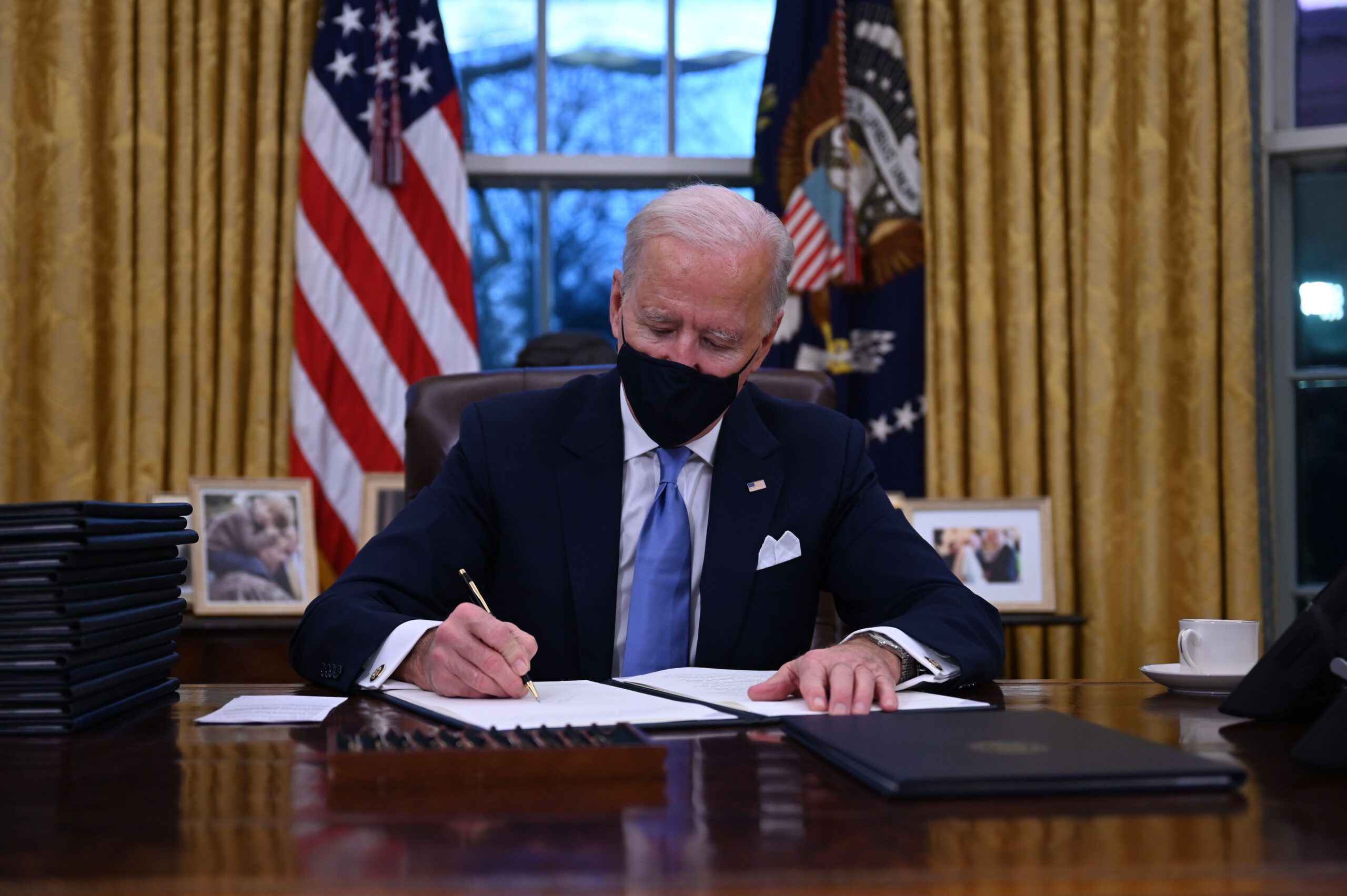
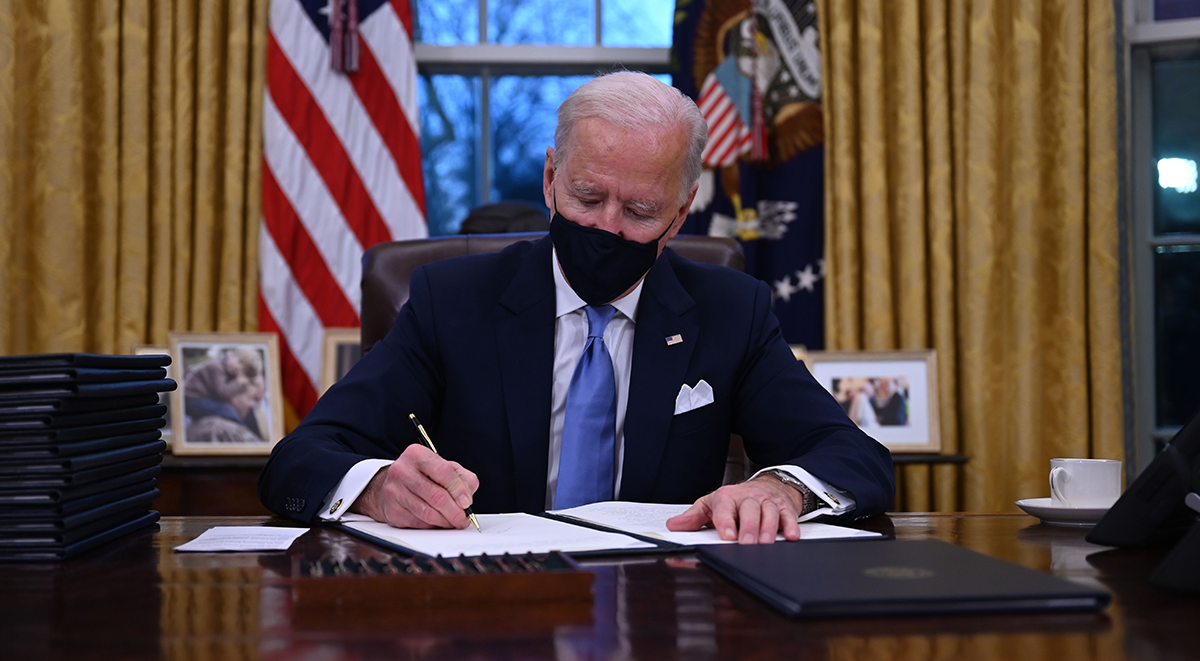
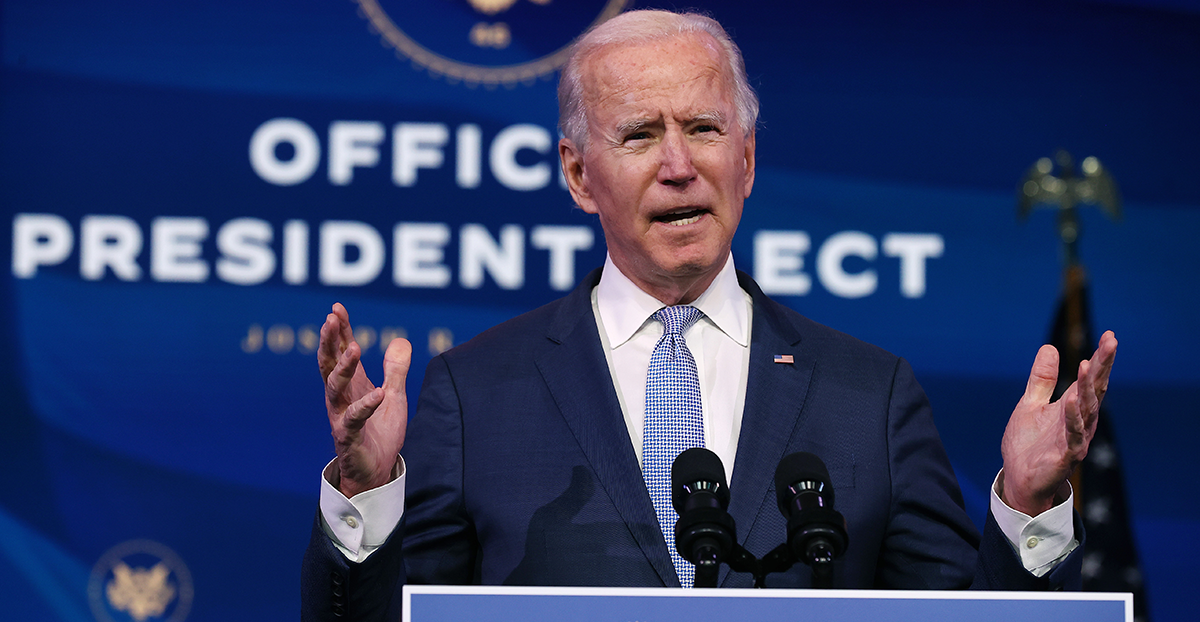
Can President Biden rescue America’s democratic legacy in the Black Sea?
Following a tumultuous period in Washington, during which the Capitol was stormed by rioters and Donald Trump became the first president to be impeached twice, many in the United States and around the world were left feeling concerned and unsettled.As a Georgian who has seen the U.S. play a transformative role in building my country’s young democracy, the attack on Capitol Hill was something I could never have anticipated. My fear stemmed not from feeling unsafe in downtown DC, but rather from the consequences of U.S. instability and fragility on those countries that rely on its support to build democratic institutions and adopt western values.
Biden’s Challenge: Continuing Progress in Eastern Europe Despite Russian Adventurism
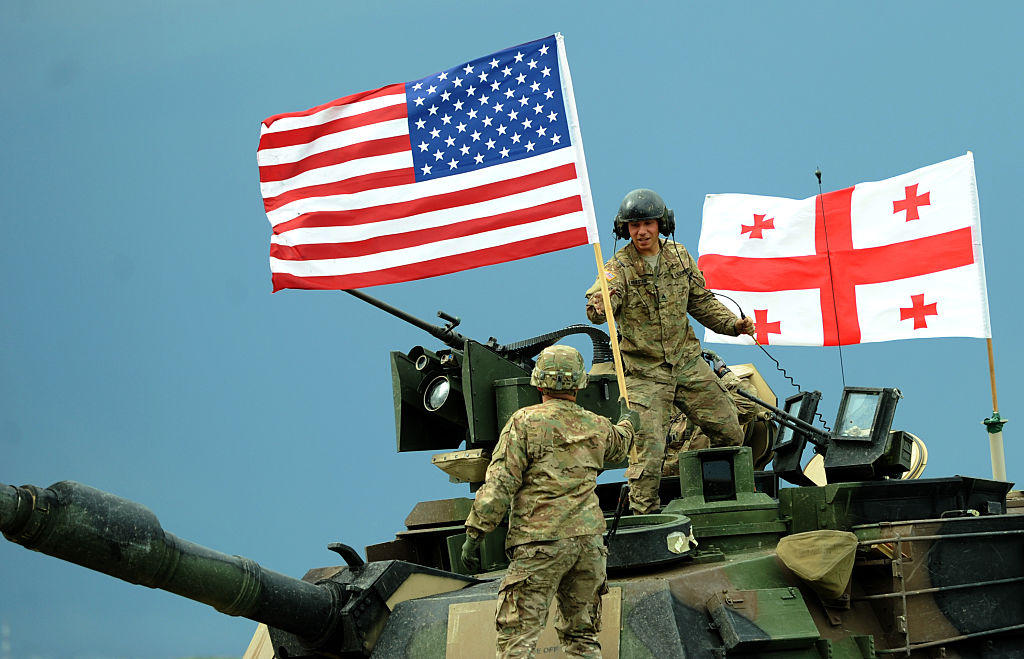
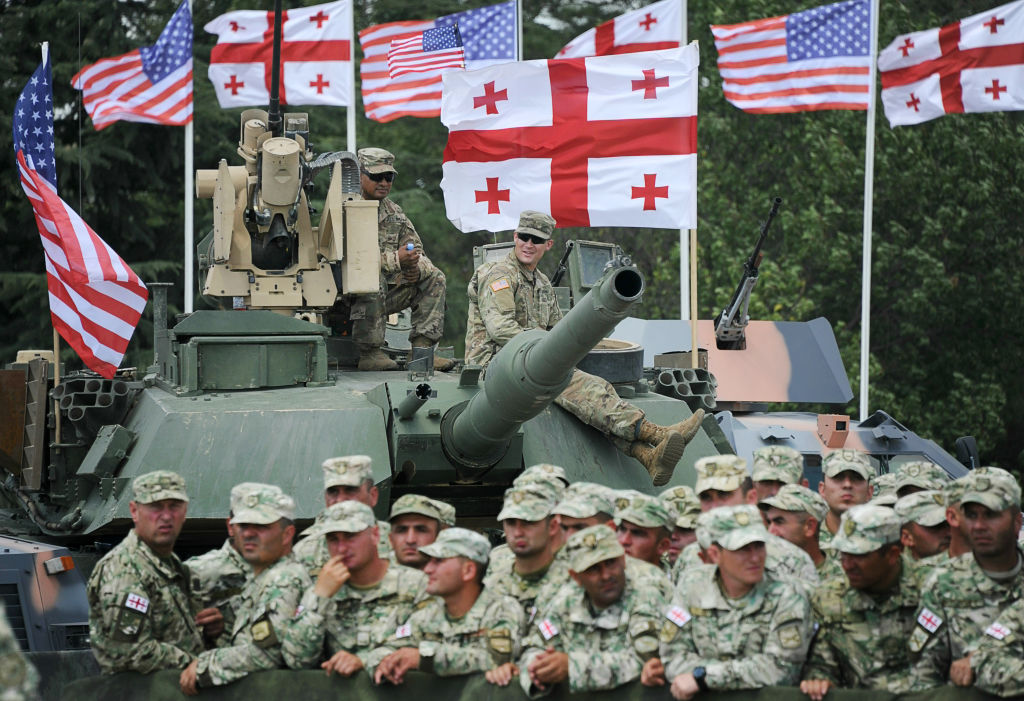
The Biden Administration has a firm foundation upon which to build in Eastern Europe. As part of its focus on great power competition in the region, the Trump Administration sharply increased funding for the European Deterrence Initiative (EDI), covering costs for U.S. troops in Europe and security support for strategic allies, while repositioning some U.S. forces in Europe to the eastern flank. We have made important steps to support our strategic allies in Eastern Europe, but this administration needs to stay the course and increase its focus and commitment to the Black Sea region. Russia must understand the costs of their adventurism in order to prevent further reckless behavior.
Challenges of a Six-Country Regional Cooperation Platform for Georgia
In the aftermath of the second Nagorno-Karabakh war, bolstered by Turkey’s growing influence in the South Caucasus, President Recep Tayyip Erdogan proposed the controversial idea of establishing a six-country regional cooperation platform. Speaking from the Azerbaijani capital Baku, where he was attending victory celebrations, Erdogan noted that new opportunities for regional cooperation are possible for the Caucasus region. Turkey’s leader envisages a platform that would bring Turkey, Russia, Azerbaijan, Iran, Georgia, and Armenia together. In his words, it would provide a win-win opportunity for all sides, including Armenia, which could use the platform as a first positive step toward establishing bilateral relations with Turkey.
The Biden Administration’s Eastern Europe Policy: New Hope for Georgia?
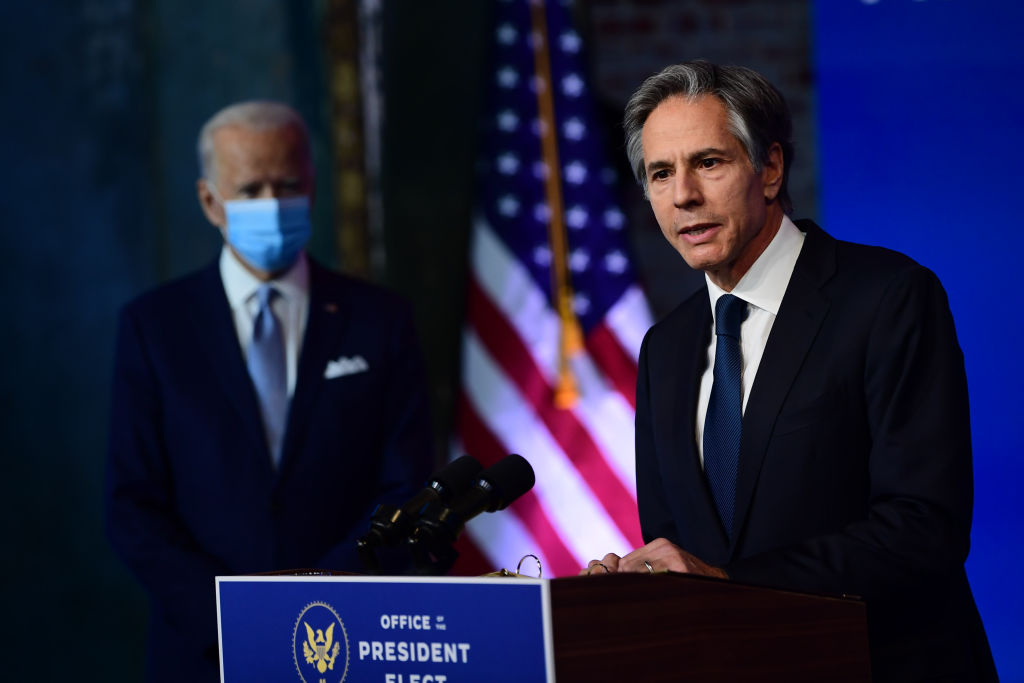
Georgia’s Western future became a central part of U.S. foreign policy last week. During his confirmation hearing, Secretary of State Antony Blinken reiterated that Georgia should join NATO as soon as it meets the criteria. Blinken’s remarks are timely. Georgia faces increasing Russian political pressure and military presence, exacerbated by the recent second Nagorno Karabakh war. At the same time, and following a decade of stalemate, there have been significant breakthroughs in the cases brought by Georgia against Russia in front of the European Court of Human Rights (ECHR) and the International Criminal Court (ICC). With Georgia’s Western path resurfacing on the international agenda, Eastern European countries will be watching to see if the Biden Administration’s foreign policy can make a difference to regional security.
The Challenge of Foreign Fighters: Repatriating and Prosecuting ISIS Detainees
From the U.S. and the U.K. to Iraq and Syria, the way countries are handling the repatriation and prosecution of accused ISIS members echoes the policies that drove their citizens to seek a utopian Islamic State in the first place. Not only are the policies that pushed people to start joining the group in 2013 continuing, but in many cases they have increased in both scale and scope. While the current repatriation and prosecution policies are arguably counterproductive, they may also be fueling future terrorist activity and support for radical anti-government groups. To reduce the chances of such negative consequences, foreign governments must switch gears and adopt an entirely different approach before it is too late.
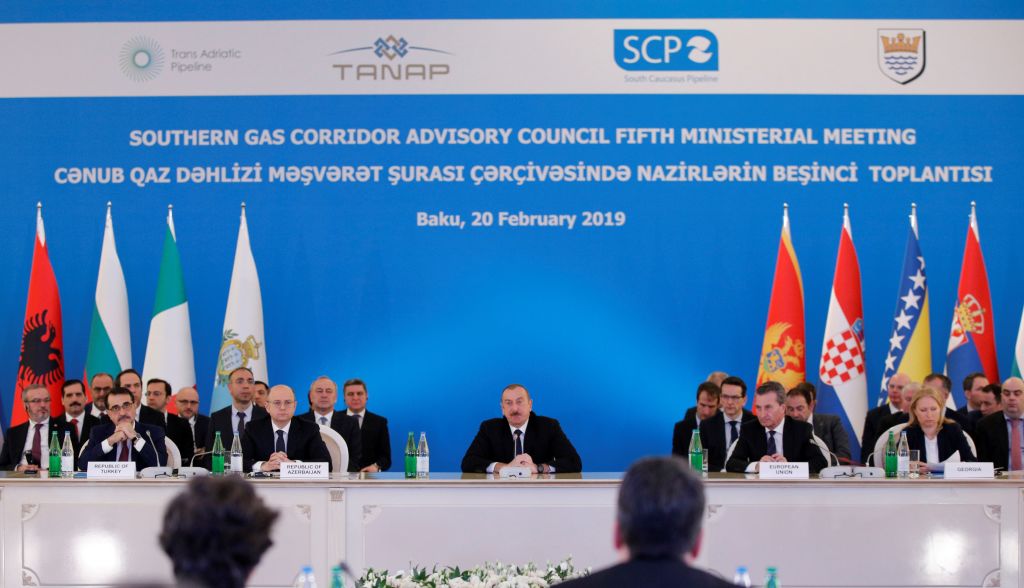
Europe’s energy independence: Opportunities for the Biden Administration
In 1906, the South Caucasus’ first energy pipeline was completed, connecting Baku on the Caspian Sea with Batumi on the Black Sea. More than 115 years later, this pipeline, measuring a mere eight inches in diameter and transporting kerosene, has been replaced with a modern network of natural gas and oil pipelines connecting the heart of Asia with Europe. With proper investment and the correct policies, even more oil, gas, and other goods will be flowing from the Caspian region to Europe and global markets.
The Biden administration and the Middle East: Regional perspectives on the first 200 days
As the Biden administration takes office, it faces a host of challenges, both at home and abroad. Where does the Middle East fit into all of this and what should the new administration prioritize in its first 200 days? In the second part of a two-part series, we asked experts and scholars from across the region to weigh in with their thoughts.
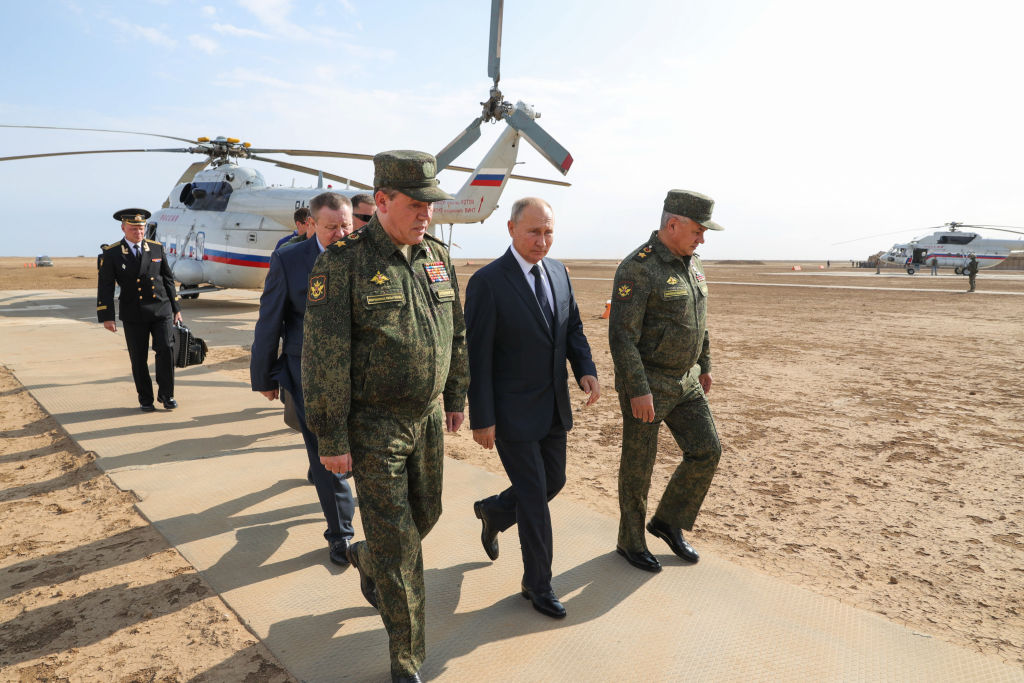
The strategic balance in the Black Sea region has shifted dramatically in Russia’s favor in the past decade. Russian anti-access/area-denial (A2/AD) capabilities in Crimea, and the ongoing modernization of its Black Sea Fleet, enable Russia to threaten its neighbors’access to sea lanes and economic resources and apply coercive pressure via conventional power projection. Littoral states should prioritize addressing the military imbalance to deter Russian coercive actions. Rather than rely on increased U.S. presence, Black Sea states should create a flexible network within NATO or the EU to build their own A2/AD capabilities.
The Biden administration and the Middle East: Four-year policy goals
The Biden administration will face a number of major challenges in the Middle East over the next four years, from great power competition and climate change to cybersecurity and refugees and migration. But what realistically can it achieve in that time on the policy front? To better understand what’s possible, we asked 10 experts from across MEI to weigh in with their thoughts.