Paul Goble, Gonul Tol, and Alex Vatanka join host Alistair Taylor to discuss the Nagorno-Karabakh conflict and the role of Russia, Turkey, and Iran in the South Caucasus.
Georgia’s historic victory: Implications of the ECHR ruling
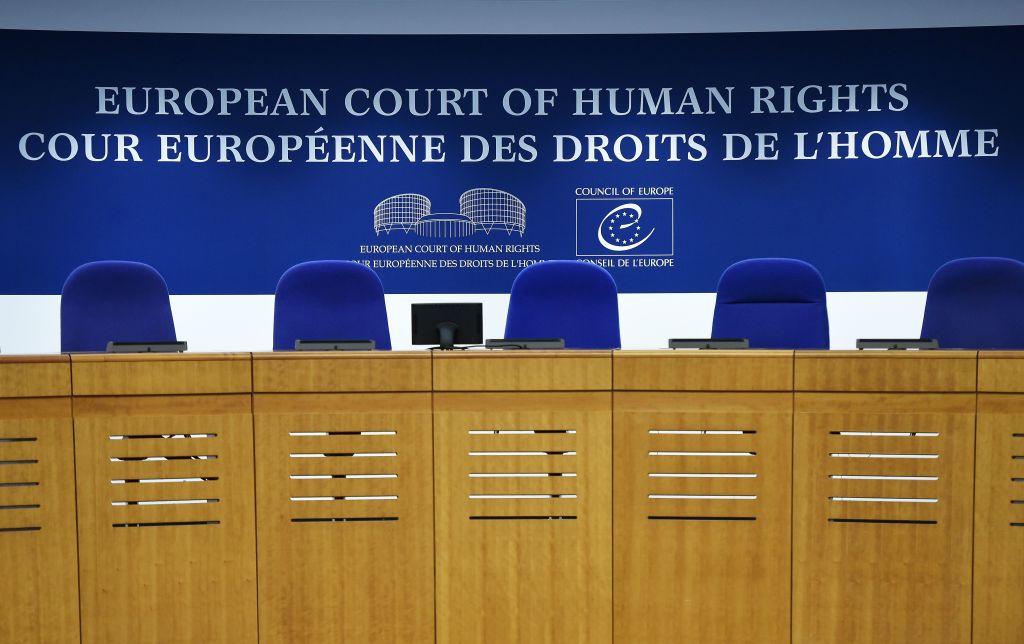
Amidst the pandemic and global economic hardships, Georgia has had an eventful beginning to the year, scoring a long-awaited victory against Russia. On 21 Jan., 2021, the European Court of Human Rights (ECHR) announced its verdict on the interstate case brought by Georgia against Russia, holding Moscow responsible for breaching six articles of the European Convention of Human Rights.
Iran and Turkey: Power dynamics in the South Caucasus
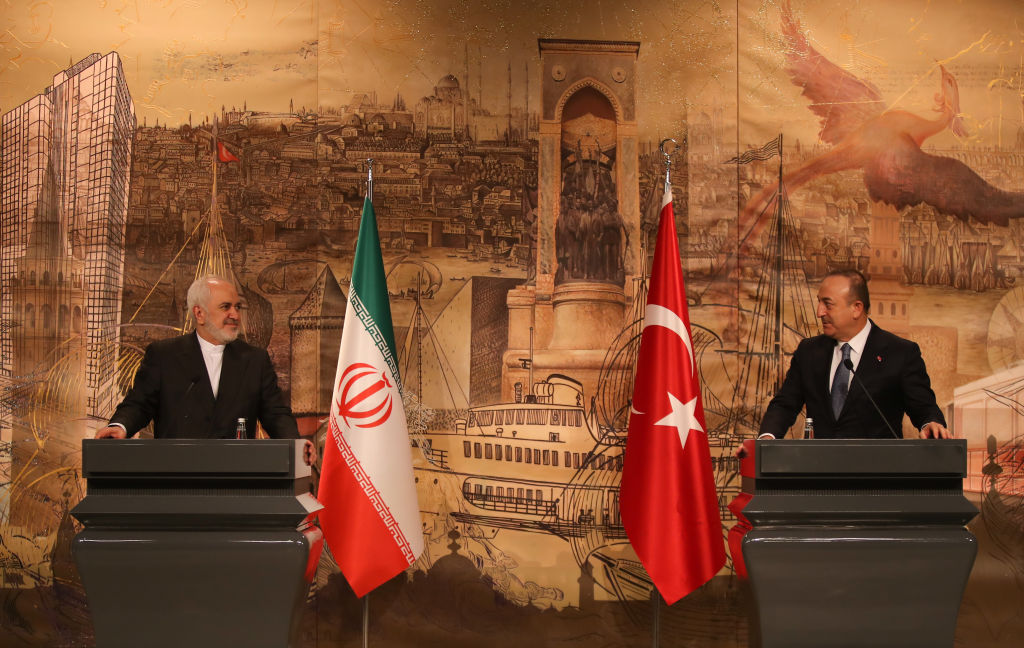
Iran was caught off guard by the July 2020 round of conflict between Armenia and Azerbaijan. Tehran was even more alarmed by the proactive role Moscow and Ankara played during and in the aftermath of the six-week war that ended with the Russian-brokered ceasefire on November 10. In fear of being kept on the sidelines, Iran’s Foreign Minister Javad Zarif embarked on a regional tour last month to Azerbaijan, Armenia, Russia, Georgia and Turkey.
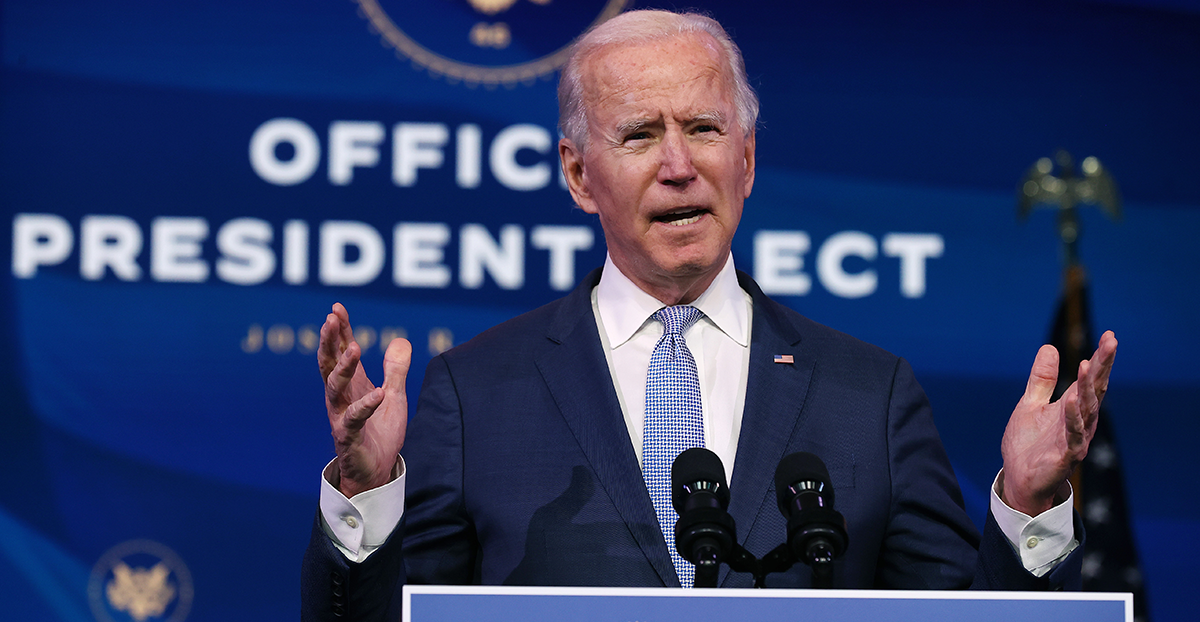
Can President Biden rescue America’s democratic legacy in the Black Sea?
Following a tumultuous period in Washington, during which the Capitol was stormed by rioters and Donald Trump became the first president to be impeached twice, many in the United States and around the world were left feeling concerned and unsettled.As a Georgian who has seen the U.S. play a transformative role in building my country’s young democracy, the attack on Capitol Hill was something I could never have anticipated. My fear stemmed not from feeling unsafe in downtown DC, but rather from the consequences of U.S. instability and fragility on those countries that rely on its support to build democratic institutions and adopt western values.
Biden’s Challenge: Continuing Progress in Eastern Europe Despite Russian Adventurism
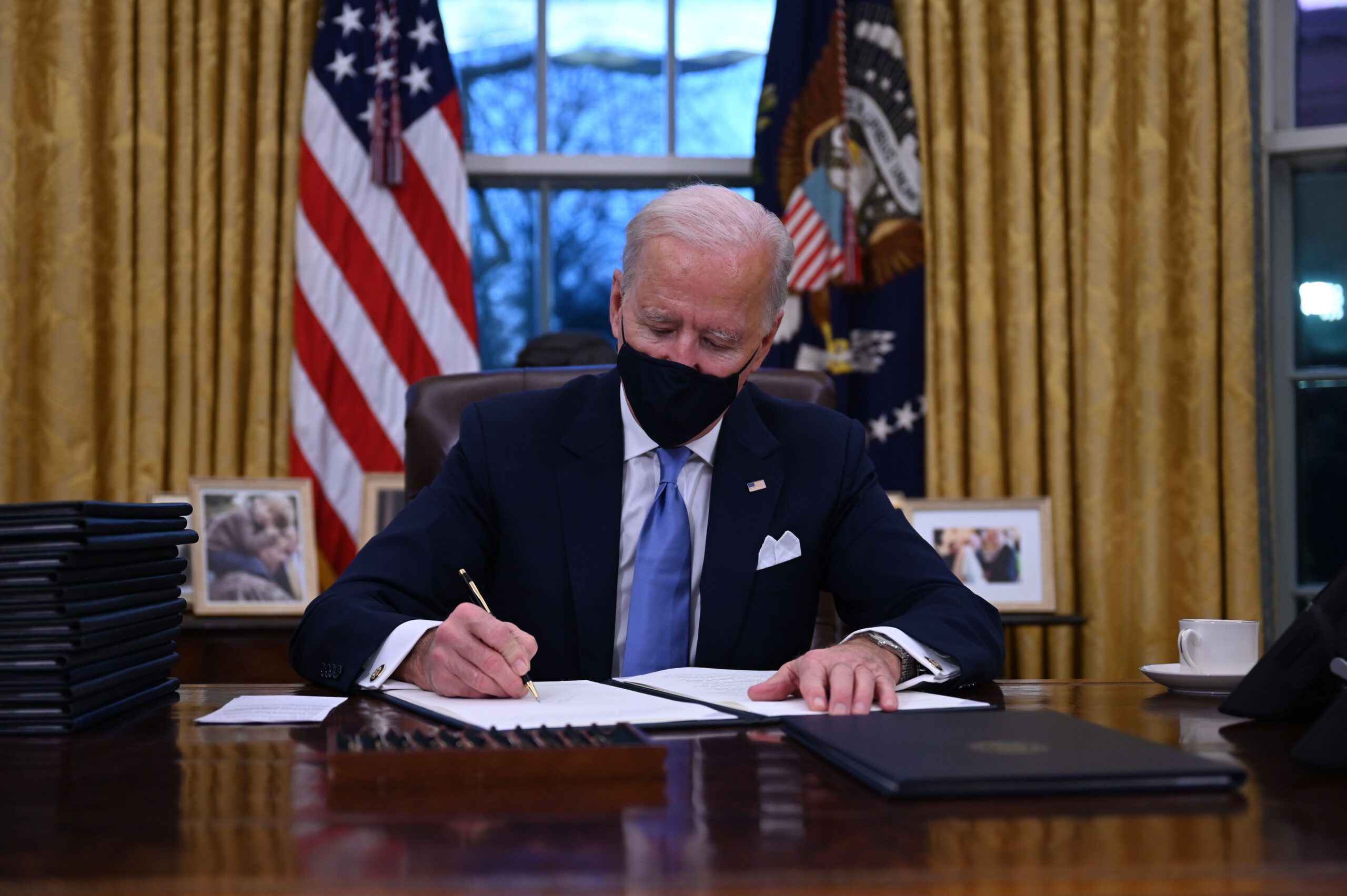
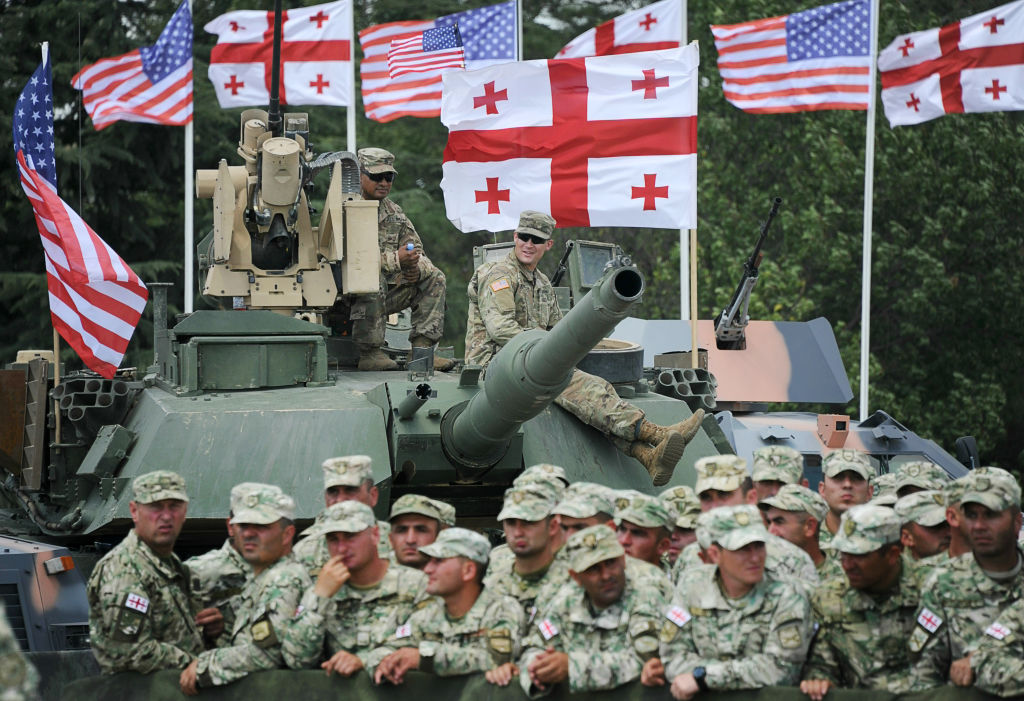
The Biden Administration has a firm foundation upon which to build in Eastern Europe. As part of its focus on great power competition in the region, the Trump Administration sharply increased funding for the European Deterrence Initiative (EDI), covering costs for U.S. troops in Europe and security support for strategic allies, while repositioning some U.S. forces in Europe to the eastern flank. We have made important steps to support our strategic allies in Eastern Europe, but this administration needs to stay the course and increase its focus and commitment to the Black Sea region. Russia must understand the costs of their adventurism in order to prevent further reckless behavior.
Challenges of a Six-Country Regional Cooperation Platform for Georgia
In the aftermath of the second Nagorno-Karabakh war, bolstered by Turkey’s growing influence in the South Caucasus, President Recep Tayyip Erdogan proposed the controversial idea of establishing a six-country regional cooperation platform. Speaking from the Azerbaijani capital Baku, where he was attending victory celebrations, Erdogan noted that new opportunities for regional cooperation are possible for the Caucasus region. Turkey’s leader envisages a platform that would bring Turkey, Russia, Azerbaijan, Iran, Georgia, and Armenia together. In his words, it would provide a win-win opportunity for all sides, including Armenia, which could use the platform as a first positive step toward establishing bilateral relations with Turkey.
The Biden Administration’s Eastern Europe Policy: New Hope for Georgia?
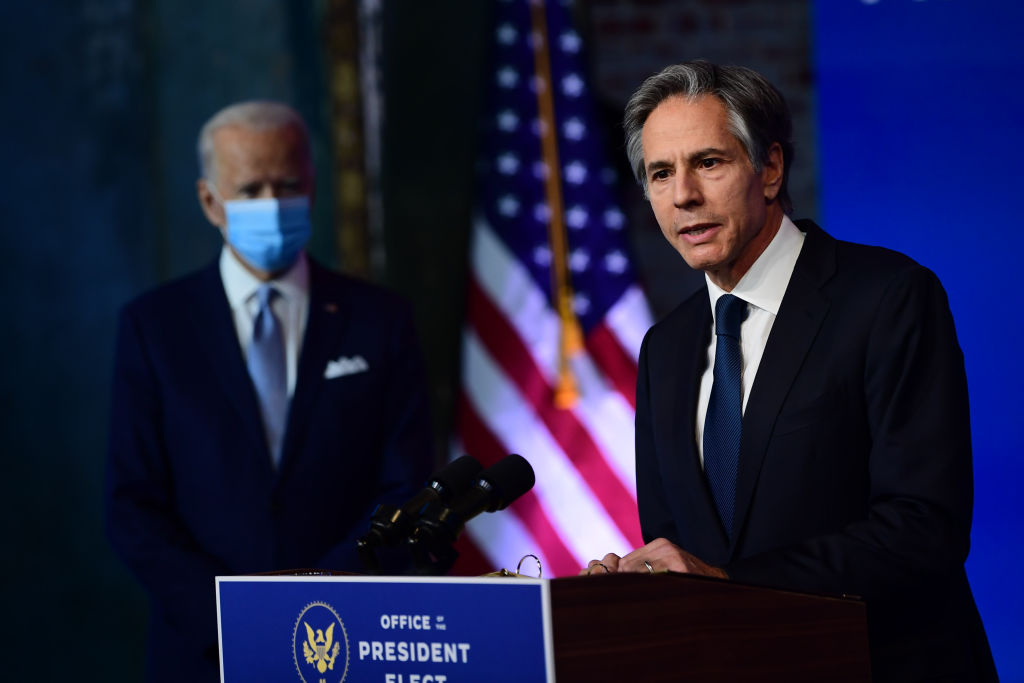
Georgia’s Western future became a central part of U.S. foreign policy last week. During his confirmation hearing, Secretary of State Antony Blinken reiterated that Georgia should join NATO as soon as it meets the criteria. Blinken’s remarks are timely. Georgia faces increasing Russian political pressure and military presence, exacerbated by the recent second Nagorno Karabakh war. At the same time, and following a decade of stalemate, there have been significant breakthroughs in the cases brought by Georgia against Russia in front of the European Court of Human Rights (ECHR) and the International Criminal Court (ICC). With Georgia’s Western path resurfacing on the international agenda, Eastern European countries will be watching to see if the Biden Administration’s foreign policy can make a difference to regional security.
Europe’s energy independence: Opportunities for the Biden Administration
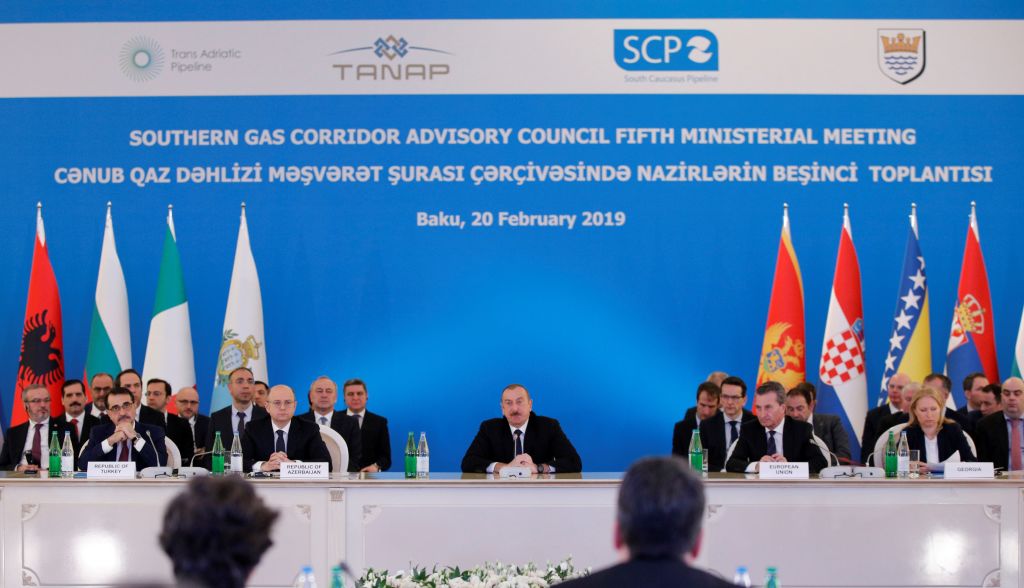
In 1906, the South Caucasus’ first energy pipeline was completed, connecting Baku on the Caspian Sea with Batumi on the Black Sea. More than 115 years later, this pipeline, measuring a mere eight inches in diameter and transporting kerosene, has been replaced with a modern network of natural gas and oil pipelines connecting the heart of Asia with Europe. With proper investment and the correct policies, even more oil, gas, and other goods will be flowing from the Caspian region to Europe and global markets.
Houthi terrorist designation raises troubling questions for tech companies
One underrecognized aspect of Houthi operations that the recent FTO designation brings under scrutiny is their online presence. Ansar Allah maintains accounts on YouTube and Twitter, with 26,300 followers and 16,800 followers respectively. It also has an active group with over 22,000 participants on Telegram, an instant messaging service legally headquartered in London with servers in Dubai. The group even has its own official website.
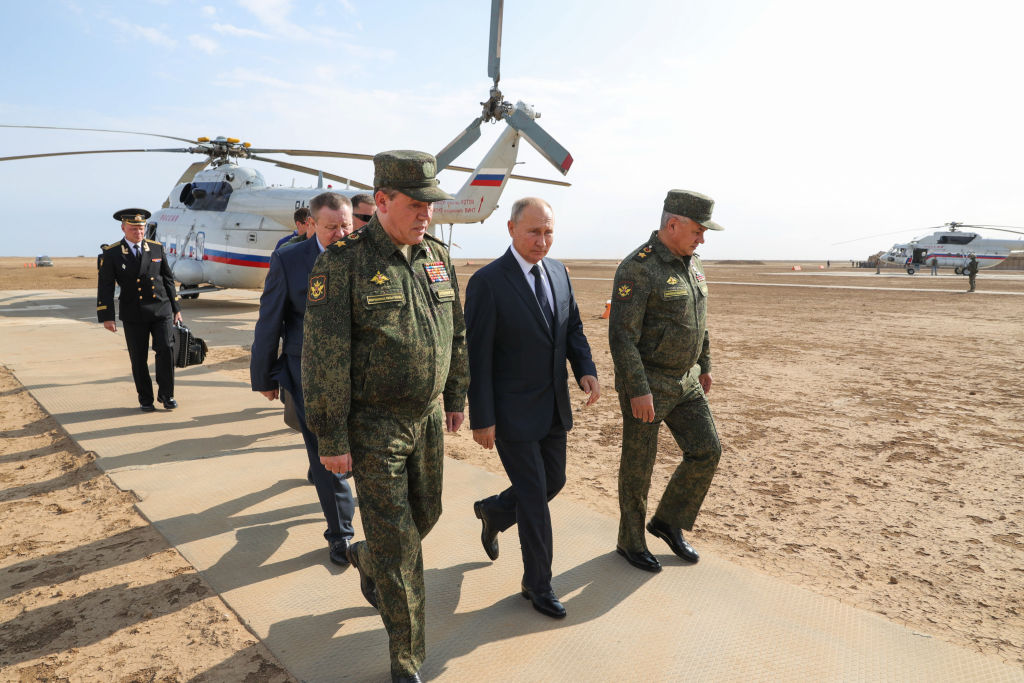
The strategic balance in the Black Sea region has shifted dramatically in Russia’s favor in the past decade. Russian anti-access/area-denial (A2/AD) capabilities in Crimea, and the ongoing modernization of its Black Sea Fleet, enable Russia to threaten its neighbors’access to sea lanes and economic resources and apply coercive pressure via conventional power projection. Littoral states should prioritize addressing the military imbalance to deter Russian coercive actions. Rather than rely on increased U.S. presence, Black Sea states should create a flexible network within NATO or the EU to build their own A2/AD capabilities.
The Biden administration and the Middle East: Four-year policy goals
The Biden administration will face a number of major challenges in the Middle East over the next four years, from great power competition and climate change to cybersecurity and refugees and migration. But what realistically can it achieve in that time on the policy front? To better understand what’s possible, we asked 10 experts from across MEI to weigh in with their thoughts.
New ways of fighting state-sponsored COVID disinformation
Keeping up with and making sense of the flood of information about the COVID-19 pandemic is a challenge. It doesn’t help that much of that information is misleading, often by design. The “infodemic” surrounding the coronavirus, described as such by the World Health Organization (WHO) as early as February 2020, “spreads faster and more easily than the virus” itself. A recent joint statement by WHO, UN, UNICEF, UNDP, UNESCO, UNAIDS, ITU, UN Global Pulse, and IFRC noted grave consequences. It is “undermining the public health response and advancing alternative agendas of groups [and] individuals,” in ways that “cost lives … and threaten long-term prospects for advancing democracy, human rights, and social cohesion.”
Roadmap for a strengthened NATO-Georgia partnership
In April 2020, NATO Secretary General Jens Stoltenberg appointed an independent Reflection Group with the aim of defining the future of the Alliance. The group recently published an extensive report entitled NATO 2030: United for a New Era.” However, NATO 2030: United for a New Era does not provide further detail or recommendations on how these partnerships should be strengthened and expanded. The Alliance must strengthen and consolidate its partnership with Georgia to ensure its sovereignty and independence and mitigate the risks of further Russia aggression imposed.
In the Middle East, cyber sovereignty hampers economic diversification
Rapid and unprecedented transformation in the Middle East, whether political, social, or technological, is forcing governments to reckon with enormous changes. Many governments are responding by attempting to pursue two contradictory paths forward — cyber sovereignty and digital transformation — and they might end up not achieving either.