Toward a Regional Framework for the Middle East: Takeaways from other Regions
Regional Cooperation Series
This Policy Paper is part of the Middle East Institute’s Regional Cooperation Series. Throughout 2016, MEI will be releasing several policy papers by renowned scholars and experts exploring possibilities to foster regional cooperation across an array of sectors. The purpose is to highlight the myriad benefits and opportunities associated with regional cooperation, and the high costs of the continued business-as-usual model of competition and intense rivalry.
Islamists in Government: Lessons from their Successes and Failures
The question of whether Islamist groups are compatible with democracy has been a topic of serious discussion for some time, especially considering the claims that Islamists have structural impediments when it comes to adapting to various social and political contexts.
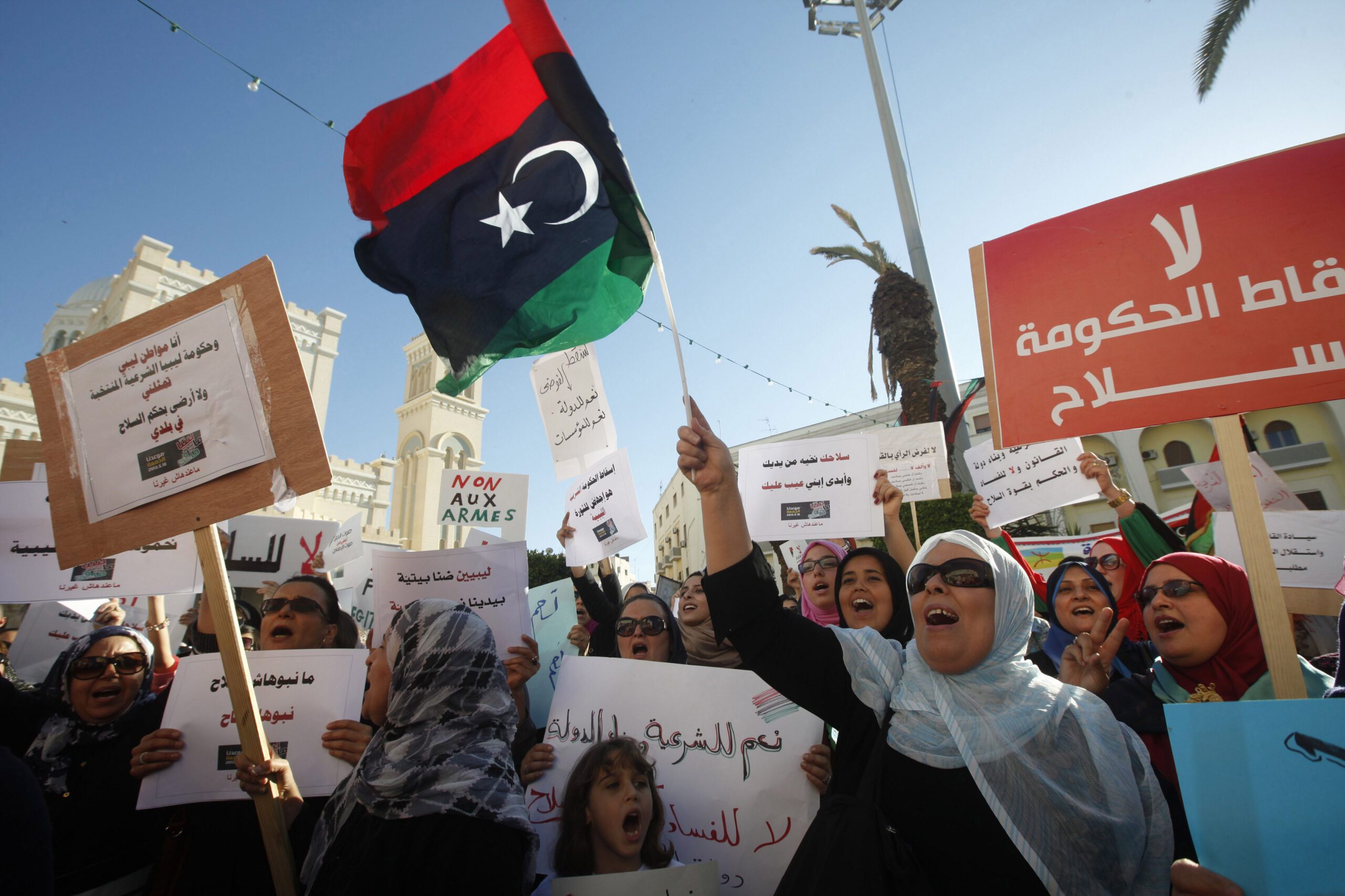
This essay, which draws upon extensive field research in Libya over the period 2011-2013, seeks to shed light on an under-theorized area of research, namely the forces that challenge an emerging civil society during a political transition. In doing so, the essay makes two contributions to knowledge, first by arguing the value and inevitable role of civil society in a divided or conflict-ridden society, and second by helping readers better understand and unpack the case of Libya’s disrupted and dispersed civil society.
Iran Trying to Exploit Cairo-Riyadh Rift for Political Gains
On November 21, Iran’s Foreign Ministry Spokesman Bahran Ghasemi praised Egypt as a leading country in the Arab world and stressed that Tehran sought closer ties with Cairo.
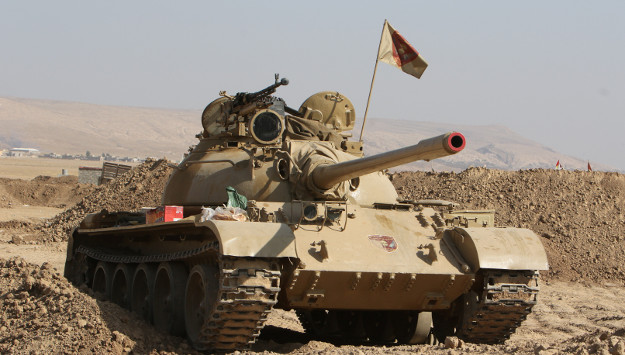
Monday Briefing: Shiite Militias to Join Mosul Battle
In this week’s Monday Briefing, MEI experts Randa Slim, Robert S. Ford, and David Mack provide analysis on recent and upcoming events including updates on the battles for Mosul and Aleppo, and the potential meeting of Libyan factions currently locked in a stalemate.
Monday Briefing: Huge Humanitarian Challenges in Mosul
In this week’s Monday Briefing, MEI experts Randa Slim, Gonul Tol, Charles Lister, and Paul Salem provide analysis on recent and upcoming events including potential fallout from the battle for Mosul, how the row between Turkey and Iraq will complicate the operations in Mosul, the implications of ISIS’ loss of Dabiq, and recent military cooperation between Egypt and Russia.
I.M.F. Reforms Not Enough to Repair Egypt’s Economy
Addressing Egypt’s economic woes remains a matter of urgency for the stability of the government and the country as a whole. Egypt’s economic recovery plan, which was spearheaded by President Abdel Fattah el-Sisi in 2015, promised an improvement in living standards and social justice in the Middle East’s most populous nation. More than two years since the president assumed power, living standards have yet to see much improvement.
Monday Briefing: President Obama's Final UNGA Address
In this week’s Monday Briefing, MEI experts Paul Salem, Robert S. Ford, Charles Lister, Alex Vatanka, and David Mack provide analysis on recent and upcoming events including Obama’s upcoming final speech to the UN General Assembly, the Syrian collapsed ceasefire, the buildup to an eventual Mosul offensive, Rouhani’s trip to Latin America, and Libya’s oil exports.
“[Food insecurity has] the potential to amplify destabilization, engender violence, and even accelerate state failure processes in an already geopolitically charged region”
– Andy Spiess in Food Security in the GCC Economies (2012)
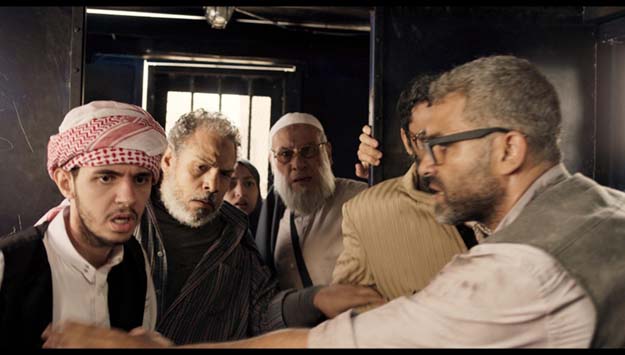
Clash—Hit Movie about Post-2011 Egypt Fails to Provoke
How do you comprehensively depict an impossibly complex event like the Egyptian January 25 Revolution and its aftermath on screen? This is the question Egyptian filmmakers have ventured to tackle since the outbreak of the country’s transformative uprising in 2011. The first batch of movies—omnibus fiction 18 Days, the documentary The Good, the Bad and the Politician, Ahmed Rashawan’s Born on January 25 —were reactionary pieces, imbued with the jubilant sensation of Mubarak’s ouster.
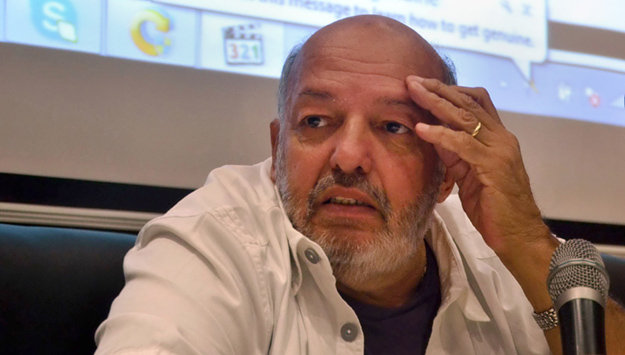
Remembering Mohamed Khan—the Leader of Egypt’s Neo-Realist Cinema
Of the numerous artists claimed by the grim reaper this year, the sudden death of veteran Egyptian filmmaker Mohamed Khan at 73 was among the most impactful. Widely considered as one of Egypt’s greatest directors, the vivacious, imposing Khan had a voracious appetite for life that concealed his real age. He was a man who always seemed to be bigger than death.
Monday Briefing: The Battle for Aleppo, Turkey's Gulen Extradition Request, and IMF talks in Cairo
In this week’s Monday Briefing, MEI experts Charles Lister, Gonul Tol, and Paul Salem provide analysis on recent and upcoming events including the battle for Aleppo, Turkey’s extradition appeal for Fatullah Gulen, and IMF talks in Cairo this week on Egypt’s request for more than $12 billion in loans.
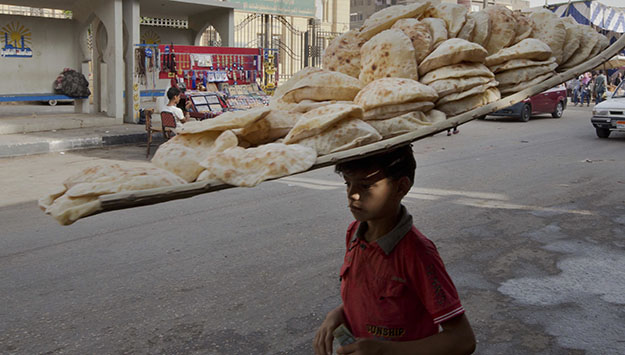
Resolving Egypt’s Housing Crisis Crucial to Long-Term Stability
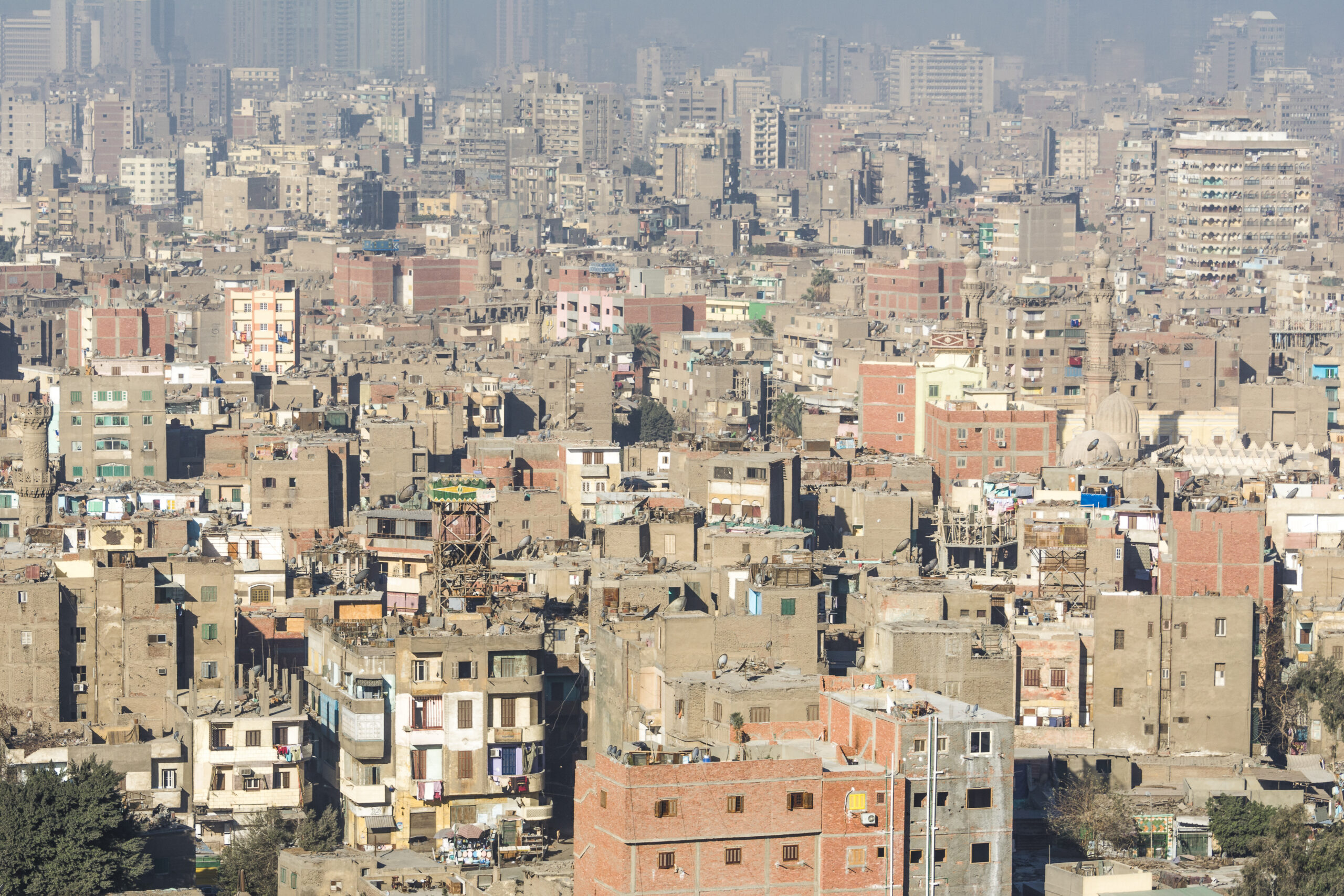
With a population growing at a rate of approximately 2 percent per year, Egypt is faced with an urbanization crisis, as many of its cities find themselves increasingly overcrowded. Egypt’s housing crisis affects millions across the country, and, if the Sisi government is looking to further consolidate its power, it must ensure that it maintains the support of the country’s poor urban communities, which have historically revolted against worsening living conditions.
After the liberation of Sirte from ISIS, now the really hard work begins. The nine-member Presidential Council (P.C.) and the Government of National Accord (G.N.A.) that it named under Prime Minister Fayez Serraj have yet to receive an affirmative vote from the House of Representatives (H.O.R.) in Tobruk. Although a majority of H.O.R. members were prepared many weeks ago to confirm Serraj and his cabinet, speaker Aquila Saleh declined to bring the matter to a vote.
The Libyan Presidential Council (P.C.), representing a rough consensus of Libyan political forces, is making slow but promising gains in several key areas. There will probably be setbacks on the road to the kind of progress that will generate wider support from both key Libyan factions and the general populace. Signs are encouraging, however, in areas such as security and legitimacy. It is too early to say that the Government of National Accord (G.N.A.) appointed by the P.C. is truly governing, but it is taking steps that provide more confidence to the international community.