السياسة الخارجية المرنة تجاه قادة لبنان لم تعد مجدية
إن تجاهل القيادة اللبنانية المستمر للمكافآت والحوافز– ناهيك عن المناشدات الأخلاقية – يدل على عدم فعالية هذه السياسة في فرض تغيير بنَّاء وحقيقي في سلوك هؤلاء القادة
For decades now, decentralization has been a recurring theme in Lebanese politics. That it is “administrative” does not make it any less “political” in a country where even minor technicalities can easily turn into major controversies. Yet decentralization is still perceived as one of the key reforms that has yet to come about.
Lebanon’s economic crisis: A tragedy in the making
For the past 18 months, Lebanon has been reeling from a wrenching economic crisis. This essay deciphers the crisis’s origin, describes the current juncture, and reflects on the likely outcomes in the proximate future.
6 Key Steps for Targeted US Diplomacy to Stabilize Lebanon and Advance US Foreign Policy
The Middle East Institute and the American Task Force on Lebanon (ATFL) have collaborated with the Lebanese International Finance Executives (LIFE) to produce an urgent Lebanon-focused policy brief. The brief outlines recommendations to the Biden Administration for empowering an international coalition to support the Lebanese people and strengthen their capability to promote real change.
Out of ill-will and incompetence, Lebanese decision-makers continue to violate macroeconomics’ most fundamental principles in their handling of Lebanon’s financial meltdown. Erroneous — or worse still, inexistent — fiscal and monetary policy choices are amplifying by the day the devastating socioeconomic repercussions that the country will face for years, if not decades, to come.
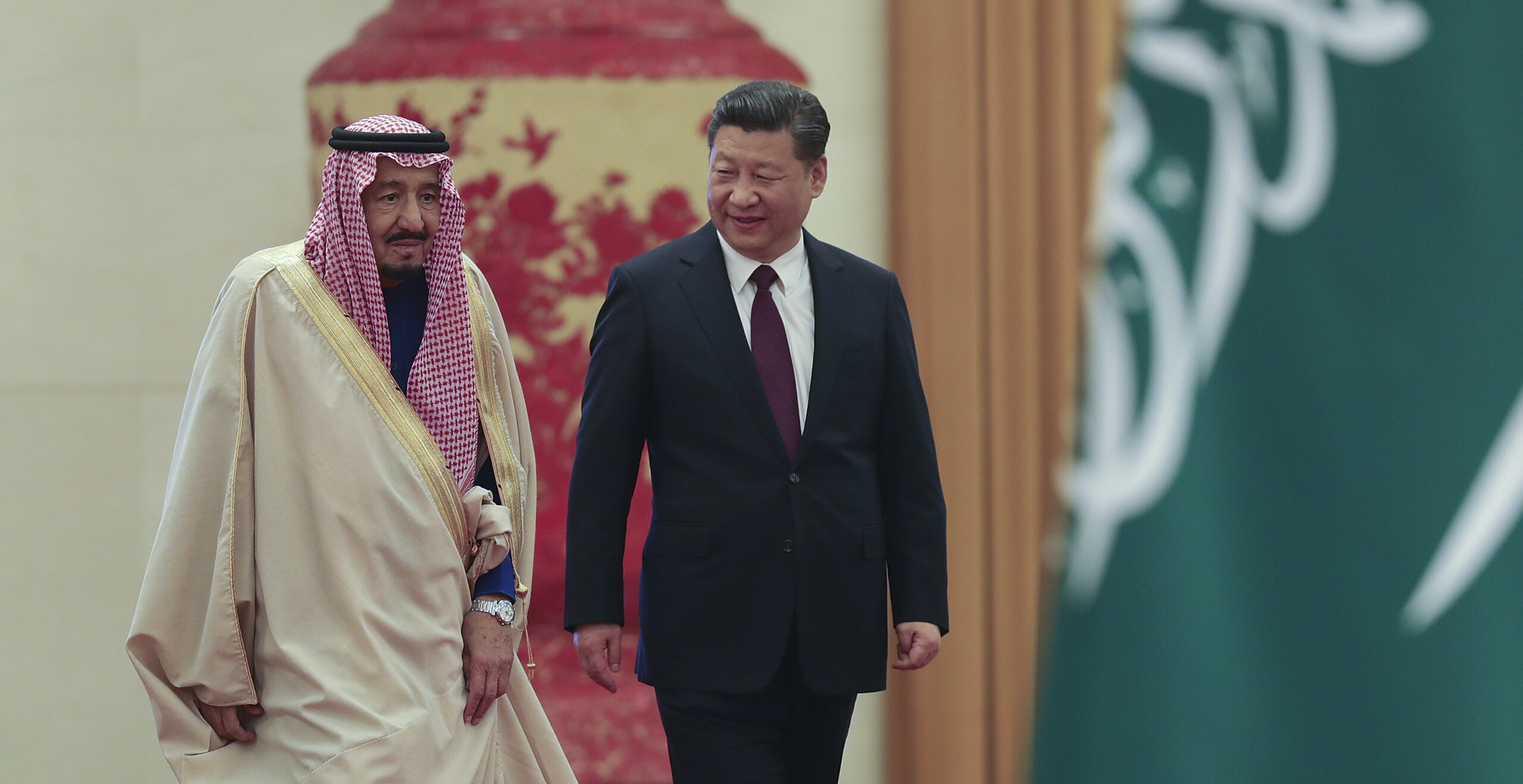
The coming US-China cold war: The view from the Gulf
Around the world, leaders are scrambling to define their strategy for dealing with the inevitable U.S.-China cold war to come, and the Gulf is no exception. Considering the different objectives and perspectives that the region has in regard to the two superpowers, any misstep in forming alliances could be detrimental to its future.
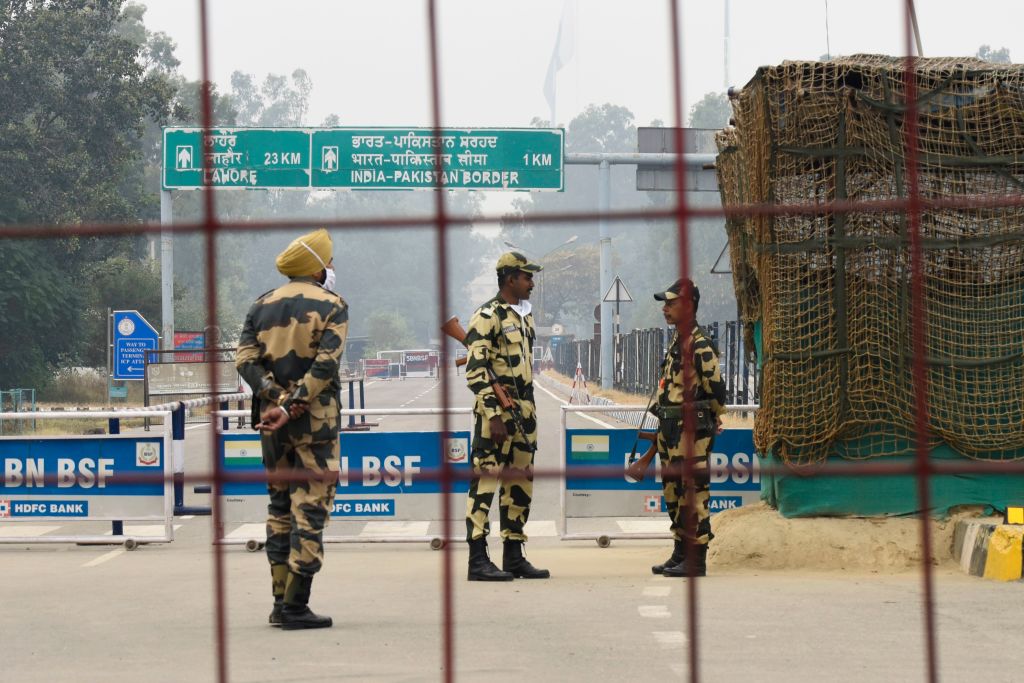
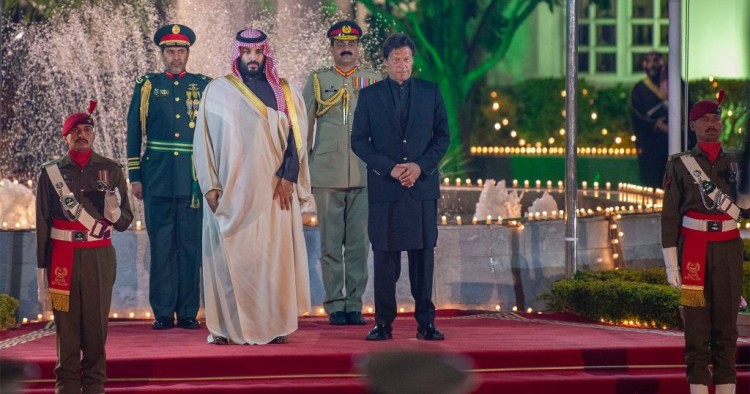
After last year’s crisis, Pakistan and Saudi Arabia pursue a reset
After last year’s much-publicized spat between Pakistan and Saudi Arabia — culminating with Riyadh’s demand for early repayment of $3 billion in loans meant to shore up Islamabad’s foreign exchange reserves — tensions between the two countries have since cooled. Pakistan and Saudi Arabia appear to be in the midst of a reset of relations.
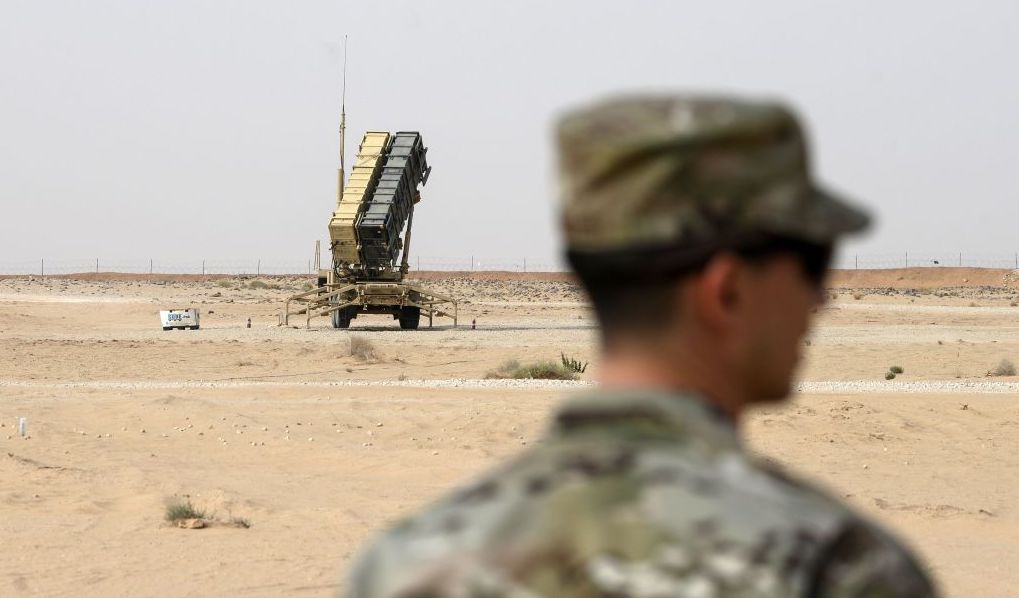
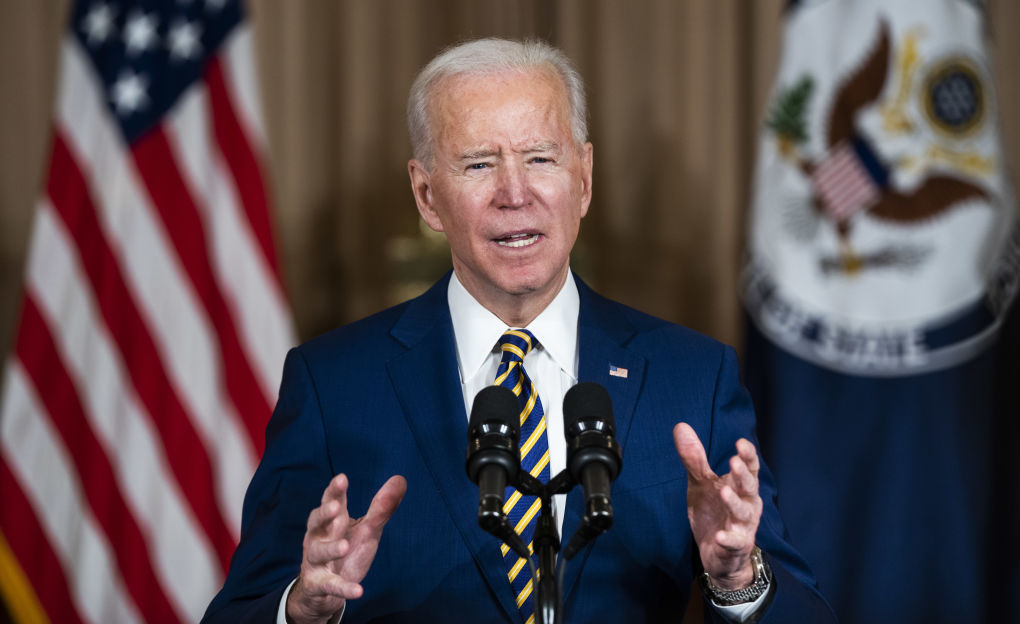
The Biden Administration and the Middle East: Policy Recommendations for a Sustainable Way Forward
In a new policy briefing book, entitled The Biden Administration and the Middle East: Policy Recommendations for a Sustainable Way Forward, MEI scholars tackle a large number of country-specific and region-wide issue areas, laying out both the abiding U.S. interests and specific recommendations for Biden administration policies that can further U.S. interests amid a region in turmoil.
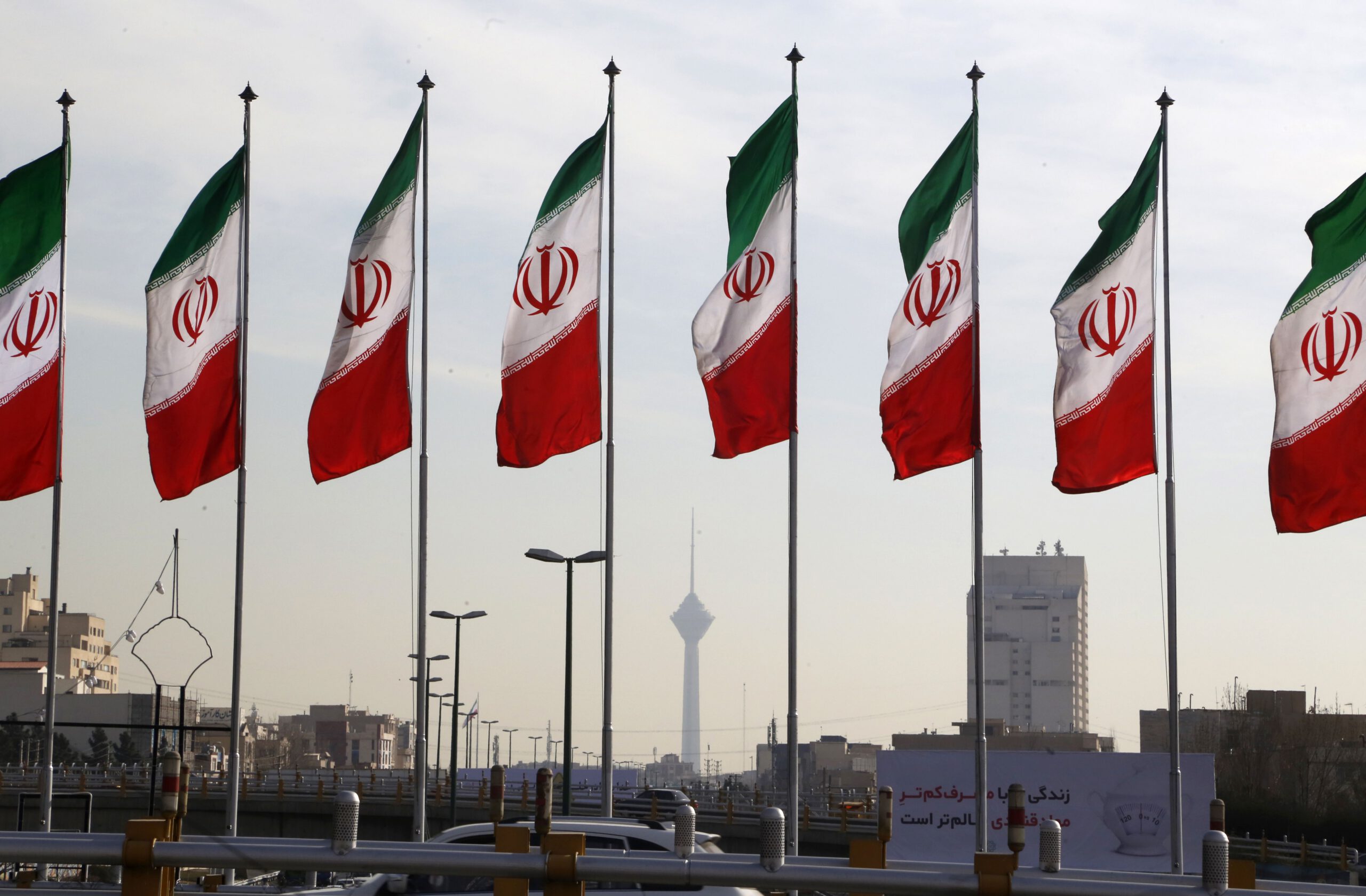
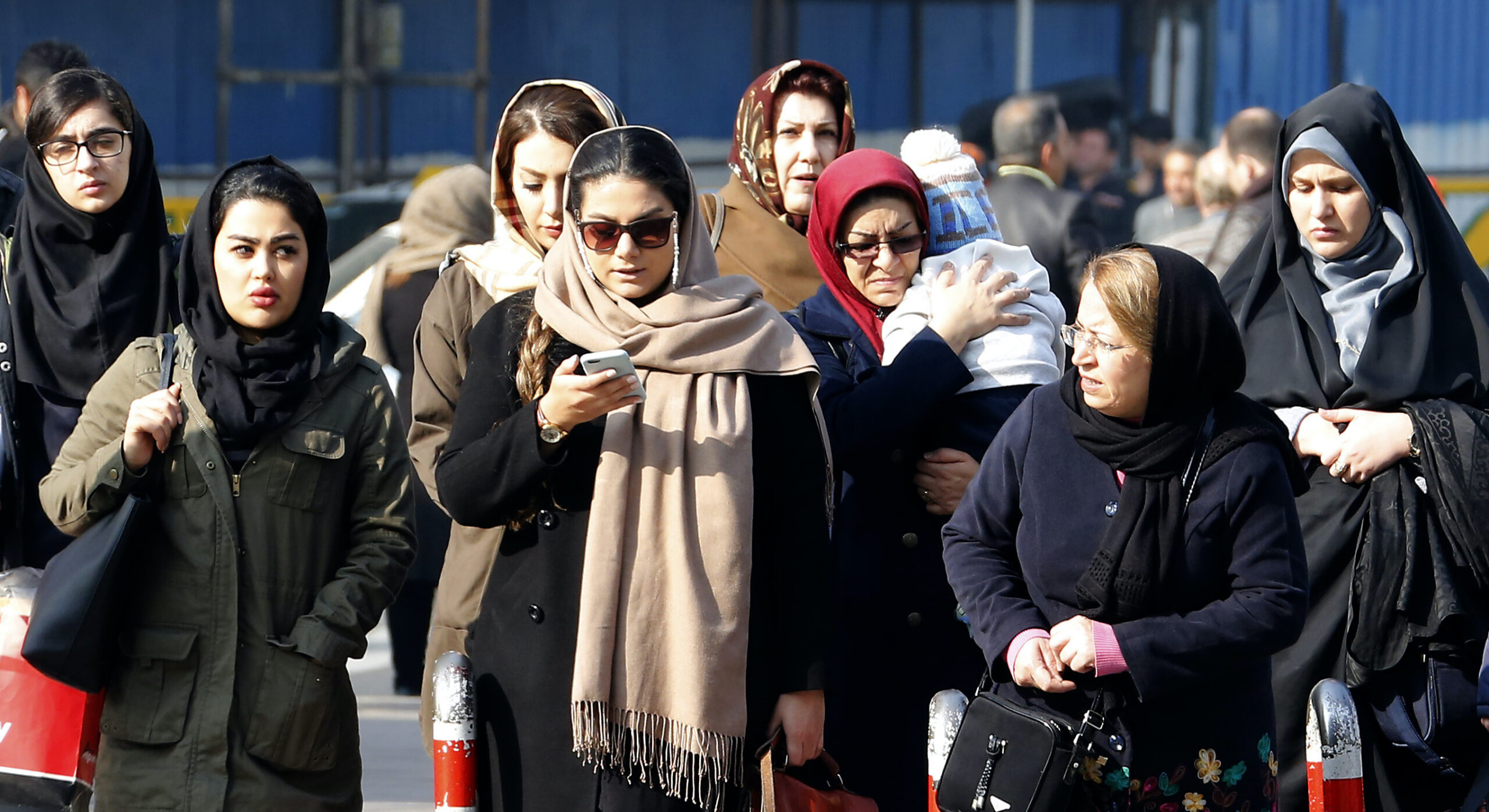
Iranian and Saudi women: Overcoming comparative suffering?
For many decades, Iran and Saudi Arabia have been bitter rivals, but not over women. If there was a competition, it was only over whose government could impose more limitations on their female population.
OPEC+ extends production cuts as Riyadh and Moscow find common ground
On March 4, OPEC+ members agreed to maintain their current production cut levels into April, and the Saudi- and Russia-led cartel’s decision further strengthened the upward trajectory of oil prices. While there were differing opinions among the OPEC+ members regarding the state of the global economy, the group’s unanimous decision reflects Riyadh’s current take on the markets, which is that the health of the world’s economy remains fragile as the recovery from the pandemic continues.
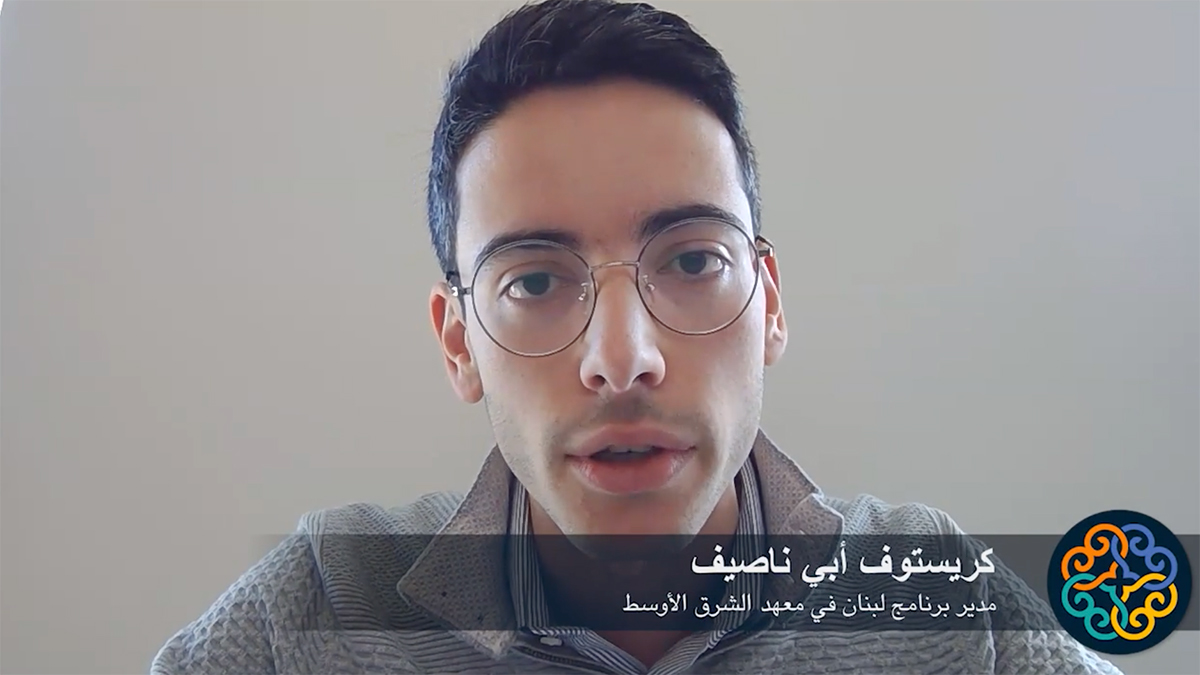
يستضيف إبراهيم الأصيل في هذه الحلقة مدير برنامج في معهد الشرق الأوسط كريس أبي نصايف للحديث عن إطلاق برنامج لبنان ومناقشة آخر التطورات في لبنان والدور الدولي المحتمل. — Ibrahim Al-Assil Chris Abi Nassif