Hanin Ghaddar and Kasra Aarabi join host Alistair Taylor to discuss the challenges Hezbollah poses to the region and its key role in Iran’s proxy network, which spans from Iraq to Syria and Lebanon to Yemen.
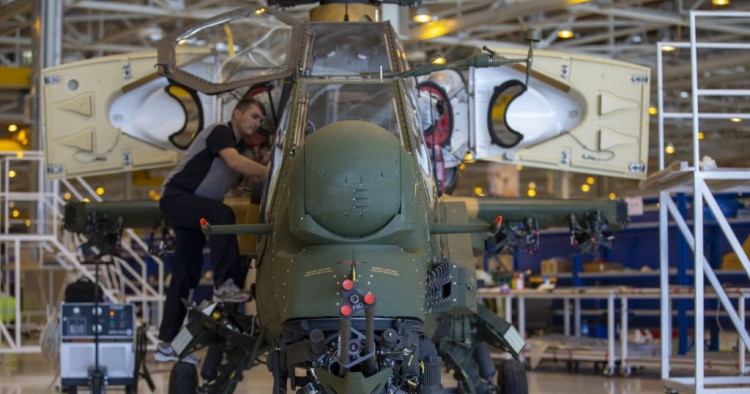
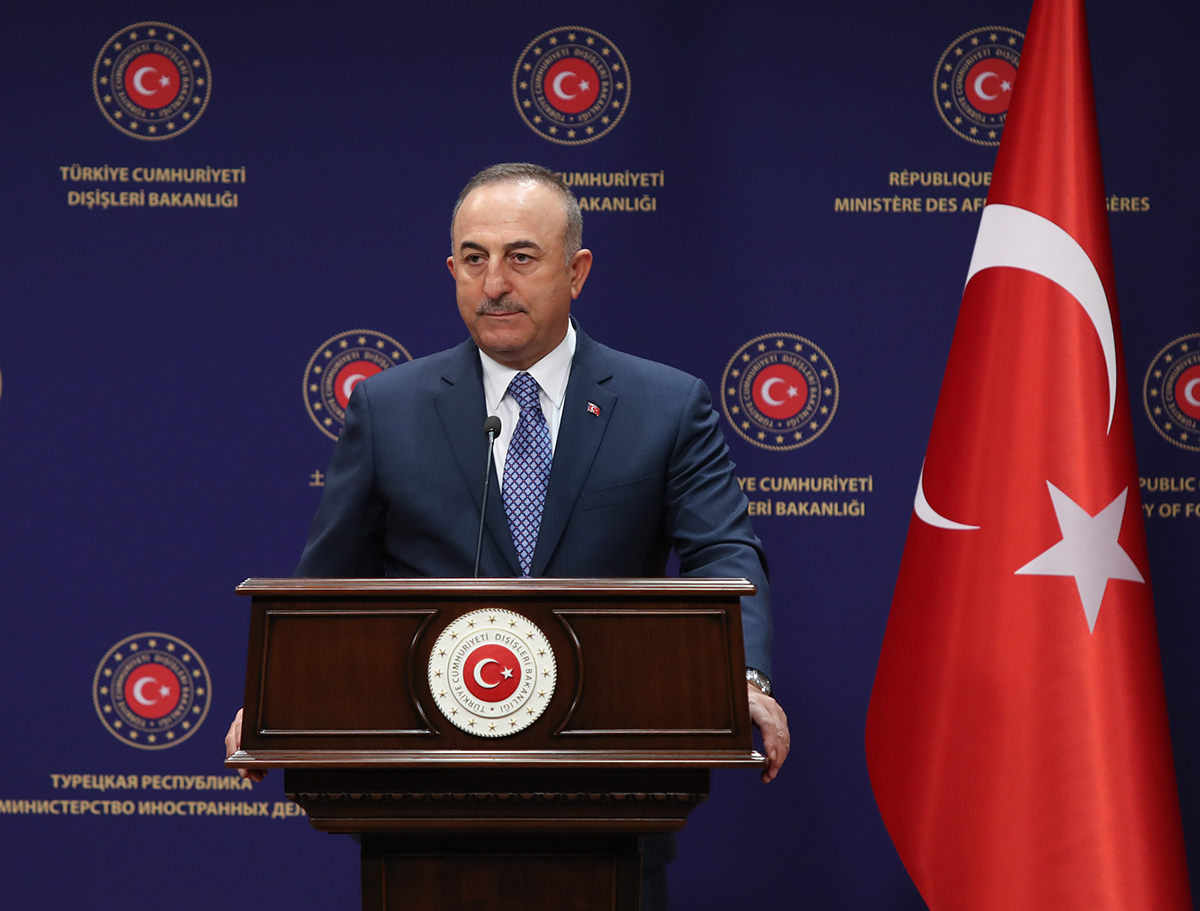
CAATSA sanctions are hurting Turkey’s military readiness at a time when NATO can’t afford it
On Dec. 14, 2020, the Trump administration sanctioned Turkey’s Presidency of Defense Industries (SSB), along with key individuals involved in the purchase of the Russian–made S-400 surface-to-air missile system. The sanctions were issued under the 2017 Countering America’s Adversaries Through Sanctions Act (CAATSA), a law intended to punish Russia for a wide range of malign activities.
“Death by a thousand cuts”: Syrian refugees face dire conditions as Lebanon unravels
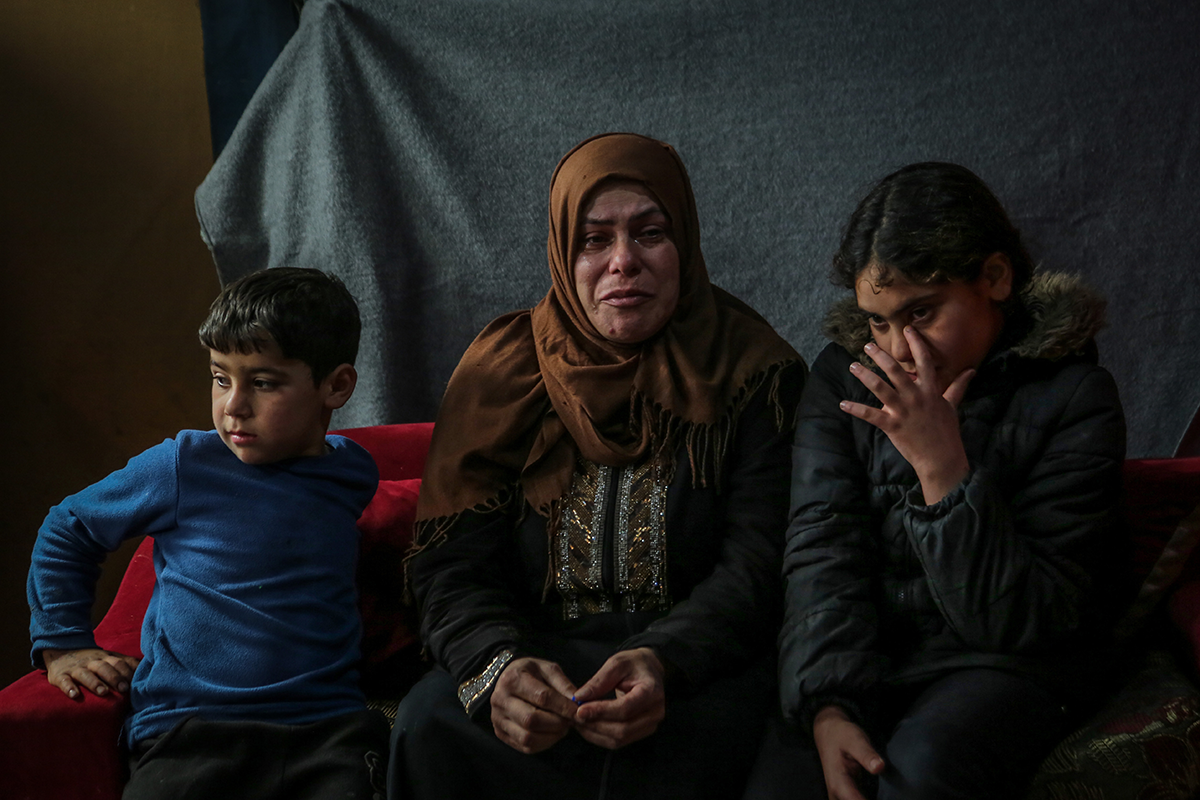
Syrian refugees in Lebanon are now in a state of legal limbo and have been pushed further to the margins of society and into the arms of smugglers and profiteers as they, along with most Lebanese, desperately try to survive in a country described by one of its own political leaders as a sinking ship.
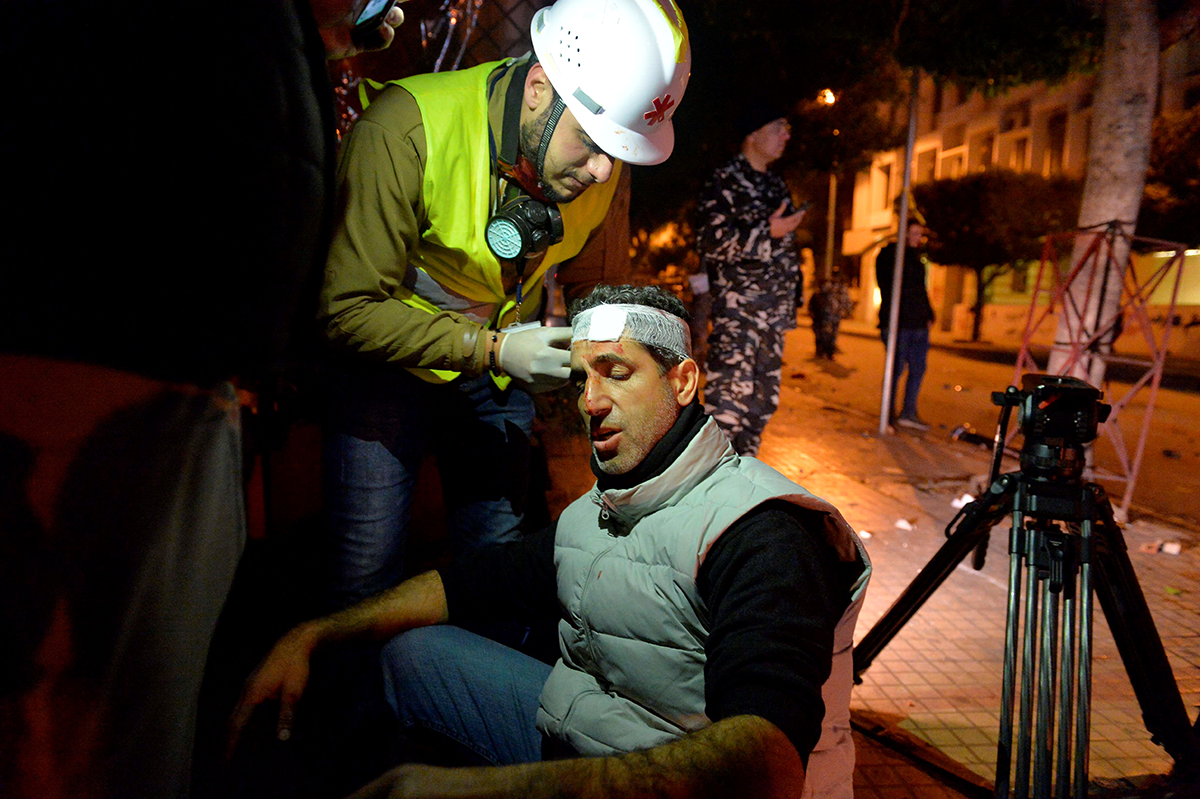
Journalists, media workers, and activists in Lebanon — especially critics of the ruling elite and established political parties — are coming under increasing threat both by private parties, with the authorities unwilling or unable to protect them, and directly by government authorities, often with impunity.
Expert Views: The Biden administration and the Middle East: Reflecting on the first 100 days
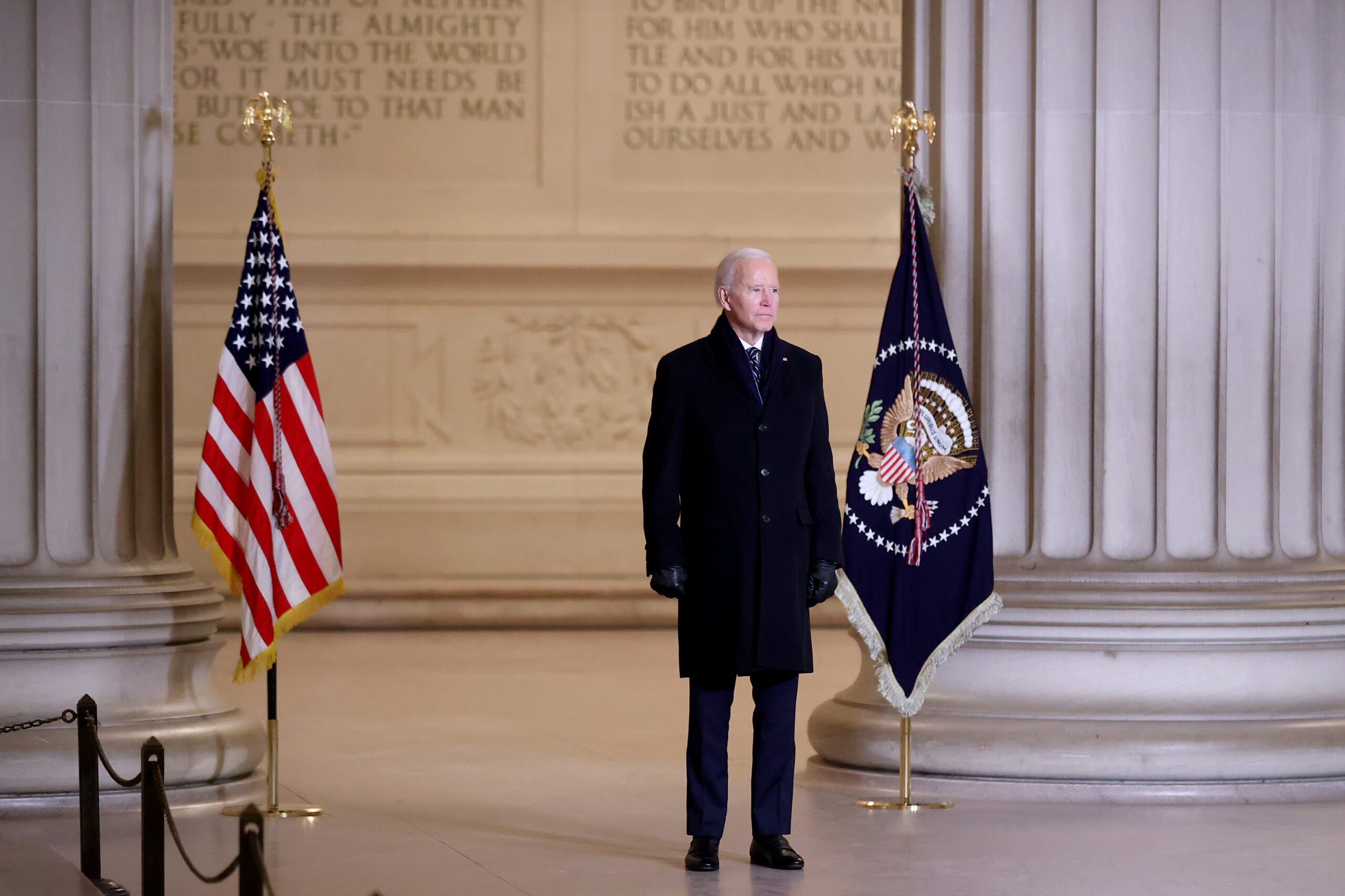
At the end of Joe Biden’s first 100 days as president of the United States, where do things stand when it comes to U.S. policy toward the Middle East and North Africa? We asked experts and scholars from across MEI to weigh in with their thoughts on the changes we’ve seen so far, the new challenges that have emerged, and what we know about the administration’s key priorities for the region.
The unfolding struggle for political survival in Lebanon
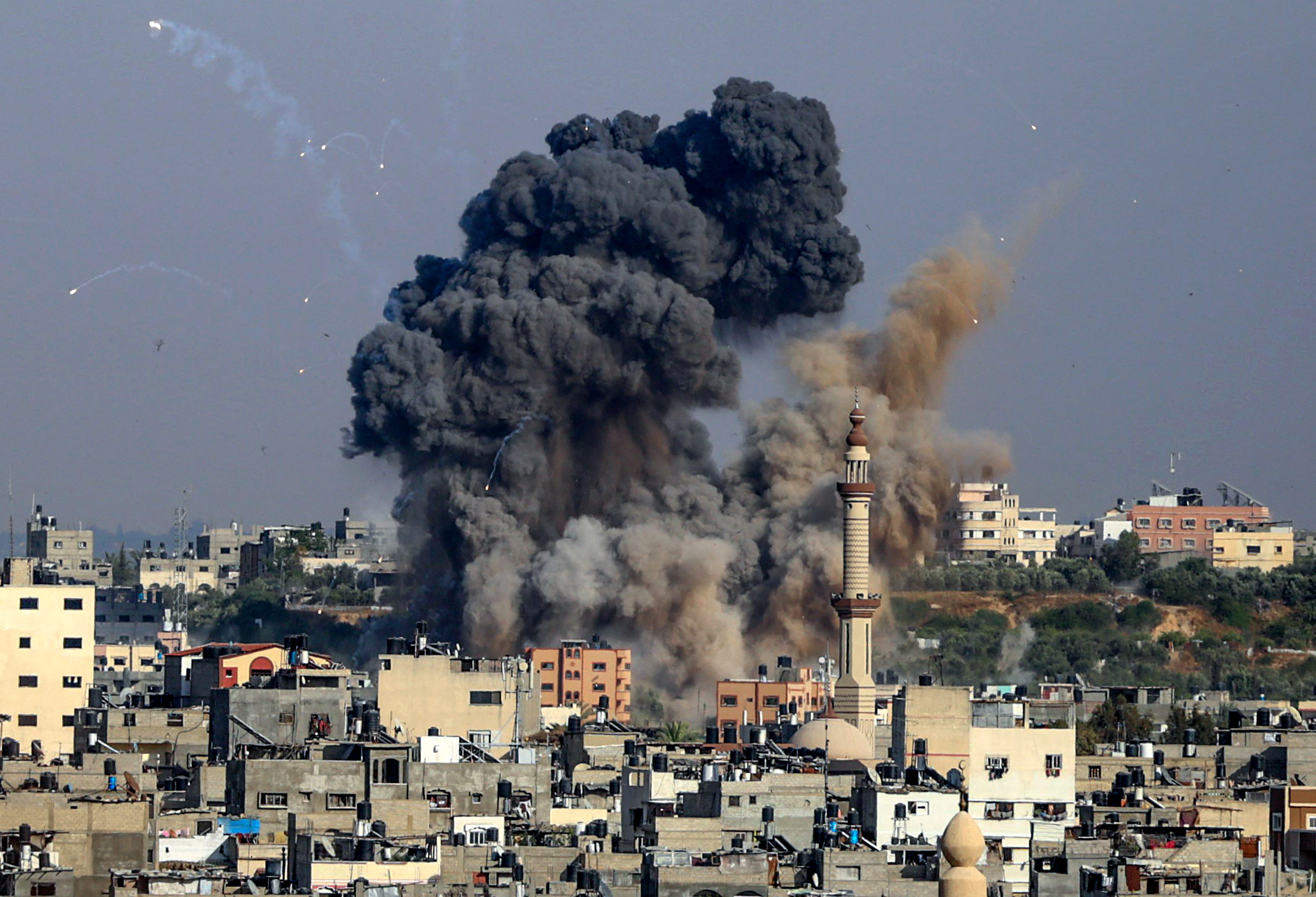
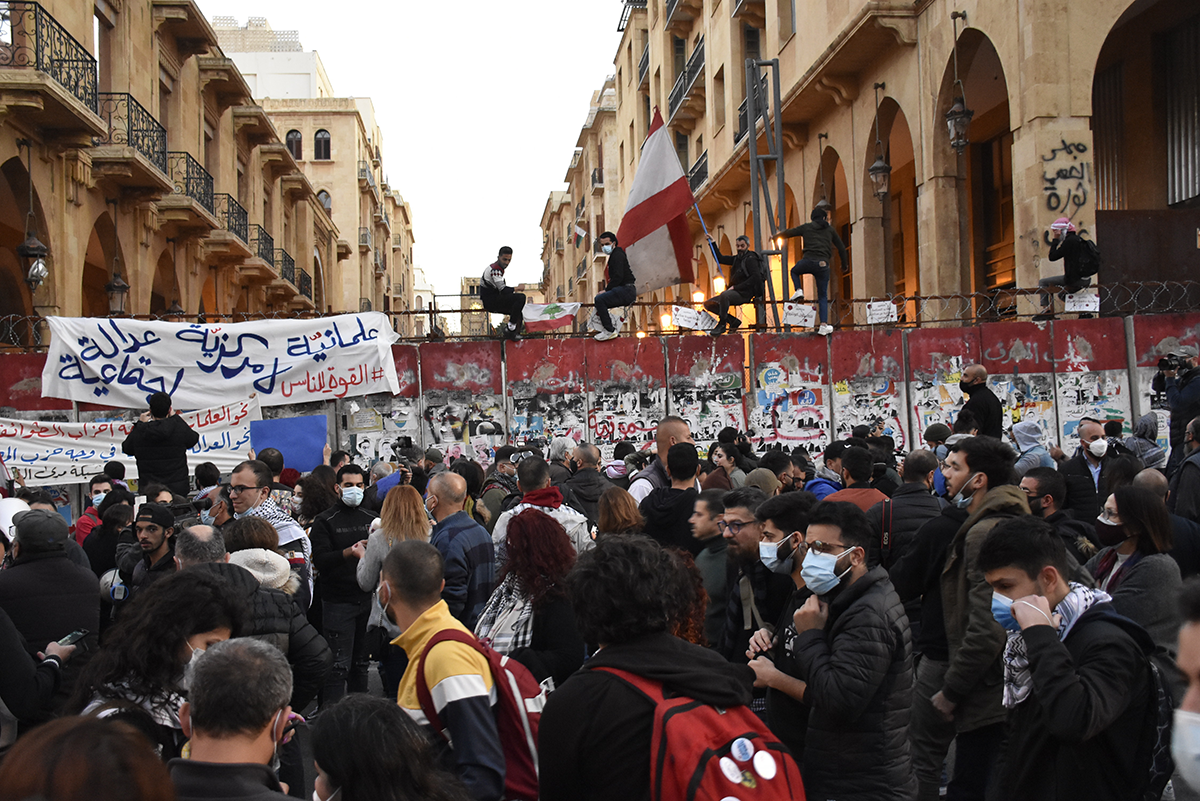
Lebanon’s political leaders are getting deeper into trouble, and they know it. This does not make them any less dangerous. Recurring skirmishes over cabinet formation — namely those referencing constitutional powers, cabinet size, sectarian representation, and ministerial allocation — continue to dominate the public discourse and waste precious time. They remain, however, peripheral to the central issue that establishment parties currently face: an all-out struggle for political survival at a time when tough and unapologetic decisions need to be made.
The new wave of normalization in Turkey’s Middle East foreign policy
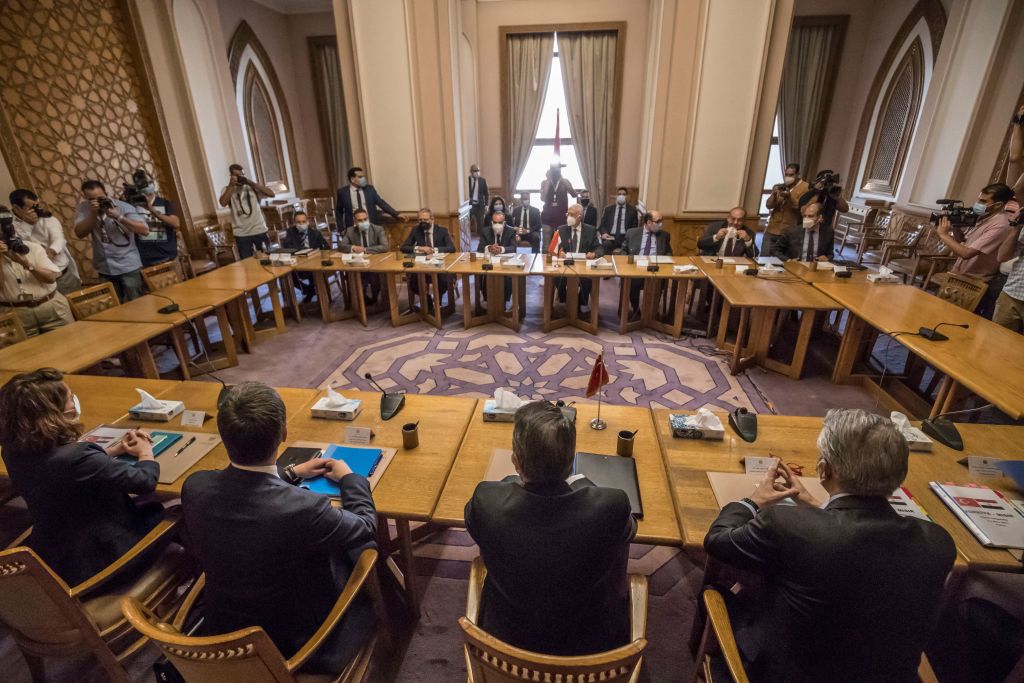
In the past several weeks, news has been coming out of Ankara regularly about normalization in relations with countries with which Turkey has had problematic relationships for some time.
What does the transition in Chad mean for Middle Eastern regional powers?
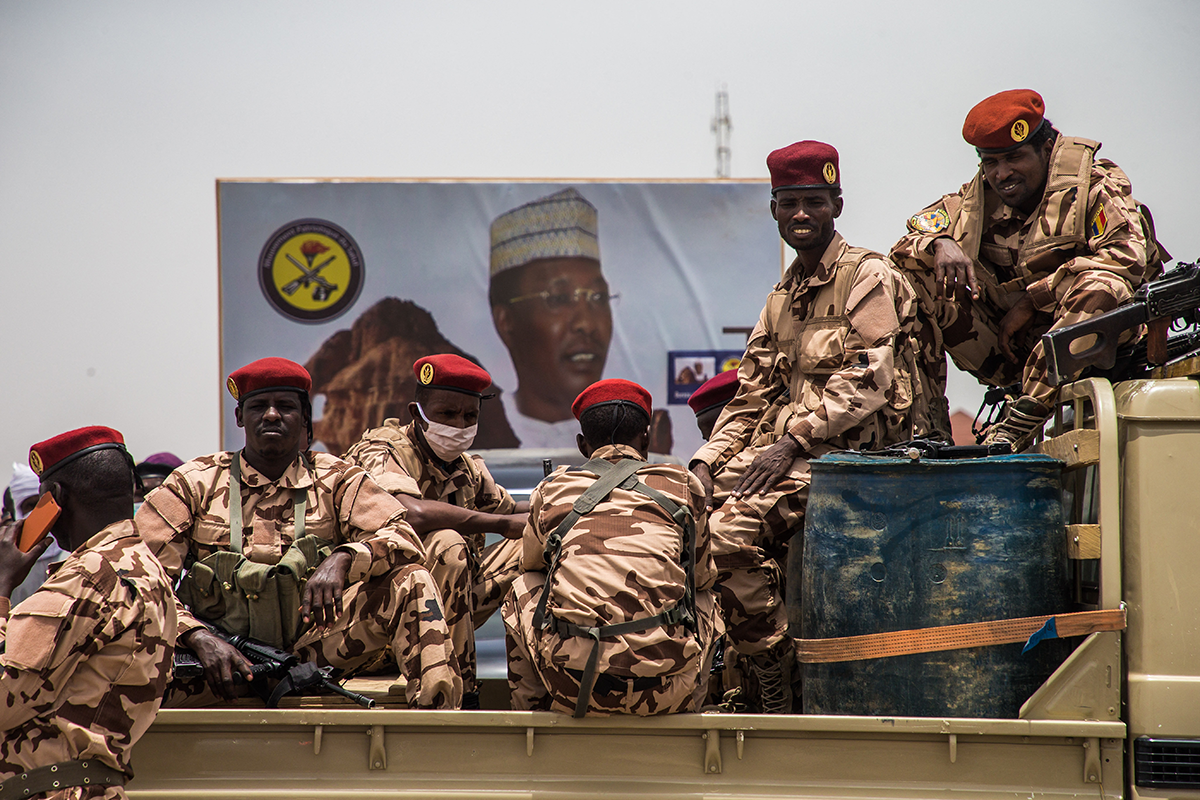
On April 20, Chadian President Idriss Déby was killed by Front for Change and Concord in Chad (FACT) rebels in the country’s northwestern Tibesti region. The sudden death of Déby, who seized power in Chad via a military coup in December 1990 and was re-elected on April 11 with 79.3% of the vote, risks plunging Chad into a state of prolonged instability.
السياسة الخارجية المرنة تجاه قادة لبنان لم تعد مجدية
إن تجاهل القيادة اللبنانية المستمر للمكافآت والحوافز– ناهيك عن المناشدات الأخلاقية – يدل على عدم فعالية هذه السياسة في فرض تغيير بنَّاء وحقيقي في سلوك هؤلاء القادة
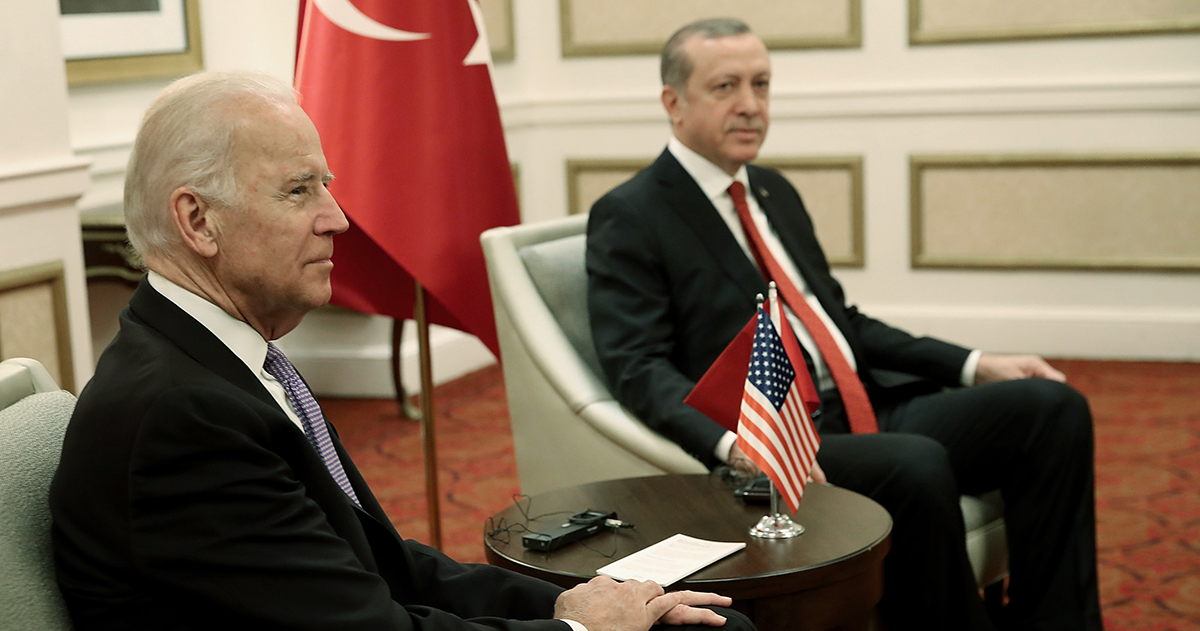
Relations between the United States and Turkey have never been worse, but the two countries still must deal with each other, and so President Joe Biden and President Recep Tayyip Erdoğan may talk this week. Each will review his list of issues. Both will commit to better relations and to best efforts to reach peaceful solutions to global, regional, and bilateral issues — and very little will change.