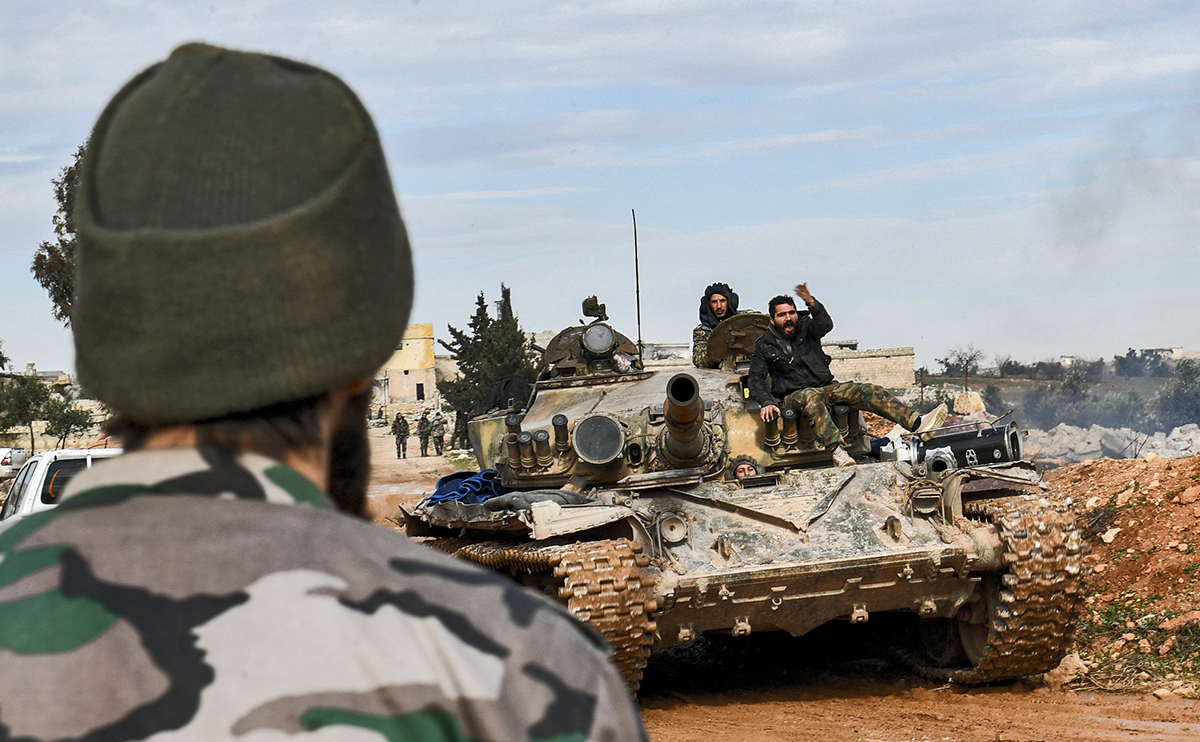
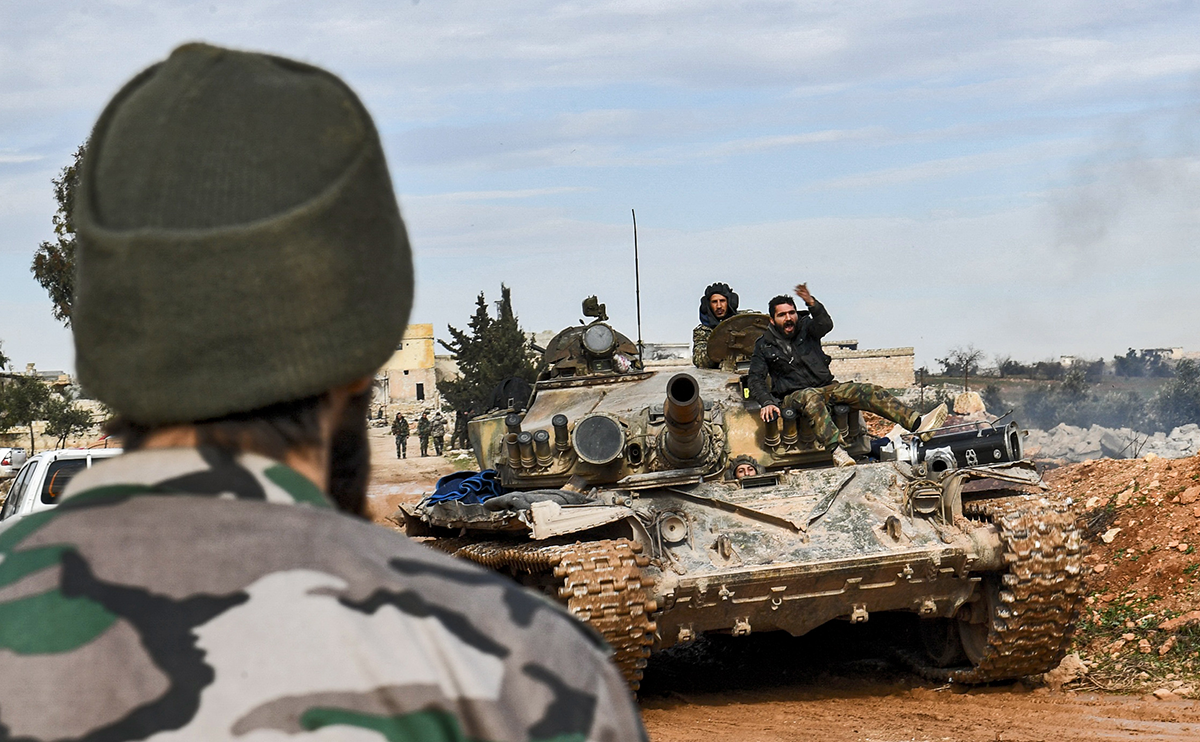
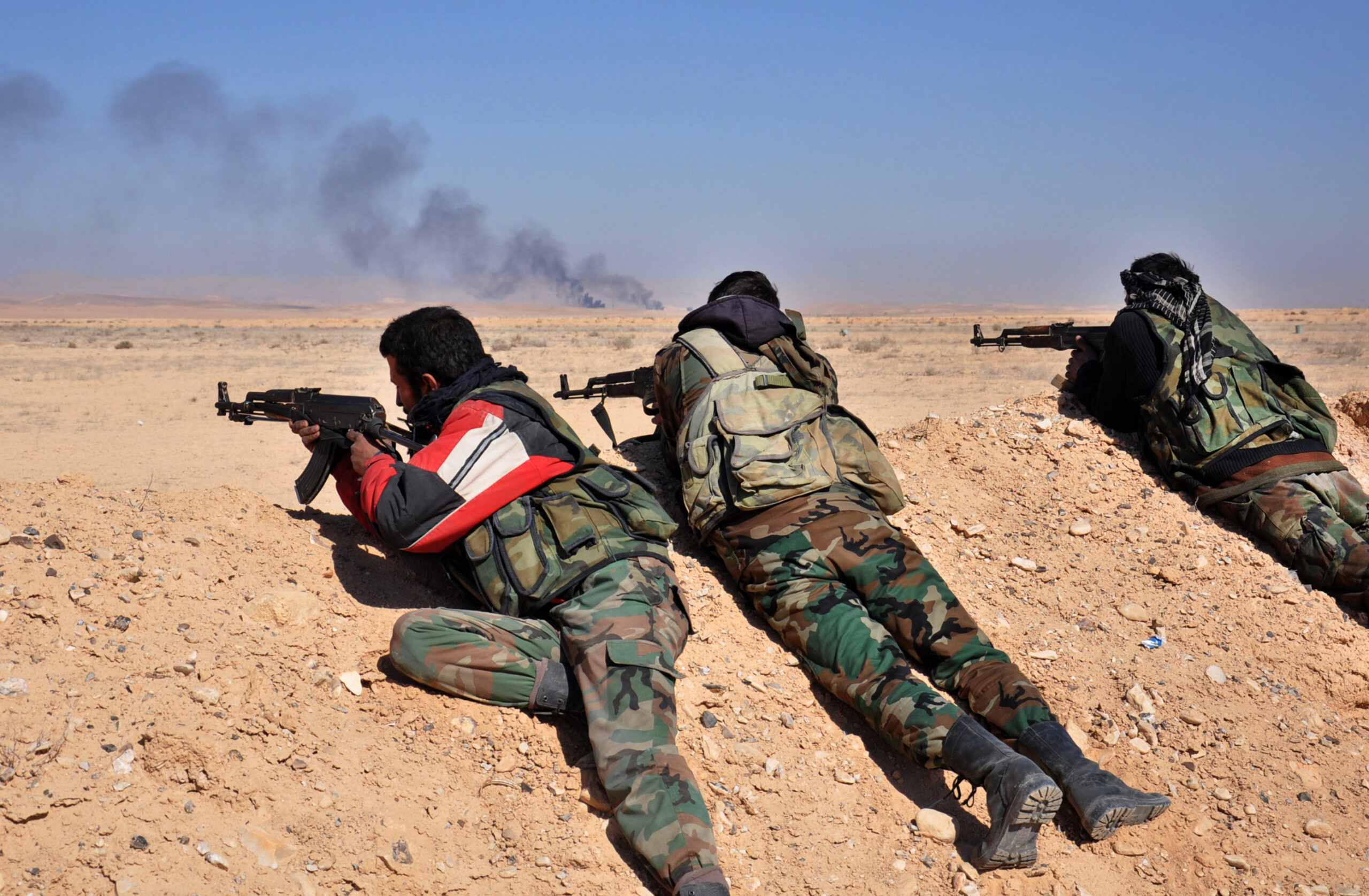
After 40 years, Syria once again has dual military rule, where the president and his brother are the highest authorities. In the early 1980s, Rifaat al-Assad, the brother of Hafez al-Assad, was the commander of the Defense Companies and the strong man in Syria in the military, security, and even civilian spheres, while Hafez was in a coma. Today, we see this scenario echoed with the control of Maher al-Assad, Bashar al-Assad’s brother, over the Fourth Division, which has become an elite military unit due to strong Iranian support and its control over various territories of the country.
بعد أربعين عاما، تتجدد ثناية الحكم العسكري في سوريا بين الرئيس وشقيقه، ففي مطلع الثمانينات كان رفعت الأسد (شقيق حافظ الأسد)، قائد سرايا الدفاع الرجل القوي في سوريا على المستوى العسكري والأمني بل حتى على المستوى المدني، بينما كان حافظ الأسد يشكو من الغيبوبة – آنذاك-.
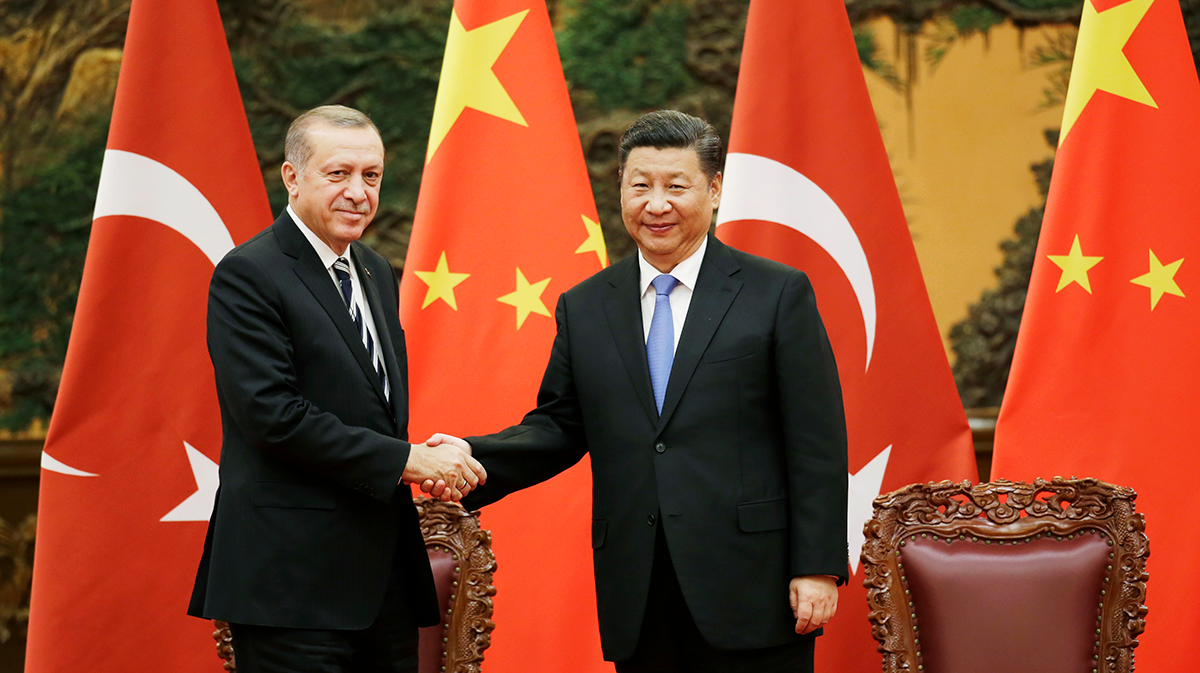
Courting danger, Erdoğan ramps up reliance on China
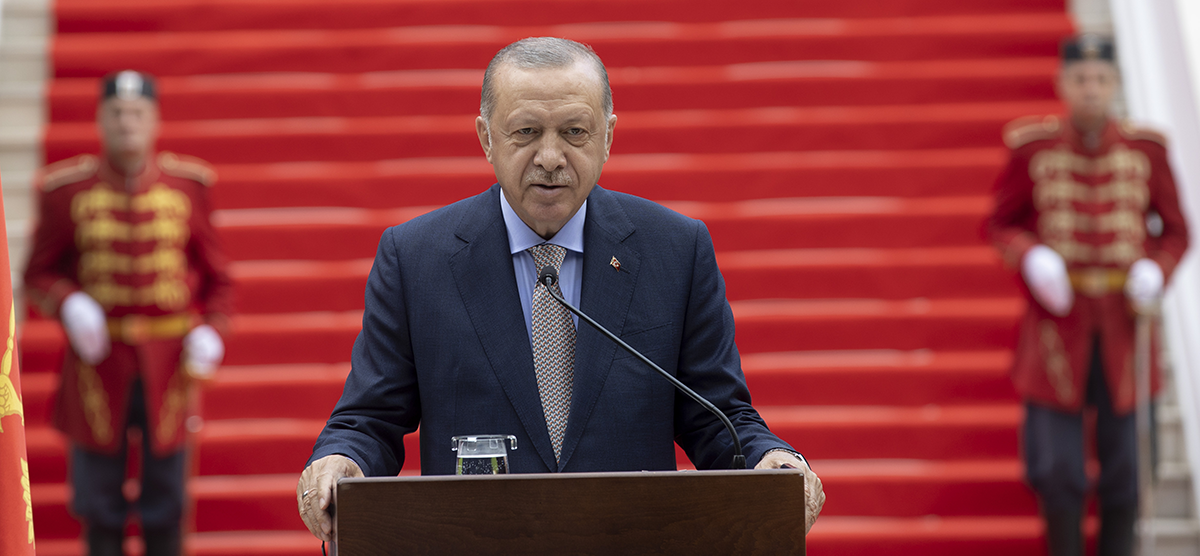
China’s recent multi-sectoral engagements in Turkey suggest that the Black Sea region’s significance is on the rise in Beijing, and under President Erdoğan, Turkey has consistently sought its favor and investment.
Budget dust: Better approaches for security and sustainability — lessons learned from Iraq and Afghanistan
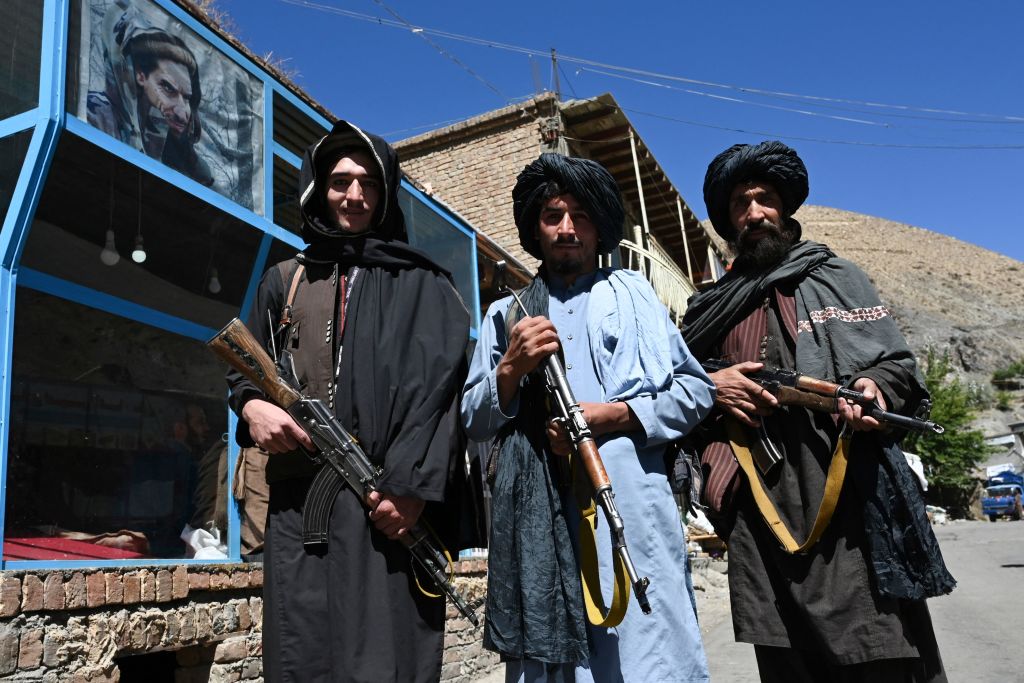
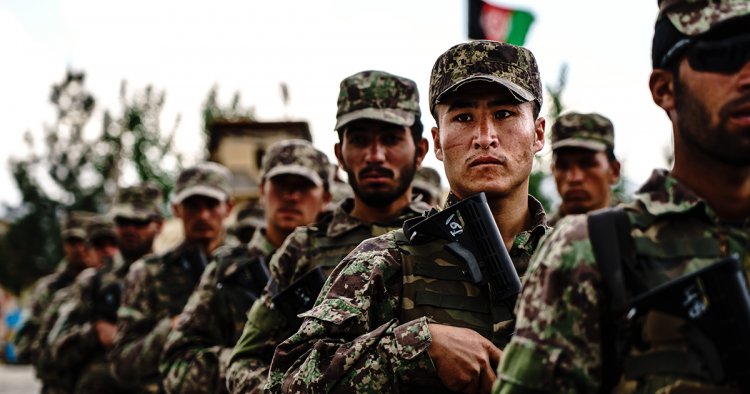
It took the Taliban just three and a half months to undermine a 20-year international effort to build a competent Afghan military. The Afghanistan National Army (ANA) collapsed once it was clear the U.S. was pulling out ground troops and ceasing air support operations after two decades of training and sustainment that cost the American taxpayer approximately $83 billion. When required to stand alone, against a Taliban force, the ANA failed unequivocally. Building the ANA as a mirror image of the U.S. military was strategically and operationally flawed. If they are designed to fight like the U.S. but cannot fight in the absence of U.S. forces, they are ineffective. What lessons should we learn from this and how could our approach be different in the future?
Lebanon’s power crisis is on the agenda, as Arab Gas Pipeline quartet prepares to meet in Amman
These developments come against the backdrop of multiple U.S. hints that Washington is potentially willing to circumvent sanctioning the participating parties under the Caesar Act.
Islamic State Under-Reporting in Central Syria: Misdirection, Misinformation, or Miscommunication?
The central media apparatus of the Islamic State group is mis-reporting on the activities of its cells in central Syria. Rather than exaggerating their capabilities, something that it is conventionally assumed to be doing all the time, its Central Media Diwan appears either to be deliberately under-playing them, or, less likely, to be unaware of their full extent, possibly due to communication issues.
Just before visiting Turkish-occupied Northern Cyprus in late July, Turkish President Recep Tayyip Erdoğan gave Serbia an unpleasant surprise. He announced that Turkey would lobby to increase the number of countries that recognized independent Kosovo. Erdoğan stated on July 19, “Now 114 countries recognize Kosovo, and we want that number to increase. We hope that this year at the United Nations General Assembly, at the meeting I will have with [U.S. President Joe] Biden, we will discuss this topic again, that we will work together on the recognition of Kosovo.”
Building a Closer Black Sea: Promoting Trade and Economic Interdependence
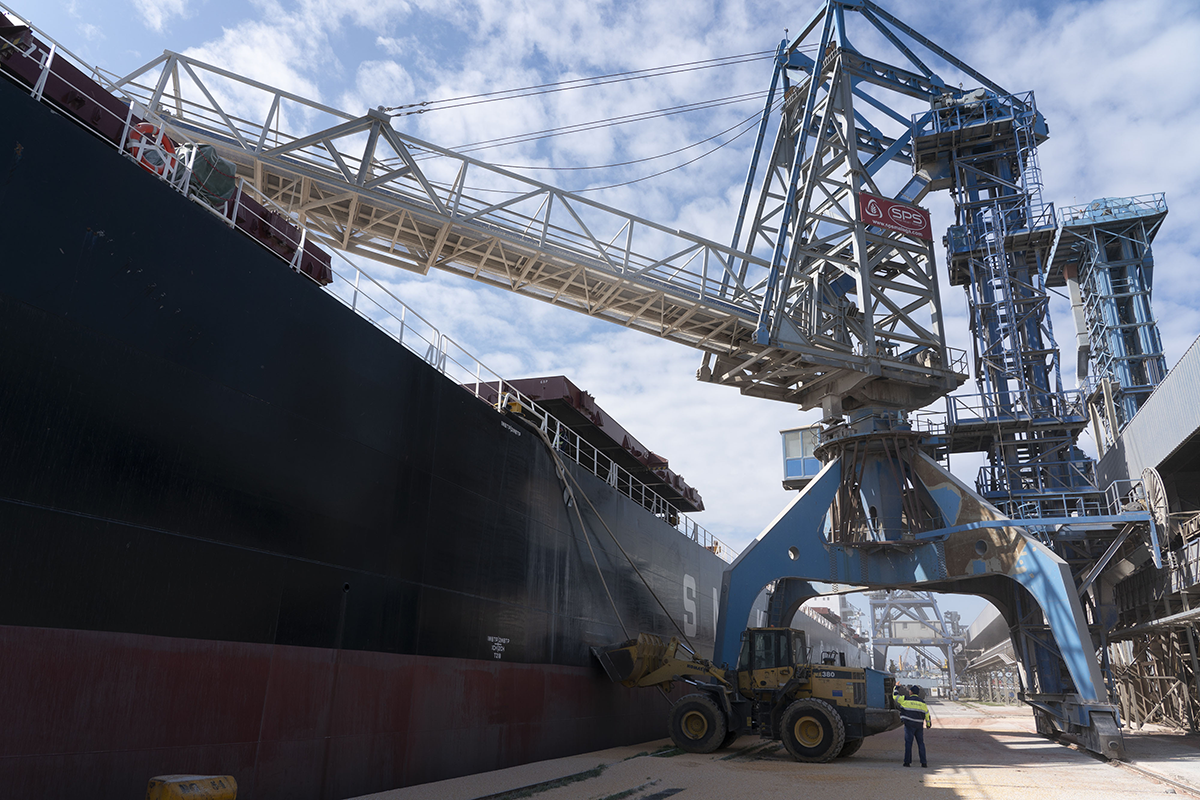
While the Black Sea has historically been an area of significant geostrategic importance, this has not made it a vibrant zone of commerce, transport, energy, tourism, or cultural exchange. Rather, it has become a theater of struggle for dominance and competing geopolitical and geo-economic interests. This situation has been exacerbated by conflict between Russia and countries in the region, like Ukraine and Georgia, that have sought closer ties with the West and aspire to NATO membership and EU integration. These developments have dire consequences for regional security and stability, disrupting political and economic ties in the area and beyond. A long-term solution to the region’s security issues could be based on intensifying trade relations and increasing economic interdependence between the states. This paper identifies major barriers to closer regional trade and economic cooperation and outlines ways to overcome them.
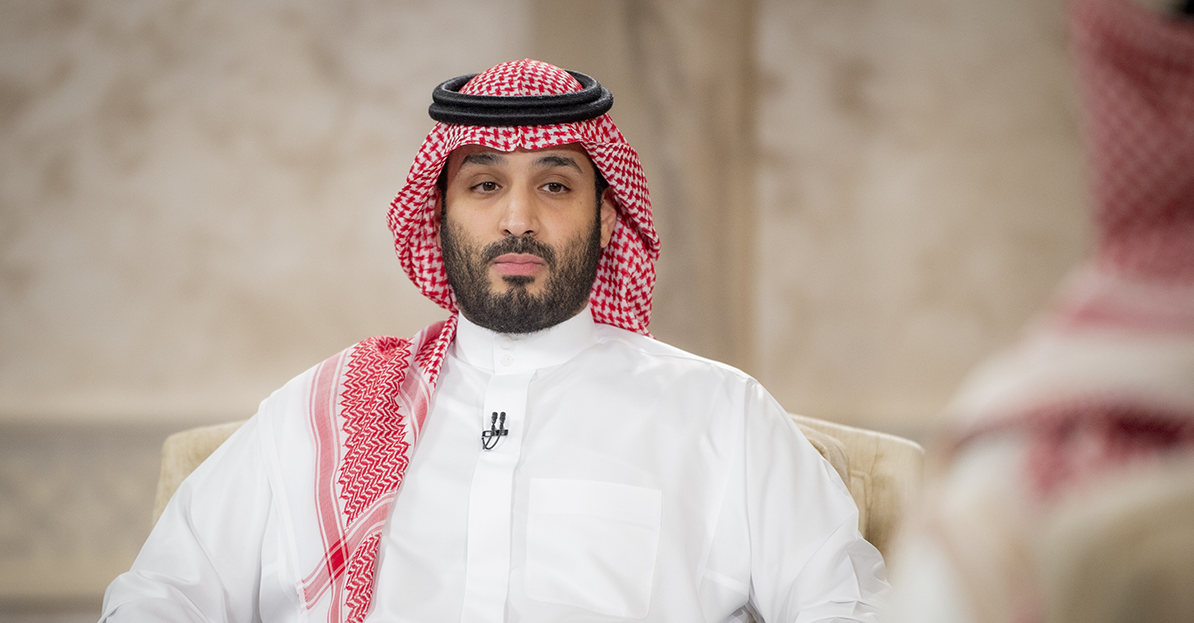
At the dawn of the Biden era of American foreign policy, a more mature, realistic Saudi foreign policy is emerging to match the shifting signals from Washington. In some measure, the Saudis are readopting elements that traditionally characterized their policy preferences before the meteoric rise of Crown Prince Mohammed bin Salman (MbS), the kingdom’s de facto ruler.
Preparing for advancements in Russian warfare in the Black Sea region
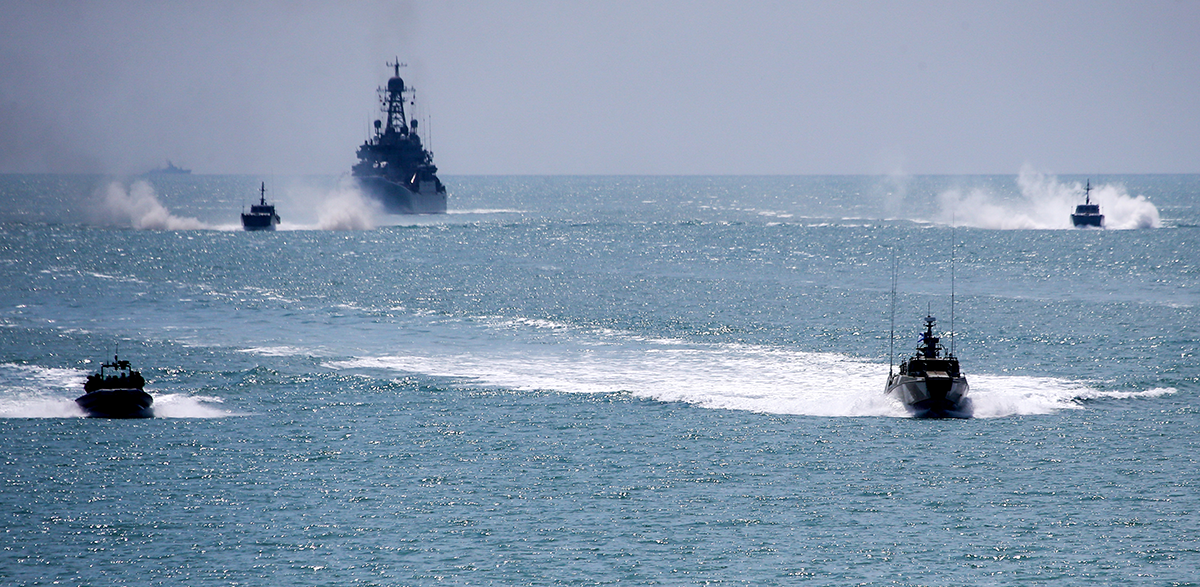
Suddenly and seemingly without warning, Russian forces amassed in Crimea and near the Ukrainian border in April 2021. Heavy armor, long-range missiles and artillery, modern air forces, and elite airborne infantry units deployed into positions that raised alarm in Ukraine and throughout Europe. The situation today appears stable, but reports of new and upgraded hardware, including unmanned vehicles, demand a fresh evaluation of the Russian way of war.
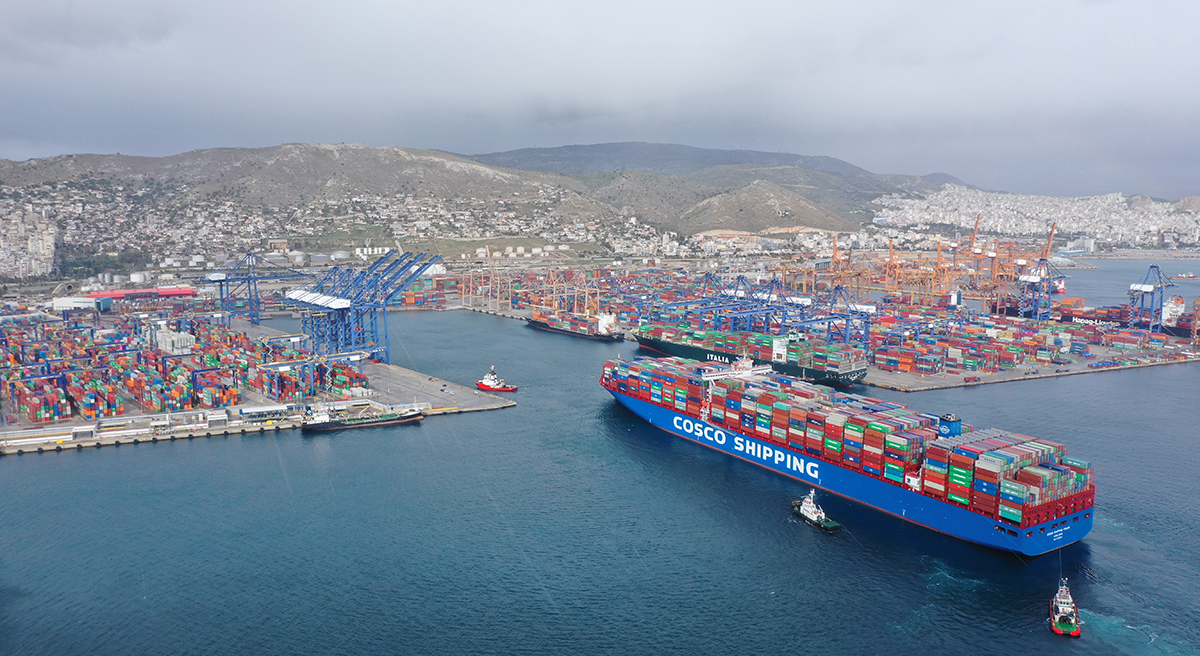
One of the most consequential changes in the Middle East’s geopolitical map is happening at the water’s edge. Along the entire eastern rim of the Mediterranean basin, global and regional actors are engaging in a spate of port capacity expansions, new private port construction, and the sell-off of major state-owned ports that will determine who sits atop the region’s global trade flows for decades to come. The international competition to rebuild Beirut’s port is one key puzzle piece in this larger process that is reconfiguring the Levant’s maritime commercial architecture and, as a consequence, the geopolitical contours of the Middle East.
The possibility that the Lebanese government could opt for China to reconstruct Beirut’s port has raised alarm in Washington and European capitals given China’s already outsized commercial port presence in Egypt, Israel, and Greece. Increased Chinese involvement in Lebanon’s port operations could consolidate Beijing’s hold over the commercial connectivity architecture of the Levant. Re-orienting global commercial flows between Europe, the Middle East, and Asia according to Beijing’s priorities would make China’s Belt and Road Initiative a dominant organizing principle in the international relations of the Middle East. The most effective way to offset China’s ambition may be to facilitate Mediterranean rivals France and Turkey to jointly rebuild Beirut’s port.
In June 2021, southern Syria once again dominated the headlines when the regime laid siege to the Daraa al-Balad area of Daraa city. A few days after the monthlong siege, an agreement to end the escalation collapsed and the Syrian army’s Fourth Division spearheaded a major military push in the area. Intense clashes broke out as groups of unreconciled rebels violently repelled the advancement of Syrian military forces. Armed confrontations spread into eastern and western Daraa amid heavy bombardment via missiles, artillery, and mortar shells, marking the deadliest and most intense fighting in Syria’s south-west since the conclusion of the 2018 “reconciliation” agreements.
The Pro-Al Qaeda Indonesian Connection with HTS in Syria: Security Implications
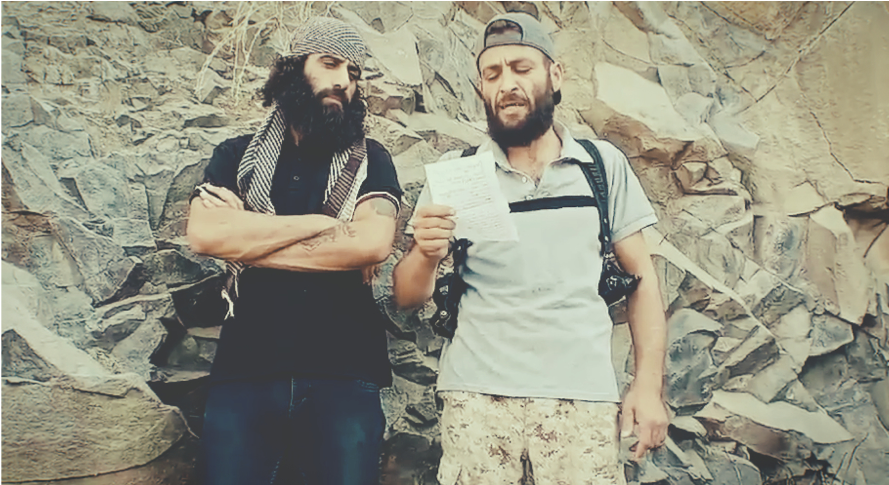
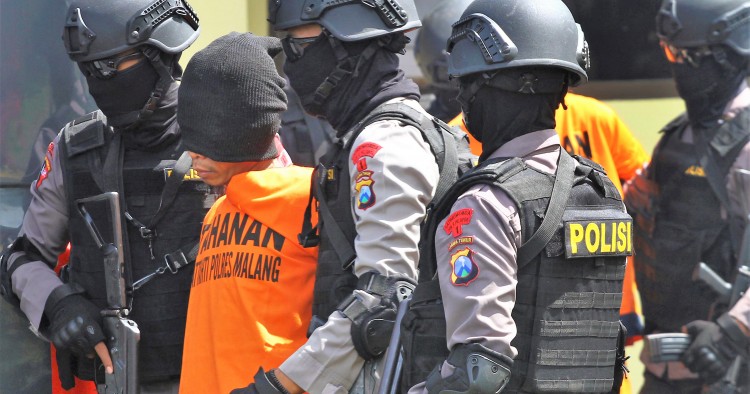
Despite being largely low-key and limited in nature, ties between pro-Al Qaeda jihadists operating in Indonesia and Syria respectively continue to exist. Recent activity involving Jemaah Islamiyah (JI) and other militant Indonesian groups illustrates the potential security risks from this nexus, which should not be overlooked.