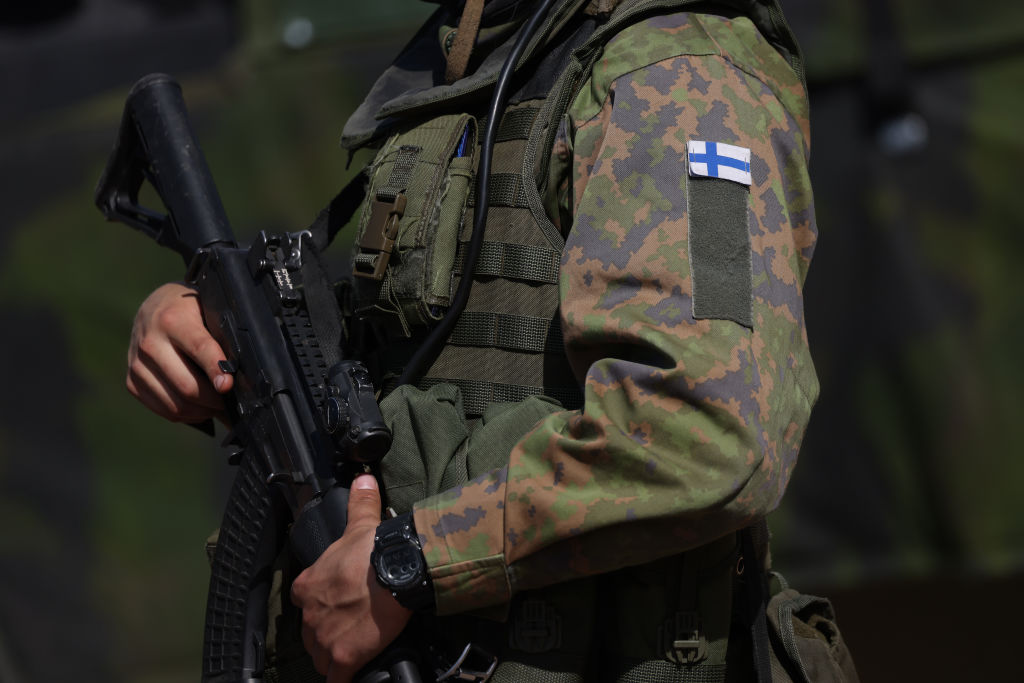
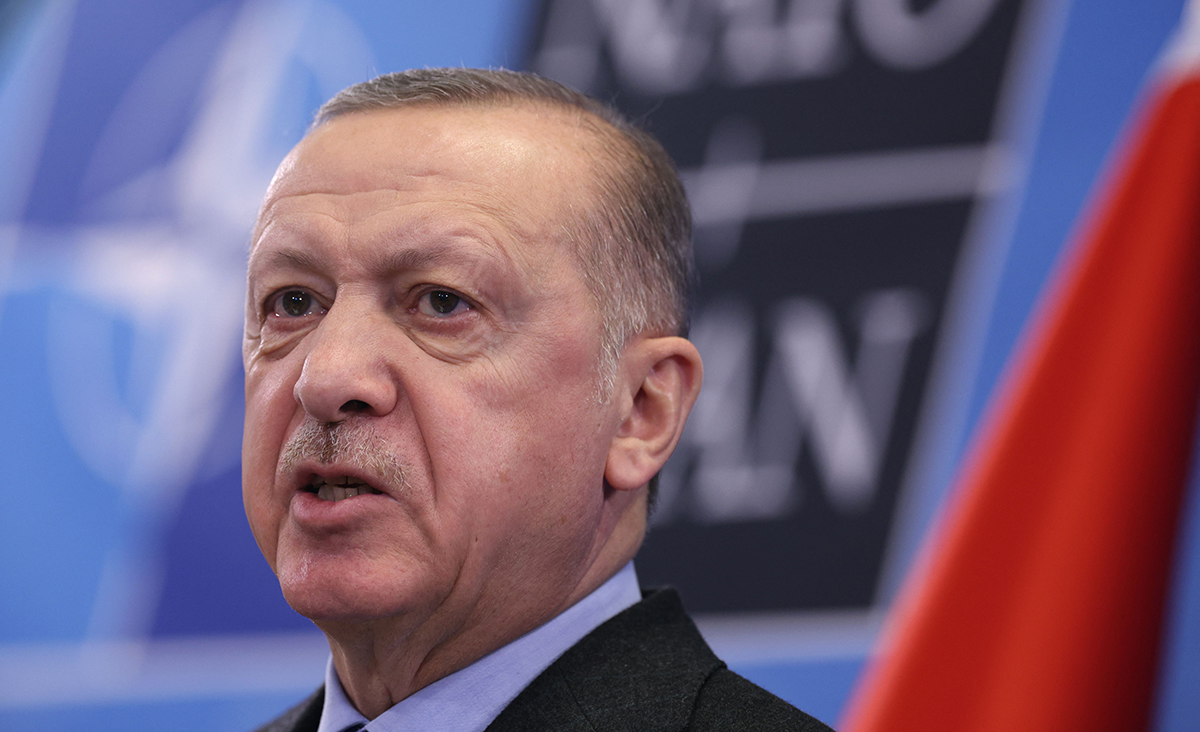
In recent months, Turkish President Recep Tayyip Erdoğan has been on a charm offensive. But that spring in Turkey’s diplomacy may now be reverting to winter as Ankara has blocked Swedish and Finnish accession to NATO even as a key arms deal is pending with Washington and U.S. relations with Greece are at a high.
Will France's MENA policy change in Macron's second term?
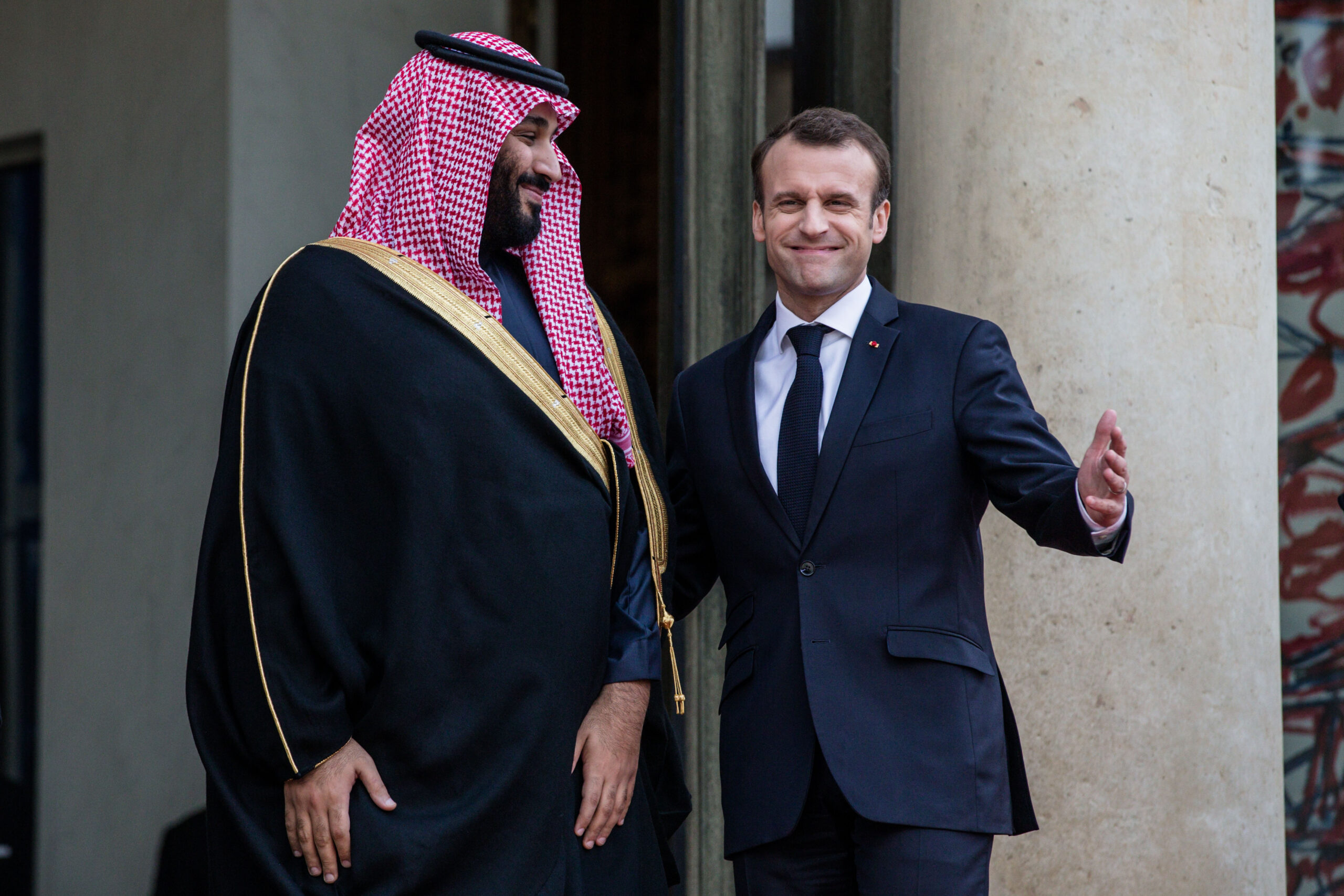
When Emmanuel Macron was elected president five years ago, many analysts wondered how it might affect France’s policy toward the Middle East and North Africa (MENA). At the time, France found itself at a crossroads, having to contend with the shift in U.S. policy toward the region during the presidency of Donald Trump, growing dissension within the Gulf Cooperation Council (GCC), increasingly deteriorating relations with Iran, tensions with Turkey after the failed 2016 coup, and ongoing bloodshed in Syria, Libya, and Yemen, all while conducting a military campaign against ISIS. Following Macron’s recent reelection to a second term, the key question now is whether he will maintain or change his current policy toward the region.
Russia is violating the spirit of Montreux by using civilian ships for war
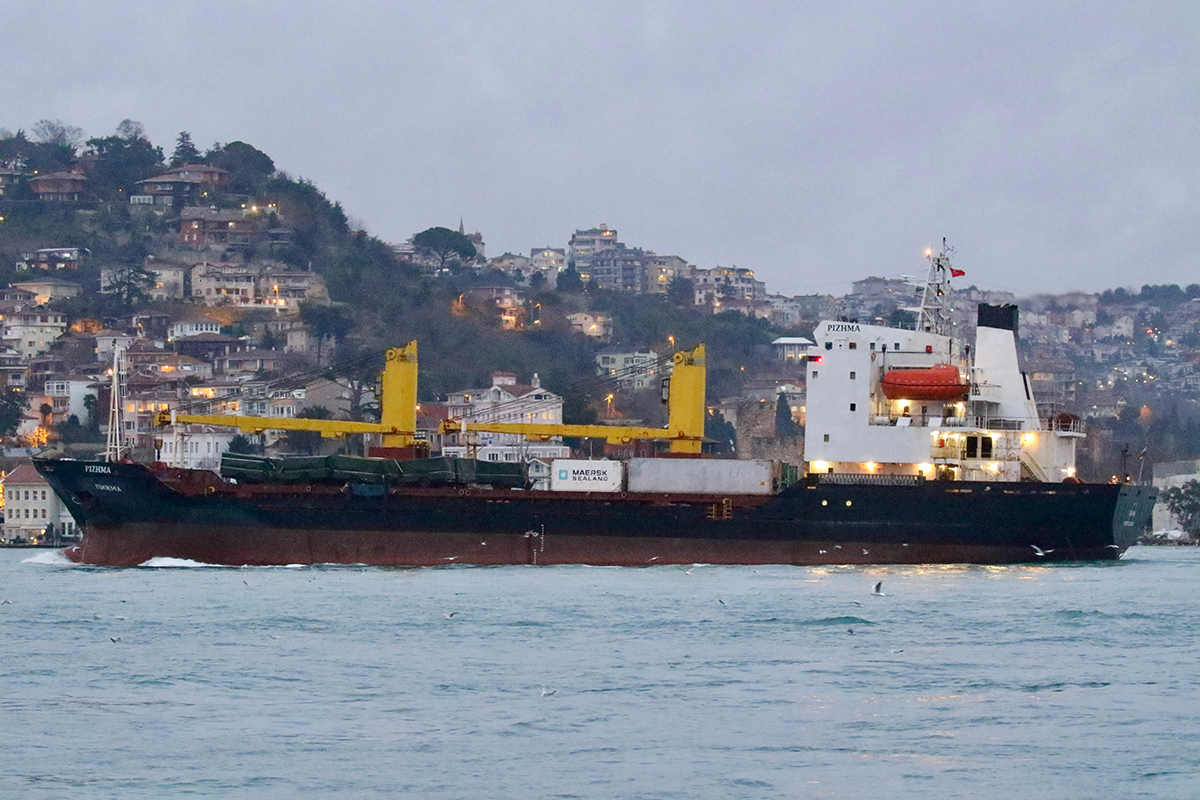
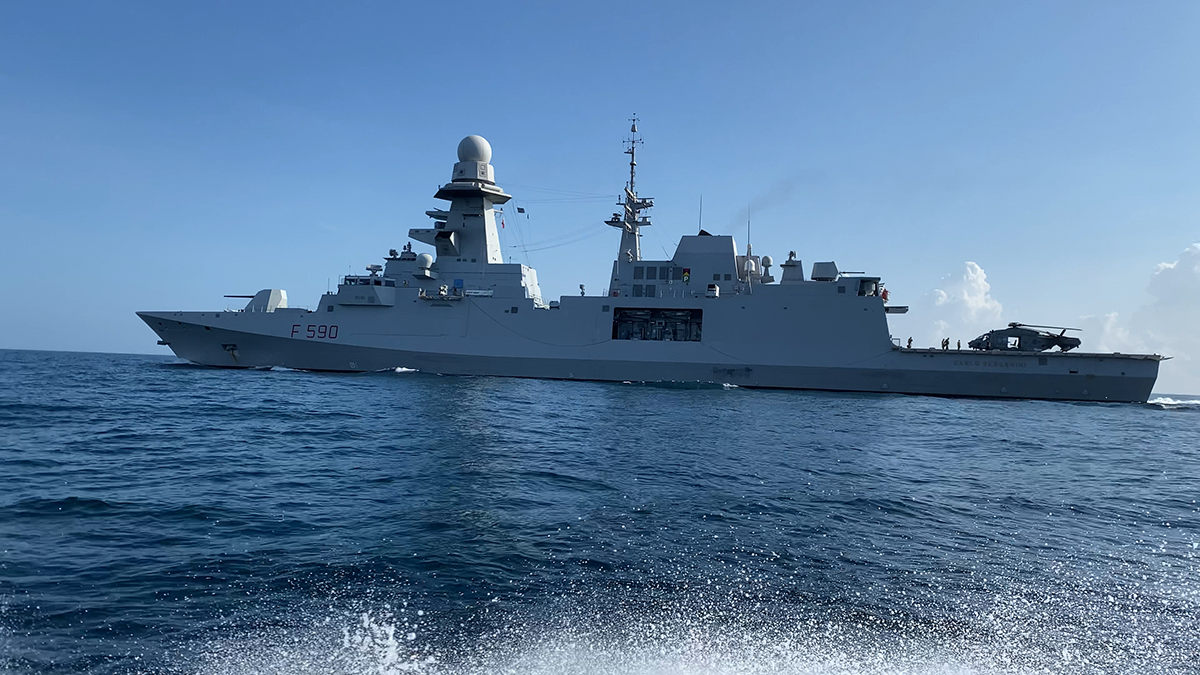
On Feb. 28, Turkey triggered the Montreux Convention, not used since World War II, and closed the Turkish Straits to military ships. This one move interrupted Russia’s maritime logistical supply line to Syria, interfered with its ability to rotate naval assets in the Mediterranean, and prevented Moscow from bringing additional warships to the Black Sea. Russia can no longer supply its Syria operation or deliver defense exports to its customers using navy ships. However, close observation of traffic through the Turkish Straits reveals that Russia is continuing its naval operations in the Mediterranean and Black seas.
Could Ukraine Offer a Template for Better US-Gulf Security Relations?
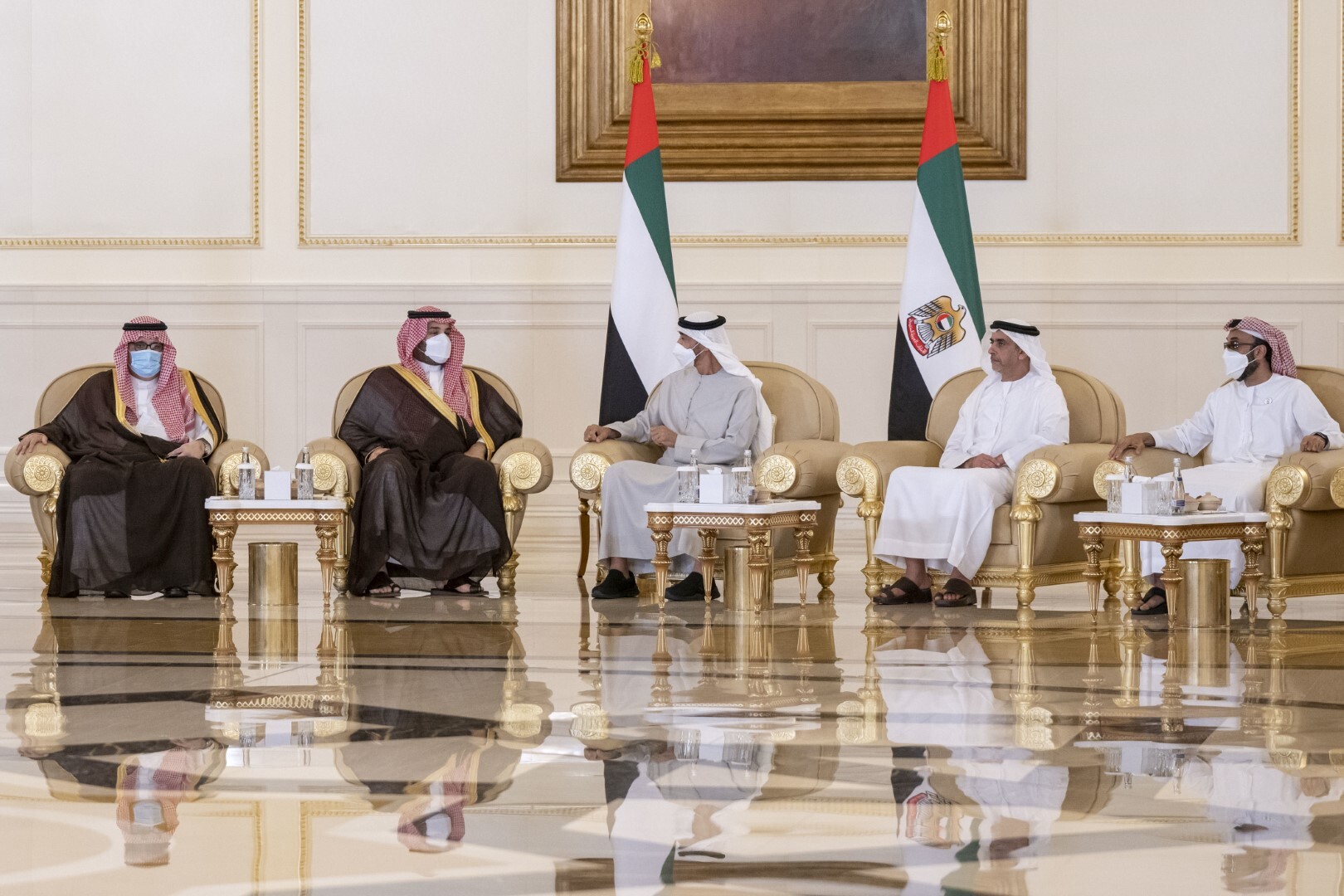
Relations between Washington and some of its traditional Gulf Arab partners, particularly Saudi Arabia and the United Arab Emirates, are at their lowest point in history, which is why the Biden administration on Monday sent a high-level delegation to Abu Dhabi: specifically to pay respects upon the death of former UAE President Sheikh Khalifa bin Zayed Al Nahyan and to congratulate his successor, Mohamed bin Zayed, but more generally to try to heal those ties.
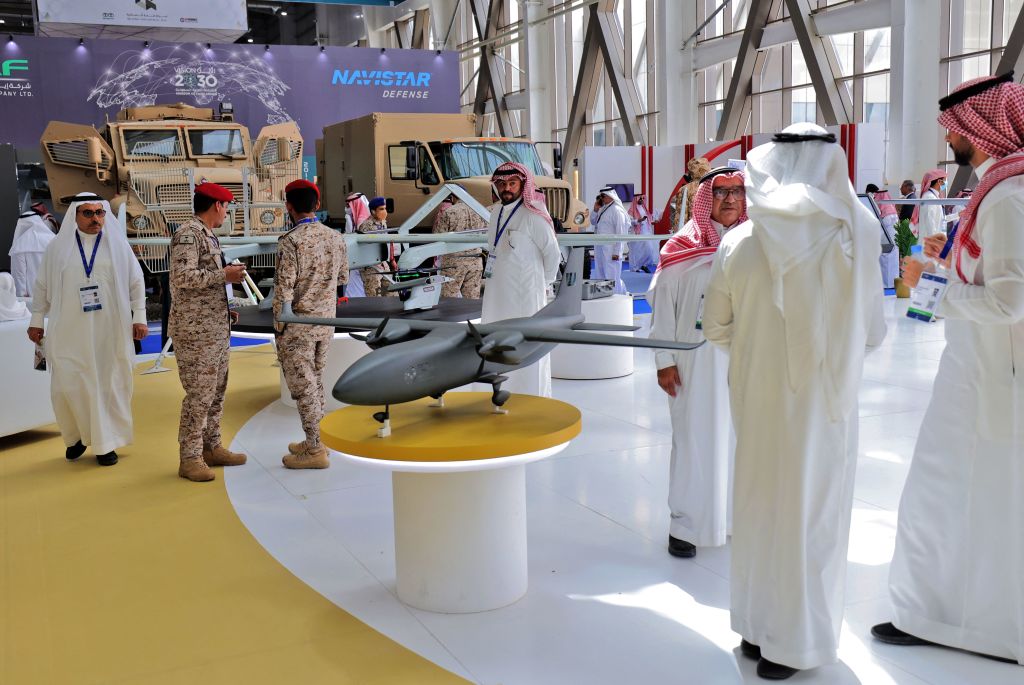
This article describes Saudi Arabia’s historic and arduous journey to national-defense transformation, launched around 2015. It analyzes the challenges and opportunities of defense reform in the kingdom while highlighting the role of the United States in this process. Last, the article discusses the future of US-Saudi defense relations.
In September 2021, a year after the Abraham Accords were signed by Israel, Bahrain, and the United Arab Emirates (Morocco and Sudan joined a few weeks later), U.S. Secretary of State Tony Blinken spoke enthusiastically of Arab-Israeli collaborations already under way in various domains including energy, health care, technology, medicine, and tourism.
Not “business as usual”: The Chinese military’s visit to Iran
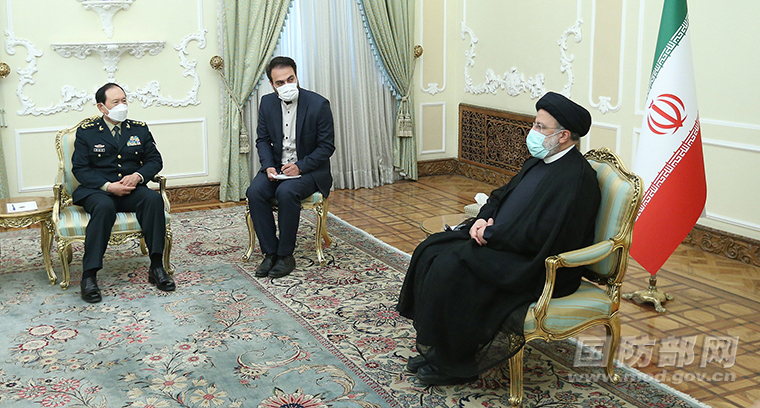
A senior Chinese military delegation landed in Iran for a visit in late April. The readouts from Tehran were rather dull, but there is more to this visit than meets the eye. While a new “axis” may not necessarily be forming, there are troubling trendlines that Western policymakers need to counter.
Israel’s fight to define the right matters for US security
The Israeli government is in the midst of a fight to define what it means to be on the “right” politically in Israel, and this has important implications for U.S. security policy in the Middle East. The United States’ support for Israel is a defining pillar in its Middle East policy, and the decisions made by this fragile Israeli government could have ramifications that affect the security landscape of the entire region. There are small policy shifts the U.S. can make now to lessen the security impacts of those changes.
The CMF-153: Rebuilding US-GCC confidence through maritime security
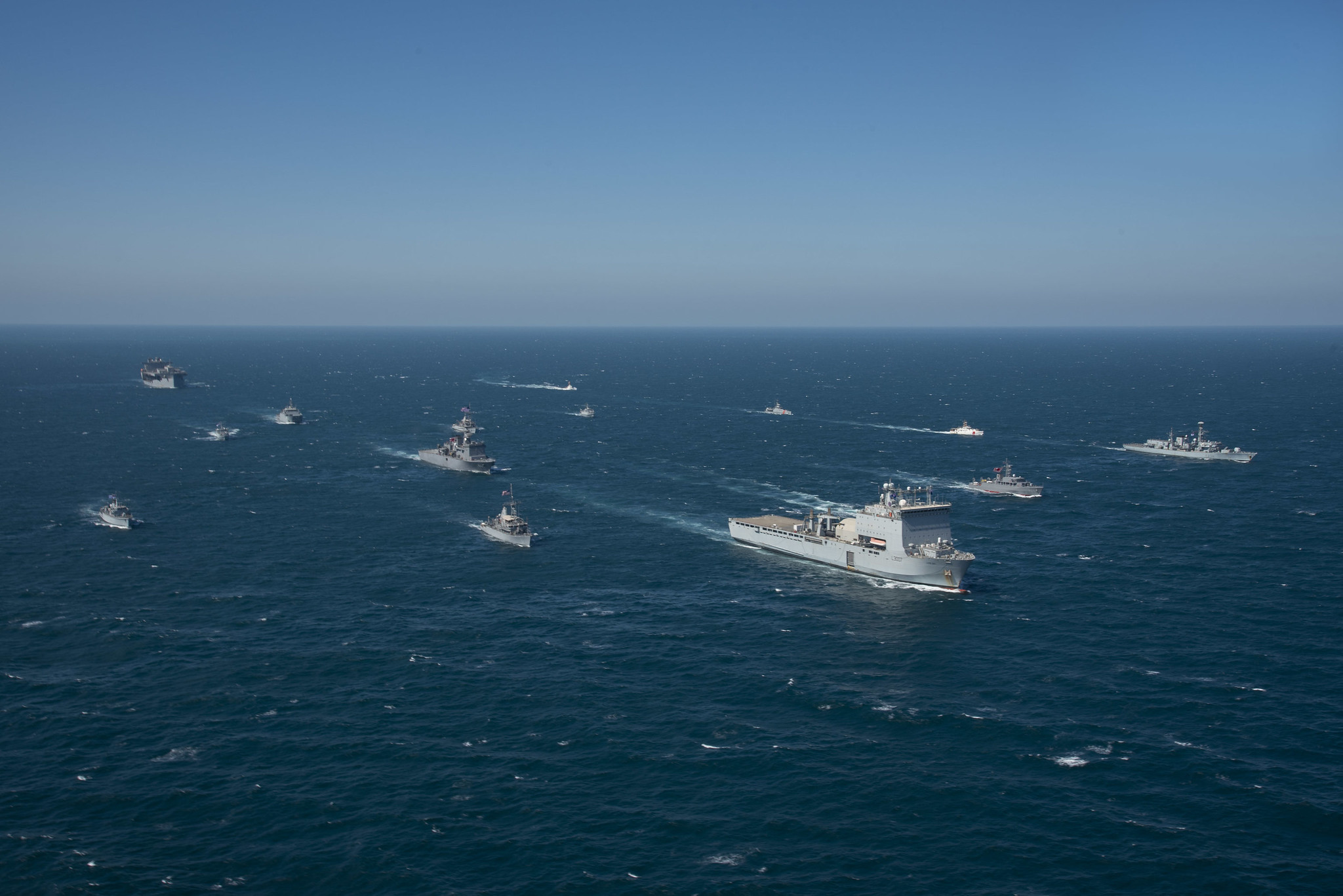
Efforts to restore confidence between the U.S. and the Arab Gulf states took a first step with the recent formation of a new naval task force, known as the Combined Maritime Forces-153 (CMF-153), to improve maritime security in the Red Sea, Bab el-Mandeb, and the Gulf of Aden, including the hotspot of Yemen. Established in mid-April, the new task force intends to target weapons smuggling for Ansar Allah, as the Houthi militias are officially known, as well as human trafficking and the drug trade.
In February 2022, the Council of the European Union gathered in Brussels to discuss the extension of the Coordinated Maritime Presence (CMP) concept to the North-Western Indian Ocean. Its decisions constituted a rare consensus among E.U. member states that Gulf maritime security is a strategic interest for Europe as a whole.
Iran’s Revolutionary Guard and the Rising Cult of Mahdism: Missiles and Militias for the Apocalypse
As the U.S. administration considers whether to remove Iran’s Islamic Revolutionary Guard Corps as a foreign terrorist organization, understanding its nature, development, and ideology is essential to making an informed decision. There is much about it that differentiates it from a conventional armed force. One fundamental aspect of its ideology that until now has been overlooked is the doctrine of Mahdism.
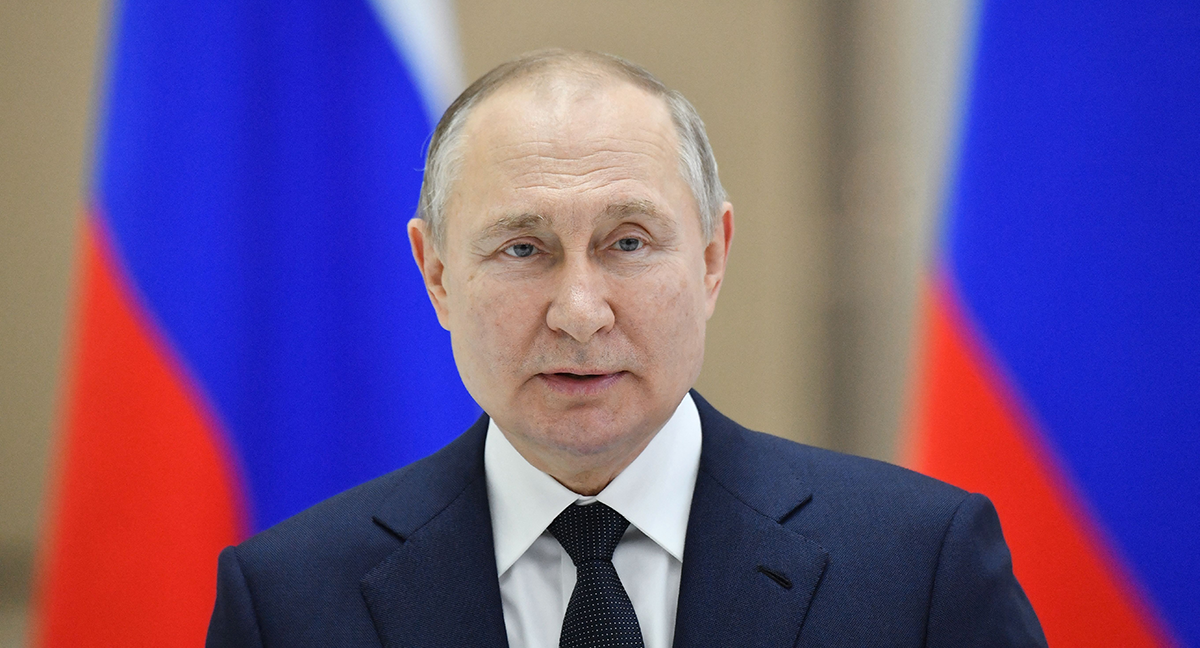
As the conventional war in Ukraine continues and military operations intensify, Russian President Vladimir Putin is wrestling with the need to maintain his fight in Ukraine while demonstrating to the Russian people that he is winning in the following three key areas: land, security, and identity.
Iran is learning from Russia’s use of missiles in Ukraine
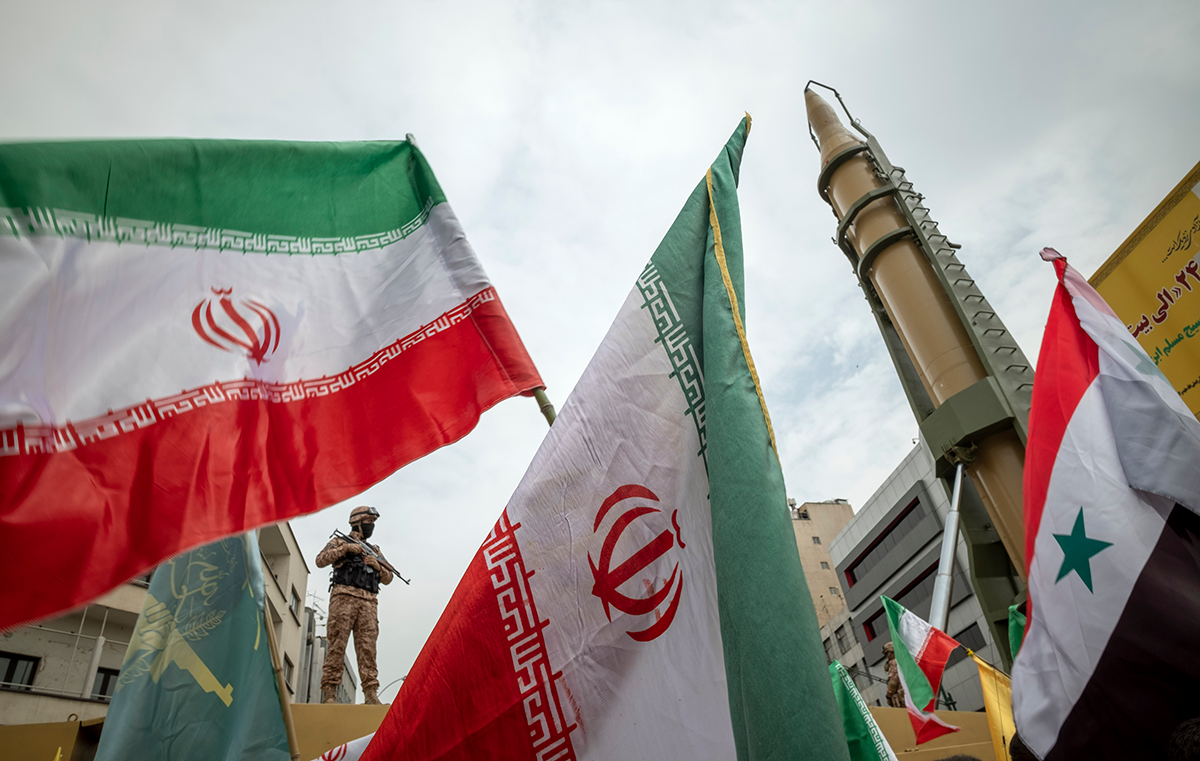
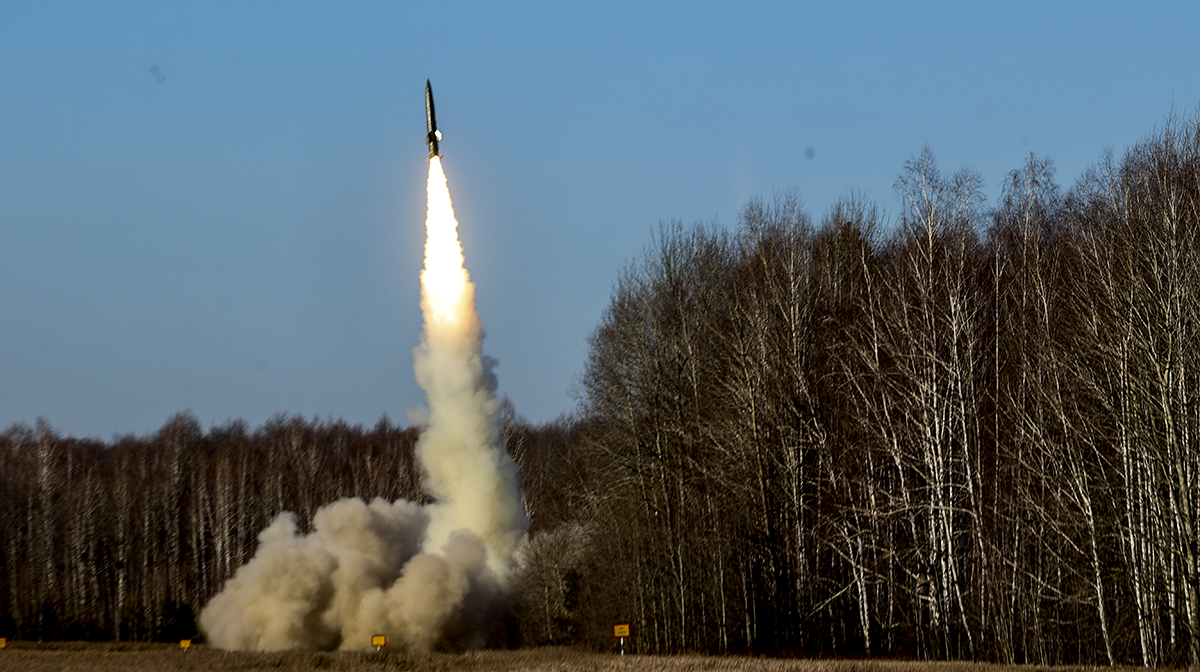
Russia’s invasion of Ukraine has turned into the largest testing ground for ballistic and cruise missiles in modern warfare. Militaries around the world are watching carefully, and Iran is certainly no exception. With its military doctrine heavily dependent on ballistic missile forces, Iran has a particular interest in the war in Ukraine and is taking notes on Russia’s use of missiles.