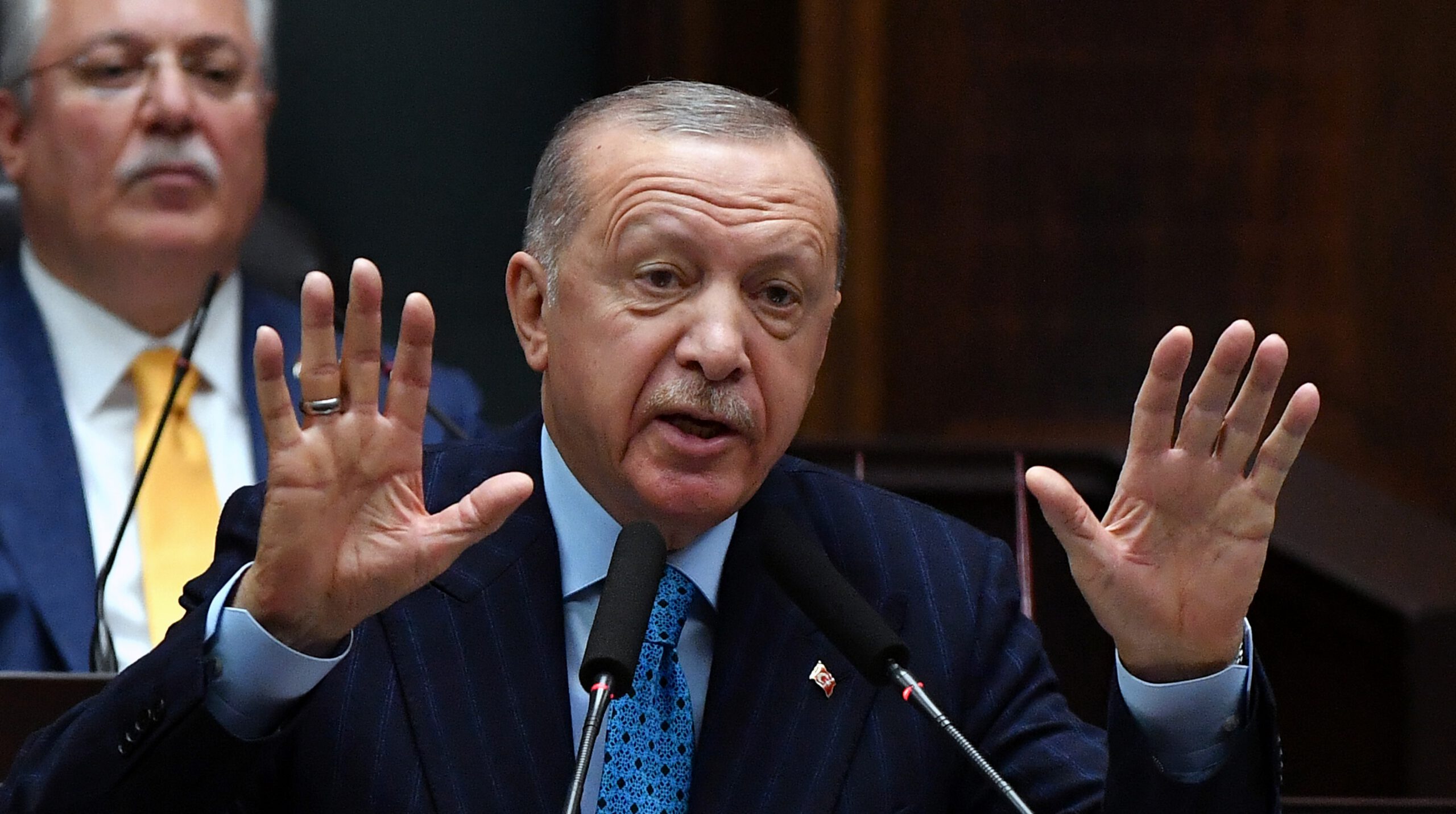
The Trump administration has released its new National Security Strategy—and analysts say it signals a decisive break from America’s role as the leader of the free world. Instead, the document advances an openly illiberal, strongman-centered vision of power. One former U.S. official goes further, arguing the strategy doesn’t merely abandon democracy promotion—it puts Washington in the business of promoting autocracy.
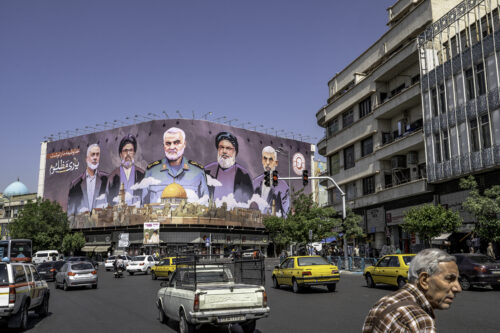
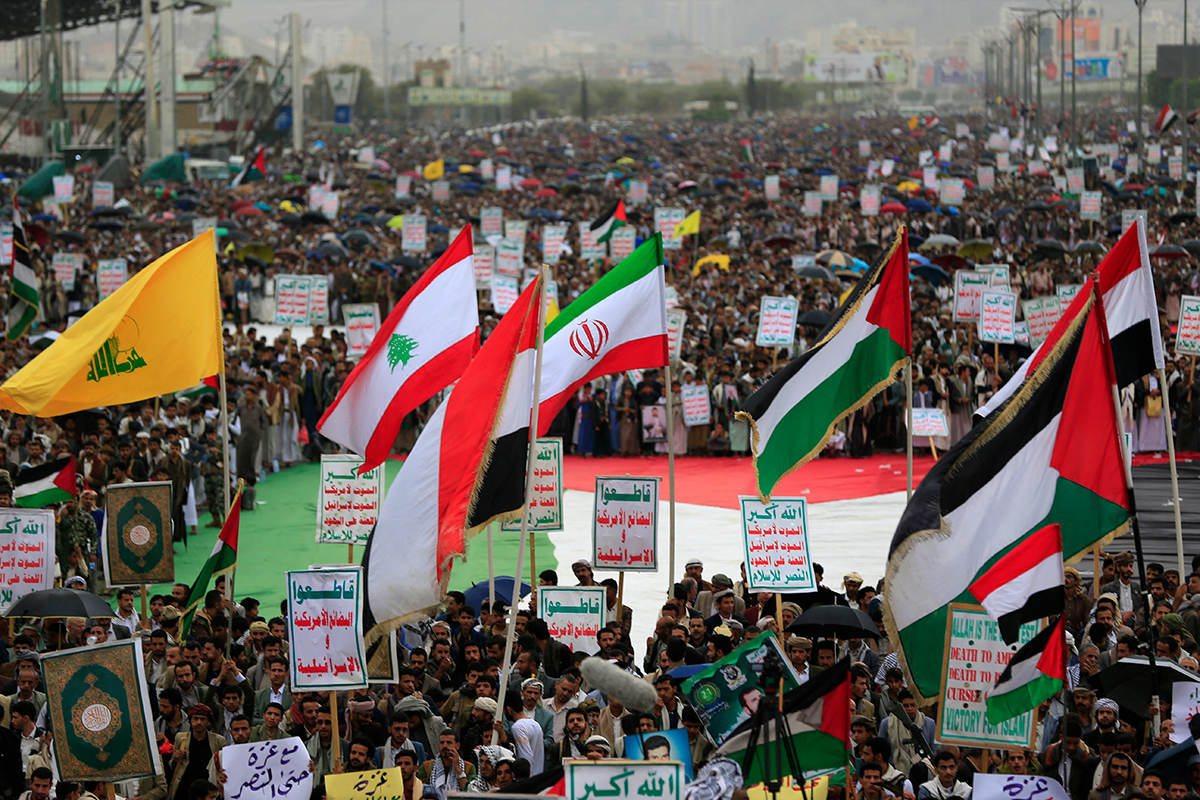
This backgrounder provides an overview of the Axis of Resistance, a loosely aligned network of armed groups and state actors led and supported by Iran to project its influence and military strength across the Middle East.
How Iraq’s vote will shape the next phase of US-Iran competition
For Iran, Iraq is strategic depth, political sanctuary, and economic lifeline all at once. The results of the November 11 Iraqi elections will decide who in Baghdad controls the budgetary levers, internal security appointments, and committees that could codify, or constrain, Iraq’s Iran-backed militias.
From Ballots to Bargains: The Struggle for Iraqi Democracy
Iraqis have just gone to the polls in a pivotal parliamentary election that could redefine the country’s political trajectory. What do the results tell us about the state of Iraqi democracy? What happens next? And is there still space for meaningful democratic reform?
In this episode of Middle East Focus, hosts Alistair Taylor and Matthew Czekaj are joined by MEI Senior Fellow Gönül Tol to discuss democratic backsliding in Turkey under President Recep Tayyip Erdoğan.
In September, just days after tens of thousands of Turks had poured into the streets to protest President Recep Tayyip Erdogan’s latest crackdown on his political opponents and a fal
Markets, Mayors, and Crackdowns: Erdoğan’s High-Stakes Gamble
Turkey’s main opposition, the CHP, is facing its toughest test yet: mass arrests, sham court rulings, and the ouster of key leaders—including Istanbul’s mayor Ekrem İmamoğlu, Erdoğan’s chief rival. With trials looming that could replace CHP leadership with government loyalists, the party warns of a legal ‘coup.’ What does this crackdown mean for Turkey’s fragile economy, its 2028 elections, and the future of democracy itself?
As the dog days of August approach, we are pleased to share a curated summer reading list featuring some of VP for Policy Ken Pollack’s favorite books on the region. Covering a variety of timely and engaging topics, the list offers recommendations for anyone interested in deepening their understanding of the Middle East.
Inflection point or continuing spiral in the Middle East?
After almost two years of fighting in Gaza, and after the decimation of Hizballah, the fall of Bashar al-Assad’s regime in Syria, and the 12-day Israeli-American war on Iran, the Middle East is in new strategic and political territory. Two pathways lie ahead: the first is one in which the gains and changes brought about by war are turned, through intense diplomacy and negotiation, into new international and political arrangements that bring about a period of security and stability in the region; the second is one in which that corner is not turned, and the wars in Gaza, Iran, and potentially Yemen, Syria, and Lebanon, continue indefinitely. The trajectory will depend on the choices of key actors — above all Iran, Israel, and the United States.
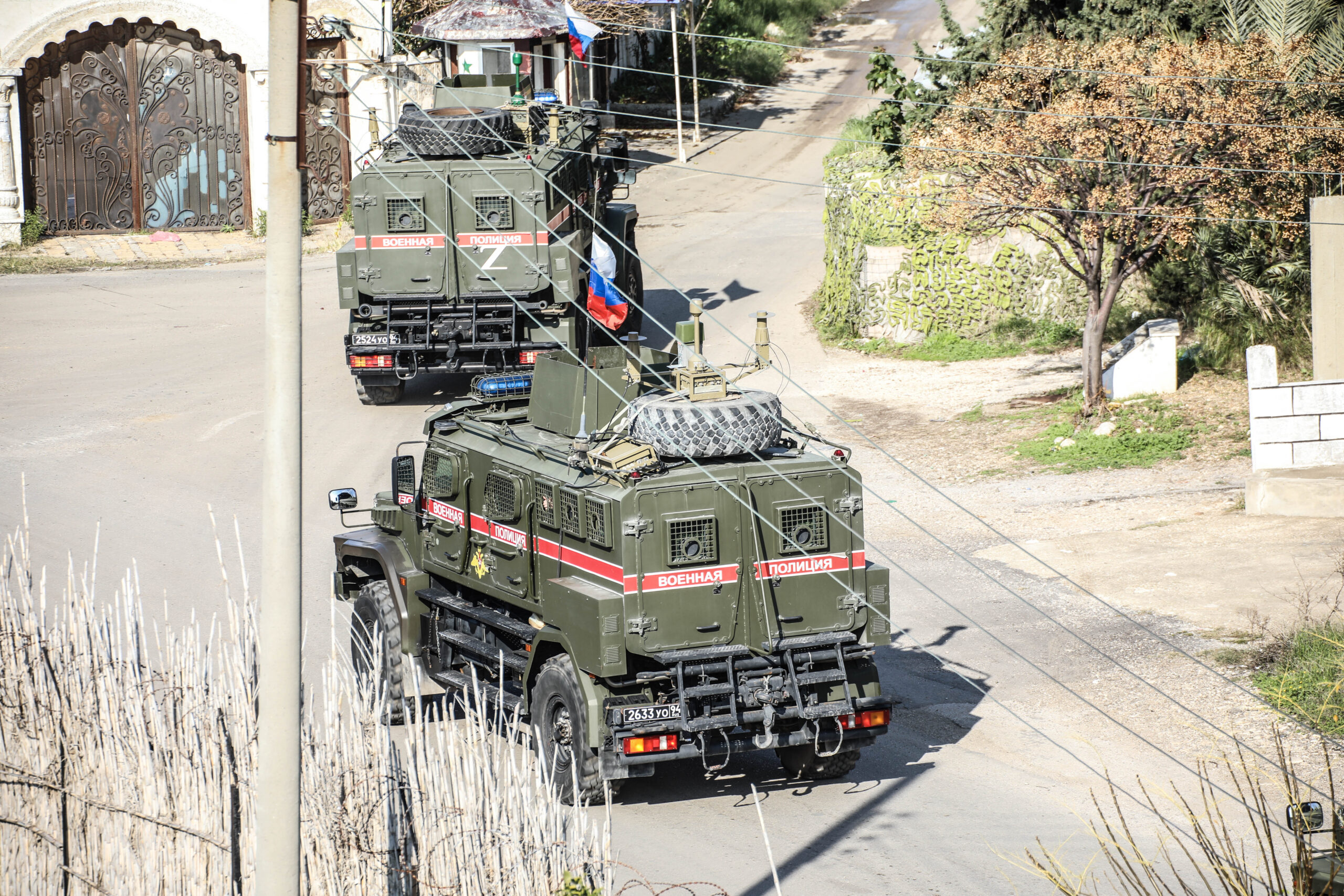
Russia’s military presence in post-Assad Syria: A growing security liability undermining stability
Six months since the collapse of the Assad regime, the Russian military presence in Syria has remained entrenched in strategic locations such as the Hmeimim airbase and Tartous port on the coast, as well as at Qamishli airport in the northeast. This persistence has reignited an increasingly pressing debate about Moscow’s role in the new Syria.
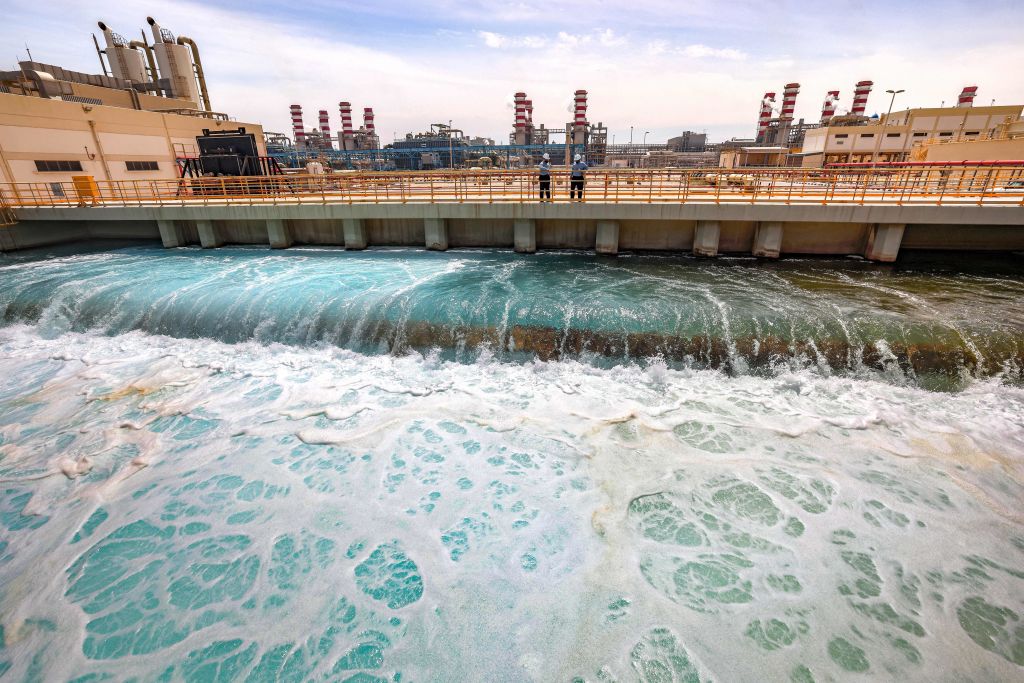
The Gulf’s water crisis: Why cooperation is crucial — and complicated
On June 19, false reports of an Israeli strike on Iran’s Bushehr nuclear plant sparked alarm across the Gulf. Though denied by Israeli officials, the claim traces back to a warning from Qatar’s prime minister of a potential catastrophe in the event of nuclear contamination — no water, no food, no life — due to the Gulf’s reliance on desalinated seawater. Gulf governments moved quickly to reassure the public that no radiation had been detected, but the episode underscored the region’s growing sense of vulnerability. A regional approach to water security could help to mitigate such risks.
Iraq tries to assert state authority during crisis
The Iraqi government has long navigated a path between maintaining political ties with its Iranian neighbor and Tehran’s allies inside Iraq on the one hand, and preserving its security relationship with the United States on the other. Unsurprisingly, it quickly welcomed US President Donald Trump’s June 23 Israel-Iran cease-fire agreement.
Caught in the crossfire: How the Iran-Israel war undermines Erdoğan’s agenda
Israel’s full-blown war against Iran threatens to upend regional dynamics and Turkey’s careful balancing act. The conflict presents both immediate threats and long-term strategic risks for Turkey.
Trump should build on the momentum with Syria and help prevent a Turkey-Israel clash
Two recent developments present the new Syrian government with a critical opportunity to stabilize the country. First, US President Donald Trump announced plans to lift sanctions on Syria. Second, the Kurdistan Workers’ Party declared it would disband and dissolve itself — a move that will help Damascus to finalize a deal with the Syrian Democratic Forces and integrate it into the new Syrian national army. President Trump should build on this momentum and seize the opportunity to address one of the most complex remaining challenges facing Syria: the risk of a military confrontation between Turkey and Israel inside the country.
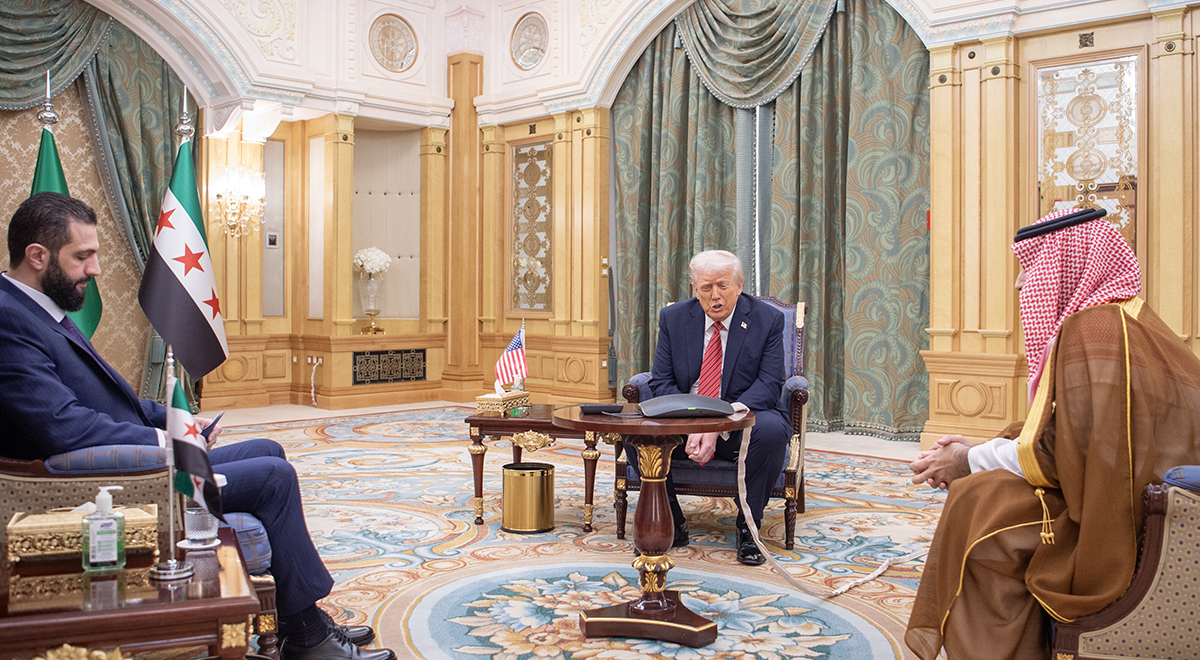
This week, US President Donald Trump makes his inaugural visit to the Middle East since the start of his second term, traveling to Saudi Arabia, Qatar, and the United Arab Emirates on May 13-16. Amid the heightened focus on US policy toward the Middle East, MEI’s experts take stock of Trump’s trip to the Gulf, how his administration has shaped its approach to the wider region in its first several months, and how regional actors are responding to the policies coming out of Washington.