Libya’s ongoing debate over the role of political parties
Libya’s political players have grappled with how to build a political party culture since the country held its first post-Gadhafi elections in 2012. Under Moammar Gadhafi, political organizing was banned. Decades of regime propaganda against outlawed opposition movements made Libyans suspicious of political groups and parties.
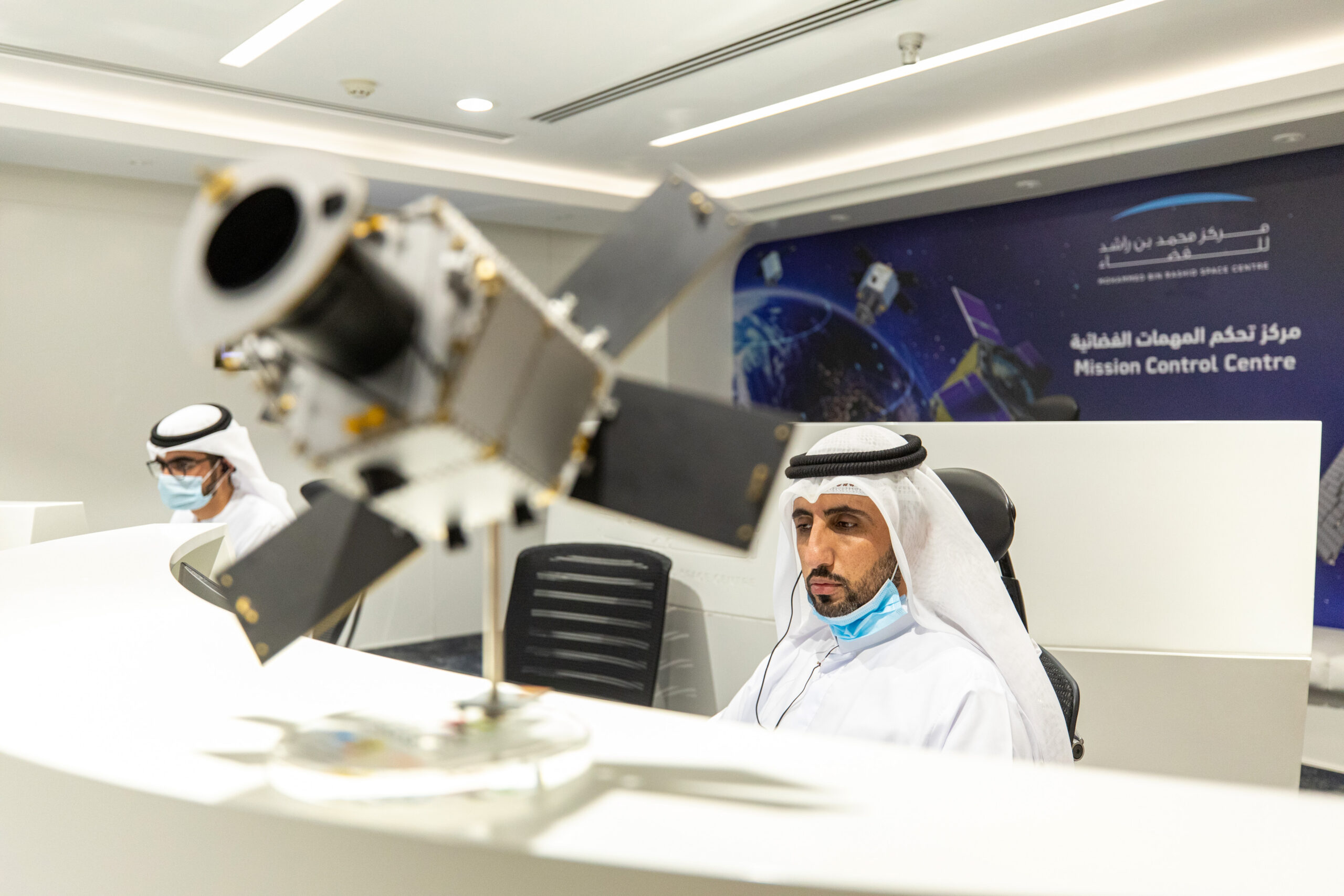
In the Middle East, the Gulf states — working together and on their own — are looking to achieve new scientific and commercial breakthroughs in various areas of the space industry. These ambitions carry major geopolitical implications with them, as an ever-growing number of spacefaring countries negotiate a sensitive and increasingly high-powered sector.
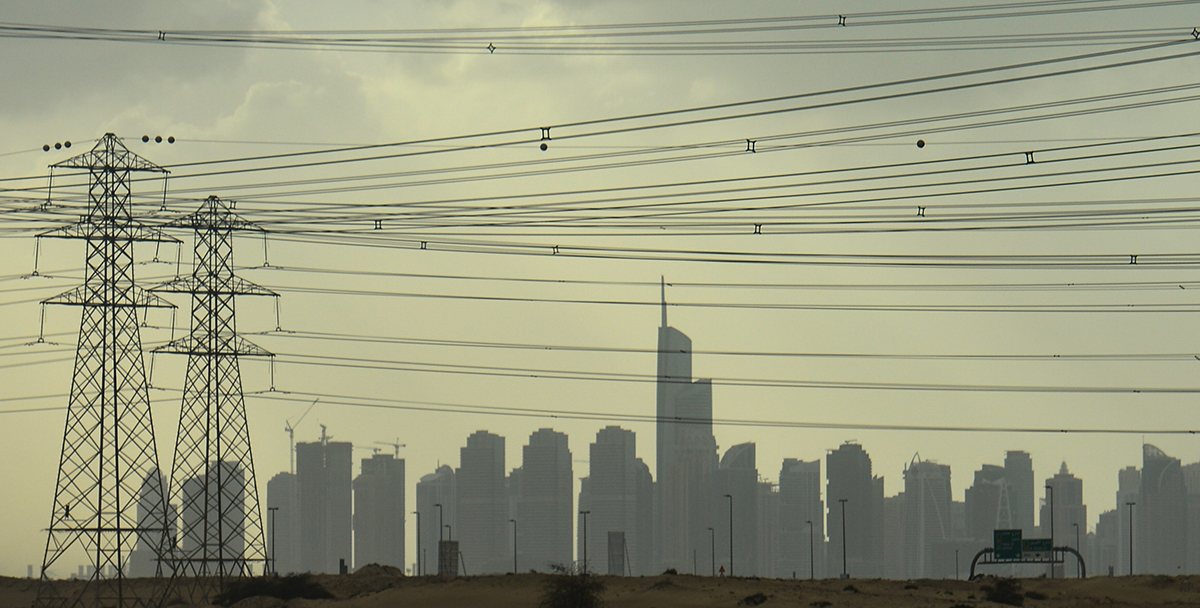
Missed opportunities: The billions sacrificed annually to generate electricity in the GCC
The GCC governments still cover over 40% of the cost of domestic electricity production. Yet, electricity subsidy bills alone do not reflect the full extent of their economic losses. Once the forgone revenues from the export of natural gas and oil used to meet rising domestic energy demand are added in, the total economic cost of the GCC’s electricity is too great to ignore.
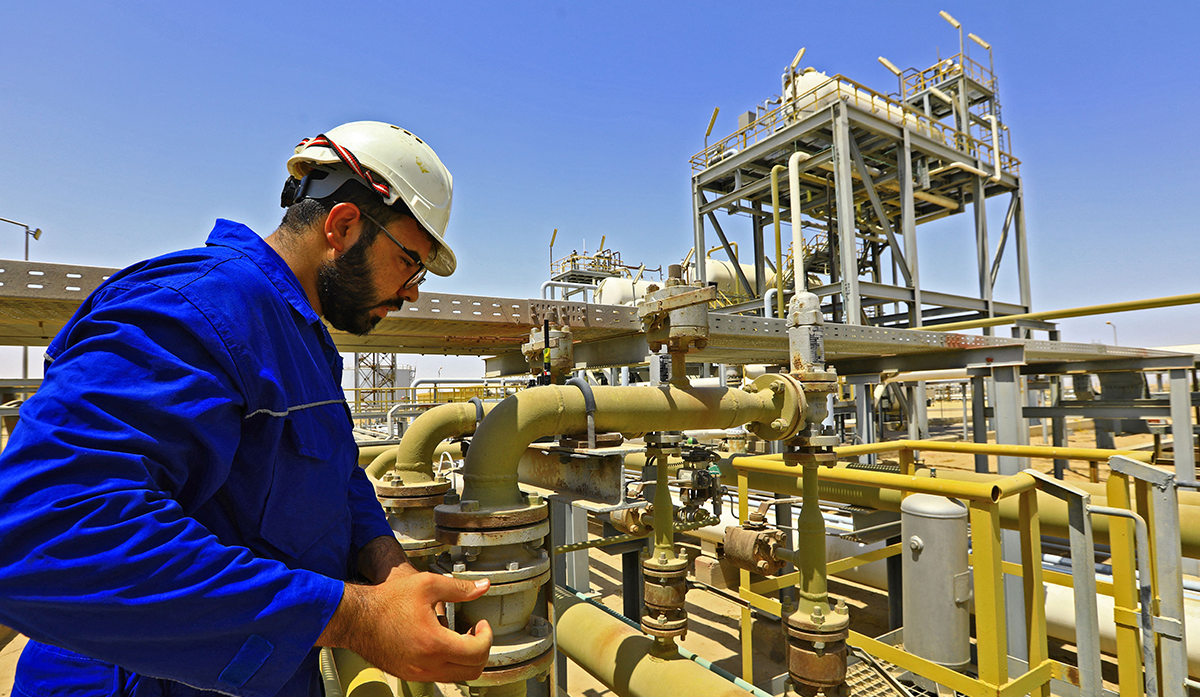
Economic Diversification, Energy Transition, and the Labor Market in Iraq and the Gulf
As part of a continued collaboration with the Middle East Peace and Security Forum held in Iraqi Kurdistan at the American University of Kurdistan, the Middle East Institute and the Iraq Policy Group held a workshop on Nov.15, 2022 focusing on challenges of economic diversification, energy transition, and impacts on labor markets in Iraq and the Gulf region. This report provides the insights and analyses of a select group of participants from the workshop.
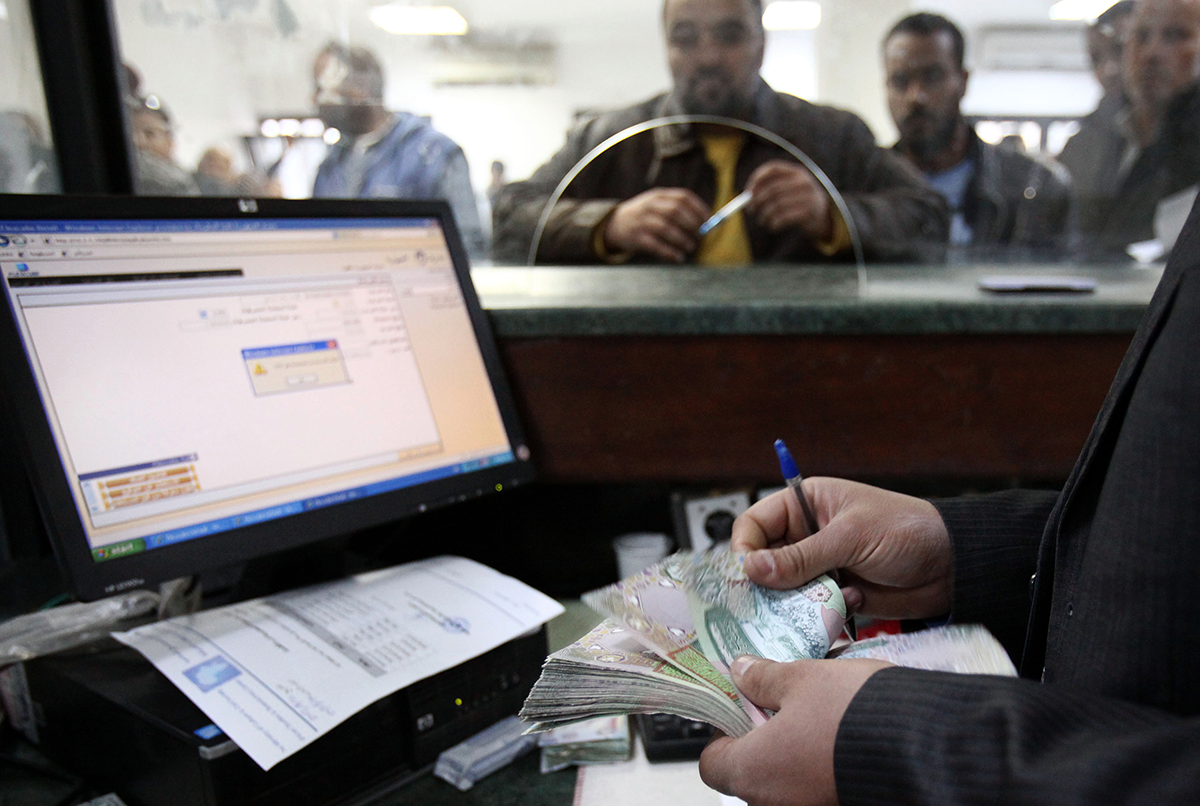
The Libyan Banking Sector: A Microcosm of Global Enduring Disorder
This paper investigates the ongoing Libya conflict through the Enduring Disorder paradigm, focusing on the financial and banking sectors, honing in on stakeholder perceptions of the Central Bank of Libya (CBL), its transparency/opacity, and the “narrative wars” over who is to blame for, and who benefits from, Libya’s economic dysfunction, the lack of an annual budget, and the current lack of a quorum on the CBL board.
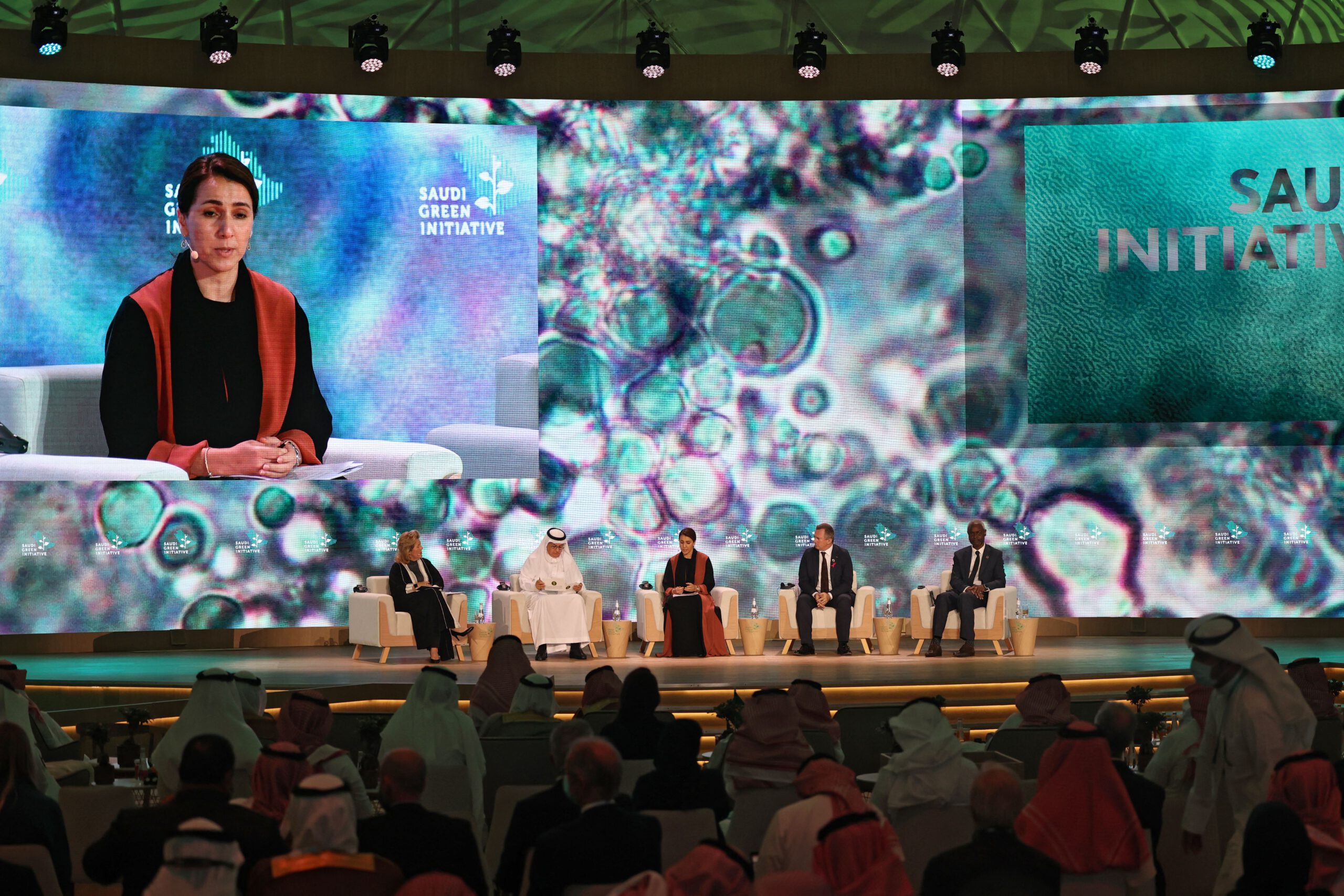
The Gulf Arab states, while major oil and gas producers, can play a significant role in supporting global efforts to achieve net-zero goals. They are not only endowed with great potential for renewable energy resources as well as some of the world’s lowest carbon content fuels, but also with, to varying extents, sizable financial resources. Yet, to unlock such huge potential, the Gulf Arab states will need to systematically identify and address the various challenges in their path to net zero.
A new momentum: Recalibrating Germany's foreign policy toward the Gulf monarchies
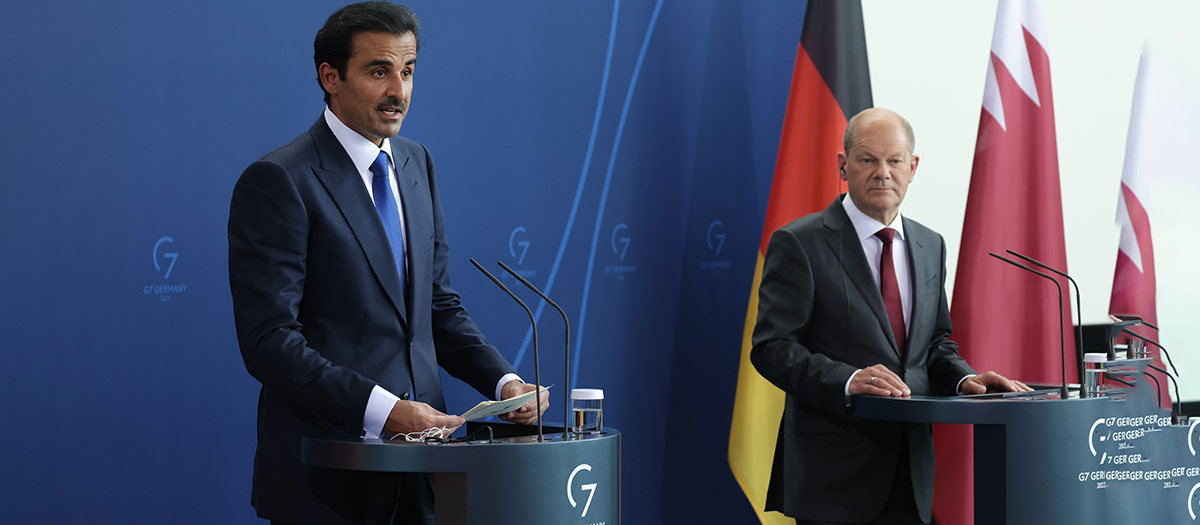
Facing the profound challenge of trying to diversify its energy supply while a destabilizing war rages on in Ukraine, Germany has looked to several Gulf monarchies to forge new energy partnerships. Notwithstanding heated domestic debates over controversial topics such as their human rights record, Berlin should consider a more comprehensive strategic approach toward the Gulf monarchies that encompasses issues beyond energy supply, such as joint efforts in regional integration and development.
Climate-induced migration in the GCC states: A looming challenge
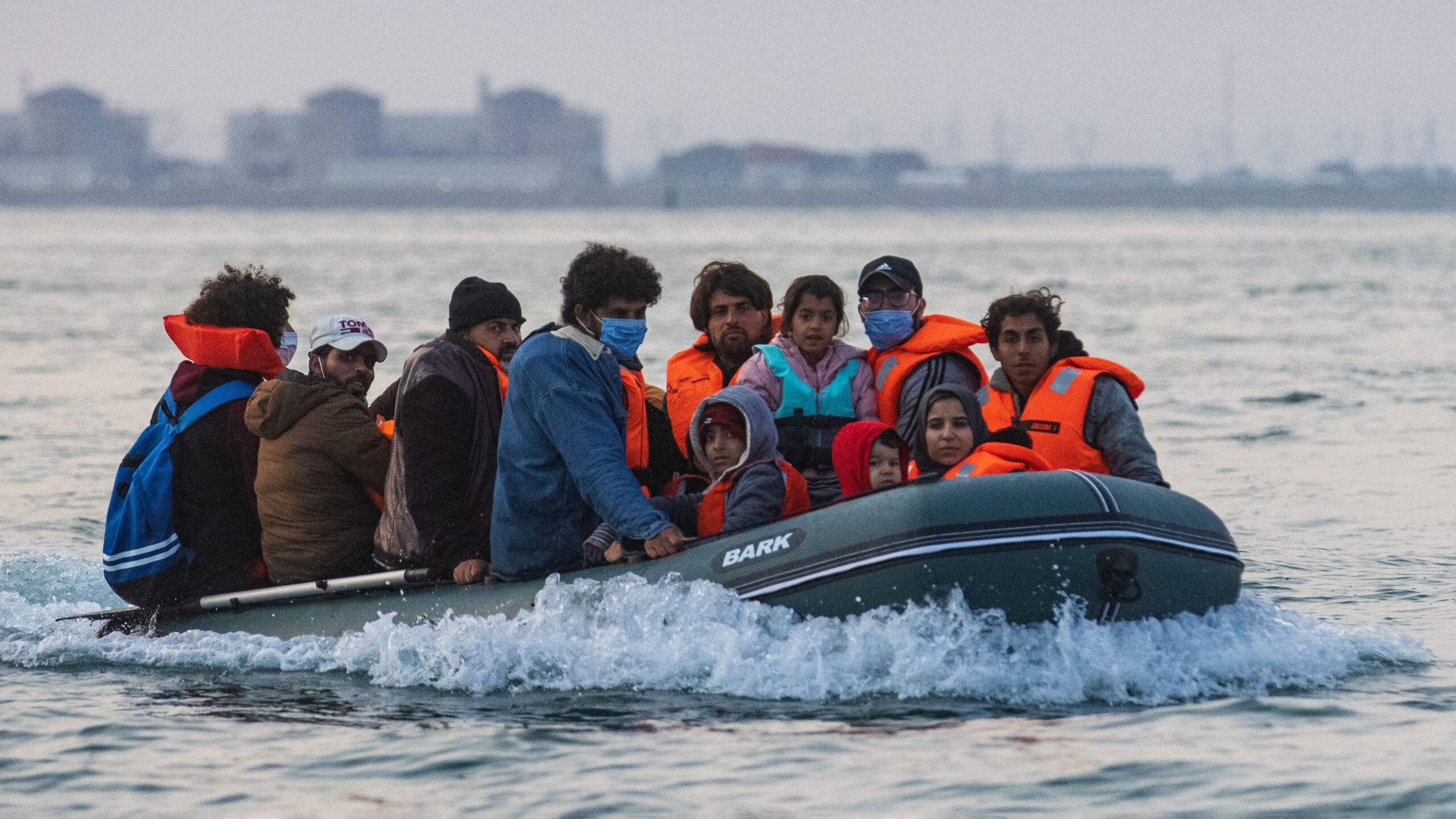
Gulf states are collectively investing billions of dollars in developing renewable energy. Yet climate change patterns in neighboring regions, combined with rising average temperatures, could eventually trigger more serious climate migration problems for the Gulf countries themselves.
The Gulf states: Beneficiaries of the Russia-Europe energy war?
The Gulf states are often overlooked as indirect beneficiaries of the Russia-Europe energy war. In what ways and to what extent have they leveraged it? Are these benefits sustainable?
Will Kuwait’s new parliament resolve its political impasse?
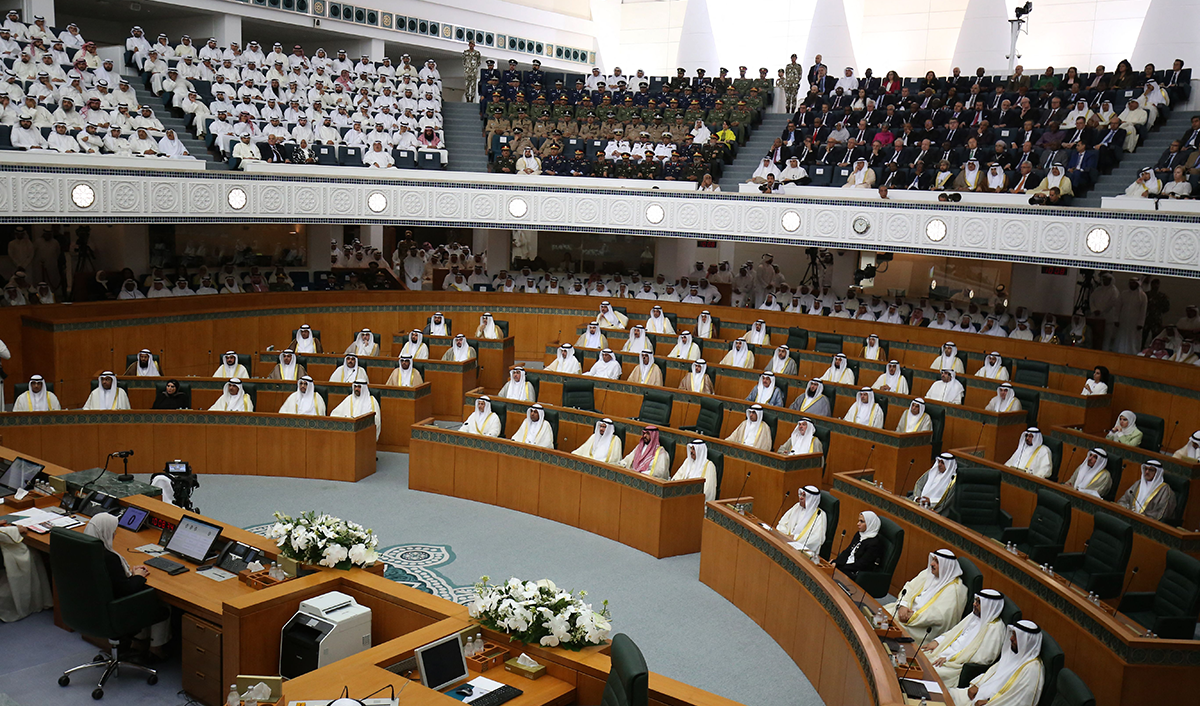
Kuwait’s Sept. 29 parliamentary elections were supposed to bring change to the gridlock and governmental churn that had plagued the country in recent years. Kuwaitis initially appeared optimistic about the results, calling on the amir to appoint a strong government to work with the National Assembly. Questions remain, however, as to how well the government and the majority opposition parliament will be able to cooperate to implement the necessary reforms.
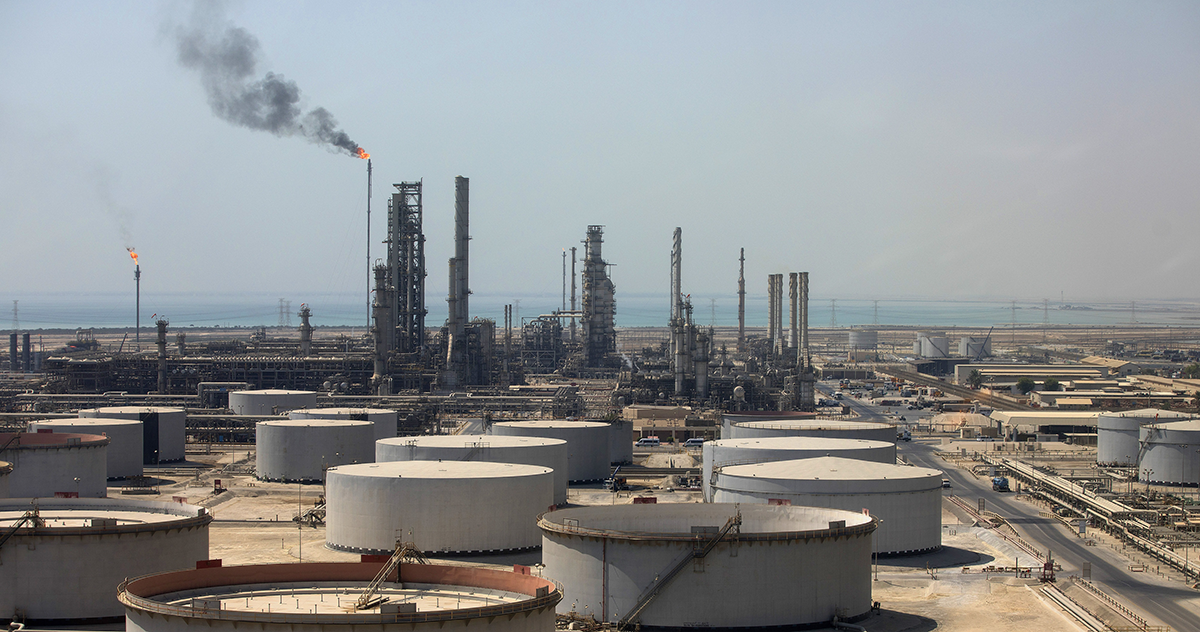
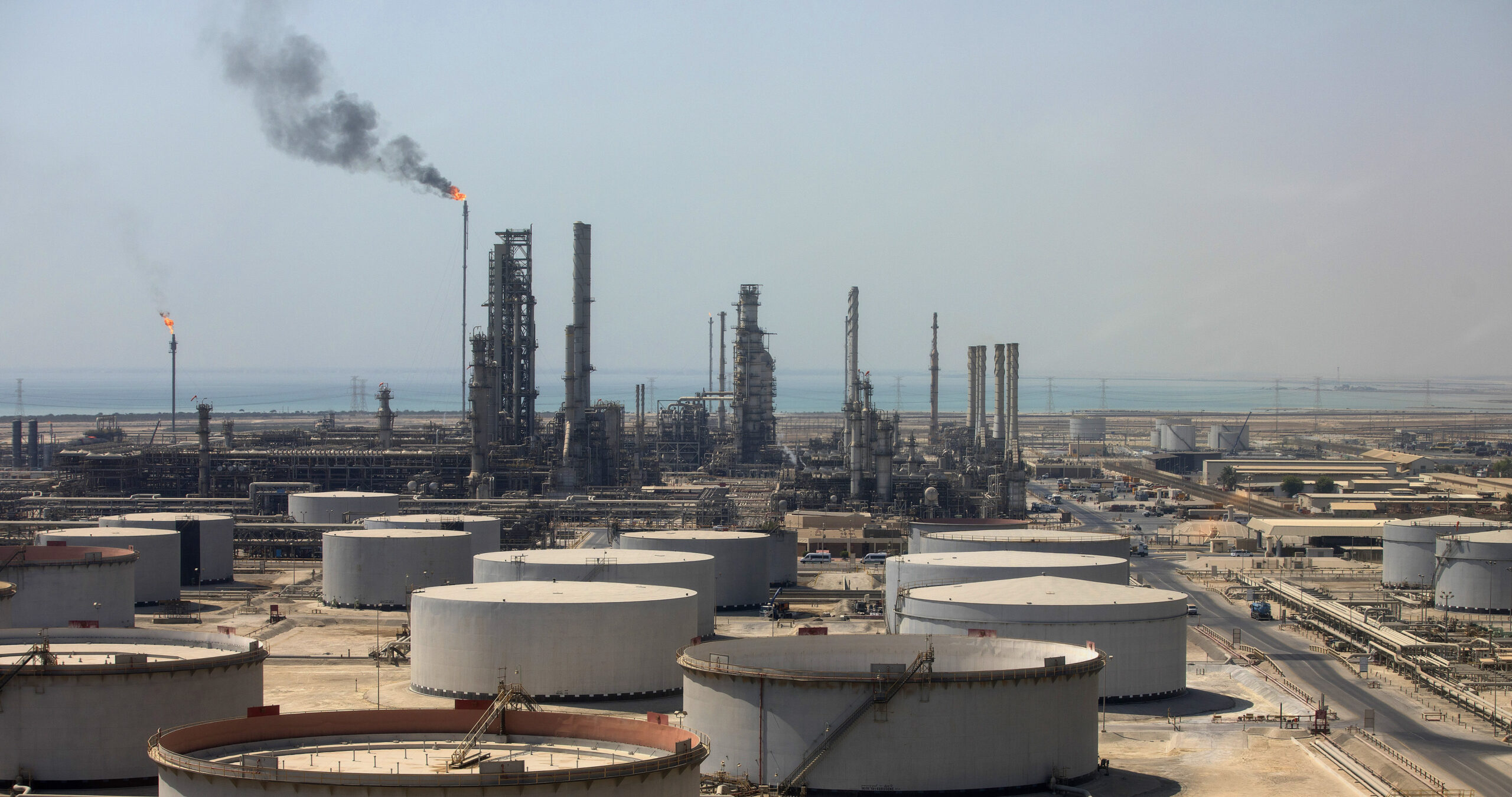
Under current, highly unpredictable market conditions, it is unreasonable for OPEC to make sharp movements to saturate the oil market or withdraw a significant number of barrels from it to meet divergent Western interests of lowering prices and punishing Russia.
Beyond Post-Desert Storm: How to Elevate the US-Kuwait Security Partnership
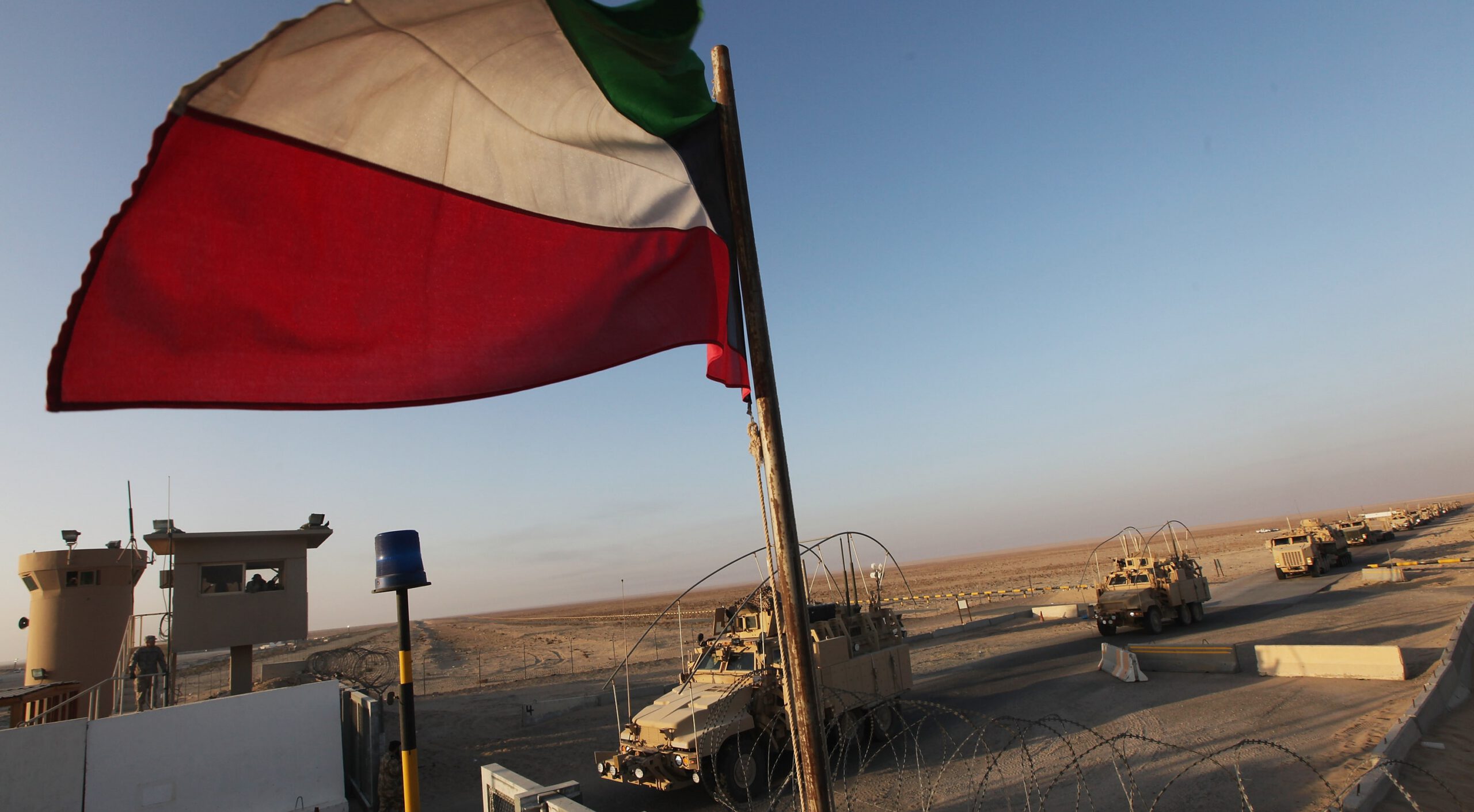
Kuwait plays a larger role than is often assumed in America’s present and future military plans in the Middle East. But as Washington prioritizes the Indo-Pacific, it is critical that the security arrangement between the United States and Kuwait is thoughtfully reconfigured.
On Sept. 2, the United Nations appointed a new special envoy for Libya, Senegalese diplomat Abdoulaye Bathily. But to have any chance of success, Bathily will need to reach out to local-level Libyan leaders who oppose the status quo preferred by Libya’s national politicians.