The Next Paradigm-Shattering Threat? Right-Sizing the Potential Impacts of Generative AI on Terrorism
This Study analyzes how and to what extent terrorists and violent extremists have interacted with generative AI so far, identifies potential ways in which they could misuse generative AI in the future, and then contextualizes these threats with the likely broader impacts of generative AI. In doing so, the Study seeks to identify a likely trajectory for the abuse of this technology by terrorist actors as well as concludes with some initial recommendations for policymakers.
The Biden Administration’s National Cybersecurity Strategy: Opportunities and Challenges
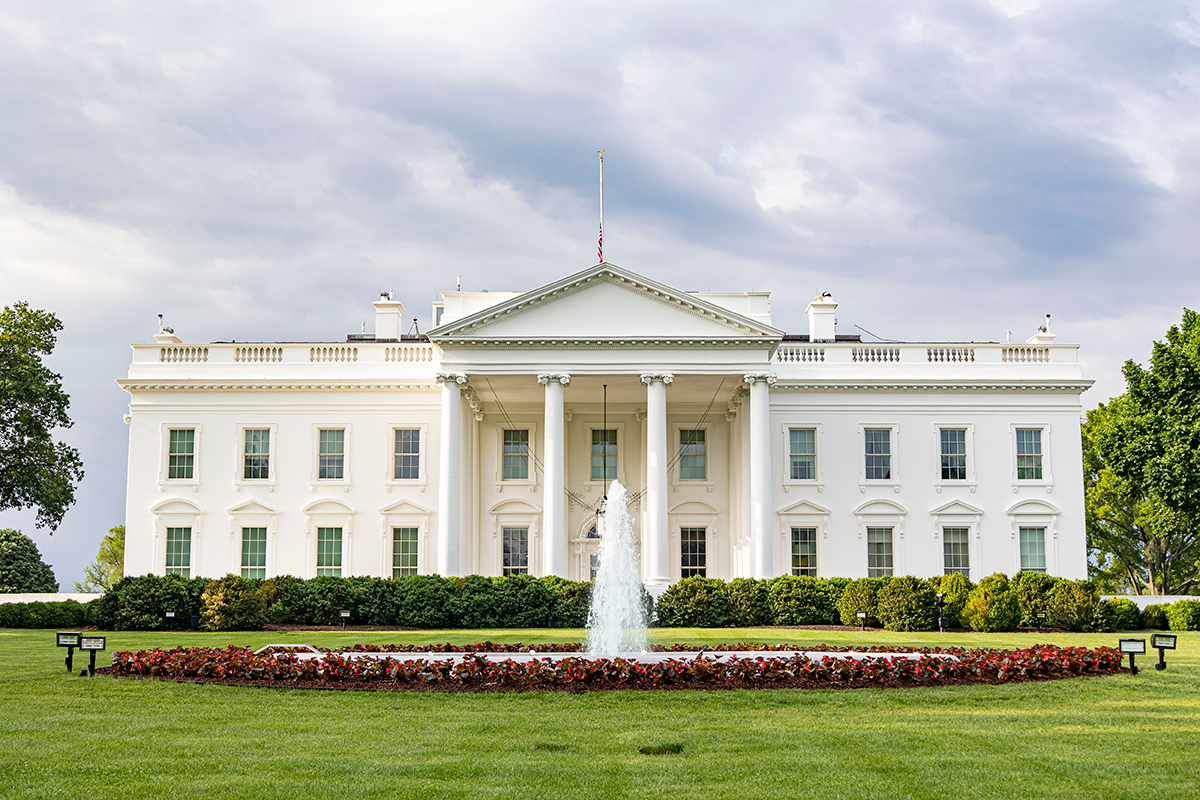
The Biden administration’s National Cybersecurity Strategy, published in March 2023, outlines how the White House plans on defending America’s digital ecosystem from malicious threat actors. The document defines key priorities for shaping a global cyber landscape that is more resilient and secure, but the administration will face obstacles and challenges while putting its plan into action. Overcoming these obstacles will require it to devise flexible, sustainable, and realistic policies at home and establish robust cyber coalitions and trade frameworks with allies and partners abroad.
Transformational implications of moving toward smart cities in the Gulf
As Gulf nations embrace the opportunities presented by developing smart cities, challenges such as cybersecurity and infrastructure sustainability must be addressed through strategic policies and trusted partnerships to ensure a secure and sustainable digital transition.
AI global governance regime gradually taking shape
In recent years, the international community has witnessed a surge in momentum toward the development of standards for artificial intelligence (AI) governance. The AI Safety Summit, convened last month by Prime Minister Rishi Sunak, marked a diplomatic milestone and a definite step in the right direction. However, its impact is contingent on the ability of the global community to navigate the multiparty landscape of AI governance.
The Middle East's critical mineral resources: A key to the clean energy transition?
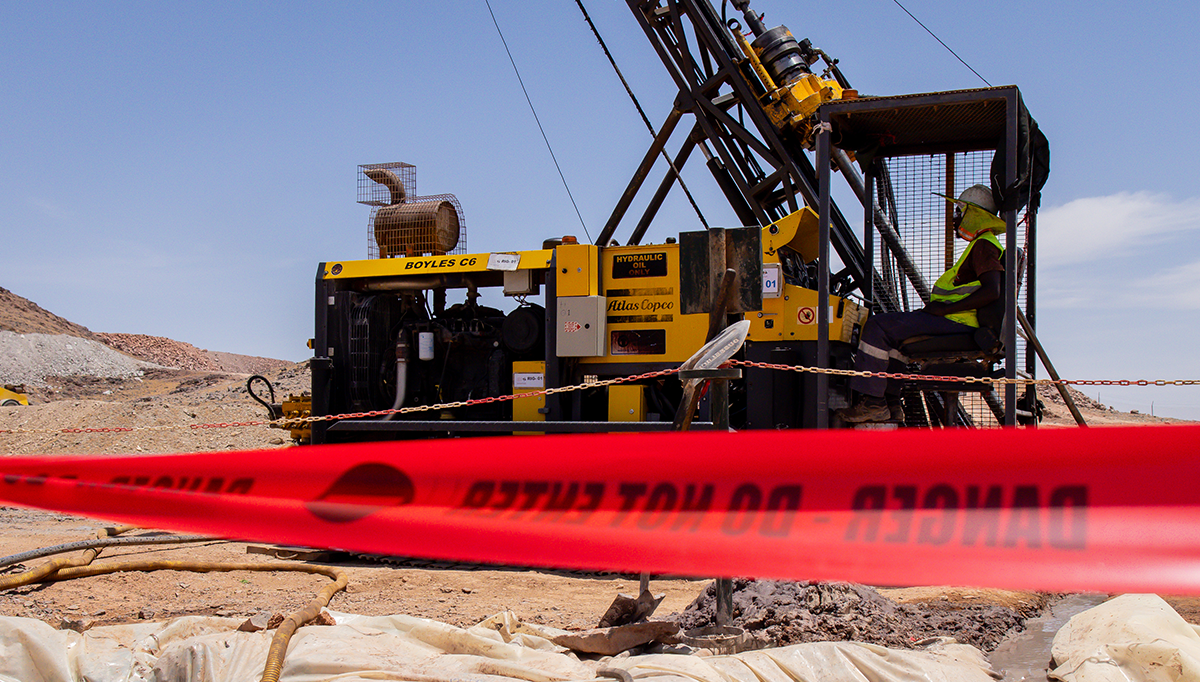
The transition toward renewable and clean energy sources, both in the Middle East and around the world, relies on the availability of critical minerals. Critical minerals are set to be the foundation upon which a sustainable, clean energy future is built, catalyzing innovation and progress on a global scale.
The October 7 Hamas attack: An Israeli overreliance on technology?
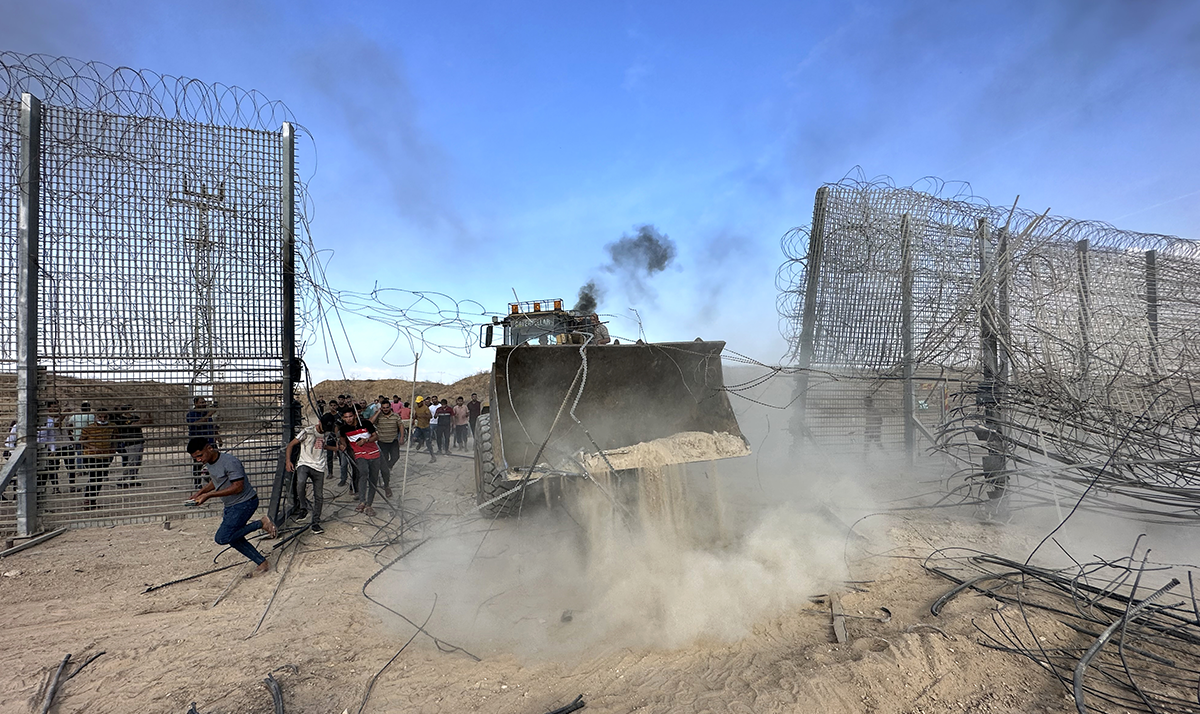
Did the IDF rely too heavily on advanced technologies in its effort to secure and fortify Israel’s border with Gaza? That is one of many questions that have arisen in the days since Hamas’ Oct. 7 incursion into Israel and attacks on Israeli forces and civilians. The absence of early warnings from data collected via sensors, cameras, and surveillance drones along the border’s “smart fence,” as well as the penetration of the Iron Dome missile defense system, has led to a sense that Israel experienced a tragic “high-tech failure.”
Bytes and Beltways: Decoding Beijing’s Tech-Centric Geopolitics in the Gulf
As China pursues a grand strategy aimed at displacing the US-led global order, technology has emerged as a fourth pillar alongside the political, military, and economic elements of its plans. A test case is the Arabian Gulf. Since the 2010s, China has been strategically enhancing its influence in West Asia, with a particular focus on the Gulf states, leveraging technology as a potent tool. This approach involves the deployment of Chinese software and hardware, coupled with joint technology and cyber initiatives.
The US Cyber Workforce and Education Strategy: A blueprint for building cyber talent in the Gulf
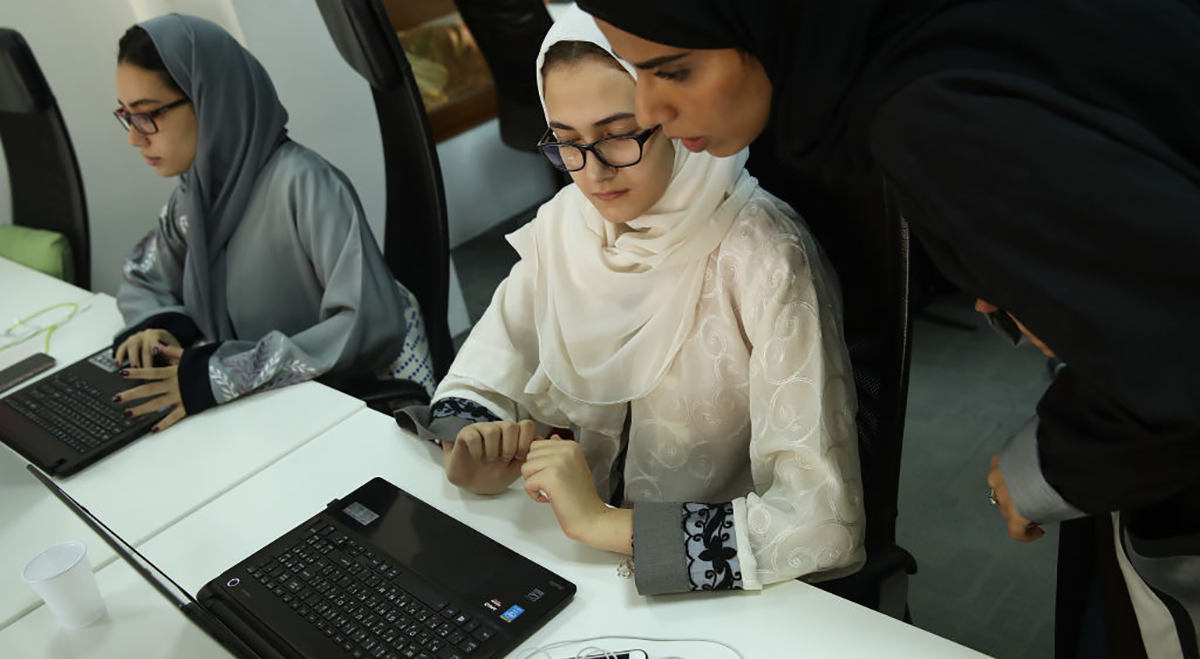
In July 2023, the White House released the National Cyber Workforce and Education Strategy. The strategy is designed to address the cybersecurity workforce shortage by emphasizing skills-based hiring and lifelong learning. It also provides guidance for other nations, particularly in the Gulf region, as they undergo their own digital transformation and work toward gender equality in their workforces.
Enhancing US-EU collaboration in MENA's digital development
Both the U.S. and the EU are increasingly focusing on digital development in the Middle East and North Africa as part of their efforts to support economic growth and tackle the region’s youth unemployment crisis. Deeper transatlantic cooperation in this field would greatly benefit both sides and drive forward digital development in the region.
Just over one year ago, I asked a simple question in The National Interest: What if machine learning—the most famous research paradigm in artificial intelligence (AI) today—is more limited than it seems? I expressed concern that the United States Department of Defense (DoD) could be unprepared for a slowdown or stagnation in AI development (an AI “winter”).
From oil wells to power cells: How Saudi Arabia and its Gulf neighbors are securing their future through battery technology
As the world shifts toward a more sustainable future, the GCC states are also embracing this profound transition, moving from oil wells to power cells. With their vast resources, strategic location, and commitment to sustainability, the Gulf countries are uniquely positioned to become major players in the global battery supply chain. By embracing the potential of battery technology, these nations are not just preparing for a post-oil future but are actively shaping it.