How will the war in Ukraine affect EU-MENA relations?
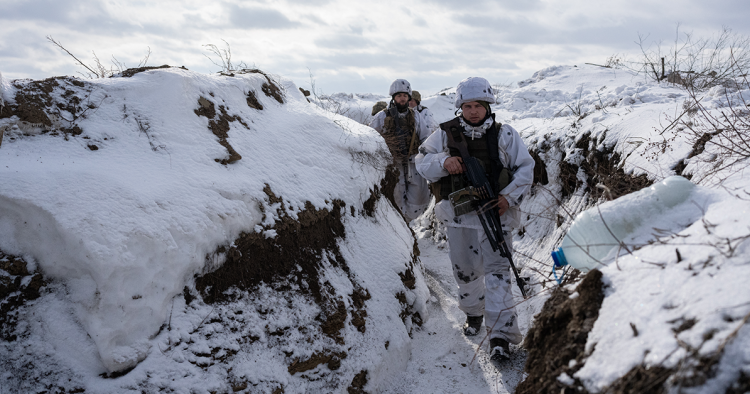
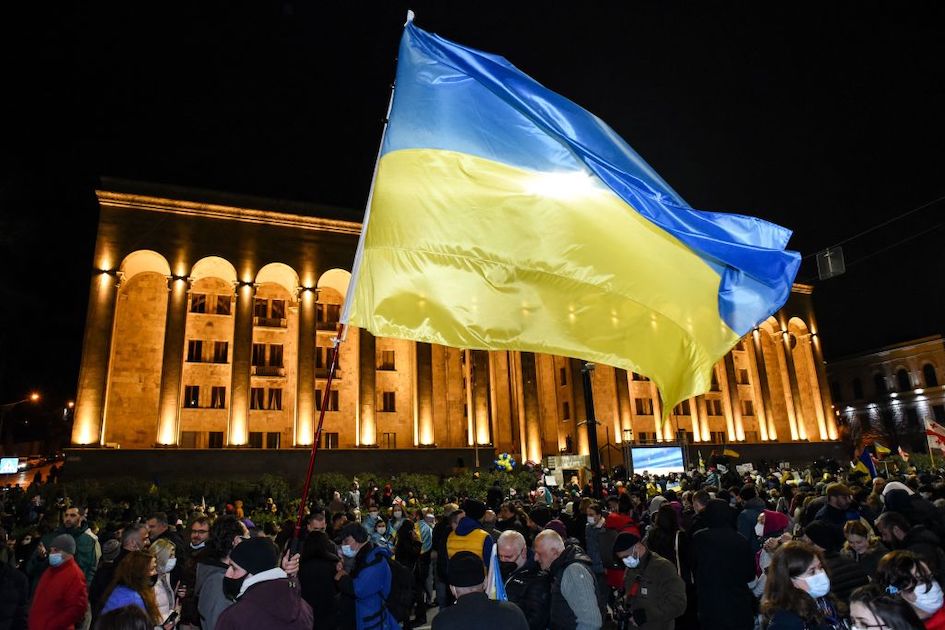
While most analyses of the war in Ukraine have tended to focus on the intra-European dimension, it is worth exploring the potential consequences of this conflict for the EU’s relations with countries further afield, especially those in the Middle East and North Africa.
Yemen: Ending the War, Building a Sustainable Peace
Seven years on from the launch of the Saudi-led coalition’s military campaign on March 26, 2015, the civil war in Yemen remains stalemated. The fundamental realities of the conflict have not changed substantially in over five years. Meanwhile, the conditions under which the majority of innocent Yemenis are living continue to deteriorate. It’s time to consider measures that can promote an end to the conflict and lay the groundwork for post-conflict reconstruction.
Iran’s regional agenda and the call for détente with the Gulf states
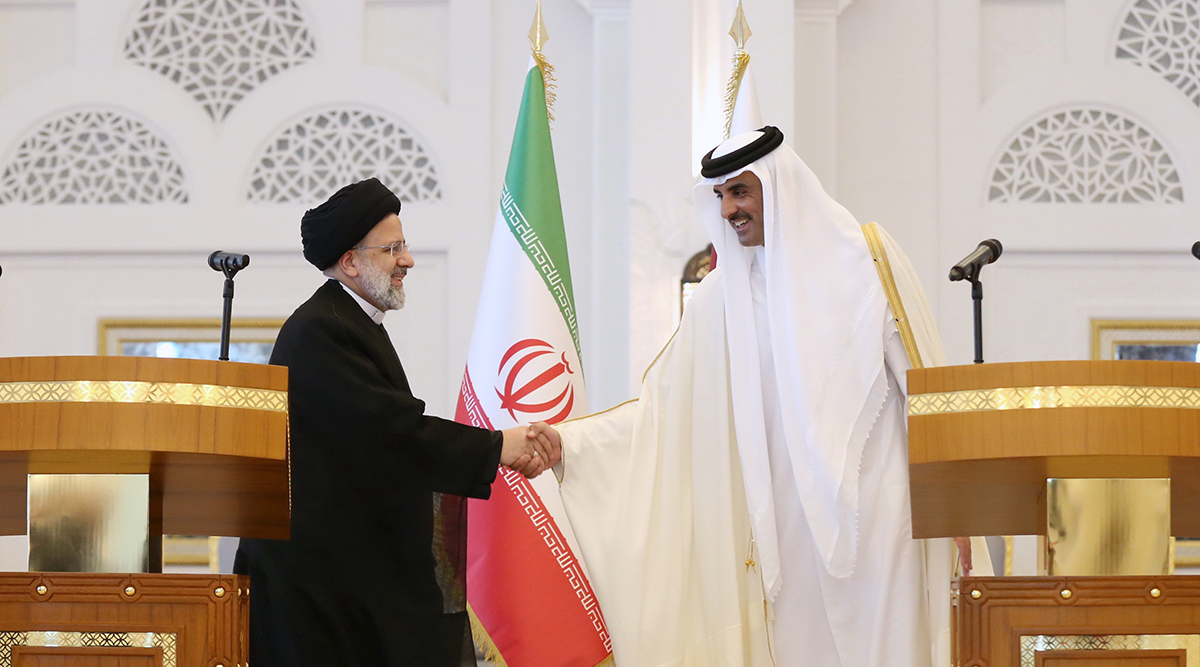
As both a candidate and as president, Ebrahim Raisi has repeated a basic mantra: that he will seek to quickly improve relations with Iran’s neighbors, and particularly the Arab Gulf states. But what are his motivations for this and what are the potential hurdles?
Severe sand and dust storms are an underrated risk in the Gulf region, despite mitigation measures
The precise causes of sand and dust storms (SDSs) are not fully known, but they are becoming better understood. Armed with this knowledge, regional actors are beginning to respond in the face of intensifying SDSs.
How will the war in Ukraine affect Gulf oil producers?
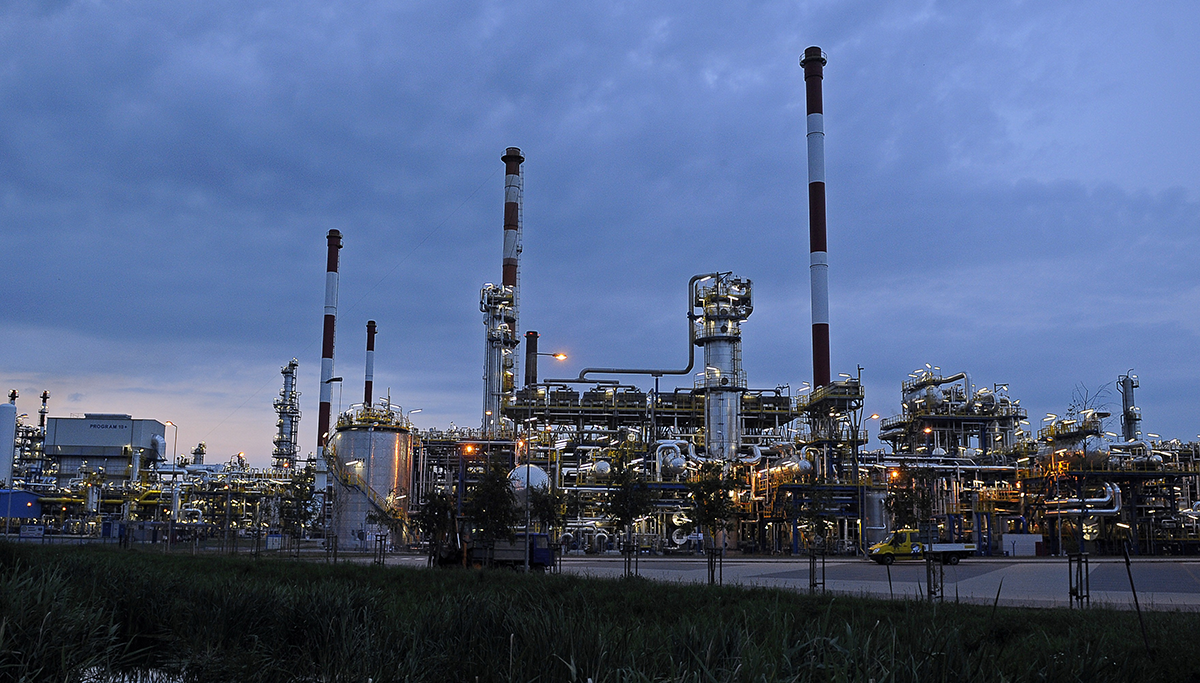
Although Western countries have managed to limit Moscow’s capacity to export oil, the Arab Gulf monarchies are unlikely to be able to benefit in the near term. This may change in the long run, however.
رائحة الثورة: آفاق الإصلاح في ظل الحكومة العراقية المقبلة
وستجد الحكومة الجديدة في جلستها الأولى على مكتبها عددًا من الملفات الشائكة ، تتفاوت في درجة أهميتها وخطورتها وإلحاحها. ستكون المهمة الأولى للحكومة هي ترتيب أولوياتها.
The smell of the revolution: The prospects for reform under the next Iraqi government
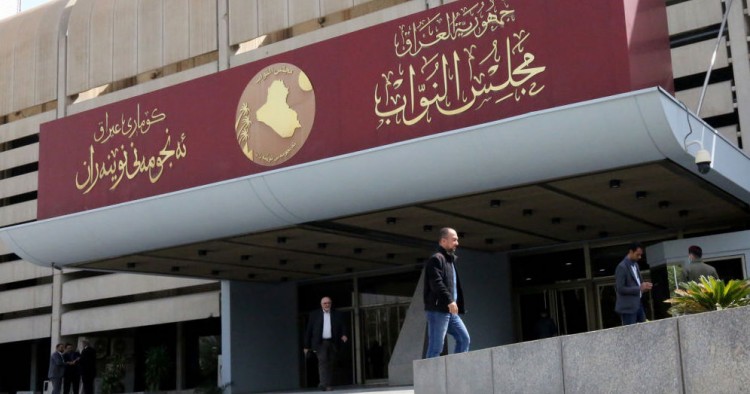
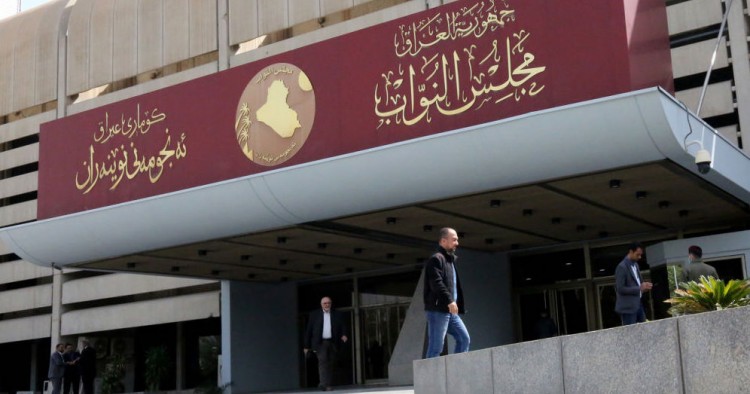
In its first session the new Iraqi government will find on its desk a number of thorny files, which vary in their degree of importance, danger, and urgency. Its first task will be to prioritize them. How it chooses to do so will be shaped by several sets of factors, including intrinsic internal ones, as well as regional and international developments. Its priorities when it comes to the security, economic, and service files will play an important role in determining if the government will be able to remain in office and complete its constitutional term.
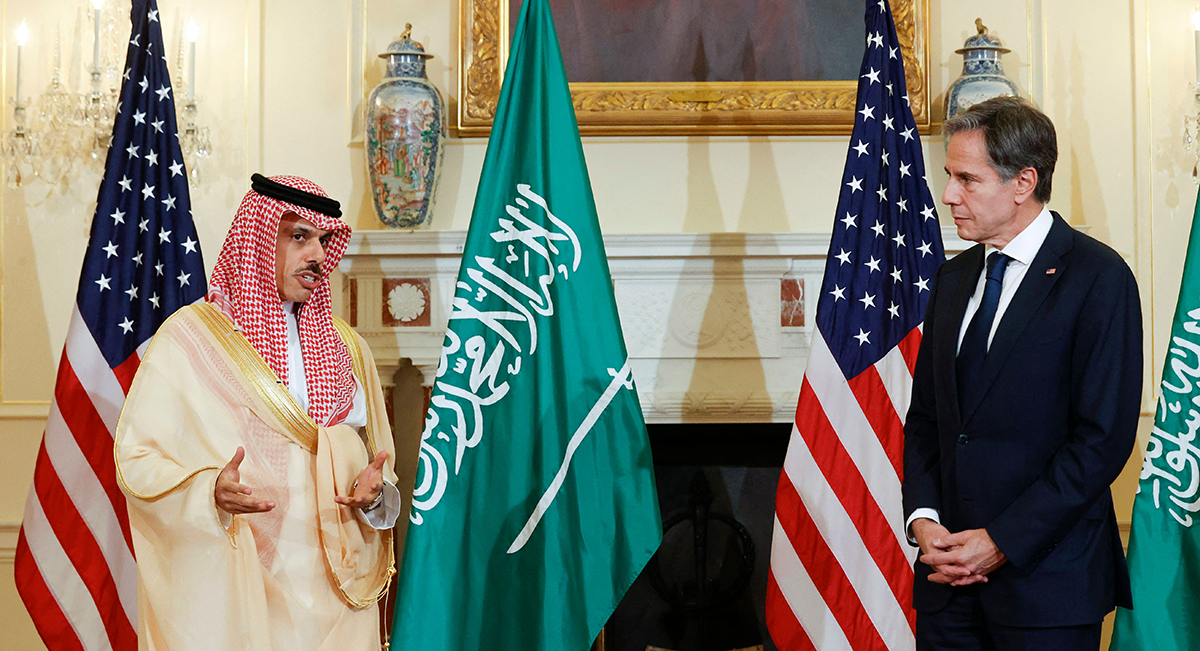
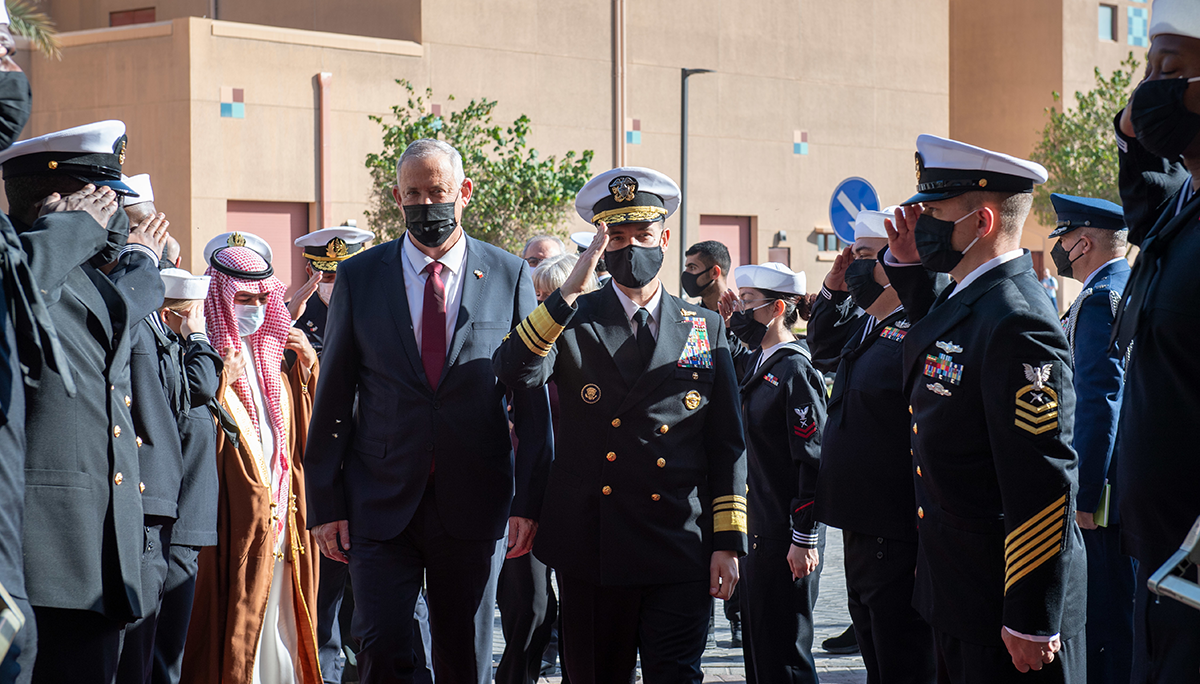
Through the vehicle of defense reform, the Biden administration has an opportunity to engage the Saudis on critical national security matters while safeguarding U.S. strategic interests and honoring American values.
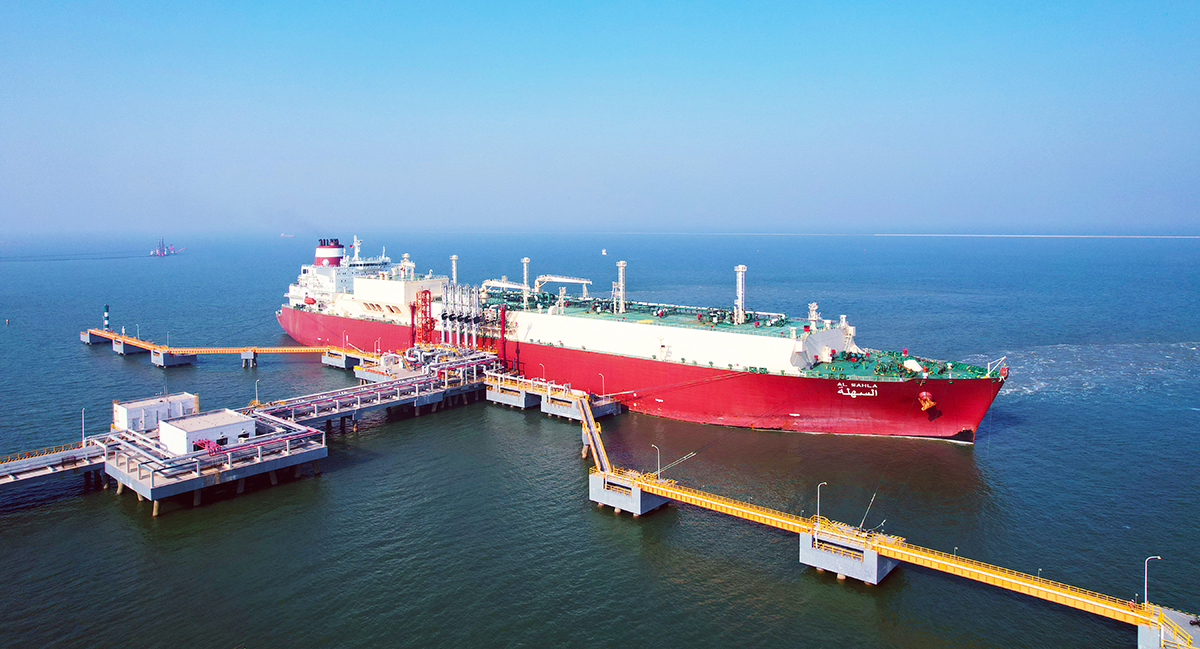
Qatar and global LNG: Potential pivot from Asia to Europe?
The global LNG landscape is changing, and while Qatar will continue to be a major LNG exporter, it will briefly drop to third in the global rankings until planned expansion projects come on stream in the middle part of the decade. Strategically, Qatari suppliers may opt to change their market supply profile, which will have a knock-on effect on the global market, both LNG suppliers and buyers.
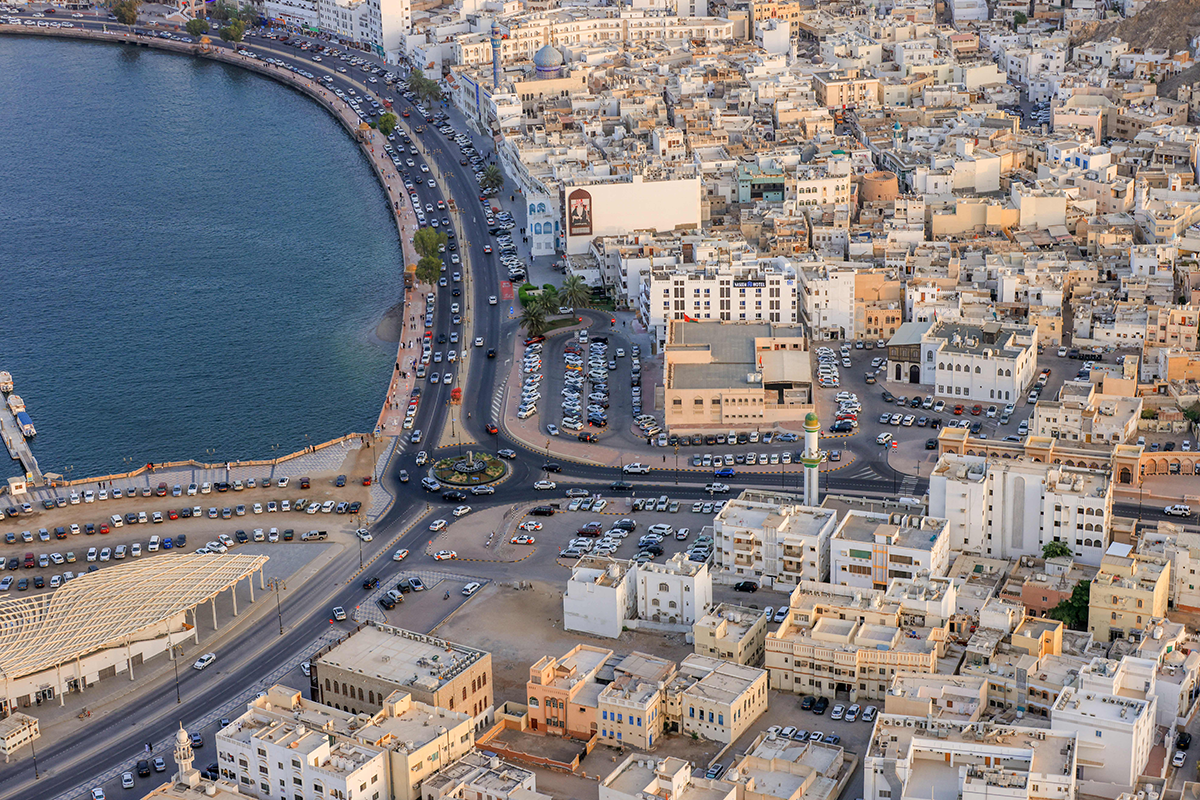
Balancing the books: A deep dive into fiscal policy and diversification in Oman
This policy brief provides a deep dive into the far-reaching and interrelated policies imposed by the government to reduce the country’s deficits, debts, and reliance on hydrocarbons.
The civil war in Yemen is well into its eighth year with no end in sight. It is imperative that the United Nations, with the United States and other key powers in support, do more to end the suffering and begin the long process of rebuilding and reconstructing Yemen. But that work cannot begin until there is a common understanding of what the obstacles are to achieving a peaceful resolution. In particular, what tools can and should the United States use to pressure the Houthis and overcome their resistance to negotiations?
Thanks to Iran, Israel emerges stronger as the US shifts its focus away from the Middle East
The U.S. is disengaging from the Middle East as it shifts its focus elsewhere, a move widely perceived within the region as a sign of a coming American departure. Many in Israel were concerned that this would strengthen Iran and its influence in the region. Instead, it is Israel that has emerged stronger.
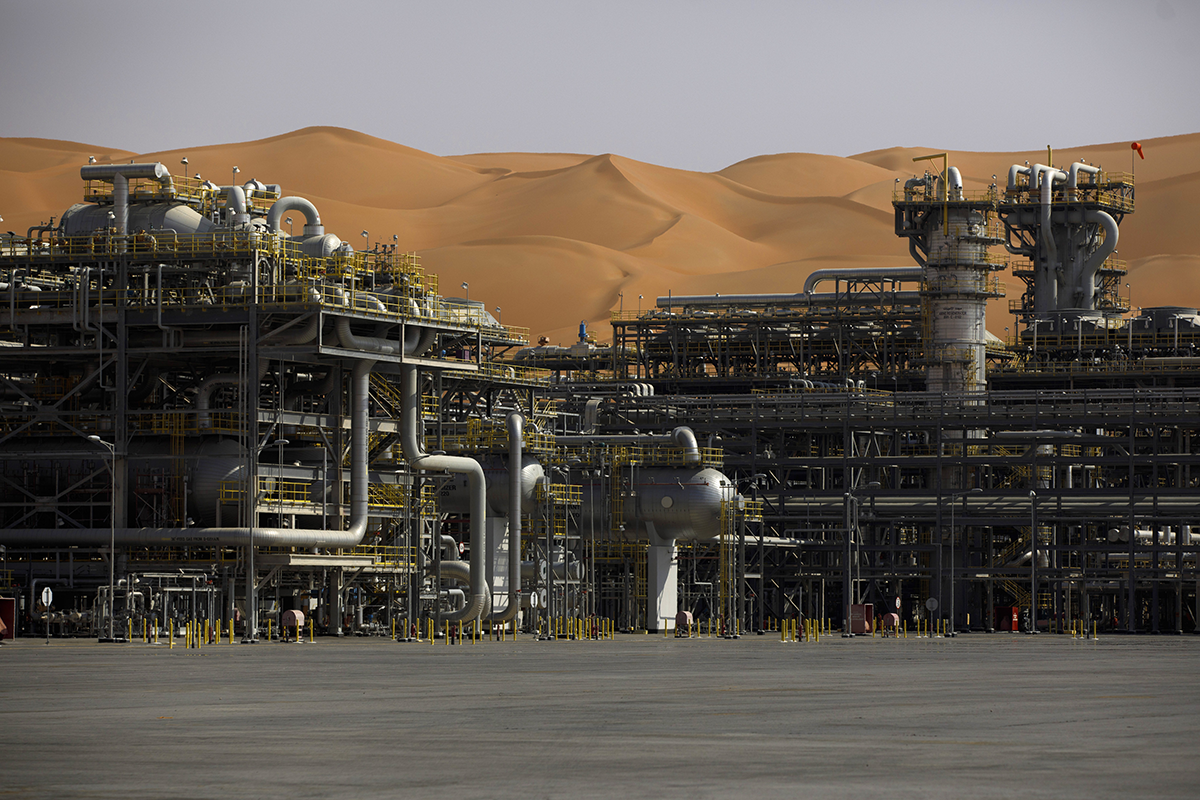
Saudi Arabia’s natural gas aspirations: The domestic outlook
With the recent announcement of the Jafurah Field, a massive unconventional, non-associated gas play, Saudi Arabia is looking to enter the global gas sector. The field’s estimated reserves, while substantial, are insufficient to meet current domestic needs and, in the future, displace dirty heavy fuel oil used in power generation and satisfy international export goals. The kingdom thus faces difficult decisions regarding the allocation of the Jafurah gas — to either domestic or international markets — and both options have significant challenges.