Israel’s ties with pre-revolutionary Iran provided a road map for the Abraham Accords
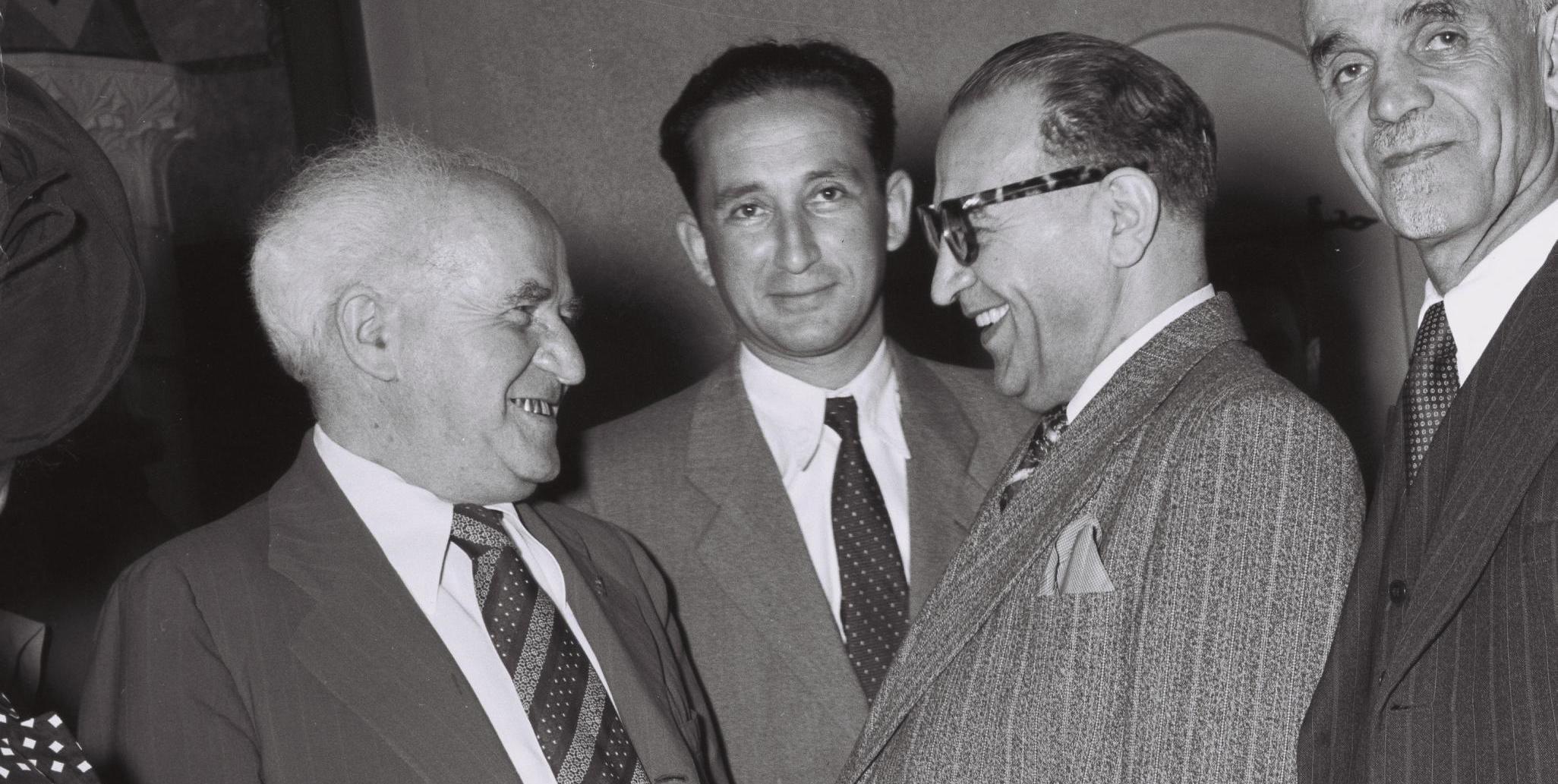
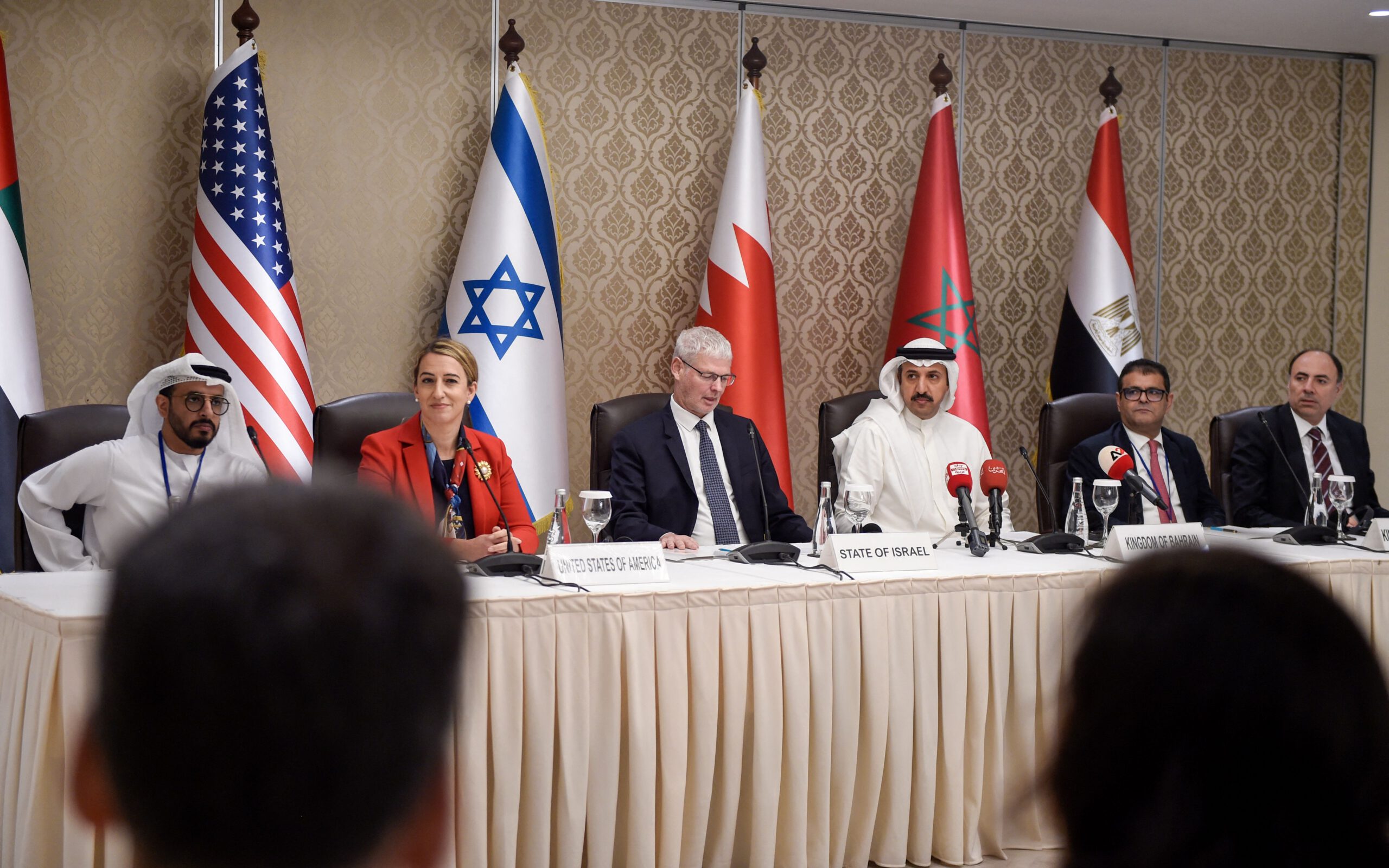
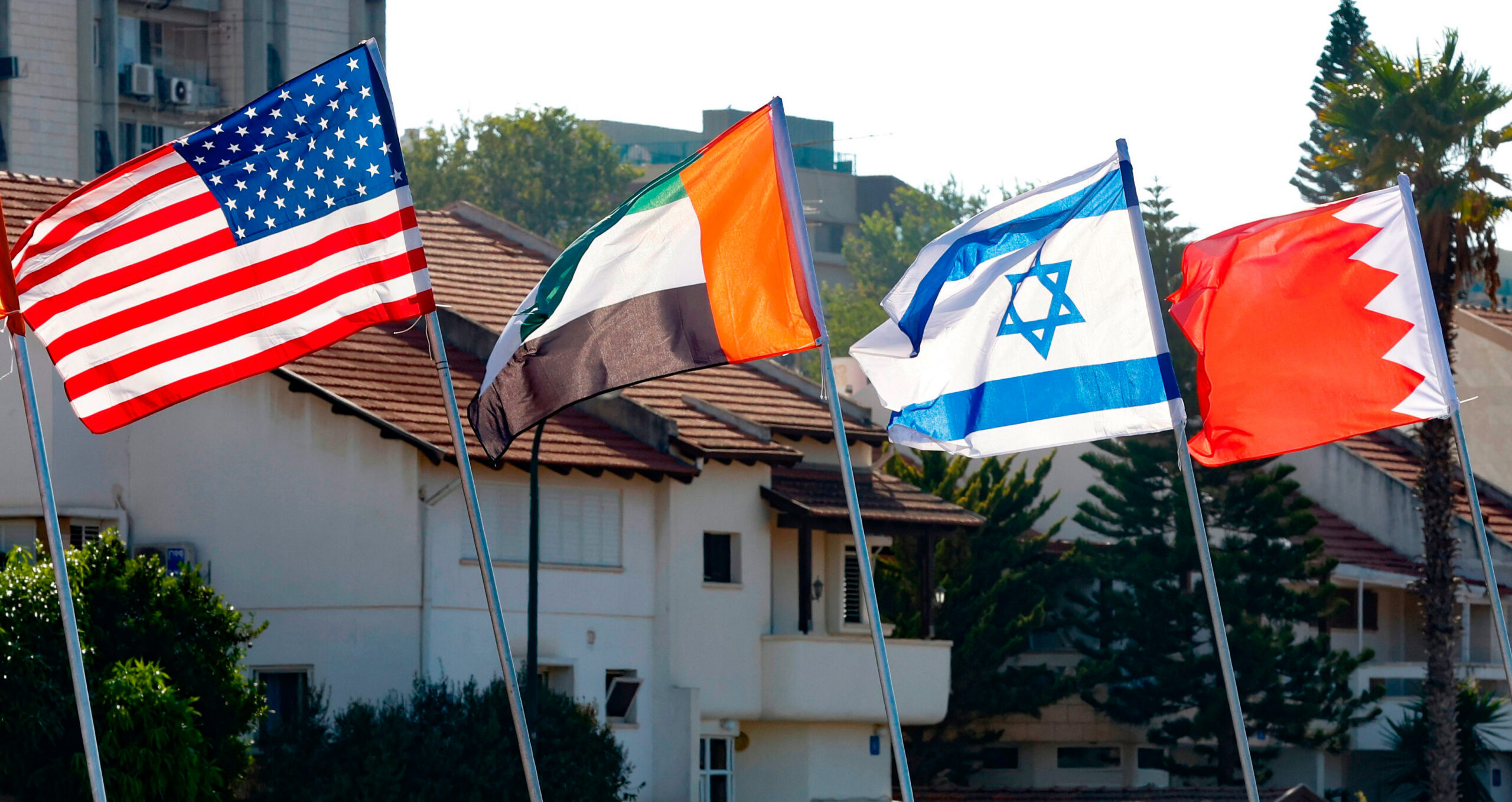
In the 1950s-1970s, the bilateral relationship between Israel and pre-revolutionary Iran provided a road map for the process leading to a normalization in ties between the Jewish state and Arab countries in the 2020s.
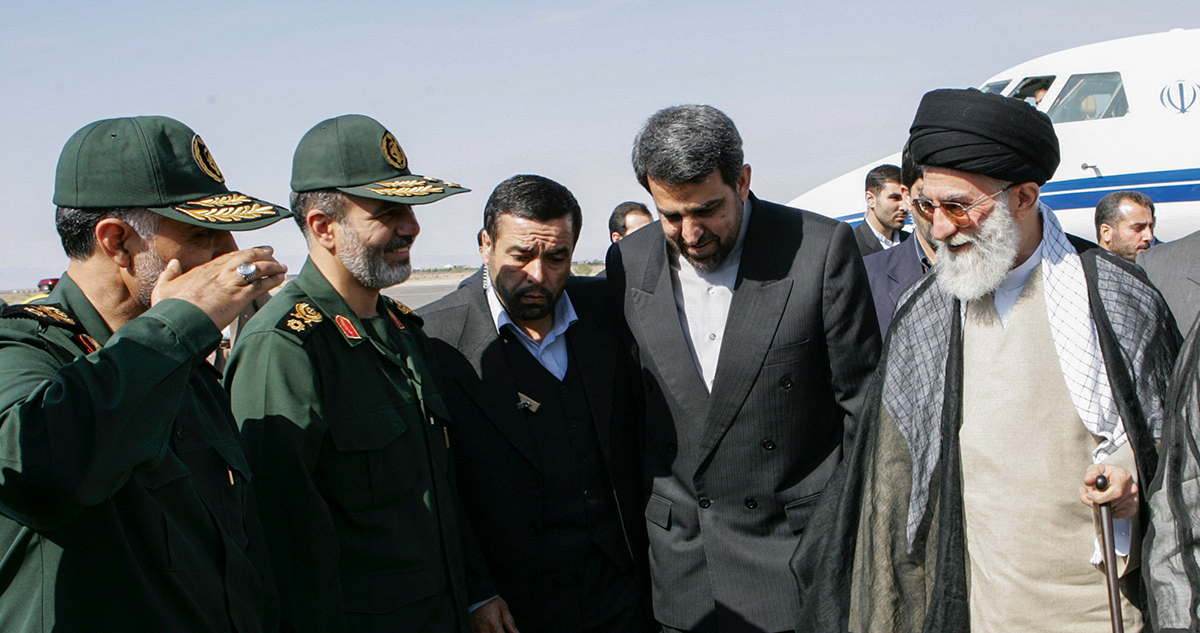
The recent removal of IRGC commander Ali Shamkhani from his role as the head of the Islamic Republic of Iran’s top foreign and security policy body, the Supreme National Security Council (SNSC), has triggered assessments about the potential implications for Tehran’s external calculus. But the changes at the SNSC should not be viewed in isolation. Rather, they must be understood and assessed in the context of a much deeper transformational project that began in 2019, personally spearheaded by Supreme Leader Ayatollah Ali Khamenei.
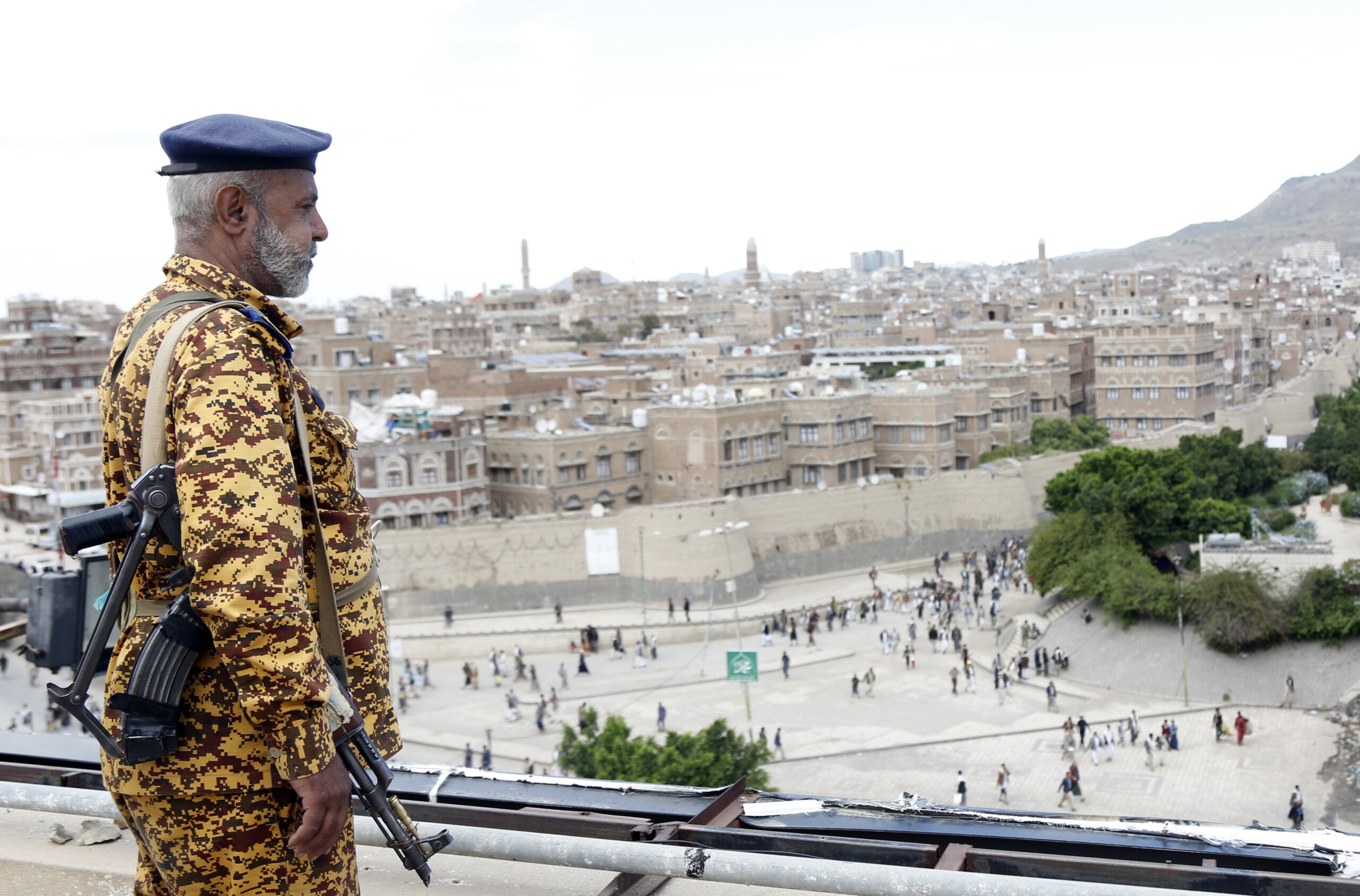
The Houthi partnership model: Is there a strategy behind the tactics?
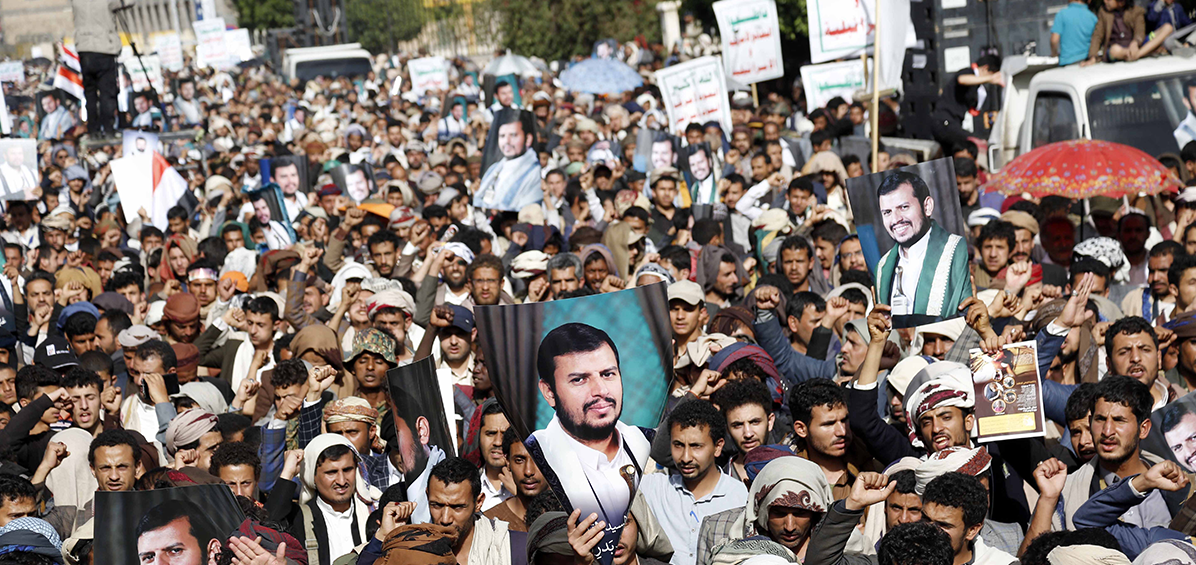
With the international community viewing the latest “de-escalation roadmap” as paving the way for yet another transitional power-sharing agreement in an effort to “end” Yemen’s protracted conflict, it is useful to review how the Houthis have navigated past partnerships to understand how things may play out in the future.
Iran’s security chief Shamkhani did his job but had to go
Late last month, Iran’s Supreme Leader Ali Khamenei opted to replace the secretary of the Supreme National Security Council (SNSC), Ali Shamkhani. The latter’s removal after 10 years spent in this key role has generated much speculation, misinformation, and outright disinformation.
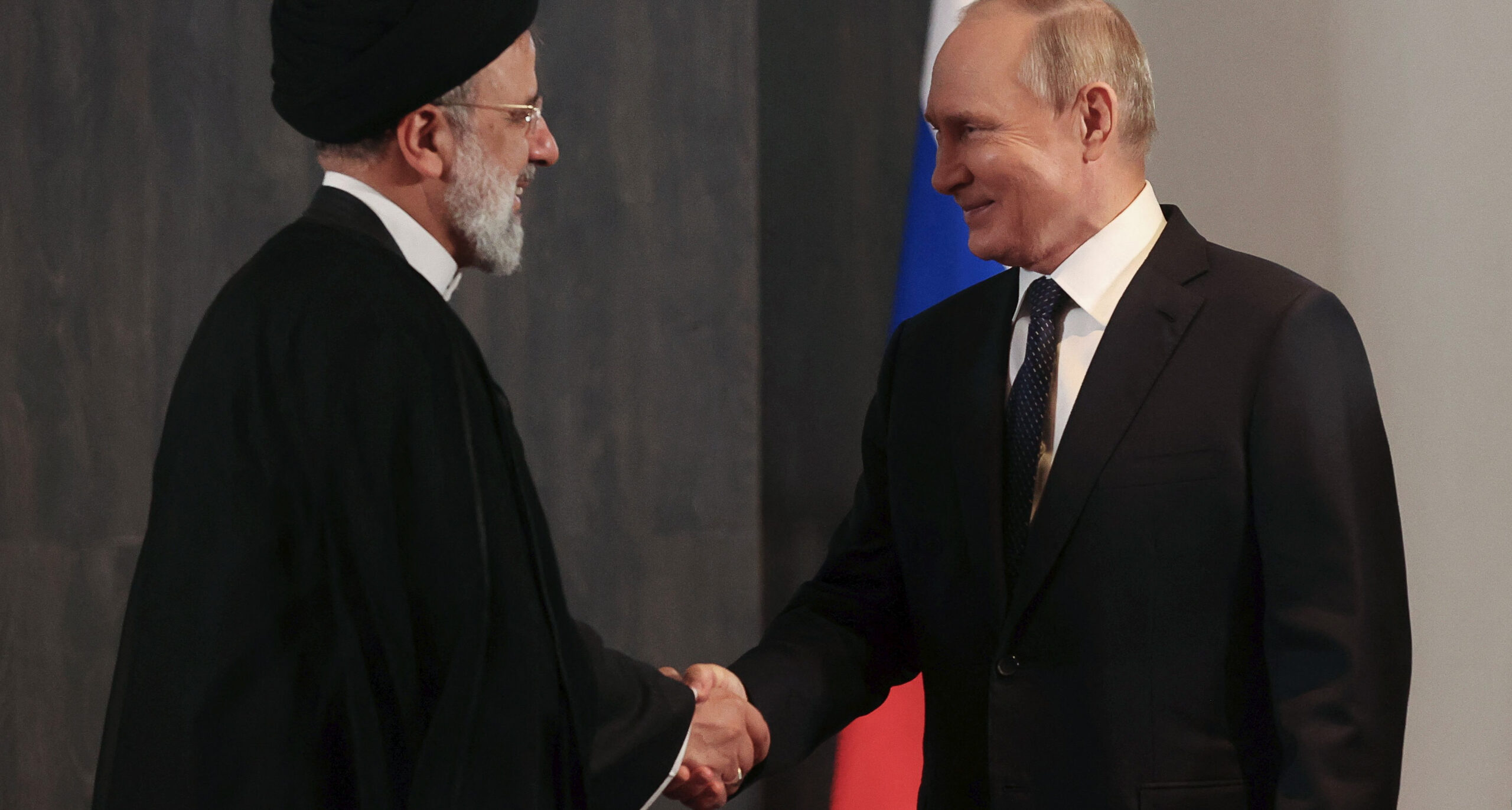
Diagnosing Iran’s emerging pivot toward Russia and China
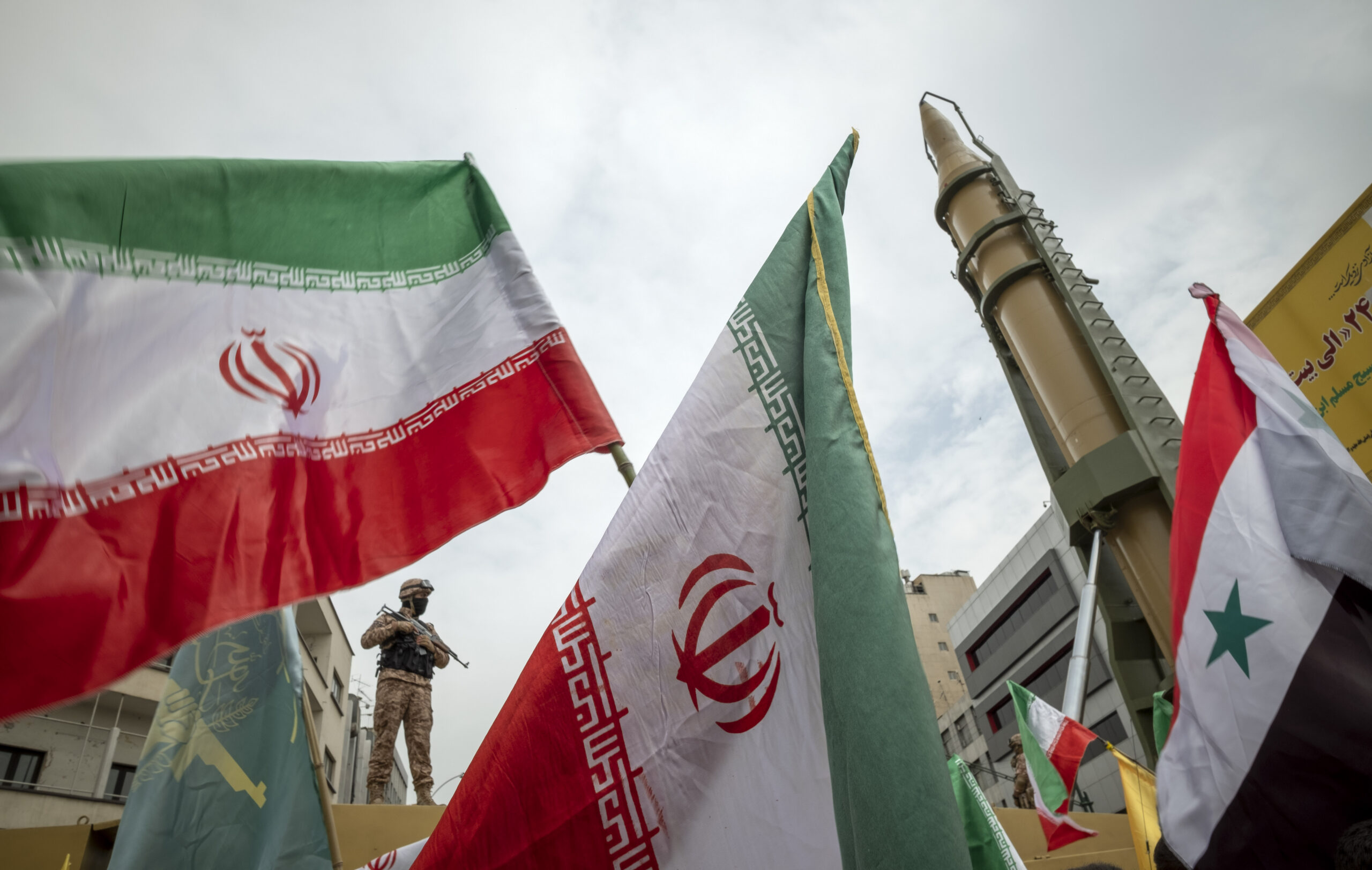
Since Raisi’s election to the presidency, Iran is pursuing a two-tiered foreign policy: a vigorous and determined shift toward Russia and China on the one hand, while, on the other hand, making incremental concessions on its nuclear program to give the impression that another deal can be struck to replace the JCPOA. The former approach is being implemented with almost zero fanfare and the latter with extensive publicity.
Putting Diplomacy First in the Middle East: Creating Incentives for De-Escalation
The Middle East is undergoing a historic transformation with unprecedented opportunities to build new relationships, de-escalate tensions, and foster conditions for stronger integration. At the same time, the region remains on edge because of ongoing tensions in Yemen, Syria, Iraq, and other conflict zones, a civil war that broke out recently in Sudan, along with the overarching challenges presented by fraught relations between Iran, Israel, and several Arab Gulf countries — with the longer-term implications of the still-fragile Iranian-Saudi rapprochement yet to be fully assessed.
In an era of Middle East détente, how should the US and Israel respond?
Both Washington and Jerusalem welcome any reduction in regional tensions and prospects for a more stable, secure, and prosperous environment. However, there is a risk for U.S. and Israeli policy priorities, such as that regional de-escalation will reduce pressure on Tehran to negotiate on issues of concern, especially its nuclear weapons program.
A Three-Part Formula to Persuade Armed Groups in Yemen to Respect Human Rights
During nearly a decade of grinding civil war in Yemen, nonstate armed groups and hybrid actors have proliferated on all sides of the conflict. Members of some armed groups have committed violations against civilians, including arbitrary detentions, forced disappearances, torture, land grabbing, extortion, and gender-based violence.
The IRGC’s enmity toward Israel is an aberration in Iranian history
Iran’s Islamic Revolutionary Guard Corps (IRGC) is at its core an ideological army, not a national one, and its notorious enmity toward Israel is an aberration in Iranian history. But many Israelis to this day think Iran could be a natural partner as long as the country gave up its pursuit of ideologically driven regional dominance, disavow calls for the destruction of Israel, and were instead to again allow the regular army, the Artesh, to pursue Iranian national interests.
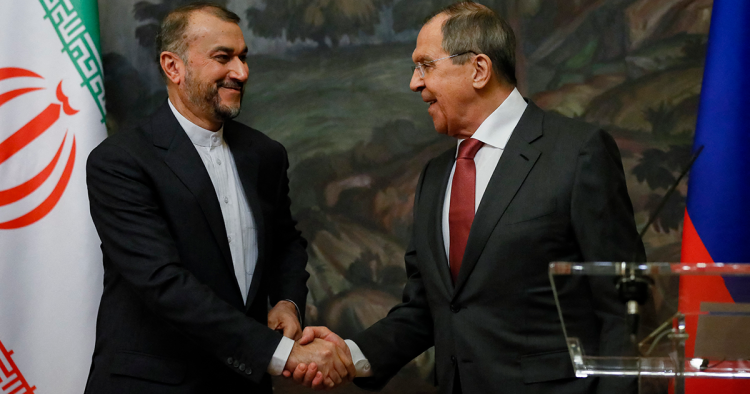
One of Russian President Vladimir Putin’s special envoys keeps visiting Iran. Igor Levitin, Putin’s advisor, has visited Tehran twice in 2023, totaling five visits in the last six months. During his latest visit, Levitin met with top Iranian figures, including Mohammad Mokhber, first vice president and top economic coordinator, and Ali Shamkhani, secretary of the Supreme National Security Council.
Both historical and modern-day conflicts in the Middle East have all been centered around classical territorial considerations of the loss or recovery of land. Escaping that cycle required a shift away from one of the main root causes of conflict: geography. The current changes in the region, characterized by a significant drive toward de-escalation and a growing willingness to periodically part ways with traditional allies, may be telling symptoms of a profound tectonic shift toward “quantum politics.”
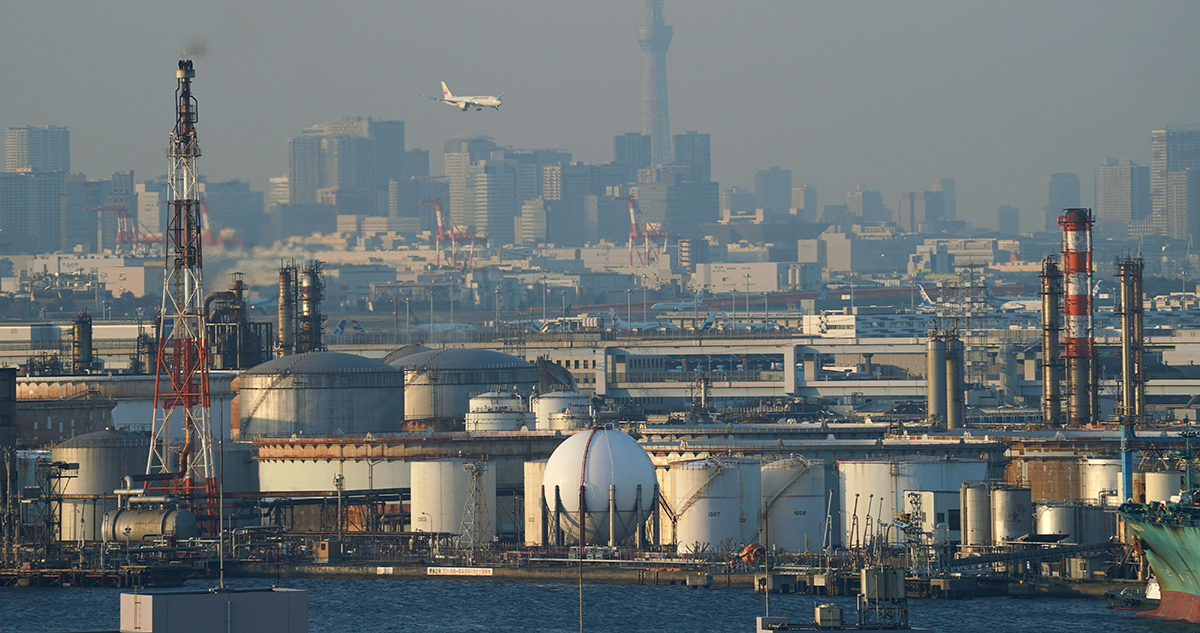
When Saudi Arabia suddenly announced in early April that it would reduce its oil production by 500,000 bpd, followed shortly thereafter by several other OPEC+ members, bringing the total cut to 1.1 million bpd, Japan was greatly concerned. In spite of Japan’s serious efforts to work toward a carbon-neutral society, the country is still heavily dependent on oil, the overwhelming majority of which comes from the Persian Gulf.