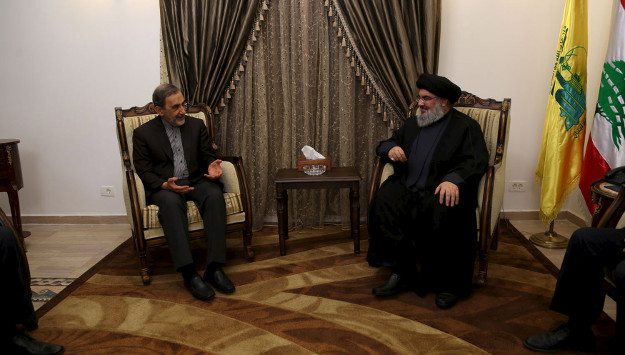
Hezbollah Deputy Leader Expresses Gratitude to Iran and Syria
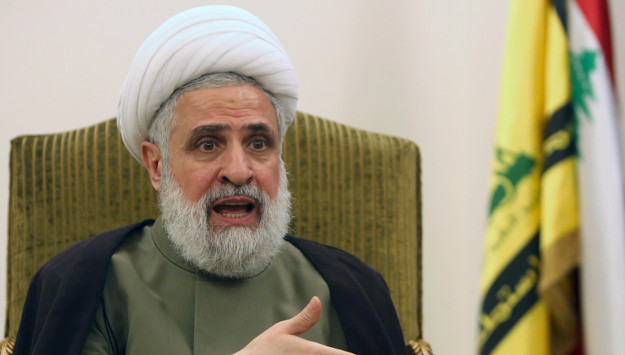
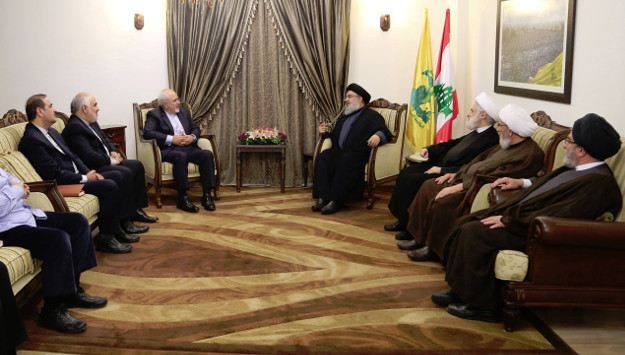
The deputy head of Lebanon’s Hezbollah organization, Naim Qassem, has again come out to remind a skeptical Lebanese population about reasons why the militant group has intervened in the Syrian conflict. According to Qassem, Hezbollah’s approach is “non-interference in the affairs of other countries” but
The introduction of the draft in Gulf monarchies — after decades of sovereign statehood — presents an interesting puzzle. What are the reasons behind the newly implemented conscription? What broader implications does this phenomenon have for the Gulf? This essay addresses these questions.
Tehran Views GCC Overture as “Sign of Weakness,” Not Goodwill Gesture
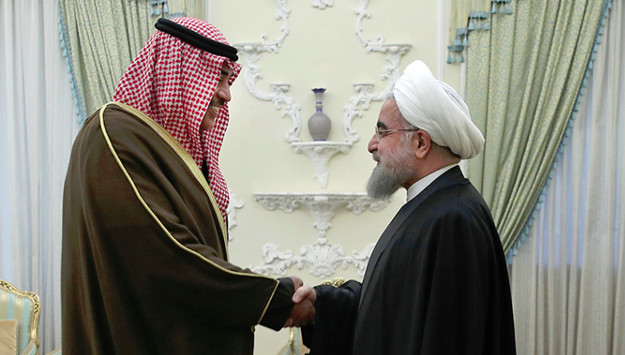
Kuwaiti Foreign Minister Sheikh Sabah Khaled al-Sabah has arrived in Tehran today to deliver a message from Gulf Cooperation Council (GCC) on a strategic dialogue between the Gulf Arab states and Iran, the Iranian and Arab media report. “Gulf states have a true desire that relations with Iran are normal and based on international law,” Sabah said on Tuesday after attending the inauguration of a NATO center in Kuwait.
Lebanon’s Government Should Lay the Groundwork for Fairer Representation and Accountability
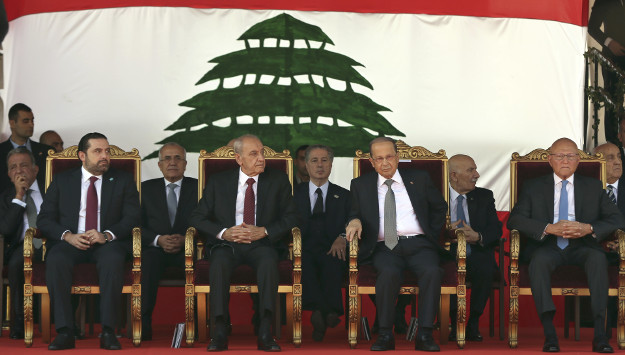
The Lebanese parliamentary electoral system is the worst in the world. It ensures that a small sectarian oligarchy can monopolize control of parliament and state power, and it sets impossible obstacles to the rise of new political parties and alternative leadership. The necessary remedy is to introduce proportional representation, either through the mixed system proposed by the National Electoral Law Commission headed by Fouad Boutros in 2006, or through other variations proposed by a number of groups since then.
Iran Steps up Efforts to Expand Its Influence in Lebanon
On January 6, a high-level Iranian parliamentary delegation visited Beirut and pledged to provide military aid to the Lebanese army. Alaeddin Boroujerdi, the chairman of Iranian Parliament’s Committee for Foreign Policy and National Security, said the Islamic Republic was “determined to arm Lebanon’s army,” but added that the implementation of the plan was contingent upon Beirut’s approval.
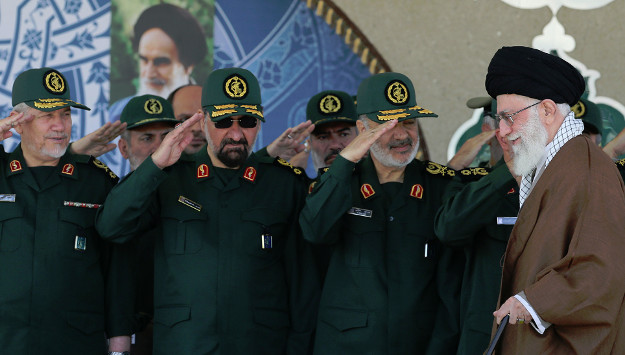
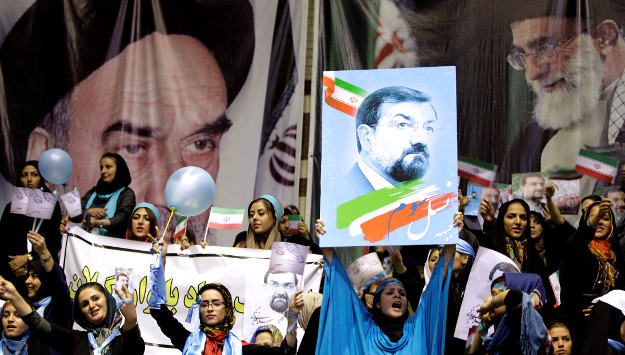
News Brief:Mohsen Rezaei, the long-time former head of the Islamic Revolution Guards Corps (IRGC), has launched a scathing attack on the government of President Hassan Rouhani and its pol
Hezbollah Front Company Allegedly Training Kuwait University Students
A Lebanese company fronting for Hezbollah allegedly has contracted with Kuwait University to provide students with training in computers and information science, according to the Kuwaiti daily al-Shahed. Alarmed Kuwaitis have asked the Ministry of Education to investigate the reports. According to the al-Shahed report, the sources claim that the front company is using its program to “brainwash” the students and is providing them with free travel to Lebanon, including tickets and accommodations, which includes arranging visits to Hezbollah headquarters in Beirut.
The long, turbulent history of Lebanese cinema is one fraught with financial precariousness, thwarted potentials, and colonialist impediments. Fighting for decades to break away from the hegemony of Egyptian cinema, Lebanon finally came of age in the 1960s and 1970s, reaching a peak with a series of hugely popular mainstream flicks that included the popular Rahbani/Fairuz folk musicals. The rise of what was once deemed as the most exciting Arab cinema at the time proved to be short lived, coming to a premature halt with the outbreak of the Lebanese Civil War.
From Conflict-insensitive to Conflict-driven Aid: Responding to the Syrian Refugee Crisis in Lebanon
In part due to a broader move from an emergency to development-based approach and due to pressure from central Lebanese government authorities, the humanitarian effort has now been coupled, since mid-2014, with one that takes into greater account the needs of local host communities alongside those of refugees. This traces the way in which tensions between hosts and refugees have become increasingly central to the development and execution of aid projects aimed at community-level support. The author argues that this has important consequences that may actually incentivize the tensions it aims to alleviate.
New to the Oman Library’s shelves is a distinct collection, donated by Sallie Lewis on behalf of her late husband, Ambassador Samuel Lewis. This new addition brings a unique set of stories to the library, with many works containing signatures and personal notes from well known figures who worked closely with the ambassador during his career in the foreign service.
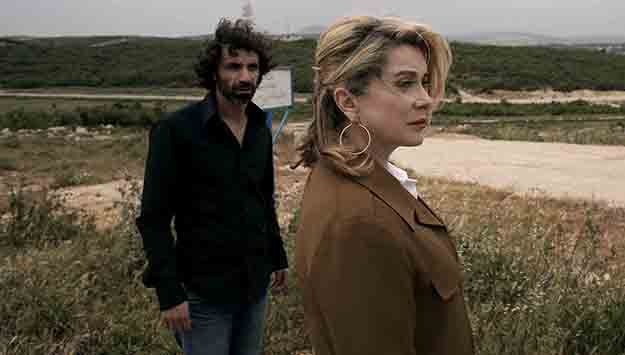
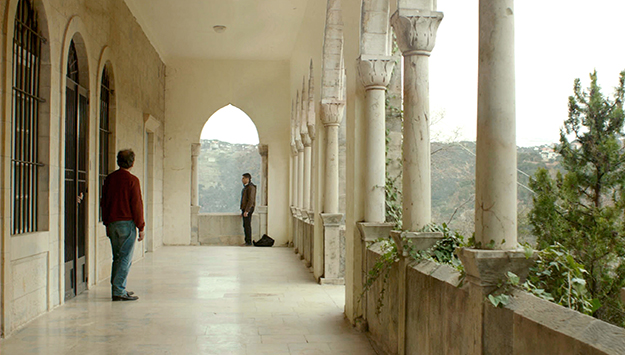
Countless films have been made about the Lebanese Civil War, the dominant subject of Lebanese cinema for the past 40 years. But in Vatche Boulghourjian’s striking debut film Tramontane, he wanted to tell a different story and tackle the lingering legacy of the civil war.
Iran Hails Aoun’s Election as Victory for Resistance
On Monday, Lebanon’s lawmakers ended more than two years of political gridlock and elected Michel Aoun as the country’s president. The news was greeted with elation in Tehran as Aoun, a former general from Lebanon’s Christian community, is a close ally of Iran-backed militia and political party Hezbollah.
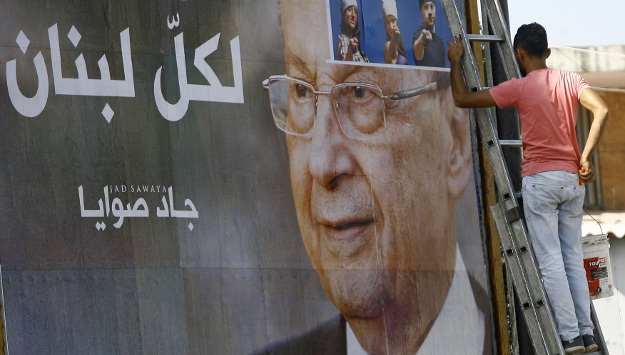
“Kullun haramiyyeh” — “they’re all thieves” — is the most common sentiment about Lebanon’s politics on the streets of Beirut. You’ll hear it from street vendors, waiters, students, teachers, architects, taxi drivers, doctors, Muslims, and Christians. It’s a view, in short, that unites this perpetually fragmented country.