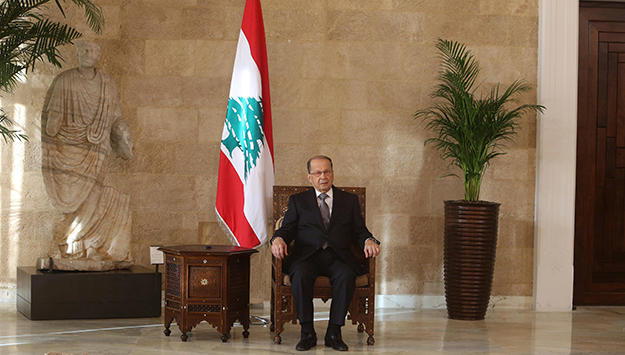
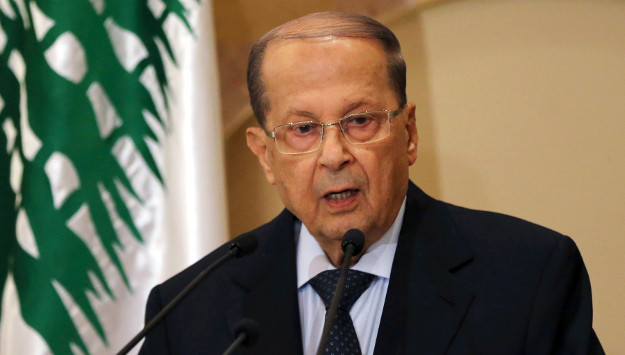
After a hiatus of two and a half years, Lebanon has a new president. The Lebanese parliament has elected Michel Aoun, a former army chief, as the country’s 17th president. Michel Aoun owes the presidency to three men: Samir Geagea, the leader of the Christian Lebanese forces, Saad Hariri, the former Sunni prime minister, and Hassan Nasrallah, the leader of the Shiite Hezbollah.
Note: This article was published by Foreign Affairs on October 29; On Monday, October 31, Michel Aoun was elected president. Read the full article on here.
Against Ontologies of Hospitality: About Syrian Refugeehood in Northern Lebanon
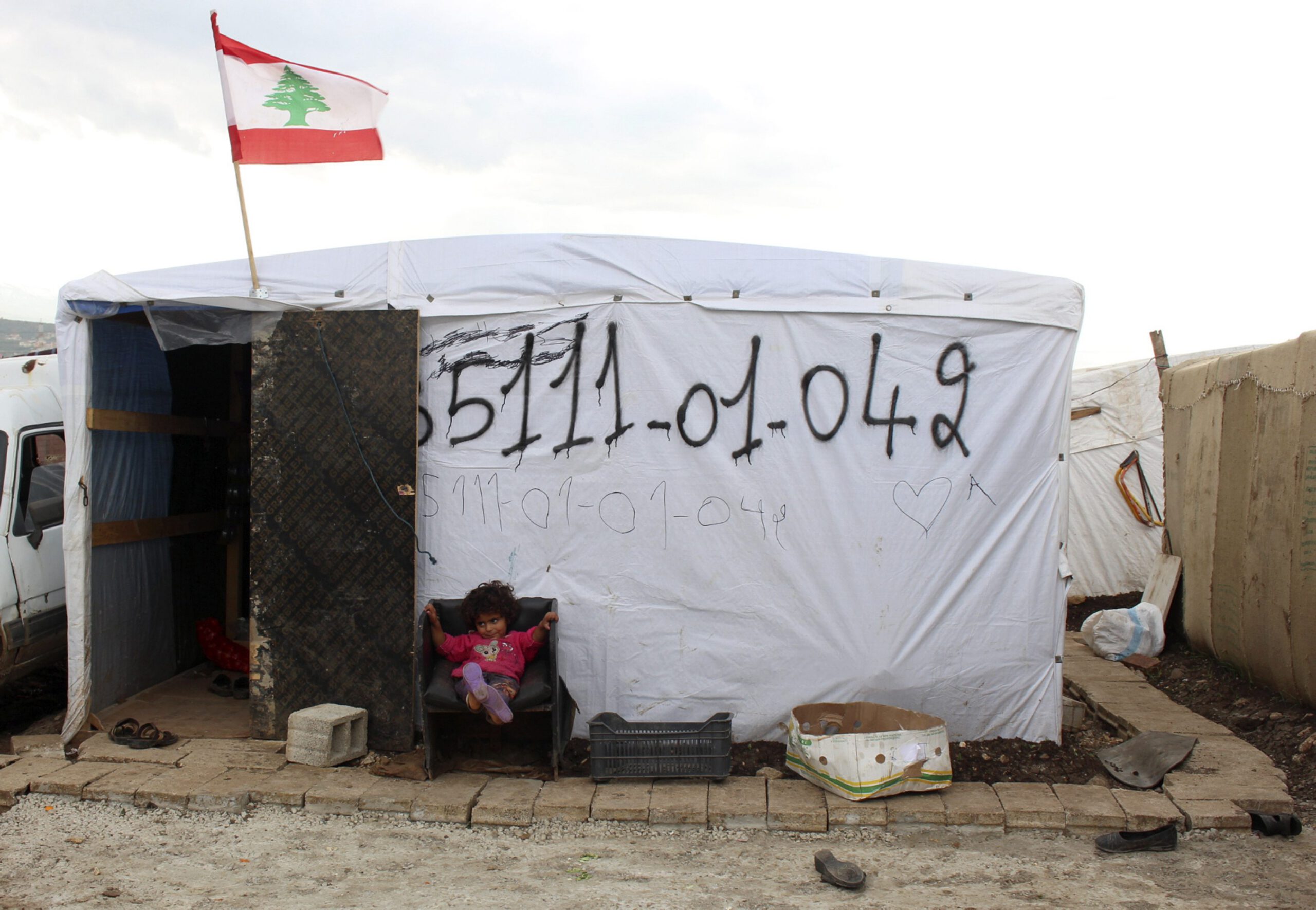
This essay explores the relationship between Syrian refugees and local Lebanese. In particular, it discusses the dominance of the discourse of ‘hospitality’ in the international media depiction of this relationship and in the humanitarian response informed by it. As this essay will show, these tendencies have resulted in the ‘hospitality’ discourse informing and reinforcing the international response to the Syrian refugee influx into and presence in Lebanon.
Monday Briefing: Lebanon Set to Elect President; Steady Progress toward Mosul
In this week’s Monday Briefing, MEI experts Paul Salem and Charles Lister provide analysis on recent and upcoming events including the expected election of Michel Aoun as president of Lebanon and the operation to expel ISIS from Mosul.
A different kind of horror descended upon Beirut with the opening of Maskoon Fantastic Fest, the Middle East’s first film festival for horror, fantasy, action, and science-fiction.
The brainchild of Abbout members, Lebanon’s most prominent production house, Maskoon was an attempt to expand the scope of genres undertaken by the local industry. The festival was held September 14-18.
Monday Briefing: Chilcot Report, French FM in Lebanon, Iran Economy
In this week’s Monday Briefing, MEI experts Daniel Serwer, Alex Vatanka, and Paul Salem provide analysis on recent and upcoming events including the recent Chilcot Report, European trade delegations visit to Iran, and France’s push to end the Lebanon stalemate.
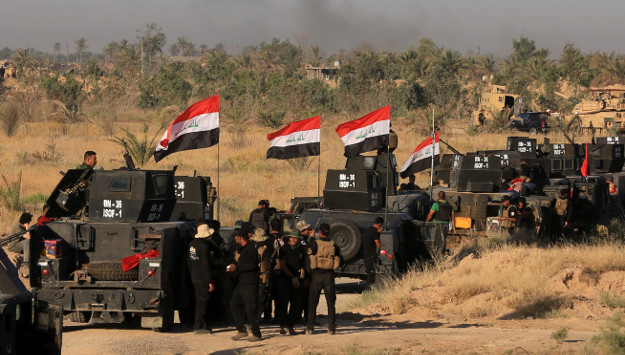
The battle for Fallujah, Thursday's OPEC meeting, and Hariri's loss in Tripoli
In this week’s briefing, MEI experts Charles Lister, Herman Franssen, and Paul Salem provide analysis on recent and upcoming events including the battle for Fallujah, Thursday’s OPEC meeting, and Saad Hariri’s defeat in Tripoli, Lebanon.
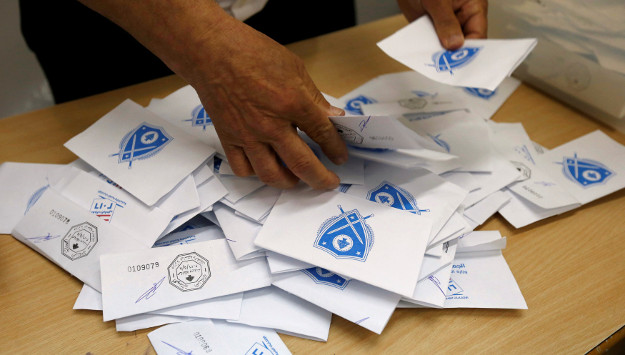
Monday Briefing: Lebanon's Elections, Gaza Unrest, Syria Talks, and Saudi's New Oil Minister
In this week’s Monday Briefing, MEI experts Paul Salem, Paul Scham, Charles Lister, and Jean-François Seznec provide analysis on recent events including Lebanon’s elections, unrest in Gaza, the ongoing Syria talks, and Saudi Arabia’s new oil minister.
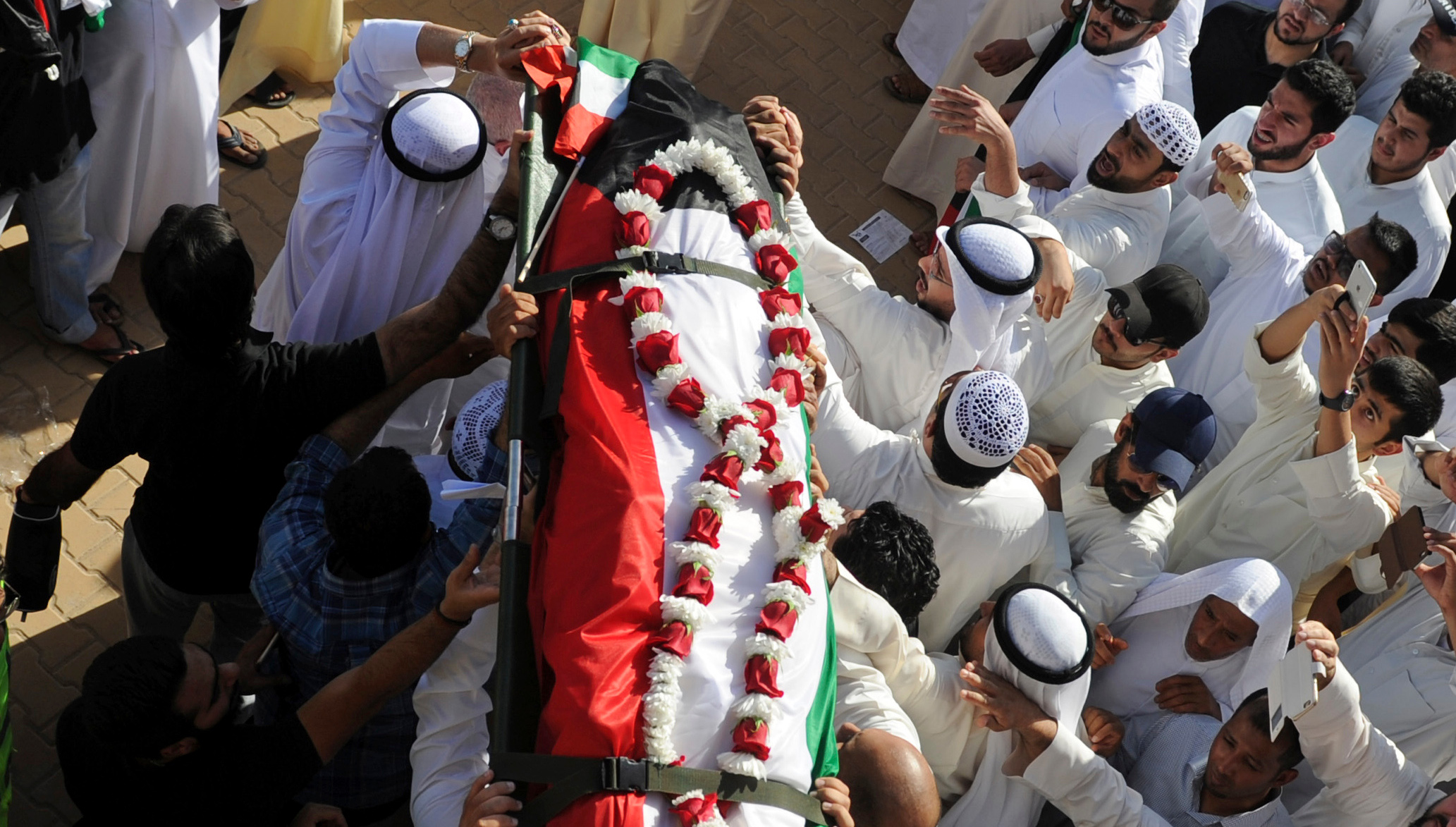
The intensifying rivalry between Saudi Arabia and Iran is raising sectarian temperatures in some smaller Gulf Cooperation Council (G.C.C.) states. Kuwait’s fractious parliament has seen growing tension and even physical confrontation between its Sunni and Shiite MPs in response to regional developments. Growing tension in Kuwait is also evident in the national media and online forums.
Humanitarianism in Highly Religious Contexts: Responding to Syrian Refugees in Lebanon
This essay discusses the potential value of and impediments to the provision of assistance to refugees by local religious institutions. It explores this issue by focusing on Lebanon, highlighting the important contribution of a small NGO, the Lebanese Society for Educational and Social Development (LSESD), in mentoring and training pastors and many of the key local church leadership in how to respond to the humanitarian needs of Syrian refugees.
Weekly Briefing: Syria Ceasefire, Iran Elections, and Saudi Arabia's Suspension of Aid to Lebanon
In the first installment of a new series of weekly briefings on the most important regional issues, MEI experts Randa Slim, Alex Vatanka, and Paul Salem analyze recent events including the ceasefire agreement in Syria, upcoming elections in Iran, and Saudi Arabia’s suspension of military aid to Lebanon.
Will New Cease-fire Deal in Syria Succeed?
Randa Slim Director, Initiative for Track II Dialogues
Gulf Decisionmakers' Perceptions of Security Ties with China
The essays featured here are the products of a workshop series analyzing China’s position in the context of Gulf security, organized by the Department of International Affairs and the Center for Humanities and Social Sciences of Qatar University under the direction of Dr. Imad Mansour.
Saudi-Iran Tensions Place Pressure on Smaller GCC States
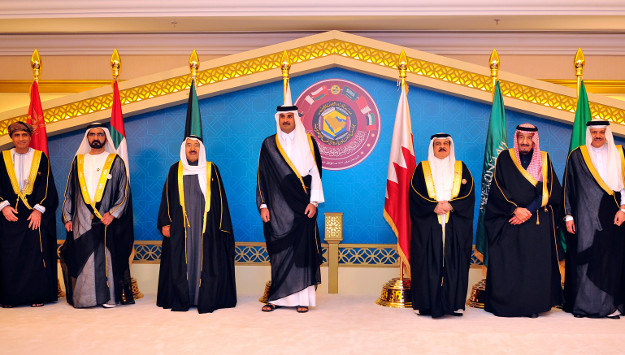
The recent escalation in tension between Saudi Arabia and Iran is throwing the GCC into a crisis of unity. Riyadh’s actions in particular are built on the frustration of the Yemen war and the perception of Iranian encroachment in Arab lands that the Saudi kingdom believes is its domain. King Salman and his son, Deputy Crown Prince Mohammad bin Salman, feel the kingdom is being ignored by the international community in other hot zones, namely Syria, where the outcome of the war is being determined by Washington and Moscow.