Lebanon’s Uprisings—Bringing the Political Back In
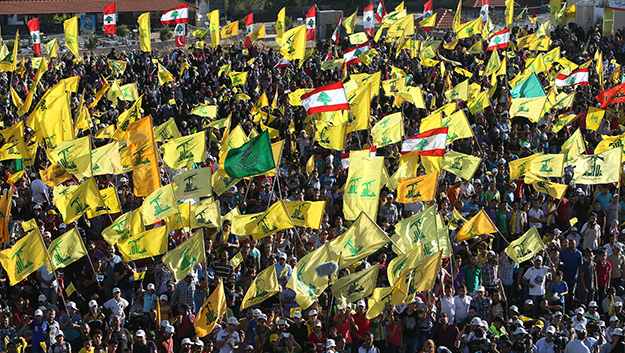
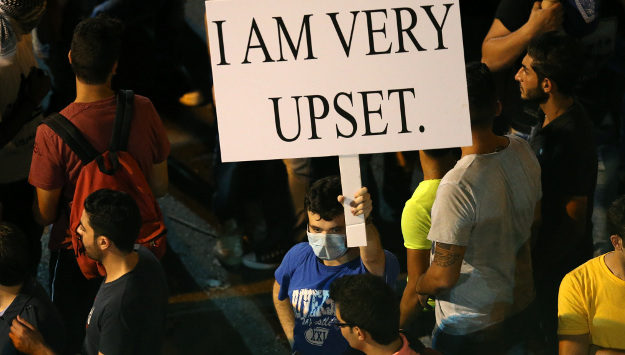
The #YouStink movement and its various associate movements have denounced “the system,” “confessionalism,” and “the political class” of all orientations, including the parliament, the cabinet of minister, the prime minister, and so on, without really showing an understanding of how all these institutional positions relate to one another, and to the problem of corruption and of the poor public sector. By looking at the recent protests in Lebanon, this article proposes ways to avoid this slippery slope and demonstrates how to think of genuine change––and recognize its limits––given the prevailing political context.
Lebanese have long suffered through water shortages, regular electricity blackouts, a leaking sewage system and poor health and education services. But as trash has piled up on the streets in recent weeks, it looks like the people of Lebanon have had enough.
“You Stink” is the message they are sending. And the campaign might just succeed where others have failed.
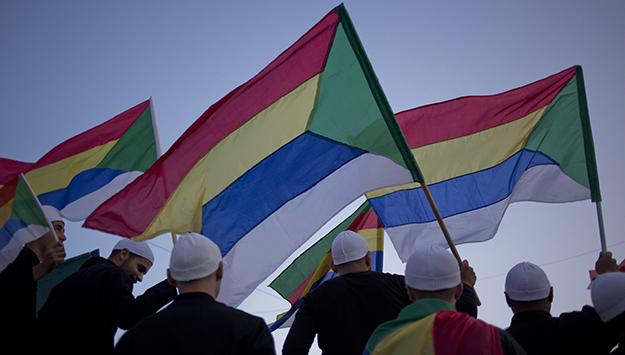
In the last few weeks, the Syrian Druze have been a focal point in significant fighting on the ground. If their role in the fighting continues, or even if it changes, the Druze will likely have a profound impact on the trajectory of the Syrian conflict.
In the unending panorama of violence that is today’s Middle East, one hopeful note emerged earlier this month with a low-key announcement from Saudi Arabia that drew scant attention from the American news media.
King Salman appointed a military officer, Gen. Thamer al-Sabhan, to be the kingdom’s first resident ambassador in Baghdad since Iraq invaded Kuwait in 1990.
Robert Baer’s See No Evil presents a firsthand account of the life of a CIA case officer in the war on terror. From recruiting agents in the volatile Bekaa Valley in Lebanon to wiretapping Abu Nidal students in France, Baer provides a fascinating description of his CIA service.
Collection Spotlight: In the Name of Oil: Anglo-American Relations in the Middle East, 1950-1958
Ivan L. G. Pearson’s In the Name of Oil: Anglo-American Relations in the Middle East, 1950-1958 provides a comprehensive analysis of the extent to which British interests in the Middle East influenced or were furthered by the United States between 1950 and 1958.
Drug Use and Harm Reduction in the MENA Region and in Lebanon
Repressive policies that stigmatize and punish drug users have tended to exacerbate social problems rather than mitigate them. In contrast, harm reduction (HR) approaches to drug use have been shown to prevent the spread of blood-borne viruses (such as HIV, HBV, and HCV), thereby lowering morbidity and mortality rates. Over the past 15 years, many HR initiatives have been launched in the MENA region, including Lebanon. However, continued progress in HIV prevention will require more structured and comprehensive HR interventions, adjusted to the needs of local populations.
An Israeli helicopter fired rockets on a convoy in the Golan Heights on January 18, killing six members of Hezbollah and an Iranian general. MEI’s Randa Slim explains the context surrounding the attack and the likely repercussions.
Why did Israel choose this time to attack Hezbollah and Iranian targets in the Golan Heights?
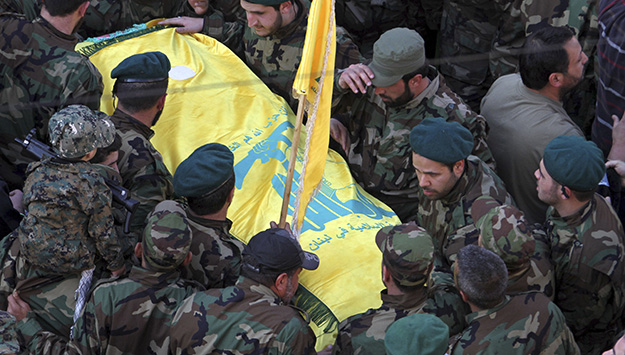
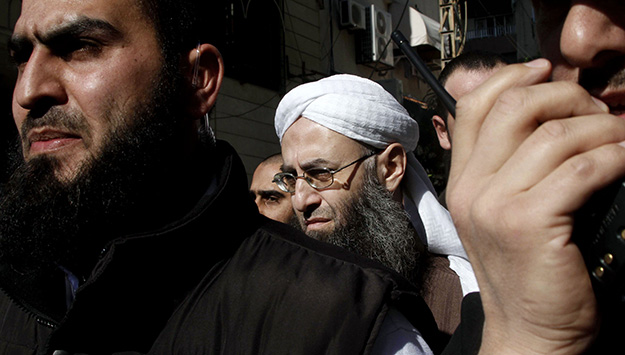
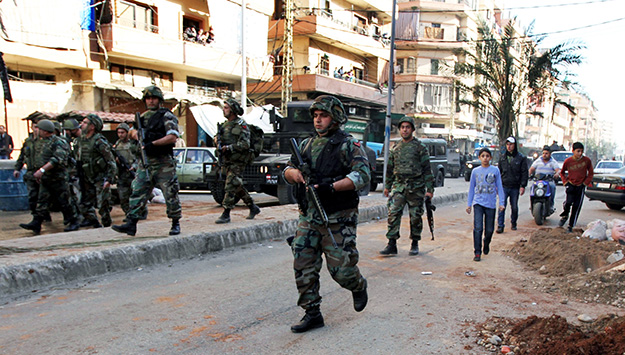
As fears of an ISIS surge in northern Lebanon continue to rise, it is important to have a balanced perspective on the makeup of current Lebanese Sunni Islamist groups. I recently spent three months conducting fieldwork in Lebanon, interviewing representatives from a wide variety of Islamist groups. I present my findings below.
The Syrian Conflict and the Ascendancy of the Lebanese Armed Forces
In the past, the Lebanese Armed Forces’ (LAF) inability to confront or deter Israel was reflected as political weakness for the Lebanese government vis-à-vis Hezbollah. Israel’s withdrawal from south Lebanon in 2000 heralded a growing political role for Hezbollah. This role was further enhanced by the 2006 war with Israel, with Hezbollah claiming victory and consolidating its influence within the LAF and the government.
As Syrian President Bashar al-Assad gazes across Damascus from his palace on Mount Qasioun, he can be grateful to his Russian, Iranian, and Hezbollah allies that he is still in a position to enjoy such a view.
Lebanese Presidential Election Unlikely to Alter Hezbollah’s Syria Calculus
The presidential vacuum in Lebanon since May 24, when president Michel Sleiman’s term ended without the Lebanese parliament having elected a successor, is likely to continue until an electable candidate is found who respects Hezbollah’s military autonomy and does not challenge its Syria policy.
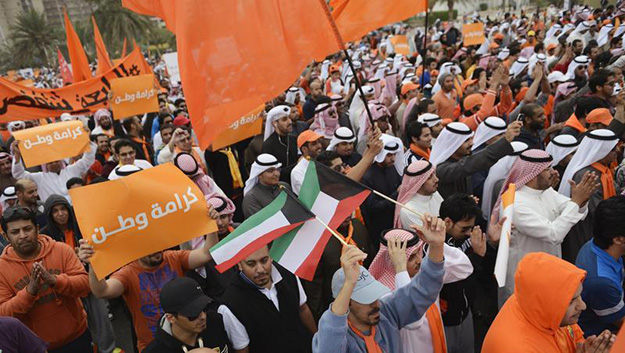
Kuwait: At the Crossroads of Change or Political Stagnation
Though Kuwaitis have been striving for change, particularly since 2011, their country’s political structures remain more or less unaltered. Yet change is inevitable, writes Shafeeq Ghabra in this MEI Policy Paper. At issue is a semi-democratic system that has proven ineffective at dealing with problems such as government mismanagement, corruption, a lack of economic transparency, and inequality toward tribes and undocumented immigrants.
Five Arab Elections in Search of a Democratic Transition
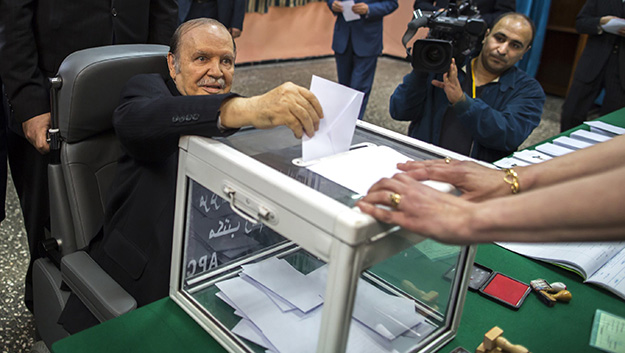
Algerian President Abdelaziz Bouteflika casts his ballot on April 17.
In the current two months between mid-April and early June, five Arab countries—Algeria, Lebanon, Iraq, Egypt, and even war-torn Syria—are holding key elections, with little sign that any is moving in the direction of meaningful democratic transition.

 Robert Baer’s See No Evil presents a firsthand account of the life of a CIA case officer in the war on terror. From recruiting agents in the volatile Bekaa Valley in Lebanon to wiretapping Abu Nidal students in France, Baer provides a fascinating description of his CIA service.
 Ivan L. G. Pearson’s In the Name of Oil: Anglo-American Relations in the Middle East, 1950-1958 provides a comprehensive analysis of the extent to which British interests in the Middle East influenced or were furthered by the United States between 1950 and 1958.