What Would Zbig Do? Edward Luce on US Strategy Then and Now
Financial Times columnist and author Edward Luce joins Brian to discuss his new biography Zbig: The Life of Zbigniew Brzezinski—what the legendary strategist got right, where he fell short, and what his legacy means for U.S. foreign policy today. From Camp David to Tehran, Luce reflects on the pivotal moments Brzezinski helped shape in the Middle East and beyond—and what lessons today’s leaders could take from his intellectual rigor and hard strategic choices.
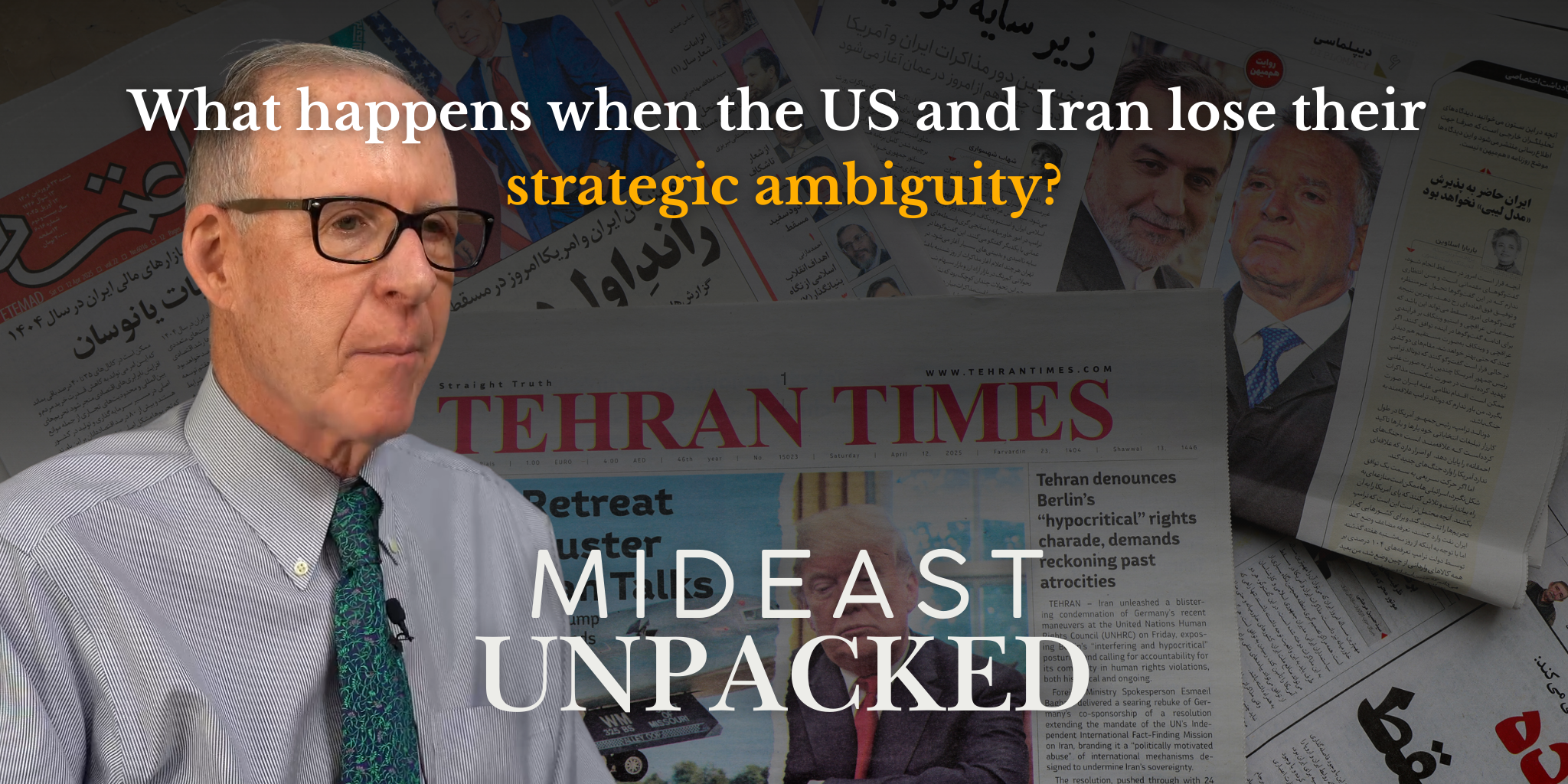
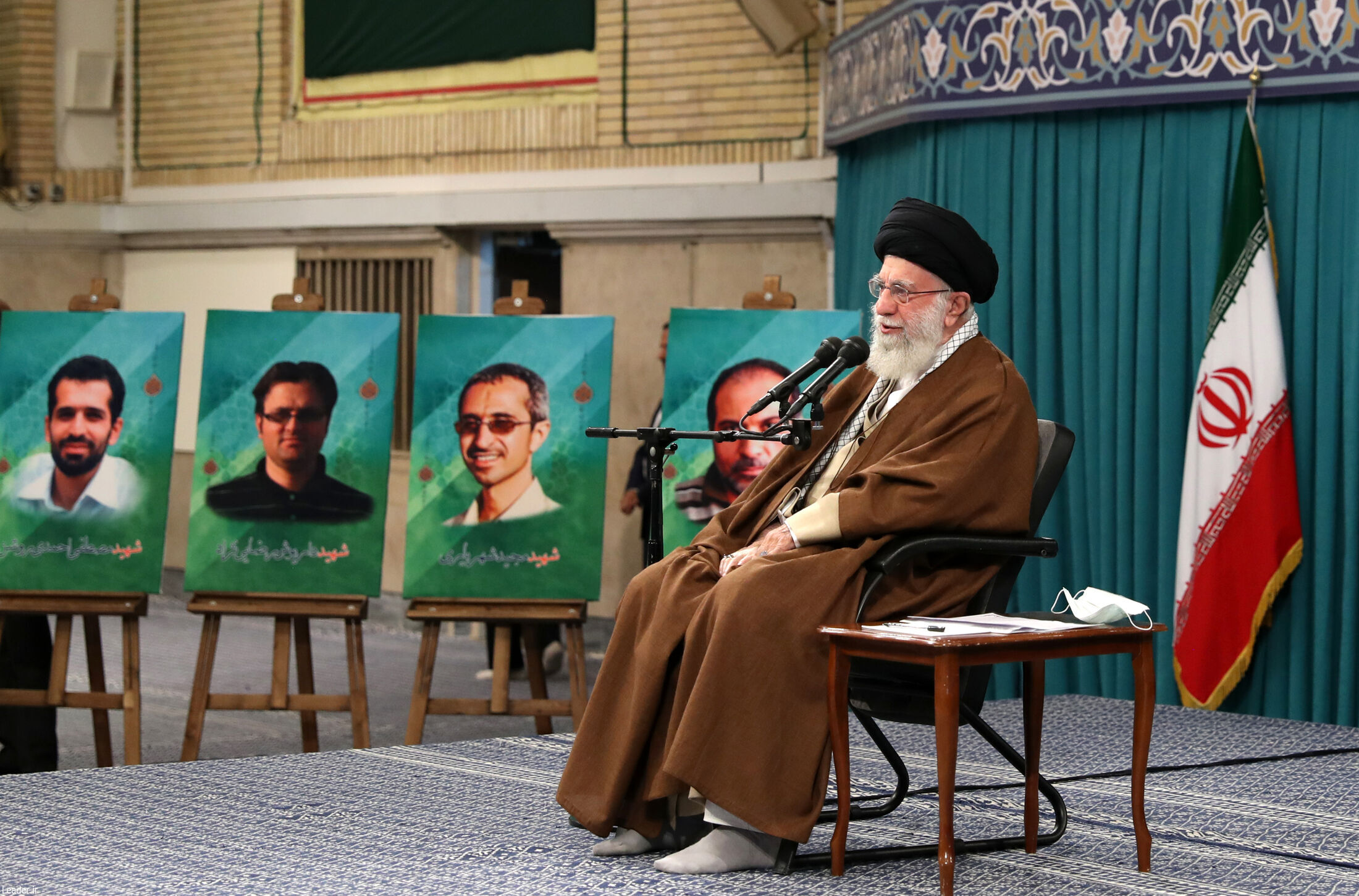
What happens when the US and Iran lose their strategic ambiguity?
MEI Senior Fellow Ross Harrison breaks down how this foreign policy approach can help mitigate conflict—and how both Washington and Tehran may have undermined their own ambiguity during the recent 12-day war, with potentially lasting consequences for regional stability.
Deals, Diplomacy, and Day-After Plans: The Trump Administration's Middle East Strategy
As the Trump administration marks six months in office, it is pursuing a flurry of diplomatic initiatives across the Middle East — some publicly coordinated, others shaped behind closed doors. MEI Distinguished Diplomatic Fellow Mara Rudman joins hosts Alistair Taylor and Matthew Czekaj to assess the administration’s broader regional strategy and its handling of key issues.
The 12-day Israel-Iran war: China’s response and its implications
Last June’s Israel-Iran conflict became a revealing stress test for Beijing’s Middle East strategy, its role in global diplomacy, and the coherence of what some have described as an emergent “Axis of Upheaval” between China, Russia, and Iran.
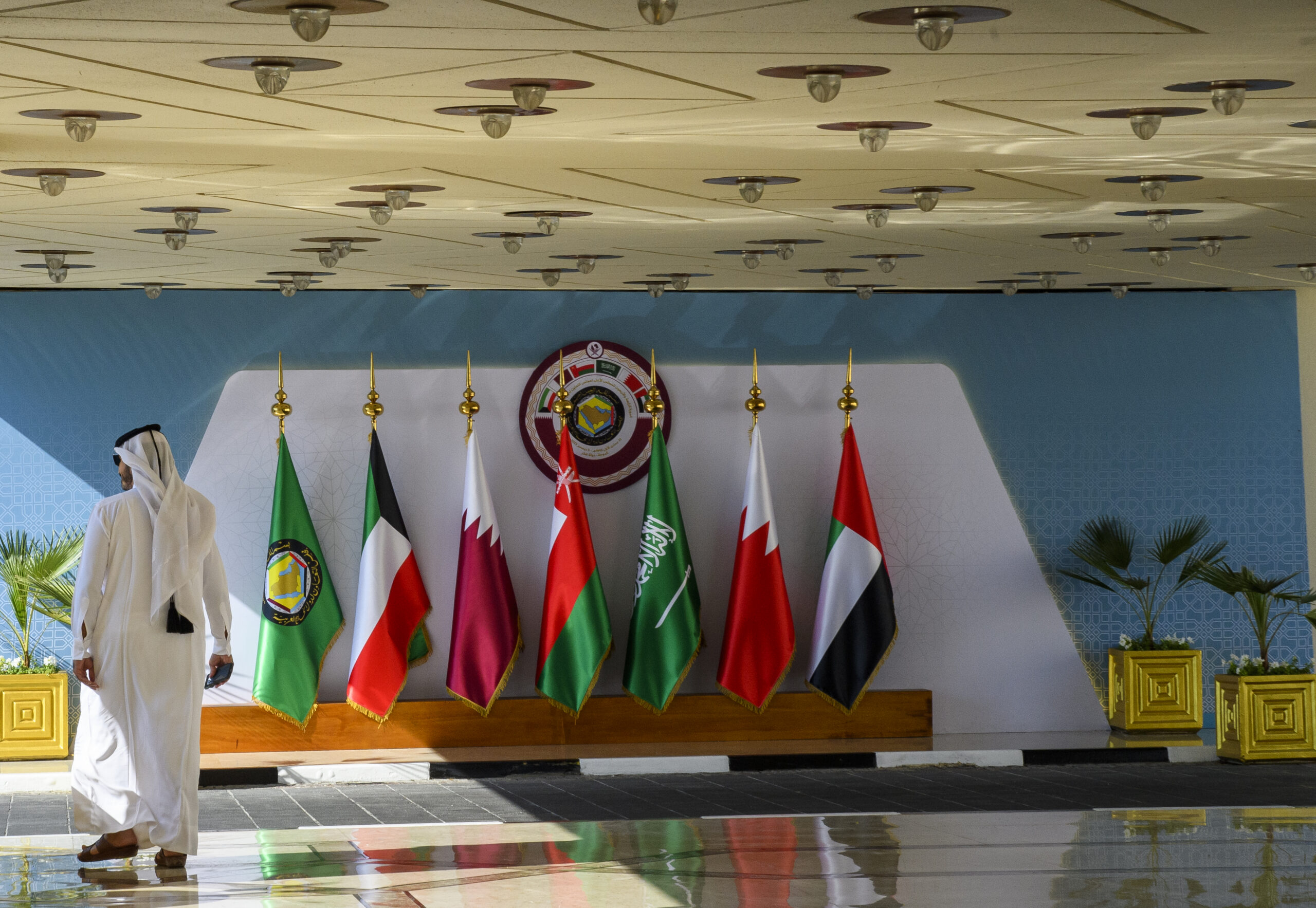
What the Gulf states must do to establish deterrence over Iran
The Middle East has been reshaped and a bold new approach can ensure it holds, but the clock is ticking. Iran, the regional bully for decades, has been defanged and there is a now a window of opportunity to make this new Middle East permanent.
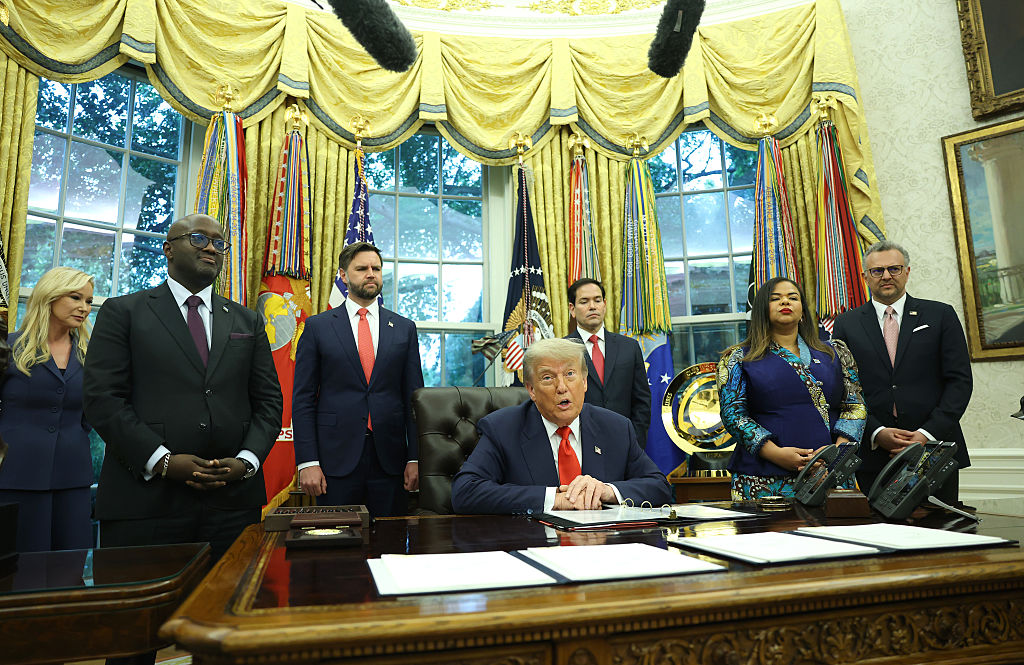
Trump still looking for major wins on the global stage after budget battle victory at home
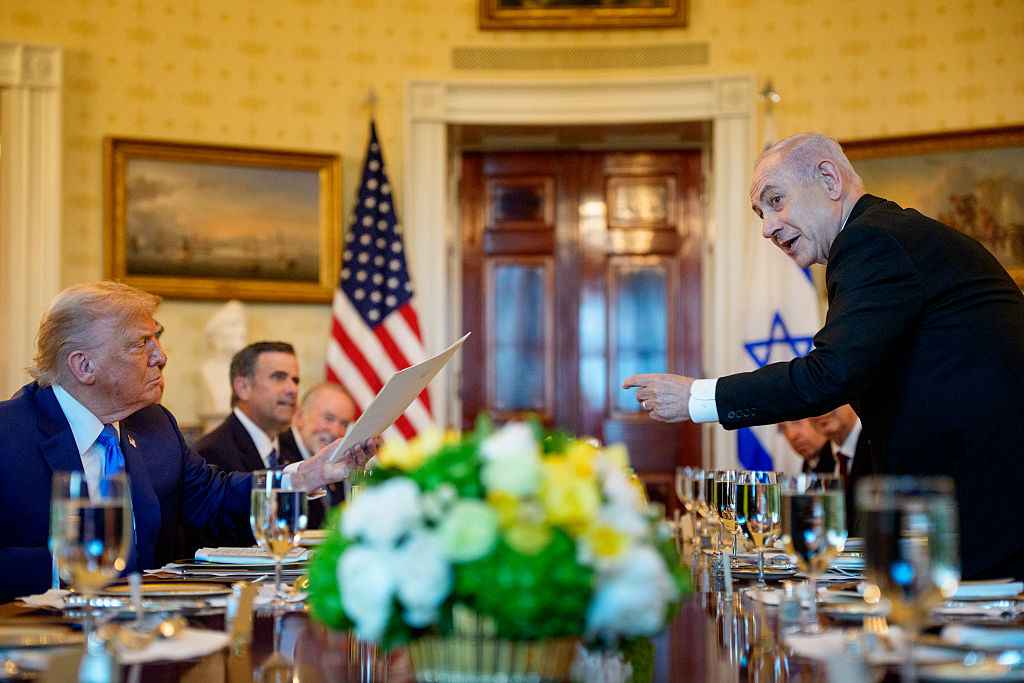
US President Donald Trump hosted Israeli Prime Minister Benjamin Netanyahu for the third time in his second term this week, shortly after securing a major victory for his domestic policy agenda in the budget bill passed by Congress.
Pakistan’s ability to thread the needle in relations with the US and Iran tested by the Israel-Iran war
When the Israel-Iran war broke out and the United States decided to assist the Israeli side by striking Iran’s nuclear program, both Tehran and Washington expected Islamabad to side with their respective positions. This situation placed the Pakistani government in a politically sensitive and diplomatically delicate position.
The 12-day war between Iran, Israel, and the United States has ended, but the dust has not yet settled. Many official voices in Tehran are warning that the war can resume at any moment. Iran now faces deepening economic turmoil, political uncertainty, and hard choices about its nuclear future. The central question is whether the Islamic Republic will emerge stronger through nationalist mobilization or weaker, exposed by vulnerabilities it long sought to deny. No doubt, Iran’s leaders stand at a true crossroads.
Israel at War: Regional Reverberations and Political Fallout
Dr. Yoel Guzansky, associate fellow at MEI and senior research fellow at Israel’s Institute for National Security Studies, joins hosts Alistair Taylor and Matthew Czekaj to unpack the military and political implications of Israel’s 12-day war with Iran. In the lead-up to next week’s closely watched visit by Israeli Prime Minister Benjamin Netanyahu to the White House, they discuss Israel’s strategic gains and domestic reaction, the evolving US-Israel relationship, and the war’s ripple effects across Gaza, the Gulf, and beyond.
Trump’s Middle East policy arrives at a temporary and fragile limbo
Domestic politics has taken center stage in the United States as Congress struggles to pass President Donald Trump’s proposed budget plan. But July is also shaping up as a pivotal month for Trump’s foreign policy in the Middle East and beyond.
Egypt and Saudi Arabia: Any good relationship needs work
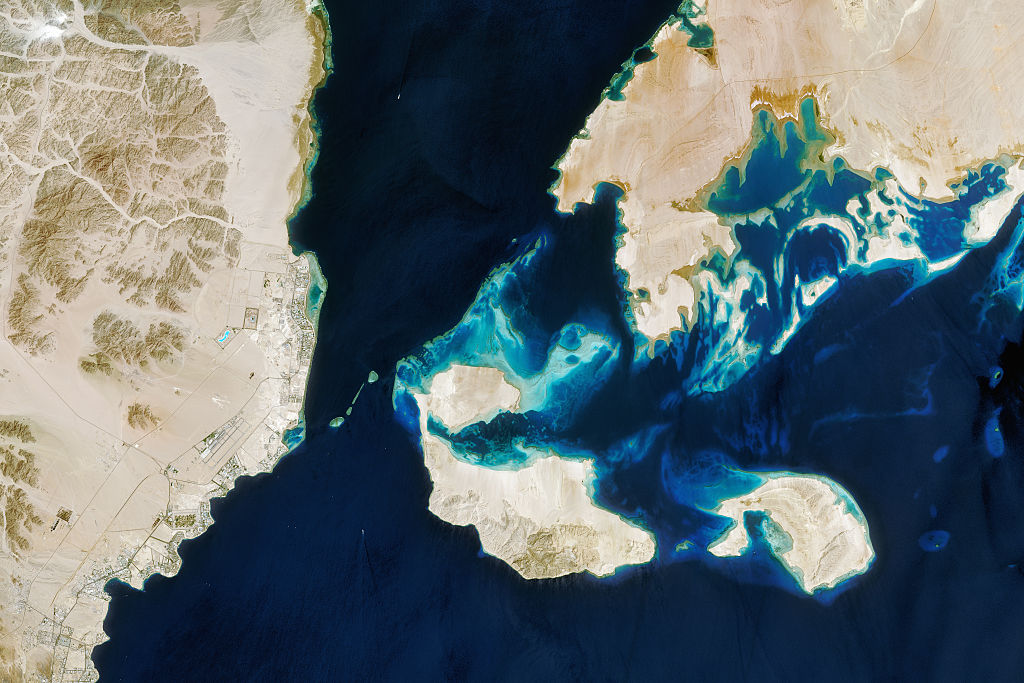
Egypt and Saudi Arabia share many foreign policy and regional security objectives and have a long and complicated relationship. Recent events in the Middle East have strengthened that relationship, even as they continue to negotiate difficult bilateral issues, like the long-running dispute over control of the islands of Tiran and Sanafir.
Russia’s military presence in post-Assad Syria: A growing security liability undermining stability
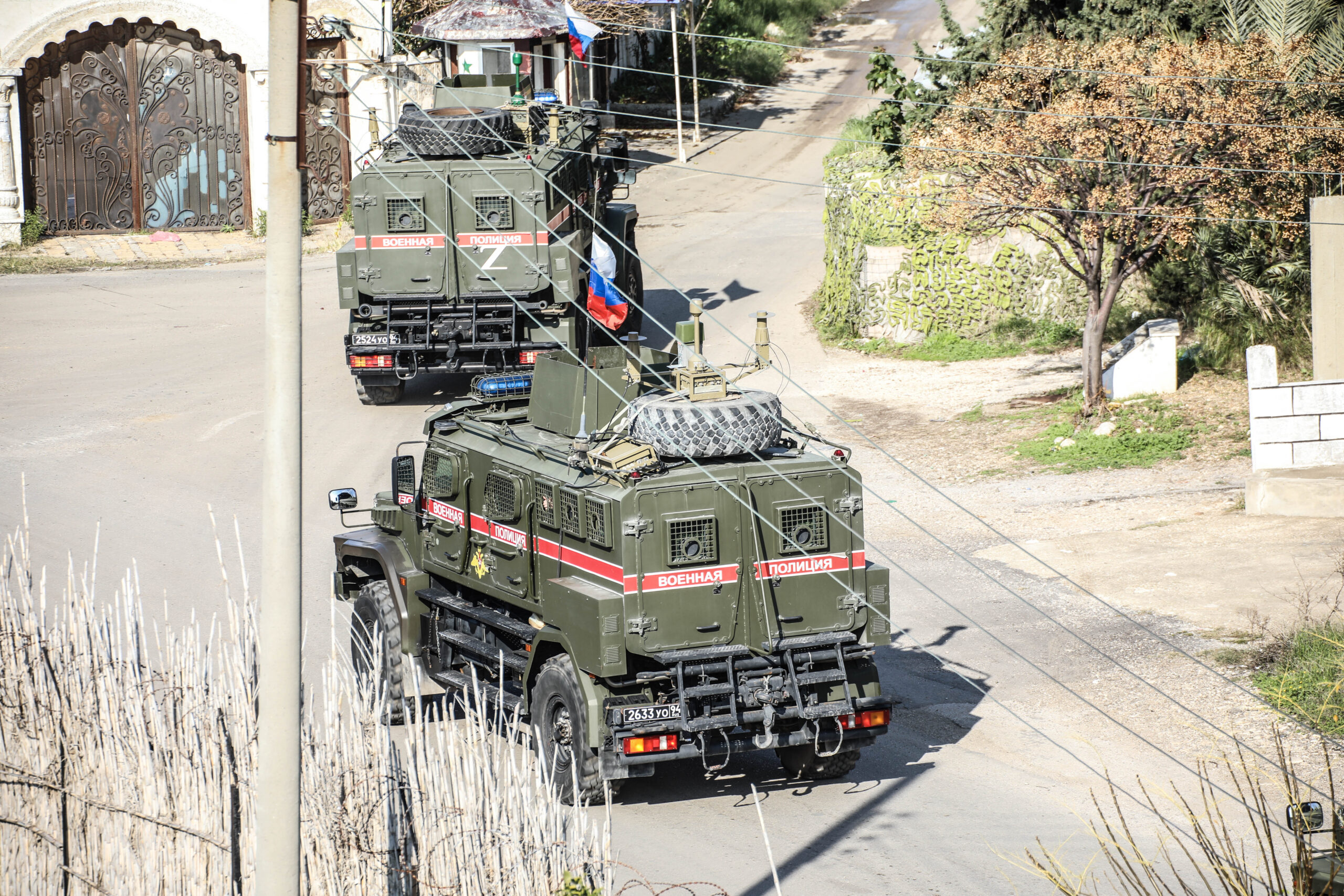
Six months since the collapse of the Assad regime, the Russian military presence in Syria has remained entrenched in strategic locations such as the Hmeimim airbase and Tartous port on the coast, as well as at Qamishli airport in the northeast. This persistence has reignited an increasingly pressing debate about Moscow’s role in the new Syria.
Why the US should build data centers in Dubai and Riyadh
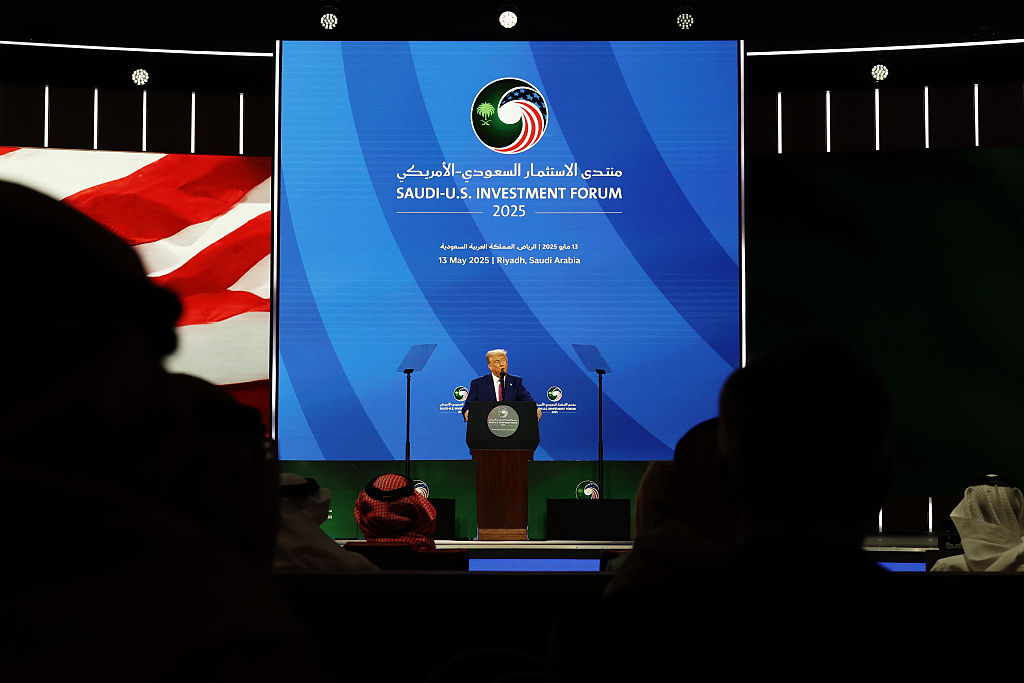
Together, the UAE and Saudi Arabia, and the broader Gulf region, are positioning themselves as potential backends of AI for emerging markets across Asia and Africa, laying the groundwork for a U.S.-aligned model of AI partnerships that could, over time, outpace China in the global AI race.
Syria After Assad: Transitional Justice, Governance, and the Road Ahead
With Bashar al-Assad ousted and Syria entering a new political chapter, what comes next for a country ravaged by war, repression, and sectarian divisions? Gonul Tol speaks with Steven Heydemann (Smith College) and Radwan Ziadeh (Arab Center Washington DC) about the challenges of transitional justice, prospects for democratic reform, and the role of Syria’s new de facto leader, Ahmed al-Sharah. Can a centralized government model provide inclusive governance? What kind of support—or interference—should Syrians expect from foreign powers?
The Gulf’s water crisis: Why cooperation is crucial — and complicated
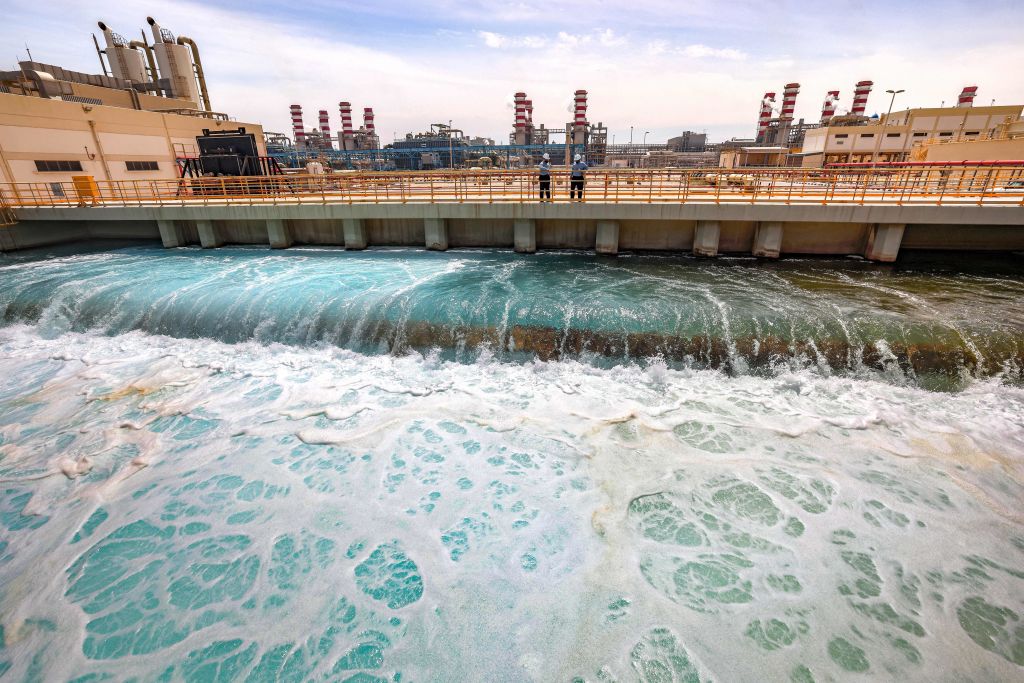
On June 19, false reports of an Israeli strike on Iran’s Bushehr nuclear plant sparked alarm across the Gulf. Though denied by Israeli officials, the claim traces back to a warning from Qatar’s prime minister of a potential catastrophe in the event of nuclear contamination — no water, no food, no life — due to the Gulf’s reliance on desalinated seawater. Gulf governments moved quickly to reassure the public that no radiation had been detected, but the episode underscored the region’s growing sense of vulnerability. A regional approach to water security could help to mitigate such risks.