If Turkish President Recep Tayyip Erdoğan and his AKP are defeated in this month’s elections, the next government, led by the CHP, will likely prove more agreeable — or at least no more difficult — on virtually every issue of importance to the United States and Turkey’s other allies in the NATO. There undoubtedly will still be areas of contention, including some of the same ones that have bedeviled the West’s relations with Turkey under Erdoğan. For reasons both ideological and economic, however, a new Turkish government would want a closer relationship with the West than Erdoğan has pursued for many years.
Assessing competing scenarios for Turkey’s parliamentary elections
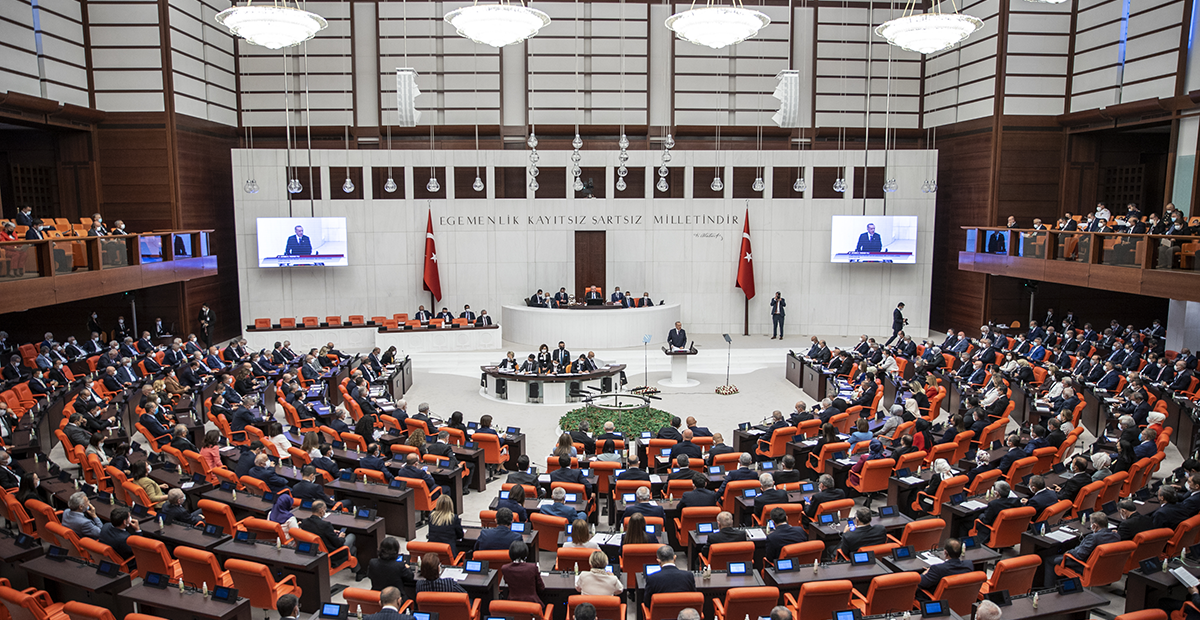
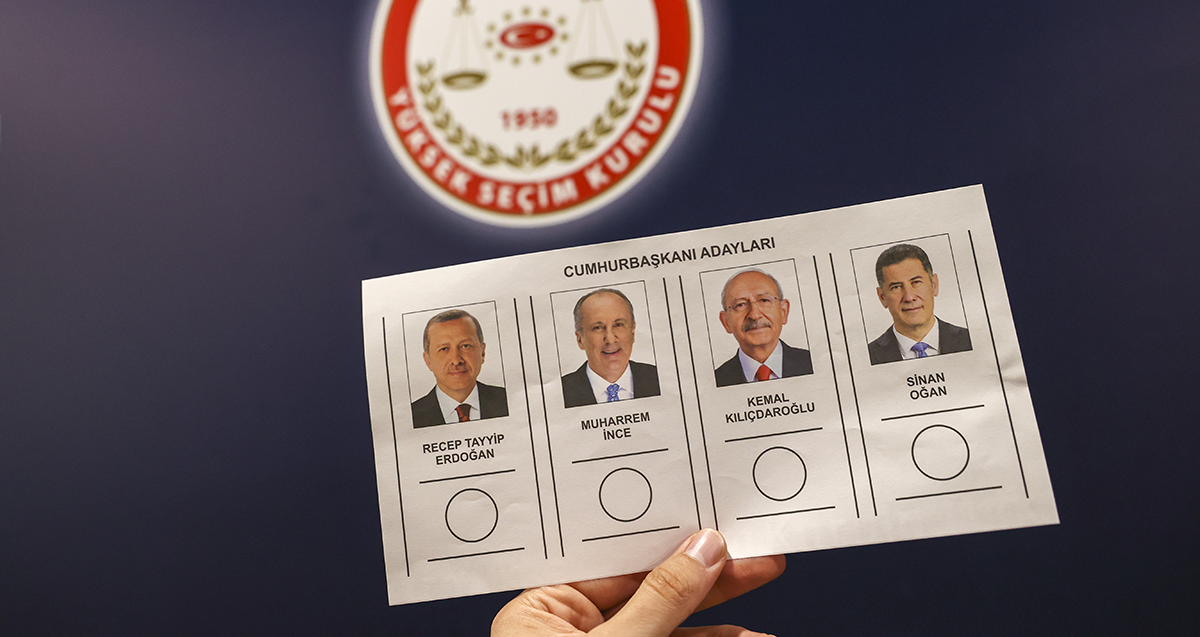
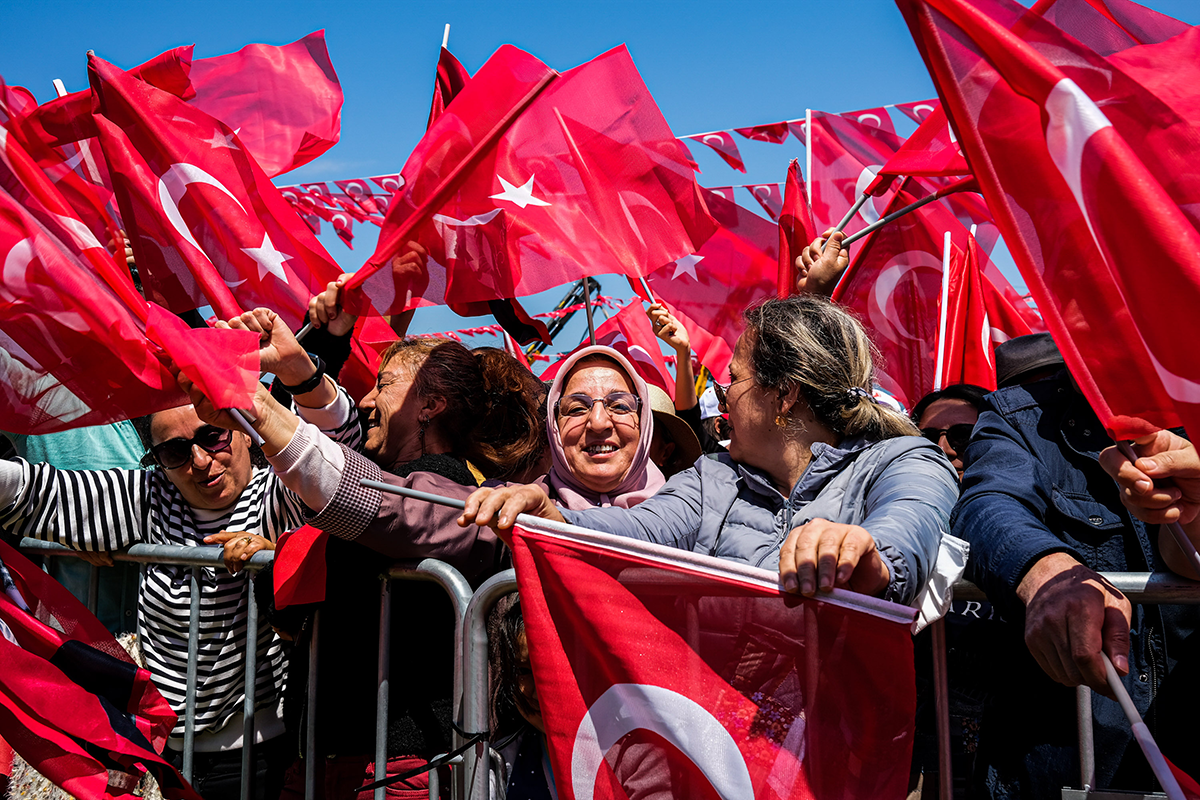
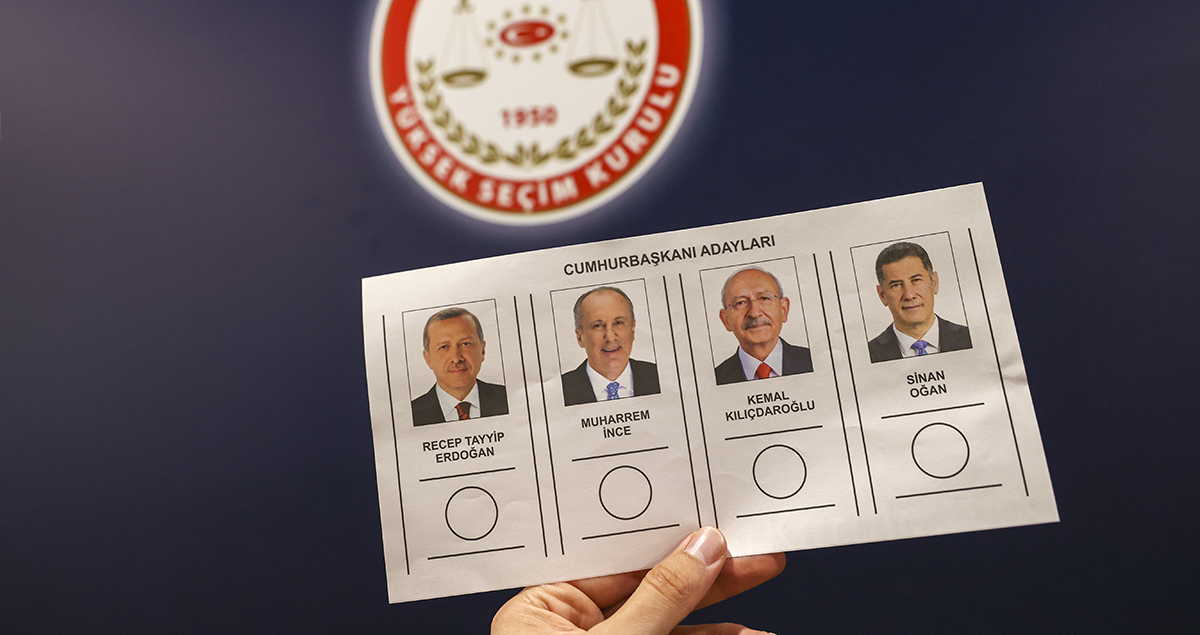
On May 14, Turkish voters are headed to the polls for twin elections — presidential and parliamentary — that are expected to shape the country’s political trajectory for years to come. While the presidential race has generated wide interest in the international media, there is little informed discussion when it comes to the parliamentary elections. Unlike the presidential elections, which quickly turned into a tight contest between President Recep Tayyip Erdoğan and the main opposition leader, Kemal Kılıçdaroğlu, the parliamentary races are more unpredictable at this point.
Polarizing populism vs. inclusive positivity: Erdoğan and Kılıçdaroğlu’s dueling campaign strategies
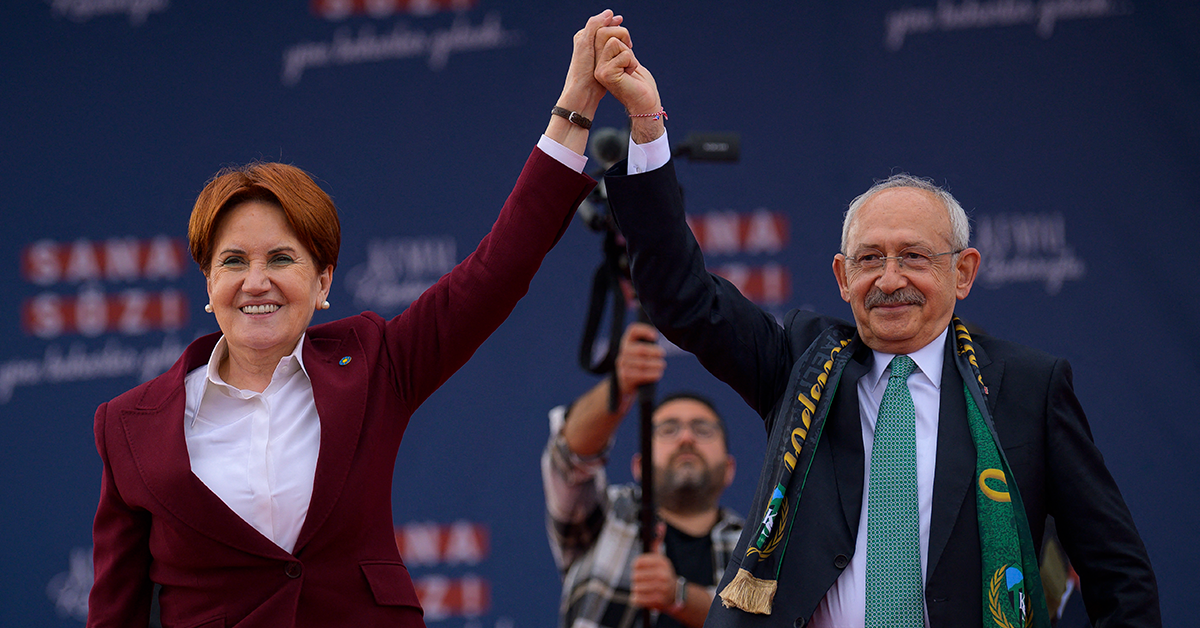
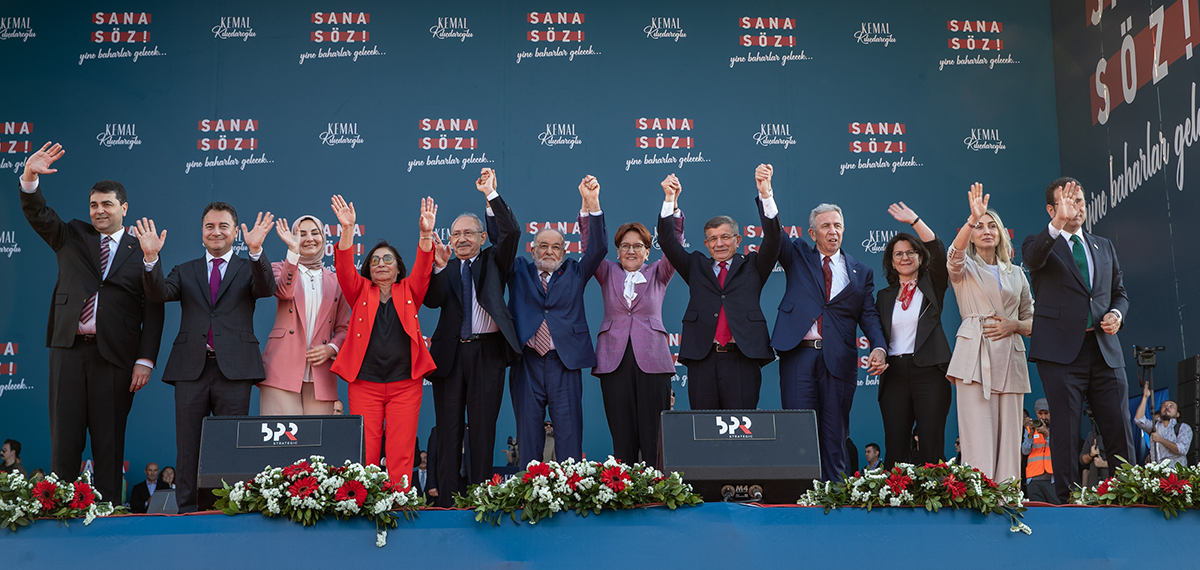
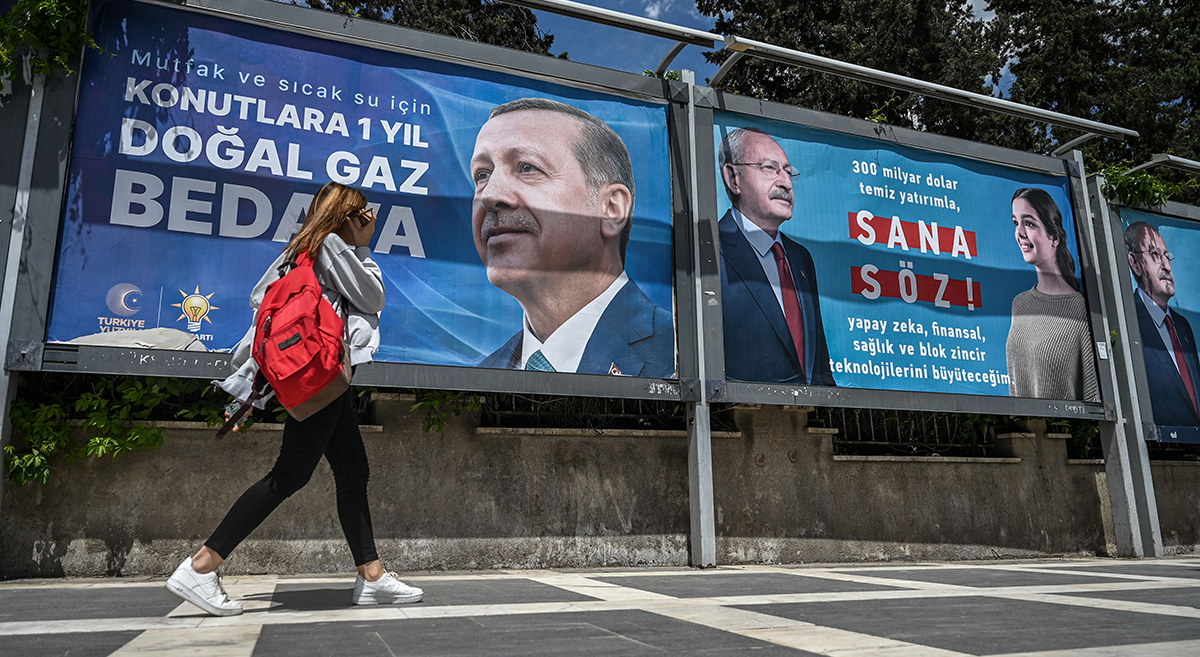
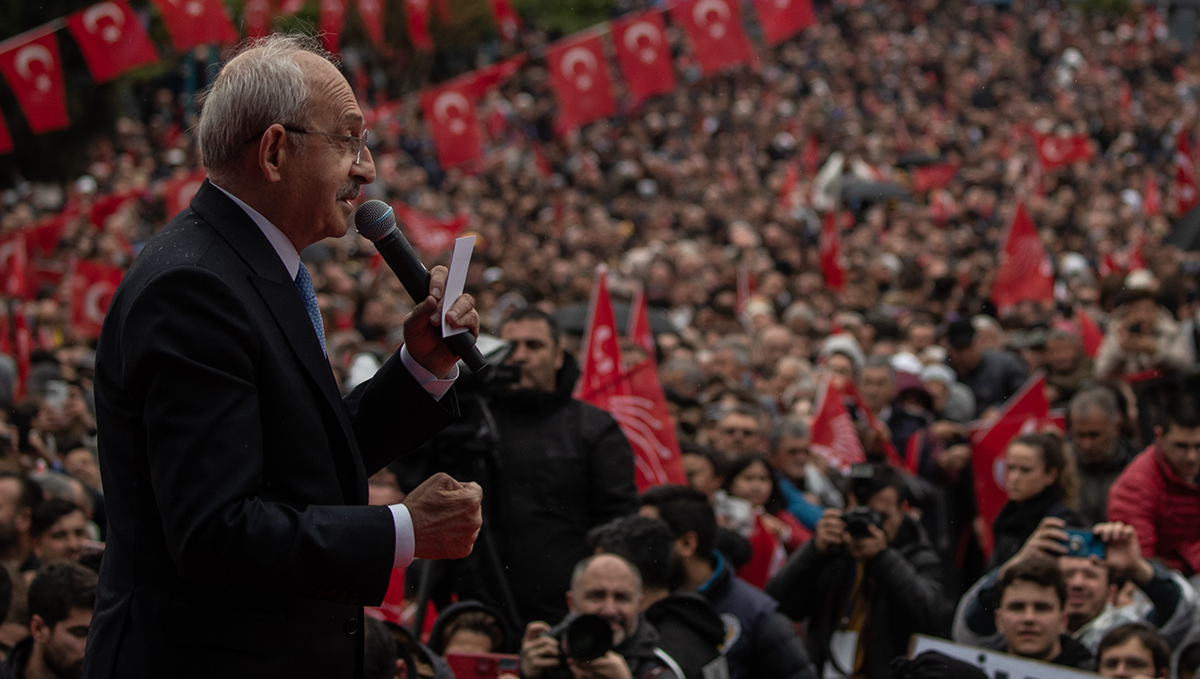
As Turkey gears up for a crucial election, the country is currently witnessing two very different political campaign styles. President Recep Tayyip Erdoğan, who is seeking re-election, is competing against Kemal Kılıçdaroğlu, the joint candidate of the Nation Alliance. The two candidates’ wildly different political and governing styles are apparent in their campaigns: President Erdoğan follows a polarizing, negative, and fear-based approach focused on energizing his base, while Kılıçdaroğlu’s campaign is dynamic, inclusive, and positive.
The dust has not yet settled ahead of Turkey’s elections
We’re only in May but it’s safe to say that 2023 has been one of the longest years in the history of Turkish politics. The main issues in the presidential and parliamentary elections on May 14 are the deteriorating economic conditions and identity politics. For the first time in two decades President Recep Tayyip Erdoğan is heading into an election not in the lead.
Turkey's 2023 Elections: Perspectives on a Critical Vote
It is a cliché for politicians to claim that an upcoming election is the most critical vote in the history of the country. In Turkey’s case, however, the presidential and parliamentary elections on May 14 are indeed the most consequential ever. The prospects for Turkey’s democratic future are at stake.
Turkish Election Watch: The Week of April 30-May 7
Catch up with the latest developments about Turkey’s May elections with weekly updates from MEI’s Turkey Program. In this week’s installment of Turkish Election Watch: more signs of opposition strength, the stoning of İmamoğlu’s campaign bus in Erzurum, Babacan’s economic role, and the ruling coalition takes off the gloves.
The IRGC’s enmity toward Israel is an aberration in Iranian history
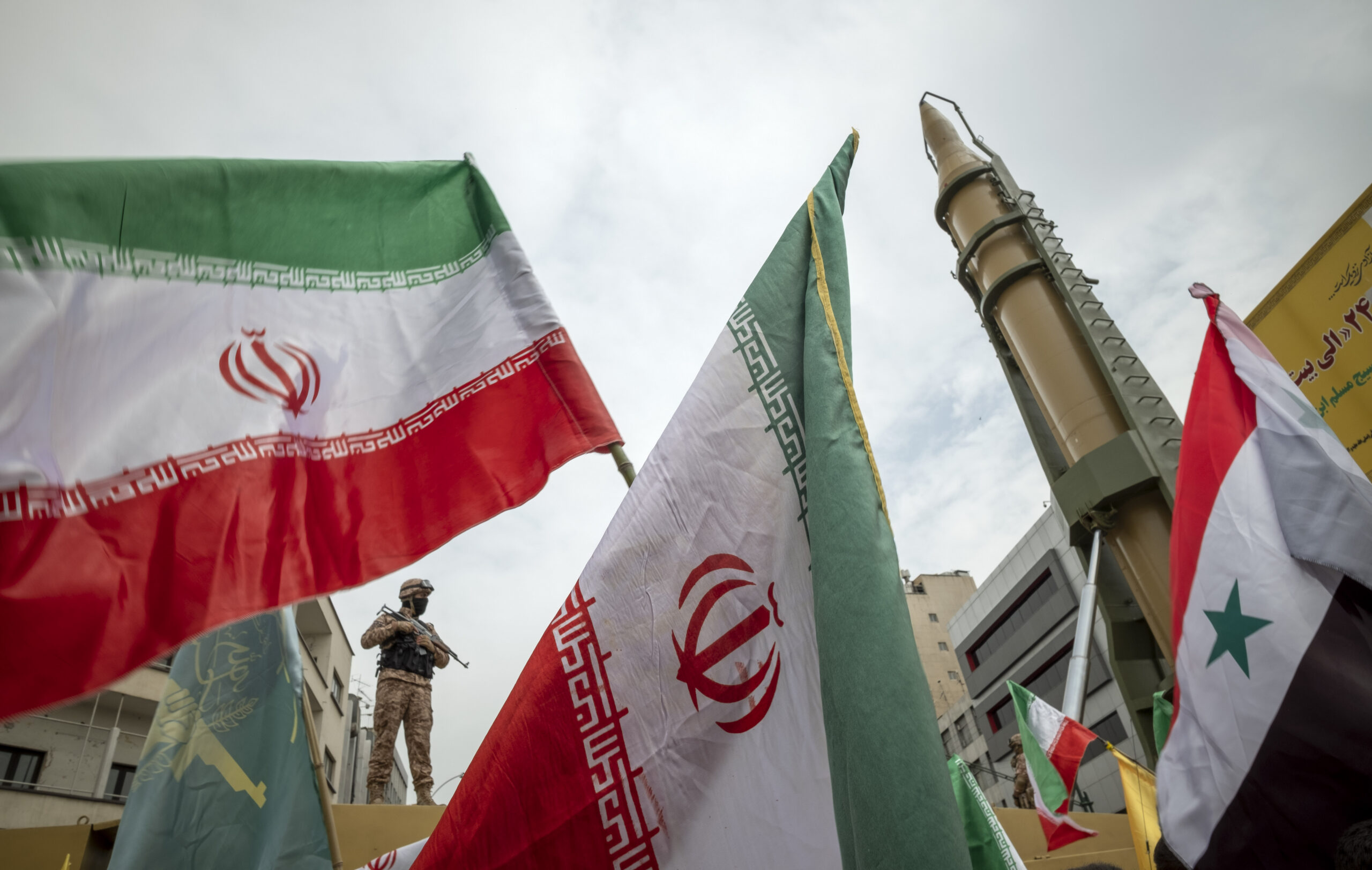
Iran’s Islamic Revolutionary Guard Corps (IRGC) is at its core an ideological army, not a national one, and its notorious enmity toward Israel is an aberration in Iranian history. But many Israelis to this day think Iran could be a natural partner as long as the country gave up its pursuit of ideologically driven regional dominance, disavow calls for the destruction of Israel, and were instead to again allow the regular army, the Artesh, to pursue Iranian national interests.
The Turkish Elections and the Future of Northwest Syria: Scenarios and Policy Implications
The Syrian conflict has had a major impact on Turkey’s internal political discourse, with much of the discussion centering around the conflict itself, Turkey’s role in northern Syria, and the refugee crisis. This paper employs a scenario analysis methodology to explore potential outcomes that may impact Northwestern Syria following the upcoming Turkish presidential and parliamentary elections on May 14.
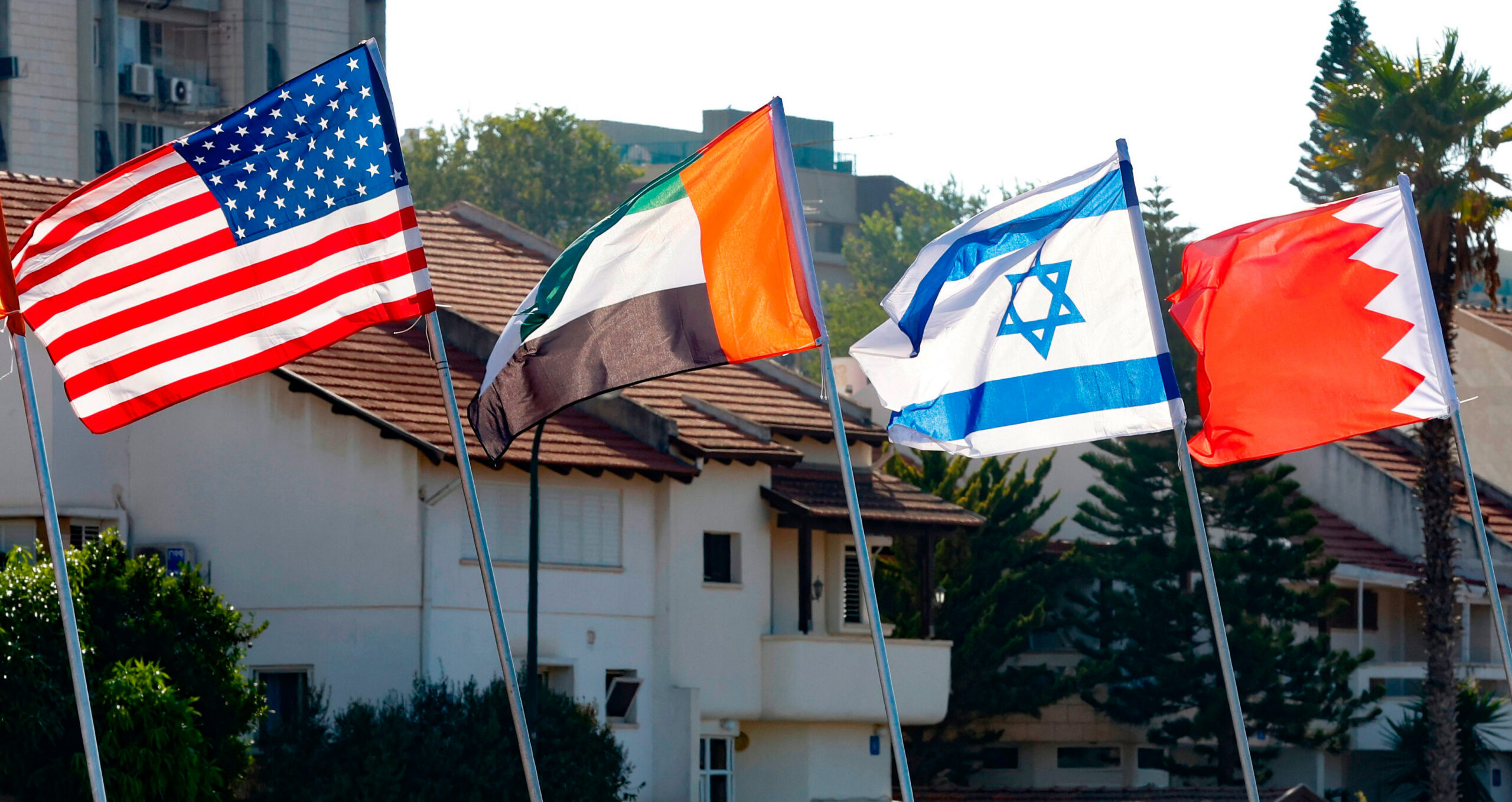
Both historical and modern-day conflicts in the Middle East have all been centered around classical territorial considerations of the loss or recovery of land. Escaping that cycle required a shift away from one of the main root causes of conflict: geography. The current changes in the region, characterized by a significant drive toward de-escalation and a growing willingness to periodically part ways with traditional allies, may be telling symptoms of a profound tectonic shift toward “quantum politics.”
Catch up with the latest developments about Turkey’s May elections with weekly updates from MEI’s Turkey Program. In this week’s installment of Turkish Election Watch: Erdoğan falls ill, Kılıçdaroğlu rallies in an AKP stronghold, Erdoğan dials up the culture war, concerns grow over election security, and what the polls tell us.
Catch up with the latest developments about Turkey’s May elections with weekly updates from MEI’s Turkey Program. In this week’s installment of Turkish Election Watch: The Kılıçdaroğlu campaign gets exciting, Erdoğan adds natural gas discount to pre-vote handouts and dials up the tension, and the top electoral body makes a surprising decision.
Naturalized Syrians are in the spotlight ahead of Turkey’s upcoming elections
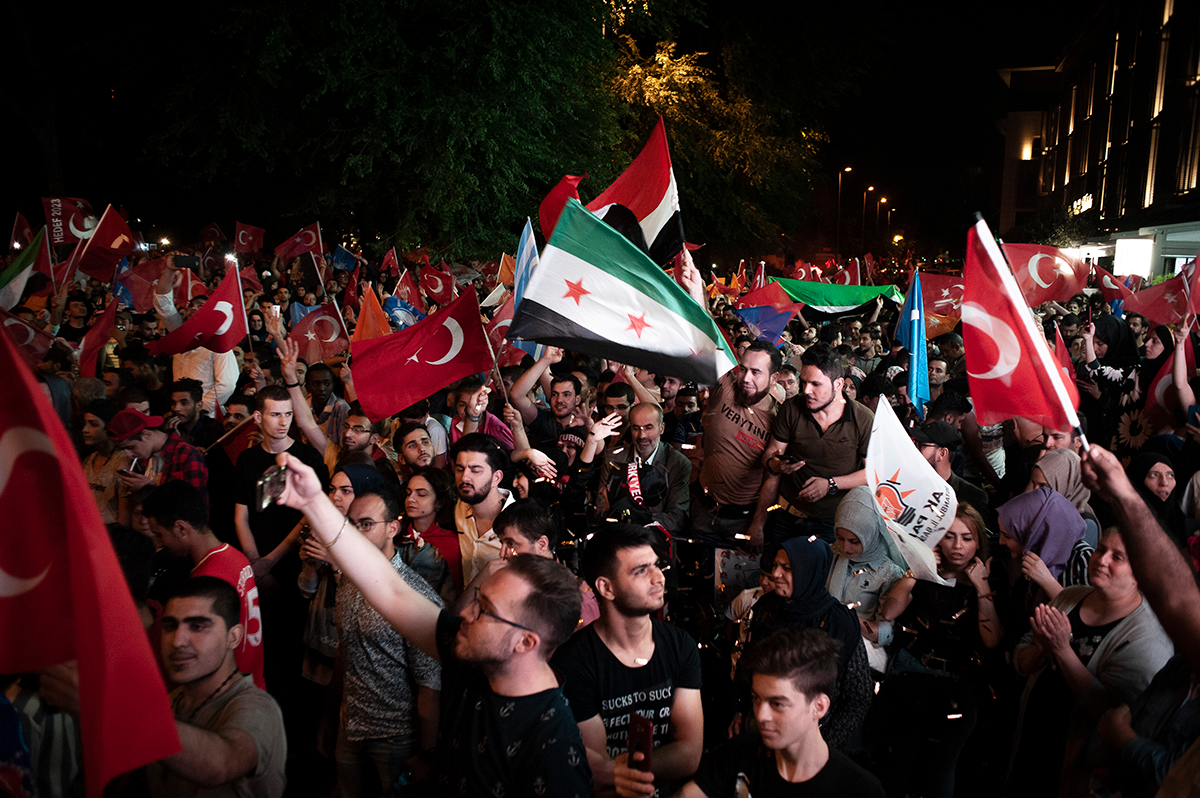
The most consequential elections in Turkey’s recent history are less than a month away, set to be held on May 14. While the more than 200,000 Syrians who have been granted Turkish citizenship since their arrival in the wake of the Syrian war will not play a significant role in determining the outcome given their numbers, migration is a top campaign issue, putting them at the heart of the vote.