زخم قوي في توجه السعودية نحو مصادر الطاقة المتجددة والبنية التحتية
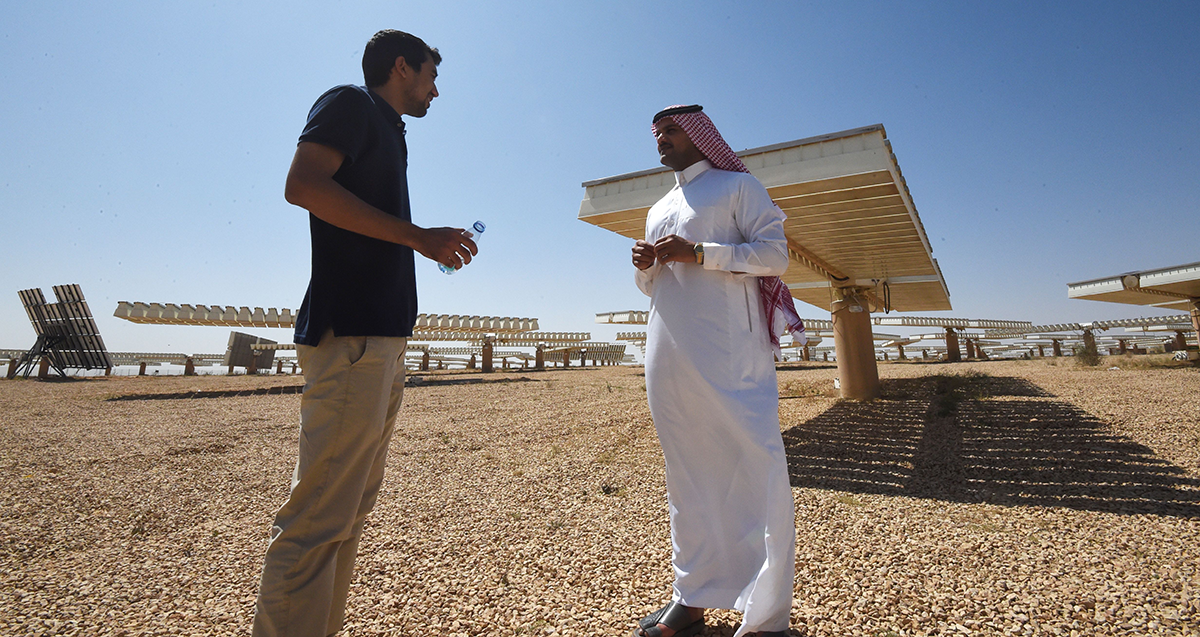
إن استراتيجية المملكة العربية السعودية لزيادة محفظتها من الأصول النظيفة والمتجددة قد تم تعزيزها في عام 2021، حيث شهدت المملكة العديد من عمليات تمويل المشاريع في قطاع الطاقة الشمسية وأطلقت صندوق البنية التحتية الوطني لتنويع اقتصادها.
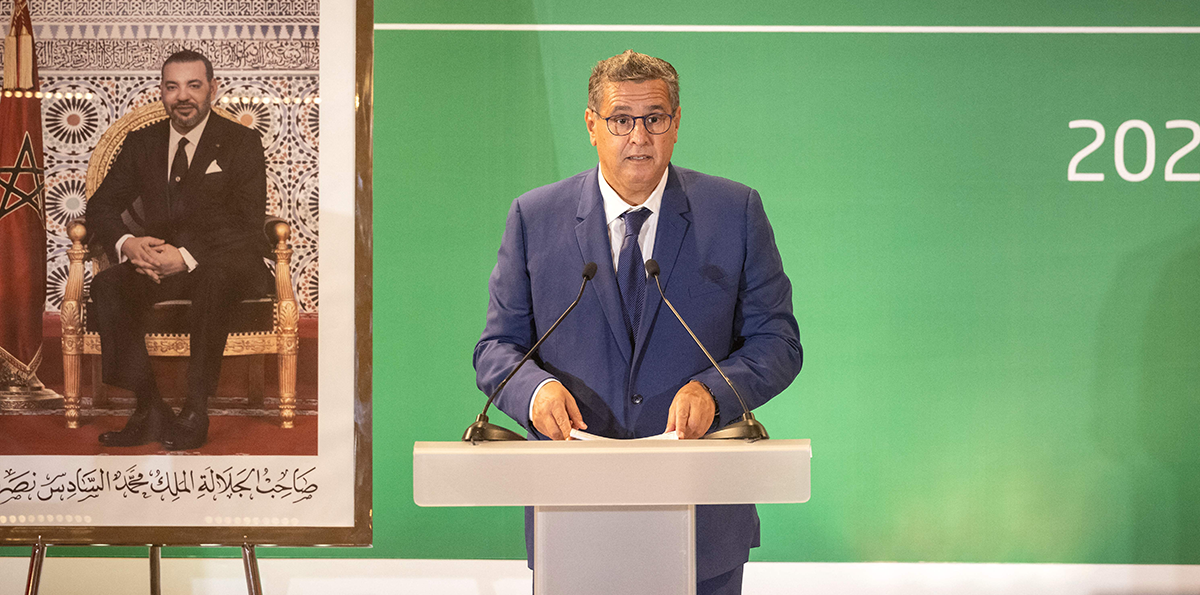
وضعت الحكومة المغربية الجديدة أولويات الميزانية، لكن هل يمكنها توفير مواردها؟
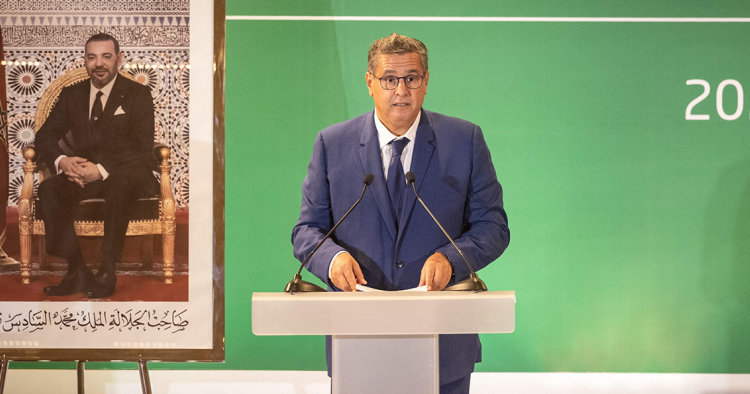
بعد شهرين في السلطة، أعطت الحكومة المغربية الجديدة إشارات إلى أنها تريد إعطاء الأولوية للتنمية الاجتماعية والتعافي من الآثار المطولة لكوفيد 19 على البلاد. ومع ذلك، فإن استقرار الاقتصاد الكلي، والموارد المالية المحدودة، وزيادة الإنفاق الدفاعي تحد من مدى قدرة الدولة على متابعة وتمويل خطط التنمية الاجتماعية التي تشتد الحاجة إليها.
Sinan al-Shabibi: Immortalizing the legacy of Iraq’s best
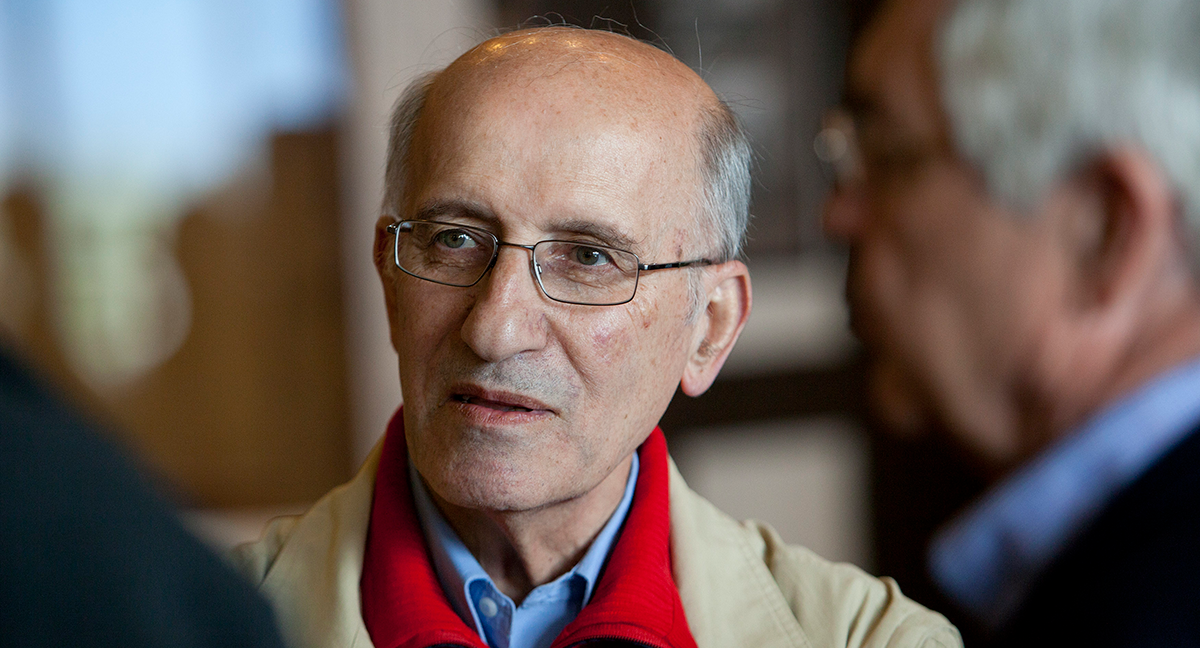
In Iraqi folklore, Saturday is both an ominous and auspicious day. Iraqis say it is Awwad —“repetitive” — and hence they prefer to postpone taking important decisions to other days of the week. For many Iraqis this week, the news of Dr. Sinan al-Shabibi’s unfortunate passing on Saturday, Jan. 8 could not have come on a worse day. While the loss of one of Iraq’s last firmly independent voices, a respected economist and former central bank governor and someone who genuinely sought the country’s economic transformation, was ominous, in time the day may also become auspicious if his memory and legacy help to inspire a new generation of Iraqis to realize his aspirations for the country.
How Saudi Arabia is forging ahead with its privatization drive
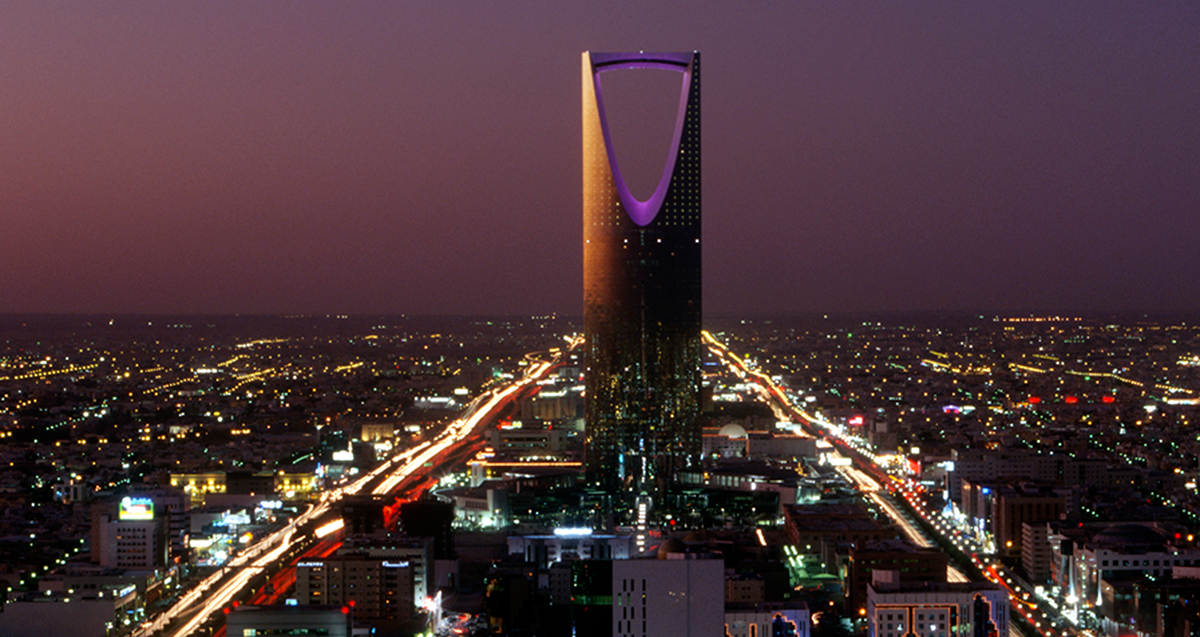
Saudi Arabia’s leviathan sovereign wealth fund, the Public Investment Fund (PIF), has recently sold a 5% stake in the Saudi Telecom Company (STC). The firm is the largest and most profitable in the regional telecoms sector. The 3.2B USD sale, completed in early Dec. 2021, is yet another step in Riyadh’s privatization drive as part of its Vision 2030 agenda, and highlights the growing role of the Kingdom’s domestic financial sector.
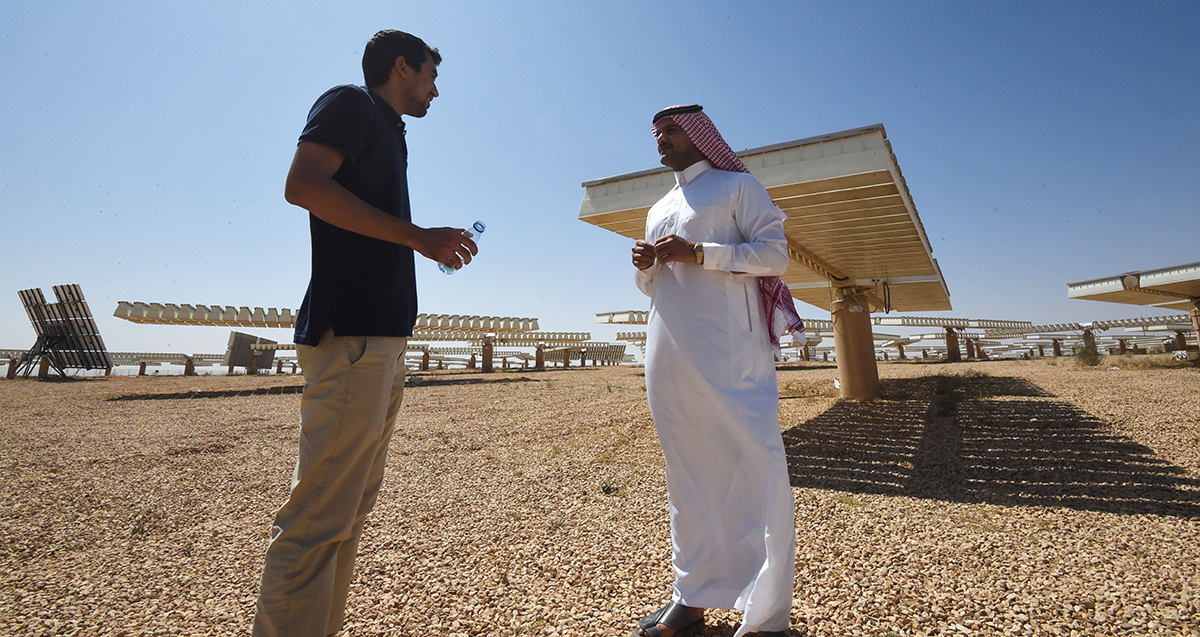
Strong momentum in Saudi Arabia’s drive toward renewables and infrastructure
Saudi Arabia’s strategy to push through its portfolio of clean and renewables assets was further strengthened in 2021 as the kingdom witnessed several project financings in the solar sector and launched the National Infrastructure Fund (NIF) to diversify its economy.
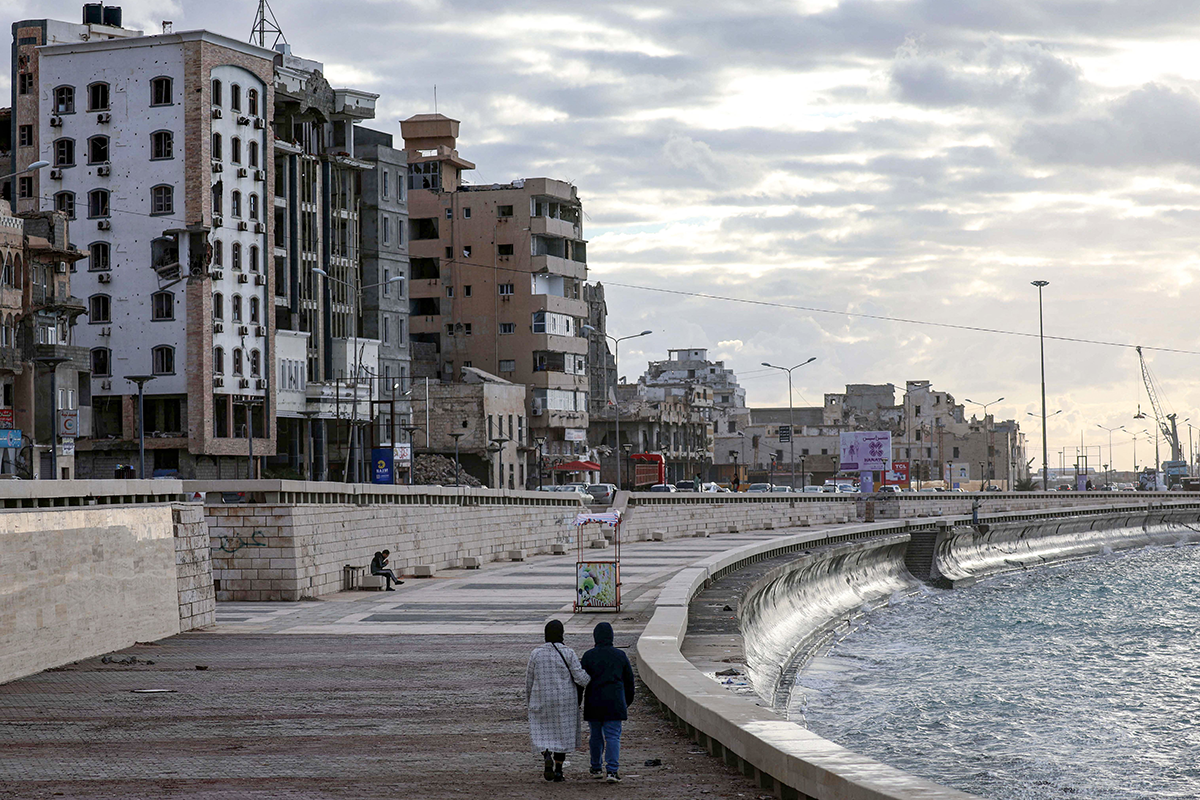
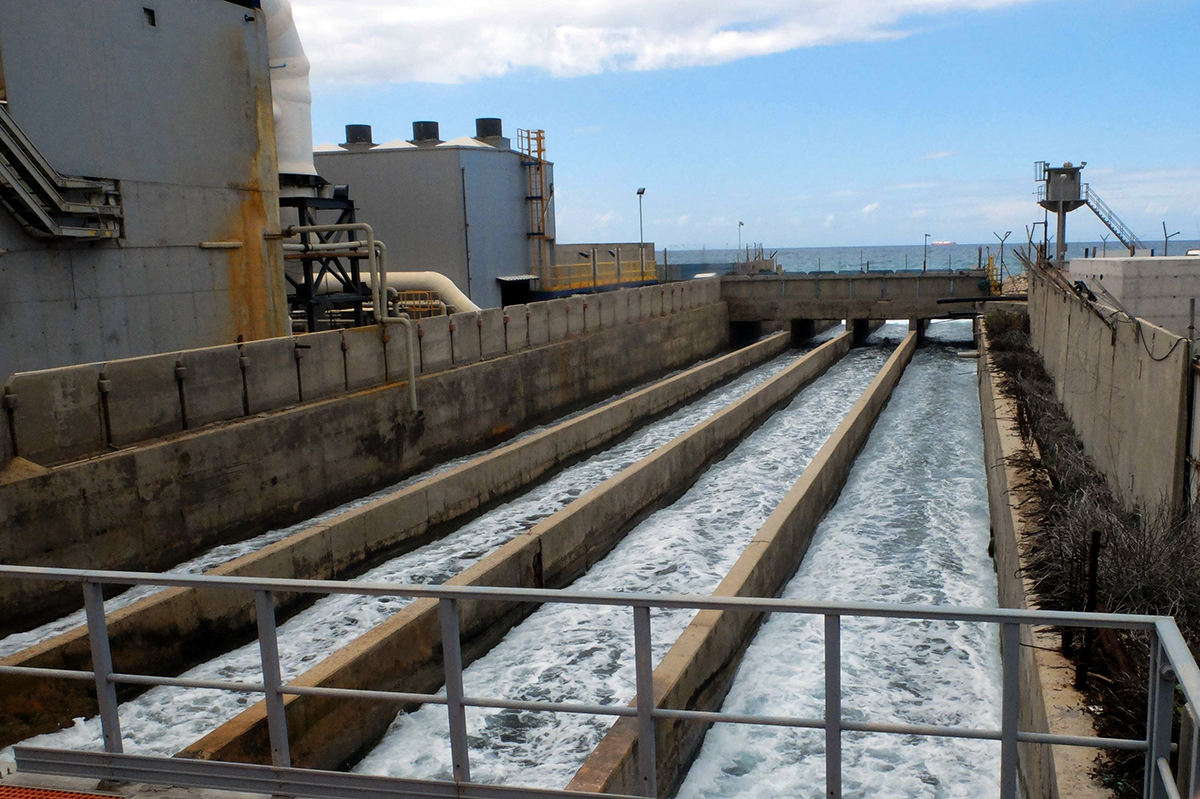
Desalination in Libya: Challenges and opportunities
For the MENA region, groundwater is a hidden but significant problem, as many countries extract more than is being recharged and most lack solid legal frameworks and national water policy regulations to determine use. As a result, there are questions and concerns about the current status of groundwater aquifers, especially with the increasing impact of climate change, as well as the type of sustainable alternative solutions that could assist in conserving them. Libya is no exception to this broader regional trend, and the country suffers from growing water scarcity.
What were the most significant developments in the Middle East and regional policy in 2021? MEI’s Paul Salem, Randa Slim, Bilal Saab, and Karen Young join the program to discuss the key events and what trends to watch in 2022.
Exploring the feasibility of the Jordan-Israel energy and water deal
On Nov. 22, the Dubai Expo hosted an event where the United Arab Emirates (UAE), Jordan, and Israel signed a cooperation agreement that would broker an exchange of renewable energy and water between Jordan and Israel. The signing of the agreement between the respective minsters of the three countries took place in the presence of Abu Dhabi Crown Prince Mohammed bin Zayed and U.S. Climate Envoy John Kerry, who played a role in getting the deal done.
Morocco’s new government lays out budget priorities, but can it pay for them?
After two months in power, Morocco’s new government has indicated that it wants to prioritize social development and post-pandemic recovery as the country reels from the prolonged impact of COVID-19. However, macro-economic stabilization, constrained financial resources, and increasing defense spending are limiting the extent to which the state can effectively pursue and finance much-needed social development plans.
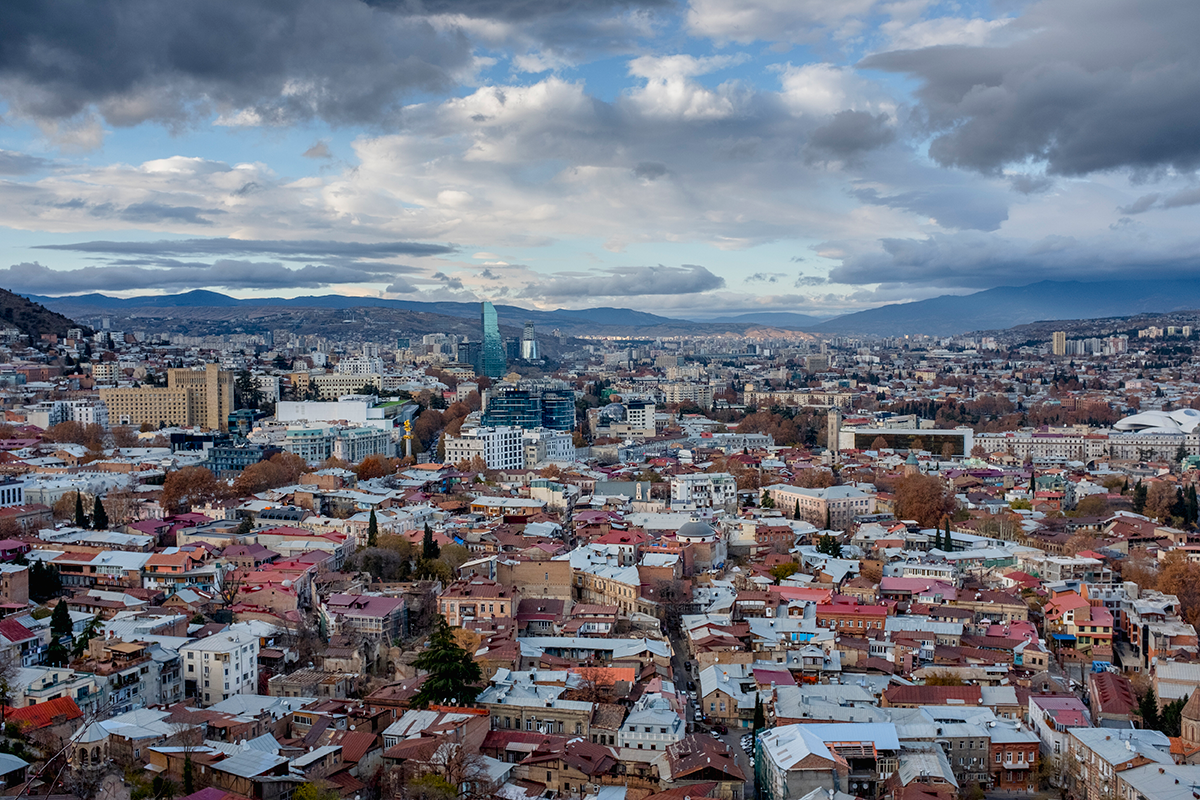
In the aftermath of the fragmentation of the USSR, the South Caucasus region went through a period of transformational change, during which it had to redesign and rebuild its energy systems and energy security routes. The latest U.N. Intergovernmental Panel on Climate Change (IPCC) report demonstrates that anthropogenic warming has caused extreme temperatures, precipitation levels, and drought in the region. While Georgia has significant potential for additional clean energy generation and other climate change measures, the current pace of transformation needs to increase.
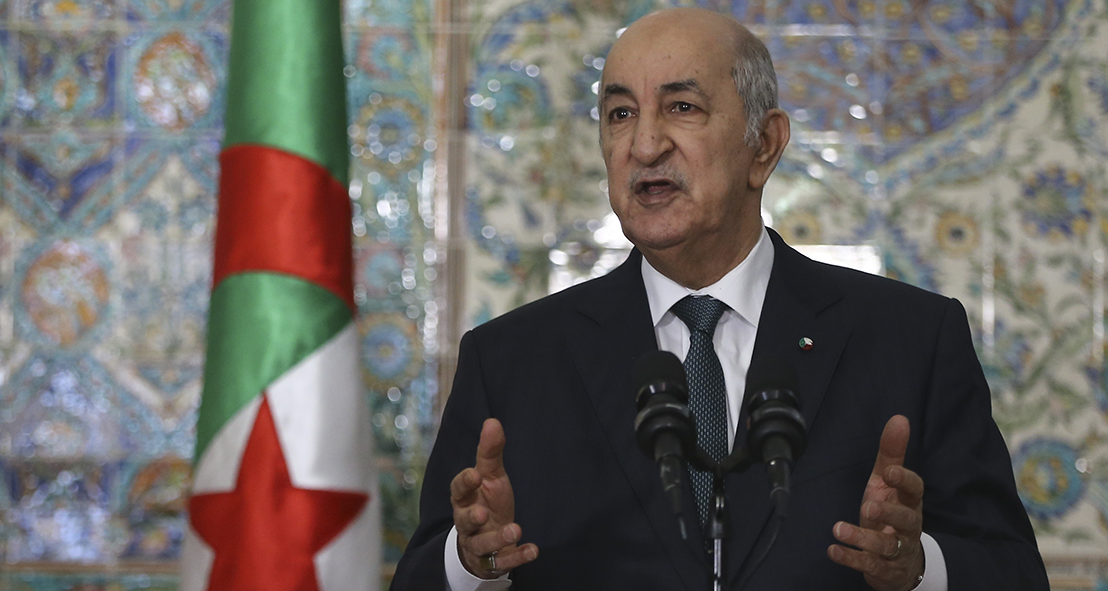
The post-Hirak presidency: Tebboune’s promises and achievements two years on
On Dec. 19, 2019, Abdelmadjid Tebboune was inaugurated as the eighth president of the Algerian Republic. He took office in the midst of a turbulent political climate following the 2019 popular uprising known as the Hirak. With the confidence of just 40% of the electorate, Tebboune faced steep hurdles in establishing his popular legitimacy. However, beyond his own support, his presidency was also the response of the Algerian political establishment, centered around the military leadership, to the country’s political crisis. As Tebboune reaches the two-year mark of his term as president, it is a natural time to review his administration’s progress so far and assess how its promises and achievements stack up.
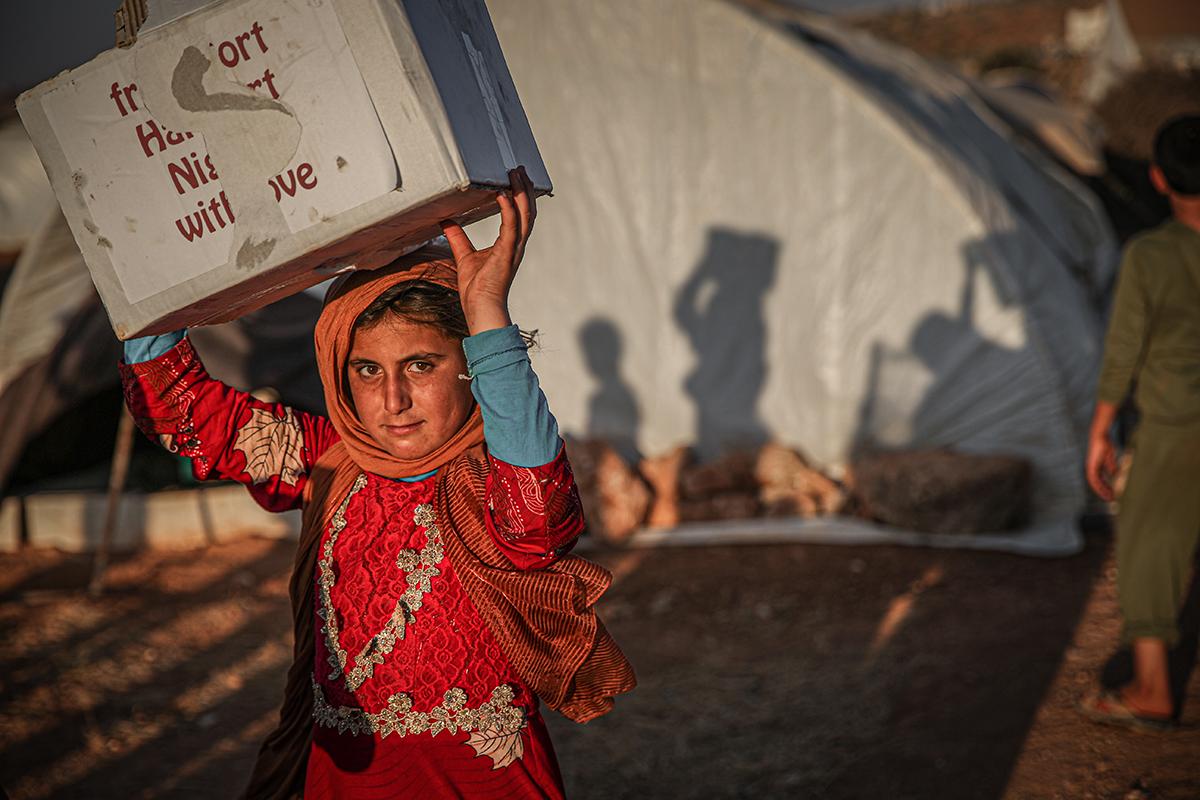
Three signs of impending famine in Syria absent immediate action
The pace of military action in Syria has plateaued. With the assumption of a frozen conflict comes the attendant assumption that humanitarian conditions are also likely to be stable. This could not be further from the truth. Humanitarian conditions continue to deteriorate, driven by three factors, and urgent action is now needed to avoid a famine.
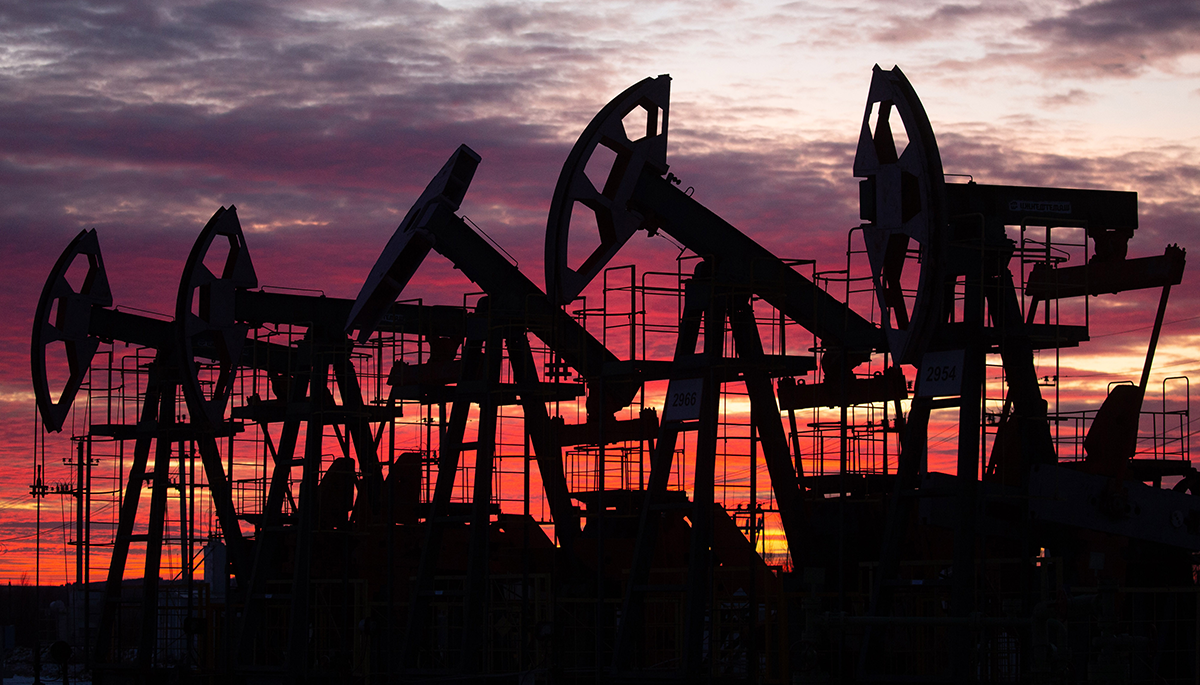
The events of recent months, including a series of critical statements by international players about the reluctance of OPEC+ to raise output beyond its established quotas, have clearly demonstrated the changing realities in the oil market. In addition to global uncertainty, the dynamics between Saudi Arabia, Russia, and the U.S., as well as the actions of Asian oil consumers, have become other key factors shaping the cartel’s behavior.
أوبك بلس تواجه اختبارات جديدة لاستراتيجيتها لموازنة السوق في عام 2022
عندما أعلن البيت الأبيض في عهد الرئيس جو بايدن أنه قد نجح في ضم العديد من الدول الرئيسية المستهلكة للنفط في محاولة لتنسيق عمليات الإفراج عن احتياطيات البترول الاستراتيجية (SPRs) حول العالم، بدا أن هذا سيكون العامل الرئيسي الوحيد في أسواق النفط التي ستناقشه أوبك بلس في