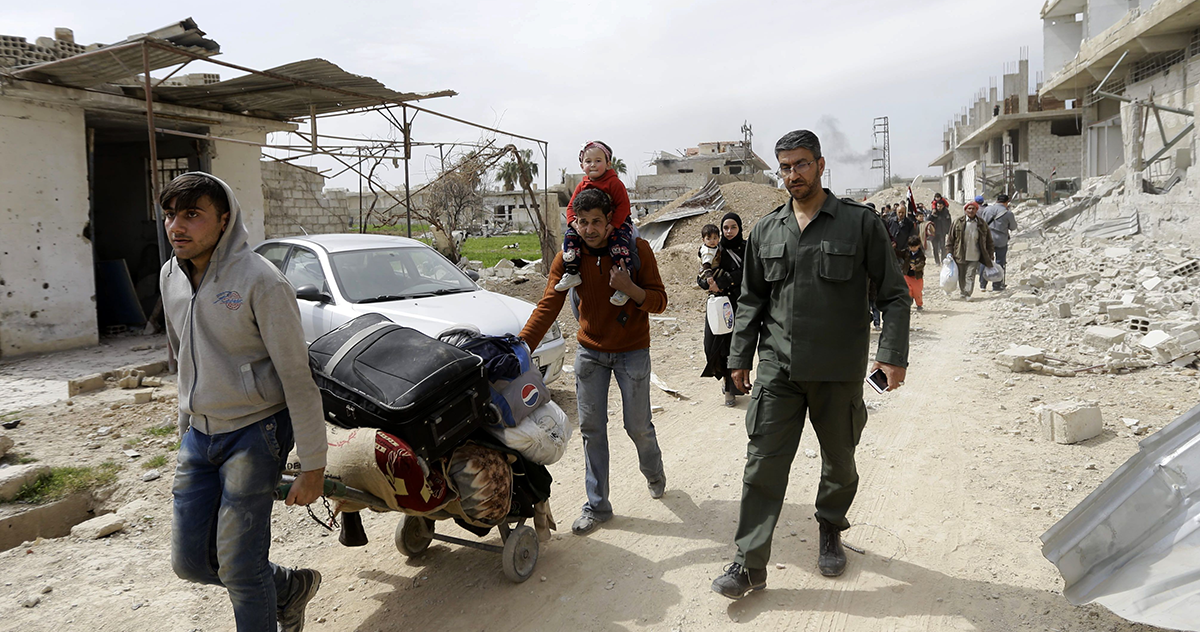
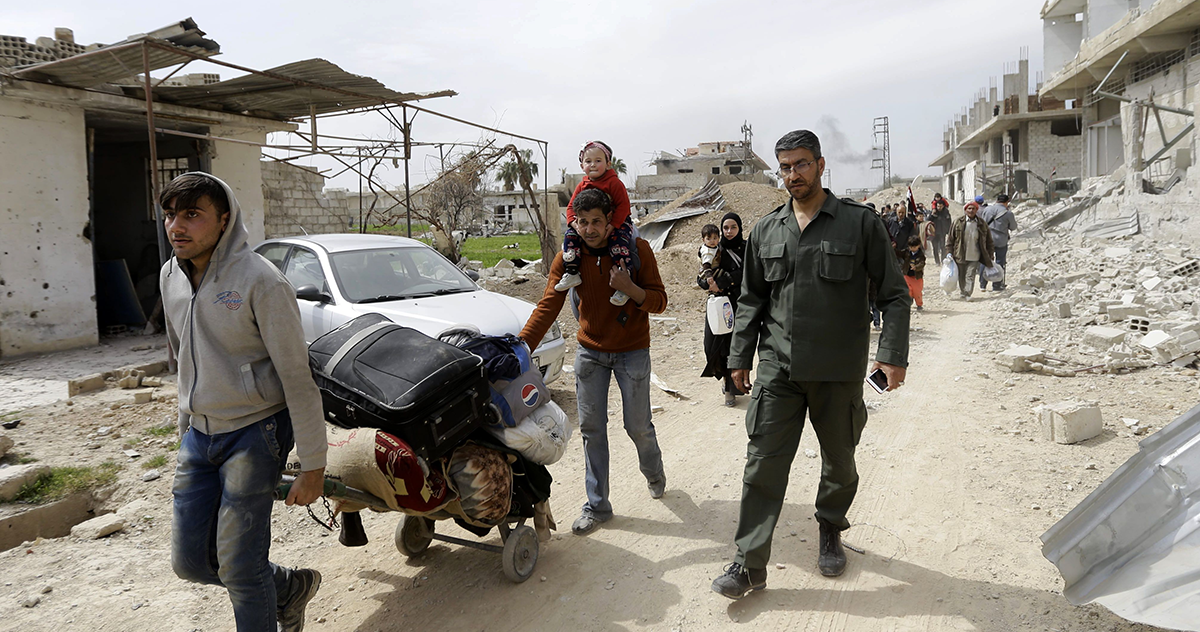
على الرغم من التوثيق الجيد لاضطهاد الدولة السورية وعنفها ضد السكان من خلال الكم الهائل من شهادات الضحايا طوال النزاع المسلح الذي استمر أكثر من ١١ عامًا في عموم البلد، يبقى المنطق خلف هذا العنف مفهوماً بشكل أقل – من هم المستهدفين من قبل النظام وما هي الأضرار الناتجة هذا الاستهداف؟ ولماذا يستمر العنف والاضطهاد ضد بعض الجماعات حتى بعد انخفاض الأعمال العدائية المباشرة، أو حتى بعد لجوء هذه الجماعات خارج البلاد؟
Understanding the logic behind the Syrian regime’s violence
The Syrian state’s persecution of the population has been well documented throughout the country’s more than 11-year conflict. Less well understood is the logic behind the violence — who the regime targets and why they inflict such harm. Why do violence and persecution continue against some groups, even after a reduction in immediate conflict hostilities or when they now live as refugees outside of the country?
Dispatches from Riyadh: Reflections on the Global Cybersecurity Forum
MEI’s Center for Strategy and Emerging Technology participated in the second annual Global Cybersecurity Forum in Riyadh this past week. Here are our reflections on the conference, the conversations we had there, and the GCF’s overall agenda.
Syria and Lebanon at risk from rapidly spreading cholera epidemic
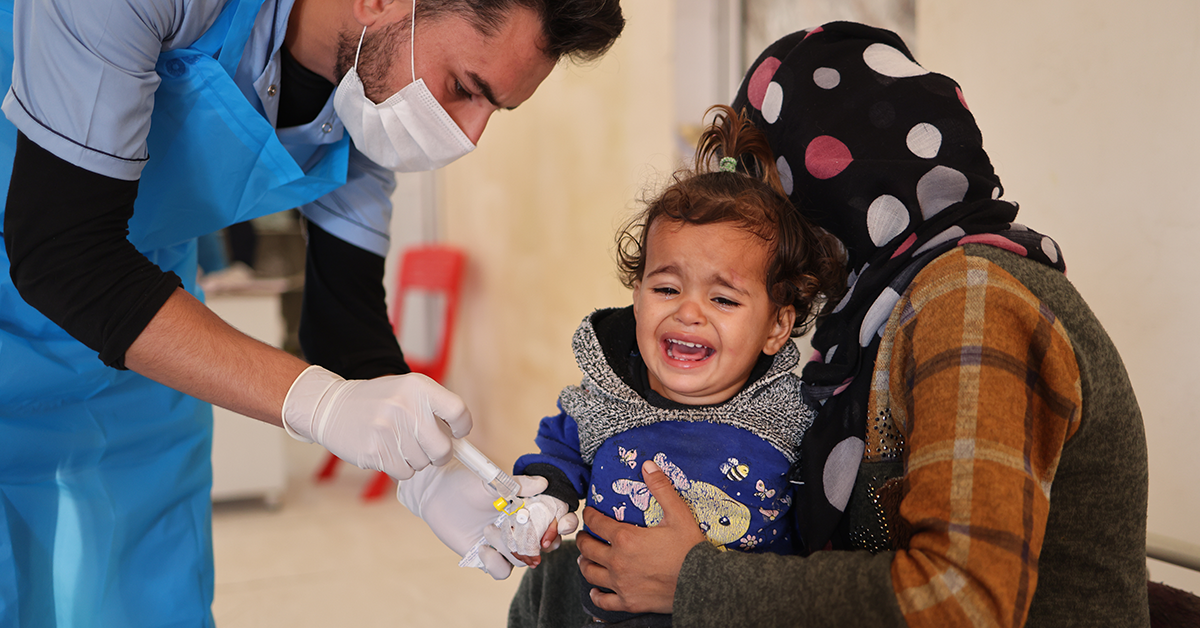
Cholera continues to sweep through Syria and Lebanon at an alarming pace, leaving thousands sick and hundreds dead in its wake, with only a small fraction of cases officially registered in databases.
Frozen Syria? Assessing the state of play and opportunities for engagement
Russia’s Feb. 24 invasion of Ukraine has given rise to speculation that it might fully withdraw from Syria, creating a power vacuum that could ignite new fighting. Yet these fears are likely misplaced and a deeper examination of the current state of Syria reveals unique opportunities for engagement from the international community.
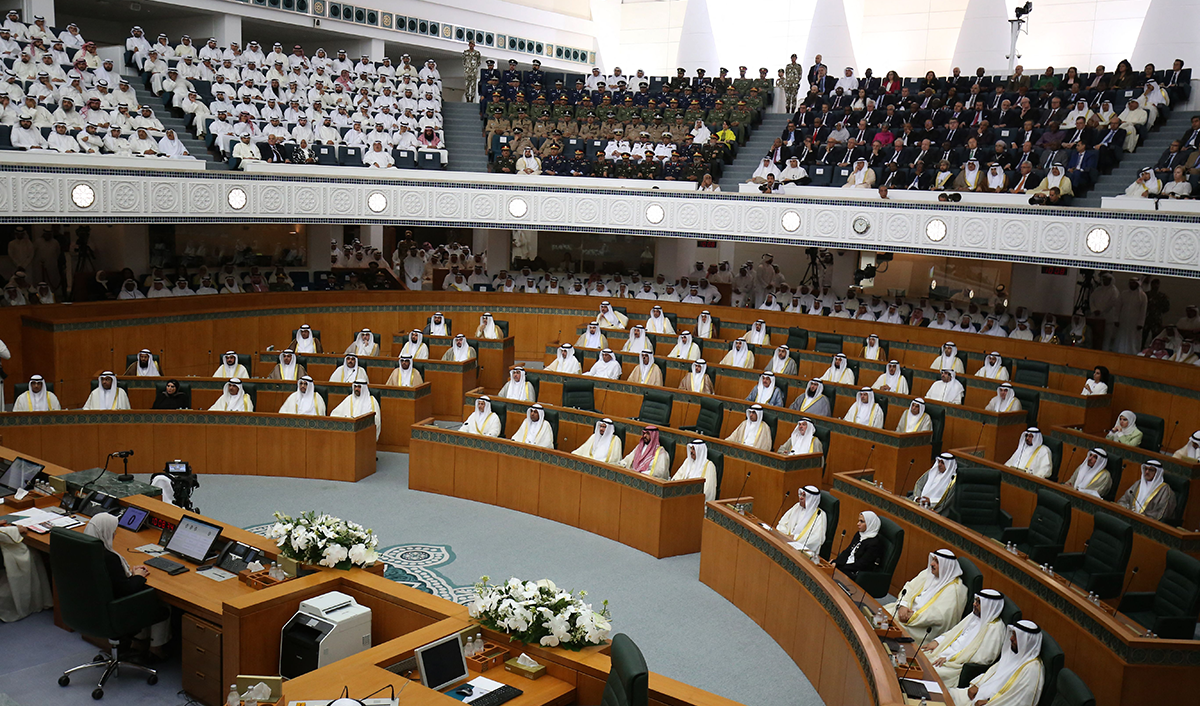
Will Kuwait’s new parliament resolve its political impasse?
Kuwait’s Sept. 29 parliamentary elections were supposed to bring change to the gridlock and governmental churn that had plagued the country in recent years. Kuwaitis initially appeared optimistic about the results, calling on the amir to appoint a strong government to work with the National Assembly. Questions remain, however, as to how well the government and the majority opposition parliament will be able to cooperate to implement the necessary reforms.
The Arab Peace Initiative returns. Will it supplant the Abraham Accords?
Although the Abraham Accords have been the main focus of Arab-Israeli peace-making since they were signed, the Arab Peace Initiative (API), introduced by the late Saudi King Abdullah 20 years ago, remains relevant and may be the better reflection of a path forward for Middle East peace
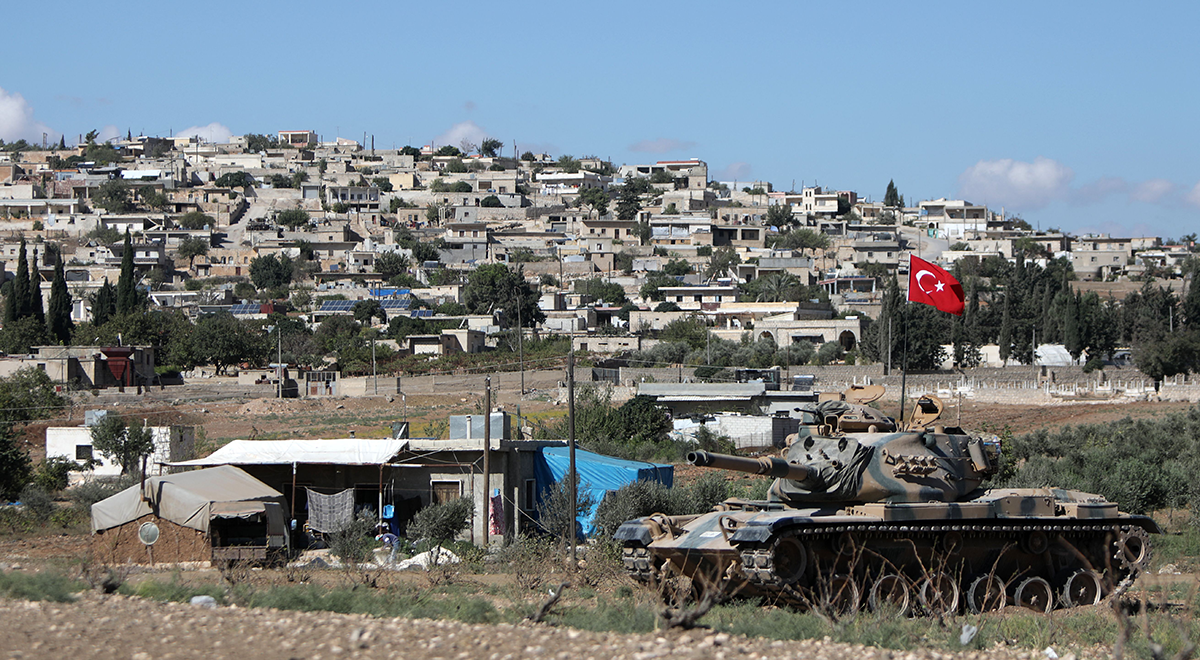
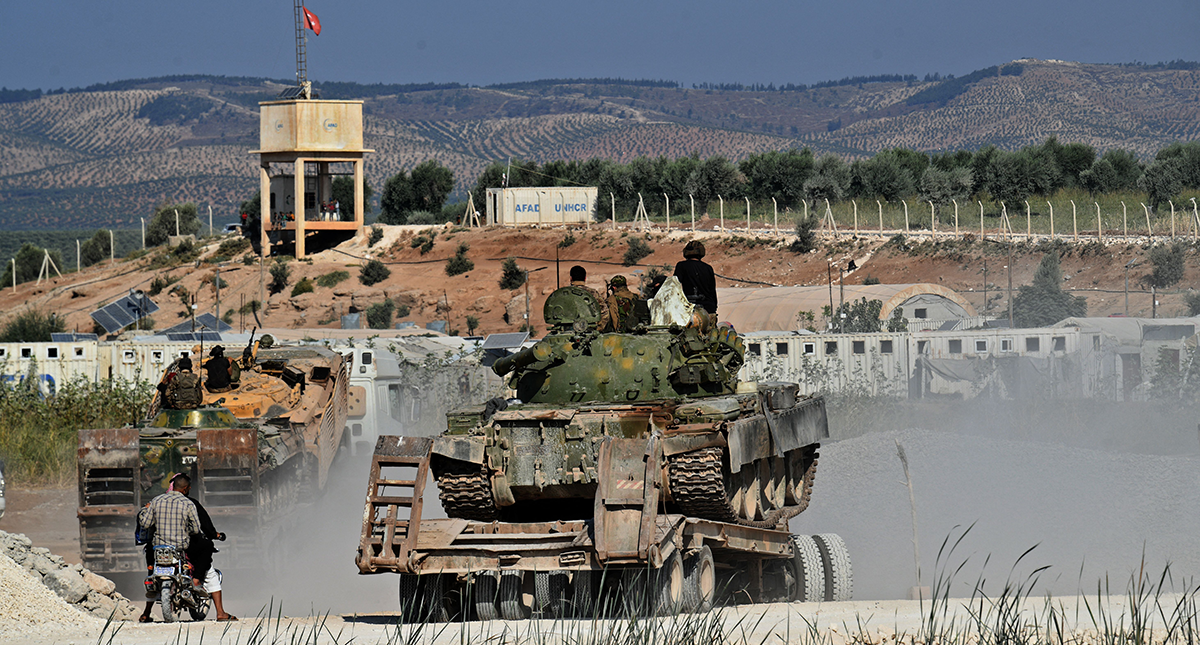
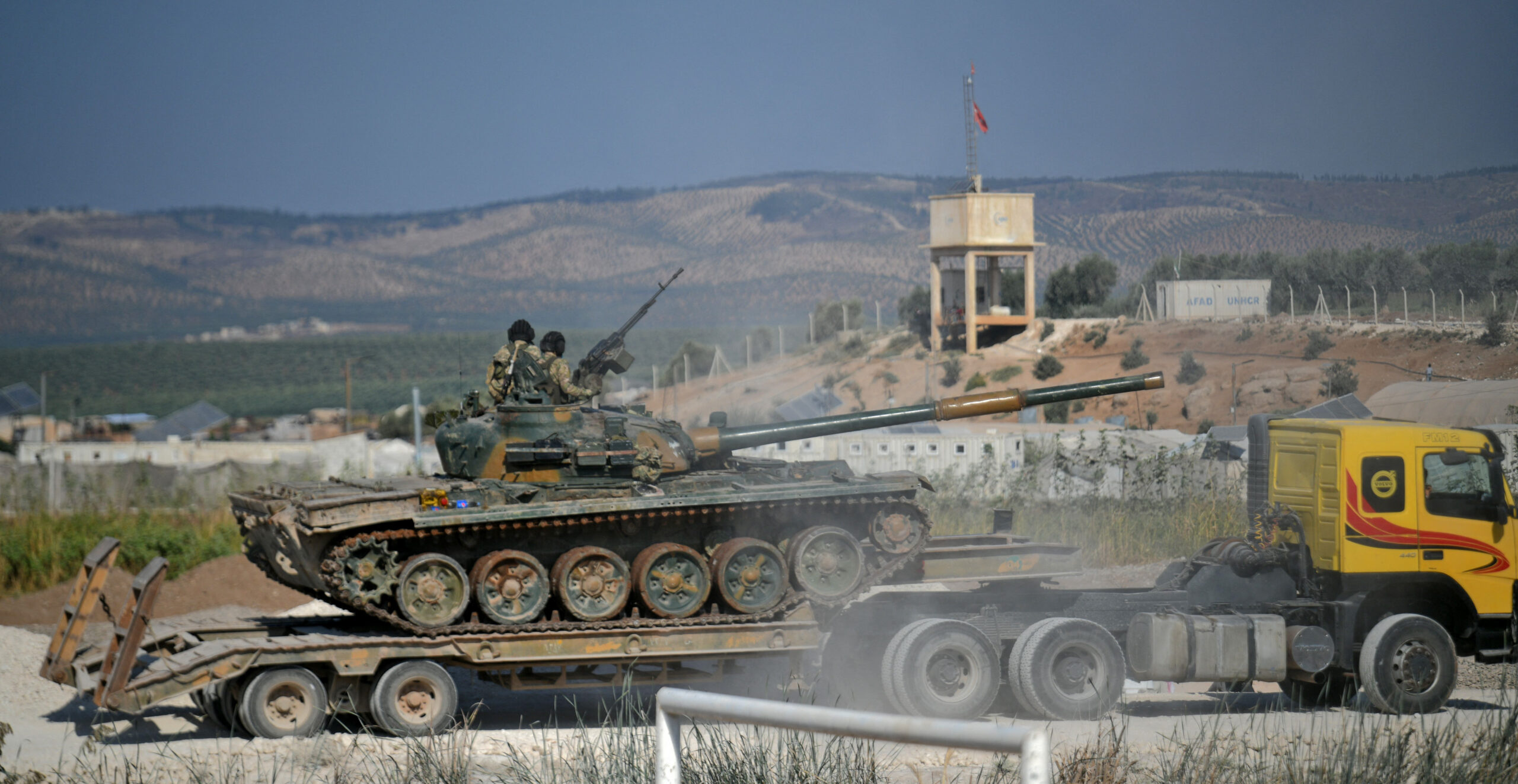
During the second week of October, unprecedented full-fledged military confrontations broke out in northern Syria between factions of the Turkish-backed Syrian National Army (SNA), with Hay’at Tahrir al-Sham (HTS) subsequently intervening in support of some factions over others. Tukey’s weariness about the constantly deteriorating state of security in the north, resulting mainly from infighting among the SNA forces it backs, and its willingness to impose order on them, could explain its silence on HTS’s military aggression. For HTS, however, expanding its rule and settling scores with some SNA factions may be the main drivers behind its recent attacks.
Pragmatic jihadist or opportunistic warlord? HTS’s Jolani expands his rule in northern Syria
The jihadist group Hayat Tahrir al-Sham (HTS) in Syria has dispatched its fighters from greater Idlib eastward, taking full control of Afrin city and at least 26 towns and villages to its southwest, most without a fight. This has placed many of its jihadist opponents back under HTS’s control. The dynamics of northwestern Syria are shifting, and the consequences look likely to be extremely significant.