Pakistan’s military and foreign policy under Gen. Asim Munir
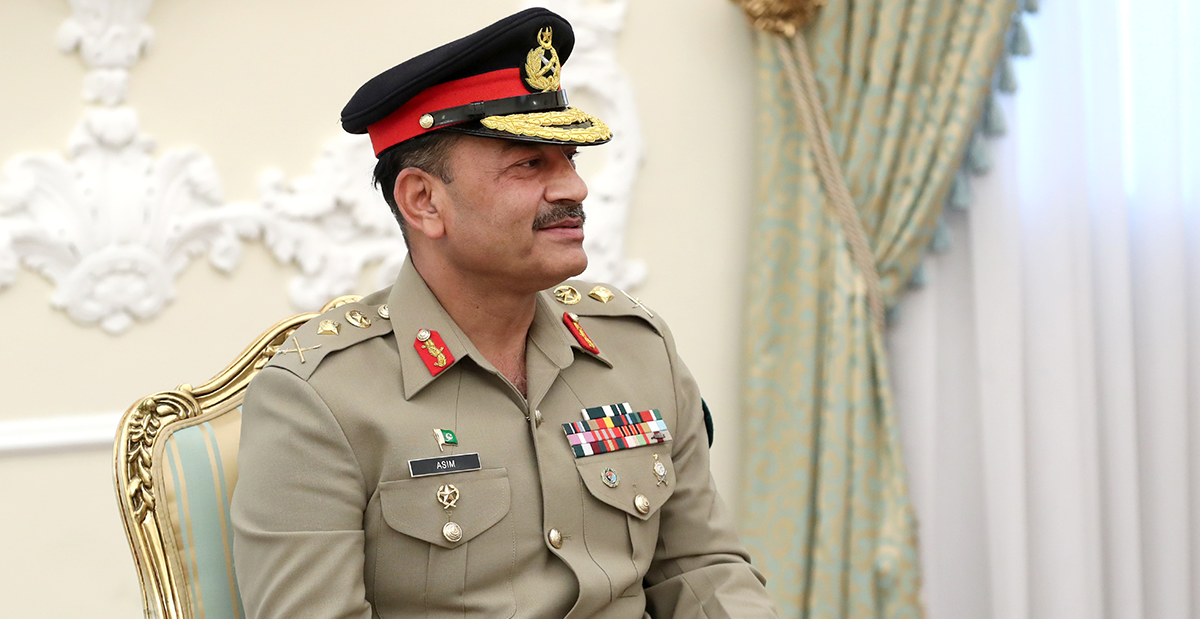
Gen. Qamar Javed Bajwa orchestrated a paradigm shift in Pakistan’s traditional geostrategic focus, transitioning from geopolitics to geoeconomics. His successor, Gen. Asim Munir, in command of Pakistan’s military for the past year, now faces the challenging task of turning Gen. Bajwa’s unrealized vision into a reality, a goal that requires cultivating positive interdependence and multi-alignment with a diverse range of partners, while also ensuring domestic stability.
Managing US Relations with Pakistan in Uncertain Times: Opportunities and Obstacles
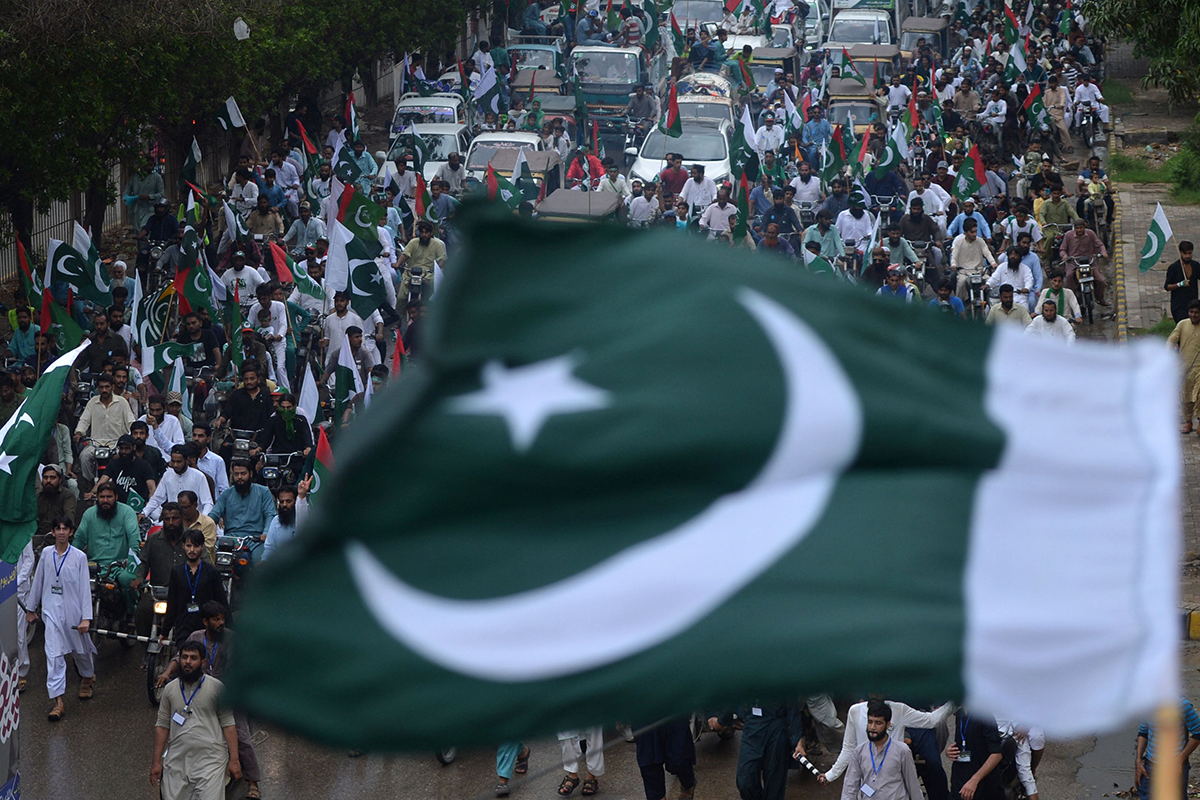
With the U.S. withdrawal from Afghanistan, America’s bilateral relationship with Pakistan may have come to hold less priority. If it was thought, however, that the U.S. could afford to largely turn its back on Pakistan and its region, it has instead become increasingly evident that American strategic interests and other concerns demand continued attention and involvement. It is imperative that American policymakers take a longer view when it comes to dealing with Pakistan, especially at a time when great power competition is intensifying across South Asia. It is in the interest of both the U.S. and Pakistan to develop a mutually beneficial and sustainable relationship.
War delays but likely will not fully derail IMEC plans
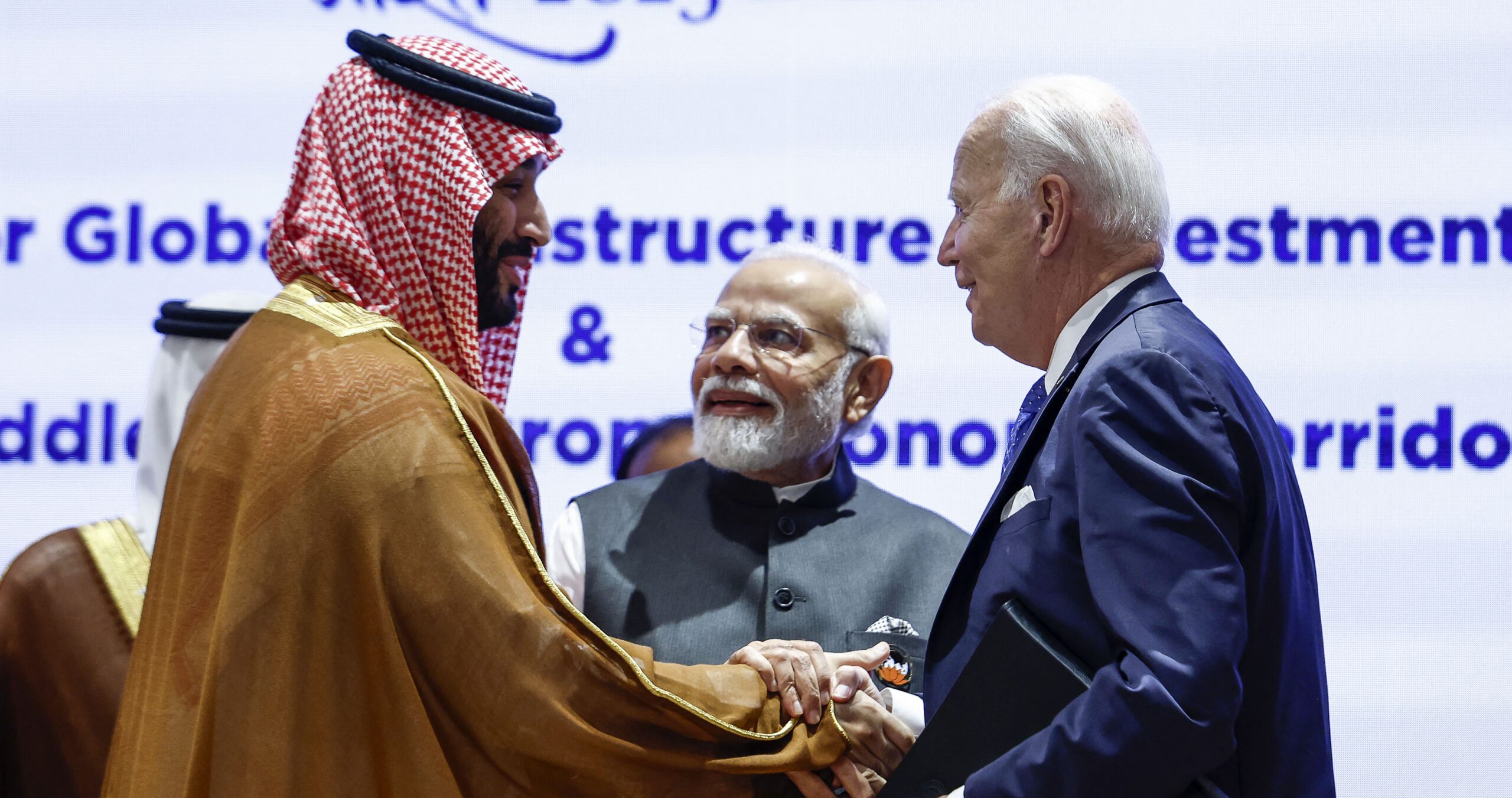
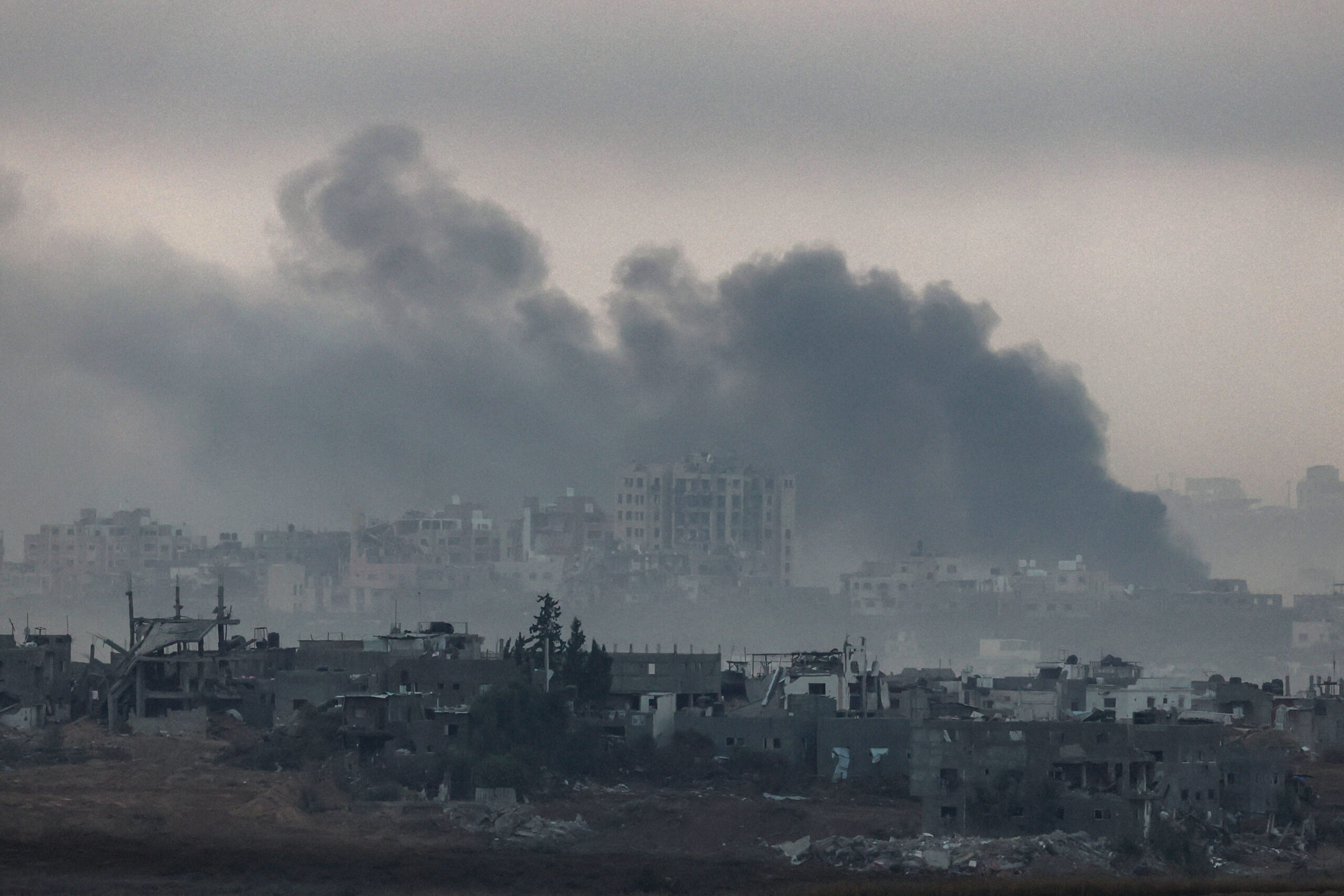
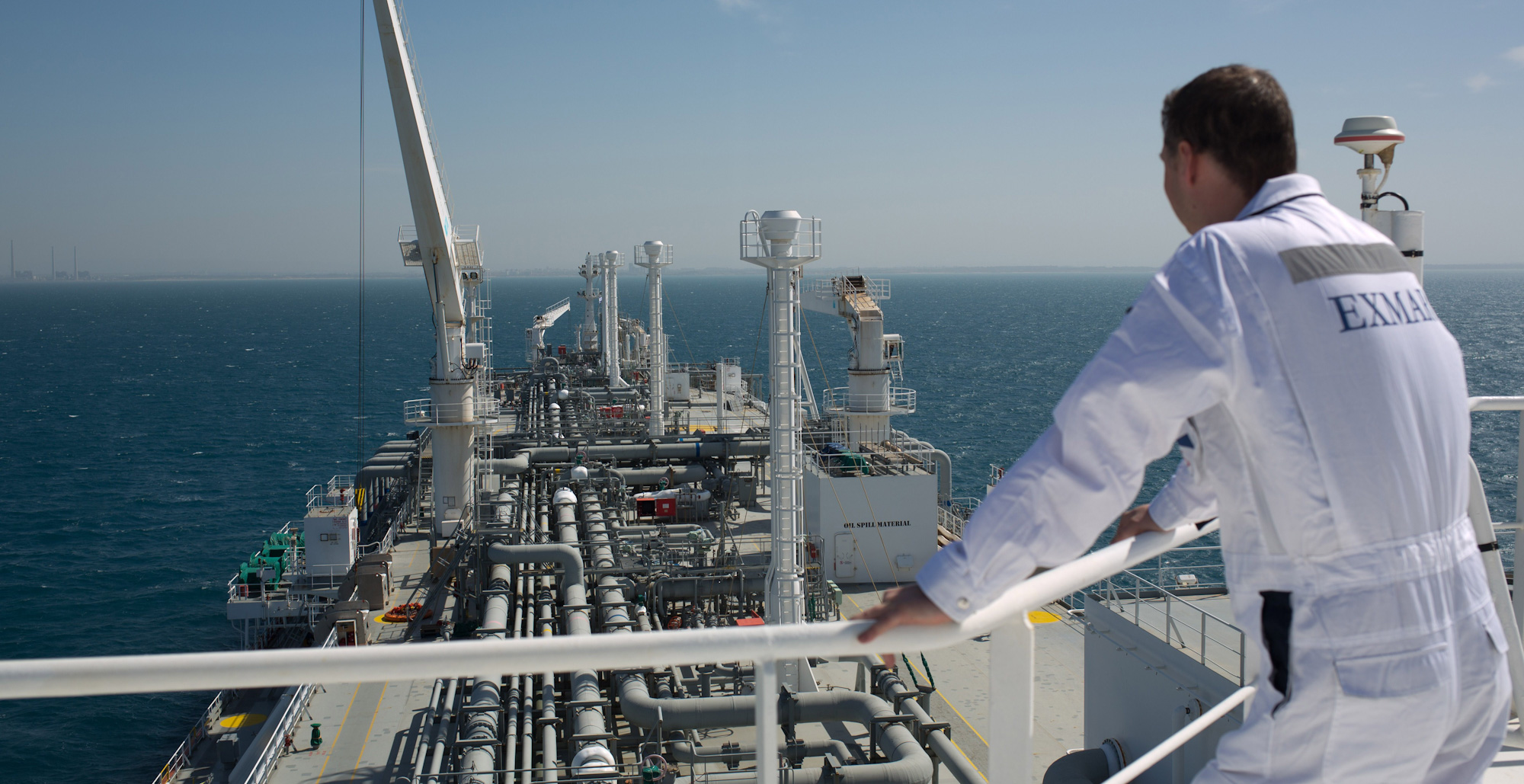
The Oct. 7 Hamas attack against Israel and the latter’s ongoing military operation in Gaza have stalled progress in the development of the India-Middle East-Europe Economic Corridor and raised questions about its prospects for eventual completion. The IMEC faces multiple viability challenges, but none of them are insurmountable; thus, its participants are unlikely to abandon it.
An Israeli-Palestinian peace process would present Iran with a difficult choice
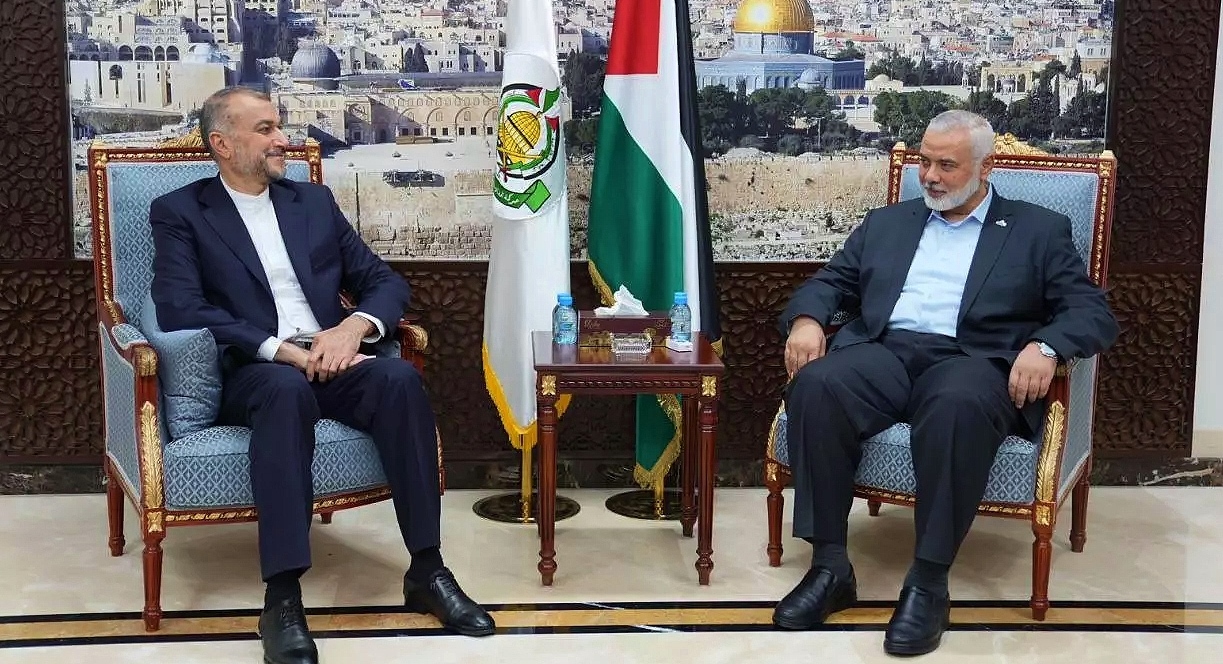
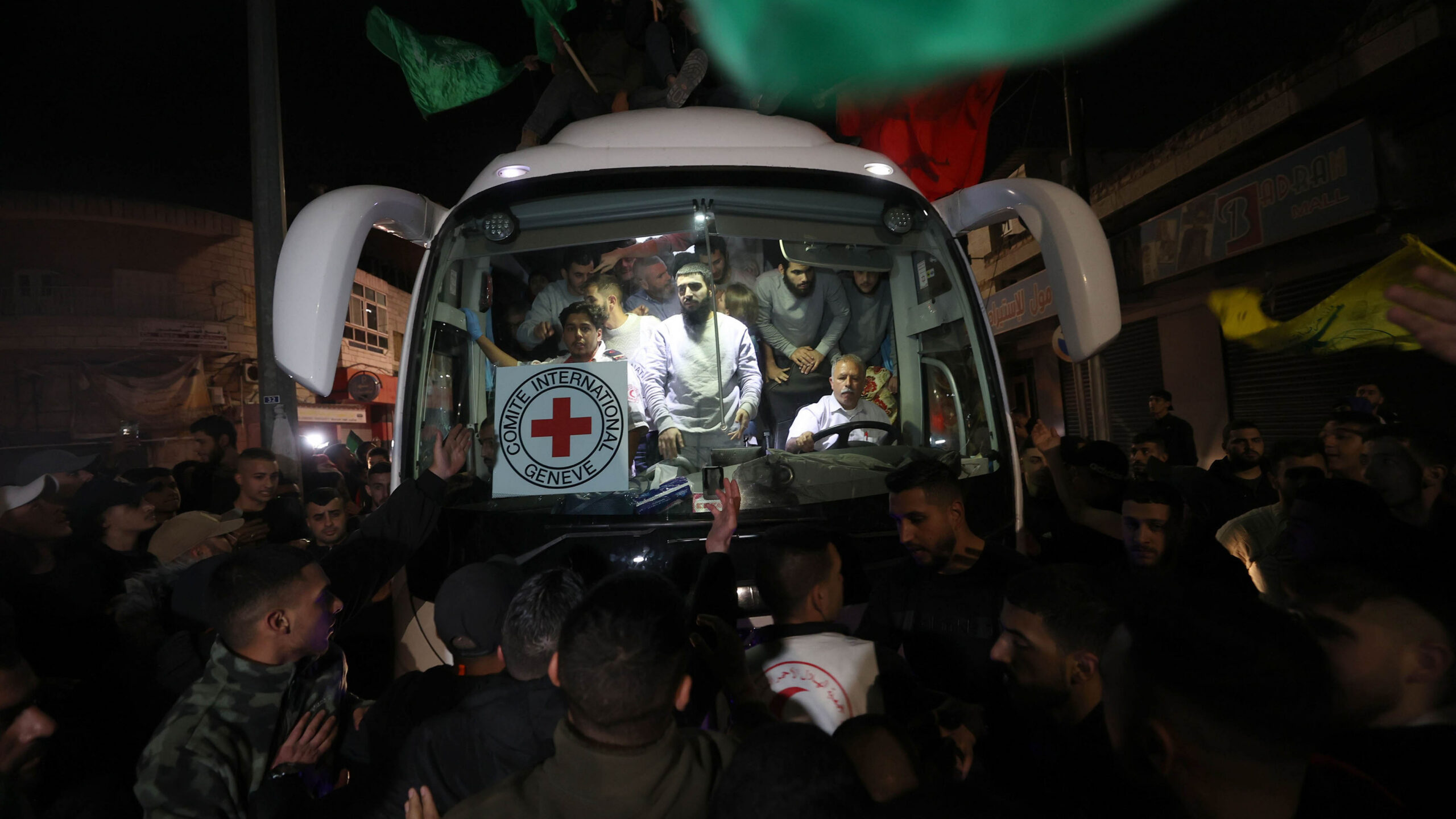
The Israel-Hamas war provides Tehran with a meaningful opportunity to fundamentally shift its position toward Israel. Should a peace process follow this latest war, Iran will have a hard choice to make – double-down on upholding its Axis of Resistance against Israel, or look for ways to work with the majority in the region that seek a feasible political settlement to the Israeli-Palestinian conflict.
Expert Views: How do we restart the Middle East peace process?
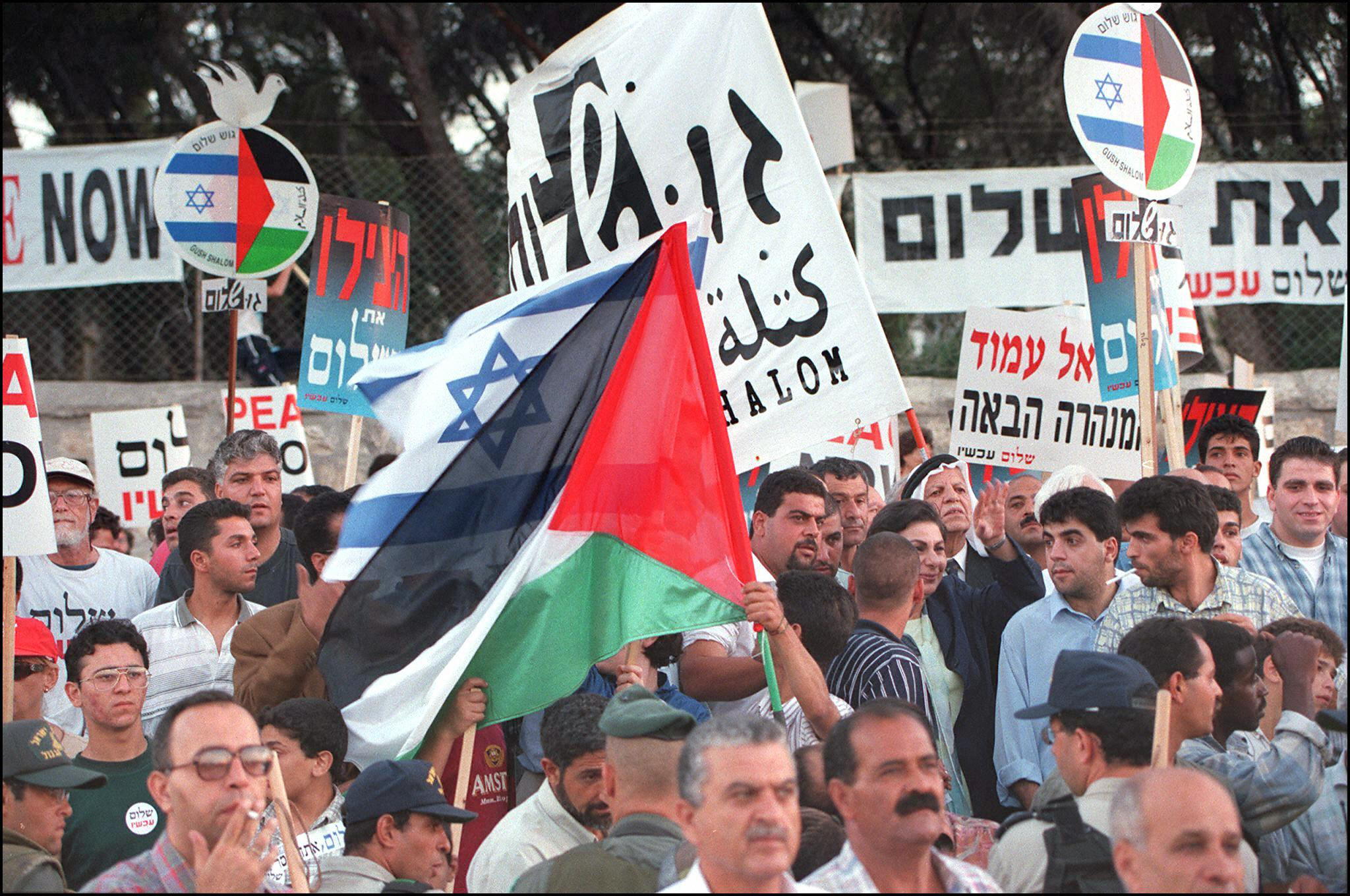
What would it take to start a new Israeli-Palestinian peace process that could actually have the prospect for enduring success? MEI has asked a group of regional and U.S. experts to weigh in.
Essential questions about the Russia-Hamas link: The evidence and its implications
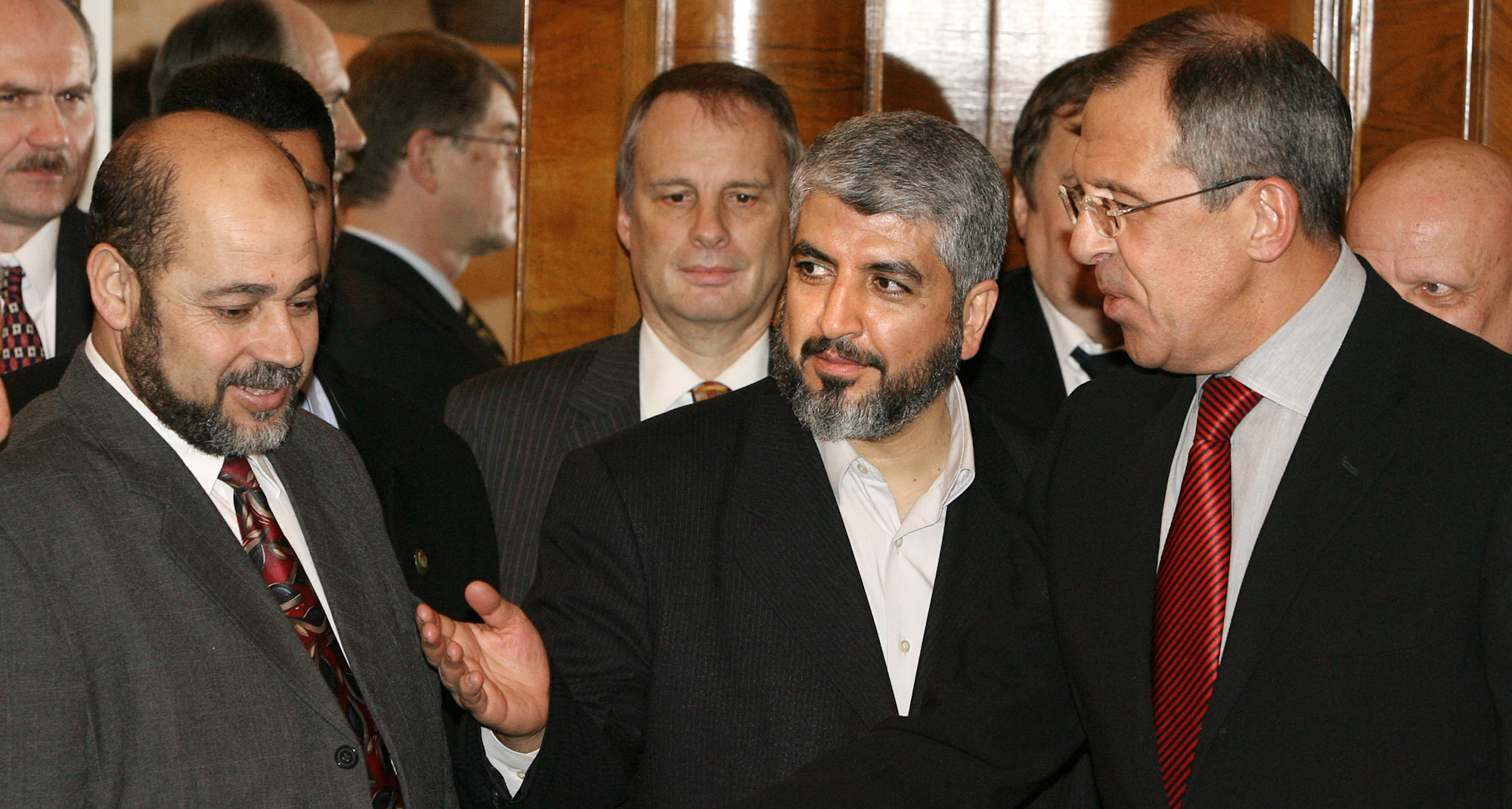
As the war in Gaza continues to unfold, essential questions about Russian and Iranian support for Hamas remain. They include whether Russia played any role in providing support to Hamas ahead of its Oct. 7 attack on Israel. Evidence available from foreign-language publications in Russian, Persian, Arabic, and Hebrew, as well as those in English, provides provocative leads, which, if accurate, have serious potential implications.
Climate casualties: How the Gaza war threatens Mideast climate action
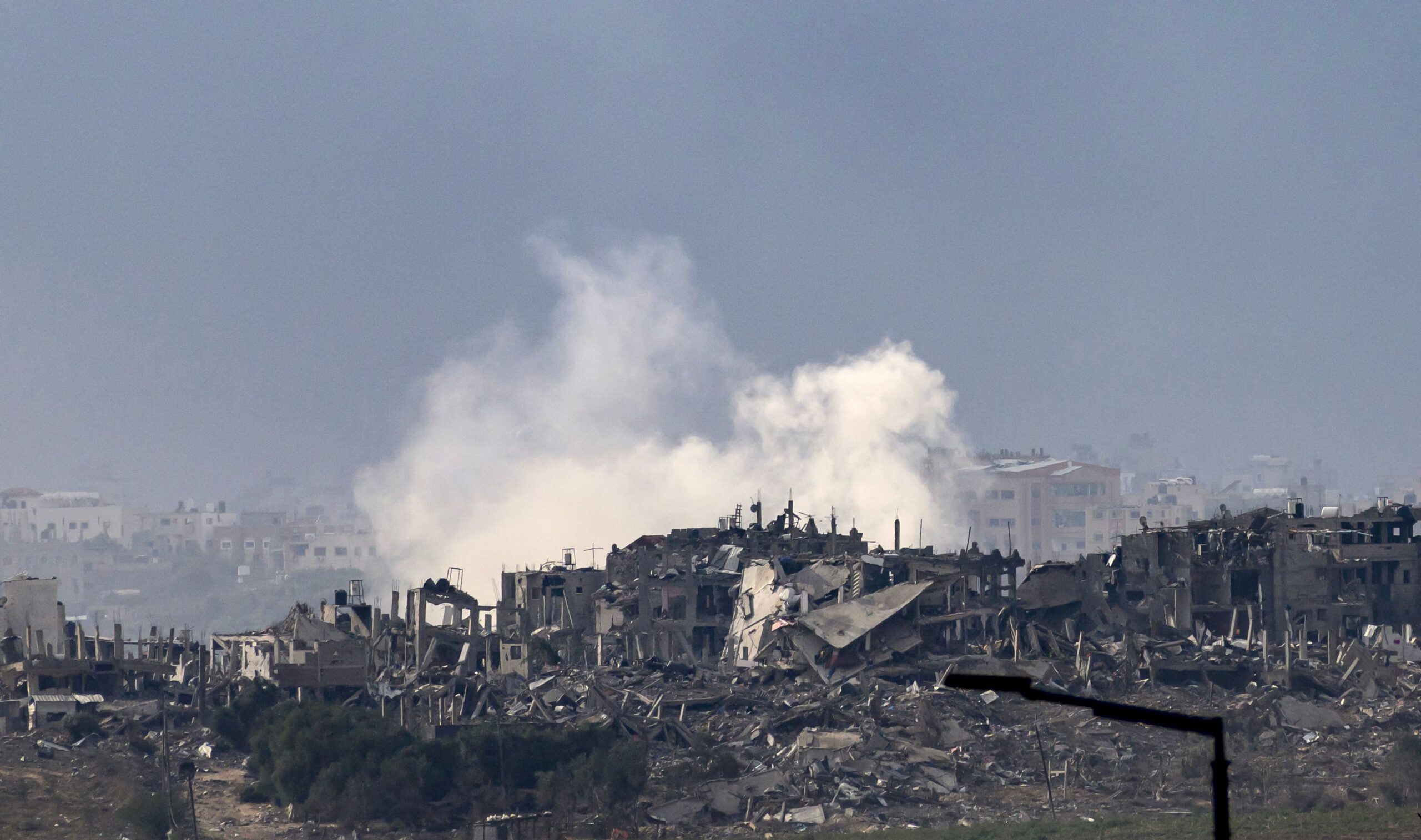
The renewed violence in Gaza could not have come at a less opportune time for the climate agenda in the Middle East. From energy economics to environmental degradation, the ripple effects of conflict will complicate the path ahead.
Israel’s Response to Iran in Syria: Choosing Between Escalation and Accommodation
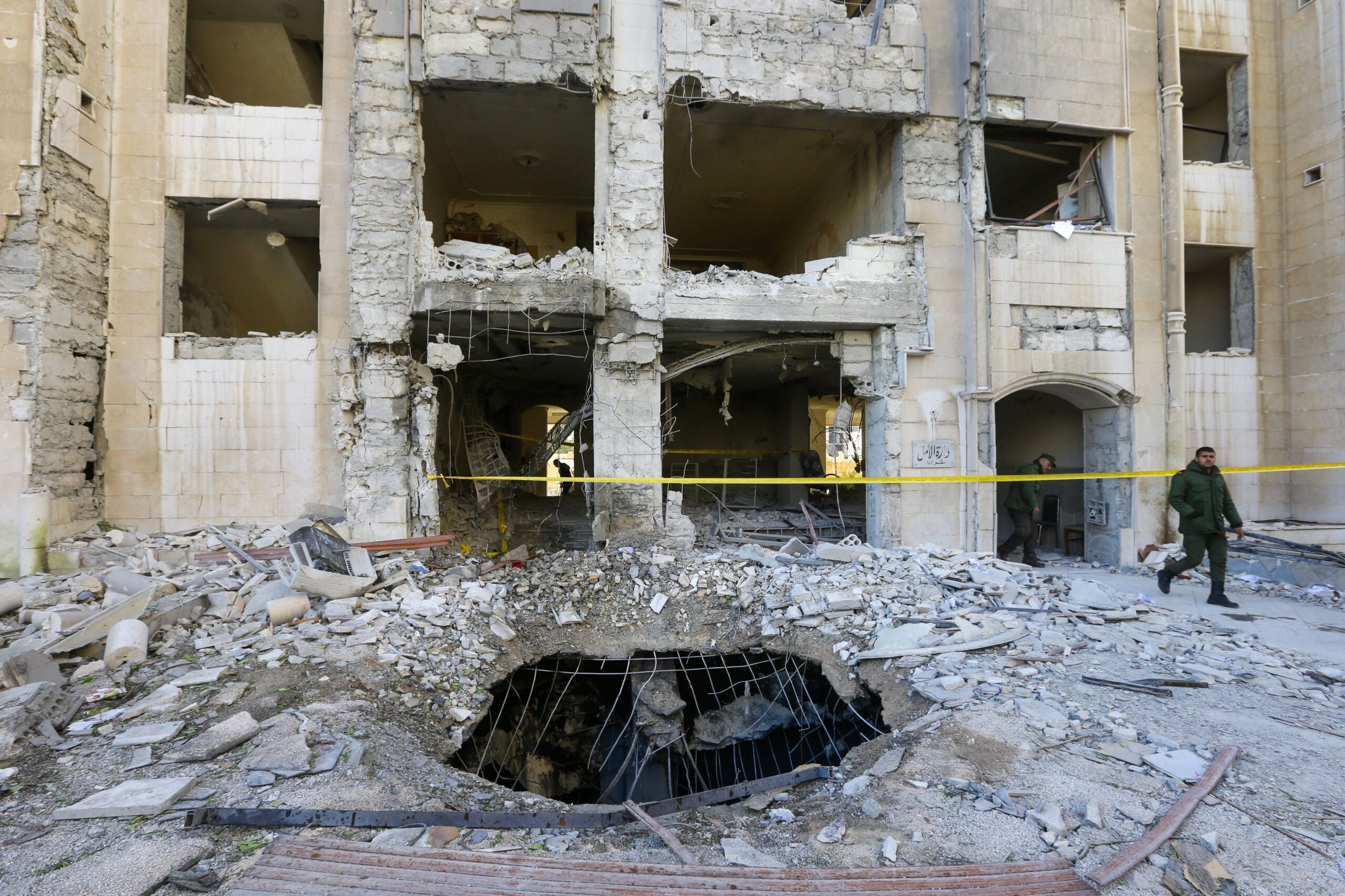
The following quantitative analysis explores the core of Israel’s strategic airstrikes in Syria between 2013 and August 2023, a critical aspect of its defense policy during this time, aimed at mitigating Iranian influence in the region and protecting its national borders.
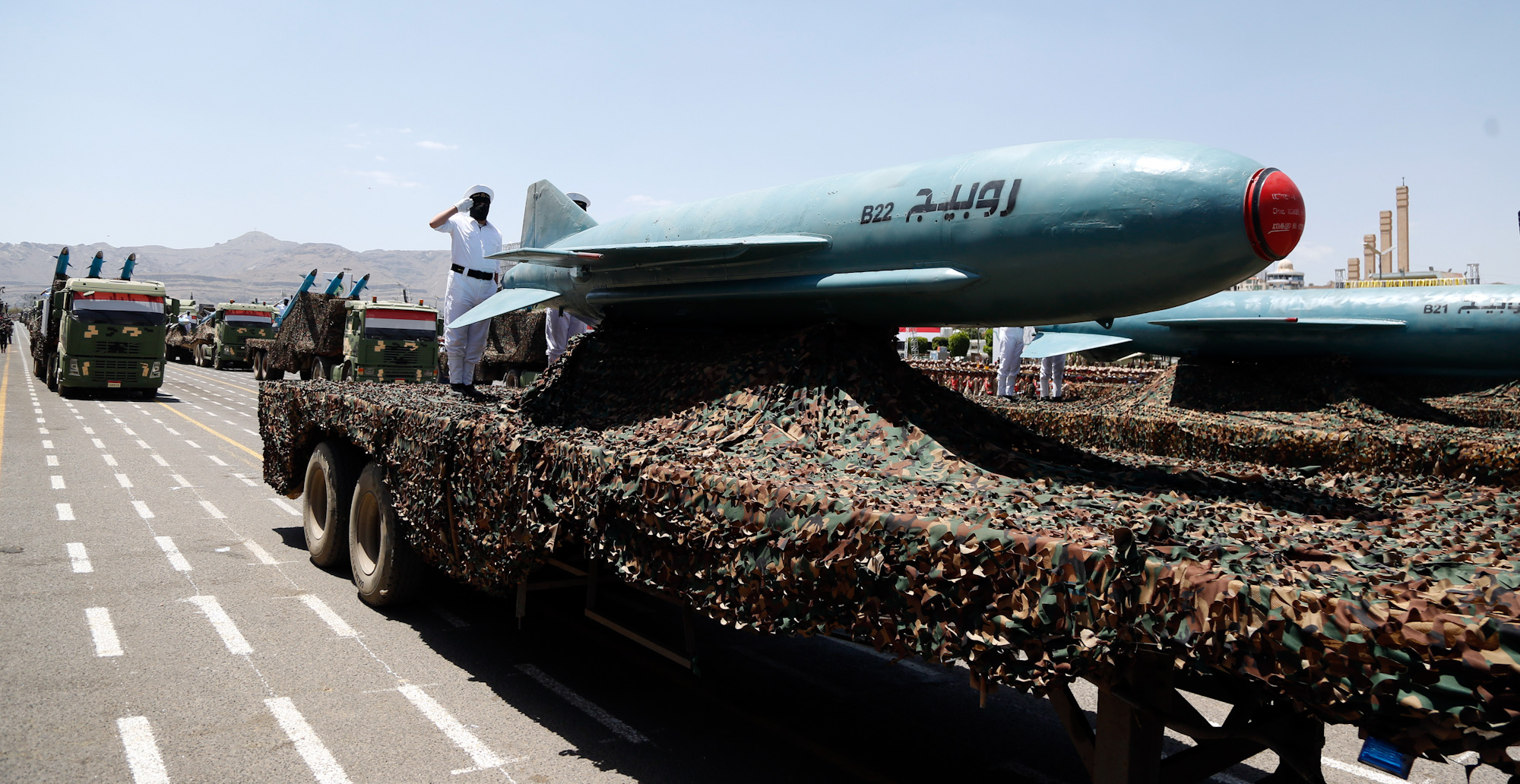
Despite the Houthis’ geographical distance from Israel and perceived limited capabilities, the threat they represent is all too real and if underestimated, they have the potential to derail diplomatic efforts and destabilize the region, with potentially catastrophic consequences.
On this week’s episode, MEI’s Editor in Chief Alistair Taylor talks to Iran Program Director Alex Vatanka about Iran and the Israel-Hamas war. As fighting rages in Gaza and the prospects for regional escalation continue to mount, Iran will remain a critical actor to watch. It is not only Israel’s main regional foe but also the leading provider of military aid and training for Hamas. Given the centrality of Iran in this latest Middle Eastern war, understanding how Tehran views the conflict and its endgame will be critical.