Games without Frontiers: Renegotiating the Boundaries of Power in Iraqi Kurdistan
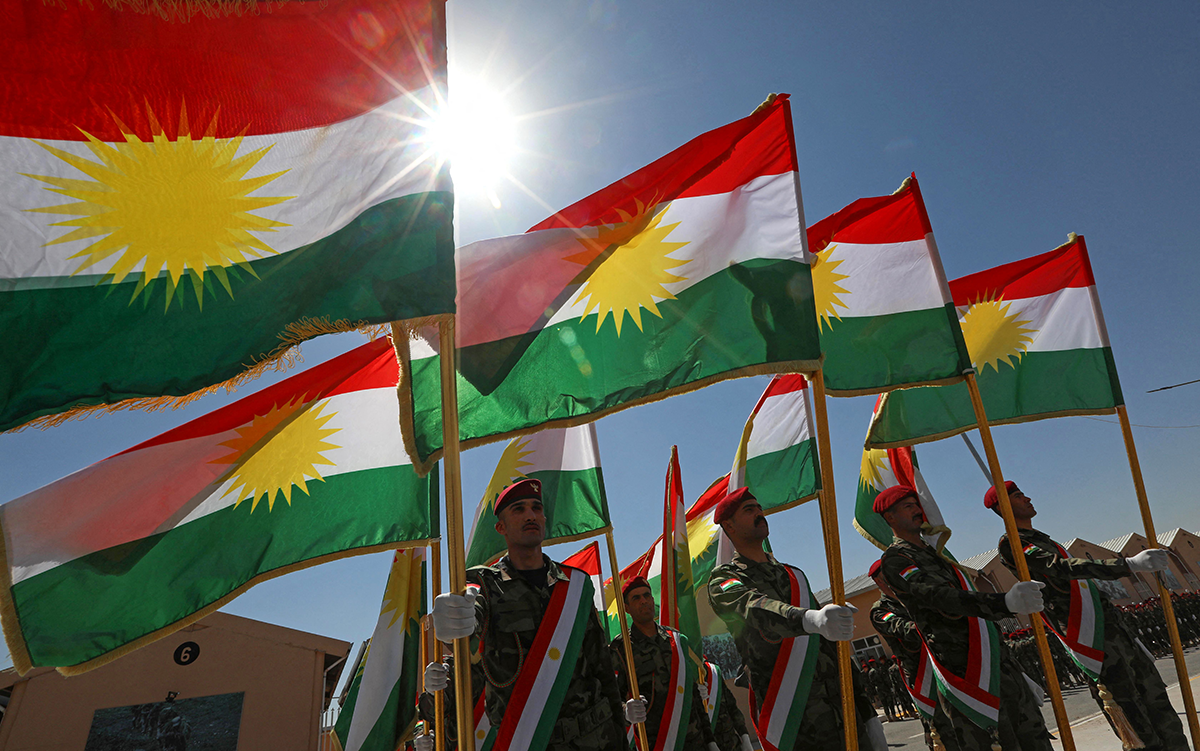
Over the past year, intensifying political and economic conflicts between the Kurdistan Region’s two hegemonic parties, the Kurdistan Democratic Party and the Patriotic Union of Kurdistan, have challenged the legal and institutional order in which the Kurdistan Regional Government operates. A new generation of leadership within the parties, a fraught relationship with the federal government, and a prolonged economic crisis have strained the relationship between the two parties to its breaking point.
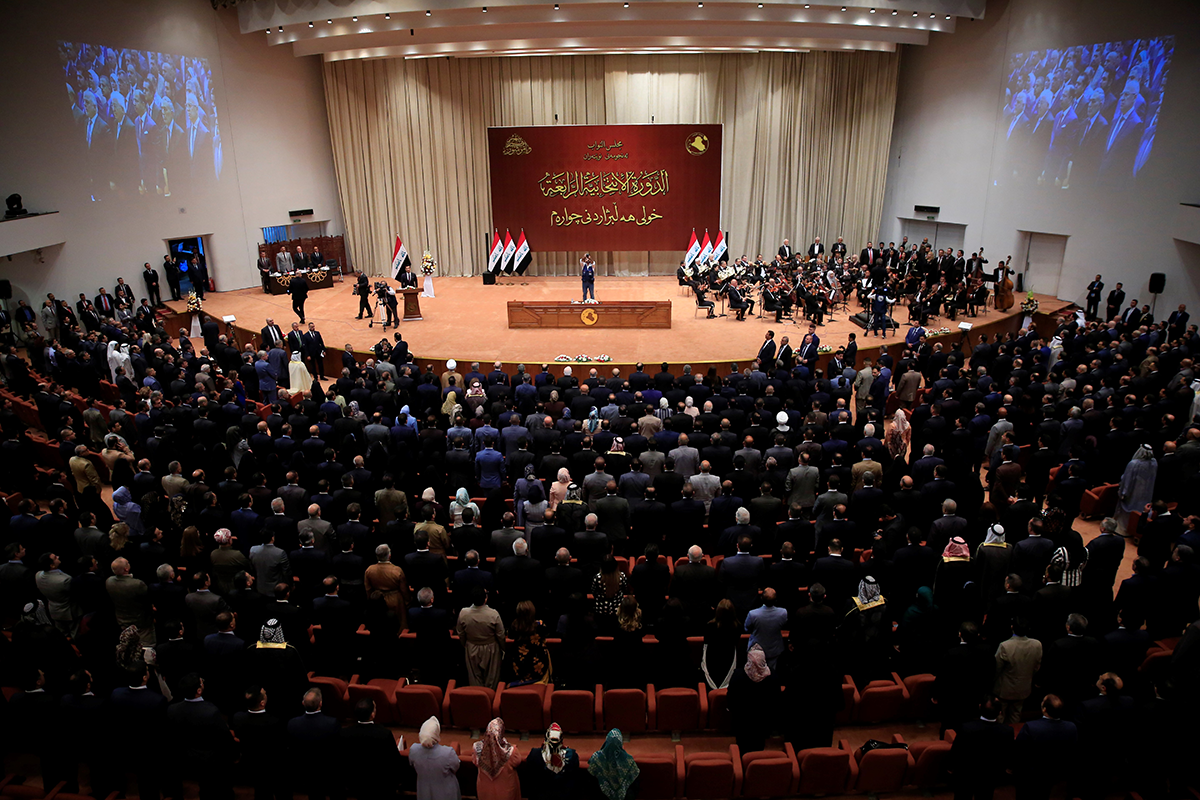
Changing the rules of the game: Reforming the party system in Iraq
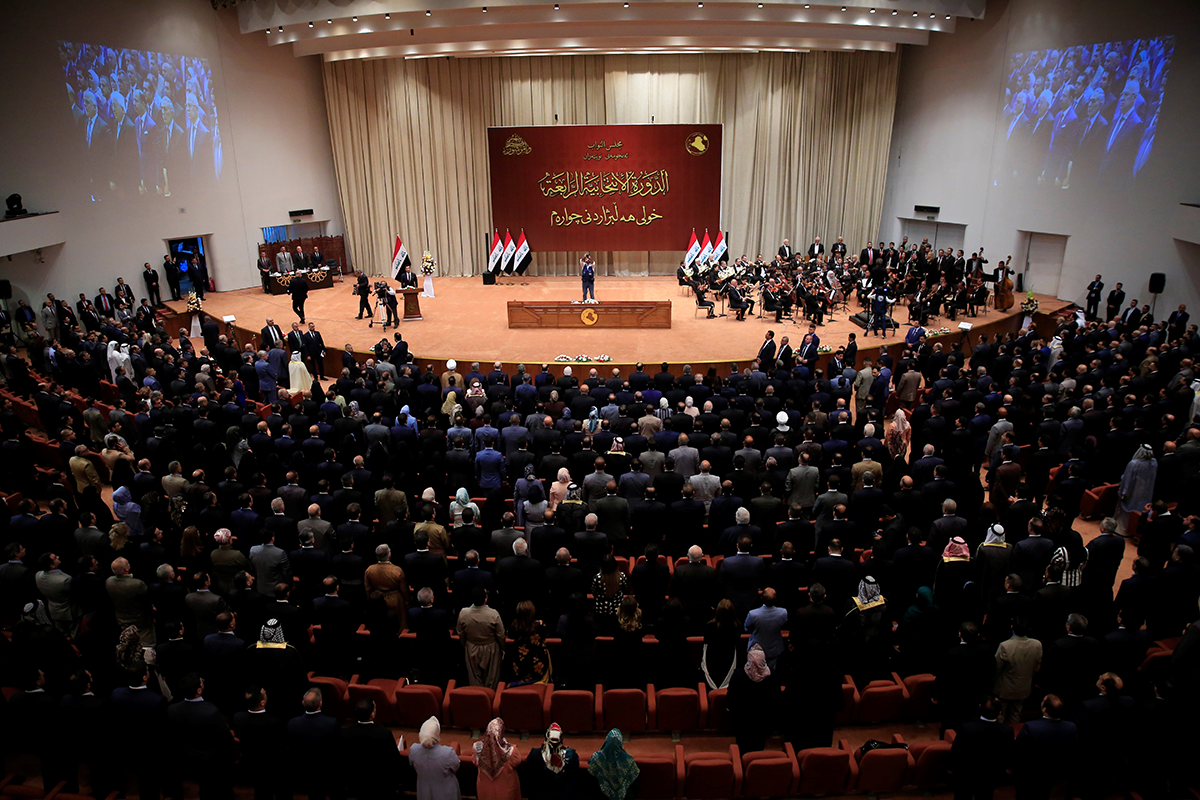
The performance of Iraqi political parties over the past two decades can be assessed in how they manage three major transformations: the transition from an authoritarian political system to a democratic and pluralistic one, the participation of these parties in managing the transformation of the state from a central to a federal system and the smooth transition from a directed economy to a free market one, and the social transformation from an oppressed society to a free, productive, and reconciled one. Despite the great challenges faced by the various governments since 2003, the parties that participated in the political process (to varying degrees) were unable to succeed in managing these three transformations.
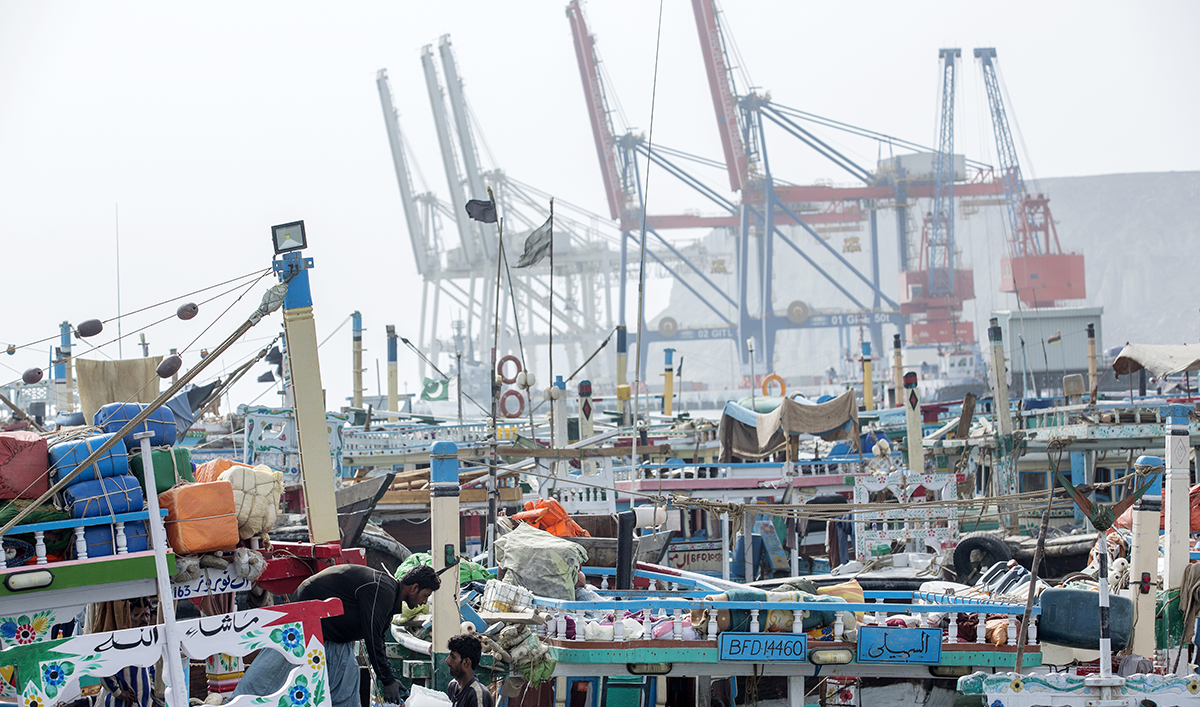
Pakistan needs to reframe its regional connectivity push
On April 8, the top U.S. diplomat in Pakistan visited the Chinese-operated port of Gwadar — the first such visit by an American official in 15 years. The move appears to be part of a campaign by Pakistan to promote its regional connectivity agenda and simultaneously signal that this effort isn’t solely wedded to China and its Belt and Road Initiative.
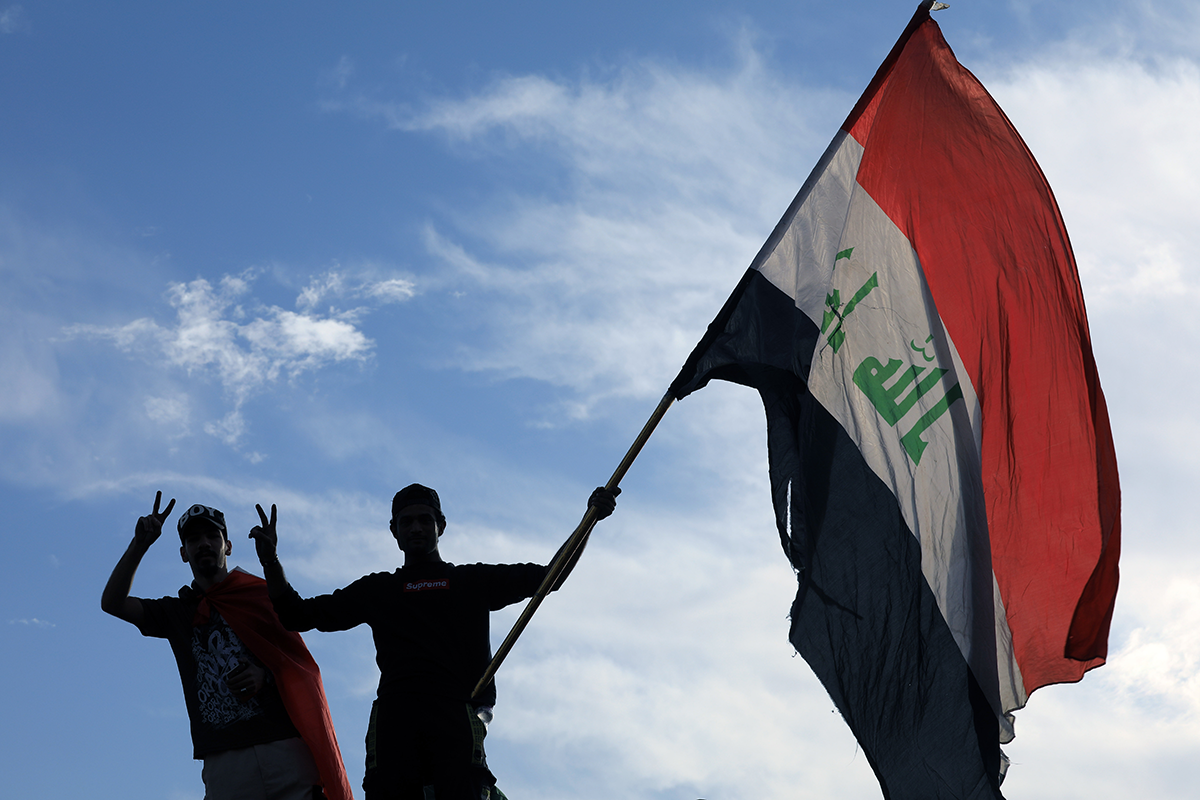
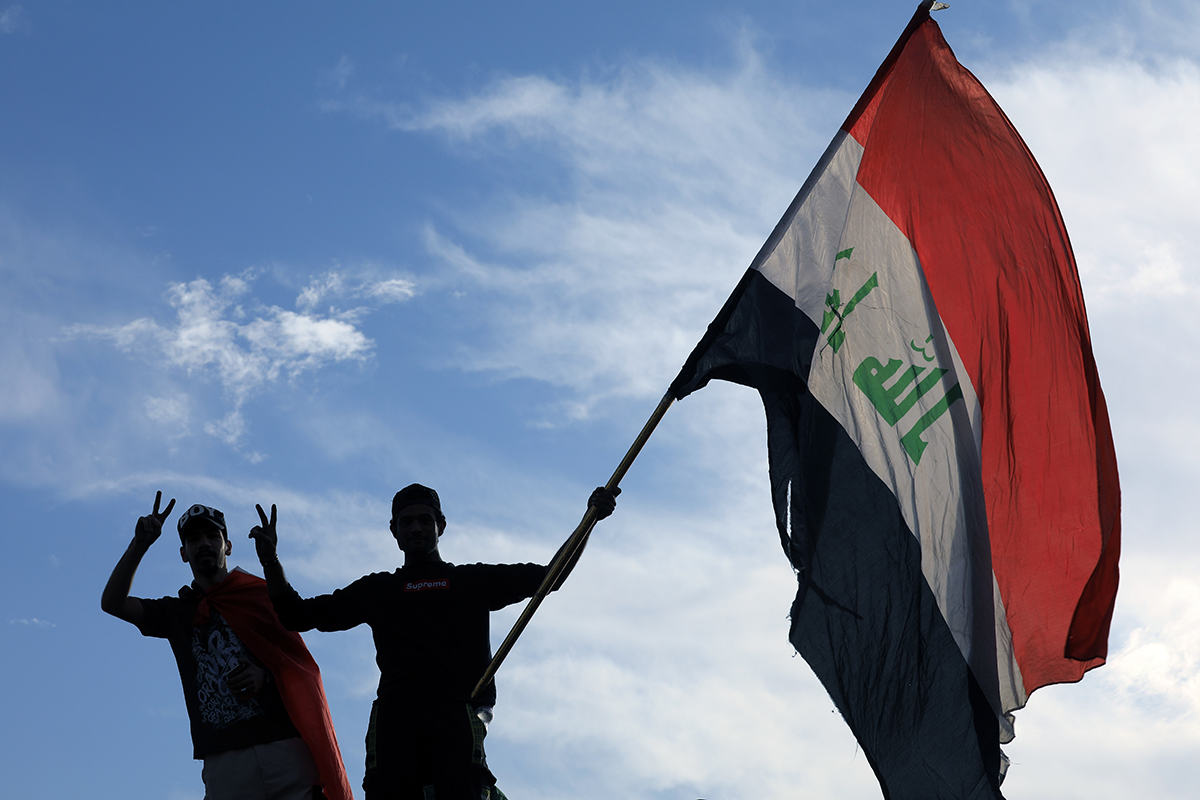
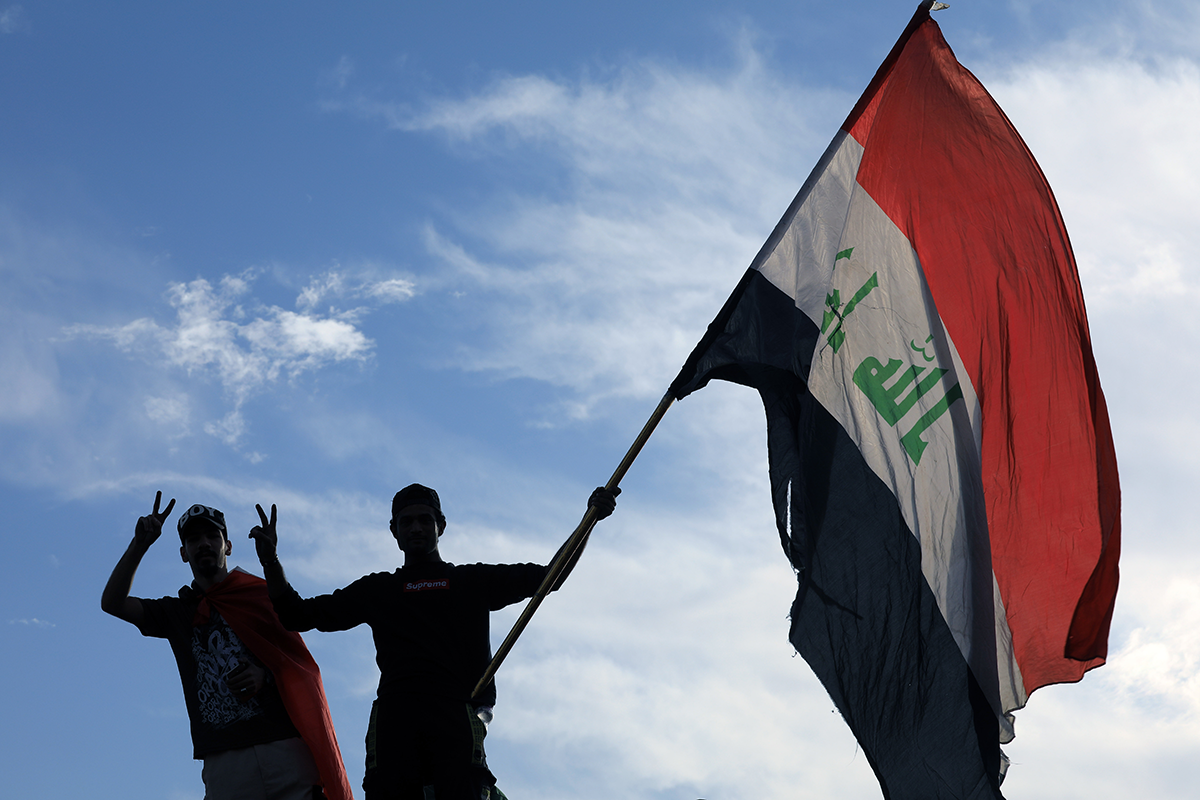
Although it has been more than 18 months since Iraq’s October 2019 protests, many of the big questions raised remain unanswered, most of which revolve around the sustainability of the post-2003 political system and its ability to correct itself over time.
في عام 2003 ، بعد الإطاحة بنظام صدام حسين ، كان لدى العراقيين آمال كبيرة في إحداث تغيير جوهري في حياتهم بعد ثلاثة عقود ونصف من الاستبداد. لكن في السنوات التي تلت ذلك ، لم تتحقق الكثير من هذه التوقعات.
“إذا كان الاجتماع الإيراني السعودي في بغداد نتيجة دبلوماسية عراقية قديرة وذكية، فإن مأساة المستشفى هي نتيجة للفساد المستشري في الطبقة السياسية وثقافة الإفلات من العقاب”.
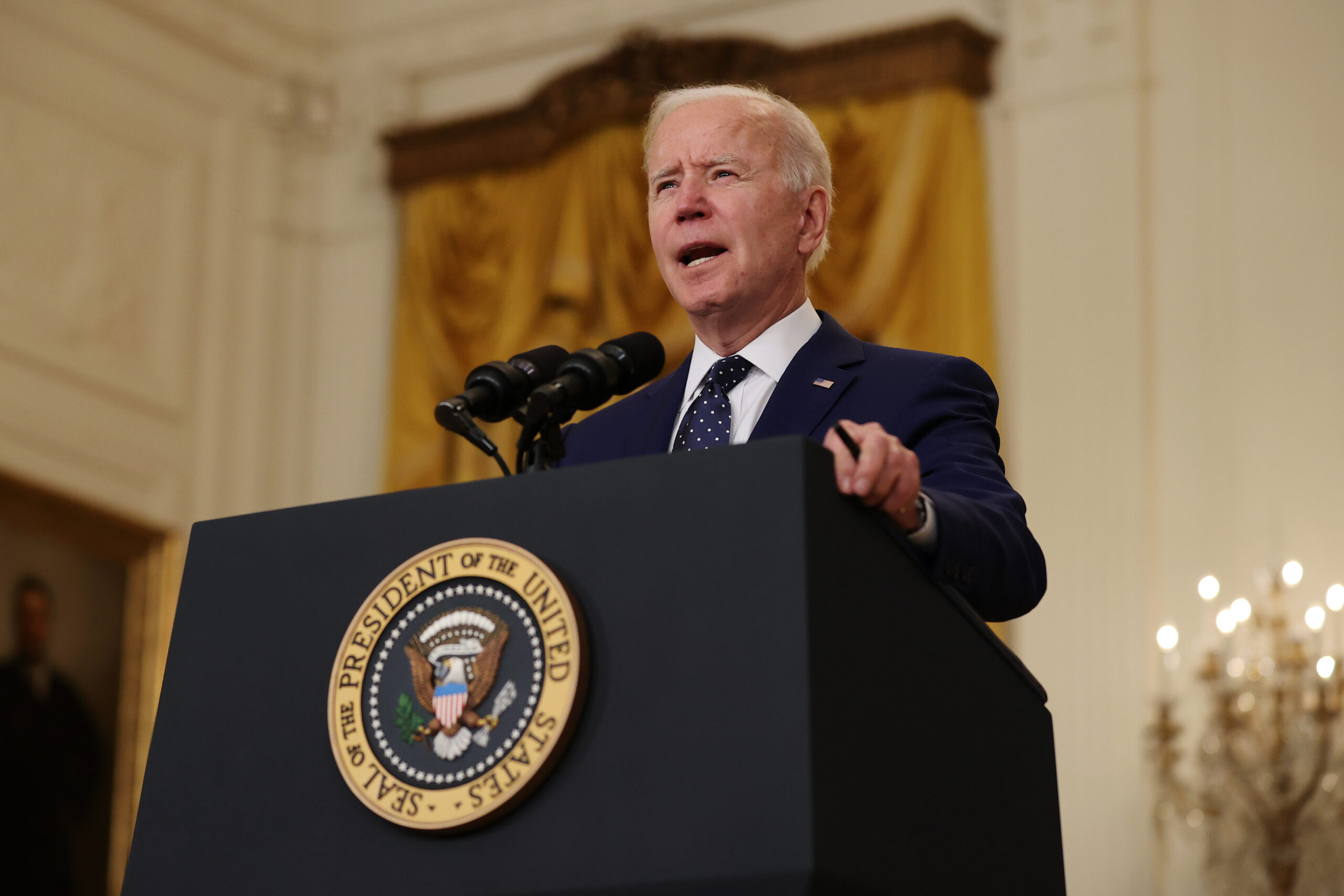
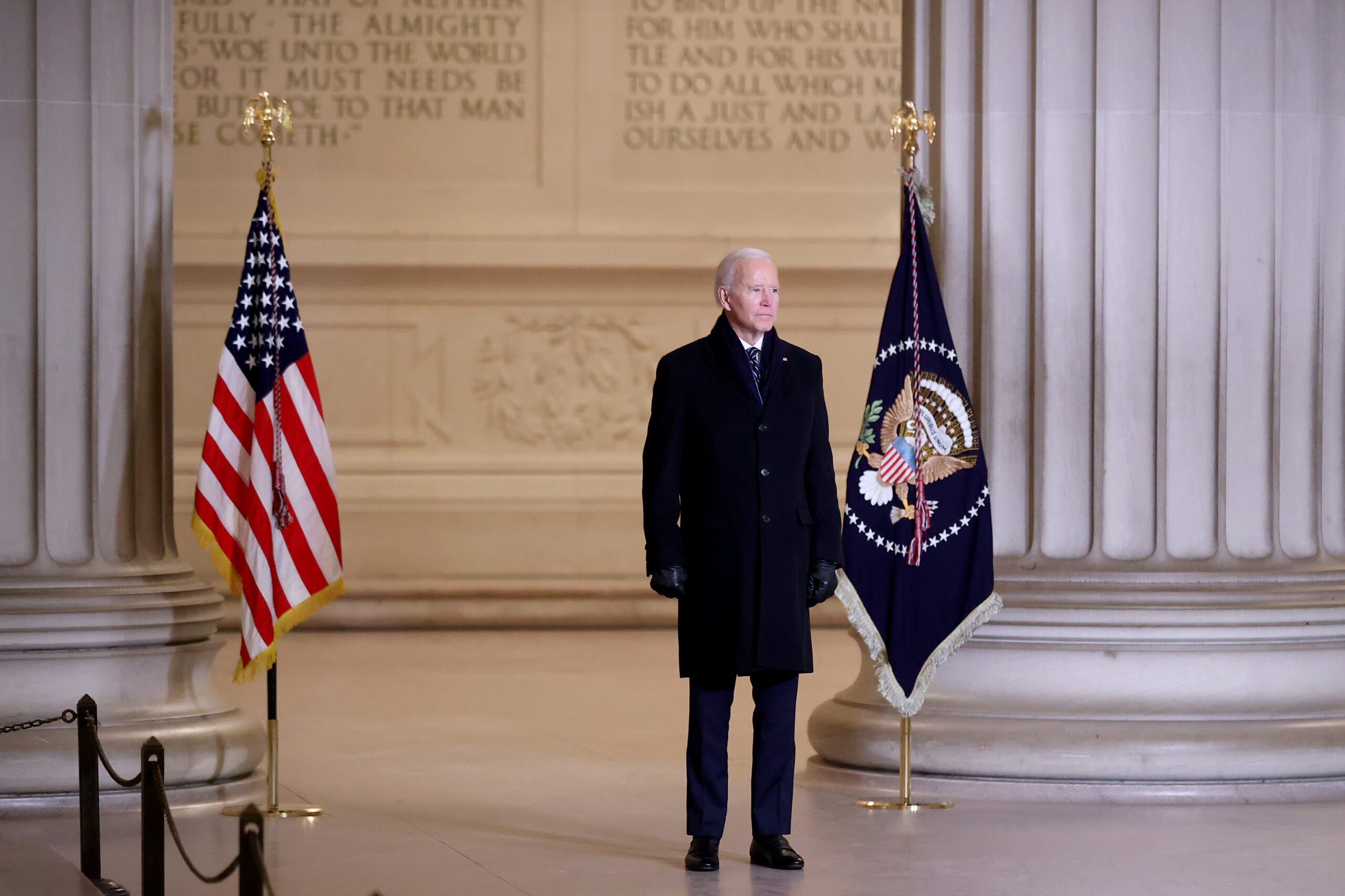
Expert Views: The Biden administration and the Middle East: Reflecting on the first 100 days
At the end of Joe Biden’s first 100 days as president of the United States, where do things stand when it comes to U.S. policy toward the Middle East and North Africa? We asked experts and scholars from across MEI to weigh in with their thoughts on the changes we’ve seen so far, the new challenges that have emerged, and what we know about the administration’s key priorities for the region.
Making sense of the Iran-China strategic agreement
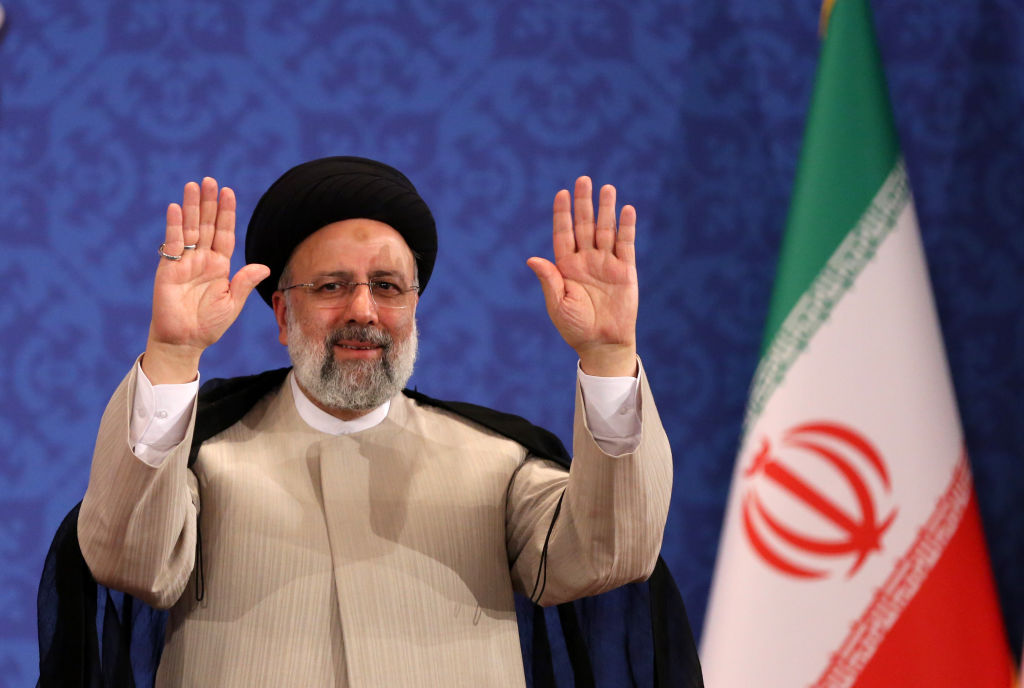
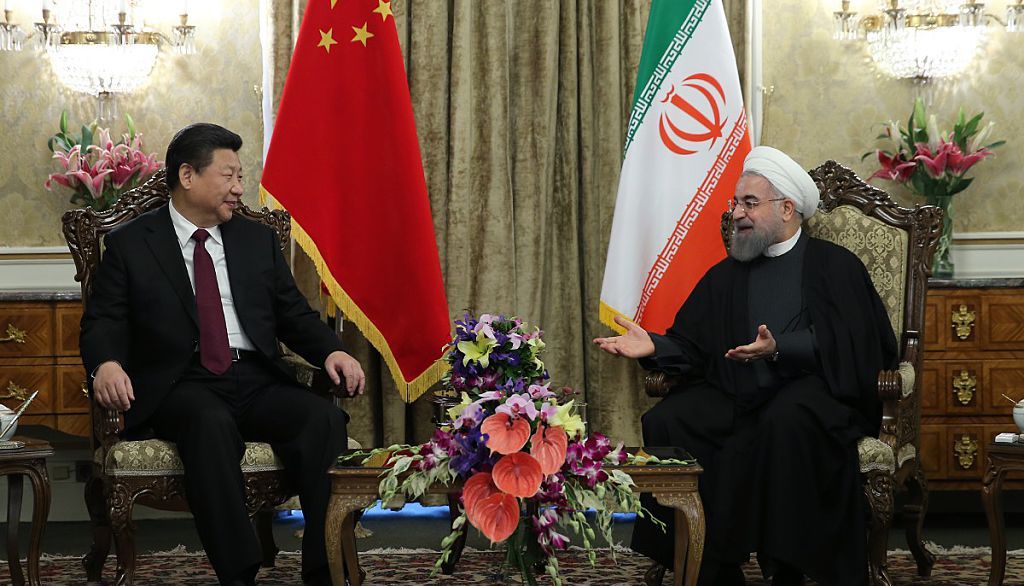
The 25-year agreement between Iran and China that made headlines this past month is far from new. It was first announced in 2016 during a state visit by President Xi Jinping to Tehran, at a time when sanctions on Iran were being lifted as part of the 2015 nuclear deal. Chinese and Iranian officials have been working out the details of the deal ever since as part of a slow process of consultation and negotiations. The timing of the latest announcement about the agreement is, therefore, less about developments in relations between Beijing and Tehran and more about the fast-deteriorating relations between Beijing and Washington. China is looking to identify areas where it can cultivate leverage, and Iran is a prime opportunity.