What does the transition in Chad mean for Middle Eastern regional powers?
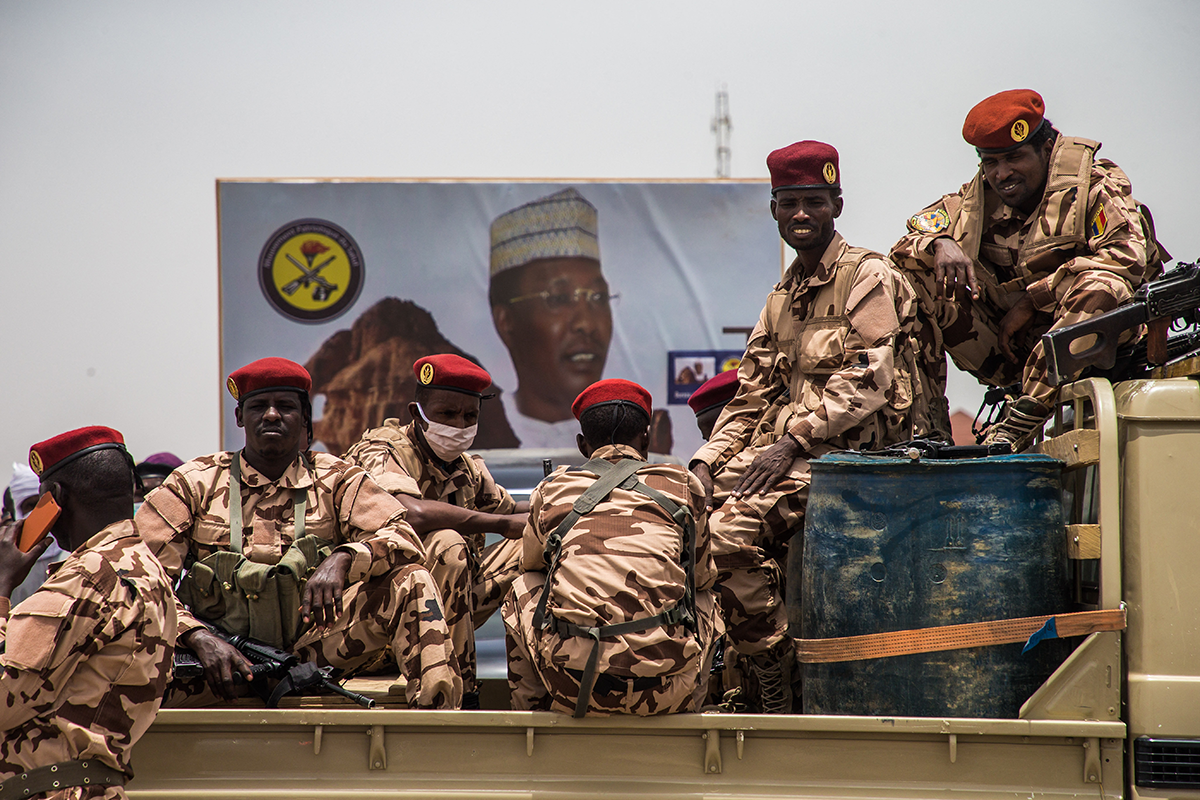
On April 20, Chadian President Idriss Déby was killed by Front for Change and Concord in Chad (FACT) rebels in the country’s northwestern Tibesti region. The sudden death of Déby, who seized power in Chad via a military coup in December 1990 and was re-elected on April 11 with 79.3% of the vote, risks plunging Chad into a state of prolonged instability.
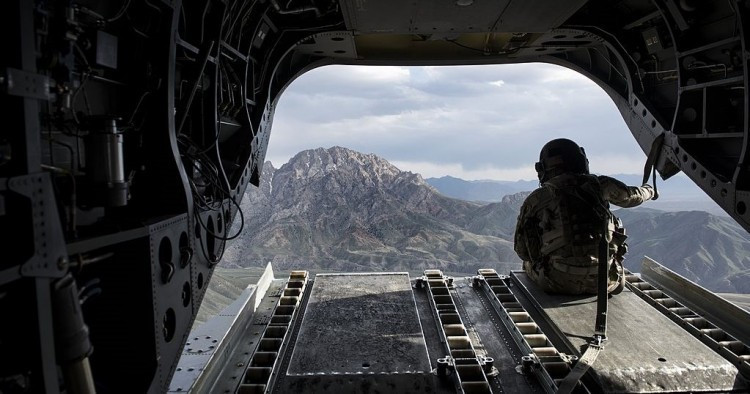
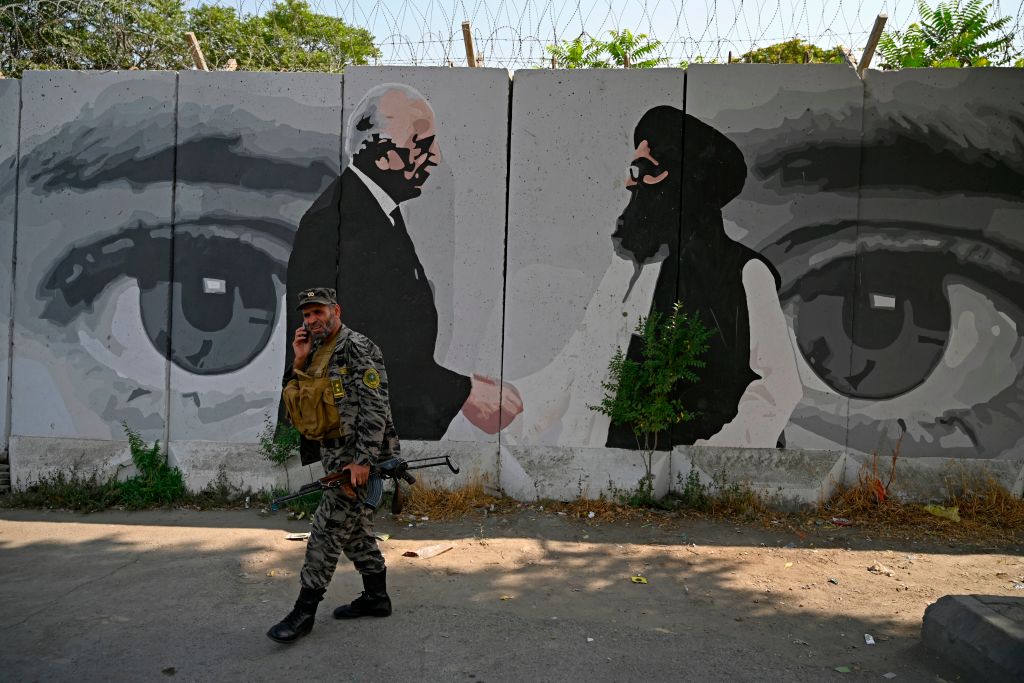
Marvin Weinbaum and David Sedney join host Alistair Taylor to discuss the recently announced U.S. military withdrawal from Afghanistan and what it means for the country, the U.S., and the region as a whole.
Failing to learn from past mistakes, Pakistan caves to the TLP
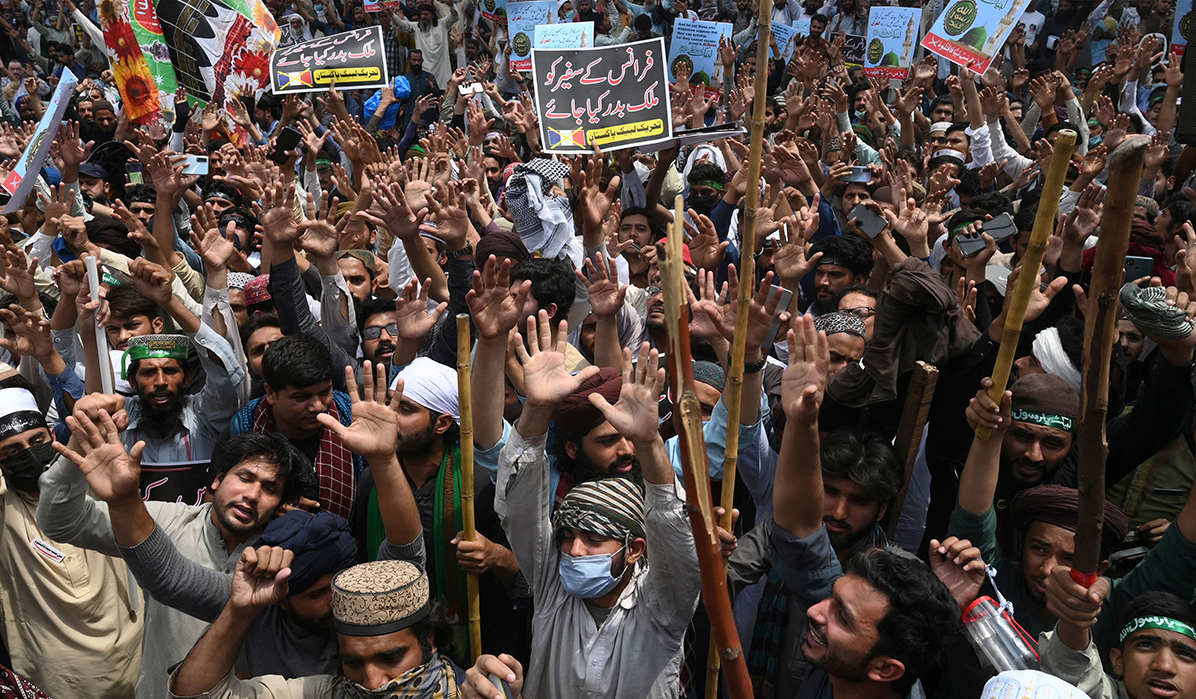
The Tehreek-e-Labbaik Pakistan (TLP) has exposed the Pakistani state’s vulnerability to ultra-conservative Islamist groups that have been mainstreamed for narrow political and strategic purposes by the country’s security establishment and self-serving politicians. Only a week after declaring the TLP a terrorist group and banning it, the Imran Khan-led Pakistan Tehreek-e-Insaf (PTI) government gave in to the group’s demands in the face of violent protests by its supporters
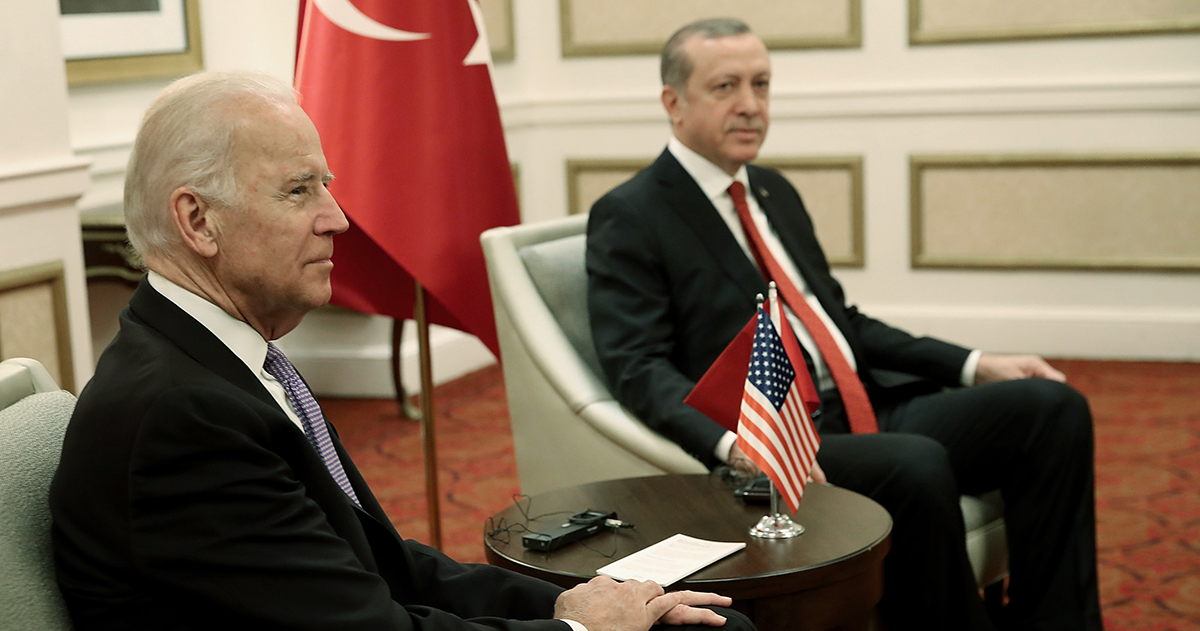
Relations between the United States and Turkey have never been worse, but the two countries still must deal with each other, and so President Joe Biden and President Recep Tayyip Erdoğan may talk this week. Each will review his list of issues. Both will commit to better relations and to best efforts to reach peaceful solutions to global, regional, and bilateral issues — and very little will change.
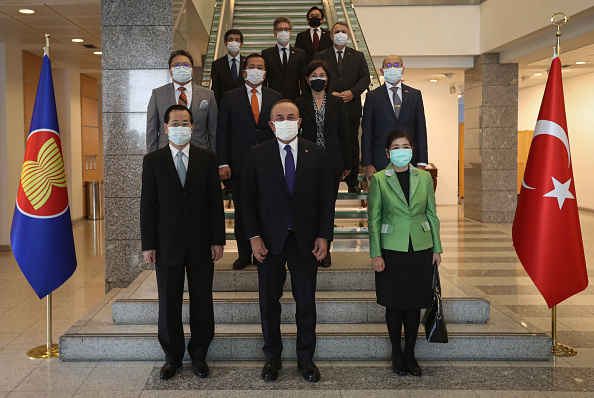
Turkey initiated a strategy to engage Southeast Asian nations in the early 2000s that resulted in the opening of new embassies and branches of numerous state-sponsored institutions across the region. With the launching of the Asia Anew Initiative in late 2019, Ankara has redoubled efforts to forge closer ties with the ten members of the Association of Southeast Asian Nations (ASEAN) and with ASEAN itself.
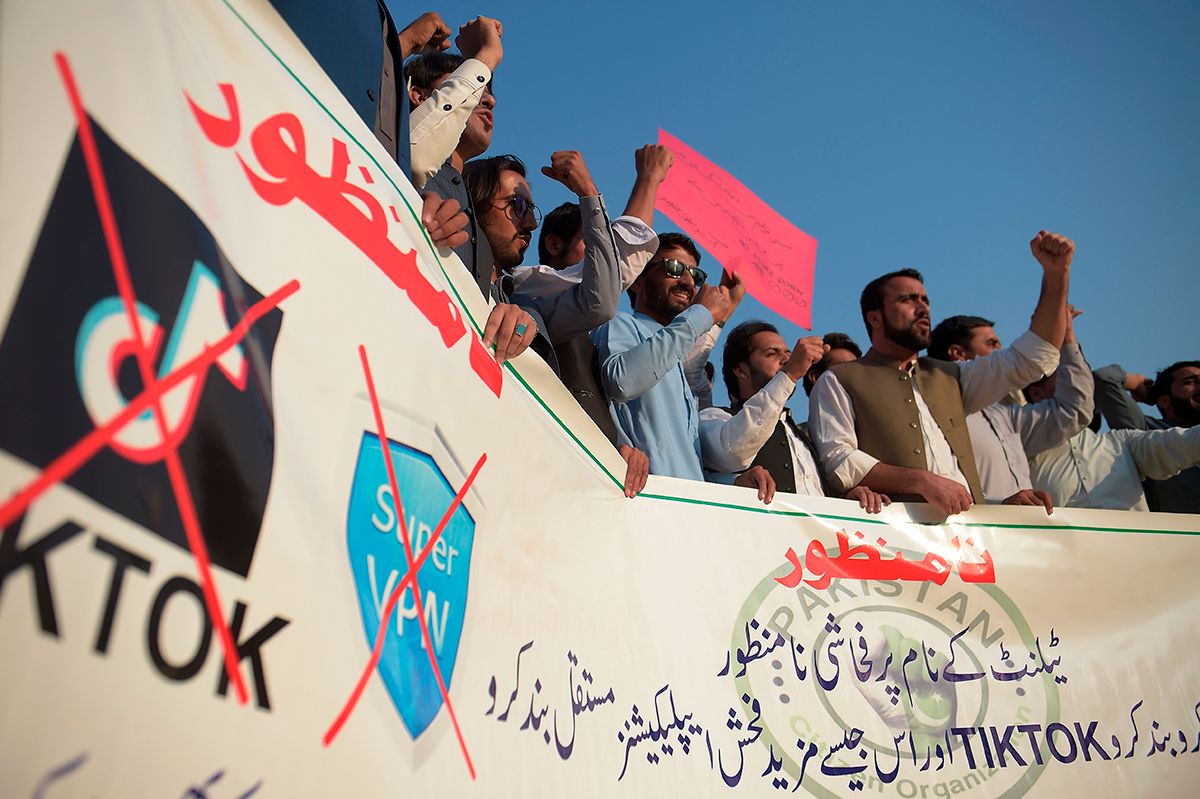
The cyclical futility of governance by TikTok in the Middle East
When headlines flashed this month about the Peshawar High Court’s decision in Pakistan to yet again ban the controversial video-sharing app TikTok, you might have been tempted to scroll away in boredom. After all, who hasn’t banned TikTok these days?
Seats at the Table: How other world powers figure into the Biden Administration's Afghanistan policy
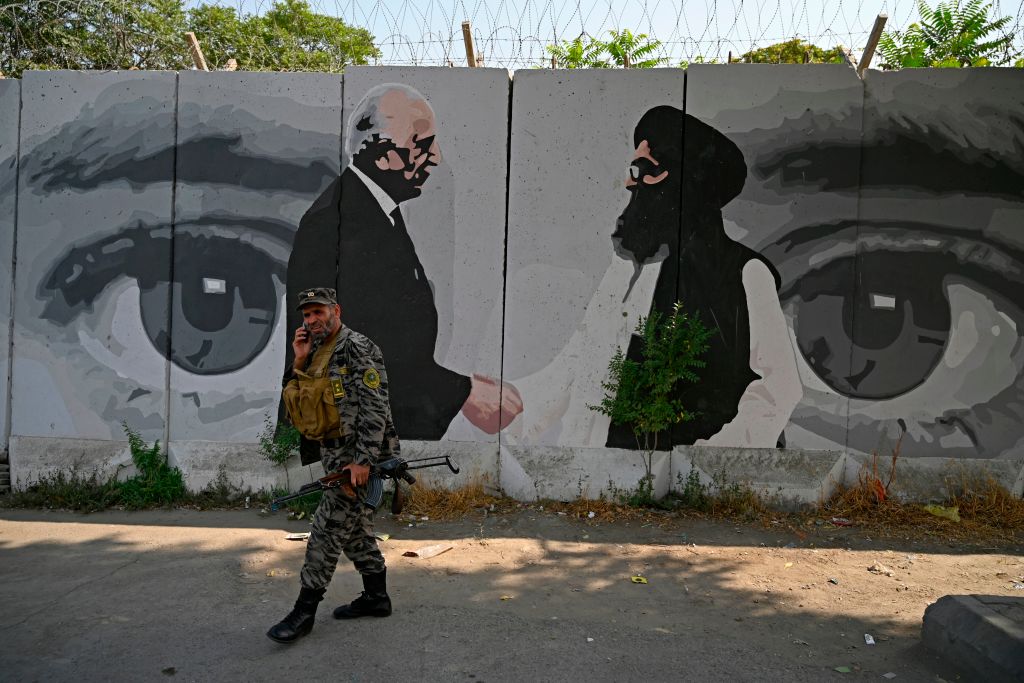
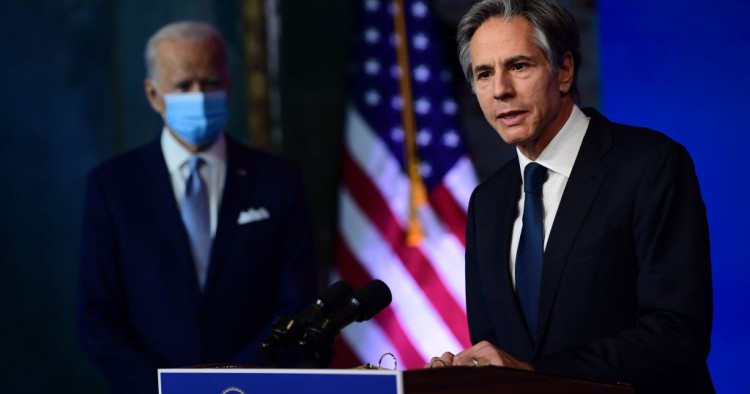
What U.S. Secretary of State Antony Blinken’s letter to Afghan President Ashraf Ghani makes clear is the declining domestic support in the U.S. for continued military involvement in Afghanistan. With his message, Blinken also signaled the demise of the Doha negotiations between the Afghan Taliban and the Afghan government and the start of a new phase. Facing domestic political disagreements and the Covid-19 pandemic, the Biden Administration was left with no option but to finalize and implement a viable Afghan strategy.