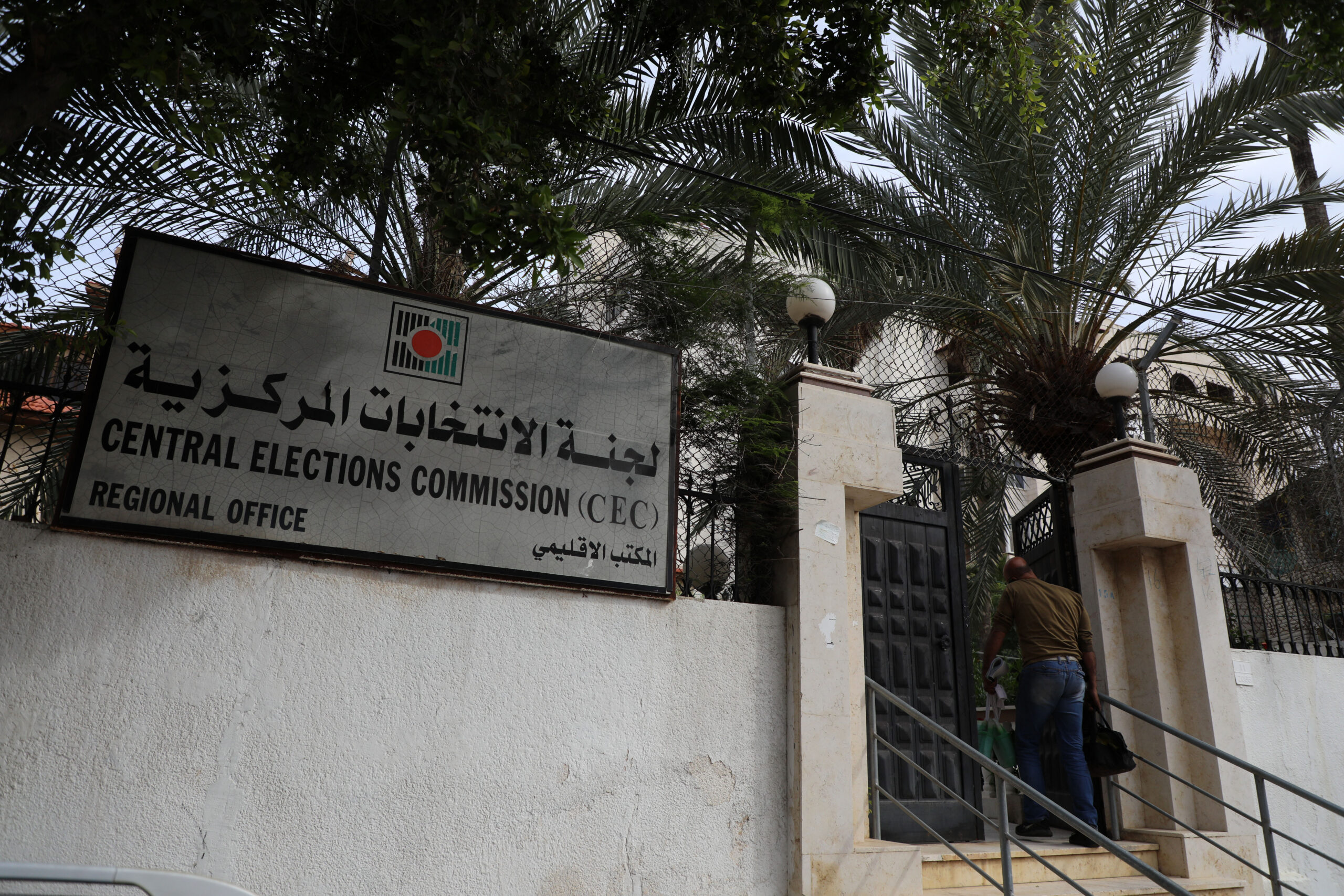
For years pundits have argued that Palestinian elections cannot take place in the occupied territories until there is reconciliation between the warring factions of Fatah and Hamas. The conflict between them led to the creation of two parallel governments, with Fatah controlling the West Bank and Hamas in charge of Gaza. This situation produced parallel laws and, most importantly, parallel security forces. While these differences remain unresolved, elections, which were once considered impossible without reconciliation, are now being used to achieve reconciliation. On January 11, a Palestinian presidential decree announced legislative elections for May 22 to be followed by presidential elections on July 31.
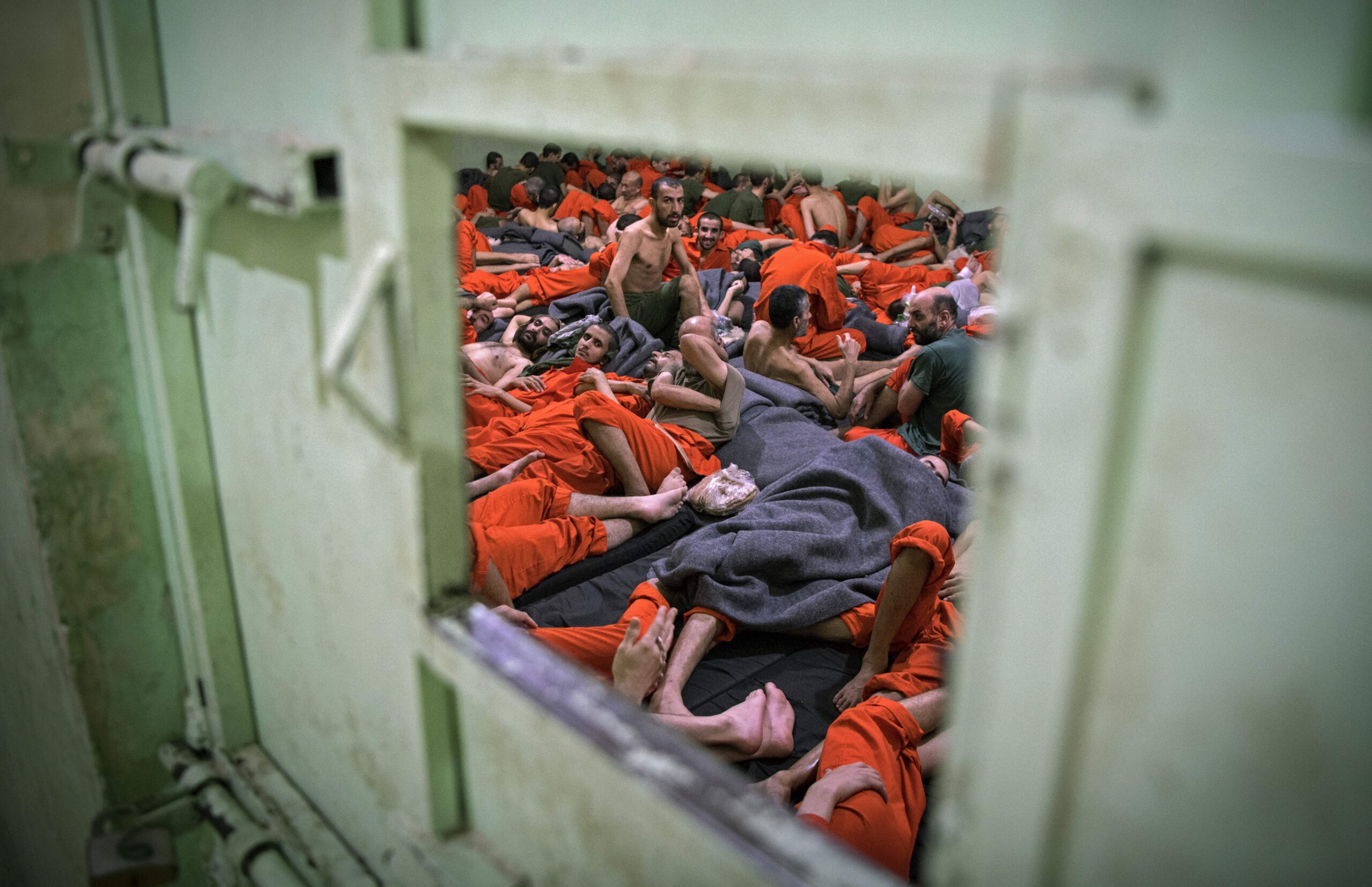
The Challenge of Foreign Fighters: Repatriating and Prosecuting ISIS Detainees
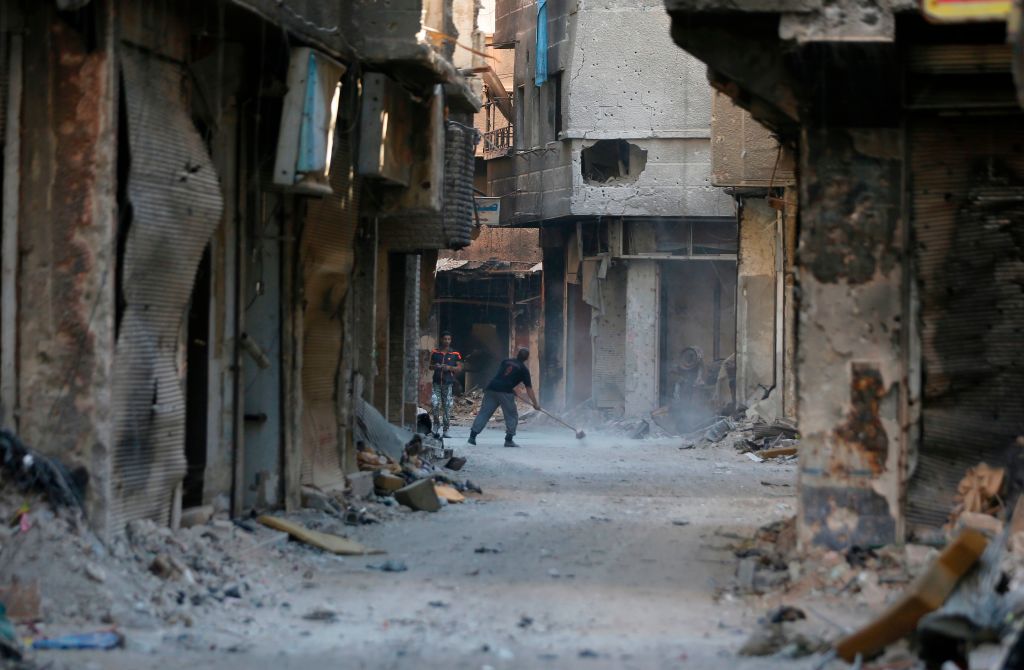
From the U.S. and the U.K. to Iraq and Syria, the way countries are handling the repatriation and prosecution of accused ISIS members echoes the policies that drove their citizens to seek a utopian Islamic State in the first place. Not only are the policies that pushed people to start joining the group in 2013 continuing, but in many cases they have increased in both scale and scope. While the current repatriation and prosecution policies are arguably counterproductive, they may also be fueling future terrorist activity and support for radical anti-government groups. To reduce the chances of such negative consequences, foreign governments must switch gears and adopt an entirely different approach before it is too late.
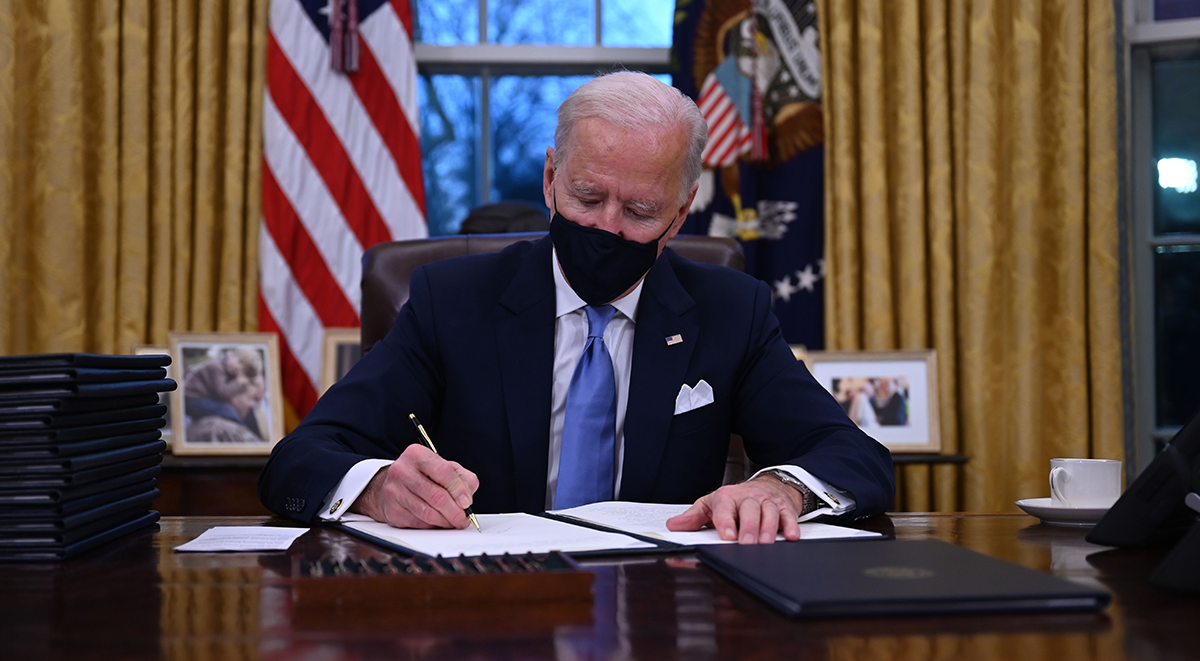
The Biden administration and the Middle East: Regional perspectives on the first 200 days
As the Biden administration takes office, it faces a host of challenges, both at home and abroad. Where does the Middle East fit into all of this and what should the new administration prioritize in its first 200 days? In the second part of a two-part series, we asked experts and scholars from across the region to weigh in with their thoughts.
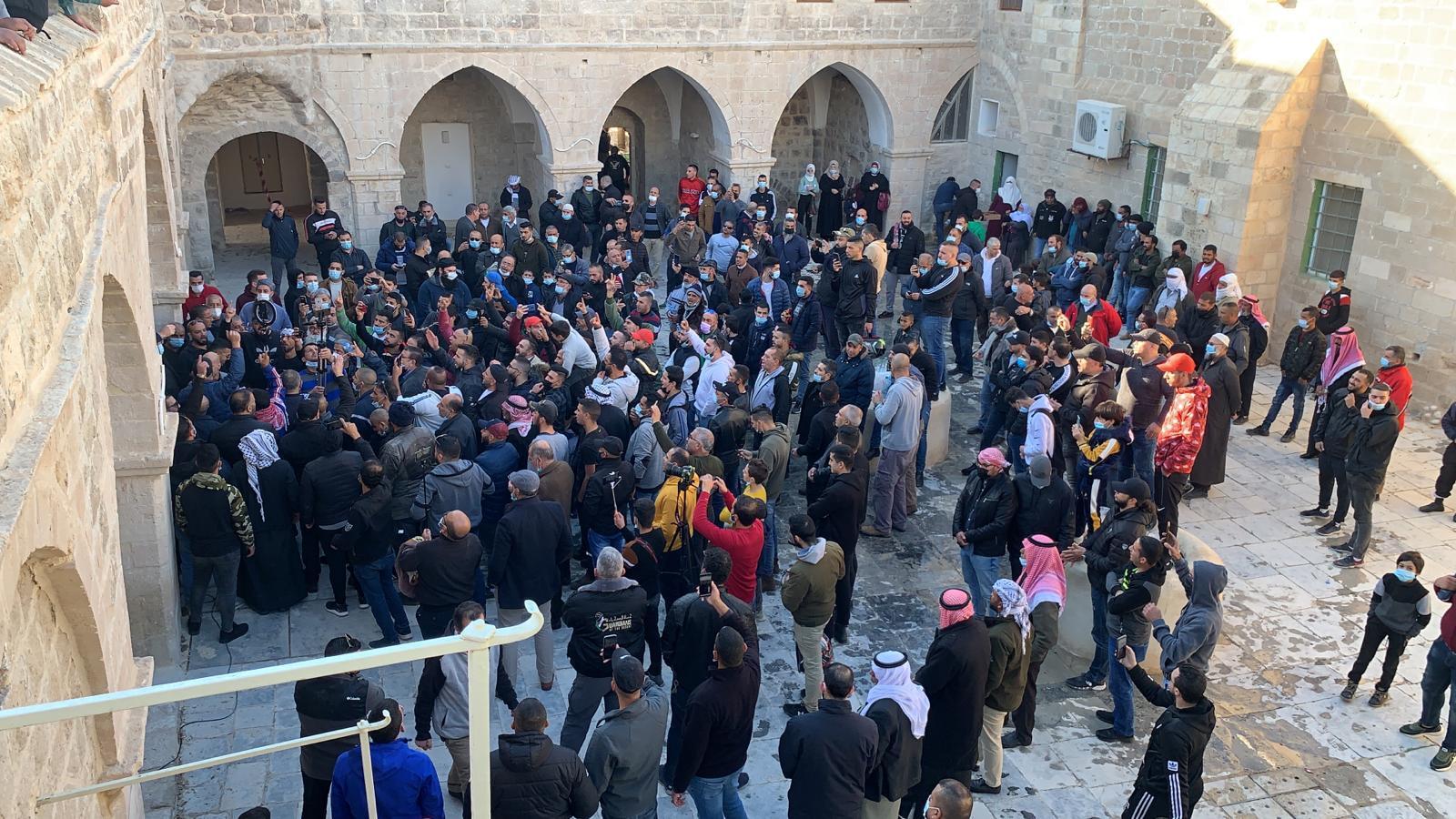
Protesting against techno: How a concert revealed the state of Palestinian society
Until December 26, 2020, techno music was not a common topic of conversation in Palestine. That changed when Sama Abdulhadi, a famous techno DJ, gave a concert at Maqam Nabi Musa that provoked a backlash from religious conservatives. Abdulhadi, who is a Palestinian living abroad, decided to return to her homeland to perform three concerts that would be streamed on Beatport, a website specializing in techno music. She reached an agreement with the Ministry of Tourism to perform at Maqam Nabi Musa for a crowd of about 30.
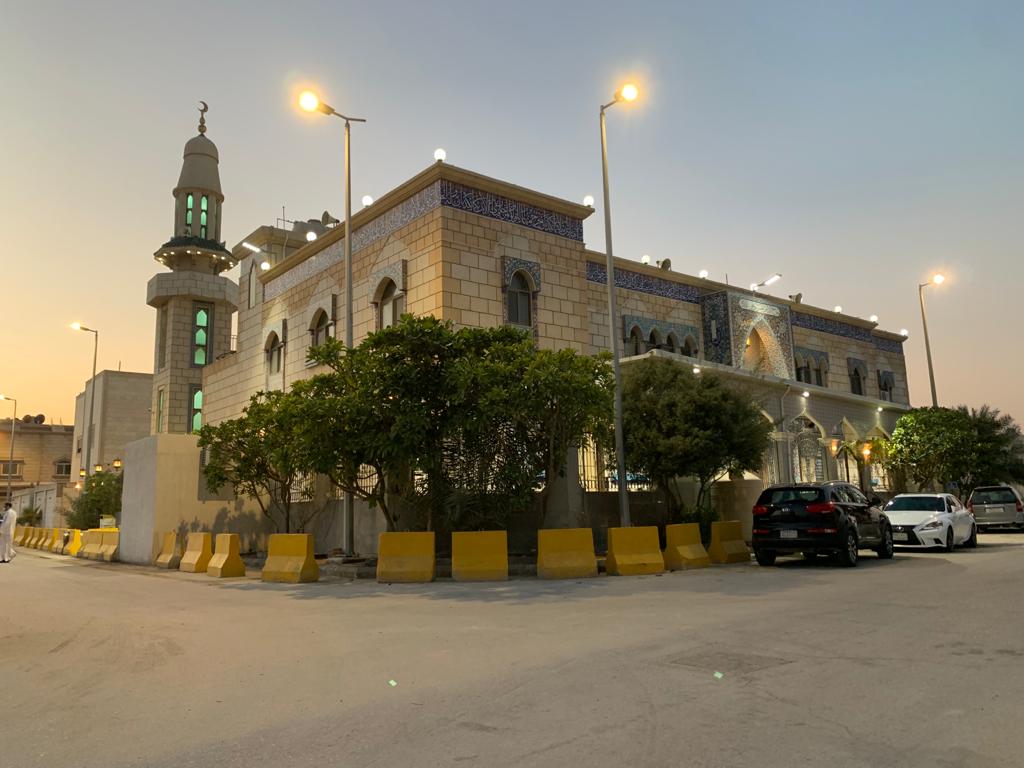
A Shift Among the Shi'a: Will a Marj'a Emerge from the Arabian Peninsula?
This paper looks at the political implications of the relationship between Shi’a in the Gulf states and Iranian marj‘as, the historical background to these ties, and Gulf states’ concerns surrounding the outflow to Iran of religious taxes. In some Gulf countries, these issues are tied to concerns about the loyalty of Shi’a to the nation. The authors argue that the emergence of a marj‘a who would be based in one of the Gulf states could quell these concerns.The authors identify potential marj‘as from the region and steps that Gulf states must take so that their Shi’a citizens will shift their allegiance from foreign-based marj‘as to domestically based ones.
In our final episode of the year, host Alistair Taylor interviews several MEI scholars on the key events that transpired across the Middle East in 2020 including in Iraq, Iran, and Afghanistan, and they discuss US defense and diplomatic strategy in region as the as the transition to the Biden administration gets underway. Guests include Paul Salem, Bilal Saab, Randa Slim, and Marvin Weinbaum.
On Dec. 3, MEI’s Program on Palestine and Palestinian-Israeli Affairs convened a webinar on the future of Palestinian refugees and their place in the policy discourse following the election of President-elect Joe Biden and the departure of the Trump administration. Below is a summary of the major takeaways from the event, organized by topic.
A look back at the year’s most important developments with analysis from Paul Salem, Alex Vatanka, Randa Slim, Gerald Feierstein, Gonul Tol, Jonathan M. Winer, Khaled Elgindy, Marvin G. Weinbaum, Mirette F. Mabrouk, Grace Wermenbol, Syed Mohammad Ali, Robert S. Ford, and Khaldoun Khelil.
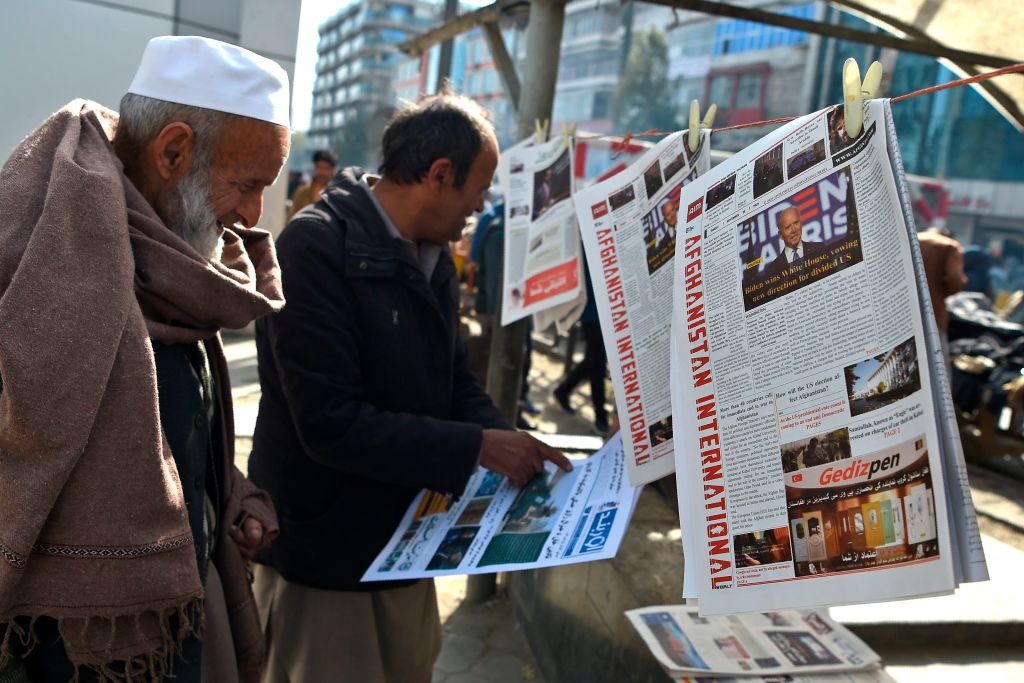
The Middle East and American Democracy’s Near-Death Experience
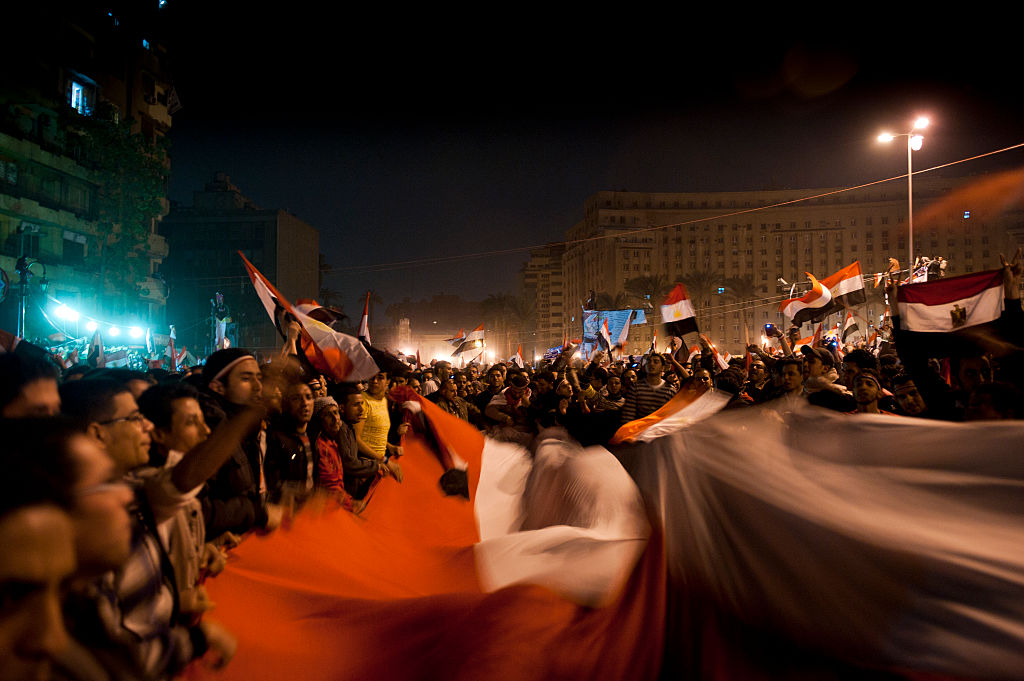
The fascination with the peaceful removal of leaders by a simple vote in the United States has always contrasted painfully with the inability of most Middle Eastern populations to do the same.
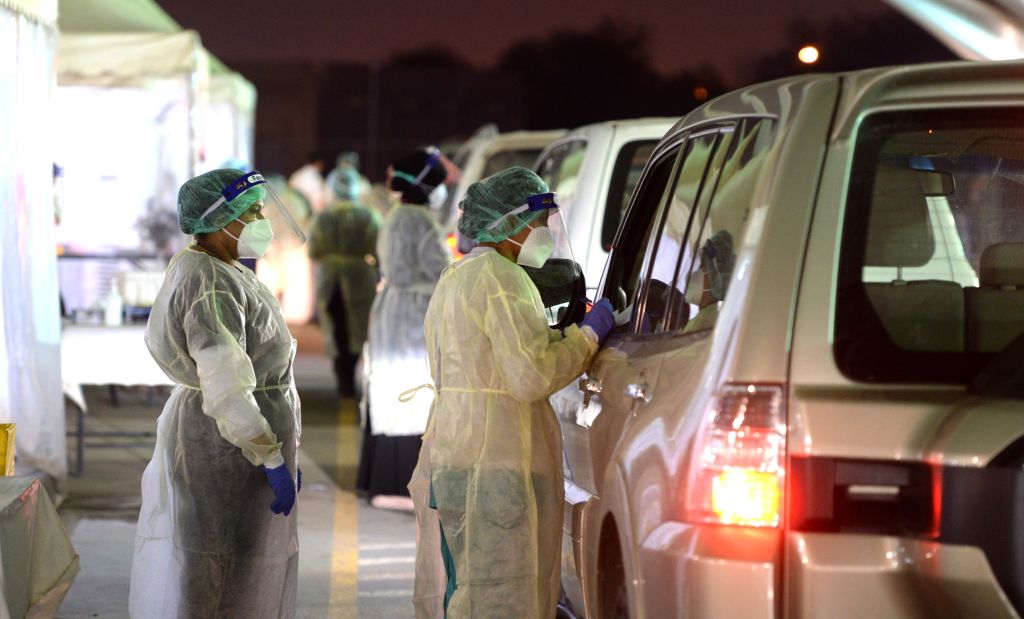
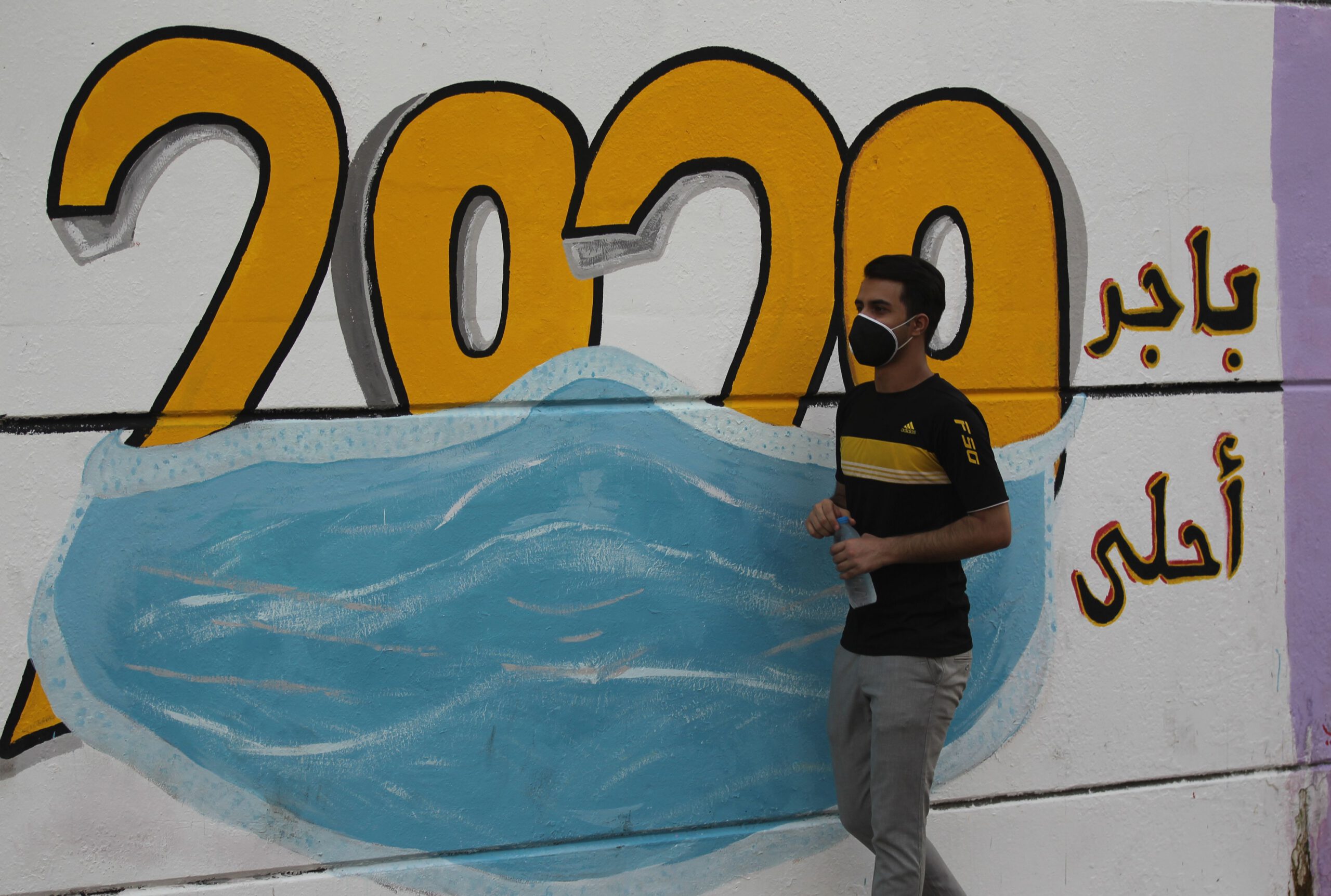
Iraqi authorities have taken a series of preventative and remedial measures to deal with the pandemic and its second order effects. However, since early June, the number of positive COVID cases has soared, while job losses and rising prices have caused the national poverty rate to climb. Three overlapping segments of the Iraqi population — the forcibly displaced, women, and children — have been hit especially hard by the public health and socioeconomic impacts of COVID-19.
Special Briefing: The Trump administration’s potential last-minute Middle East policy moves
From Israel/Palestine and Lebanon to Iran and Afghanistan, there are a number of areas where the Trump administration may make policy moves before leaving office on Jan. 20. Experts from across MEI weigh in with their thoughts on what to watch out for over the next seven weeks.