Turkey’s democratic resilience under populist authoritarian rule
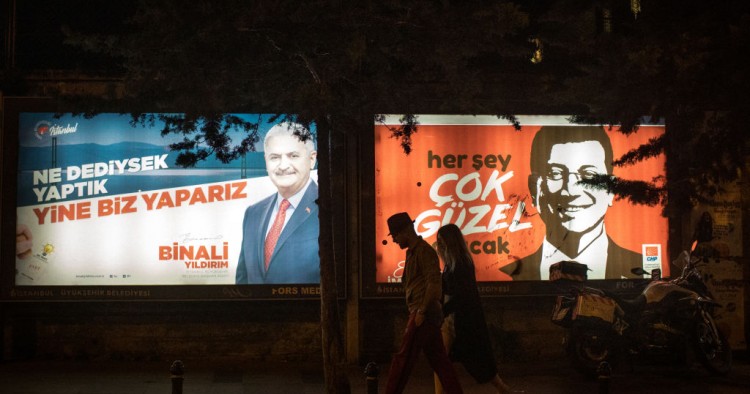
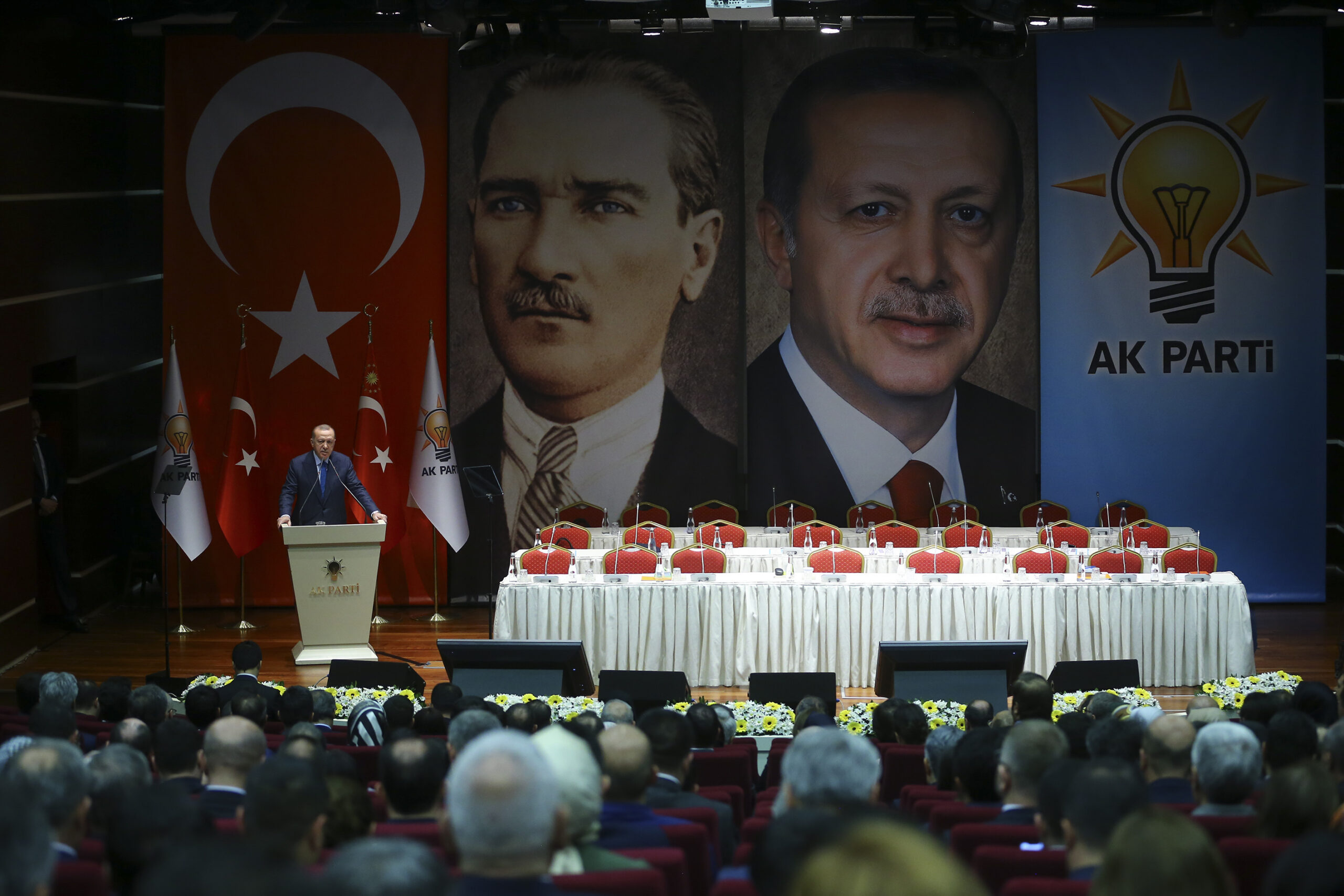
After almost two decades of rule by the AKP and its leader President Recep Tayyip Erdogan, Turkey has experienced major institutional, political, and social transformations, including a dramatic autocratization in recent years. There is another side to the story, however, one that still gives us hope for the re-establishment of democracy and the rule of law in the near future.
عندما يتعلق الأمر ببغداد، على واشنطن أن تنظر إلى ما هو أبعد من الأمن والدينامية الإقليمية
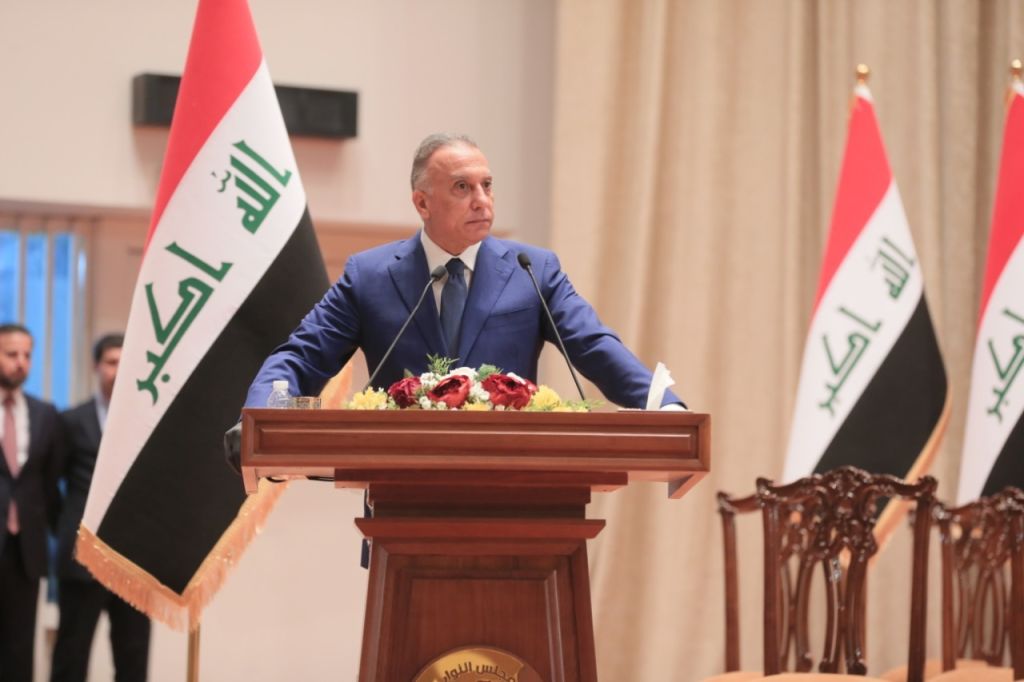
نجحت حكومة رئيس الوزراء العراقي مصطفى الكاظمي بحذر في اجتياز اختبارها الذي دام 100 يوم، وهو تقليد عمره عشر سنوات للقادة العراقيين، إذ يُتوقع منهم تحسين الخدمات في إطار زمني قصير للغاية.
فقد تم دفع الكاظمي إلى القيادة في أعقاب ما أصبح فعليًا أول انتفاضة شعبية كبيرة في العراق بعد التحول الديمقراطي عام 2003، وهي الانتفاضة التي أطاحت بسلفه عادل عبد المهدي.
Iraqi Kurdistan in the US-Iraq strategic dialogue: Re-evaluating security sector reform
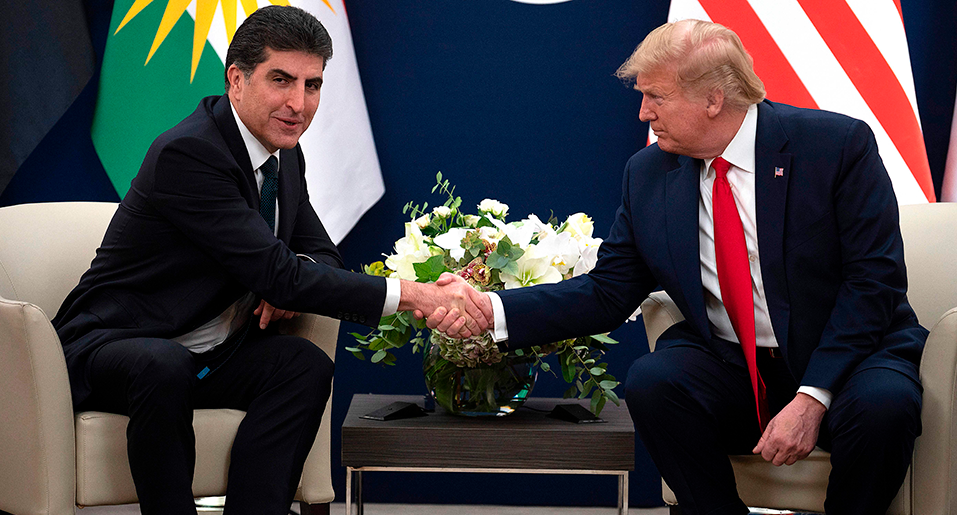
The United States’ primary focus on maintaining stability in the Kurdistan Region of Iraq (KRI) has been detrimental to the region. Channeling military aid to partisan militias has entrenched the duopoly rule of the Kurdistan Democratic Party (KDP) and the Patriotic Union of Kurdistan (PUK) while preventing meaningful democratic reforms that could bring long-term stability.
Censorship, streamlined: Turkey’s social media law and the future of free speech online in the Middle East
In an unexpected and disappointing turn of events, Turkey’s ruling Justice and Development Party and its parliamentary ally, the Nationalist Action Party, rushed through a stifling social media amendment to Turkey’s Internet Act.
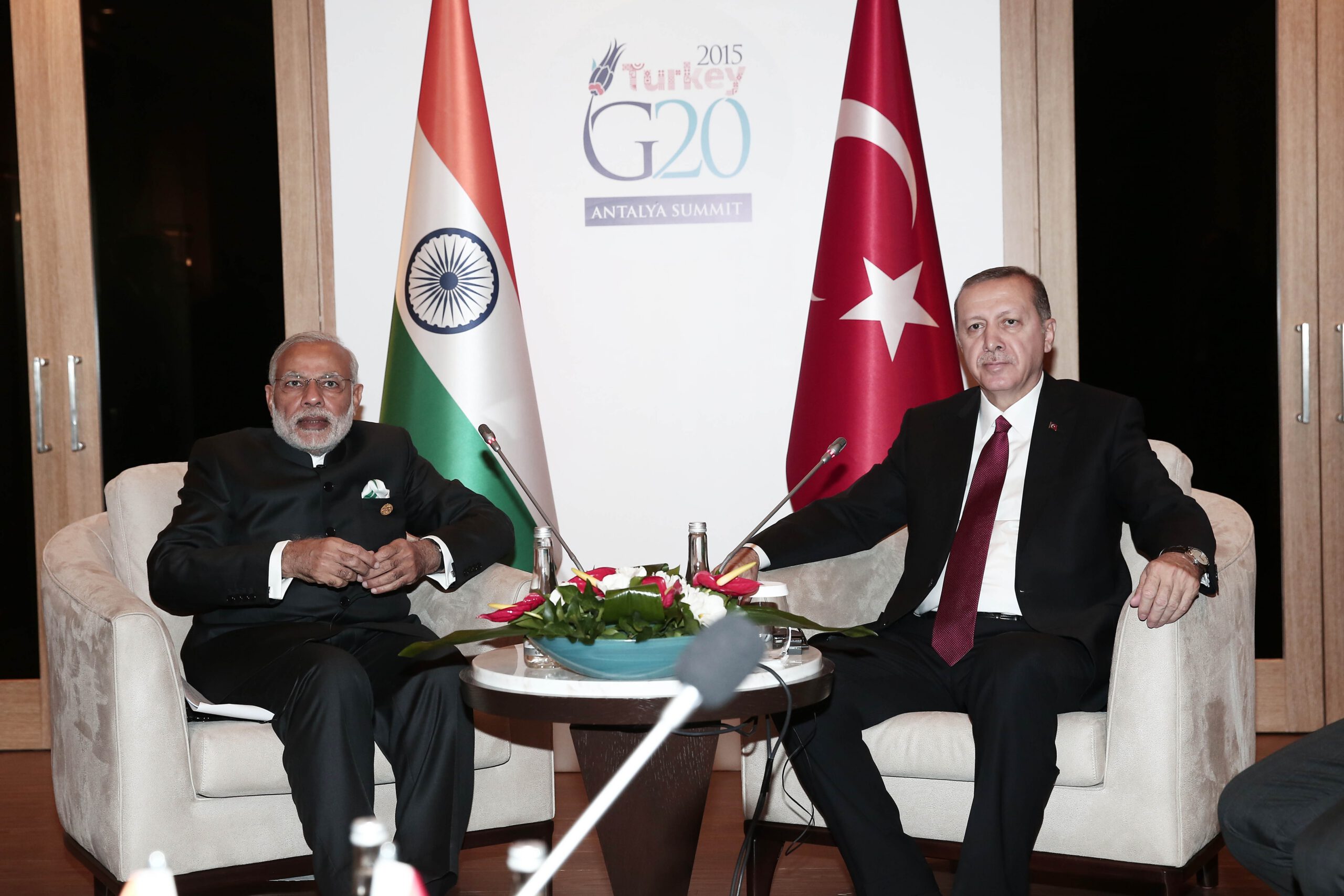
Both Turkey and India are middle-income secular democracies with deep historical connections, leading one senior Turkish lawmaker recently to refer to the two countries as “natural allies.” However, there has long been an impediment to developing more fruitful ties with India: Turkey’s pro-Pakistan orientation. The origins of this friction point date to the early 1950s, namely the inception of the Cold War and the early stages of the Indo-Pakistan conflict. This stumbling block has yet to be overcome. In fact, the “Pakistan factor,” specifically the Kashmir conflict, has lately resurfaced as a source of Turkey-India contention.
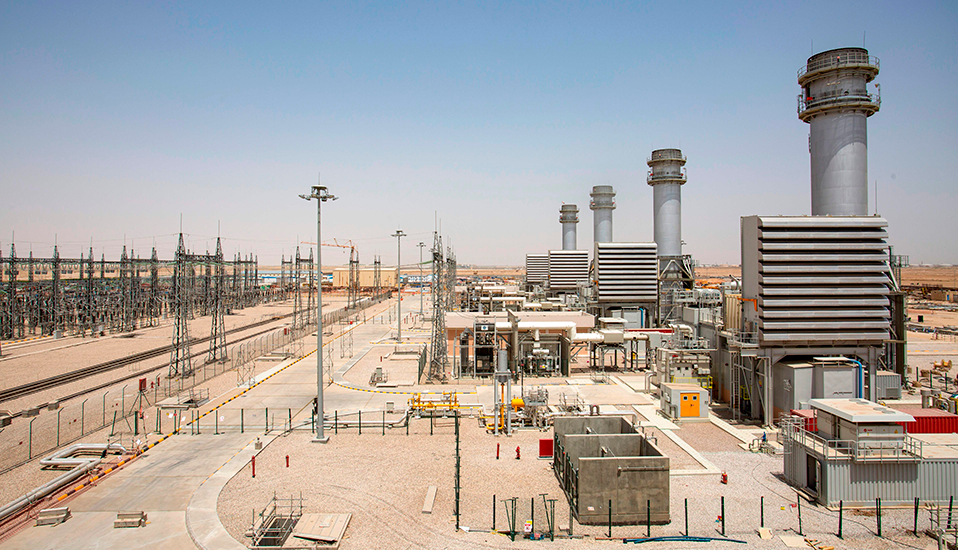
Iraq’s long-running electricity dilemma is now a daily source of public misery. The struggle of the power generation and distribution system to keep up with relentless demand caused by almost free electricity, especially as temperatures soar to record levels of over 120 degrees, is likely to get worse without reforms.
Moscow and Ankara will continue uneasy cooperation
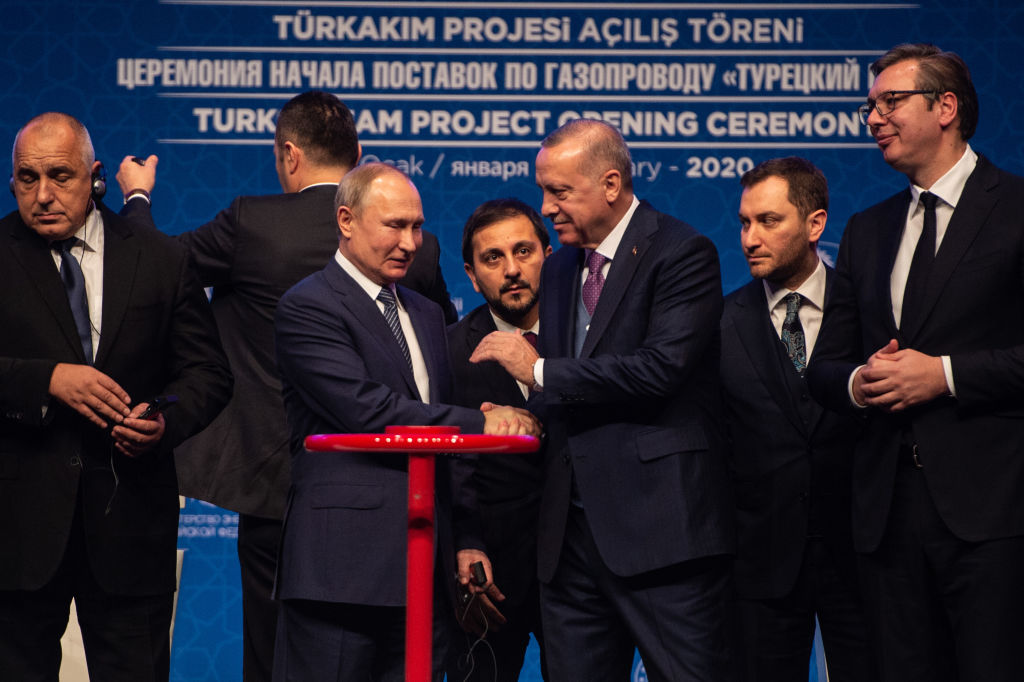
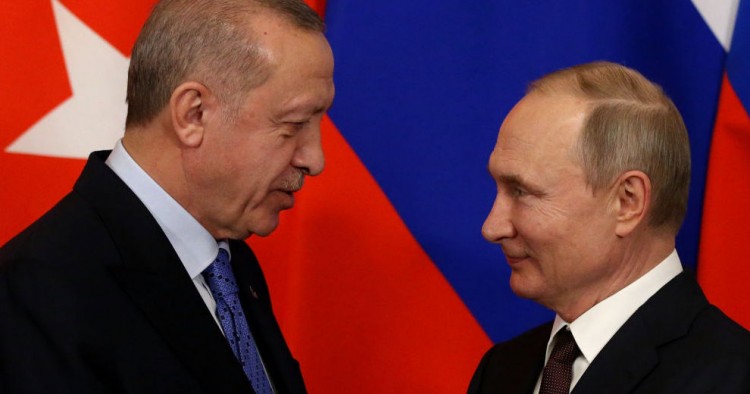
As Russia partially reopens international travel amidst the ongoing pandemic, Turkey is in the top three countries for resumed Russian flights. Moscow also touts possible space cooperation with Turkey amidst tensions with the US on this issue. Despite disagreements between Moscow and Ankara over Syria, Libya, and the broader Black Sea region, Russia and Turkey remain determined to cooperate. But the relationship remains unequal.
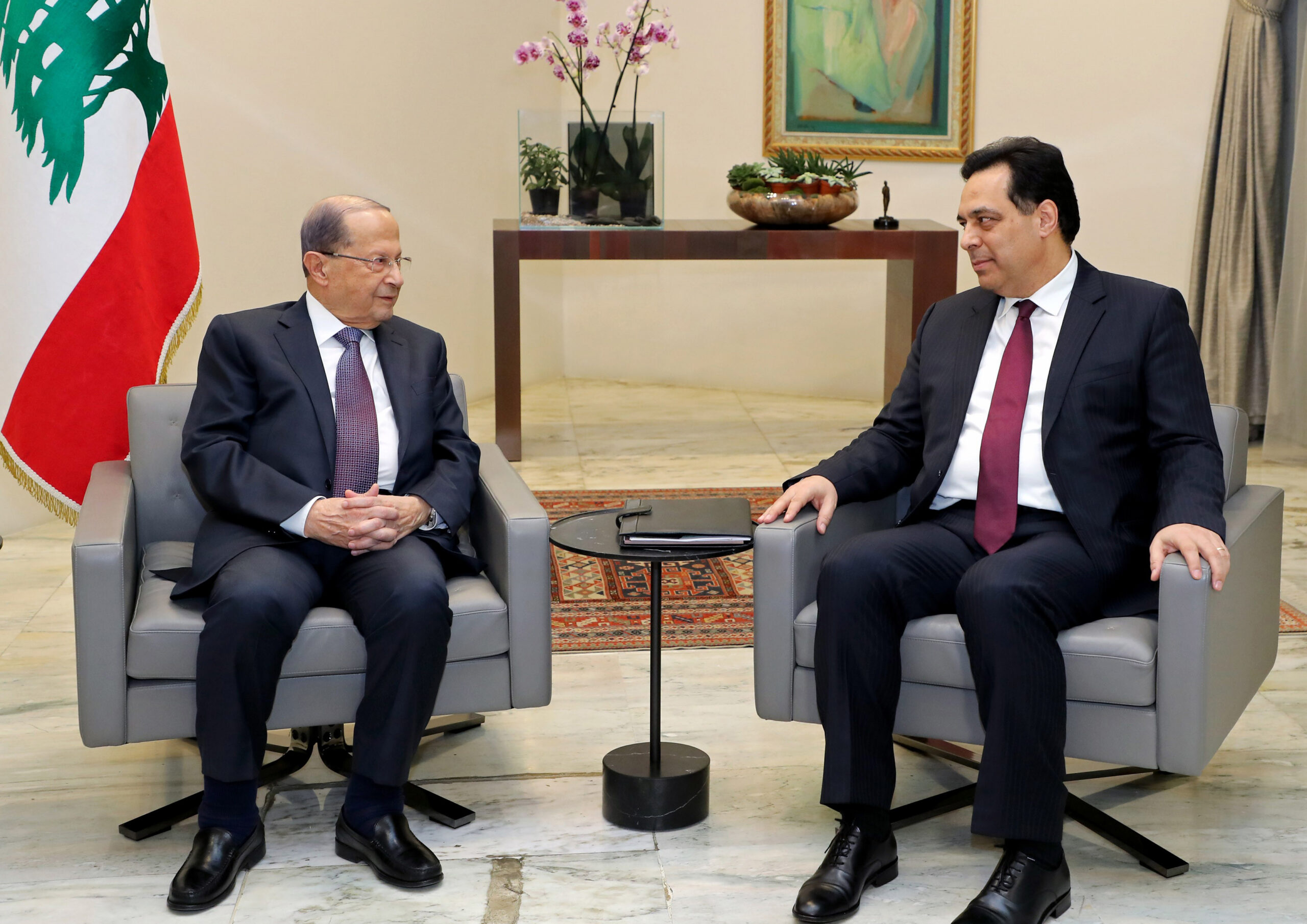
Monday Briefing | Lebanon: The twilight of an impotent government
This week’s briefing on recent news and upcoming events in the region featuring Paul Salem, Hafsa Halawa, Marvin G. Weinbaum, Anne-Linda Amira Augustin, and Gerald Feierstein.
رئيس الوزراء الكاظمي يعلن عن موعد إجراء انتخابات مبكرة في العراق
“على المستوى السياسي، قد تشكل الانتخابات المبكرة خطرا على الحركة الاحتجاجية”
يوم الجمعة الماضي، وسط تجدد الاحتجاجات والغضب من استمرار العنف الممارس من جانب قوات الأمن، أعلن رئيس الوزراء مصطفى الكاظمي عن موعد لإجراء انتخابات برلمانية جديدة في العراق في 6 يونيو 2021.
وقد خلف الإعلان ردود فعل متباينة كما كان متوقعا. فقد جادلت جهات سياسية فاعلة بأن الإعلان يعتبر غير دستوري ويتطلب موافقة البرلمان لتحديد موعد انتخابات جديدة (وضمنيا حل البرلمان الحالي)، بينما اتسم رد فعل المتظاهرين بتفاؤل حذر.
Are Turkey and Russia bracing for conflict in the South Caucasus?
On July 12, the Armenian and the Azerbaijani armed forces started a border skirmish. Fighting went on for several days, leaving at least 16 dead in its wake. Remarkably enough, the two sides are facing off outside the disputed region of Nagorno-Karabakh, the usual flashpoint. This time around the flare-up took place well to the north, where Armenia’s Tavush region meets Azerbaijan’s Tovuz district. It is little wonder then that the crisis caught Turkey’s attention.
Monday Briefing: GERD talks continue, but political will is still lacking
This week’s briefing on recent news and upcoming events in the region featuring Mirette F. Mabrouk, Marvin G. Weinbaum, Gonul Tol, Alex Vatanka, and Gerald Feierstein.
Monday Briefing: Red lines and rising tensions in Libya
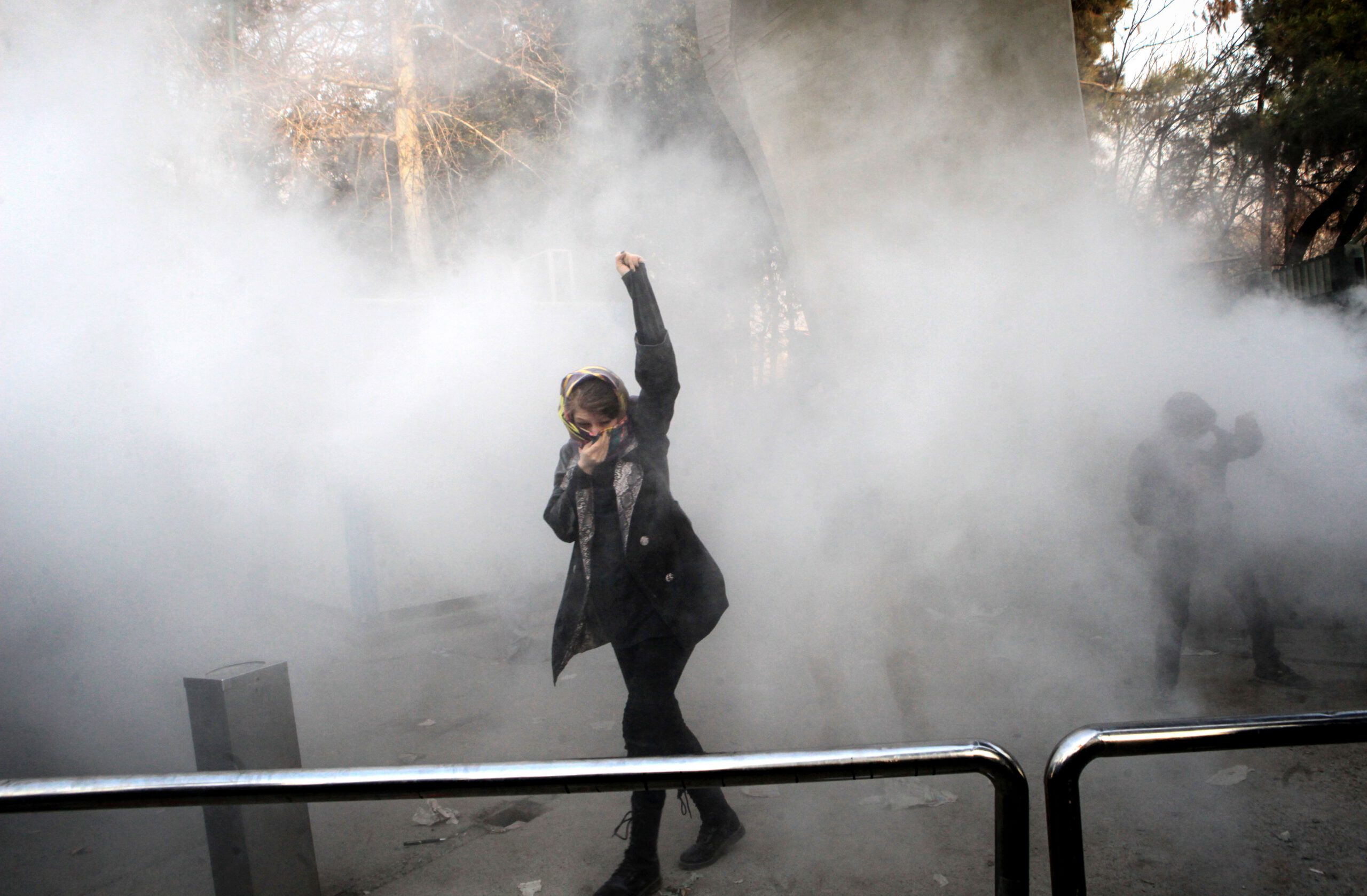
In this week’s Monday Briefing, MEI experts Mirette F. Mabrouk, Robert S. Ford, Nazila Fathi, and Marvin G. Weinbaum provide analysis on recent and upcoming events including rising tensions in Libya, economic turmoil and anti-regime protests in Iran, and the Jordanian high court’s decision to dissolve the Muslim Brotherhood.
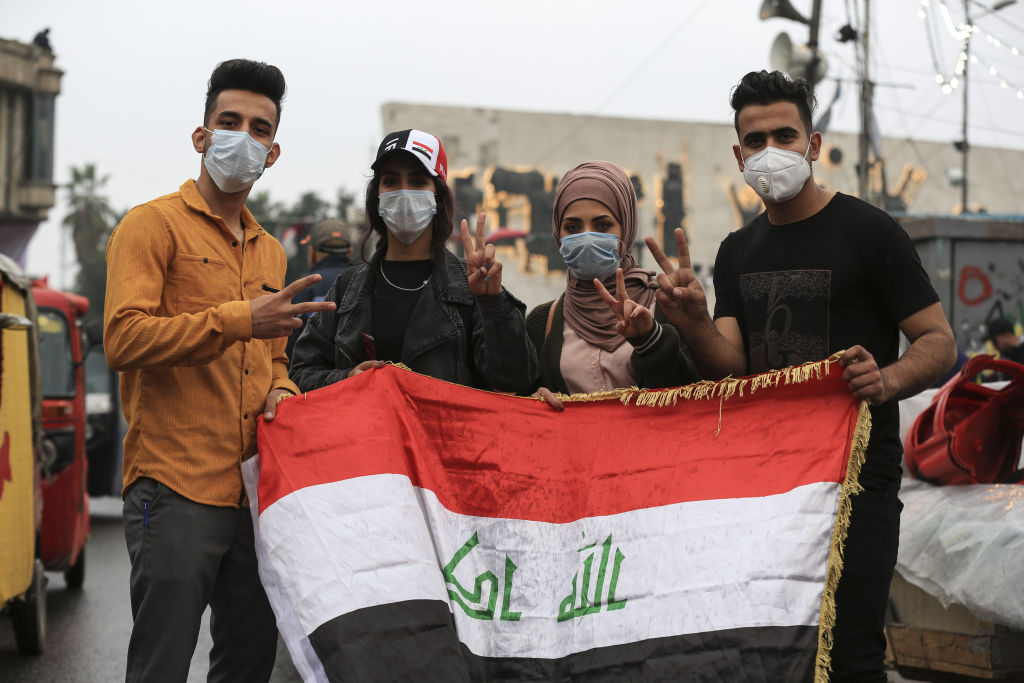
The nationwide protests that erupted in October 2019 shifted the political landscape and paradigm of Iraqi political participation: Led by motivated Iraqi youth in their teens and twenties with no previous civic experience, they signal a rejection of the post-2003 sectarian patronage system, known as muhassasa, that has failed to deliver security, economic development, or basic services. The protest movement’s spontaneity and authenticity are its core strength; no public figure or party directed the waves of protests across central and southern Iraq.