Between the Coalition, ISIS, and Assad: Courting the Tribes of Deir ez-Zor
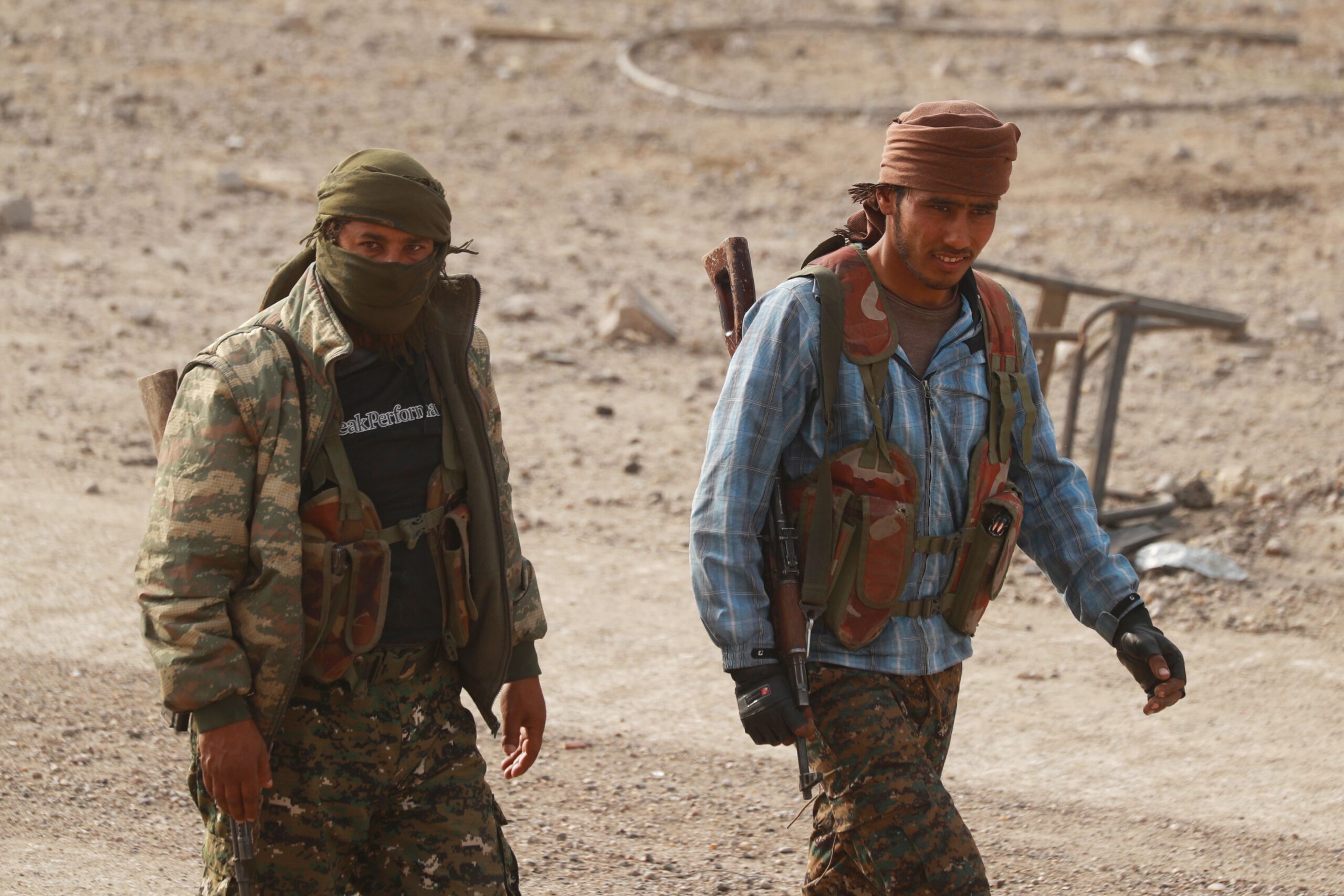
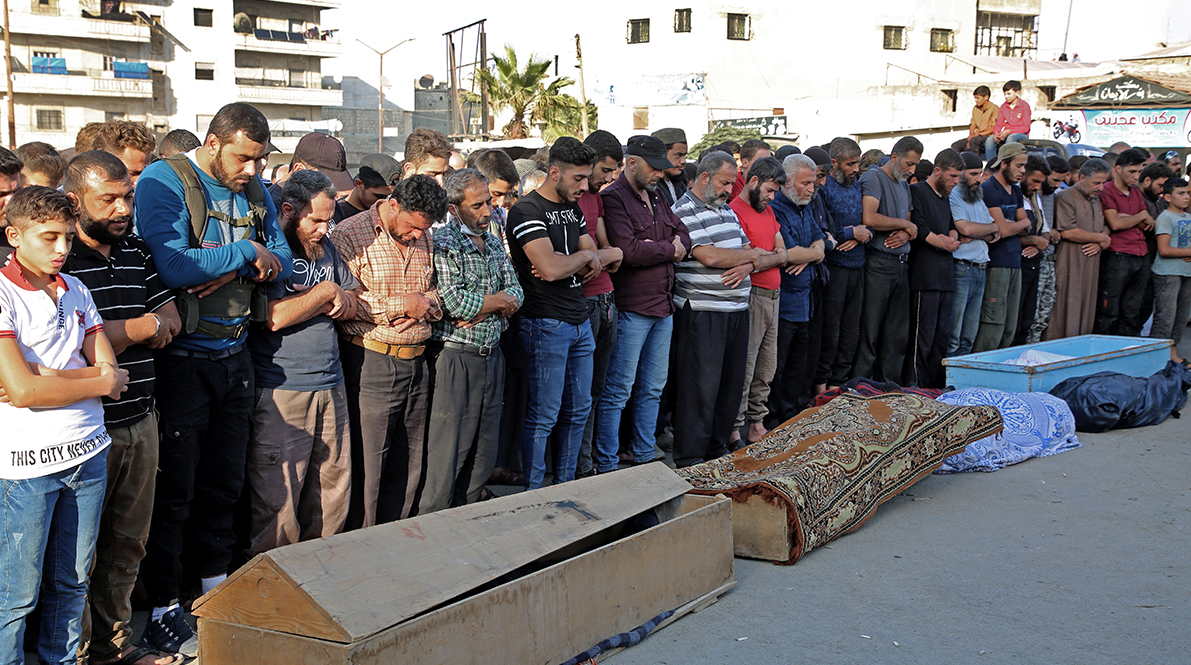
In areas under the control of both the Syrian regime and Autonomous Administration in North and East Syria (AANES) in Deir ez-Zor Province, the governing bodies are failing to secure the loyalty and support of locals. The security structures built by the regime and the AANES have coopted and incorporated local tribes to a significant extent, but a lack of support from the central governing bodies amid increasing ISIS attacks threatens long-term stability in the province. These two regional dynamics are outlined and compared in this paper to illustrate the dual challenges both governance bodies face in appealing to locals and thwarting the resurgence of ISIS in the area.
Shifting Gears: HTS’s Evolving Use of SVBIEDs During the Idlib Offensive of 2019-20
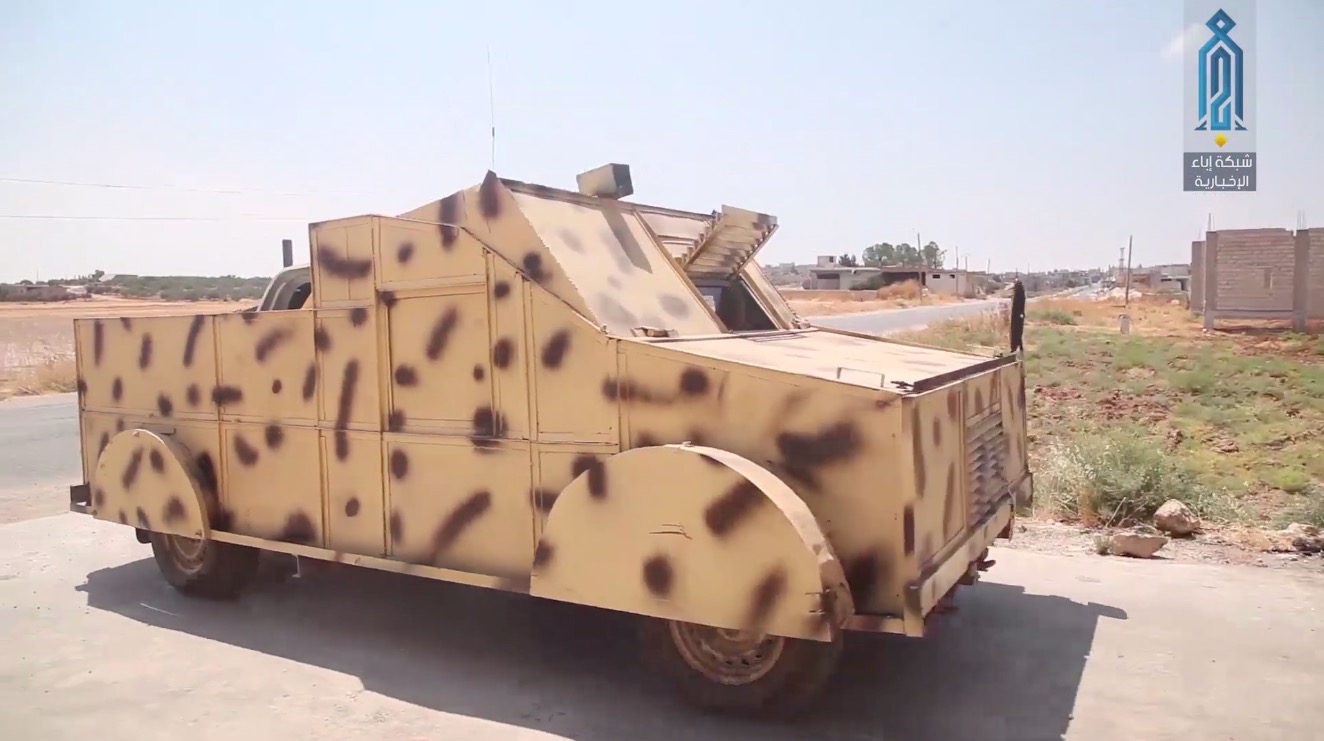
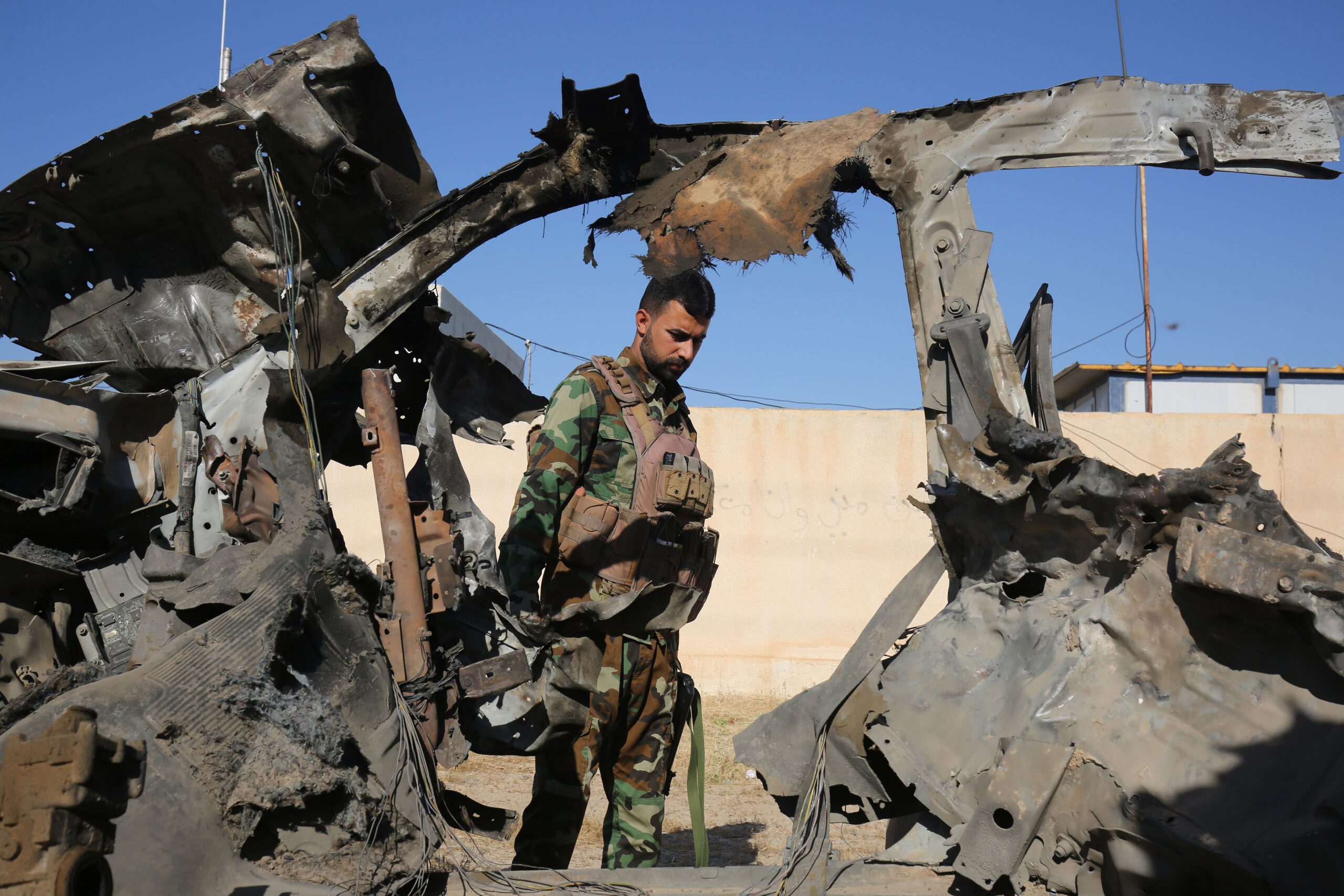
Since May 2019, a series of Syrian loyalist offensives backed by the Russian air force has gradually encroached upon the country’s northwestern Idlib Province, home to the last major pocket of opposition-held territory. As the chief rebel group in control of Idlib, Hayat Tahrir al-Sham (HTS) has employed dozens of suicide car bombs as part of its continued defense of the area. Formally known as suicide vehicle-born improvised explosive devices (SVBIEDs), these weapons have been a cornerstone of the group’s — and by extension, the entire opposition’s — military strategy since early stages of the war, when rebel forces began capturing and holding territory. In an attempt to further understand this strategy and how it has evolved over time, this case study seeks to compare and contrast HTS’s past and current use of SVBIEDs, with a heavy focus on the latter. It will also examine HTS’s evolving SVBIED design, paying particular attention to technical innovations such as environment-specific paint schemes, drone support teams, tablets with target coordinates, and live camera feeds, as well as upgraded main charges.
Monday Briefing: Regional reverberations of the Sudan-Israel announcement
This week’s briefing on recent news and upcoming events in the region featuring Paul Salem, Jonathan M. Winer, Gonul Tol, Mohammed Soliman, Marvin G. Weinbaum, Elizabeth Dent, Mirette F. Mabrouk, and Robert S. Ford.
Charles Lister and Jomana Qaddour join host Alistair Taylor in a discussion about the current situation in Syria, US policy under the Trump administration, and what lies ahead following the presidential election.
Using the Convention against Torture to hold Syria to account
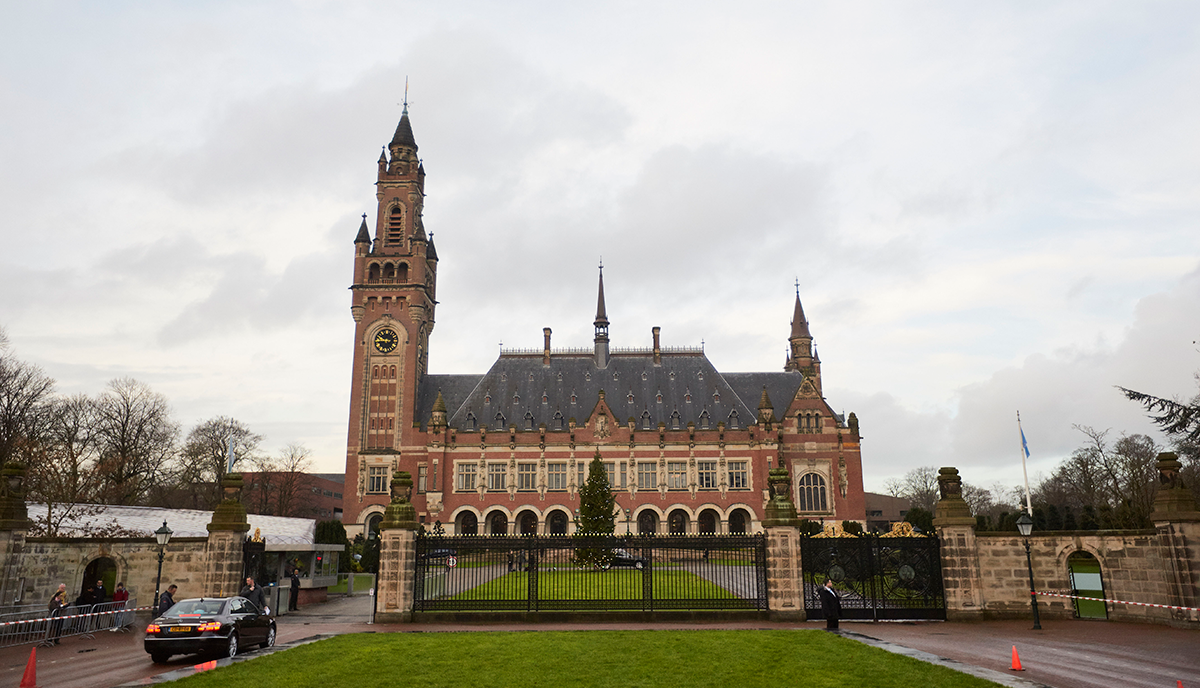
Last month, the Netherlands announced its intent to hold Syria responsible for gross human rights violations and torture under the U.N. Convention against Torture (CAT). With only one other case — Belgium v. Senegal — brought to the International Court of Justice (ICJ) under the CAT, the Netherlands is entering relatively uncharted waters. Indeed, it would be the first country to litigate the substance of Article 1 of the Convention. While it is unlikely that the Netherlands’ claims will reach the ICJ for another year or more, its announcement serves as an important step in the push for broader accountability in Syria.
US Policy and the Resurgence of ISIS in Iraq and Syria
As attacks by ISIS increase in both Iraq and Syria, the upcoming U.S. presidential election offers a turning point for how U.S. foreign policy will seek to address a potential ISIS resurgence. This paper lays out this growing problem and recommends policy, which will be constrained by the outcome of the November election.
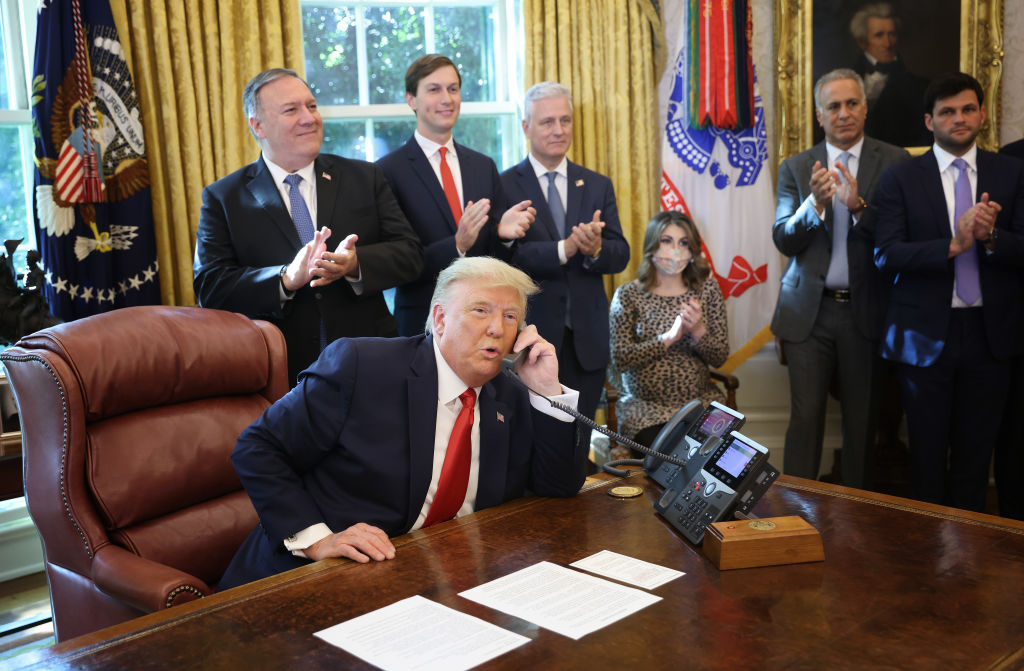
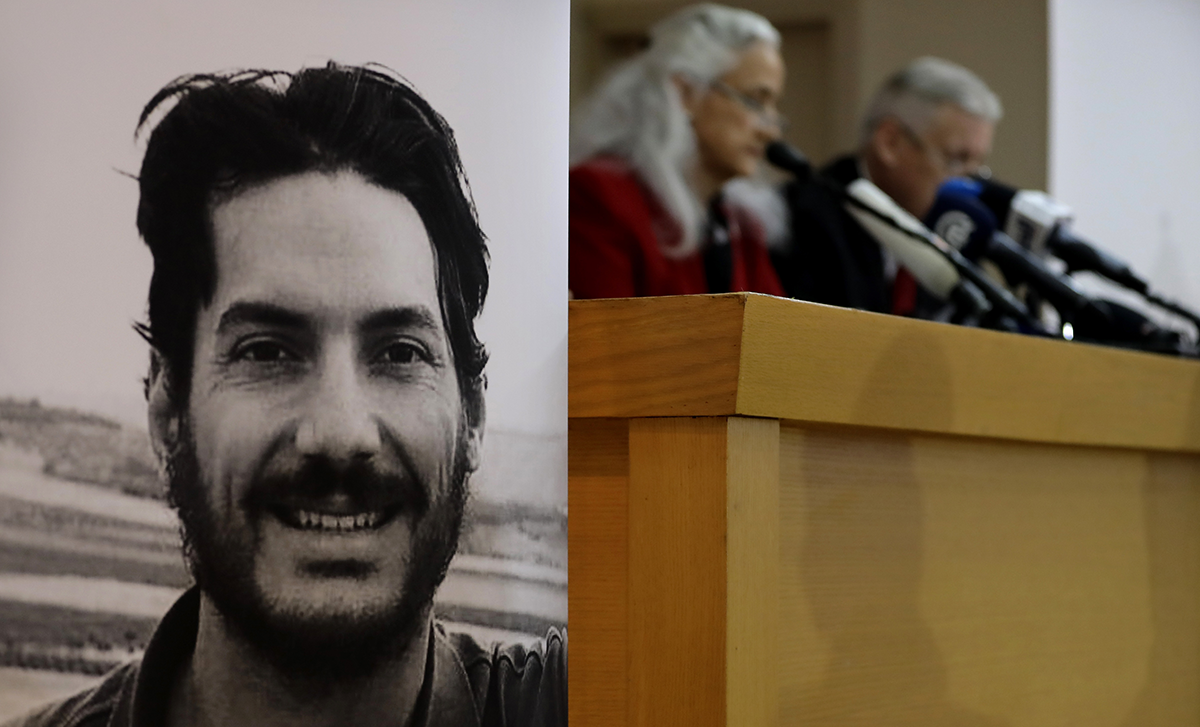
With a presidential election looming in the United States, the continuing crisis in Syria is unlikely to make headlines. Aside from the COVID-19 pandemic, raging wildfires, and the occasional flare-up of violence in Idlib, Syria has been largely off the radar in the U.S. for quite some time. Yet dramatic new revelations suggest that Syria could be on the administration’s agenda more prominently as President Donald Trump makes a serious, if desperate, move to secure American hostages thought by U.S. officials to be held in Damascus.
Monday Briefing: Secret diplomatic visit to Damascus raises questions about US Syria policy
This week’s briefing on recent news and upcoming events in the region featuring Charles Lister, Ruba Husari, Marvin G. Weinbaum, and W. Robert Pearson.
US sanctions hurt Syrian civilians — they need to be worth it
On June 17, 2020, the U.S. State Department’s special envoy to Syria, Joel Rayburn, announced the beginning of the “summer of Caesar,” promising a wave of sanctions designations under the newly activated Caesar Syria Civilian Protection Act. Summer has come and gone, but there’s little to show for it.
How are Russia and China responding to the Caesar Act?
The Caesar Civilian Protection Act sanctions on Syria, which were signed into law by U.S. President Donald Trump in December and took effect on June 17, have polarized the international community. Most European countries have supported the Caesar Act’s use of sanctions to punish Syrian President Bashar al-Assad for war crimes, but Russia and China have stridently criticized the legislation.
Jannah or Jahannam: Options for Dealing with ISIS Detainees
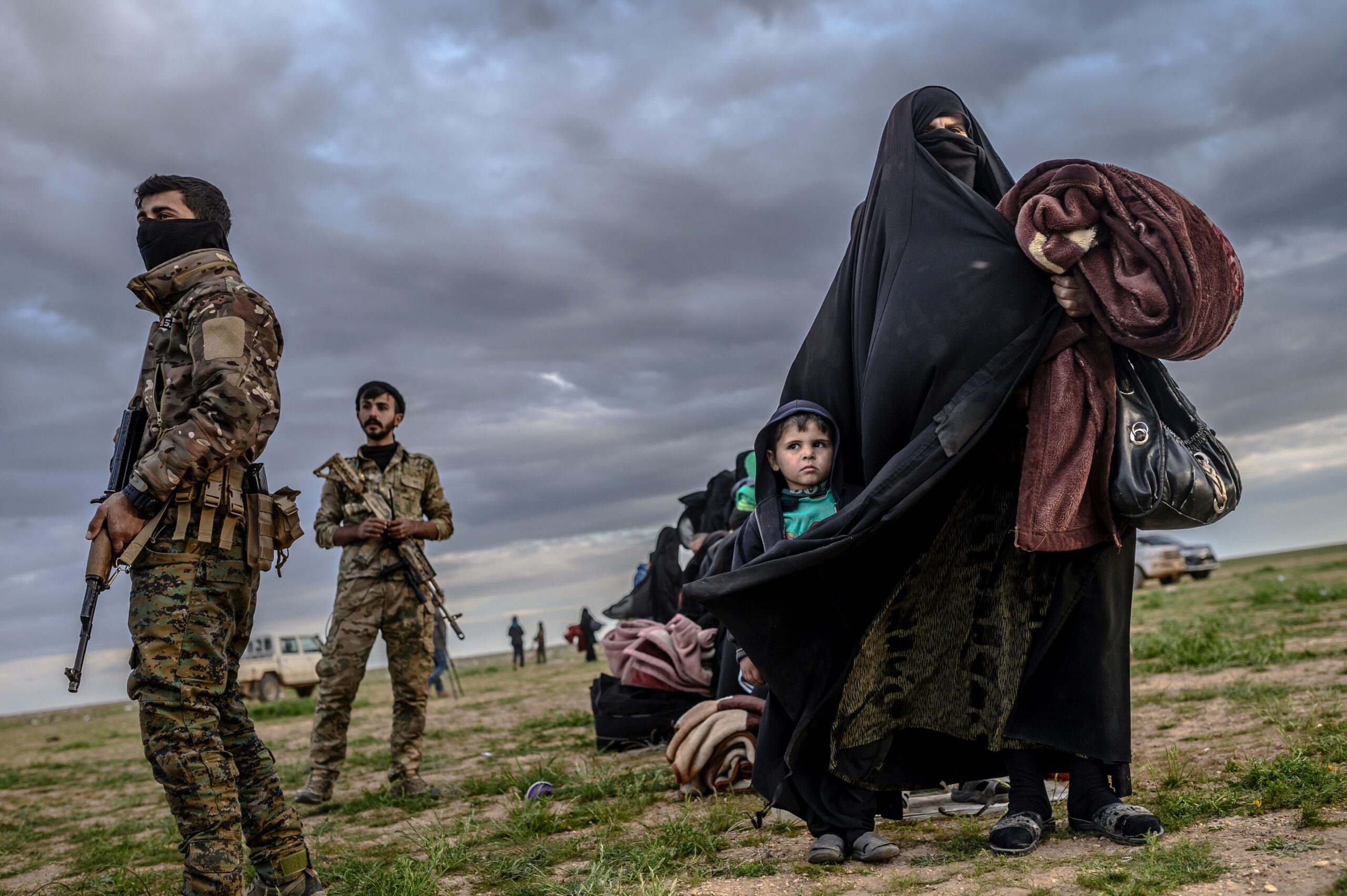
Thousands of former ISIS fighters and tens of thousands of civilians indoctrinated in the group’s extremist ideology currently sit in prisons and refugee camps across Iraq and Syria. Leaving the detainees there is dangerous, but transitioning them will require some type of accountability for the crimes committed. This paper explores options for international action to deal with the detention of ISIS members from Iraq and Syria and the foreign terrorist fighters who joined the group from around the globe.