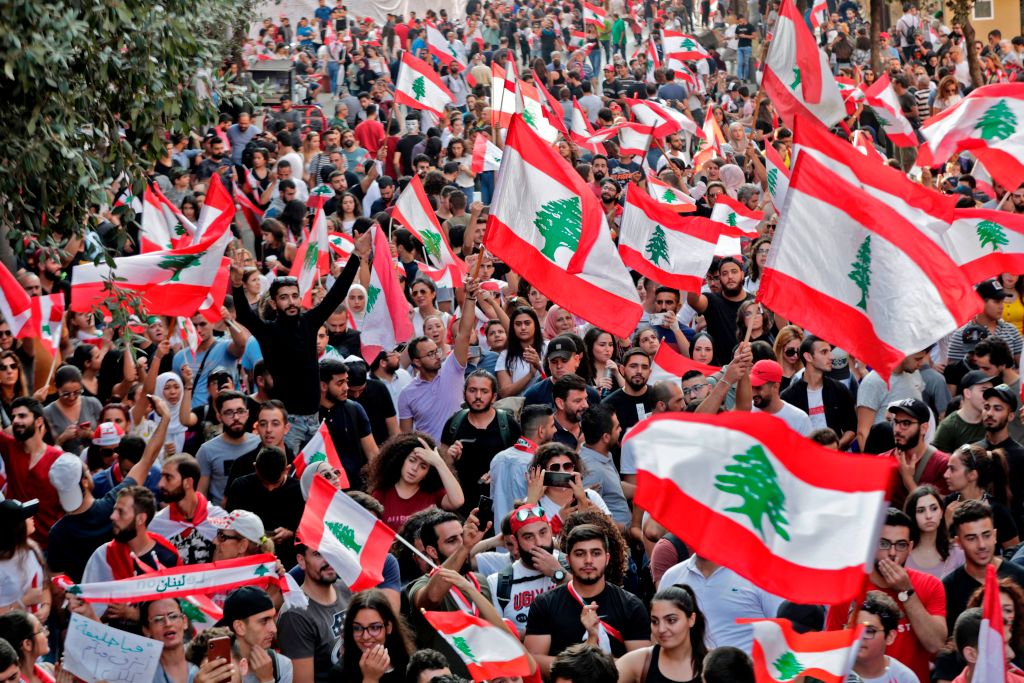
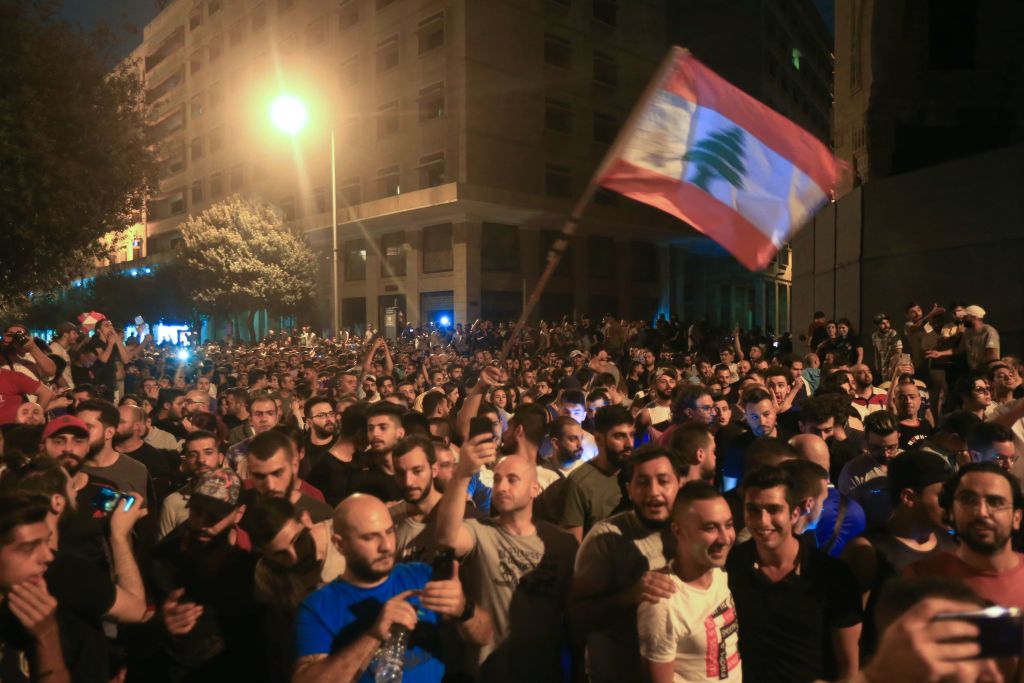
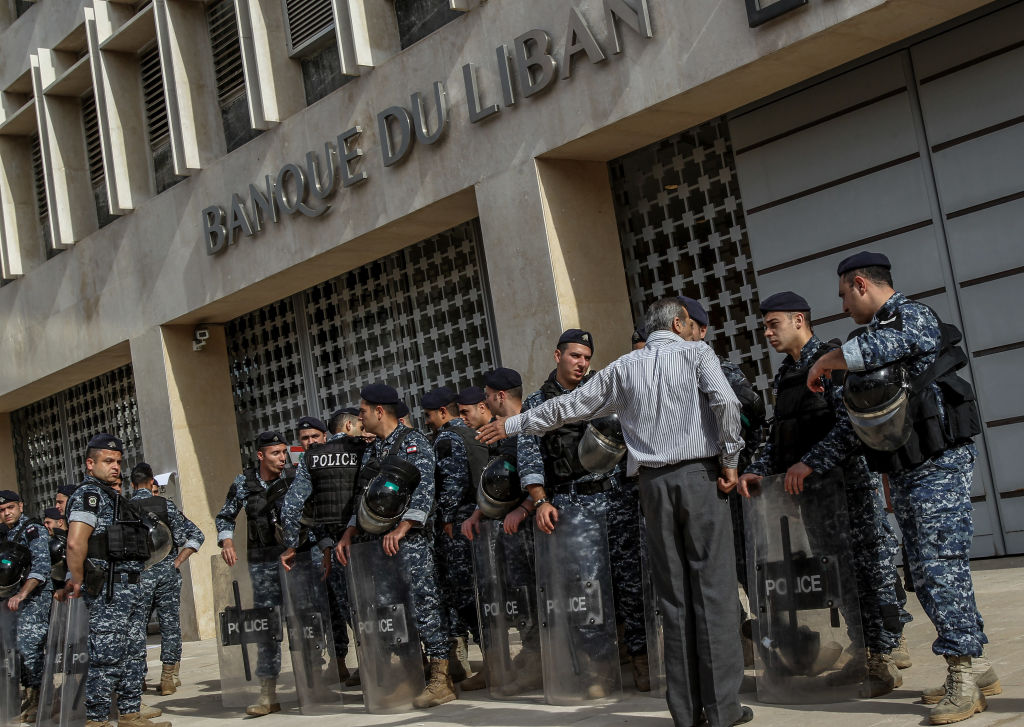
MEI experts Paul Salem, Randa Slim, and Bilal Saab join host Alistair Taylor to discuss the massive uprising that has swept across Lebanon since last weekend, including what’s driving the protests, how the government has responded so far, and where things may go from here.
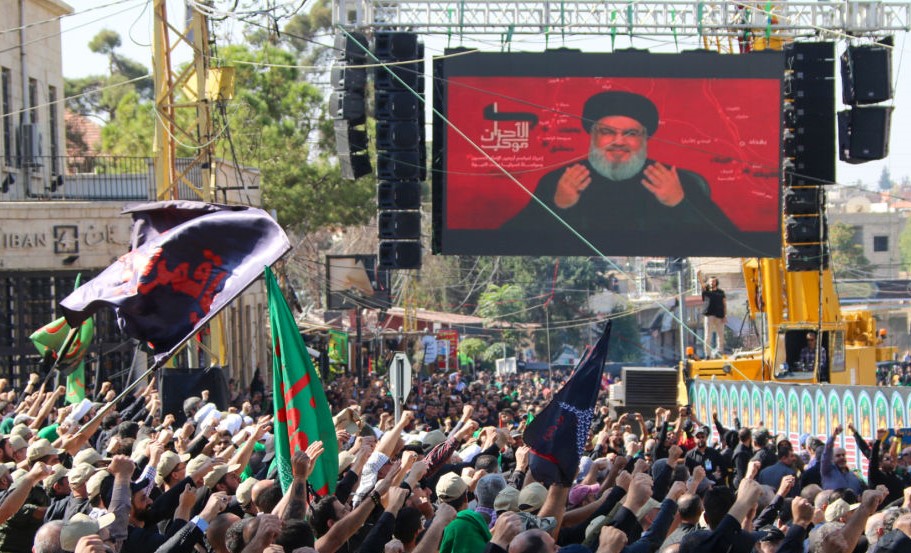
Lebanon’s current uprising, larger than the Cedar Revolution and rooted in long-held socio-economic grievances, has united protestors across the country in calls for fundamental political change. And this time, Shiites have joined the struggle. This is not a good outcome for Hezbollah — nothing threatens it more than discord within the Shi’a community — and it now finds itself in uncharted territory.
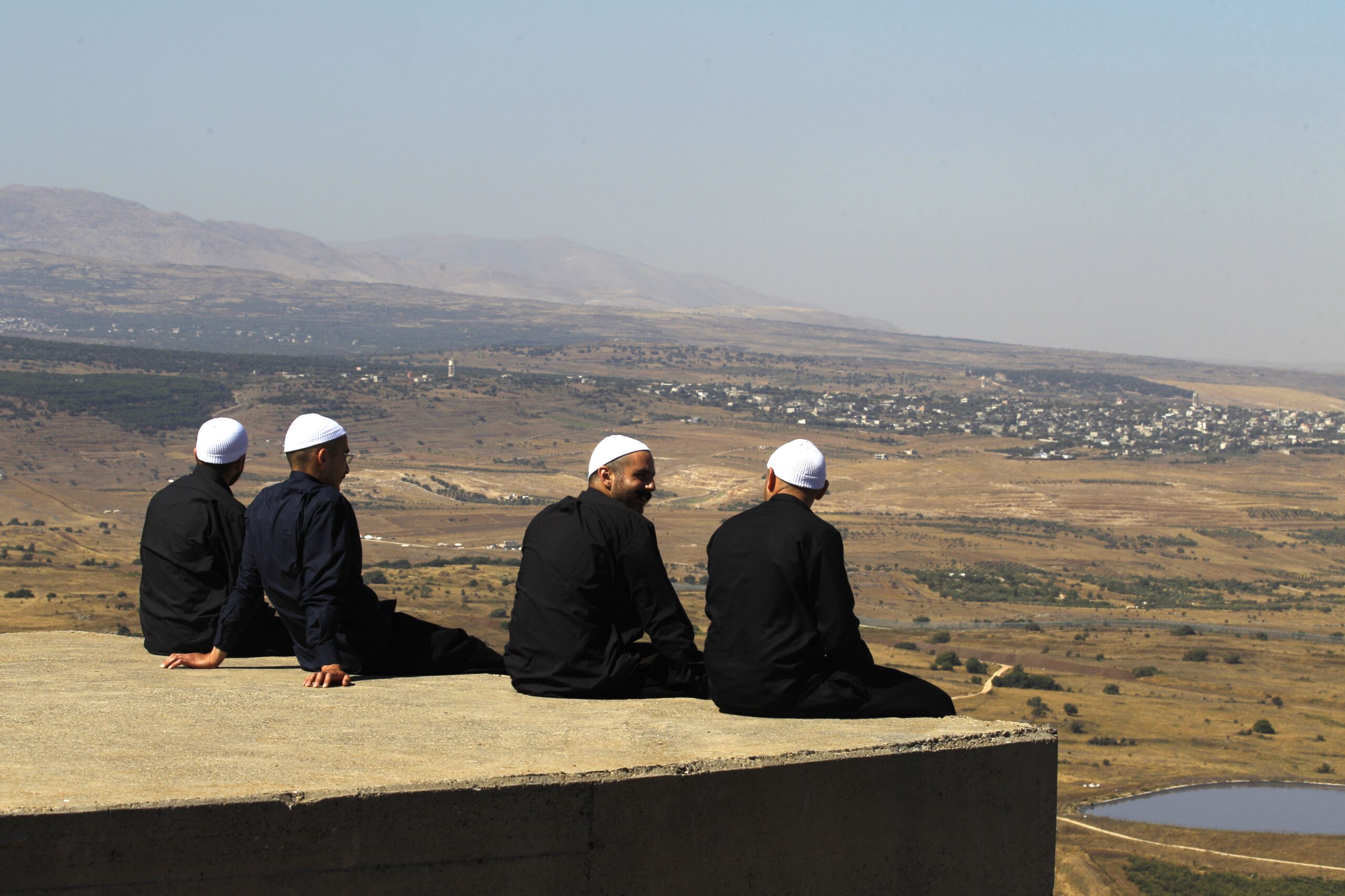
Divide and Conquer: The Growing Hezbollah Threat to the Druze
Deep political, familial, and religious ties have allowed Druze communities across the Levant to remain largely unified against external threats, but eight years of violence in Syria and a coordinated campaign by the regime and its allies now threaten to destabilize regional Druze politics and erode the sect’s political and military power. An Iranian-backed campaign by Hezbollah to incite inter-Druze violence in Lebanon has curtailed this unity, laying the groundwork for Hezbollah to expand into Syria’s Suwayda province with impunity.
Something had to give. Decades of corruption and criminal mismanagement by Lebanon’s ruling elites — the same clique who have governed the country since its independence in 1943 — have finally led to an economic implosion and a social explosion.
Russia’s efforts to expand the Astana process in Syria
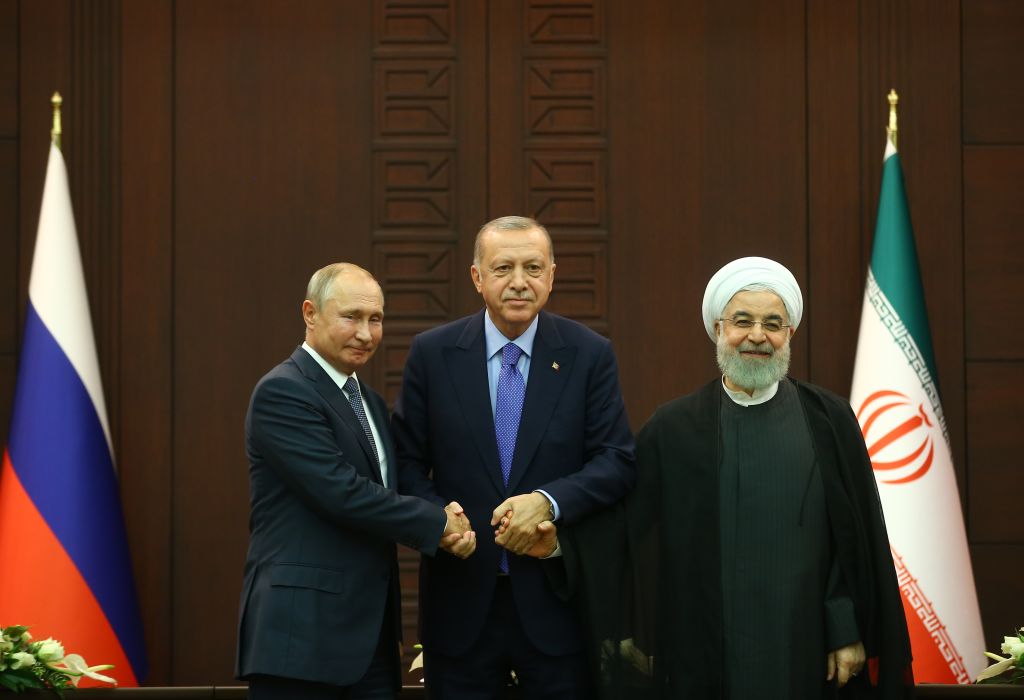
On Sept. 16, the presidents of Russia, Iran, and Turkey met in Ankara to discuss the resolution of the Syrian civil war. In all three countries, the Ankara summit was hailed as a major success, as negotiations on the formation of a Syrian constitutional committee concluded and progress was made toward resolving other outstanding challenges, such as the future of northeastern Syria and the ongoing struggle for Idlib.
Is it too late to save Lebanon from financial collapse?
Things seem to be going from bad to worse for Lebanon’s economy. On Aug. 23 Fitch downgraded its credit rating to CCC, meaning both it and Moody’s now rate the country’s bonds as junk. Ten days later, on Sept. 2, Lebanon’s top officials and bankers declared the country was in a state of economic emergency and said emergency measures would be taken.
International Politics of Syrian Refugee Return: The Case of Lebanon
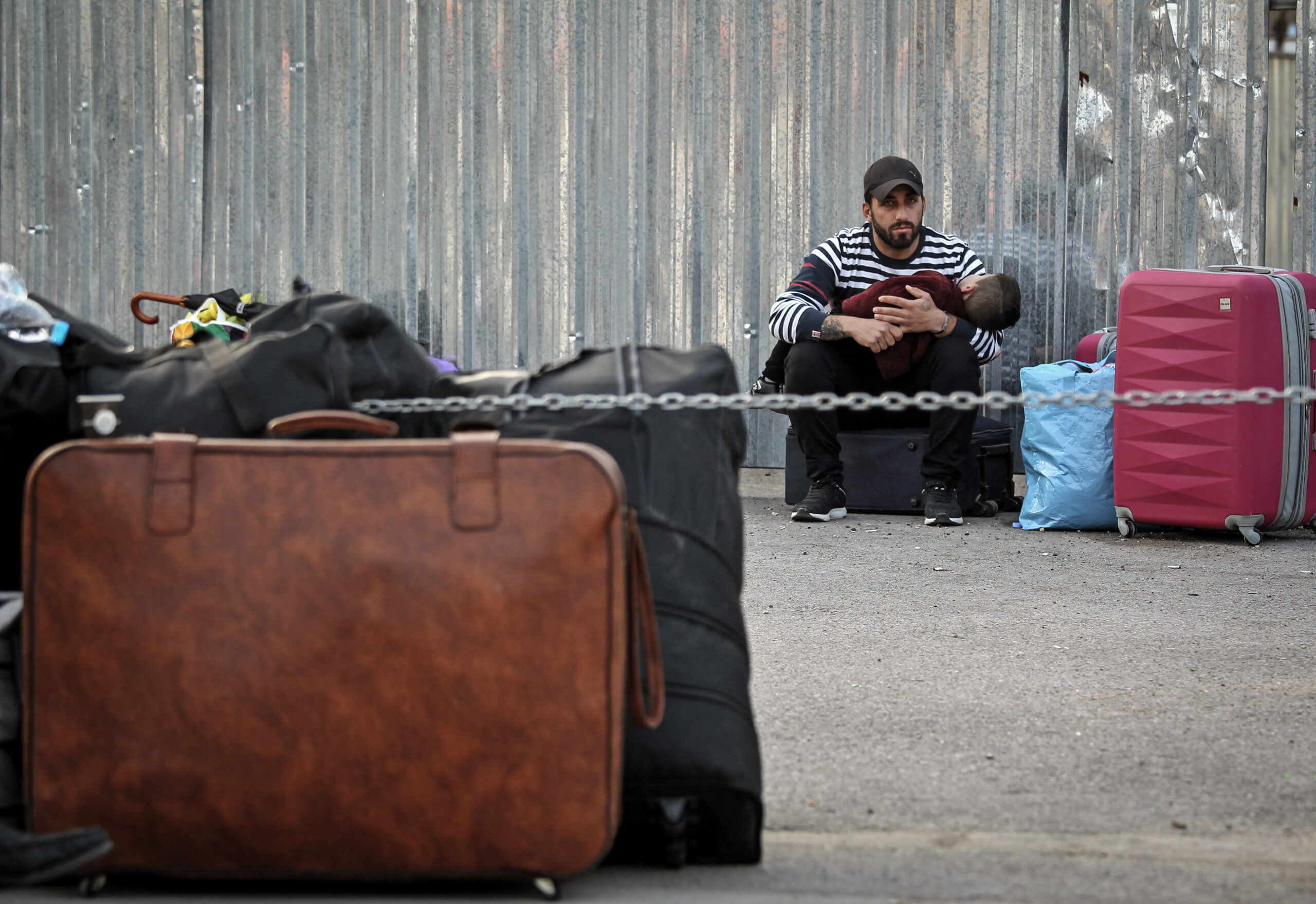
There are three sets of actors whose involvement has significantly affected the Syrian refugee situation in Lebanon: UN agencies, humanitarian organizations, and key regional countries (notably, Iran) and major powers (especially the US, EU, and Russia). This article briefly examines the international politics of Syrian refugee return in the case of Lebanon.
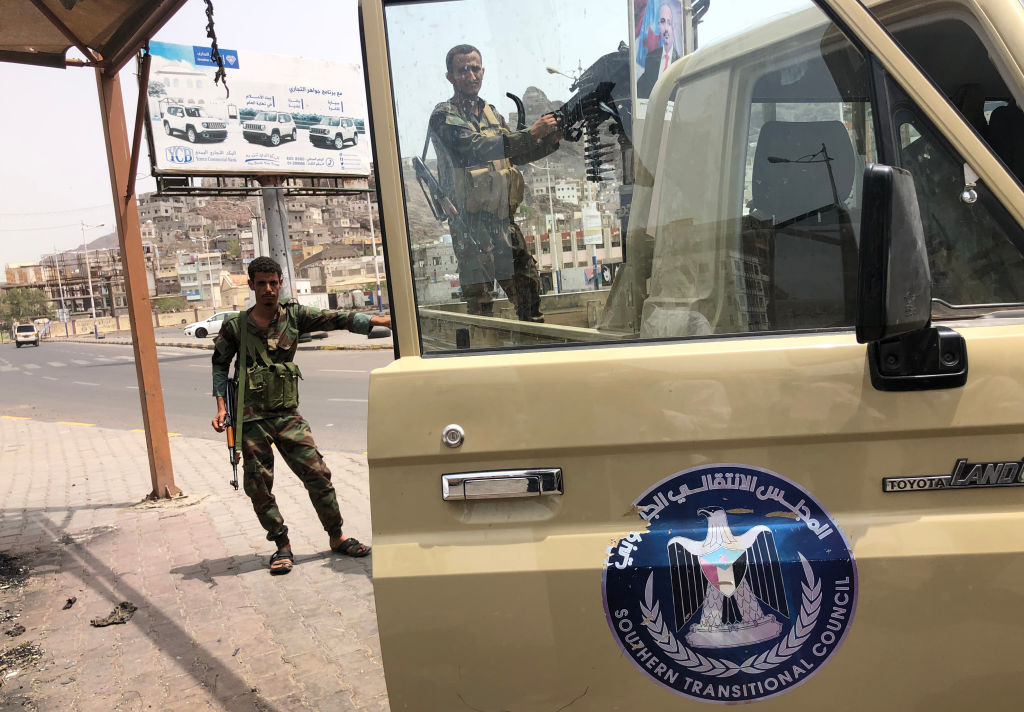
Monday Briefing: Fighting flares up in southern Yemen
This week’s briefing on recent news and upcoming events in the region featuring Fatima Abo Alasrar, Gonul Tol, Marvin G. Weinbaum, Randa Slim, and Michael Sexton and Eliza Campbell.
As it combats continuing stagnant growth, Lebanon’s economy is facing a looming debt crisis. Omar Slim, senior investment manager and committee member with Lebanese International Finance Executives (LIFE), joins host Alistair Taylor to discuss the current threats to Lebanon’s economy and the need for financial consolidation.
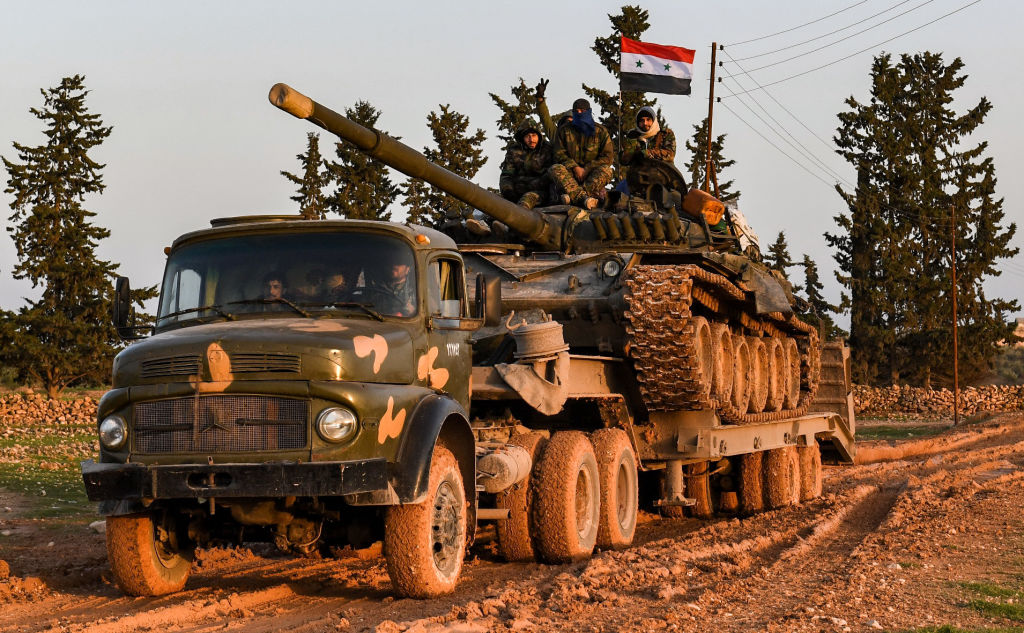
The Lion and The Eagle: The Syrian Arab Army’s Destruction and Rebirth
The Syrian Arab Army (SAA) has been decimated by eight years of civil war. Defections, deaths, and a lack of funding have gutted its ranks while heavy losses of armored vehicles have significantly reduced the mechanized capabilities of what was once the sixth-largest armor fleet in the world. The inability of Damascus to fully deploy its official army led to the rise of paramilitary militias and an influx of pro-regime foreign fighters. This report explores the causes of the collapse of the SAA and its attempted rebirth, and ends with a detailed examination of its current order of battle.
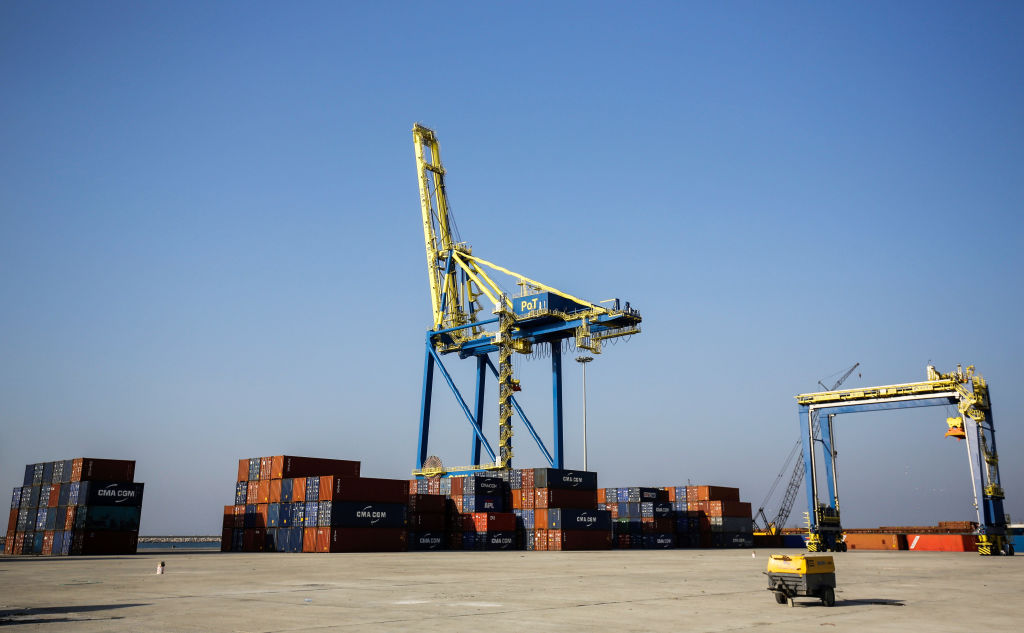
The idea of establishing a Levant Union — one not unlike the European Union (EU), but composed of the Levantine states of Lebanon, Syria, Iraq, Palestine, Jordan, and by extension, Egypt and Cyprus — is one that ought to be explored. Such an arrangement would offer untapped potential for trade, supported by the growing trend toward greater regionalization, fueled by the rise in protectionism, increasing multipolarity, and corporate regionalization.
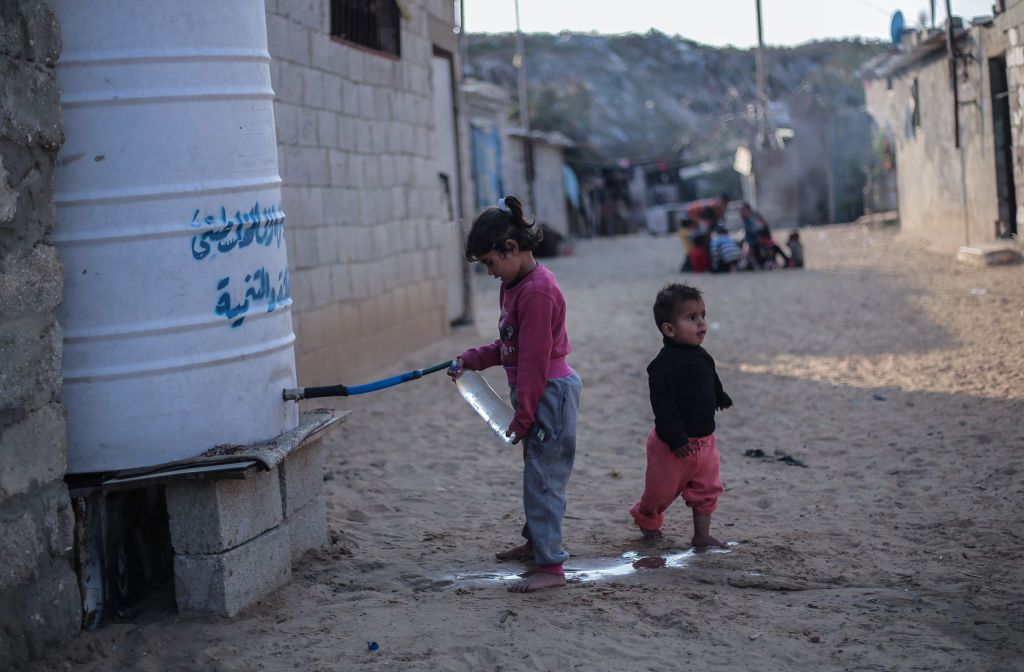
Freshwater Resources in the MENA Region: Risks and Opportunities
A reliable supply of freshwater is a prerequisite for sustainable socioeconomic development, as well as for sociopolitical stability and human prosperity, especially in semi-arid and arid regions of the world. The Middle East and North Africa’s freshwater resources are under immense pressures and are facing significant risks to their sustainability due to overexploitation, climate change, and interstate competition over their use that extends beyond the region’s boundaries.
Interconnected: Trade, food security, and stability in the GCC and MENA
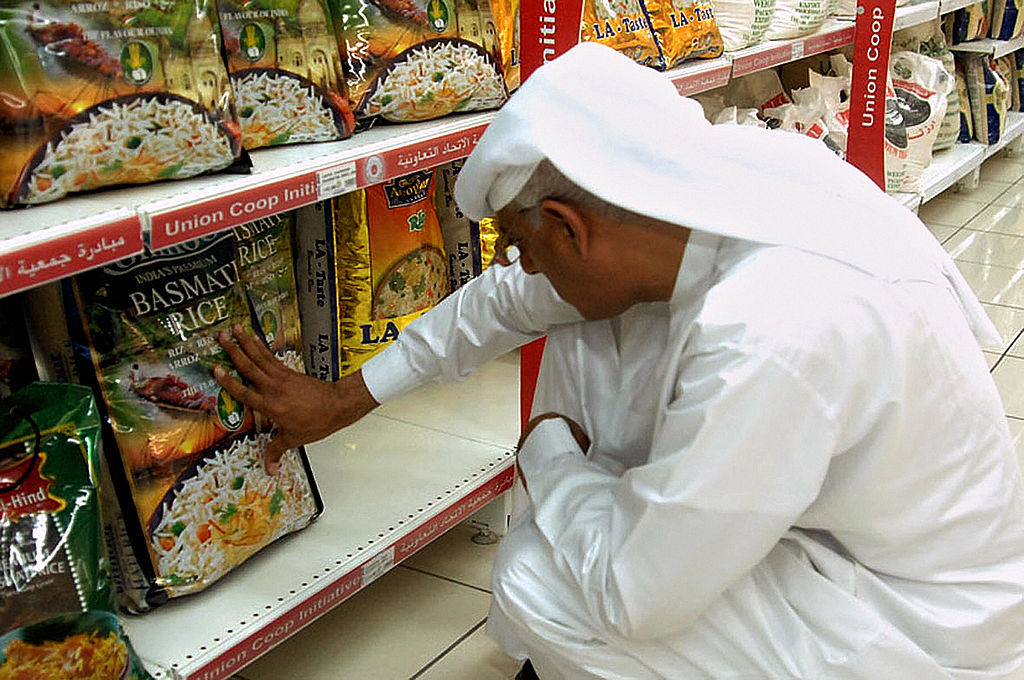
It is easy to overlook the fact that food security could be an issue of concern in the Gulf Cooperation Council. After all, its member states have some of the world’s highest per capita income levels. Food supplies in the Gulf are normally abundant and stable. Were they to be disrupted, however, it could lead to food security challenges and a chain of adverse consequences for human security throughout the region.