Socioeconomic effects of energy transition in the Black Sea
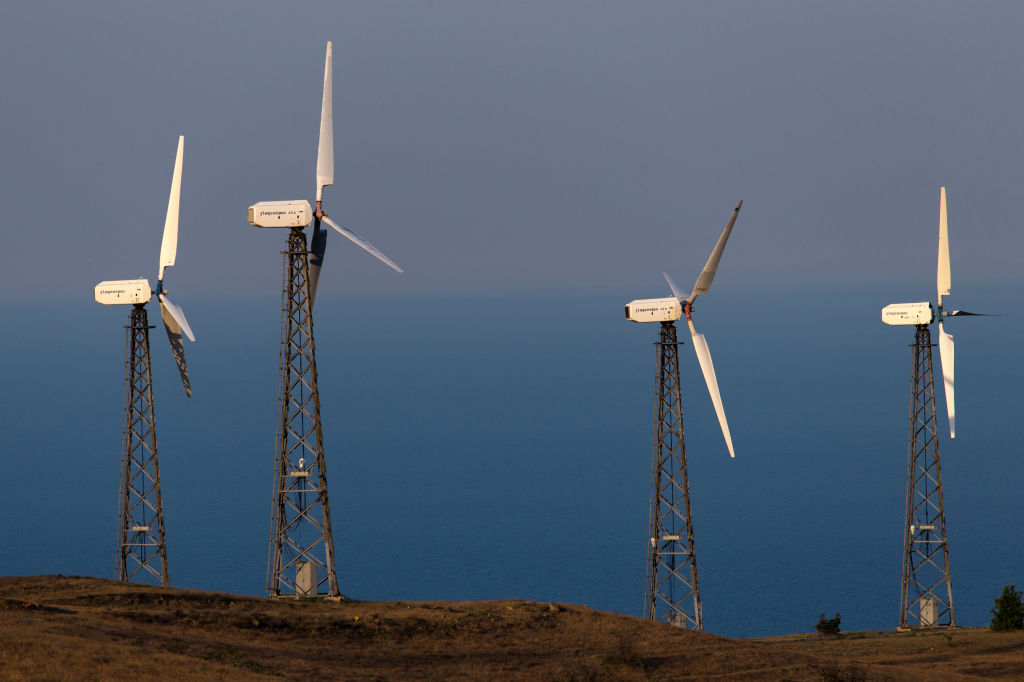
Energy transition is the shift from burning fossil fuels for electricity, heating, cooking, or transportation, to low carbon generation such as nuclear facilities or wind and solar power plants. For all countries, the energy transition process is laborious and raises challenging financial and social concerns. But this process comes with additional geopolitical dilemmas in a region such as the Black Sea basin.
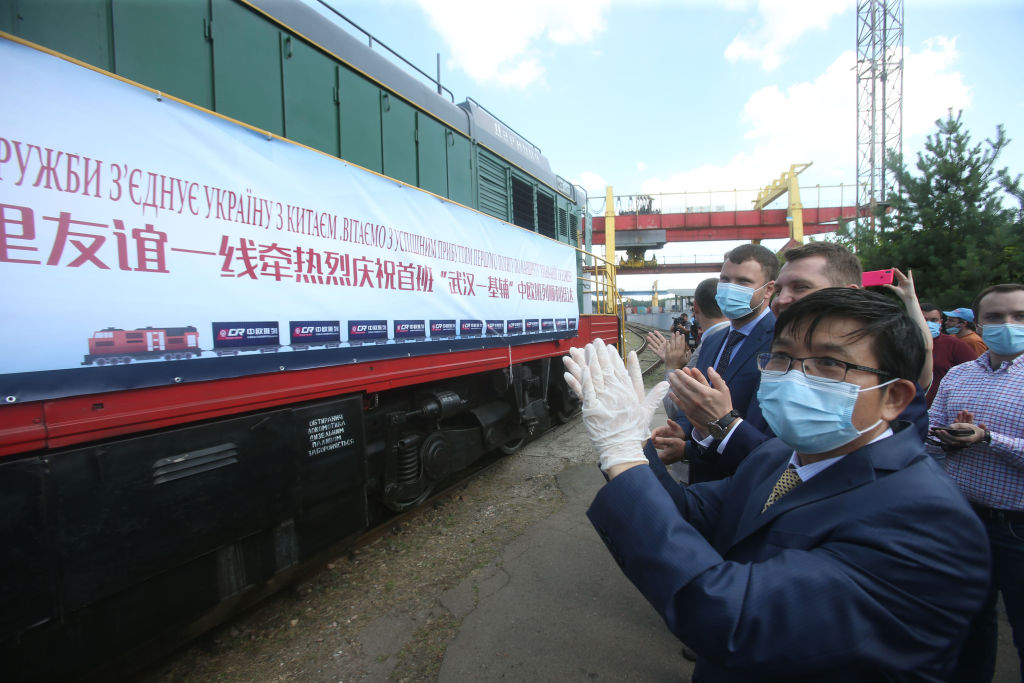
Since the inception of its Belt and Road Initiative (BRI) in 2013, China has substantially expanded its political, legal, trade, economic, educational, scientific, and cultural presence in the Black Sea region. The People’s Republic of China (PRC) has pursued various initiatives with the littoral states to open new markets for Chinese goods, acquire local industries through loans and investments, and most importantly build infrastructure connecting China with Europe and the Middle East via the Black Sea.
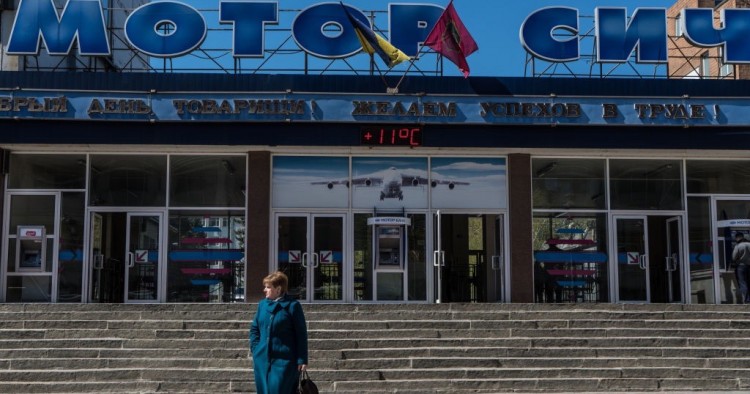
Beijing’s military industry on the move in Ukraine
Ukraine’s long-term stability will depend on its economic prosperity. As a transitioning economy, trade and investment are welcome and needed whether from the U.S., Europe, or China. Ukraine finds itself walking a thinning tightrope between the U.S. and China as their relationship turns increasingly adversarial. If Washington wants to keep Chinese activity in this economy to a minimum, the present and future administrations must more rapidly and directly coordinate American trade and investment in Ukraine.
Can Turkey lead the way in regional cooperation on Black Sea gas?
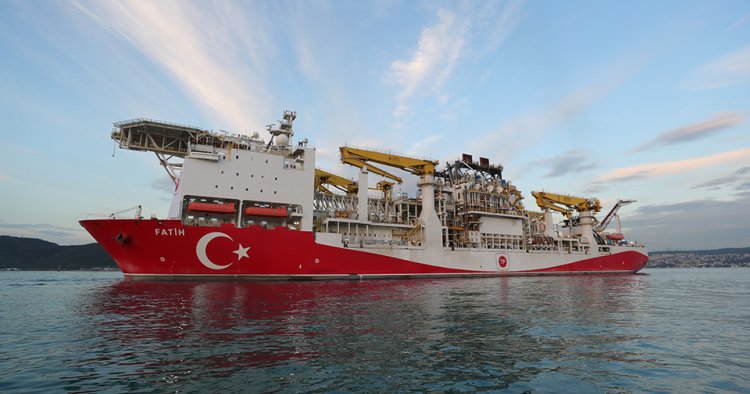
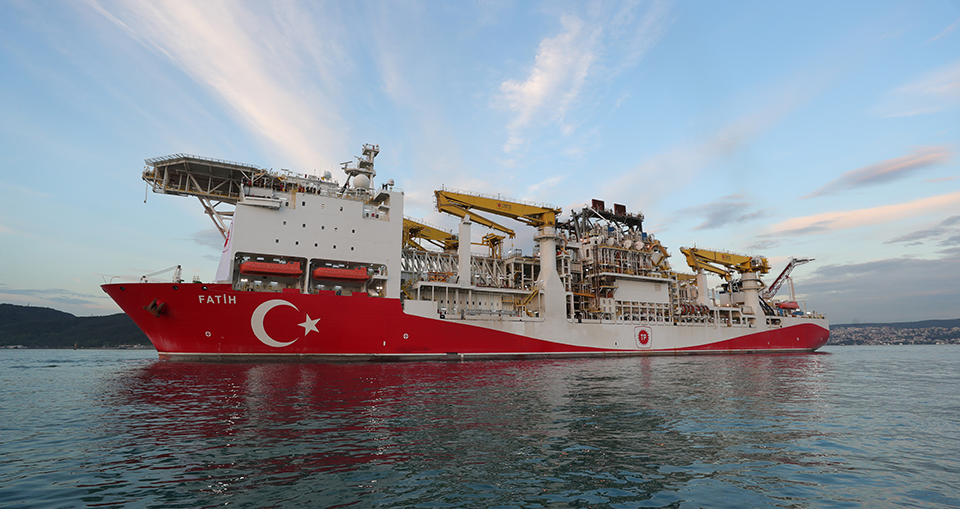
On August 22, Turkey announced the discovery of Tuna-1. Though questions remain as to whether it is economically viable to start production – President Recep Tayyip Erdogan has suggested this could happen as early as 2023 – the news could not go unnoticed in other littoral countries of the Black Sea. The discovery may well help spur regional cooperation.
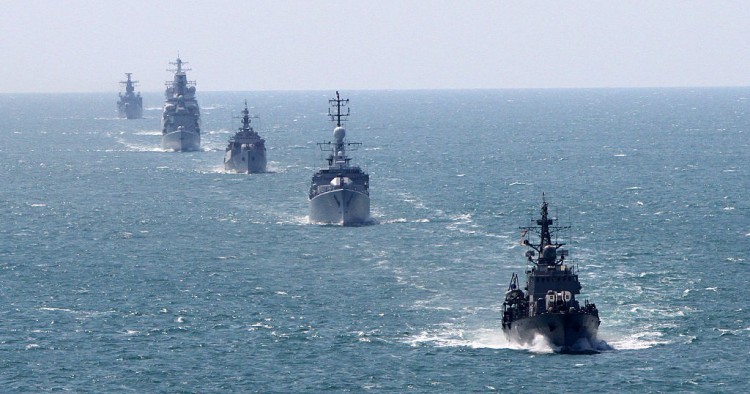
I have the good fortune of living in the Baltics and working in the Black Sea region. Compared to the positive NATO effort in the Baltics, the Black Sea region as an operational space is a dangerous conceptual mess for both NATO and the EU. A lack of clarity of purpose confuses countries in the region that really need support in their fight against Russian interference.
Election 2020: Challenges and Opportunities for US Policy in the Middle East
In a new briefing book released ahead of the U.S. elections in November, entitled Election 2020: Challenges and Opportunities for US Policy in the Middle East, MEI scholars lay out key issues across the region, highlight the U.S. interests at stake, and provide policy insights and recommendations for the path forward.
The Black Sea Region in a Future U.S. Grand Strategy
The United States and its many partners in the “liberal international order” must remember the principles that brought them such success, while assessing how to promulgate them in a changing and increasingly threatening world. Indeed, the biggest threat to our present peace, prosperity, and political liberty is the Leftist assault on the legitimacy of liberalism itself, matched by the Right’s retreat into blood-and-soil nationalism.
Black Sea economies poised to take advantage of a post-pandemic climate
In recent years, the Black Sea has featured high on the radar for US companies looking for alternative locations to do business – in part due to Black Sea countries’ success in creating a favorable business climate and offering flexibility as an adaptable production base. This trend has been exacerbated by global developments such as the US-China trade war and most notably, COVID-19.
Mehmet Öğütçü and Gonul Tol join host Alistair Taylor to discuss the recent announcement of Turkey’s biggest-ever natural gas discovery—the Sakarya field in the Black Sea—and what it might mean for Turkey’s economy, domestic politics, and foreign policy.
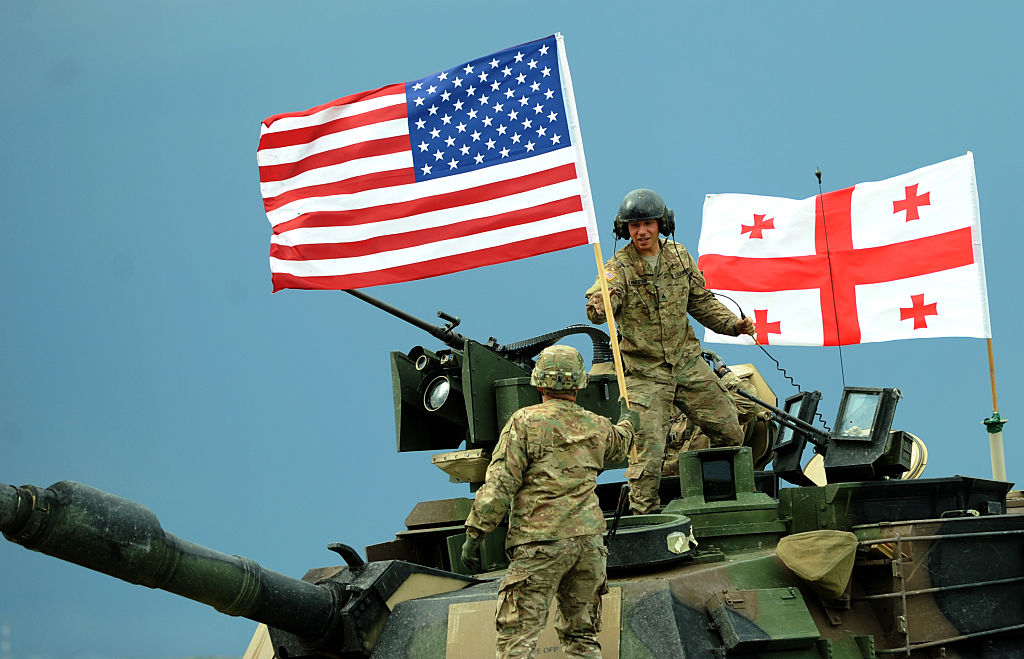
Georgian Defense Forces: The role of military partnerships
Following the dissolution of the Soviet Union, an independent Georgia found itself challenged by the separatist movements backed by the Russian Federation in the Abkhazia and Tskhinvali regions, leading to civil war in the early 1990s.
Erdogan pulls a rabbit out of his hat with Black Sea gas find, but is it all it seems?
“God has opened the door to unprecedented wealth for us,” said an enthusiastic Recep Tayyip Erdogan as he announced that Turkey had made its biggest-ever discovery of natural gas on Aug. 21. He promised that gas from the 320-billion-cubic-meter deep-sea find would reach consumers in 2023, but industry experts are skeptical and have raised questions about the feasibility of the discovery.
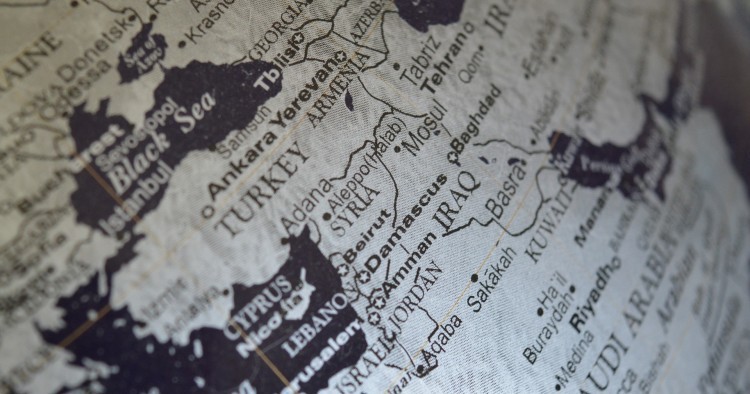
In one of the interesting turnarounds in recent years, travel flows between the Black Sea region and the Middle East have undergone a silent change. During the past decade, this southward flow of shuttle migrants was replaced by Middle Easterners heading northwards in search of promising business opportunities and alternative holiday destinations.
Tom de Waal, Nicole Grajewski, and Theodore Karasik join host Alistair Taylor to discuss the recent border hostilities between Azerbaijan and Armenia and the role that Russia, Turkey, and Iran are playing in the geostrategically important South Caucasus.
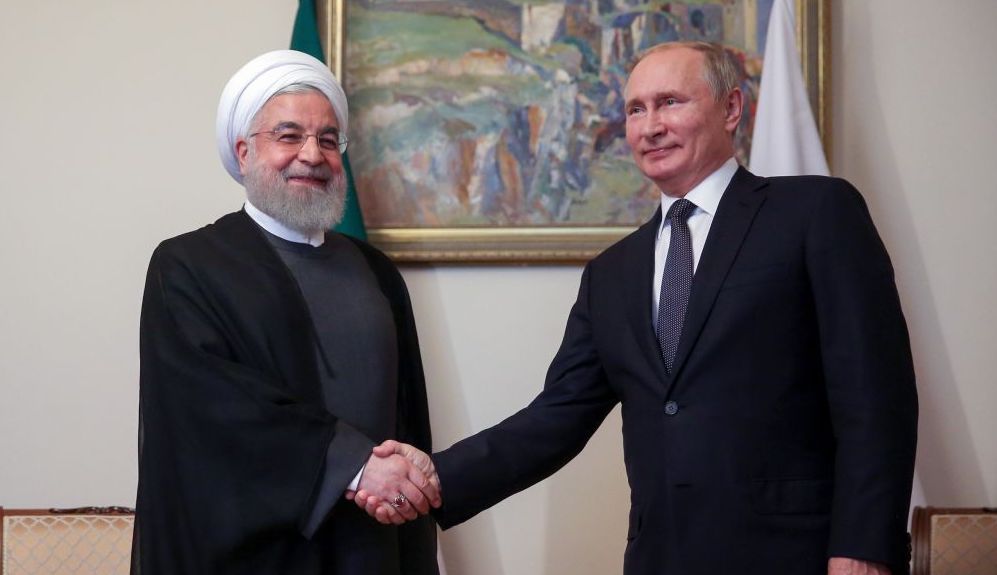
Russia, Iran, and economic integration on the Caspian
In recent weeks, reports of a potential 25-year, $400-billion deal between Iran and China have dominated the conversation about Tehran’s options for freeing itself from the punishing U.S.-imposed sanctions regime on the country. But China is not alone in seeing an embattled Iran as a major geopolitical and commercial opportunity — Russia too has ambitions of strengthening ties with Iran.