There Is No "Status Quo": Drivers of Violence in the Israeli-Palestinian Conflict
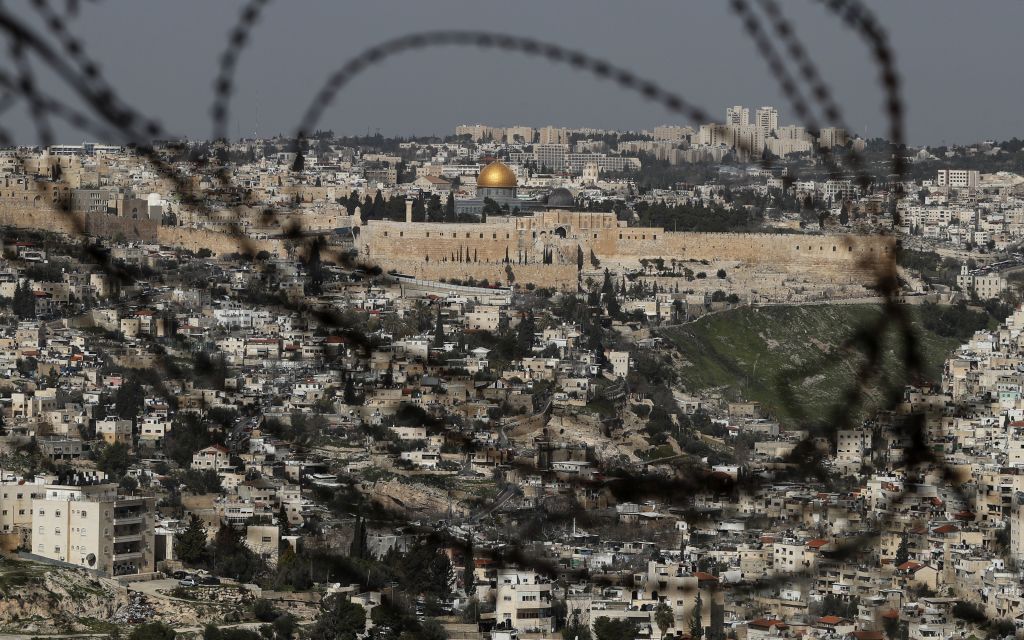
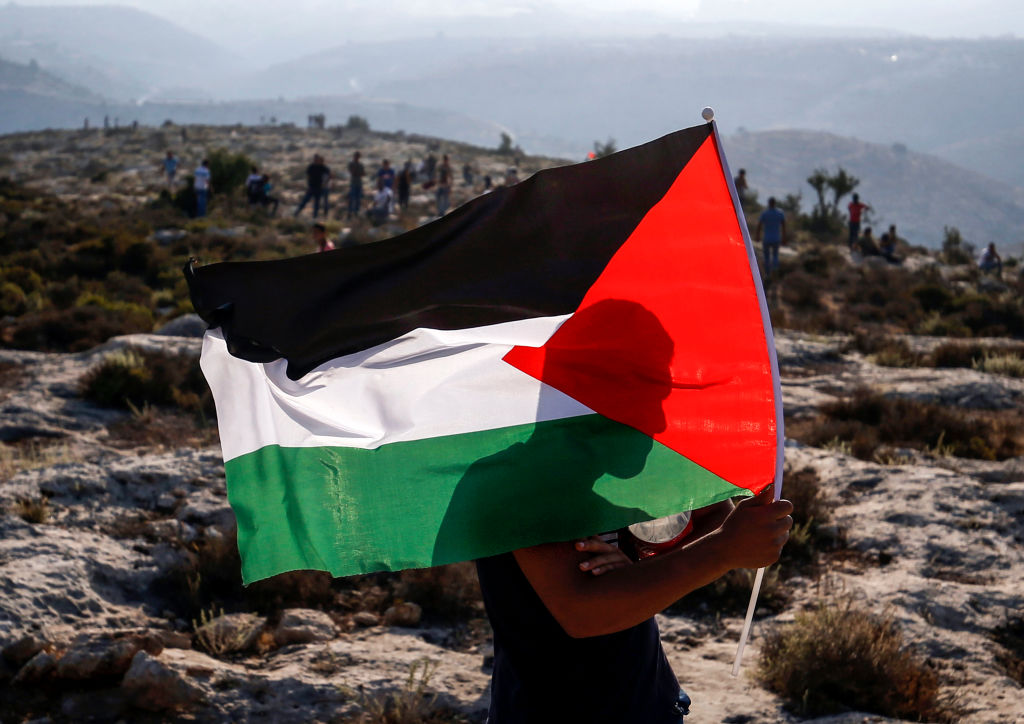
The Israeli-Palestinian conflict remains a destabilizing element in an already volatile Middle East. The Palestinians are too weak to wrest their independence from Israel. But as long as their right to self-determination is denied, they are likely to engage in regular violence targeting Israel. Absent outside intervention, Israel is powerful enough that it can suppress Palestinian demands for freedom — but it is not able to completely pacify the Palestinians. Thus, the conflict continues, punctuated every few years by rounds of more significant violence.
Monday Briefing: A mixed record for PM Khan’s first year in office
This week’s briefing on recent news and upcoming events in the region featuring Arif Rafiq, Ibrahim Jalal, Michael Sexton and Eliza Campbell, and Alex Vatanka.
Ambassador Friedman: Palestinians already have autonomy
Autonomy is normally given to a specific cultural or national group as part of a political agreement. For Palestinians, the idea that autonomy is the goal of talks is unhelpful because they already have autonomy.
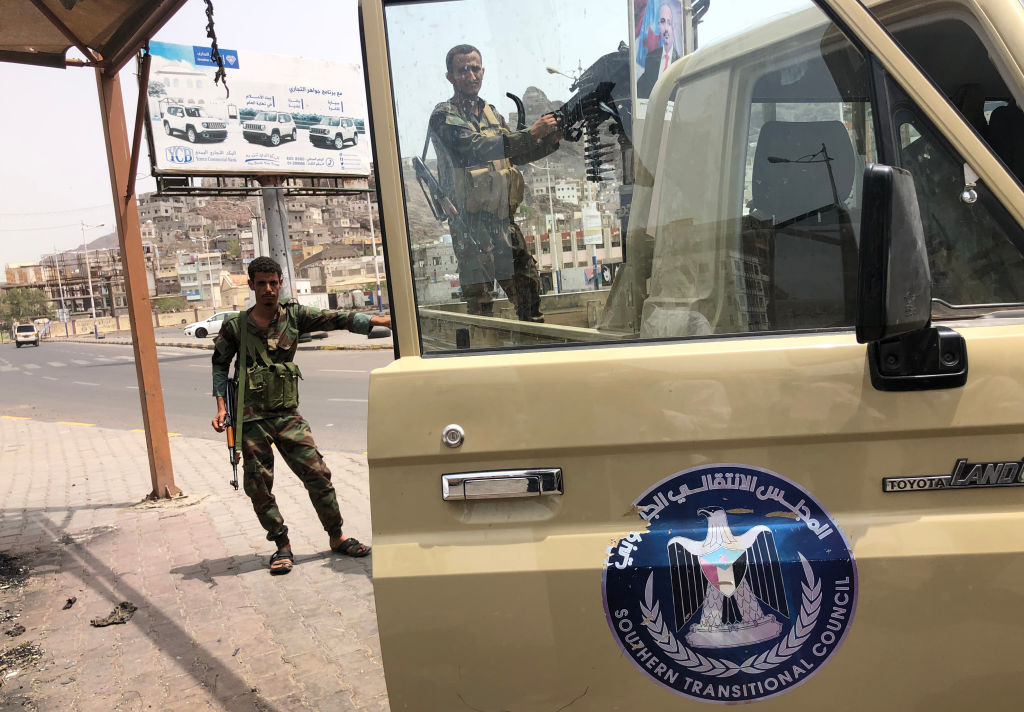
Monday Briefing: Fighting flares up in southern Yemen
This week’s briefing on recent news and upcoming events in the region featuring Fatima Abo Alasrar, Gonul Tol, Marvin G. Weinbaum, Randa Slim, and Michael Sexton and Eliza Campbell.
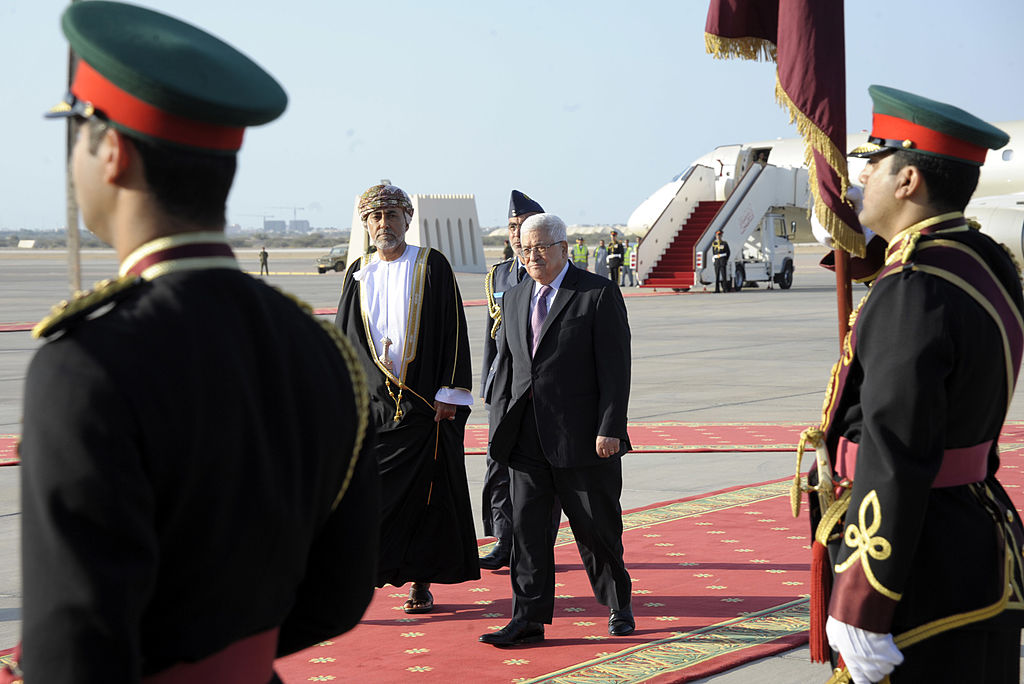
The news came eight months after Israeli Prime Minister Benjamin Netanyahu paid a visit to the Omani capital for surprise talks with Sultan Qaboos in October 2018, and four months after Minister Responsible for Foreign Affairs Yusuf bin Alawi bin Abdullah met with Netanyahu in Poland during the Trump administration’s “Peace and Security in the Middle East” summit.
Our current Arab World is suffering from a “future deficit,” in that ambitious dreams for an alternative and profoundly better future have been shoved aside in favor of the short-term goals of maintaining stability and security, and avoiding civil war or state collapse—all worthy, but not transformative long-term objectives in themselves.
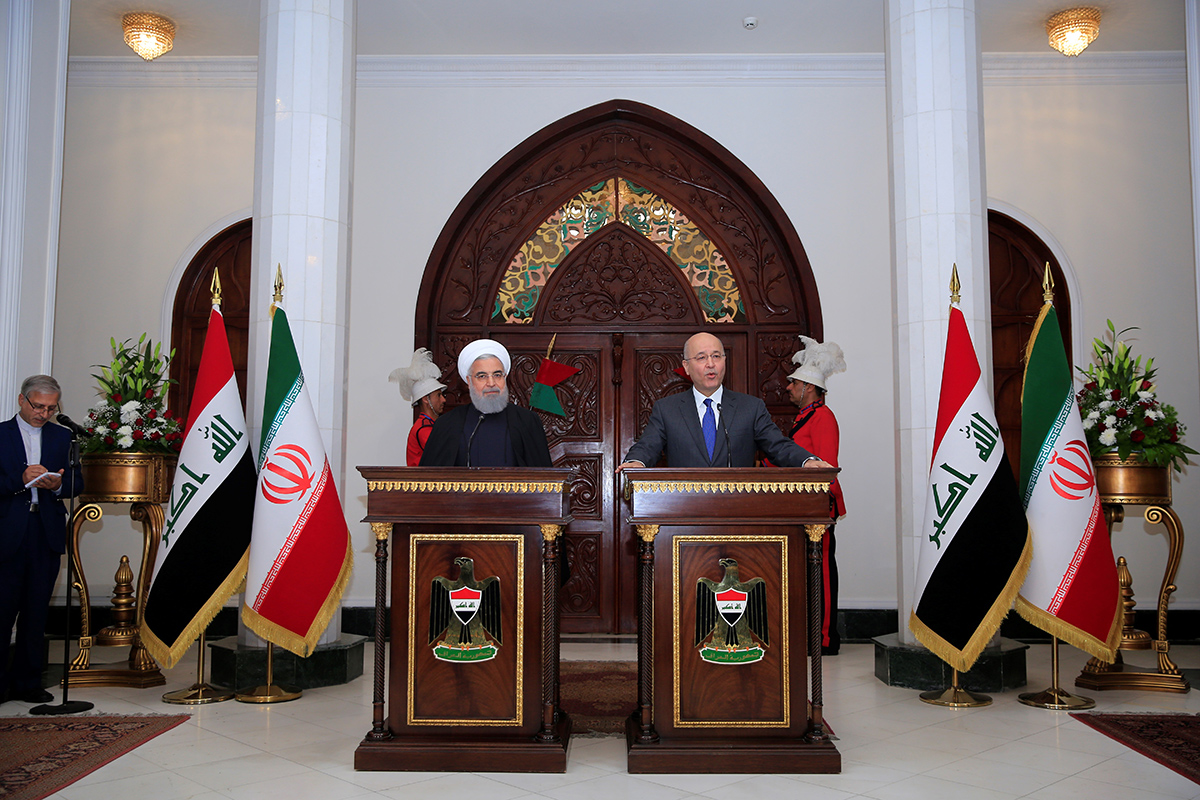
In this week’s Monday Briefing, MEI experts Randa Slim, Robert S. Ford, Marvin G. Weinbaum, James P. Farwell, Emadeddin Badi, Guney Yildiz, and Jean-François Seznec provide analysis on recent and upcoming events including Iranian President Hassan Rouhani’s visit to Baghdad, reconstruction efforts in Syria, the crackdown on militant Islamists in Pakistan, Iran’s cyber attack capabilities, upcoming elections in Libya, Turkish-Egyptian tensions, and Qatar’s $12B loan from bond markets.
Is the traditional view that U.S. leadership in the Middle East advances our strategic interests well judged? As president, Barack Obama upended many assumptions about that view. He turned heads in dismissing Saudi Arabia as a “so-called ally” and reached out to Iran, hoping to make it less dangerous.
Toward a Regional Framework for the Middle East: Takeaways from other Regions
Regional Cooperation Series
This Policy Paper is part of the Middle East Institute’s Regional Cooperation Series. Throughout 2016, MEI will be releasing several policy papers by renowned scholars and experts exploring possibilities to foster regional cooperation across an array of sectors. The purpose is to highlight the myriad benefits and opportunities associated with regional cooperation, and the high costs of the continued business-as-usual model of competition and intense rivalry.
Defying Gravity: Working Toward a Regional Strategy for a Stable Middle East
In this MEI Policy Paper, Ross Harrison asserts that a new regional order is emerging out of the conflicts of the Middle East. The relationships among the pillars of this order–Egypt, Saudi Arabia, Turkey, and Iran–are crucial, as they will largely determine “whether the future of the Middle East will be a continuation of the current chaos and destruction or a more positive transition toward stability and prosperity.” Harrison argues that global powers must concentrate on creating conditions conducive to cooperation among the pillars.