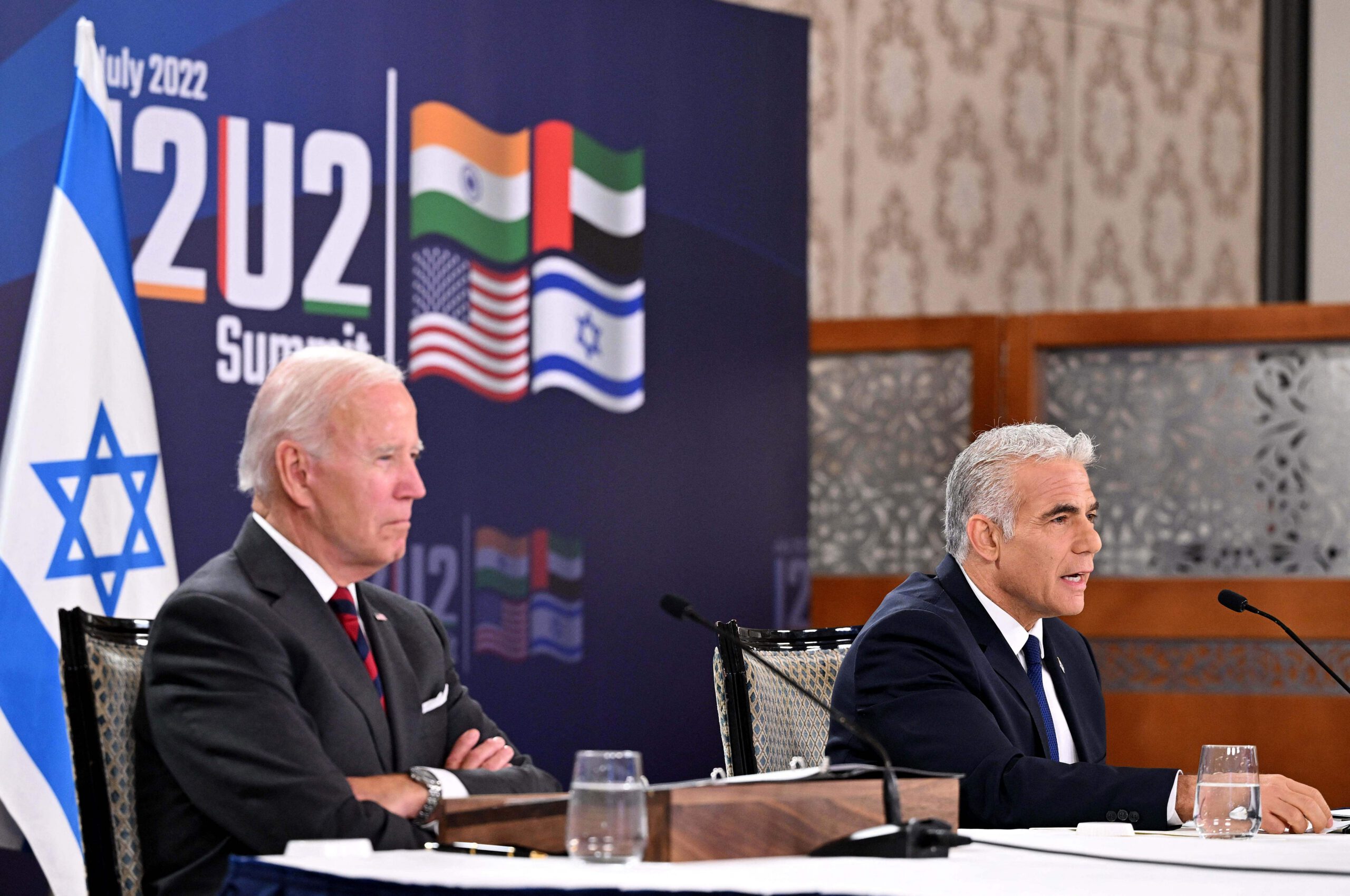
The India-Middle East Food Corridor: How the UAE, Israel, and India are forging a new inter-regional supply chain
The India-Middle East Food Corridor developed organically among the three Asian countries themselves, through private sector, joint venture investments carefully cultivated via bilateral public-private partnerships. The United States’ participation in the corridor could prove beneficial as the U.S. seeks to bolster its presence in the strategic architecture of the Indo-Pacific.
When elections don’t matter? How new parliamentarians can improve the politics of power-sharing arrangements
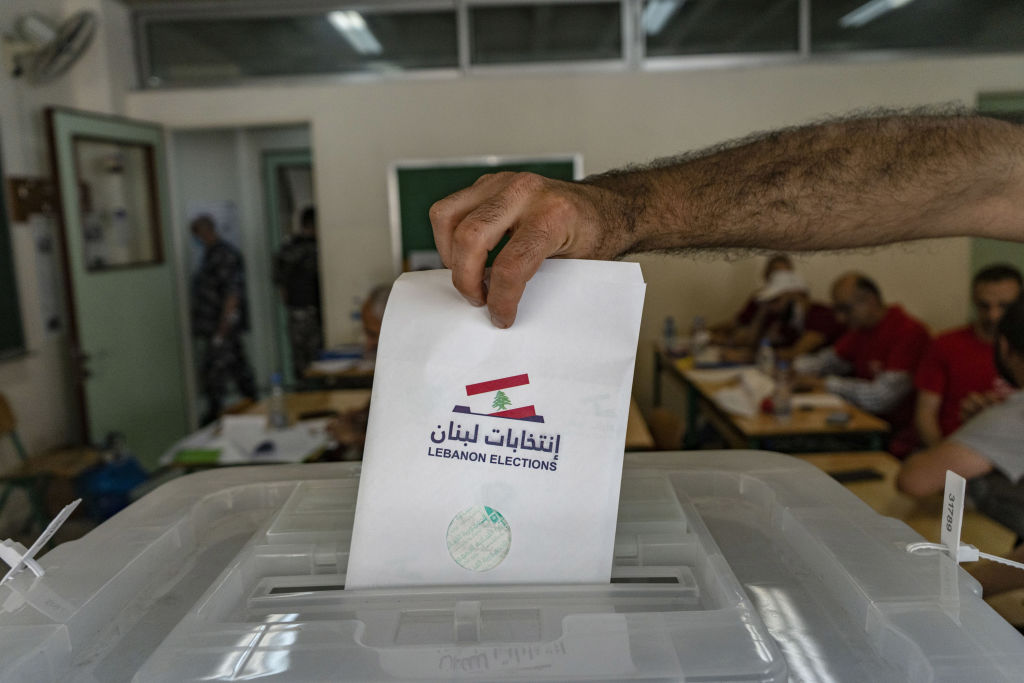
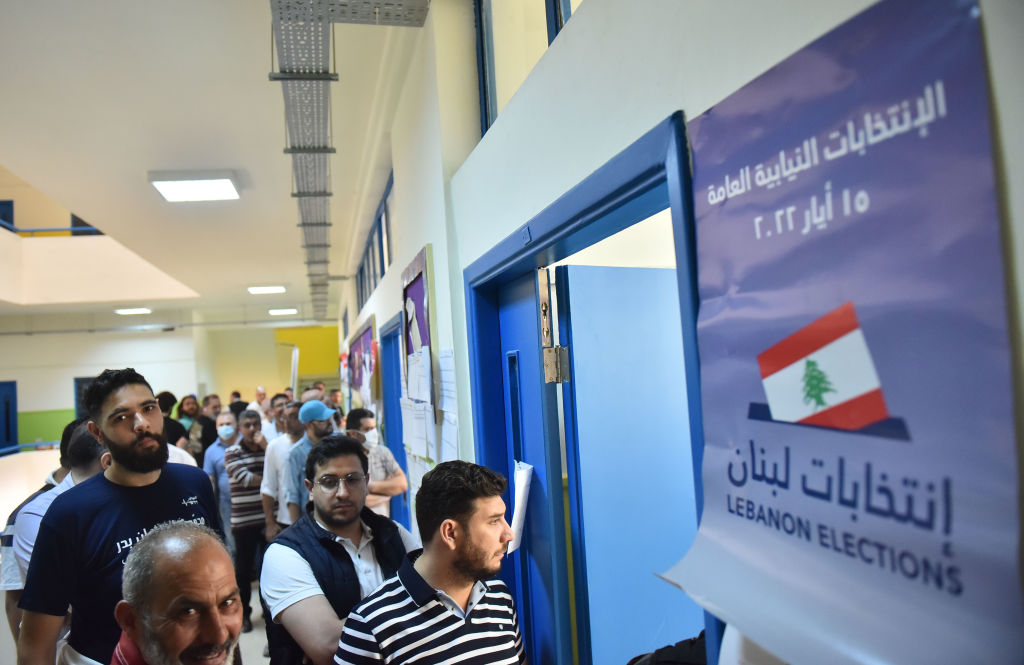
Power-sharing arrangements remain a paradoxical phenomenon. As a powerful tool to stop the guns of conflict, they tend to kill the ingredients for peace by preventing politics from changing. Three countries with such arrangements have recently held elections in which outcomes have — ostensibly — led to such political change. Change, however, has yet to materialize and so far the elections have brought more of a perennial companion of power-sharing arrangements: political gridlock.
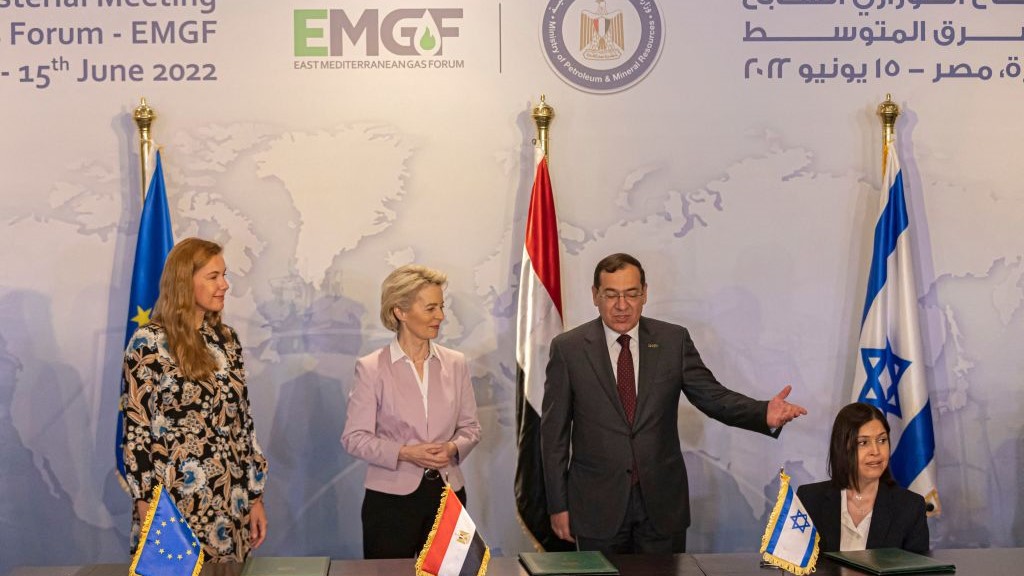
Egypt as an Eastern Mediterranean power in the age of energy transition
The emergence of Egypt as an Eastern Mediterranean energy hub resulted from a culmination of years of deliberate efforts. Increasingly, Egypt will be able to re-export Israeli natural gas or convert it into blue hydrogen, generate green electricity for export, or utilize its growing wind and solar power capacity to produce green hydrogen.
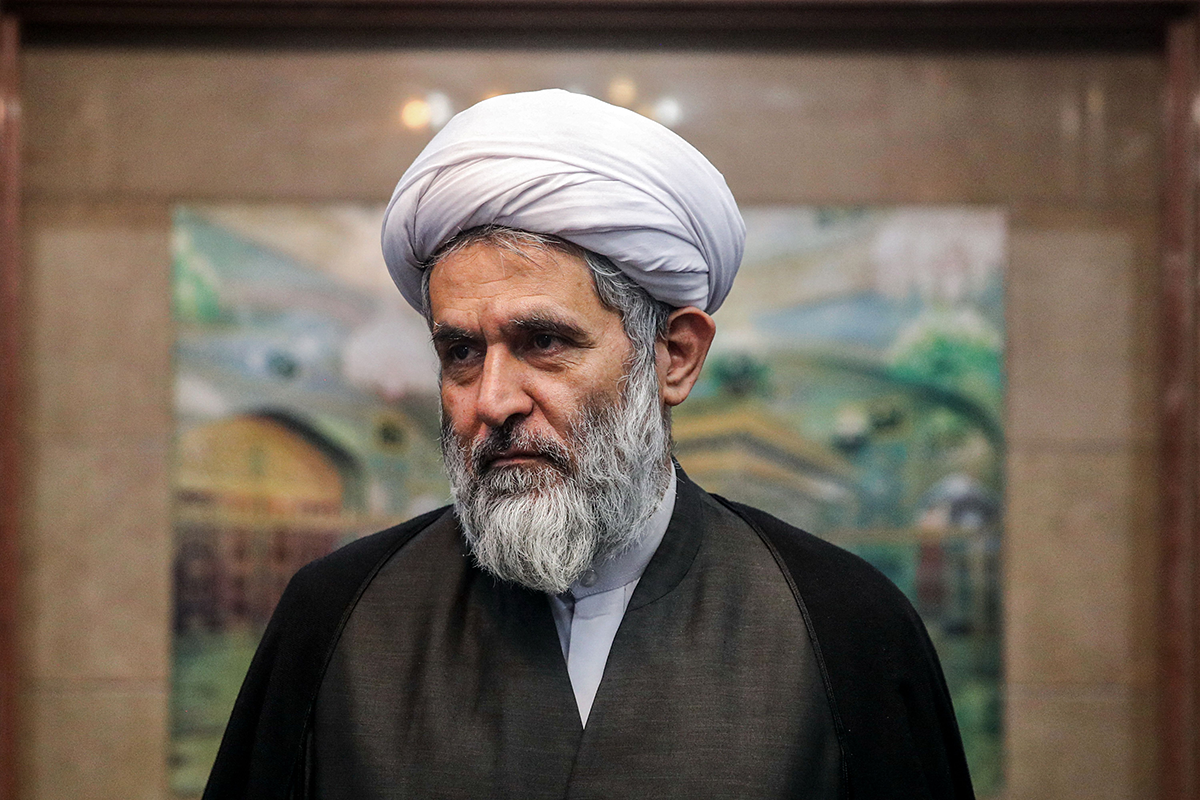
The departure of Hossein Taeb from his post as the head of Iran’s Islamic Revolutionary Guard Corps’ Intelligence Organization triggered a wave of reshuffling in the command structure of the guardsmen. But the story is more than just a reaction to Iran’s unsuccessful terrorist targeting of Israelis in Turkey and counterintelligence lapses. There are internal power struggles and a natural maturation of the Islamic Republic’s security structure that also likely figured into the decision to remove Taeb.
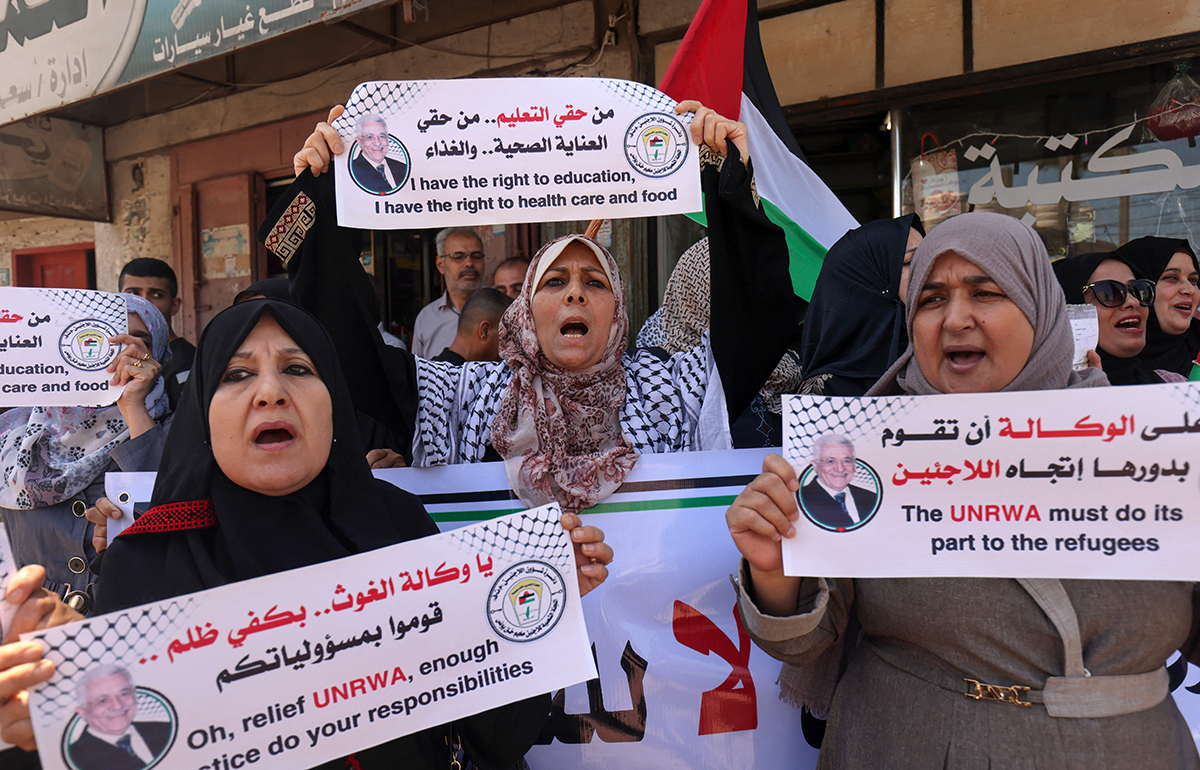
Fearing a collapse: Palestinian refugees and UNRWA’s worsening financial crisis
In early June 2022, the Advisory Commission of the United Nations Relief and Works Agency for Palestinian Refugees in the Near East met in Beirut. Facing a $100 million budget deficit and the indifference of donor countries, UNRWA’s future is uncertain.
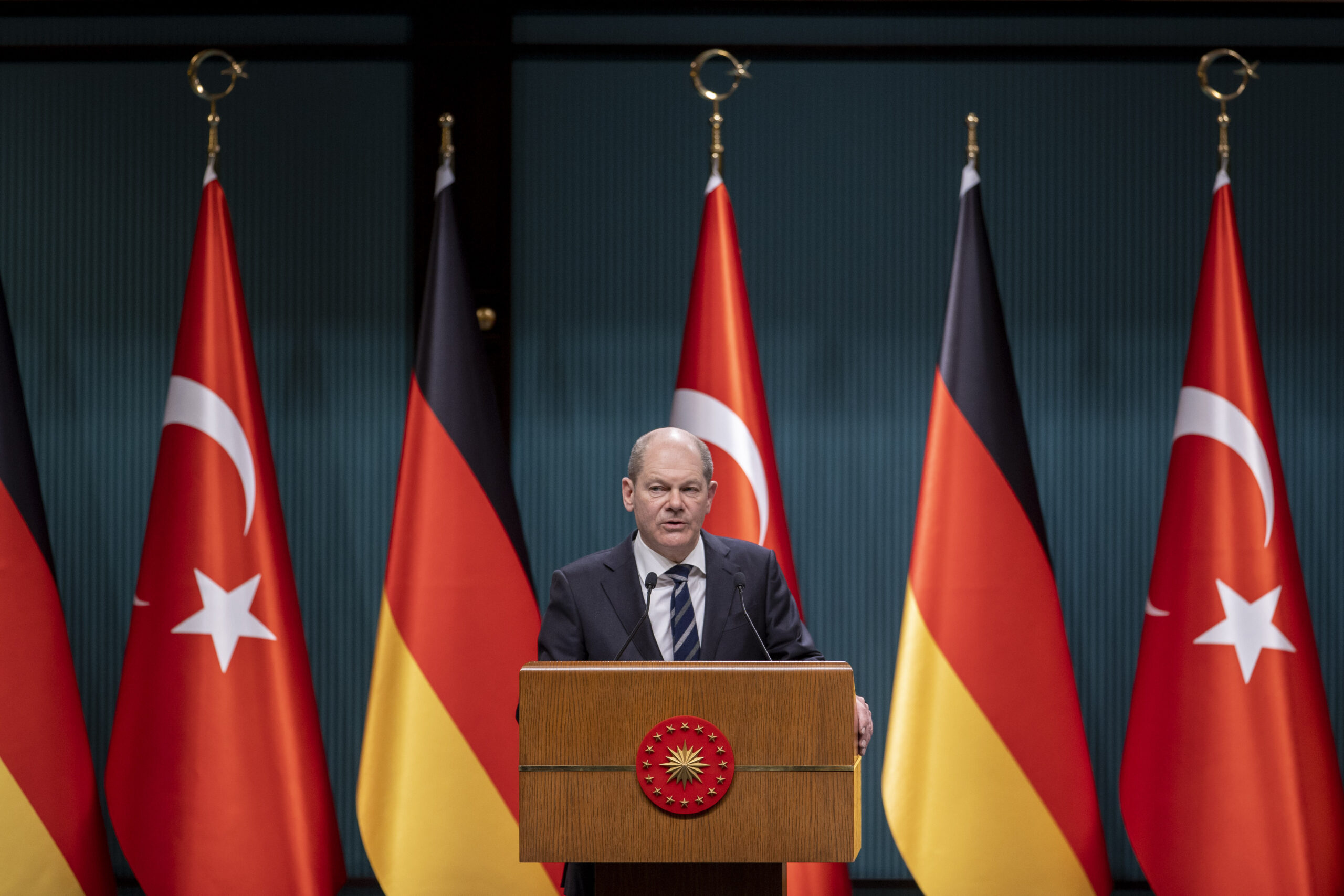
Staying the course … for now: Germany’s MENA policy under the Scholz government
After 16 years under Angela Merkel, Olaf Scholz’s assumption of Germany’s chancellorship on Dec. 8, 2021 marked a new chapter in the nation’s politics. Within the “traffic light” coalition government formed by the Social Democrats, the Free Democratic Party, and the Greens, Annalena Baerbock heads the Ministry of Foreign Affairs. Before taking office, the co-leader of Alliance 90/The Greens was known for both her welcoming attitude toward immigrants and her full-throated condemnation of human rights violations by authoritarian governments. The Middle East and North Africa (MENA) region has no shortage of the latter: According to the Economist Intelligence Unit’s Democracy Index, 17 out of the 20 countries in the region are “authoritarian” and not one is characterized as a “full democracy.” Beyond human rights, other key MENA policy issues for the new government include Iran, Turkey, ongoing conflicts in the region, and immigration. The challenges are numerous, if well-known, but how will Berlin respond? Is Germany’s policy toward MENA likely to change or remain the same under the new government?
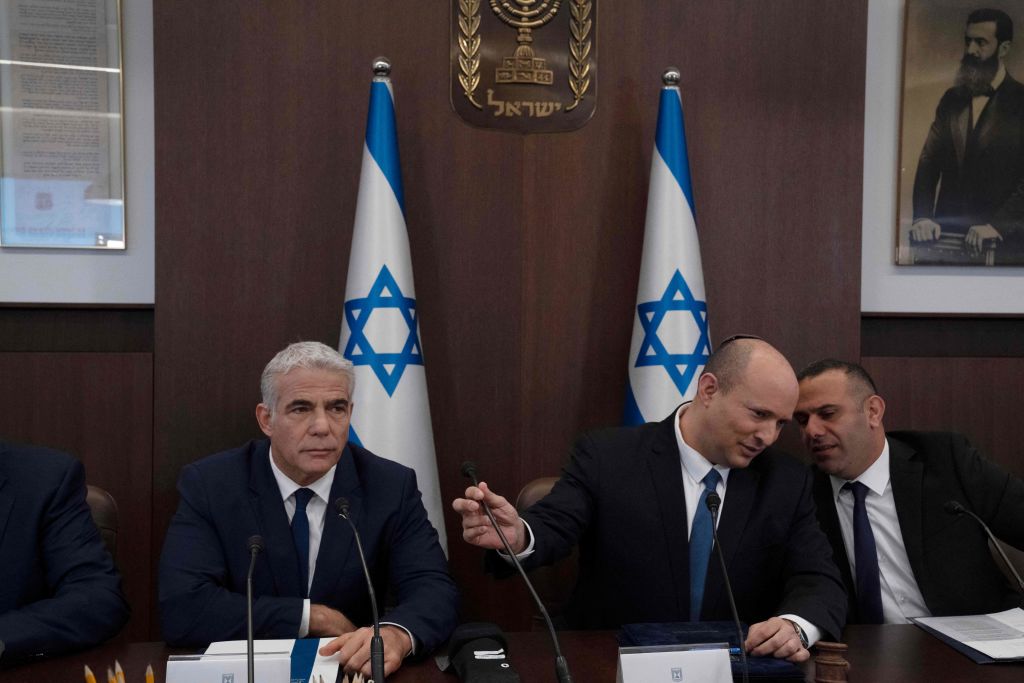
Another blow for the unsteady Israeli coalition government
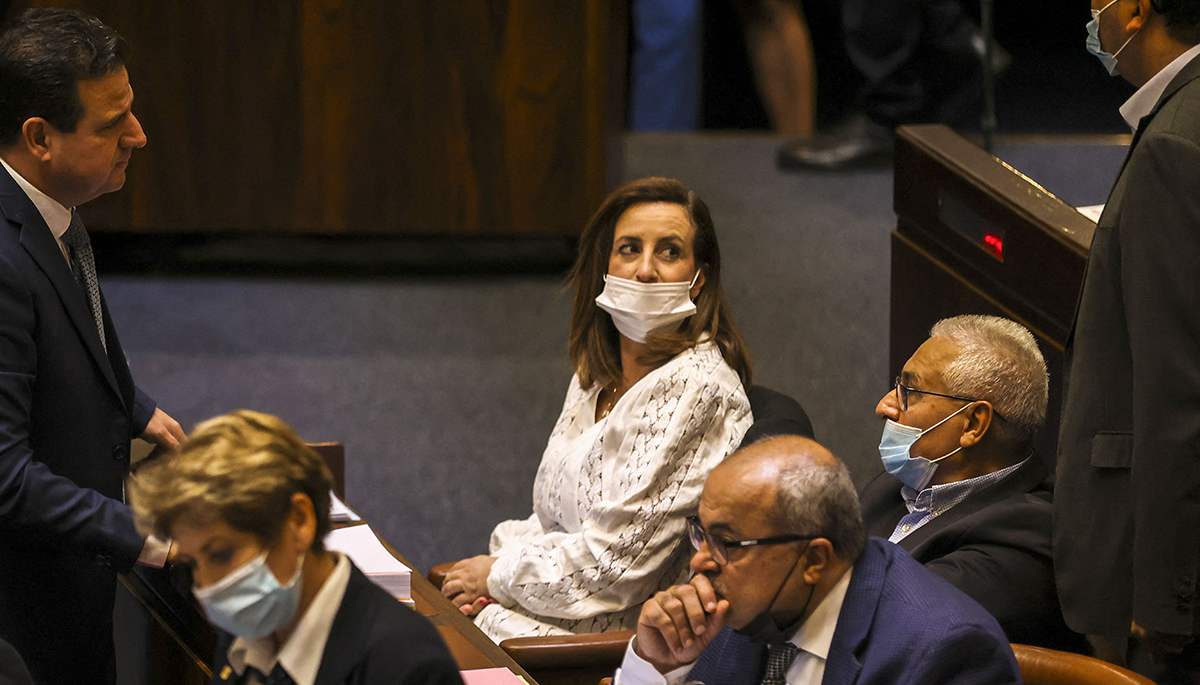
On June 6 Israel’s coalition government lost an important vote, in which more than half of the Knesset members on both sides voted against their own most fundamental beliefs in a desperate effort to either bring down the coalition or to save it. The substance of the legislation was barely more than a pretext, but the opposition smelled blood and was willing to do virtually anything to regain power.
Why Washington should provide direct cash payments to the Lebanese army
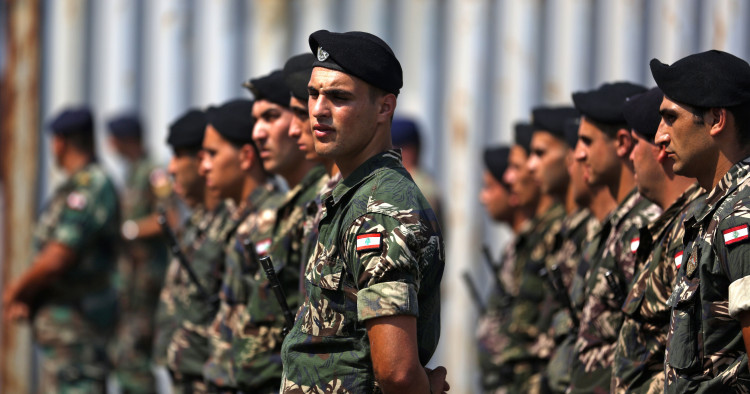
The considerable financial shortfall experienced by the Lebanese Armed Forces (LAF) over the past couple of years has measurably affected its morale, readiness, and operational capacity. There couldn’t be a worse time for the LAF to potentially fall apart. A series of monumental challenges await Lebanon now that the parliamentary elections are over, all of which demand a modicum of stability that only the LAF can provide.
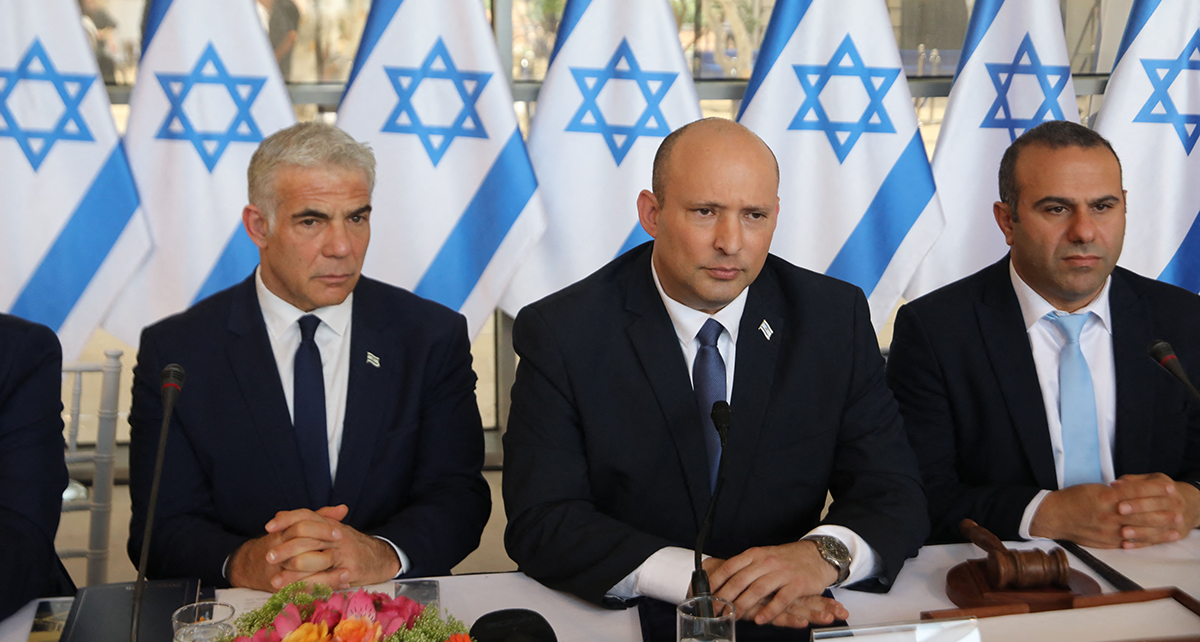
A false alarm or a wake-up call for Israel’s fragile coalition?
On May 19, Ghaida Rinawi Zoabi, one of Meretz’s two Arab Knesset members, announced she was leaving the governing coalition and her party. On May 22, however, it was announced that she had rejoined both. What happened and what does it tell us about the state of Israel’s fragile coalition government?
The Palestinian Authority’s economic “disengagement” looks a lot like the status quo
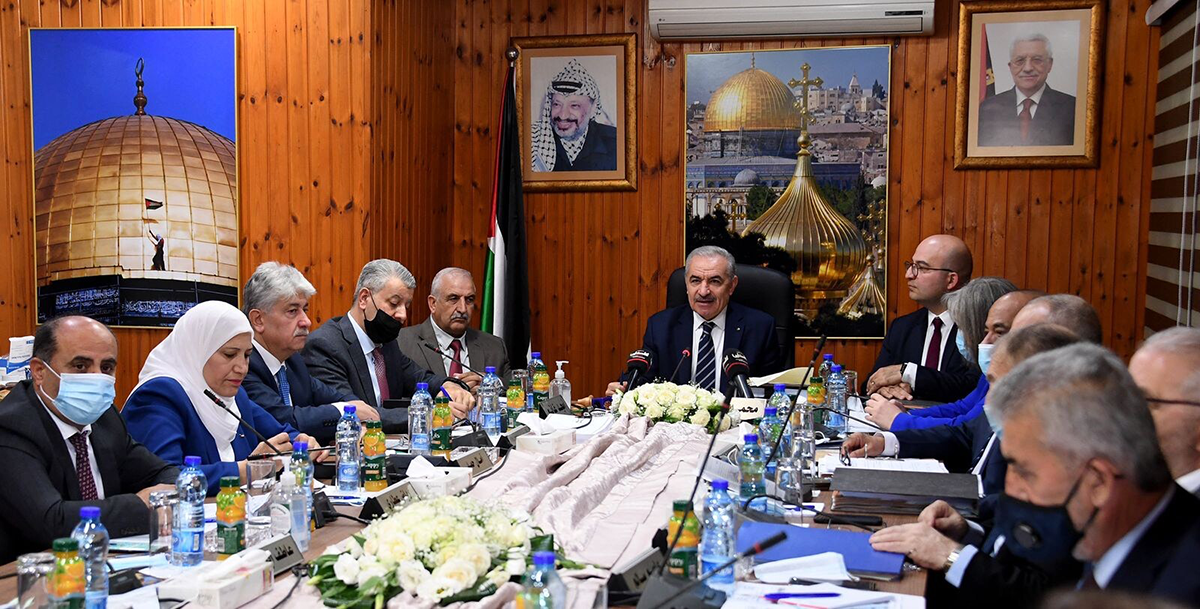
Palestinian Authority (PA) officials repeatedly deny acquiescing to the economic peace model with Israel, but such rhetoric is not reflected in their actions. In recent years integration between the Palestinian and Israeli economies has only deepened.
“Half of us were left behind while one of our colleagues back home was shot dead”
There are certain events that are so impactful that you remember exactly where you were and what you were doing when you heard about them. The killing of Shireen Abu Akleh, the veteran Al Jazeera journalist, last Wednesday in the occupied West Bank was for me just such an event — both because of who she was and what I was doing at the time.