Europe has a vested interest in a safe, secure, and prosperous Black Sea
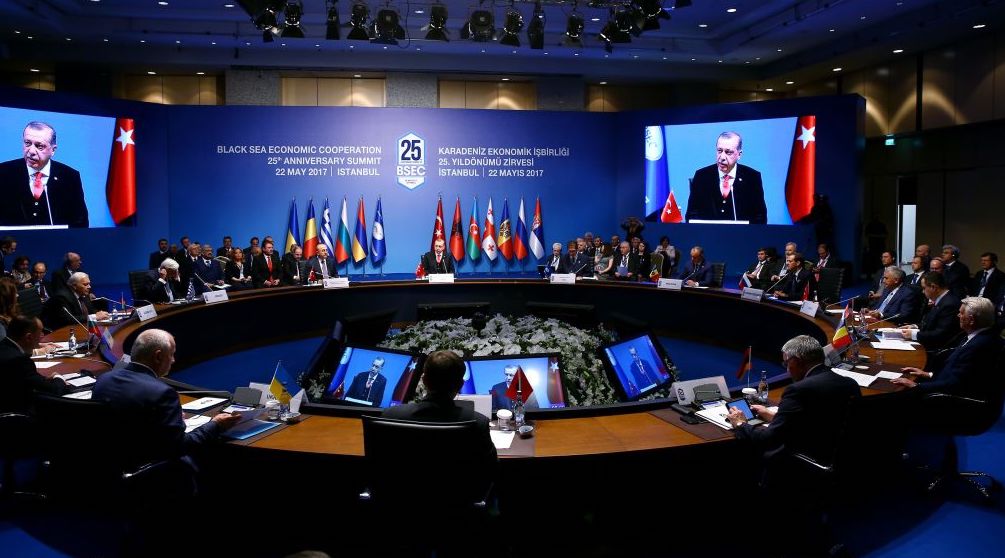
The European Union’s interest in the Black Sea is based mainly on the fact that two of its members, Romania and Bulgaria, are littoral states. However, the organization is also closely linked with other non-EU Black Sea states, be it economically or politically. Ukraine and Georgia aspire to be EU members while Russia and Turkey both have their own unique and difficult relationships with the EU.
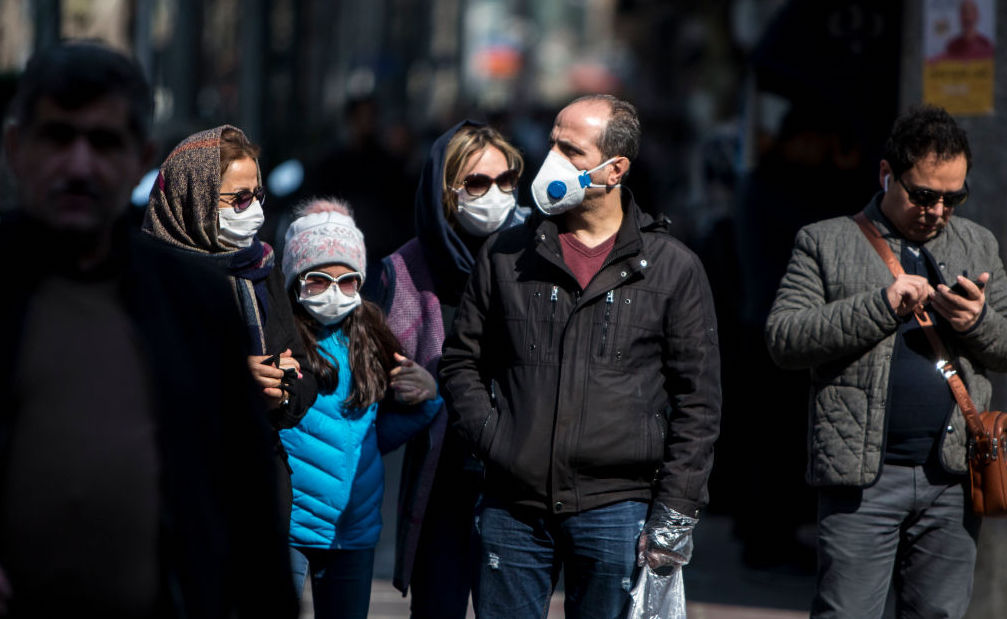
The Houthis’ response to COVID-19? Pre-emptively blame their enemies
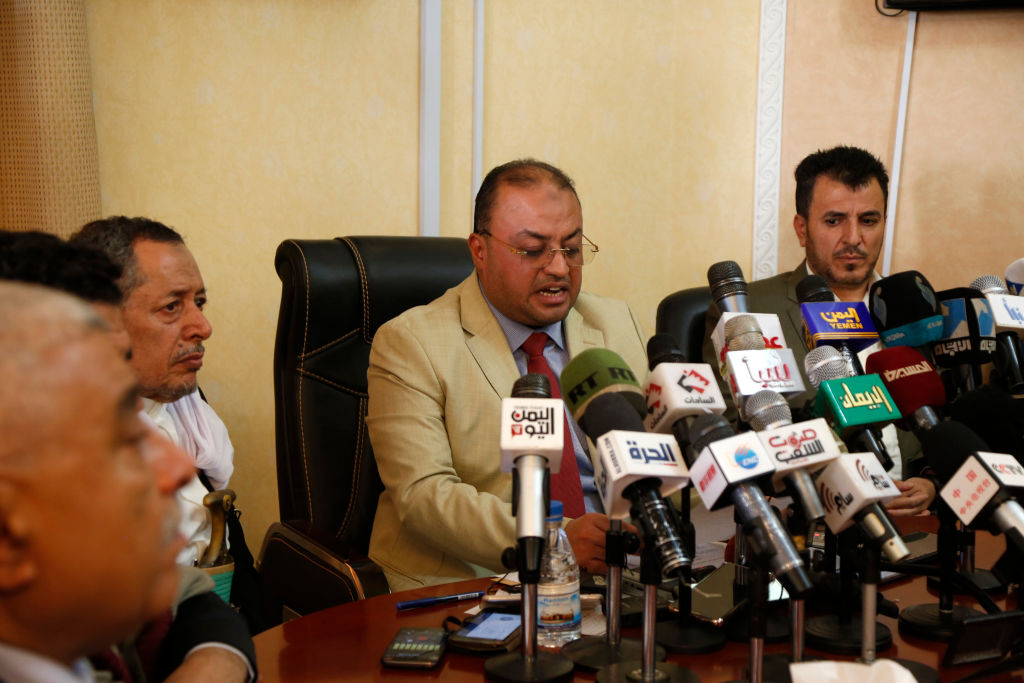
By keeping the focus on Saudi Arabia, the UAE, and the U.S., and covering up Iran’s failure in dealing with the pandemic, the Houthis are trying to absolve themselves and their patrons of responsibility.
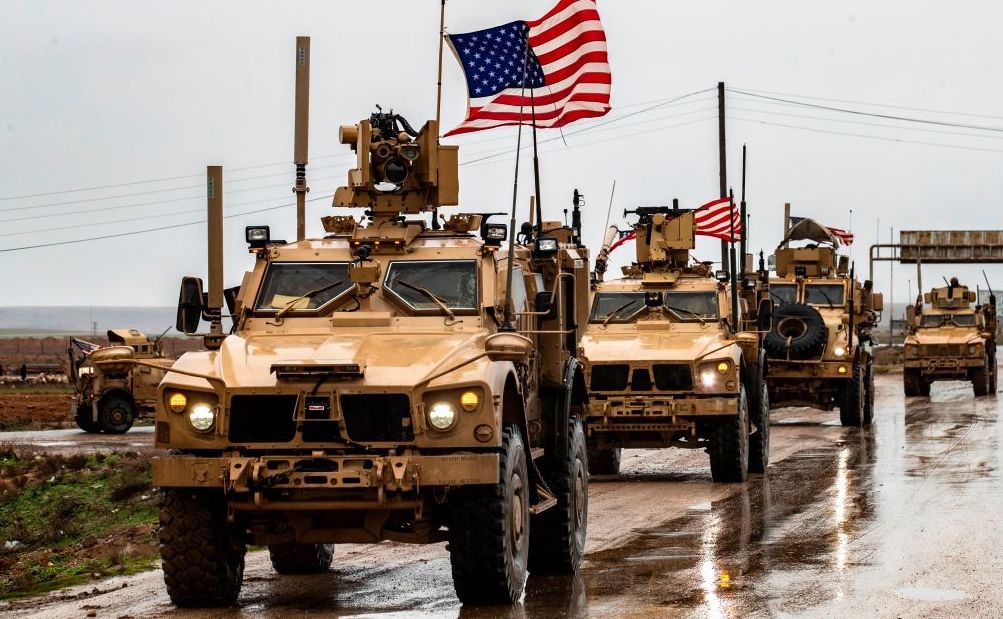
Democrats ought to build a moral firewall around Syria policy, establishing a framework for understanding the Syrian conflict and debating policy options.
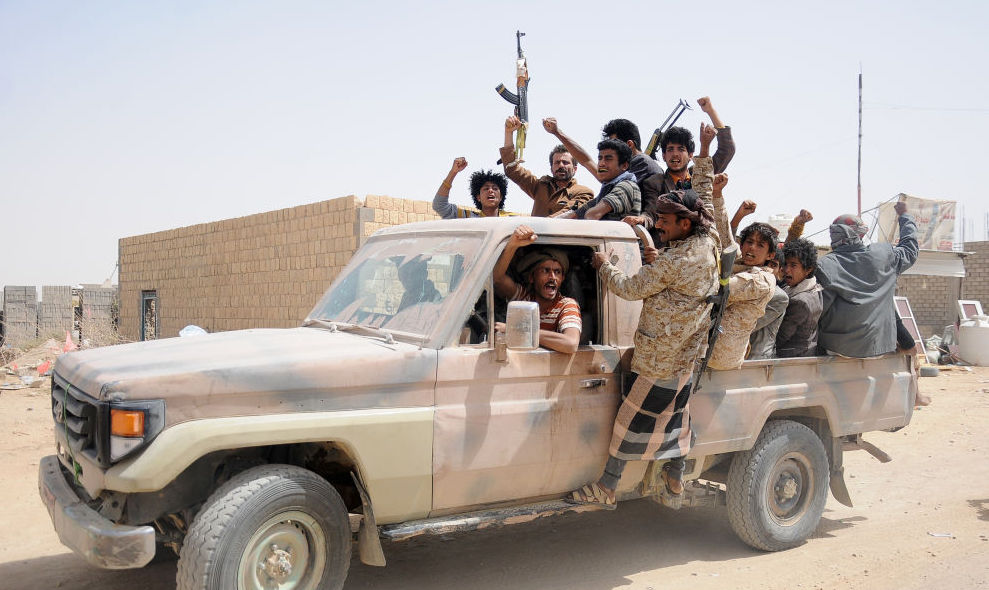
Normalizing Houthi gains in Yemen puts Marib at serious risk
Just a week after Houthi rebels took control of al-Hazm, the capital of al-Jawf Province, on March 1, UN Special Envoy for Yemen Martin Griffiths paid an unprecedented, one-day visit to the Houthis’ likely next target, oil-and-gas-rich Marib, reiterating the urgent need for de-escalation.
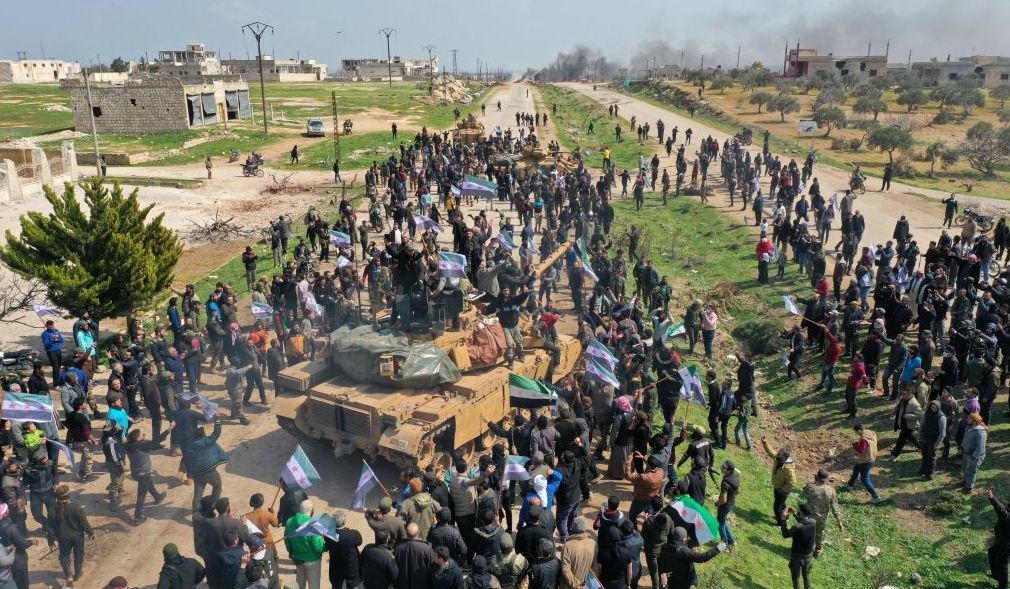
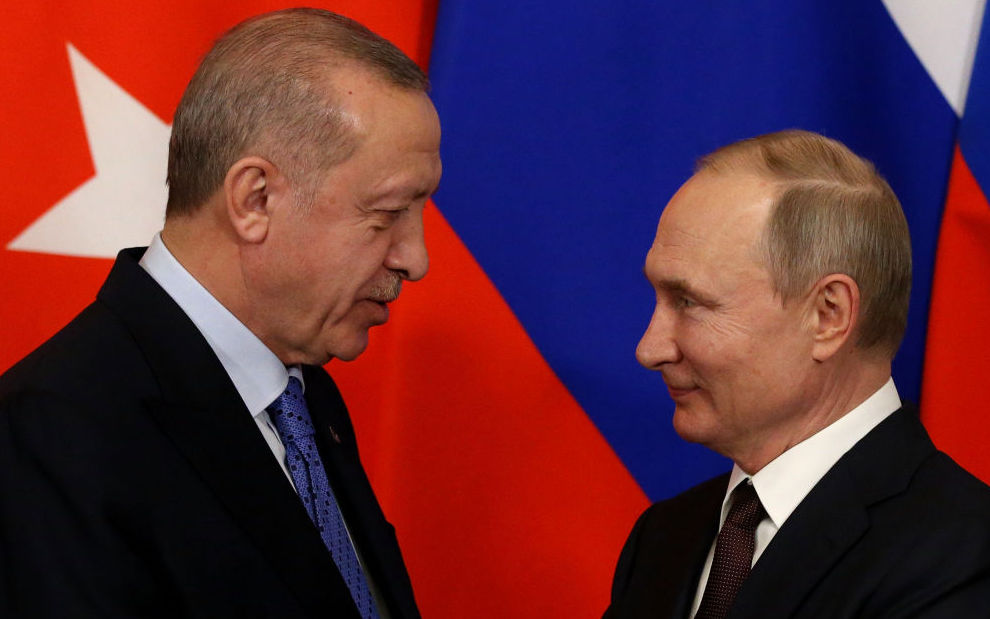
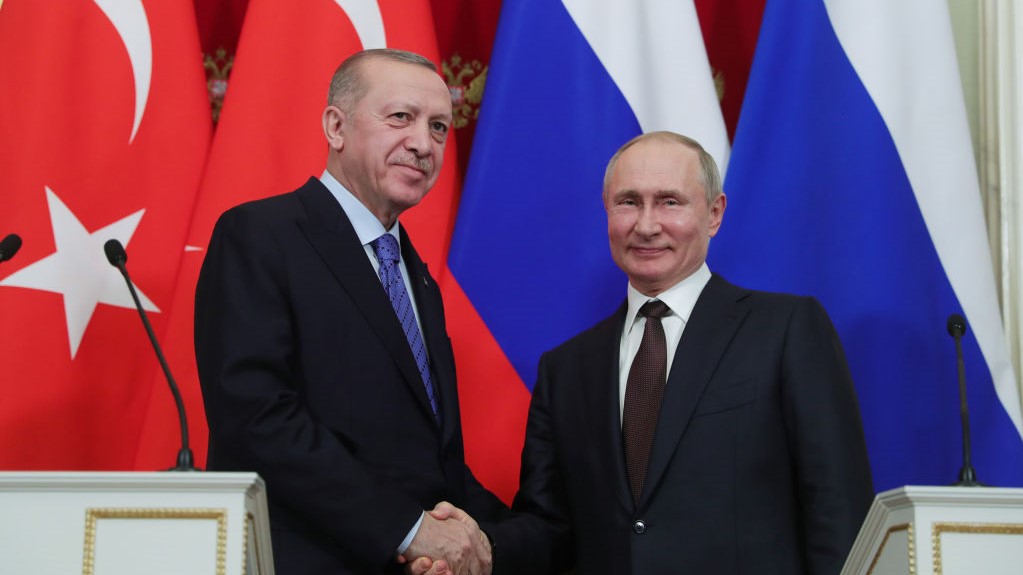
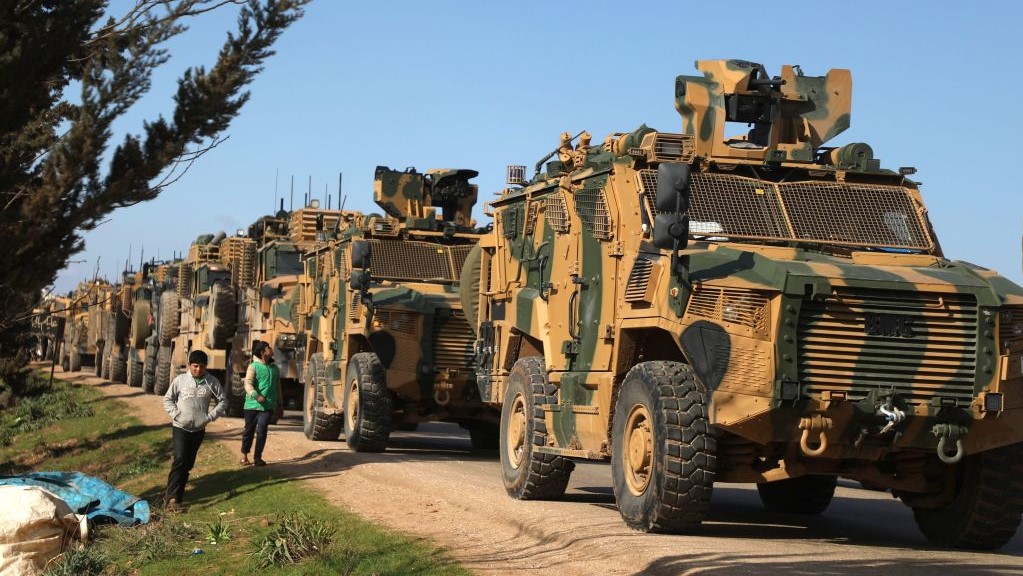
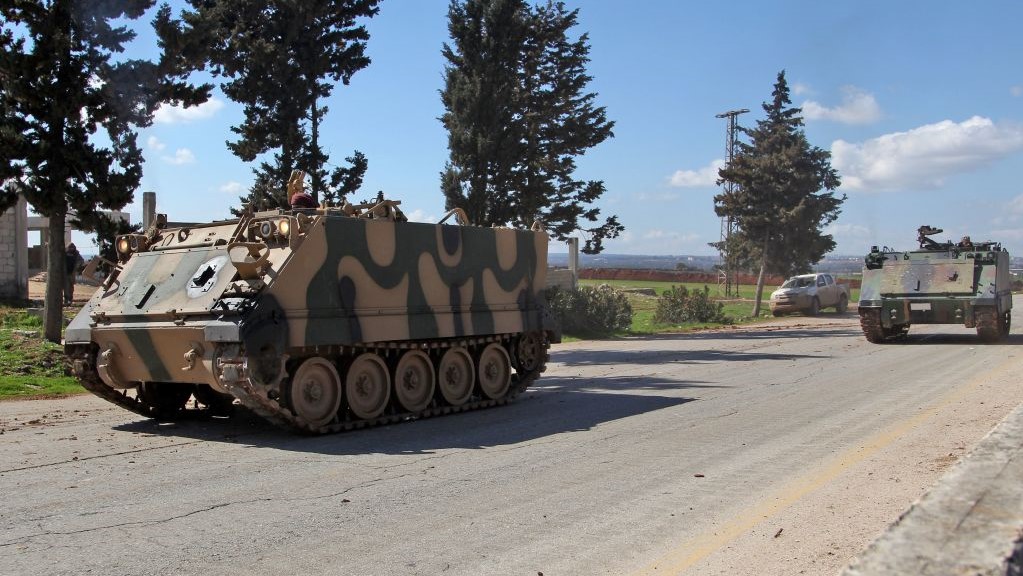
In changing the balance of power on the ground and forcing hostilities to a stalemate, Turkey’s military intervention in Idlib had produced its desired effect. On March 5, Vladimir Putin and Erdogan sat together for six hours and announced to the world a comprehensive cease-fire and the establishment of a secure corridor spanning six kilometers on the north and south sides of the M4 highway.
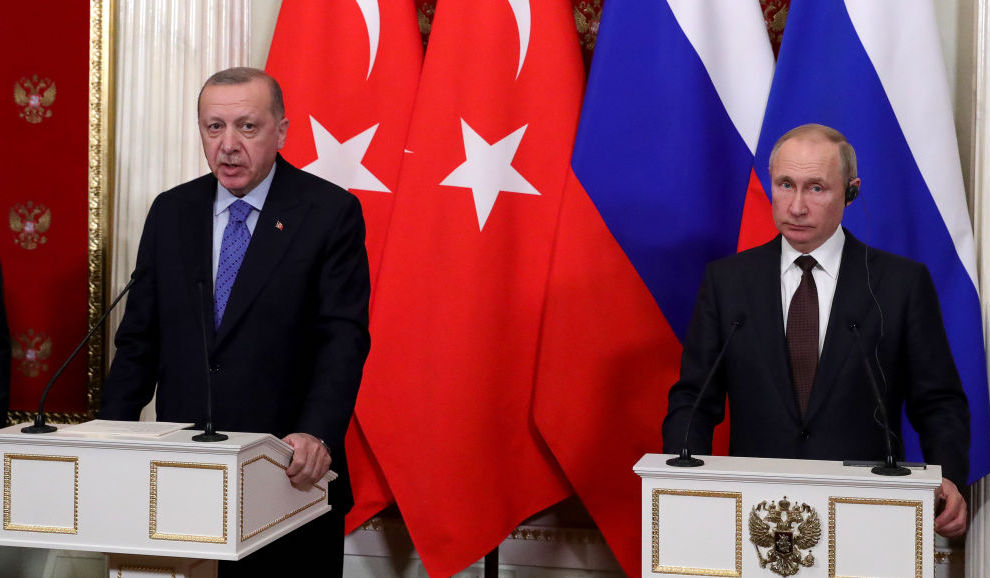
After Turkish President Recep Tayyip Erdogan hammered out a deal with his Russian counterpart Vladimir Putin on March 5 to bring an end to the fighting in Idlib in northwestern Syria, he said he was hopeful that the two countries could extend their cooperation to Libya.
Turkey and Russia agree to a cease-fire in Idlib, but will it hold?
In the past, similar cease-fire agreements ended shortly after they were announced and were followed by more fierce fighting that further consolidated the regime’s control.
Black Sea conflicts: Militarization and peacebuilding
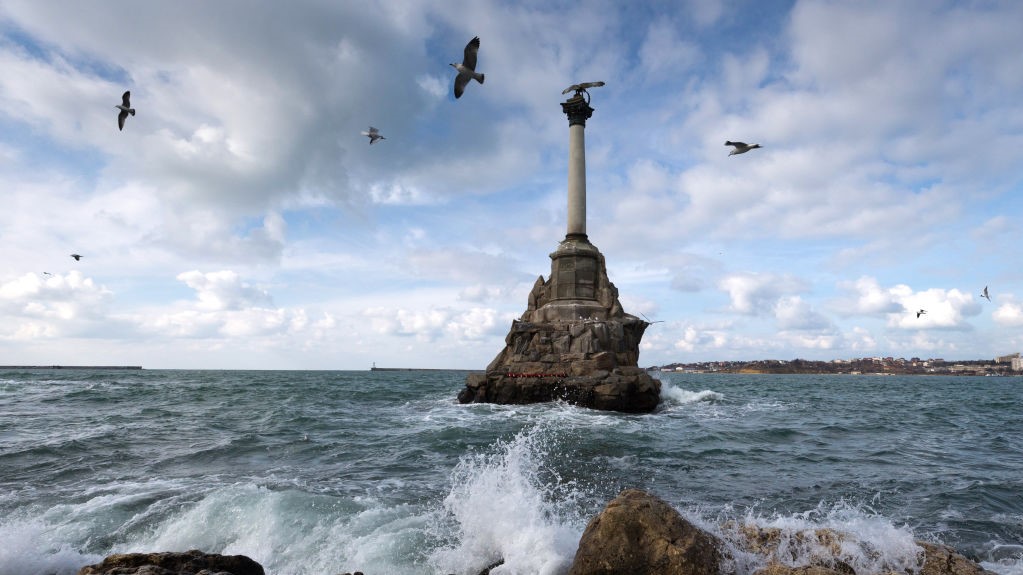
The sheer density of protracted conflicts in the Black Sea region makes it particularly exposed to the geopolitical ambitions of regional and global powers. The rapid militarization in Russia-controlled territories in recent years has only added fuel to the fire, dramatically increasing security concerns and underscoring the need for the West and its allies in the region to address the so-called frozen conflicts.
All eyes on Moscow as Erdogan and Putin meet for Syria talks
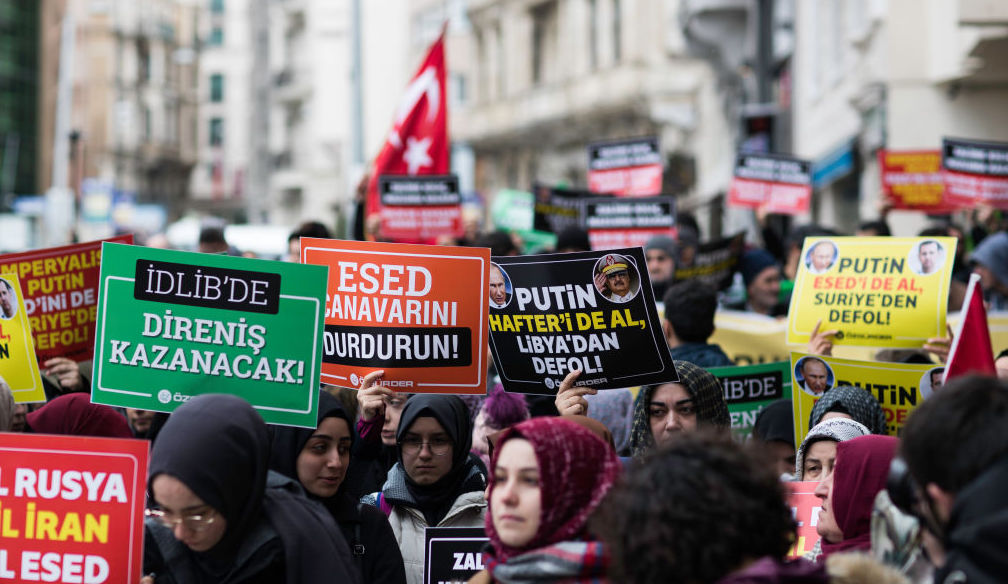
Turkish President Recep Tayyip Erdogan typically never misses an opportunity to appear in front of the cameras. But after the airstrike last week that killed dozens of Turkish soldiers in Syria’s Idlib Province, he was unusually quiet. The local governor of the south-eastern Turkish province of Hatay, just across the border from Idlib, did the talking instead, providing information to the outraged public about Turkey’s worst day in the Syrian conflict so far. As the death toll rose, so did the public anger.
Running around in circles: How Saudi Arabia is losing its war in Yemen to Iran
On March 1, the Iran-backed Houthis took control of the city of al-Hazm, the capital of al-Jawf Province, after weeks of fierce clashes with local tribes and Yemeni government forces. Incompetence, lack of unified leadership, and the absence of a military strategy by the Yemeni government and the Saudi-led coalition have played into the hands of the Houthis.
As its air campaign in Idlib continues, Turkey looks unlikely to stand down
The scale of Turkey’s intervention will have shaken Moscow and the losses incurred by pro-regime forces are serious and will further strain a Syrian Army that was already overstretched.