Skip to Content

Research & Commentary Results

Filter by
721 Results
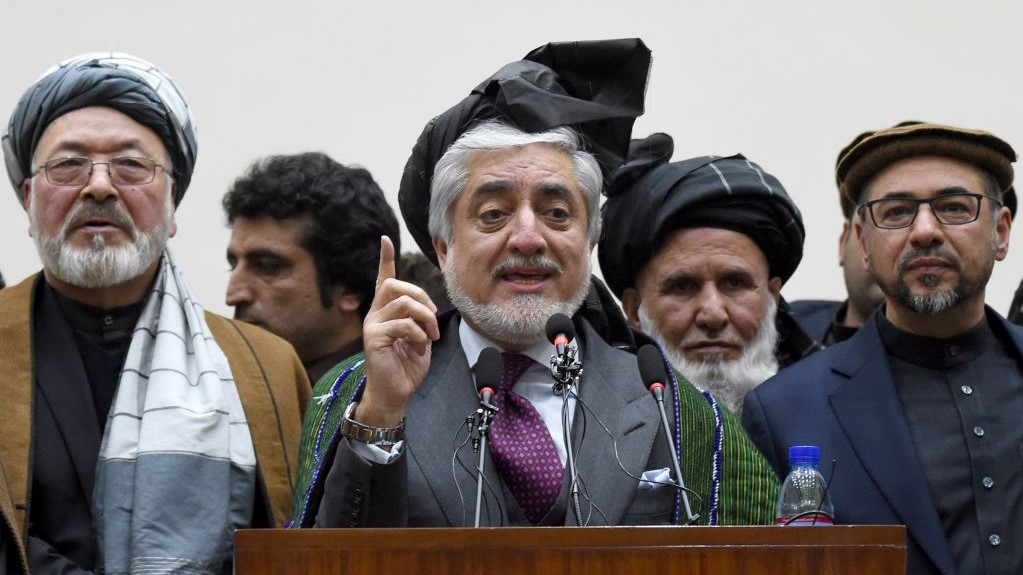
Uncertainty and chaos as Afghanistan’s political crisis deepens
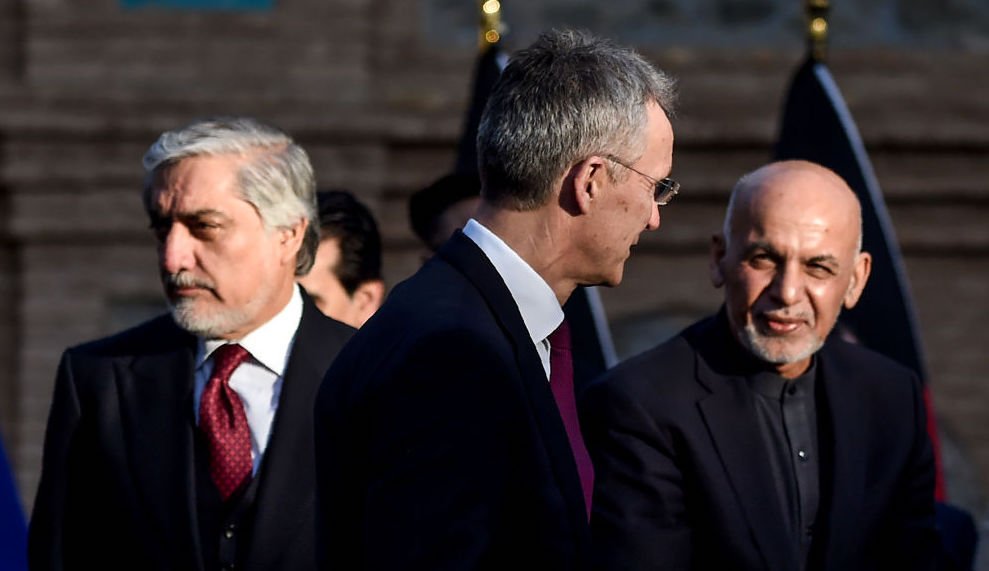
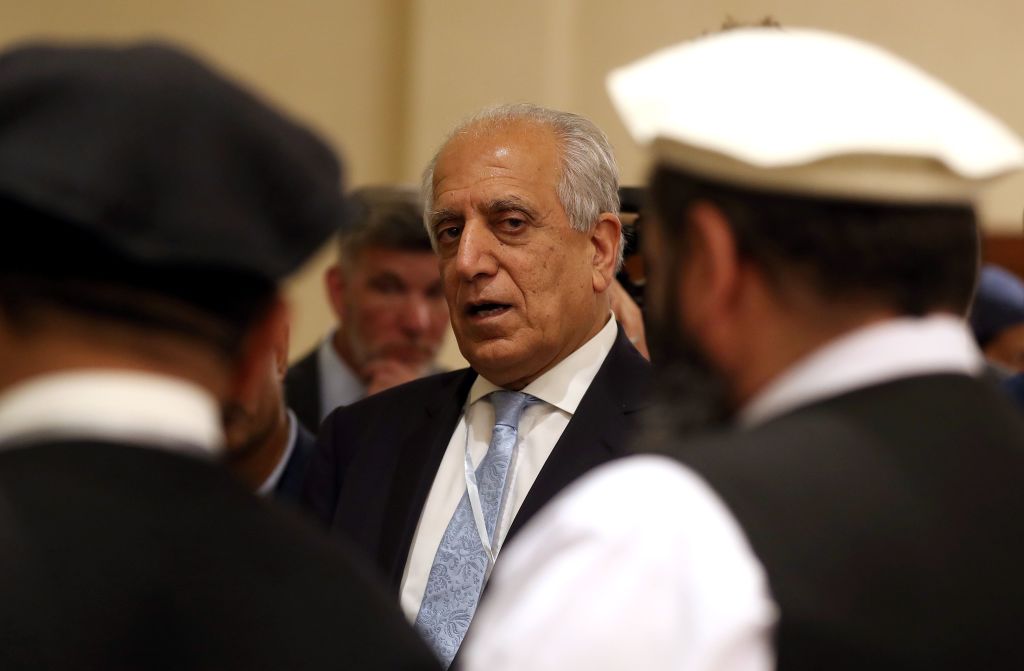
NATO Secretary General Jens Stoltenberg (C) arrives along with Afghanistan's President Ashraf Ghani (R) and Afghan presidential election opposition candidate Abdullah Abdullah ahead of a press conference at the presidential palace in Kabul on February 29, 2020.
  • Analysis
  • Uncertainty and chaos as Afghanistan’s political crisis deepens

    On March 9, Afghanistan’s sitting president, Ashraf Ghani, took the oath of office for a second term. However, on the same day the country’s chief executive, Abdullah Abdullah, also declared himself president at a rival swearing-in ceremony. The controversy has plunged the country into further political uncertainty and potential chaos, dashing hopes of an immediate return to peace following the historic U.S.-Taliban deal on Feb. 29.

    March 13, 2020

    The growing strength of Russian-Omani ties
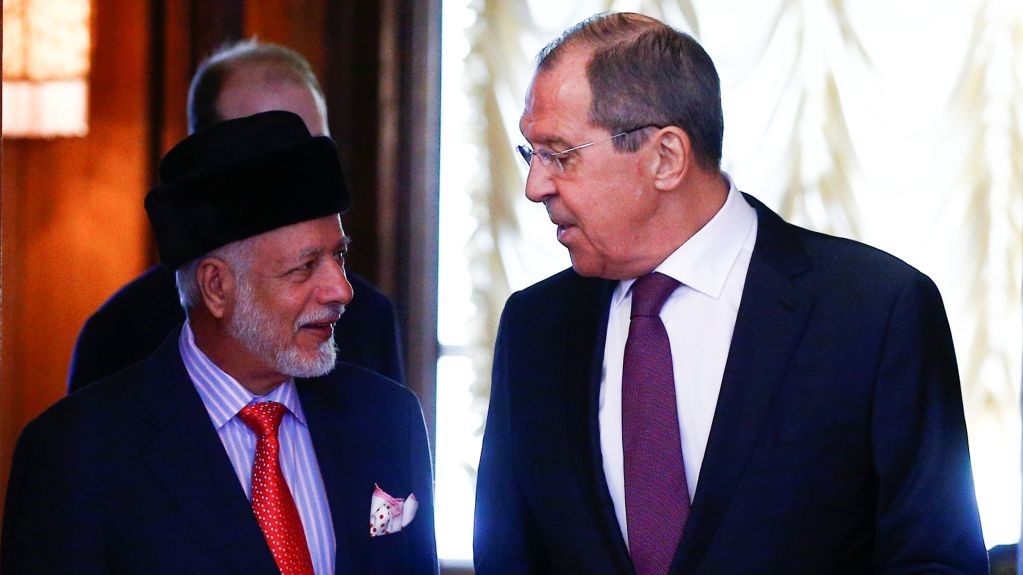
    Omani Foreign Minister Yusuf bin Alawi bin Abdullah (L) meets Russian Foreign Minister Sergey Lavrov (R) in Moscow, Russia on 18 February, 2019.
  • Analysis
  • The growing strength of Russian-Omani ties

    On Feb. 12, the director of Russia’s Foreign Intelligence Service, Sergei Naryshkin, made an official visit to Oman. During his trip to Muscat, Naryshkin engaged with senior Omani officials on strategies to de-escalate tensions in the Persian Gulf, counterterrorism cooperation, and approaches to conflict resolution in Syria and Yemen.

    March 10, 2020

    Seizing the Moment for Change: Pathways to a Sustainable US-Pakistan Relationship
  • Analysis
  • Seizing the Moment for Change: Pathways to a Sustainable US-Pakistan Relationship

    It is a near truism that U.S. relations with Pakistan have been historically unstable, waxing and waning, climbing to heights of interdependence and sinking to mutual recrimination. Yet this is presently a period unmarked by either high promise or driven by crisis. Rather than a reason, however, for leaving the relationship untouched and unexamined, this can be a time of unusual opportunity to create a more deliberative approach to thinking about the bilateral relationship and for shaping fresh initiatives.

    US policy in Afghanistan: Smoke and mirrors, but not yet hopeless
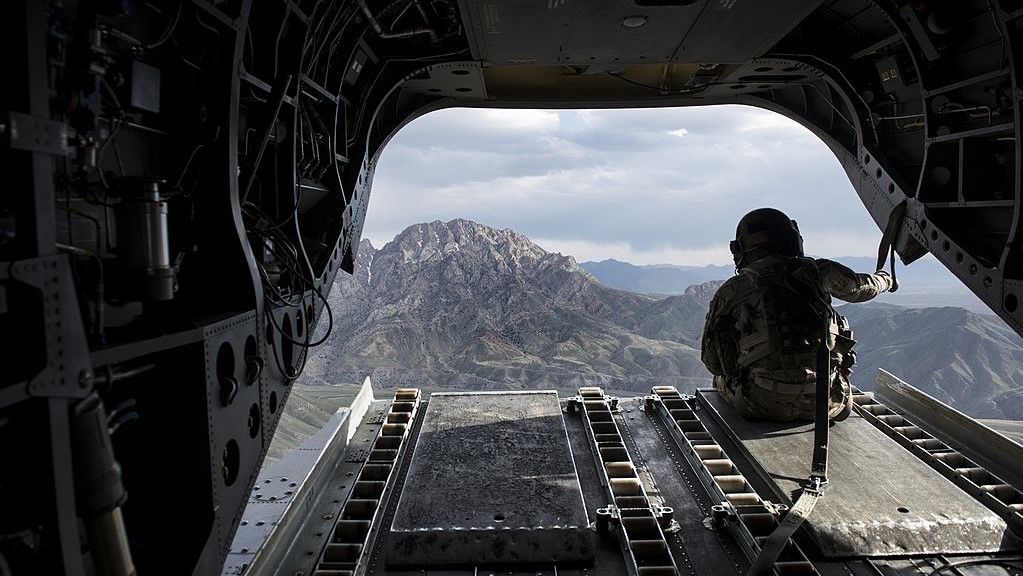
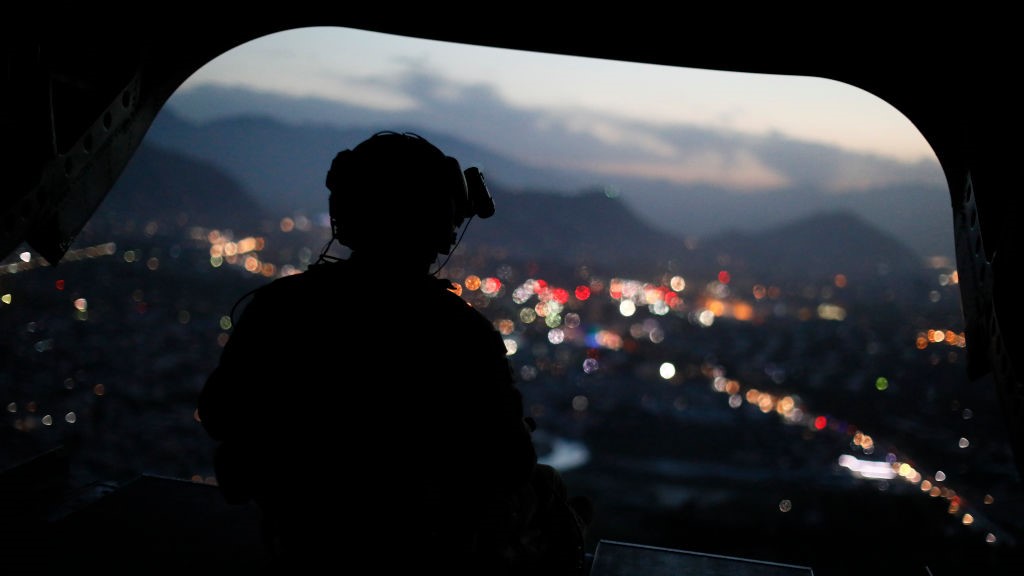
    A US Army serviceman sits at the tailgate of an helicopter carrying US Defence Secretary, after leaving the Resolute Support headquarters, in the Afghan capital Kabul on April 24, 2017.
  • Analysis
  • US policy in Afghanistan: Smoke and mirrors, but not yet hopeless

    18 years after CIA and U.S. special operations elements touched down in Afghanistan to pursue al-Qaeda and topple the Taliban, ongoing, incremental troop reductions reveal the smoke and mirrors manner in which the U.S. is withdrawing from the conflict in lieu of a negotiated settlement.

    January 16, 2020

    Oman’s new era
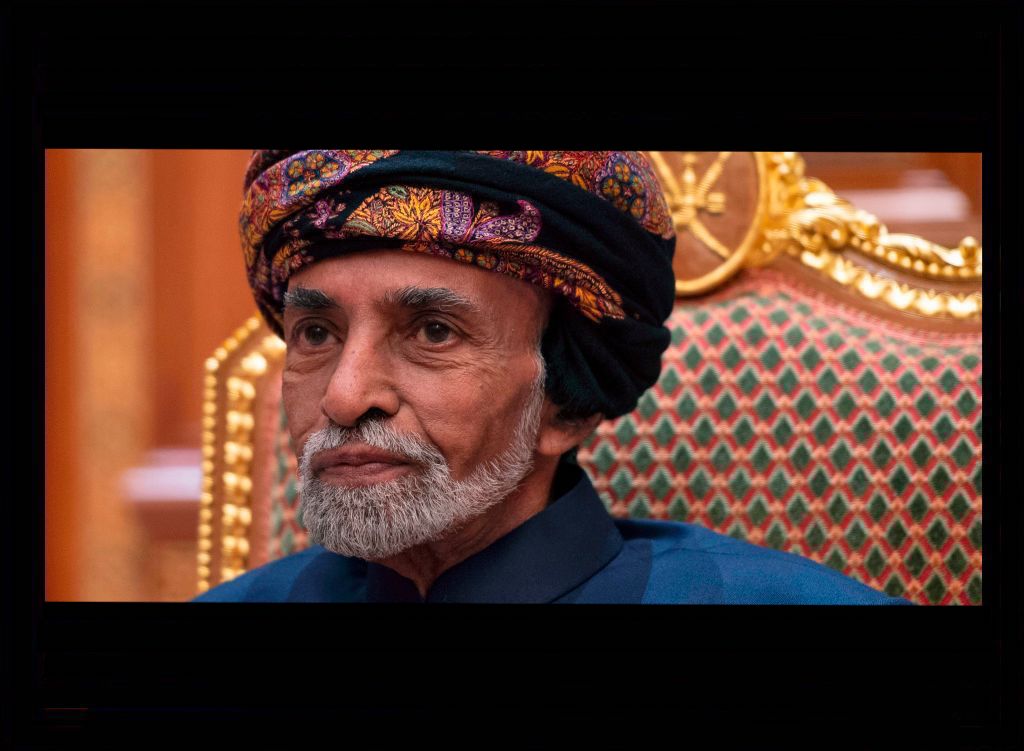
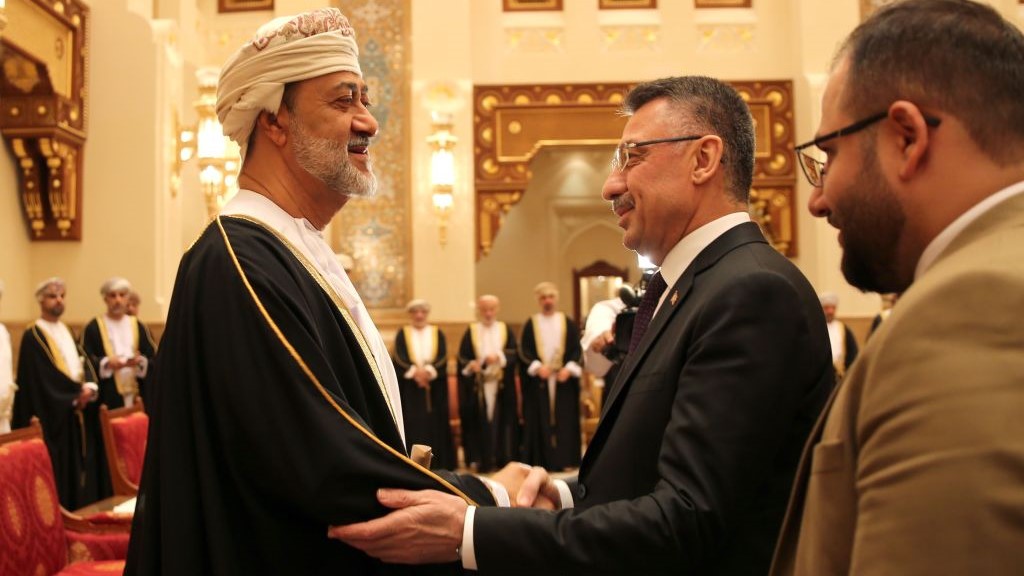
    Vice President of Turkey Fuat Oktay offers his condolences to Oman's new Sultan Haitham bin Tariq Al Said over the death of longtime ruler Qaboos bin Said al Said at the Al Alam Palace in Muscat, Oman on January 12, 2020.
  • Analysis
  • Oman’s new era

    The announcement of Sultan Qaboos bin Said al-Said’s passing on Jan. 10 marked the end of an era. Now that the Arab world lost its longest-serving leader, none of the Gulf states has a ruler that was on the throne when the Gulf Cooperation Council (GCC) was established in 1981. Most Omanis have never known another leader and this transition period, marked by three days of mourning, is an emotional time for those in the sultanate.

    January 13, 2020

    Jihadism in South Asia: A militant landscape in flux
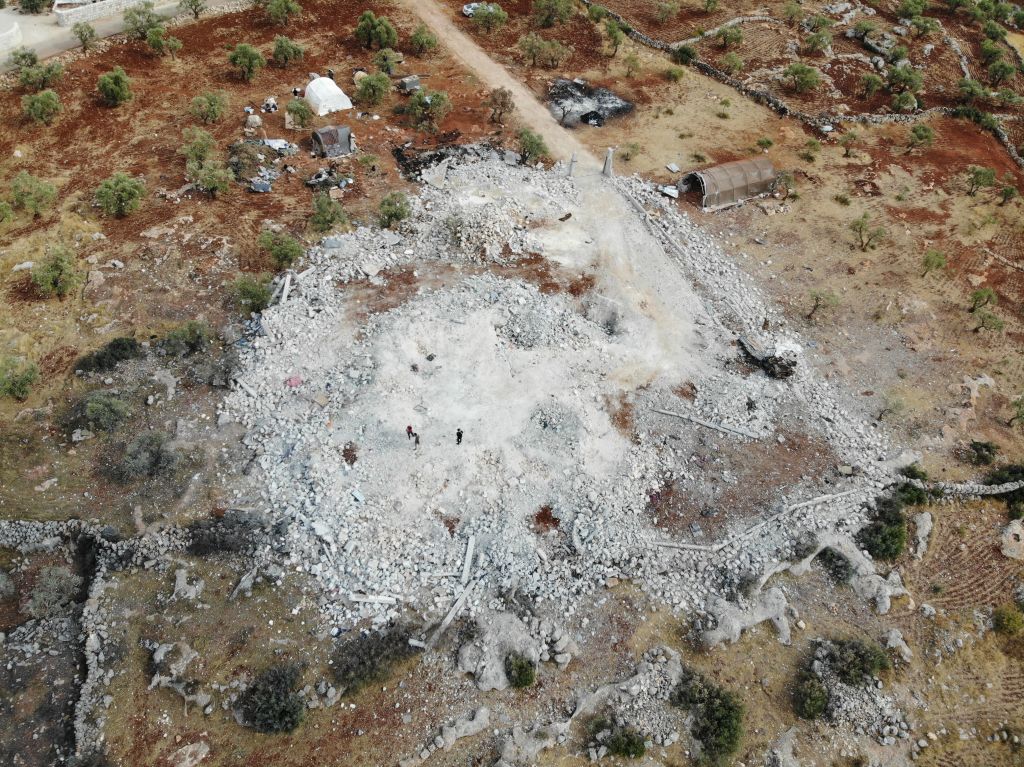
    An aerial view taken on November 1, 2019, shows the site where the Islamic State group leader Abu Bakr al-Baghdadi was reportedly killed according to US president Donald Trump, in a daring nighttime raid by US special forces near the small village of Barisha in northwestern Syria.
  • Analysis
  • Jihadism in South Asia: A militant landscape in flux

    Over the past five years, the focus of U.S. counterterrorism strategists has remained on the Middle East, especially after the emergence of ISIS in 2014, while Islamist terrorist organizations operating in South Asia have been considered a secondary threat. However, the fact remains that South Asia is home to more Islamist terrorist organizations than any other region of the world. Al-Qaeda was born there, in Afghanistan, and ISIS has roots in the region. But at the turn of the decade both global jihadist groups are now facing major challenges and the critical question is whether they will manage to survive this period of crisis amid a severe leadership vacuum following the death of ISIS’s supreme leader and caliph, Abu Bakr al-Baghdadi, and the killing of al-Qaeda heir apparent Hamza bin Laden. 
    January 8, 2020