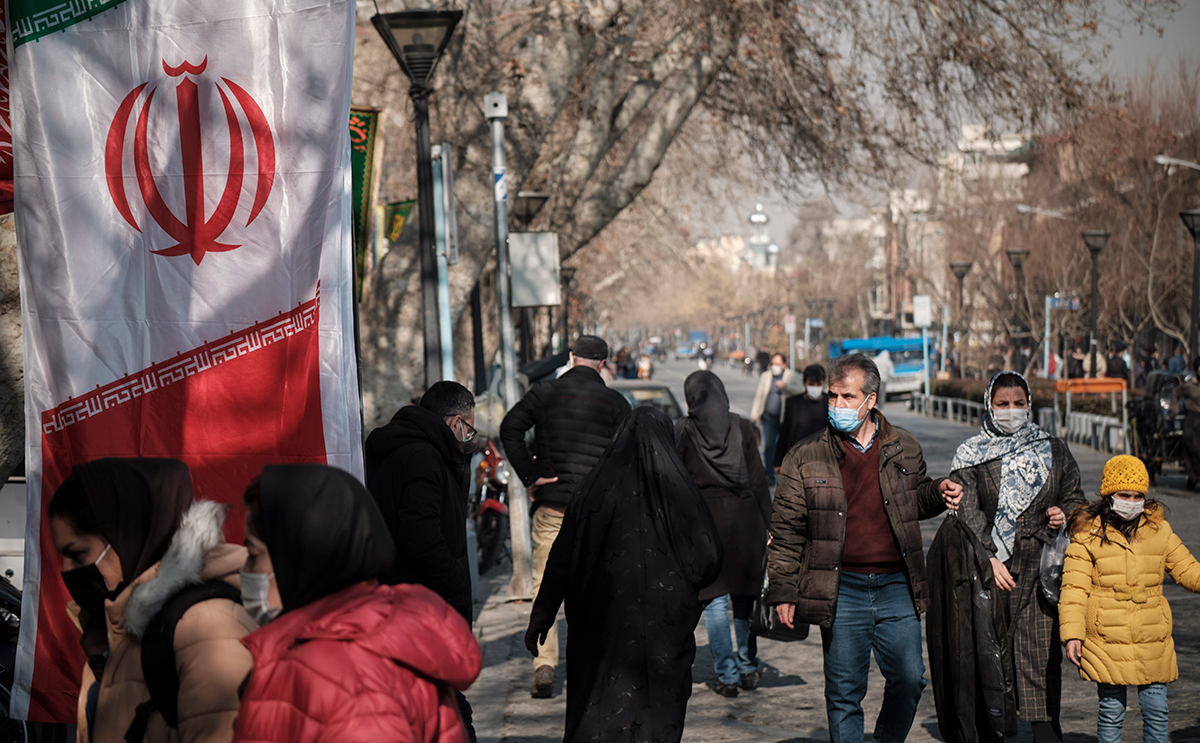
After three years of decline and instability, the Iranian economy has stabilized. Some of the macroeconomic indicators, especially inflation, remain worrying, but the country’s GDP has returned to marginal growth, which is a reminder that the economy has been resilient in the face of massive external and internal pressures. Experts agree that the diversity of economic activity has been the key reason for this resilience. This piece explores three potential medium-term scenarios: 1) A return to the JCPOA; 2) An interim deal that would ease the sanctions pressure; and 3) A continuation of the current sanctions regime.
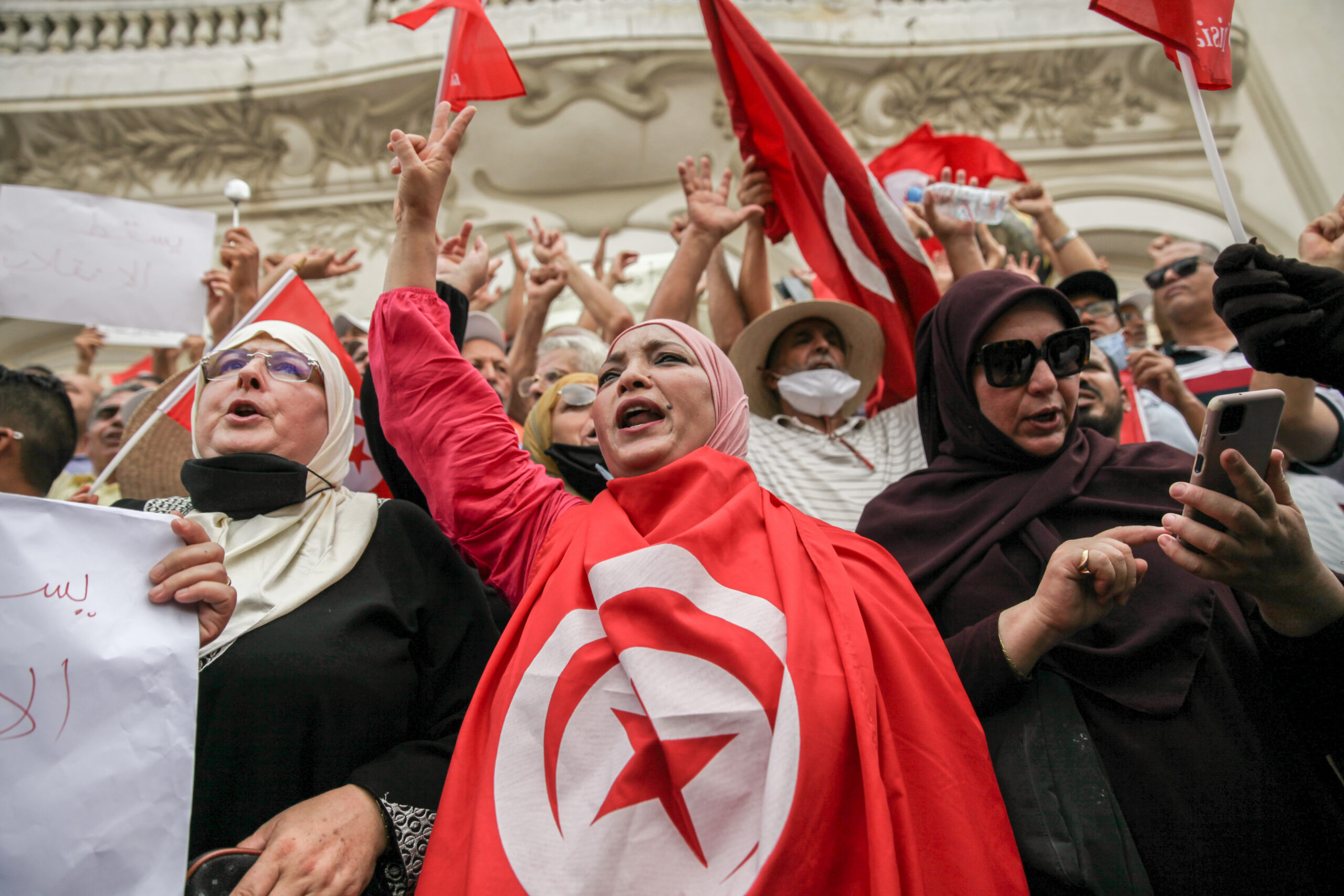
On Oct. 4, MEI hosted a discussion with Dr. James Zogby, president of the Arab American Institute and founder of Zogby Research Services (ZRS); Elizia Volkmann, a British freelance journalist based in Tunis; and Dr. Eya Jrad, researcher and assistant professor of security studies at the Ministry of Higher Education and Scientific Research Tunisia. The conversation revolved around the findings of a ZRS survey of 1,551 Tunisians conducted between Aug. 15 and Sept. 5 covering their attitudes and optimism regarding the future.
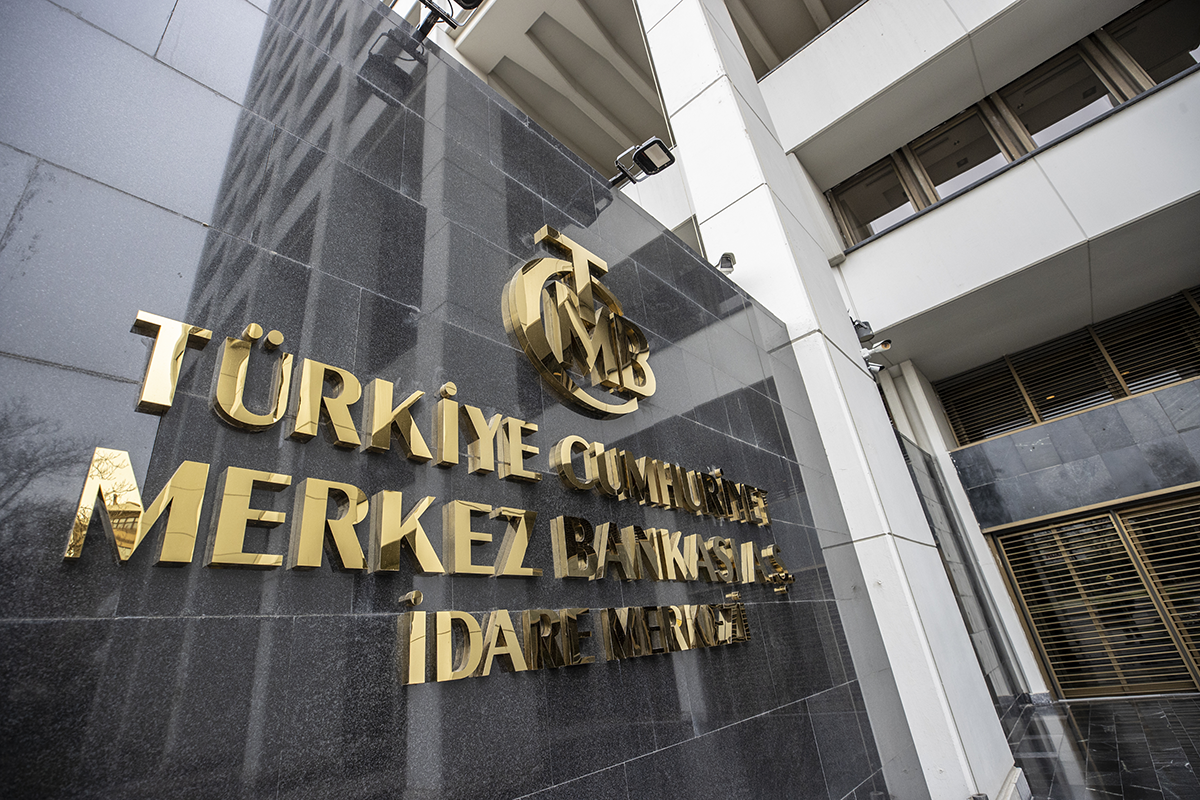
What’s driving Turkey’s early easing of monetary policy?
At its Sept. 23 meeting, the Central Bank of the Republic of Turkey (CBRT), in a surprise move, cut its policy rate (1-week repo rate) 100 basis points to 18.00%, while headline inflation was 19.25% (currently 19.58%). This is an interesting development as most central banks around the world have just started preparing to implement tighter policies.
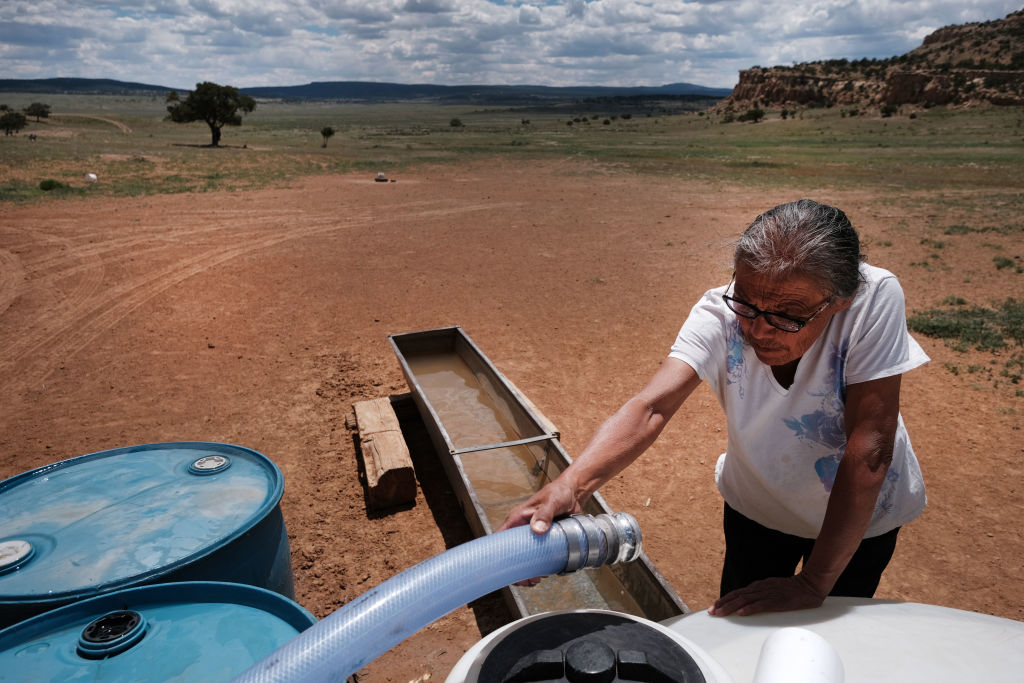
Avoiding water bankruptcy in the drought-troubled Southwest: What the US and Iran can learn from each other
It was another hot, dry year in the western U.S., with almost the entire region in drought. Vital reservoirs have fallen to dangerous lows. More than 7,000 miles away, Iran is grappling with water problems that are similar to the U.S. Southwest’s but more severe.
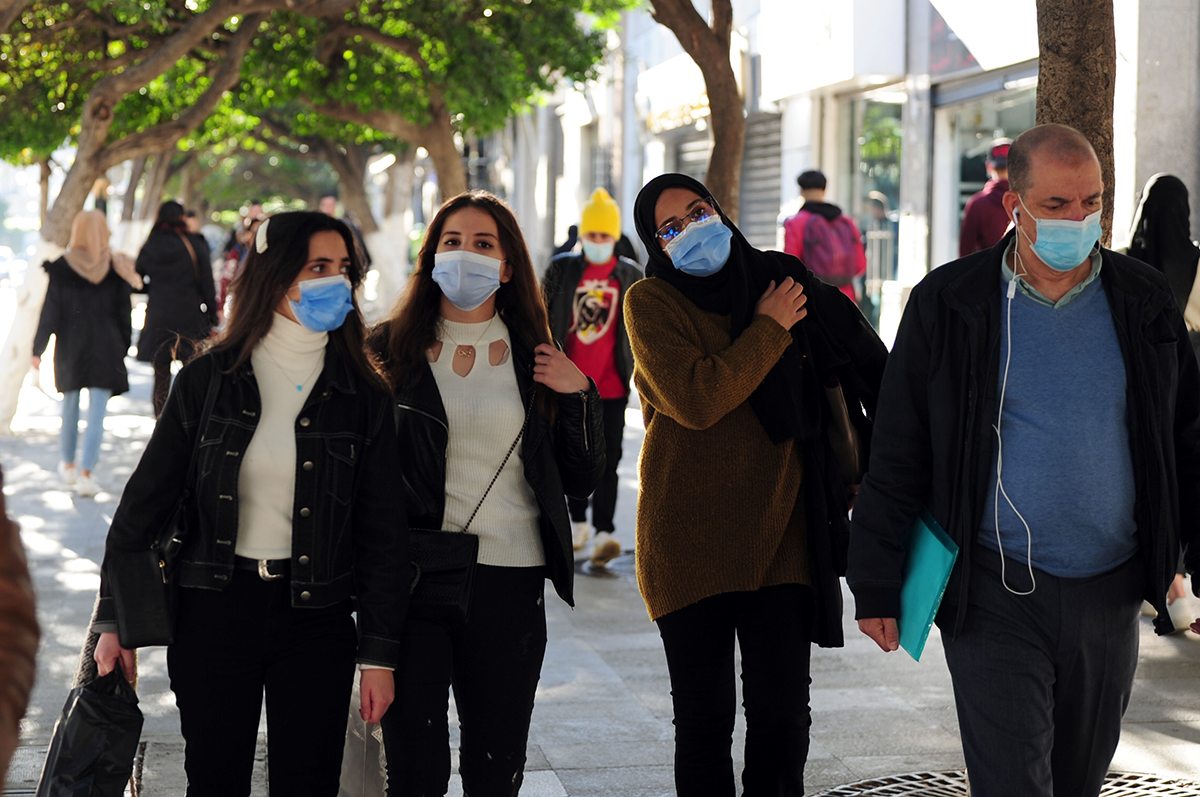
Algeria: Amid concerns about the pandemic and its economic impact, some optimism for the future
The Arab Barometer’s survey results for Algeria paint the picture of a population understandably worried about the COVID-19 pandemic and its economic impact. In surveys carried out in the country from August 2020 to April 2021, the spread of the virus and the business outlook consistently emerged as the top two challenges ahead, with economic concerns rising to the top position and overtaking the health situation over this period. Because of the spread of the Delta variant, Algiers has been struggling to contain the transmission of the virus. New cases and deaths quickly escalated between July and August 2021, taking the health care system to the brink of collapse.
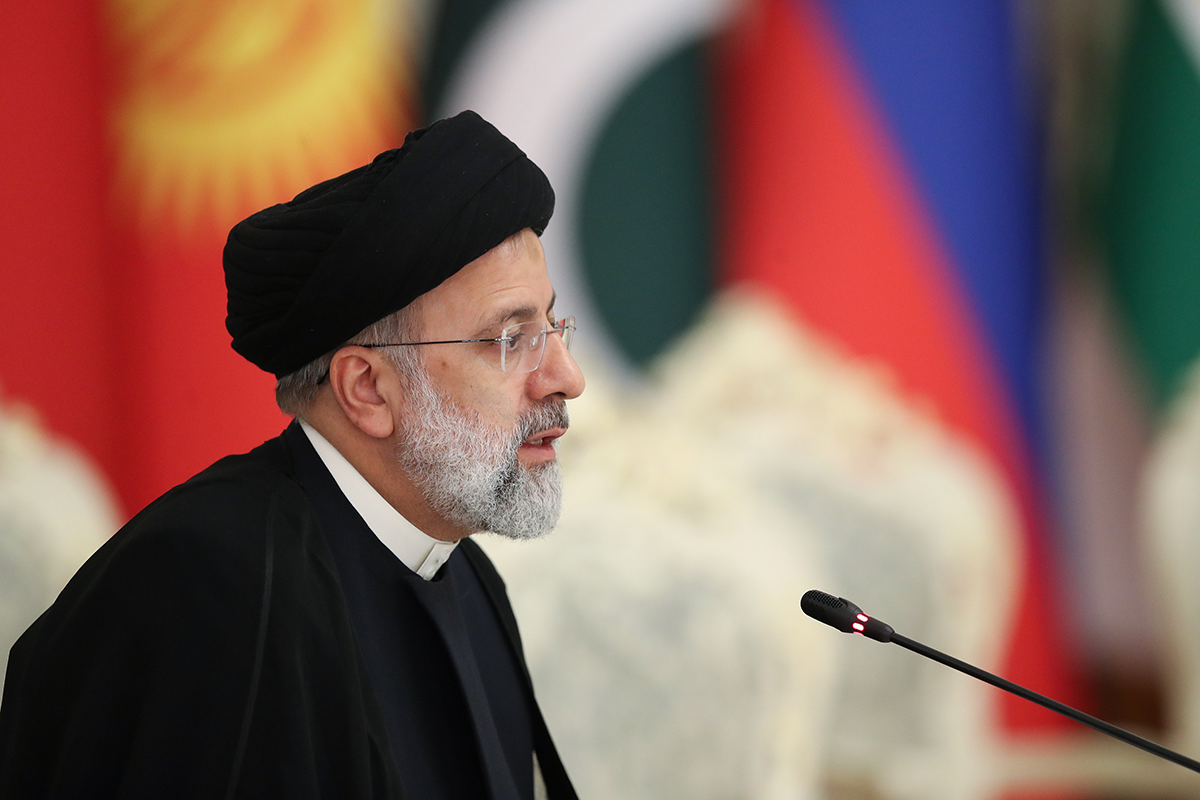
Iran came one step closer to becoming a full member of the Shanghai Cooperation Organization (SCO) last week with the approval of its bid, 15 years after it first applied. The accession process is expected to take up to two years to complete.
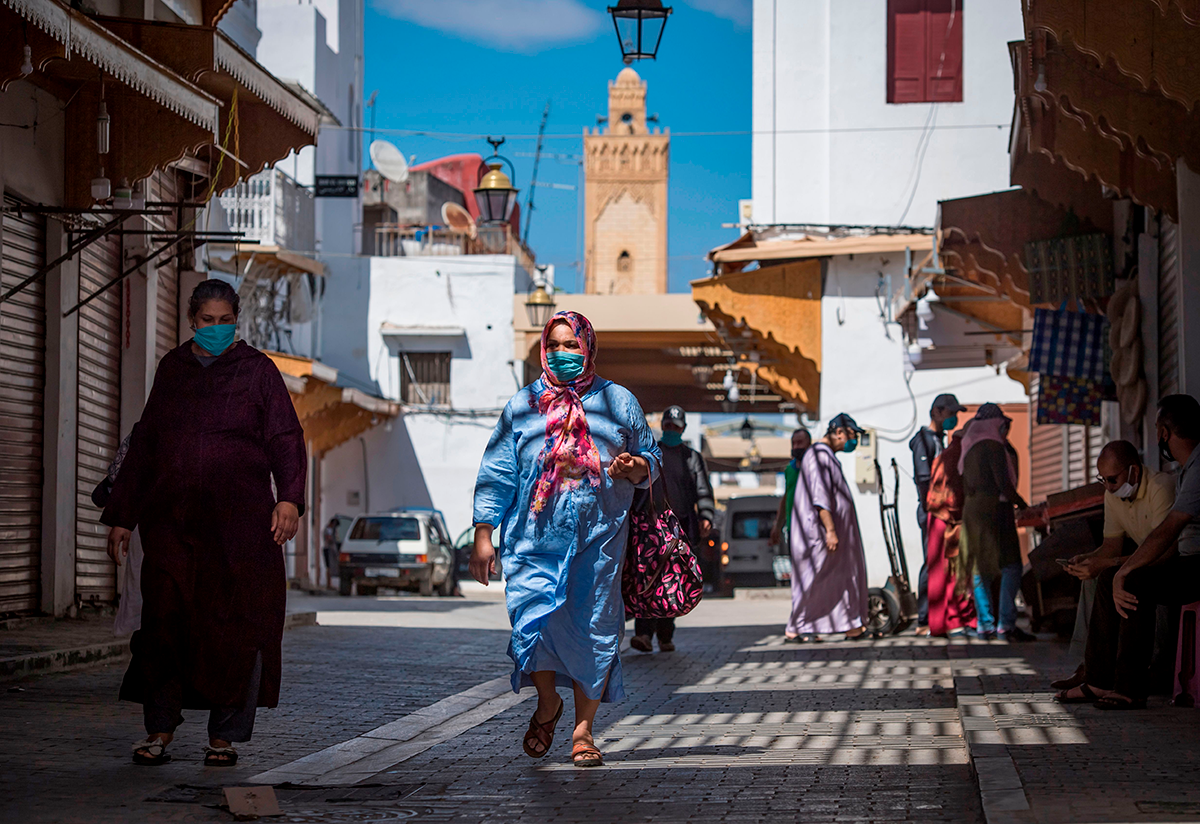
مواجهة كوفيد 19 في المغرب: الرضى عن الوضعية الاقتصادية لا يحجب طلب مزيد من فرص الشغل ومحاصرة الفساد
مجرد ظهور العلامات الأولى للأزمة الصحية الناجمة عن فيروس كورونا المستجد في شمال إفريقيا، اتخذ المغرب إجراءات سريعة وحاسمة، حيث نفذ تدابير صحية واقتصادية وأمنية واجتماعية بدءا من نهاية فبراير 2020. تفسر هذه الإجراءات إلى حد كبير تصور المواطنين الإيجابي لتعامل الدولة مع هذا الوضع الصعب، وهو تحد لم يسبق له مثيل منذ الربيع العربي في 2011.
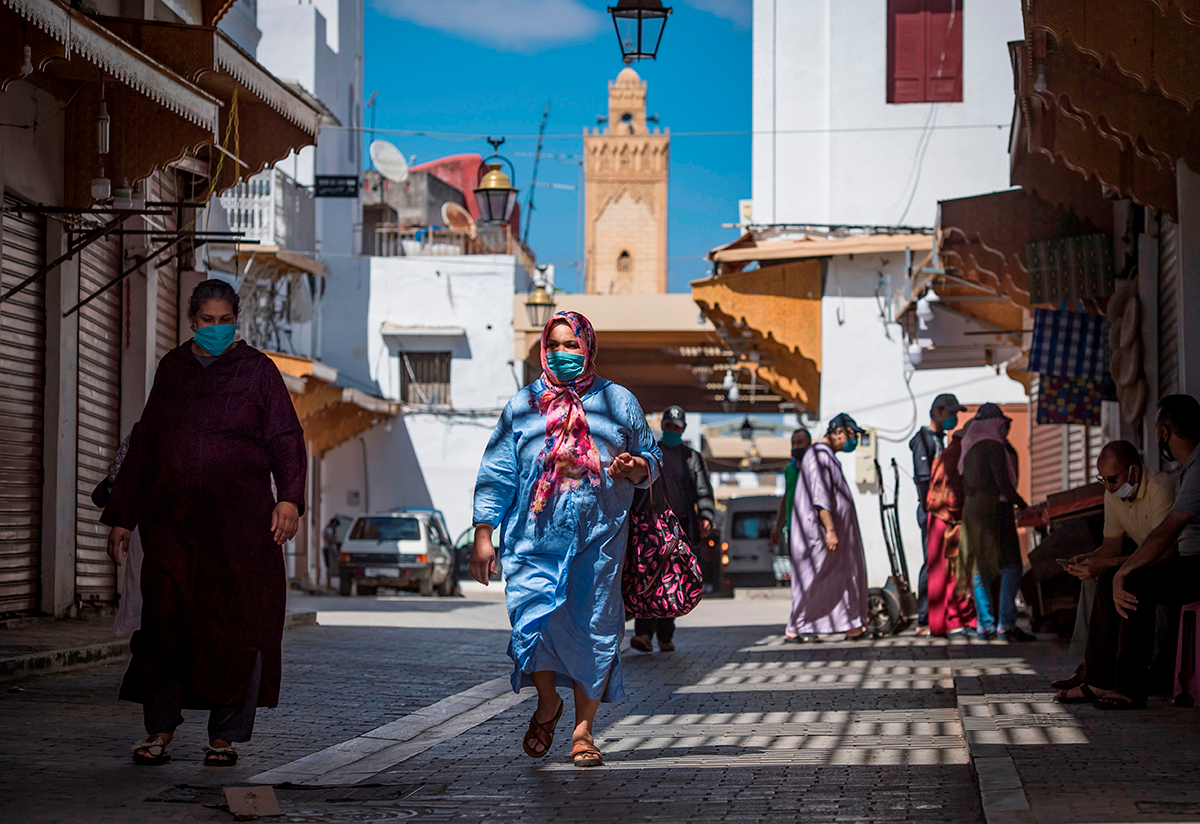
Facing COVID-19 in Morocco: Satisfaction with the economy does not preclude the need for more jobs and anti-corruption efforts
As soon as the first signs of the health crisis caused by COVID-19 appeared in North Africa, Morocco took swift and decisive action, implementing health, economic, security, and social measures at the end of February 2020. These actions explain the largely positive perception among Moroccans of the state’s handling of this difficult situation, a challenge unlike any since the Arab Spring in 2011.
The findings of the fourth part of the Arab Barometer survey’s sixth wave, carried out in May 2021, confirm that the spread of COVID-19 (43% of respondents) and the economic situation (33%) are still the main challenges for Moroccans.
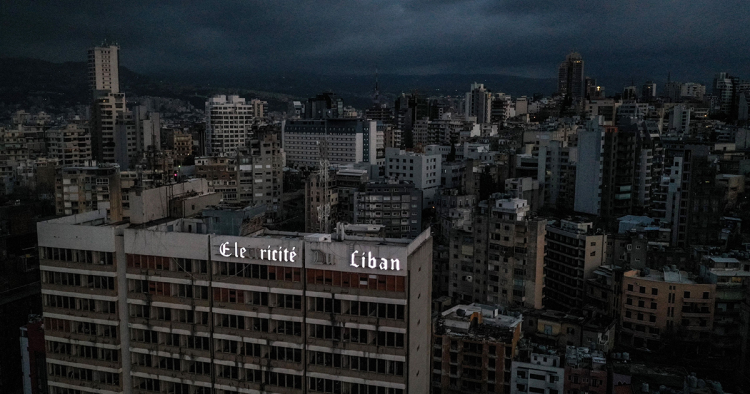
Power sector reforms are new Lebanese governments’ ultimate test
The formation of a new government in Lebanon — after more than a year of political deadlock and amid an economic crisis of dizzying severity — is a positive development. The scale of Lebanon’s economic challenges, however, requires a new government capable of breaking with its predecessors’ deliberate inaction. It necessitates strong and genuine political leadership, will, and action to tackle the country’s many pressing challenges, especially in its dysfunctional energy sector.
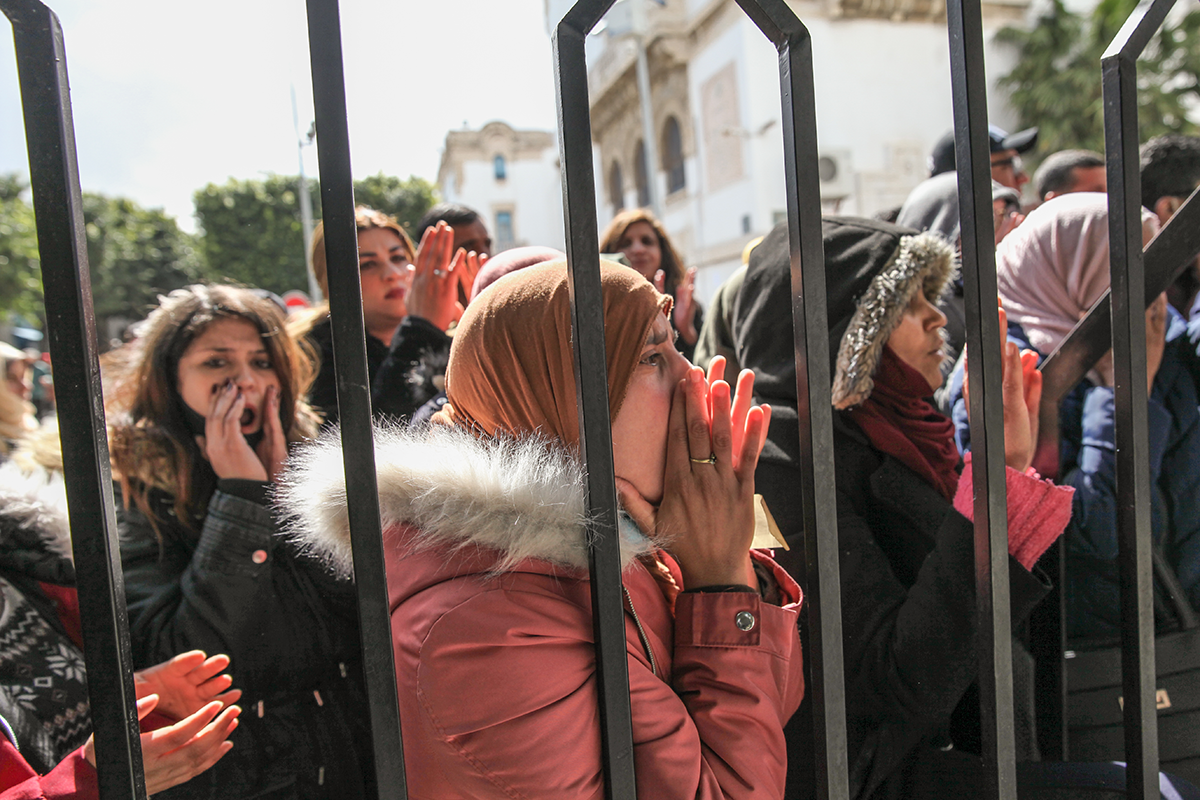
In surveys, Tunisians tell of continuous economic grievances
The latest round of public opinion surveys conducted by Arab Barometer confirms that the deterioration of the economy — or more specifically a continuing collapse in living standards — has been at the forefront of people’s minds in Tunisia.
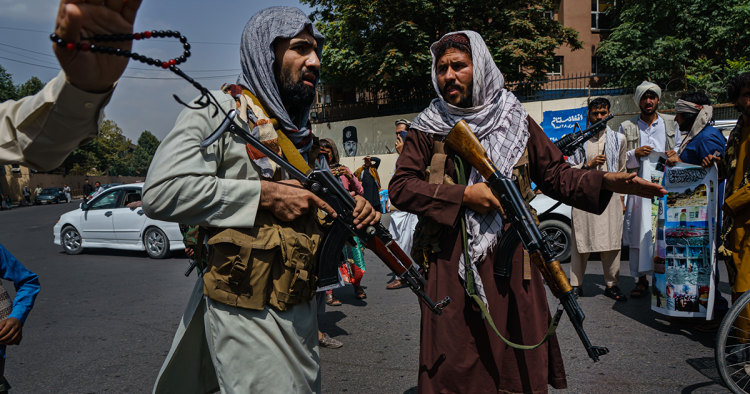
Iran and the Taliban after the US fiasco in Afghanistan
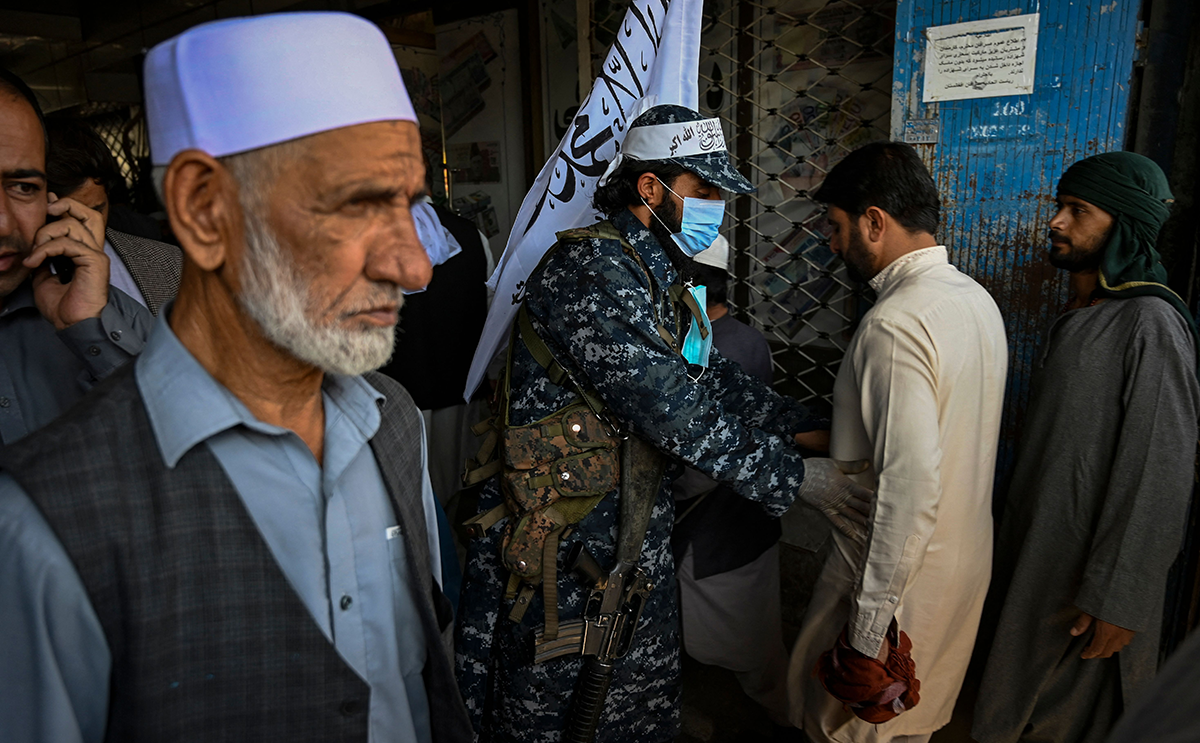
For Iran, Washington’s Afghanistan fiasco has been touted as confirmation that U.S. policy in the Islamic world is doomed to fail. The immediate geopolitical and ideological gains, however, could be overshadowed by the potential challenges that a Taliban-ruled Afghanistan may pose for Iran’s security and regional interests in the long run.
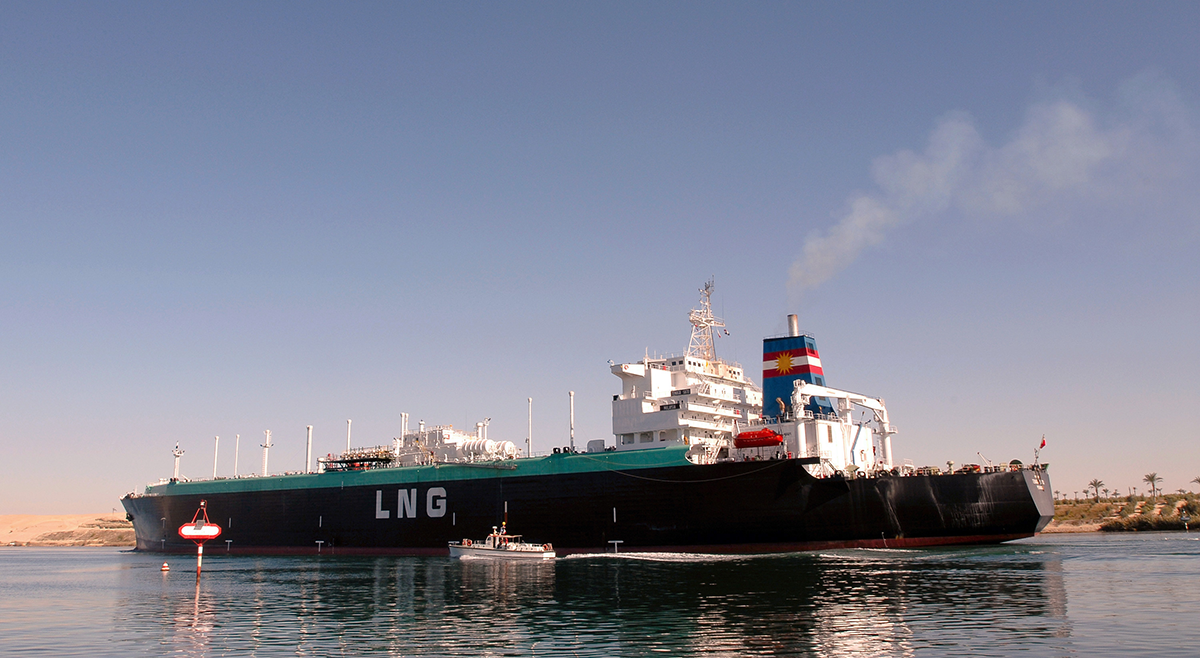
Egypt is currently the fastest-growing Arab exporter of liquefied natural gas (LNG), according to a report released by the Organization of Arab Petroleum Exporting Countries on Aug. 16. The report showed that Egypt exported around 1.4 million tons of LNG in the second quarter of 2021, having not exported any LNG during the same period in 2020.
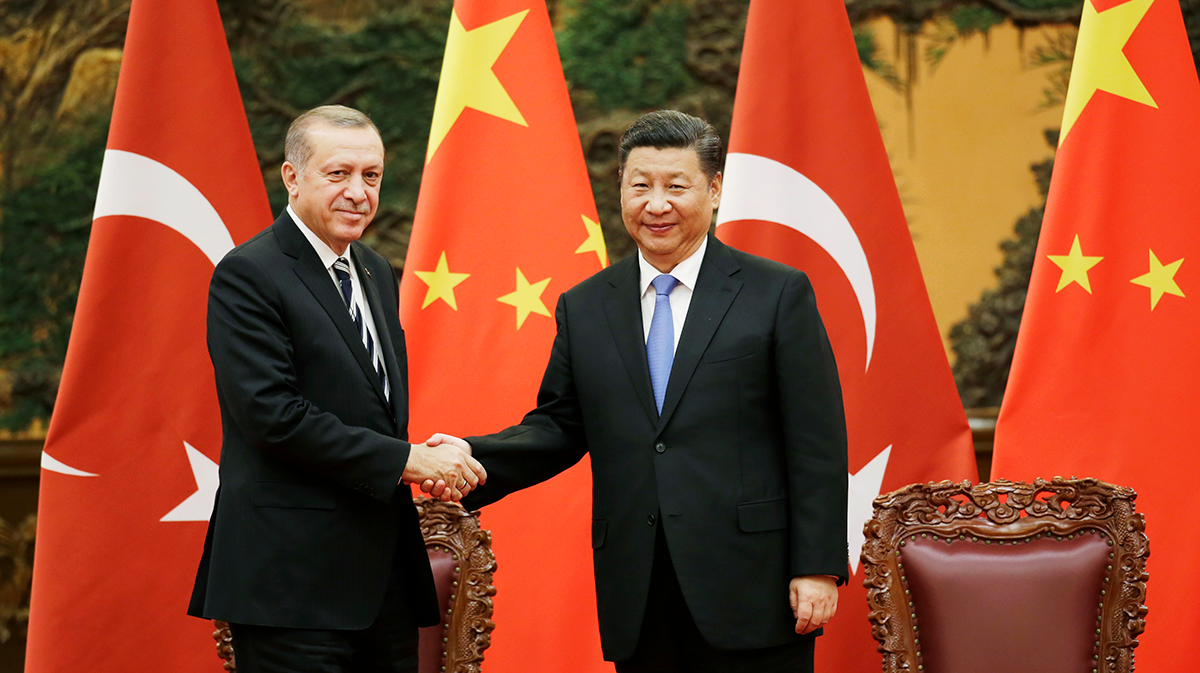
Courting danger, Erdoğan ramps up reliance on China
China’s recent multi-sectoral engagements in Turkey suggest that the Black Sea region’s significance is on the rise in Beijing, and under President Erdoğan, Turkey has consistently sought its favor and investment.
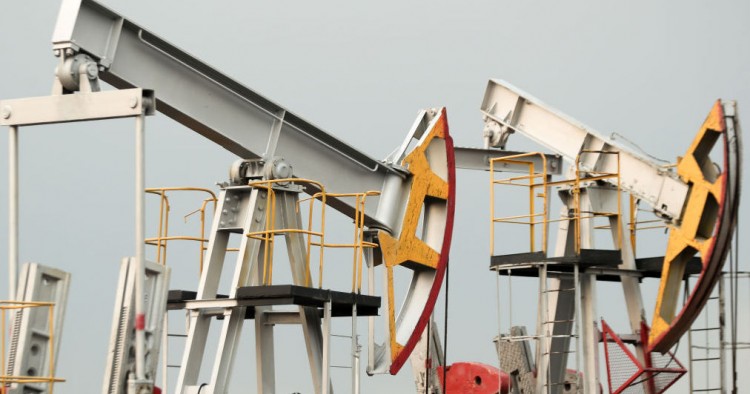
OPEC+ oil producers are unlikely to step back from their plans to increase production, as both the short-term market forecasts and long-term expectations of structural changes in the global oil market are forcing producers to focus more on market share expansion.
Afghanistan must address existential and structural challenges before tapping natural resource wealth
Right now, Afghanistan is on the cusp of an economic collapse, not some Chinese investment bonanza. Its immediate challenges are existential. And until economic, political, and security conditions stabilize, and legal and regulatory frameworks for investments are in place, Afghanistan’s connectivity and mineral wealth dreams will remain just that.