Technology and Youth Drive the Future of Work in MENA
Globally, the demand for manual, physical, and basic cognitive skills is declining. In their stead, digital literacy and competency are becoming requisites for a growing portion of the workforce, and the need for higher-level cognitive skills is on the rise: According to a World Economic Forum survey of employers, skills related to analytical and critical thinking, active learning, complex problem solving, and creativity will see the highest growth by 2025.
This article is part of the publication Thinking MENA Futures, produced in conjunction with MEI’s Strategic Foresight Initiative and the MEI Futures Forum. Read the other articles in the series here.
The Future of FinTech in the Middle East: Trends that are Here to Stay
Ten years ago, could you ever imagine that one day you could trade fractions of stocks and virtual currencies while sitting at a bus stop, all from your cellphone? Have you ever wondered what the future of finance will look like five years from today? Imagine going to the grocery store for a seamless shopping experience: You walk in, grab a carton of milk, and walk right out while cameras recognize the items in your basket and your face to enable a secured payment. The financial world has made tremendous advances in the last 10 years due to the arrival of FinTech, and the sector is only getting bigger.
The Digitalization of Economies and the Future of Work: A Regional Outlook
The world will remember 2020 as the year that witnessed an unprecedented acceleration in digital transformation instigated by the disruption of COVID-19. The pandemic affected millions of lives and livelihoods in the developed world and emerging economies, including the Middle East and North Africa (MENA) region. However, it also presented ample opportunities for economies to reimagine how the future will look while adapting to emerging innovative technologies and their economic implications.
Breaking the Mold: Can the MENA Region Be a Leader in Inclusive Capital?
Maktoob’s exit, which took place more than a decade ago, sparked a “Cambrian moment” of entrepreneurship and innovation that has continued to create value for people across the region today. Ex-unicorn employees are also defining the startup ecosystem in MENA. The question for us in the region is: how can we make sure we move beyond a “mafia,” which lends itself to exclusivity, to something that is truly inclusive?
A Revolution in Education: What Lies Ahead for MENA
The internet is reshaping the way we learn. Before the COVID-19 crisis, the idea of online learning was already in the air and taking hold fast. The last decade has seen the rise of Massive Online Open Courses (MOOCs), the creation of online marketplaces for education, and new alternatives to college like coding bootcamps. But the pandemic rocked the foundations of the learning industry and the next 10 years promise to deliver a revolution in education.
Connecting the Dots: How the Middle East Can Make the Transformational Pivot to the New Reality
The pandemic has shaken up economic systems and brought forth unprecedented challenges, as we are all aware. However, I also believe that the “new reality” we are confronted with today is actually one that presents us with an opportunity: to prepare for a future we can own by connecting the dots between critical sectors.
How can the Middle East Better Prepare for the Pandemics of the Future?
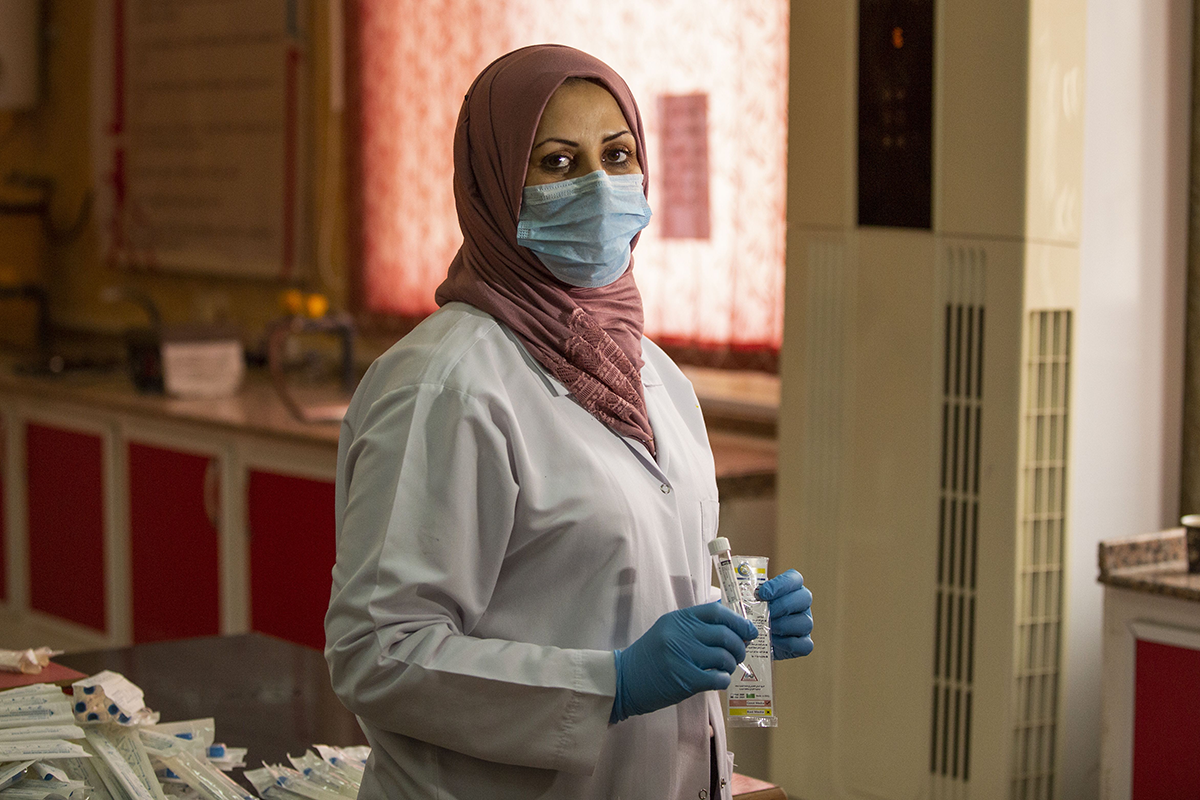
Several countries in the Middle East had devised preparedness plans in response to recent respiratory epidemics, and COVID-19 has tested them. For example, Egypt’s plan was greatly modified in response to the H1N1 epidemic, first recognized in 2009, and Saudi Arabia’s in response to the MERS coronavirus, first recognized in 2012.
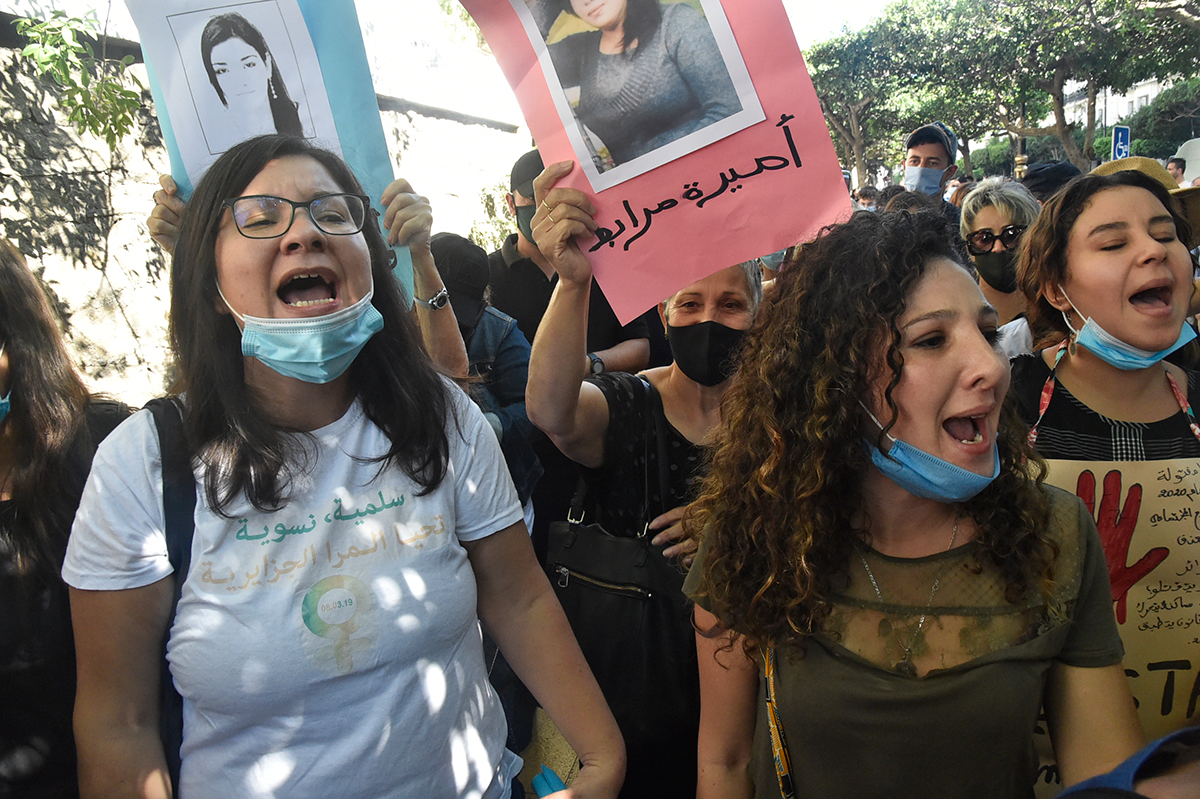
The Arab region’s diverse collection of 22 countries has one thing in common: Women continue to experience a backlash against their own long-overdue rights and fundamental freedoms. A combination of patriarchal structures, prolonged insecurities, and protracted crises means that this region ranks the lowest in the world in terms of women’s rights, with a gender gap that needs 153 years to close. No Arab country is even among the top 100 on this list.
The Primacy of the G Word: Governance, Not Only Growth
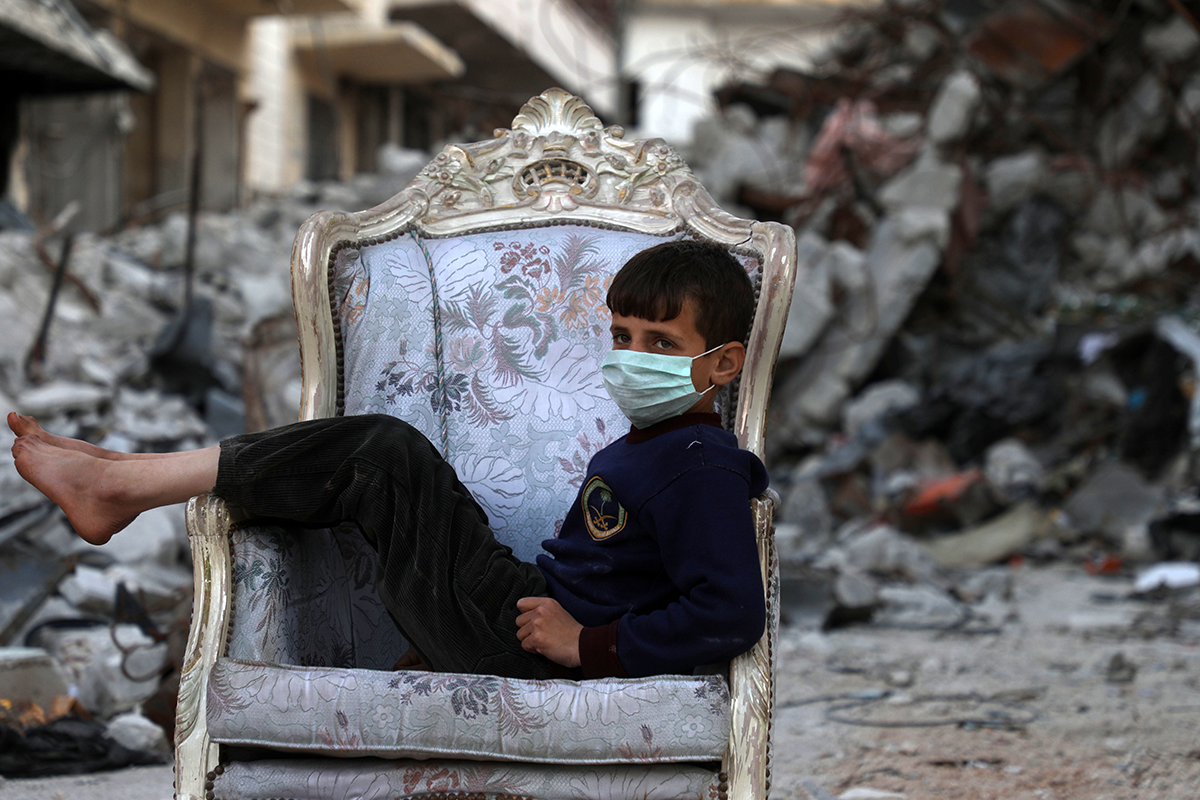
No one should deny the primacy of security concerns in the Middle East given the number of conflicts, of displaced people and refugees, and of implicated regional and international powers. What should inform future strategies and action plans, however, is the equal importance of maximization of well-being, liberty, and dignity for all.
The last year and a half has been tough on the world. The COVID-19 pandemic affected all aspects of life. We have done what we can to keep the disease at bay, and respected each other by following hygiene and physical distancing rules. Yet for much of the world’s poor — including the 82.4 million displaced people globally — the lockdowns were catastrophic, plunging millions into poverty, risking eviction and forced into overcrowded shelters. If you are living hand-to-mouth, only able to buy food and pay rent based on what you have earned that day, staying at home is impossible. And for refugees and other forcibly displaced persons fleeing persecution and conflict, keeping safe at home is not even an option.
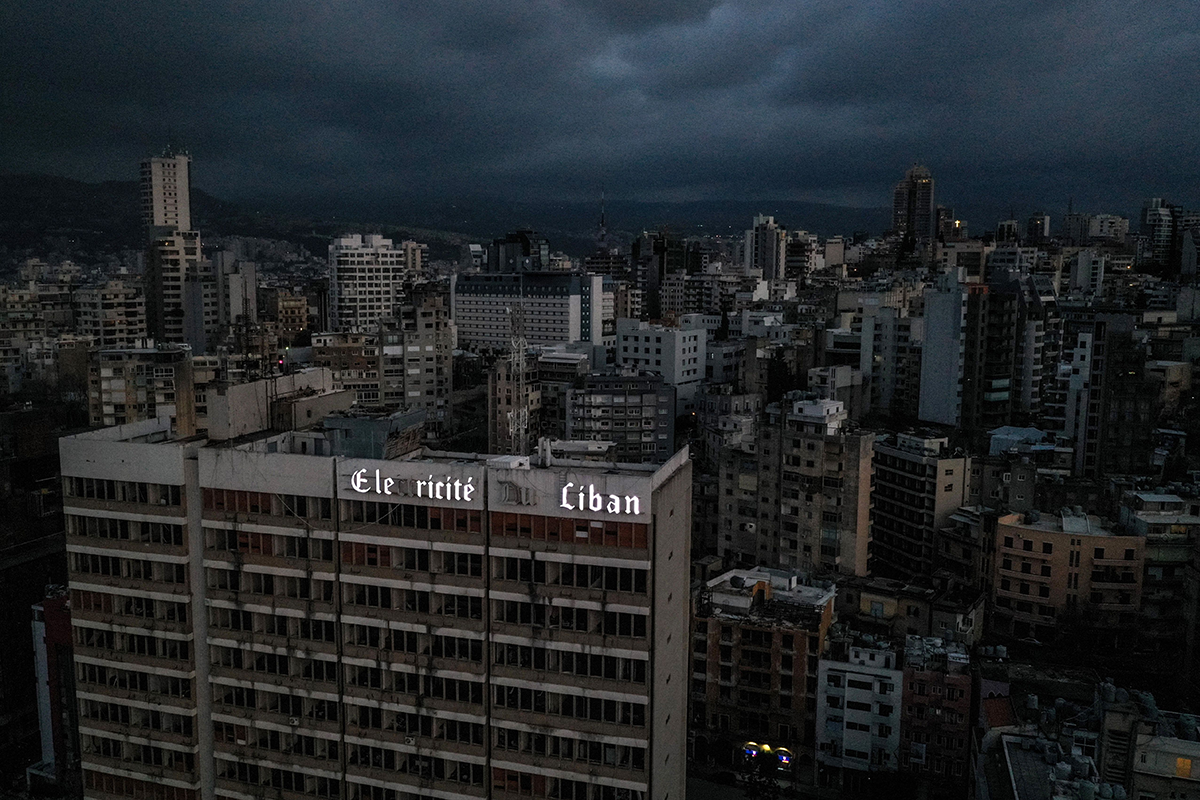
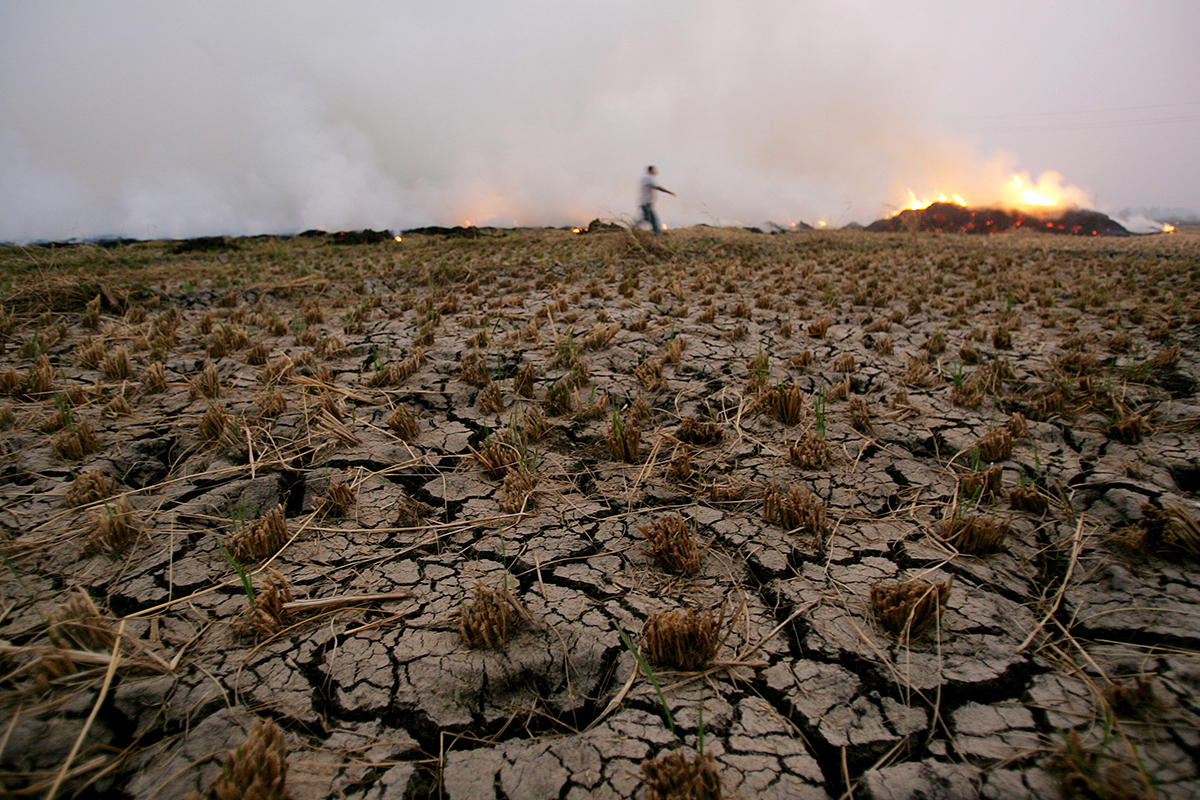
Projecting the Middle East into the future, climate change tops the challenges facing the region. With rising temperatures, higher sea levels, desertification, and the increasing frequency of extreme weather events, climate impacts are widely felt in everyday lives. To be sure, conditions vary given geographic diversity, but while heat stresses may be more extreme in the Arab Gulf, food and water security undermine long-term livability throughout the Middle East.
The most immediate threat posed by climate change to the Middle East, one that will be in the forefront of climate adaptation efforts within the next five years, is extreme heat. Average global temperatures have been projected to increase up to 1.5°C by 2030.