The following excerpt is from an interview with MEI Senior Fellow Alex Vatanka conducted by J. Dana Stuster for Lawfare. Read the full conversation here.
Iran Defends Space Program despite International Pressure
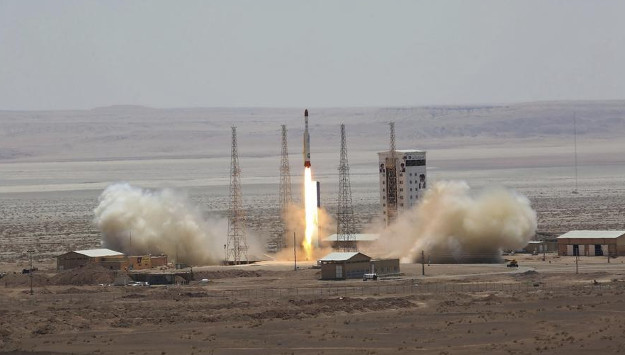
The Iranian minister of communications and information technology has rejected claims by the United States and European countries that Iran’s space projects are inconstant with the nuclear deal Tehran signed with world powers in 2015.
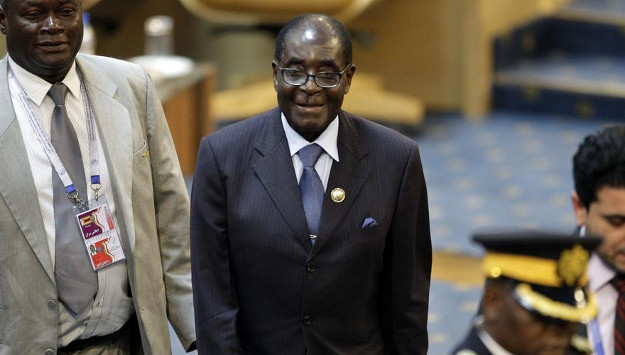
On Friday, Iranian Foreign Minister Javad Zarif held meetings with two African leaders visiting Tehran to attend President Hassan Rouhani’s swearing-in ceremony. In a meeting with Ghana’s Vice President Mahamudu Bawumia, the two leaders discussed ways to boost relations between the two countries, particularly in the fields of energy, banking, and agriculture.
Iraqi Shiite Leader Assures Iran He Won’t Visit Saudi Arabia
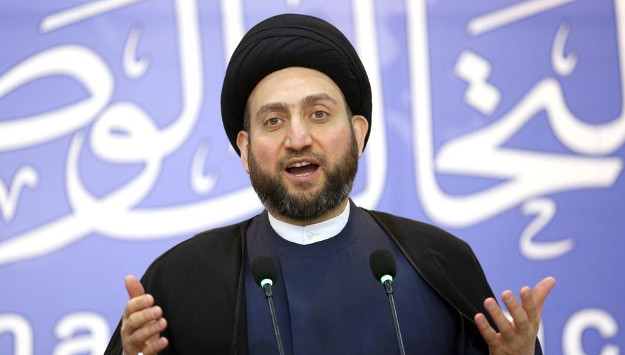
A senior Iraqi Shiite leader has rejected reports that he plans to visit Saudi Arabia, telling Iranian journalists that he will only visit the Kingdom if Saudi troops leave Bahrain and Yemen. “Saudi Arabia recently sent a message to me through a mediator asking if I would go to meet this country’s leaders if they invite me. I responded by saying that if their gift to me is leaving Bahrain and ending the killing of Yemen’s innocent people, I will certainly accept. Of course, this request was rejected by them.
A Band of (Muslim) Brothers? Exploring Bahrain’s Role in the Qatar Crisis
The crisis which has engulfed the Gulf Cooperation Council (G.C.C.) states since June 5, 2017, leading to an unprecedented diplomatic and economic blockade of Qatar, has effectively split the Gulf into three camps, fracturing the uneasy yet much-lauded unity of an alliance which has long prided itself on stability and security. This essay offers a possible explanation for Bahrain’s contradictory position regarding the crisis, and considers whether Manama can maintain it.
Iran-Backed Popular Mobilization Forces Preparing for Post-Islamic State Iraq
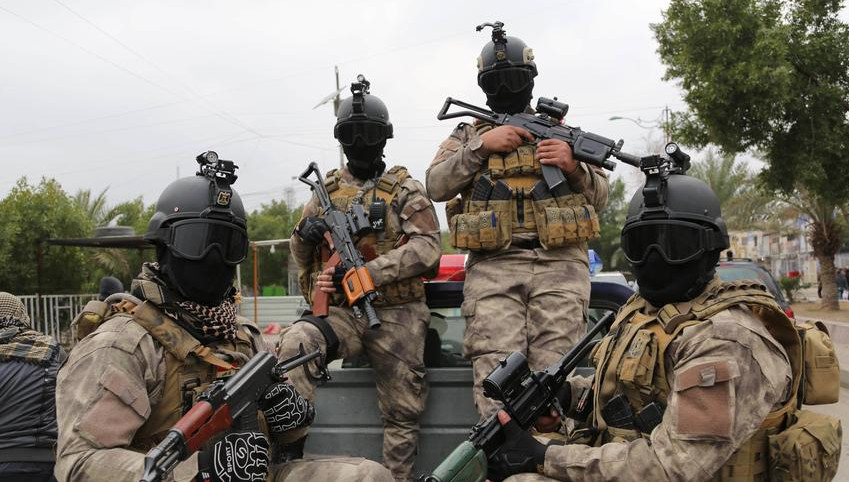
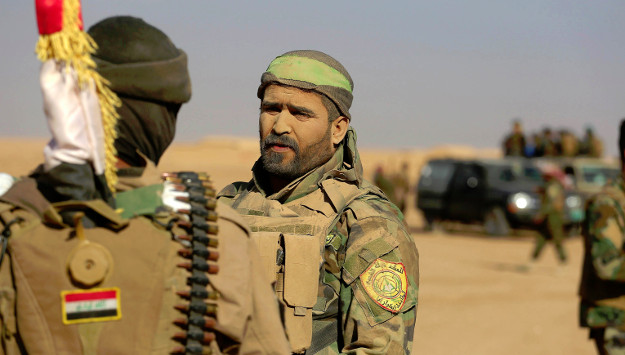
With the fall of Mosul, Iranian-supported Iraqi Popular Mobilization Forces (P.M.F.) is preparing for post-Islamic State Iraq. The paramilitary forces have recently launched a professional public relations campaign on the Internet and social media aimed at justifying and legitimizing P.M.F.’s existence beyond the collapse of the Islamic State. Should the P.M.F. prevail in this effort, it will mark a victory for the Islamic Revolution Guards Corps (I.R.G.C.), which has aided P.M.F. groups for years and sees them crucial for its influence in Iraq in the future.
Khamenei Vows to Continue Missile Activity Defying International Pressure
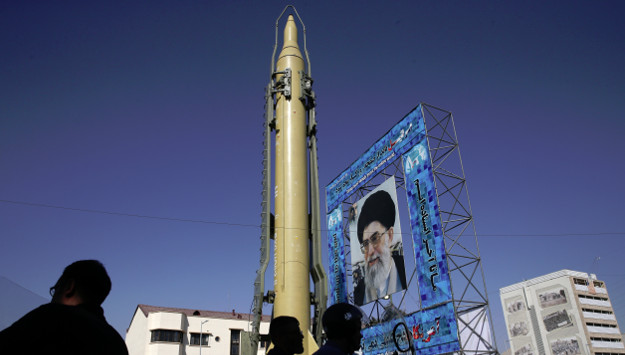
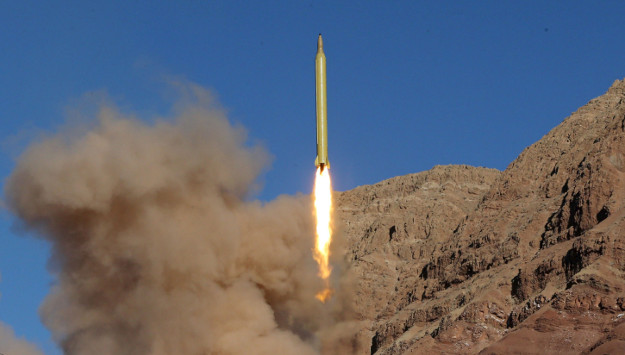
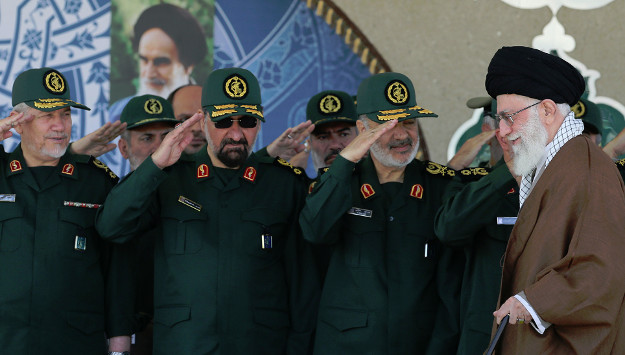
Iran’s Supreme Leader Ali Khamenei today sharply criticized the latest U.S. sanctions and vowed that the Islamic Republic will defy international pressure and continue its missile program. “We send orbital launch vehicles to the space, but suddenly we see that they’ve created uproar over it, throughout the world, while this is merely a scientific and technical activity,” he said at ceremony in which he officially validated President Hassan Rouhani’s reelection.
Iran’s Foreign Ministry Accuses U.S. of Violating Nuclear Deal, Vows Response
Iran’s Foreign Ministry has blasted President Donald Trump for signing a congressional bill that levies new sanctions against Iranian entities associated with the country’s missile program and support for terrorism in the region. “We will not remain silent regarding the breach of J.C.P.O.A. [Joint Comprehensive Plan of Action also known as the Iran nuclear agreement] by America and the government and parliament will soon announce this country’s retaliatory measures,” Foreign Ministry Spokesman Bahram Ghassemi said today.
Iran Counts on E.U. Support If U.S. Decides to Abandon Nuclear Deal
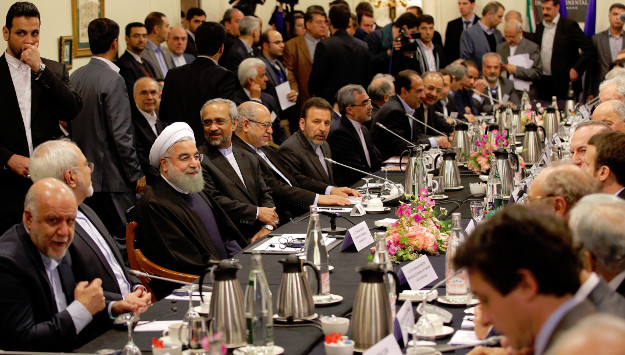
A senior Iranian official said that Tehran will not let the Trump administration to blame Iran if the nuclear deal falls apart. “America is seeking to walk away from the J.C.P.O.A. [Joint Comprehensive Plan of Action also known as the Iran nuclear deal] at the expense of Iran,” warned Ali Shamkhani, the Secretary General of Iran’s Supreme National Security Council.
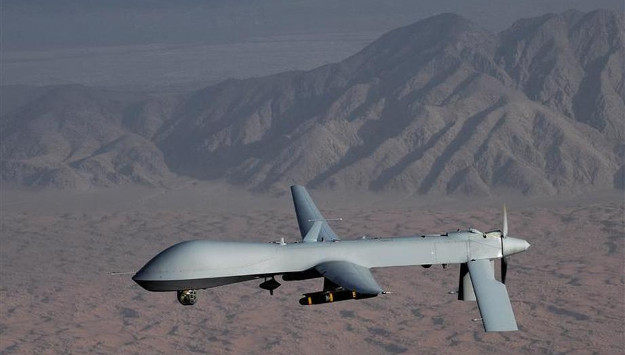
Armed drones are on the edge of widespread proliferation, with China now entering the market and a growing appetite for the lethal weapons in the Middle East. This new development, however, should not become reason for the United States to mimic China’s behavior. Instead, Washington should continue its policy of judicious flexibility in regard to drone sales.
My day job is as a Professor of Israel Studies at the University of Maryland; every fall I teach a large course entitled “Fundamental Questions of the Israeli/Palestinian Conflict.” A few years ago I was lecturing about the 1973 Yom Kippur War and explained that, as I see it, the war was essentially as a draw, in which Egypt and Israel both lost and won.
Iranian General to Tillerson: U.S. Has No Option but to Leave Region
The deputy head of the Iranian Armed Forces has threatened to respond to the latest U.S. “insults” and stressed that the United States has to leave the region. “Insults by American authorities result from their inability to counter the achievements of the resistance front,” Brigadier General Massoud Jazayeri said, referring to Secretary of State Rex Tillerson’s remarks about Iran’s role in destabilizing the region and its support for armed proxy groups.
Competing Iraqi Shiite Militias: Tehran’s Design or Strategic Blunder?
Since the 2003 U.S. invasion, Tehran has encouraged and contributed to the formation of countless Shiite militia groups in Iraq. While most of these armed groups are now formally organized under the umbrella of the Popular Mobilization Forces (P.M.F.), they have in reality remained independent entities and are not controlled by the civilian government in Baghdad.
But has Tehran committed a strategic blunder by fracturing the Iraqi Shiite armed groups or does the existence of competing Shiite Iraqi militias benefit the Islamic Republic?