The coming US-China cold war: The view from the Gulf
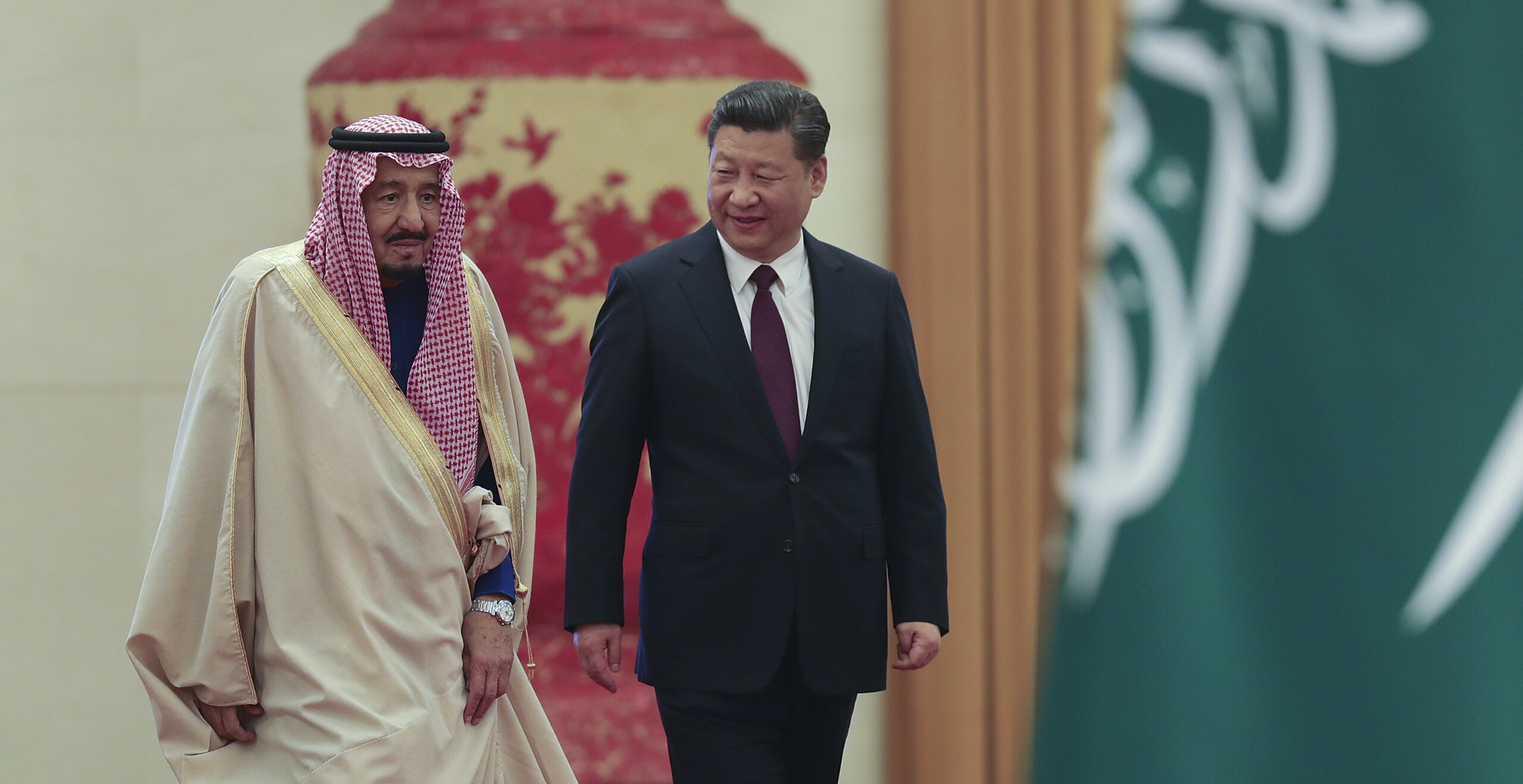
Around the world, leaders are scrambling to define their strategy for dealing with the inevitable U.S.-China cold war to come, and the Gulf is no exception. Considering the different objectives and perspectives that the region has in regard to the two superpowers, any misstep in forming alliances could be detrimental to its future.
After last year’s crisis, Pakistan and Saudi Arabia pursue a reset
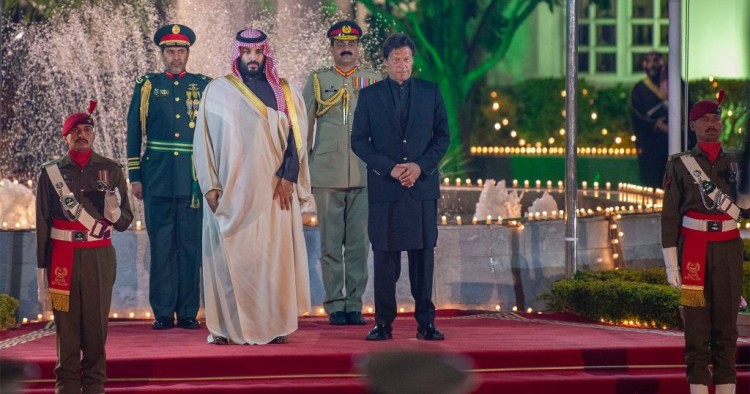
After last year’s much-publicized spat between Pakistan and Saudi Arabia — culminating with Riyadh’s demand for early repayment of $3 billion in loans meant to shore up Islamabad’s foreign exchange reserves — tensions between the two countries have since cooled. Pakistan and Saudi Arabia appear to be in the midst of a reset of relations.
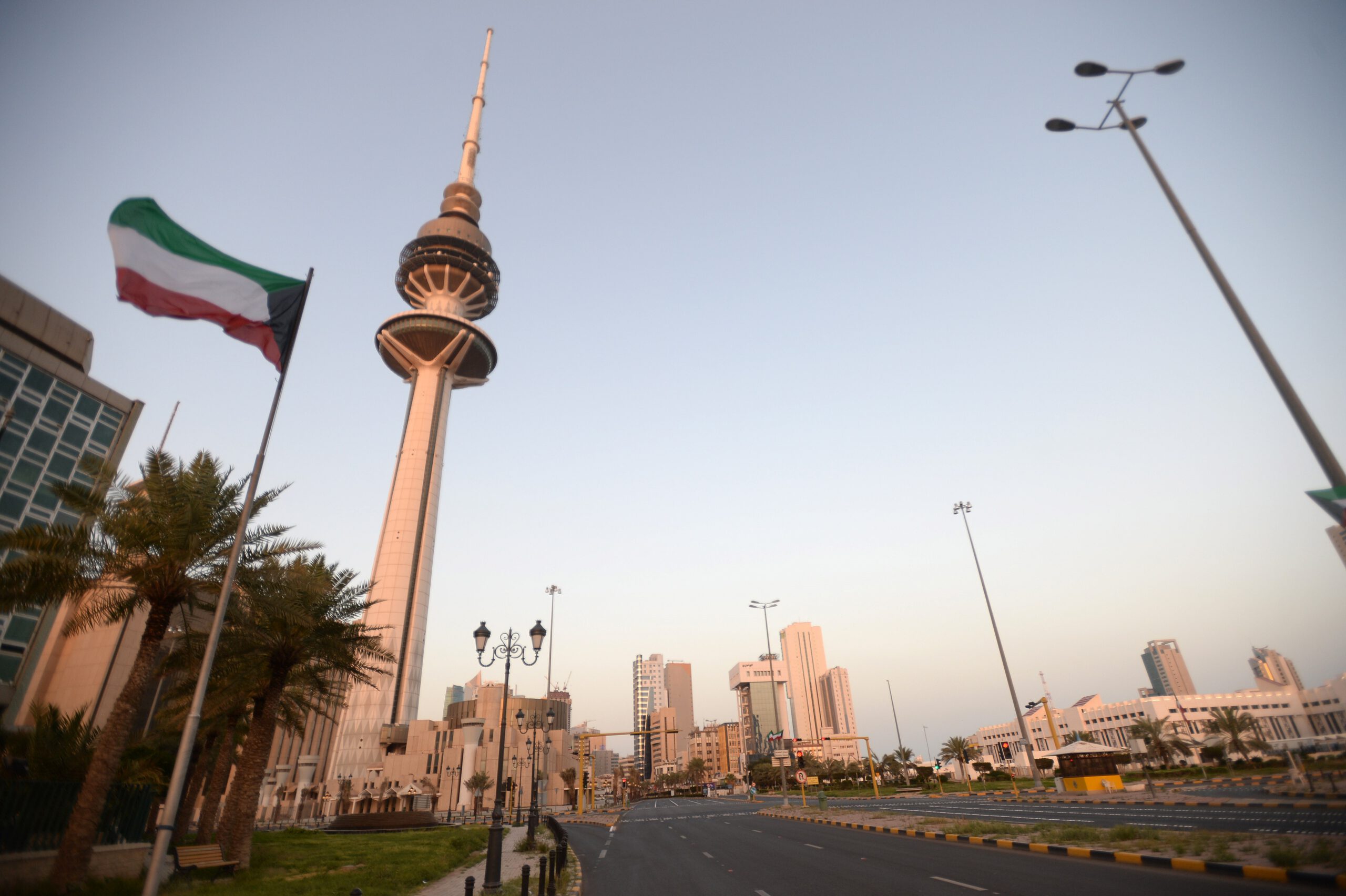
Kuwait is stuck in a major predicament. The government continues to engage in significant deficit spending, even as its readily available funds dwindle, while political gridlock limits the government’s ability to replace those shrinking financial resources.
The Biden Administration and the Middle East: Policy Recommendations for a Sustainable Way Forward
In a new policy briefing book, entitled The Biden Administration and the Middle East: Policy Recommendations for a Sustainable Way Forward, MEI scholars tackle a large number of country-specific and region-wide issue areas, laying out both the abiding U.S. interests and specific recommendations for Biden administration policies that can further U.S. interests amid a region in turmoil.
How is Iran responding to Biden’s policy shift on Yemen?
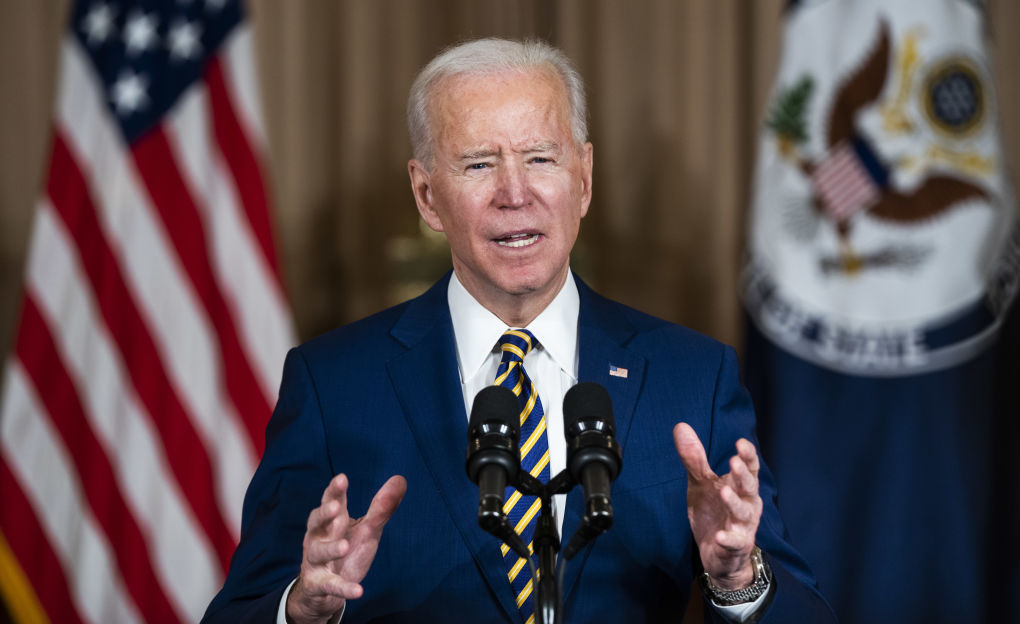
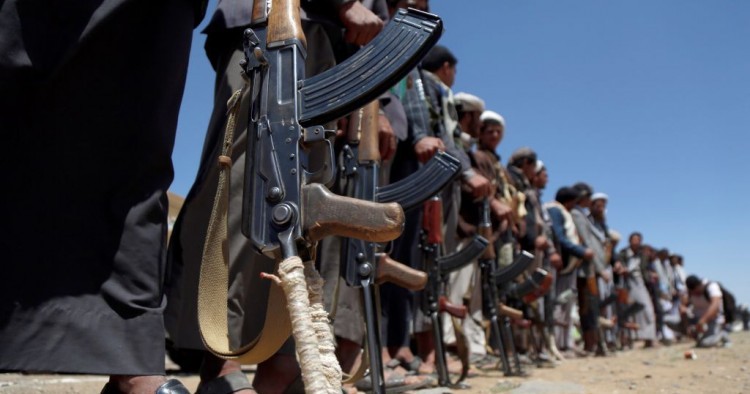
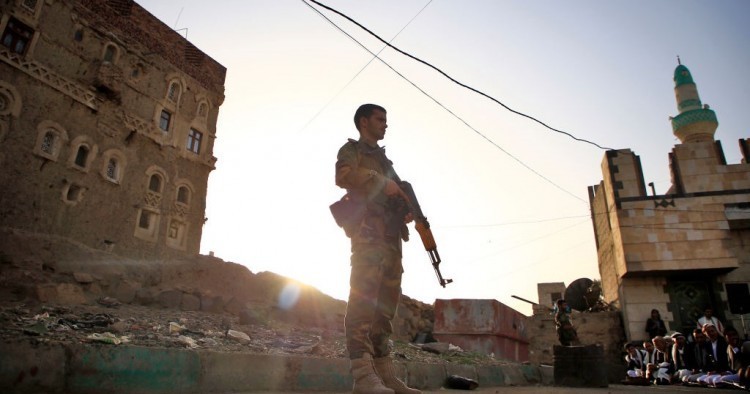
On Feb. 4, President Joe Biden announced the end of U.S. support for the Saudi Arabia-led coalition’s offensive military operations in Yemen. This decision fuelled optimism about a U.S. return to negotiations over the JCPOA with Iran. Instead of engaging with the United States, Iran has supported the Houthi-orchestrated Marib offensive and stepped up its diplomatic efforts in Yemen.
Iranian and Saudi women: Overcoming comparative suffering?
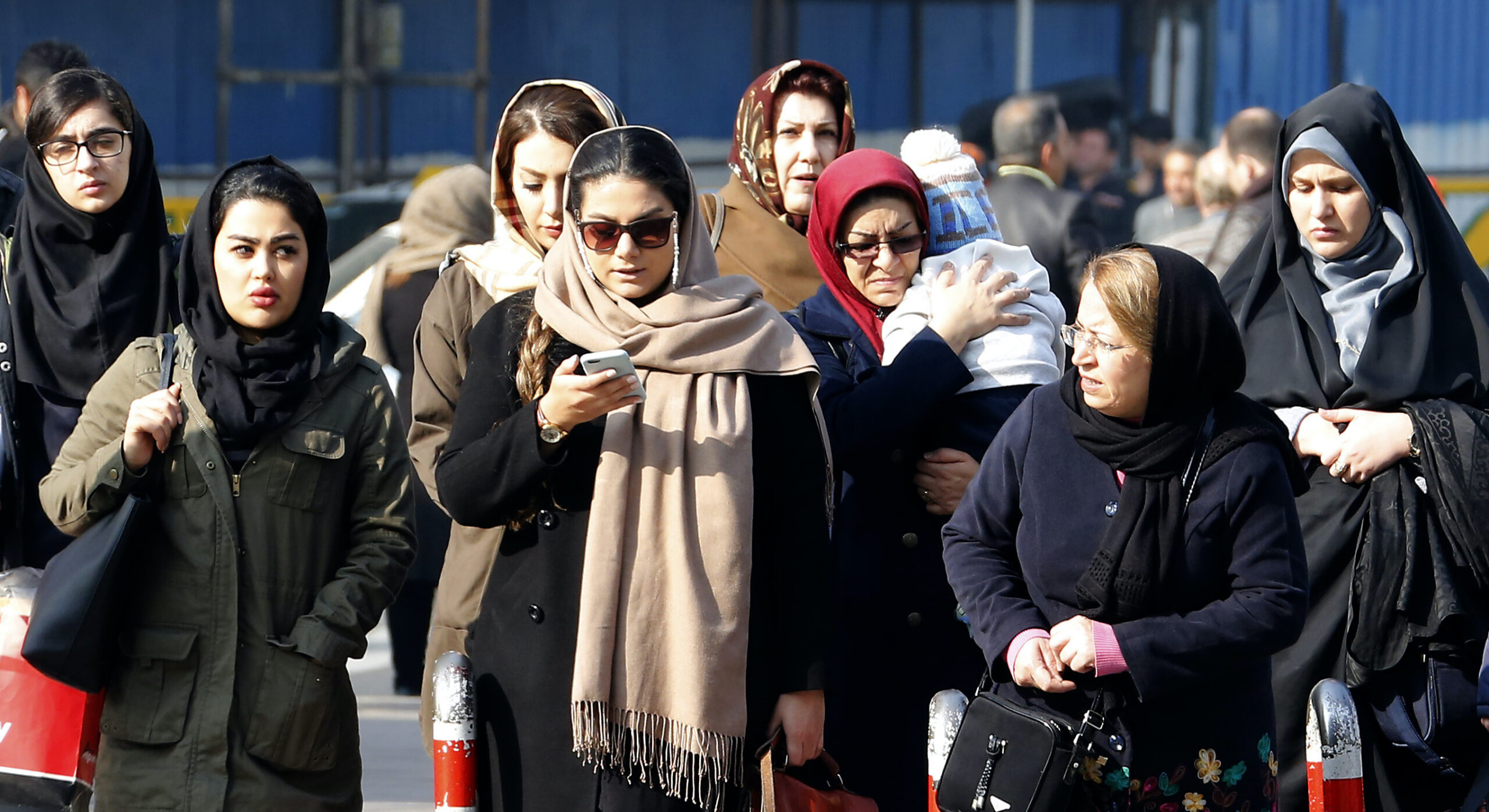
For many decades, Iran and Saudi Arabia have been bitter rivals, but not over women. If there was a competition, it was only over whose government could impose more limitations on their female population.
Yemen’s Joint Declaration: A bigger repeat of the stalled Hodeida Agreement?
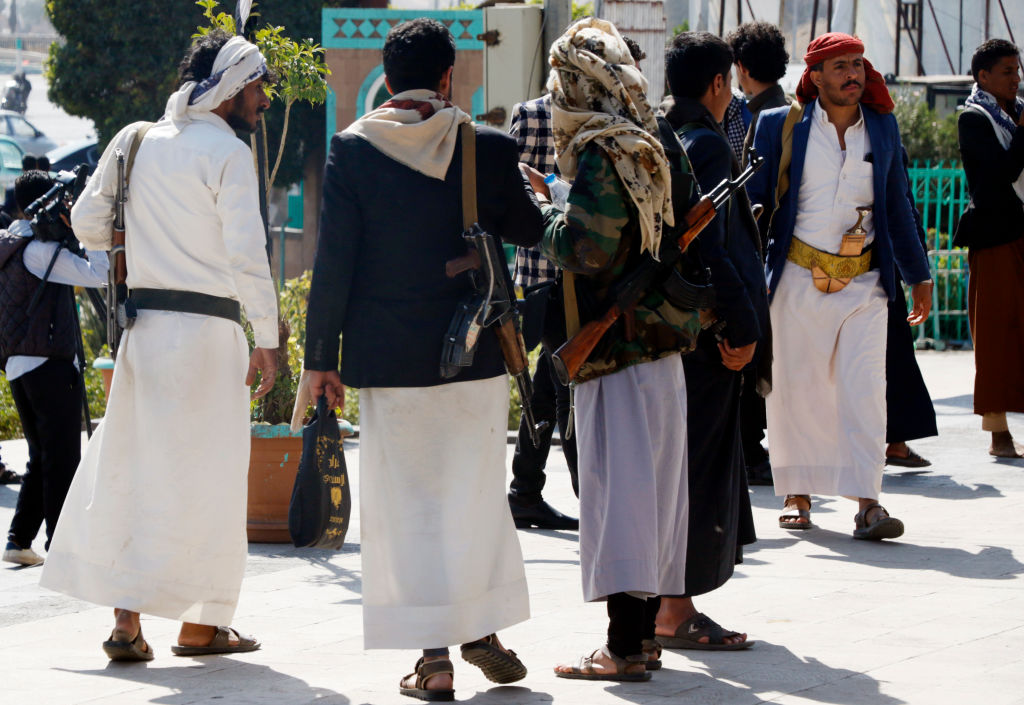
With debate on Yemen in recent weeks focused on the decision by the U.S. State Department to revoke the Houthis’ designation as an FTO, the Joint Declaration (JD) proposal by U.N. Special Envoy for Yemen Martin Griffiths has received relatively little attention. Since the global outbreak of COVID-19 a year ago, the U.N. special envoy has sought to use the urgency engendered by the pandemic to broker a nationwide cease-fire alongside a set of confidence-building measures — branded as the JD — between the Houthi rebels and the Republic of Yemen Government. But the content of the proposal is not new, nor is it a recipe for effective de-escalation and sustainable conflict resolution.
Sahar Khamis, Sabina Henneberg, Karam Shaar, and Ibrahim Jalal join host Alistair Taylor to examine the legacy and impact of the Arab Spring in Tunisia, Egypt, Yemen, and Syria ten years after the uprisings began.
The tiny Persian Gulf country of Qatar has chosen a herculean task for itself: to mediate between the United States and Iran. As Qatar’s Foreign Minister Sheikh Mohammed bin Abdulrahman al-Thani put it on Feb. 10, Doha “is working on de-escalation through a political and diplomatic process.” To this end, al-Thani recently spoke to U.S. National Security Adviser Jake Sullivan and U.S. Special Representative for Iran Robert Malley.
Geo-technology trends to watch in MENA in the 2020s
Ongoing conflicts in Syria, Libya, and Yemen are expected to continue to destabilize the Middle East and North Africa (MENA) in 2021. However, technology will likely add another layer of complexity to these conflicts and reshape the region throughout the 2020s. When the Arab Spring began a decade ago, the biggest challenge facing long-standing Arab autocrats was grappling with the power of social media and the rise of online political opposition by tech-savvy millennial activists. In the 2020s, however, regional governments are now facing a new set of emerging technologies that will shape not only domestic politics but also regional geopolitical dynamics. These advancing technologies include: drone, cyber, and space technologies.
Opinion: Yemen's Arab Spring goals were lost. Here's how to bring them back
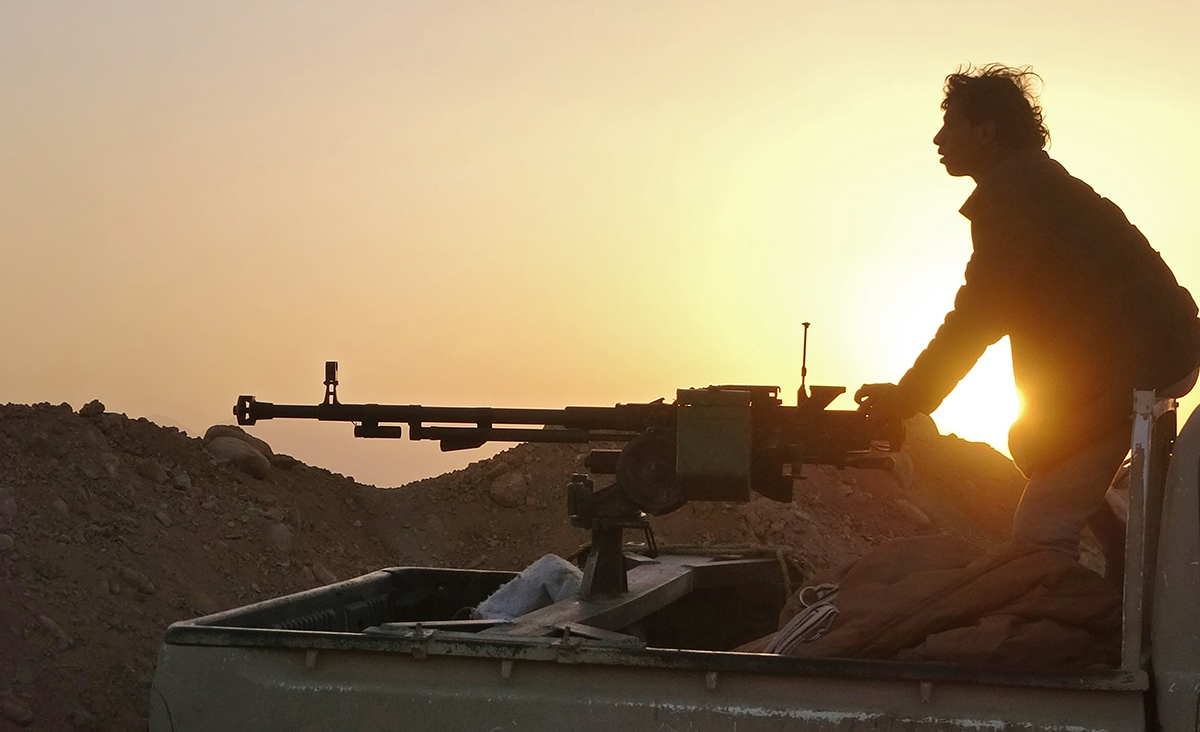
The president’s decision to end support for Saudi Arabia’s offensive operations in Yemen was certainly broadly anticipated. Nevertheless, it offers new hope for an end to more than six years of brutal conflict that has largely pitted Saudi-led coalition forces against Houthi rebels supported by Iran.
As Farmaajo digs in with Qatari backing, Somalia’s election crisis grows worse
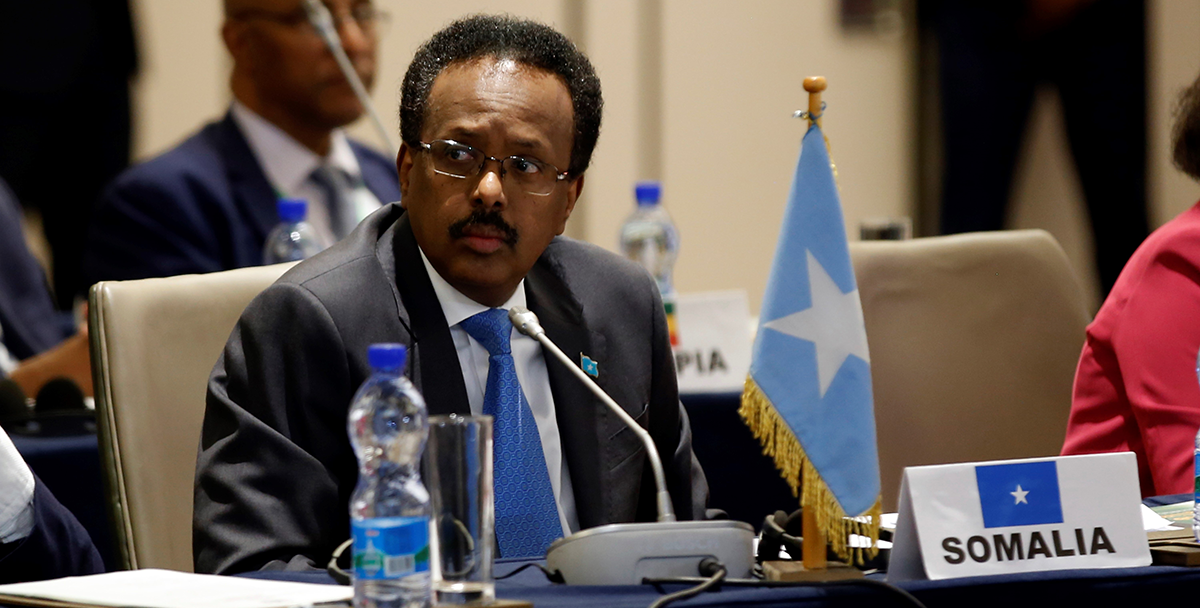
Mohamed Abdullahi Farmaajo’s presidential term ended on Feb. 7, 2021, but he remains in office, determined to hold onto power. Backed by Qatar, the incumbent president has become increasingly dictatorial, waging wars against the country’s independent media, political opposition, and the federal member states.
Why the “end the Yemen war” narrative is problematic
On Feb. 4, the Biden administration announced the appointment of Timothy Lenderking as the U.S. special envoy to Yemen. In a televised speech, President Joe Biden said that by appointing Lenderking, the U.S. is stepping up its diplomatic efforts to end the war in Yemen and by extension the humanitarian catastrophe the war has created. While Lenderking’s appointment is a much-needed step, the “end the Yemen war” discourse championed by Western policy analysts, diplomats, and peace advocates is highly problematic and disconnected from the reality on the ground.