Bringing Social Class into Humanitarian Debates: The Case of Northern Lebanon
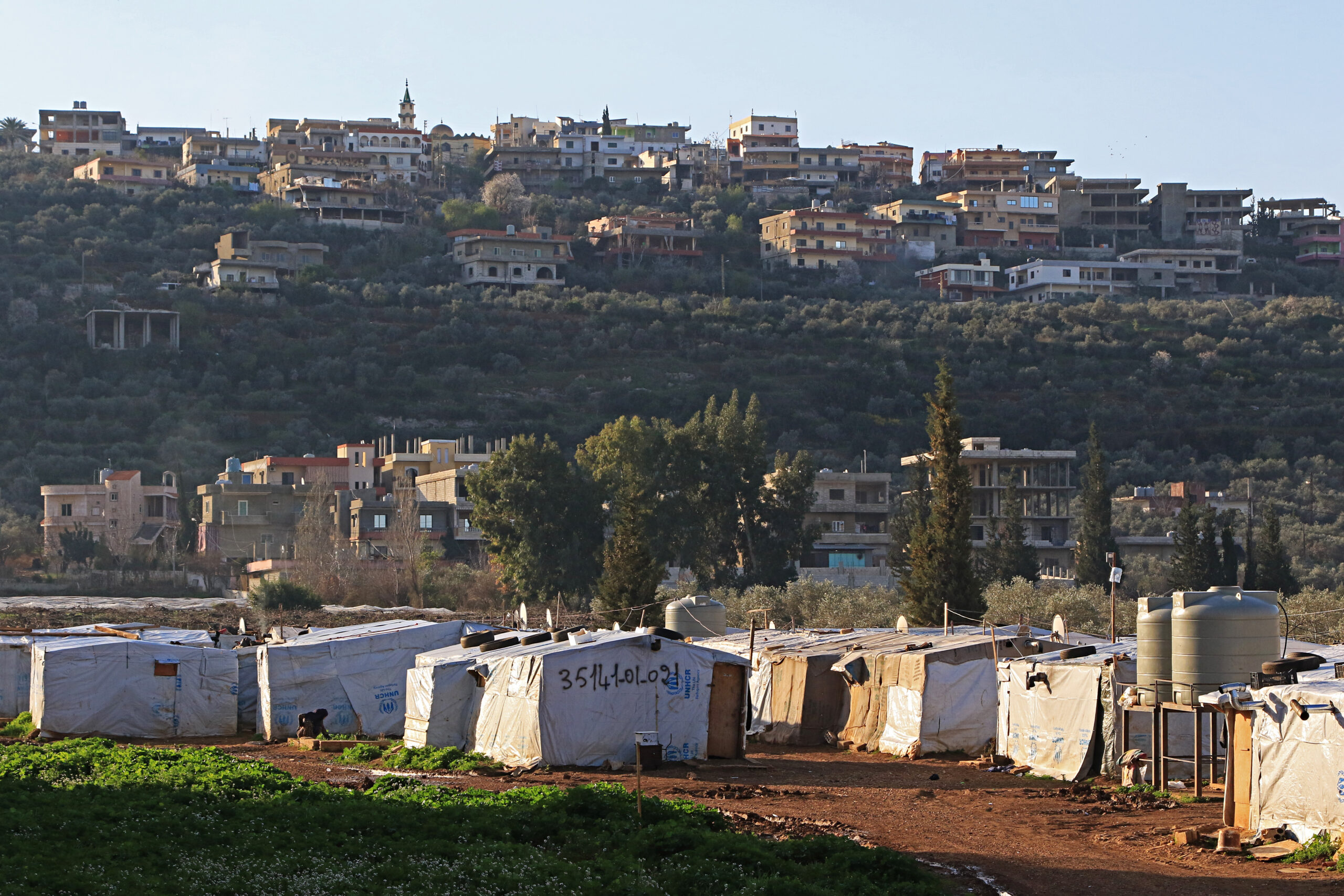
Cities are commonly regarded as the primary places where class economies become layered and articulated; however, the debates on “urban humanitarianism” have neglected social class as a key factor that significantly marks the relationship between aid providers and recipients in settings of aid provision. The small city of Halba, in northern Lebanon, vividly illustrates how the class economy has tacitly been shaping humanitarian programming and how the very presence of humanitarian actors on the ground reinforced the pre-existing class-based inequality.
Iraq: No clear path out of the crisis
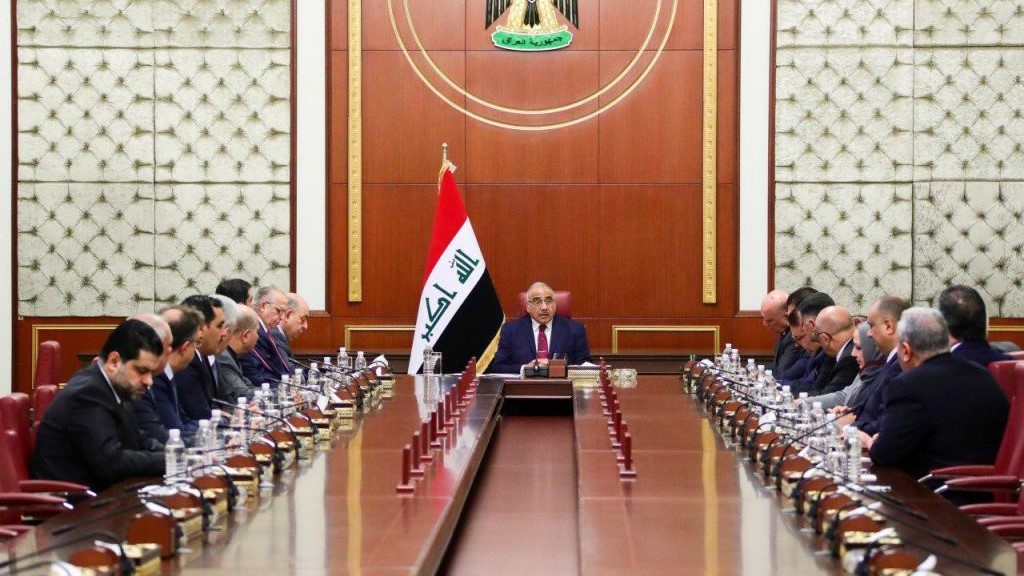
There is no end in sight to Iraq’s political crisis even though Parliament unanimously voted to remove Prime Minister Adel Abdul-Mahdi on Sunday. Abdul-Mahdi now tends a caretaker government while Iraq’s political leaders are interpreting the country’s constitution to give President Barham Salih 15 days starting from Nov. 30 to name a new prime minister.
Iraq’s political crisis as seen from Tehran
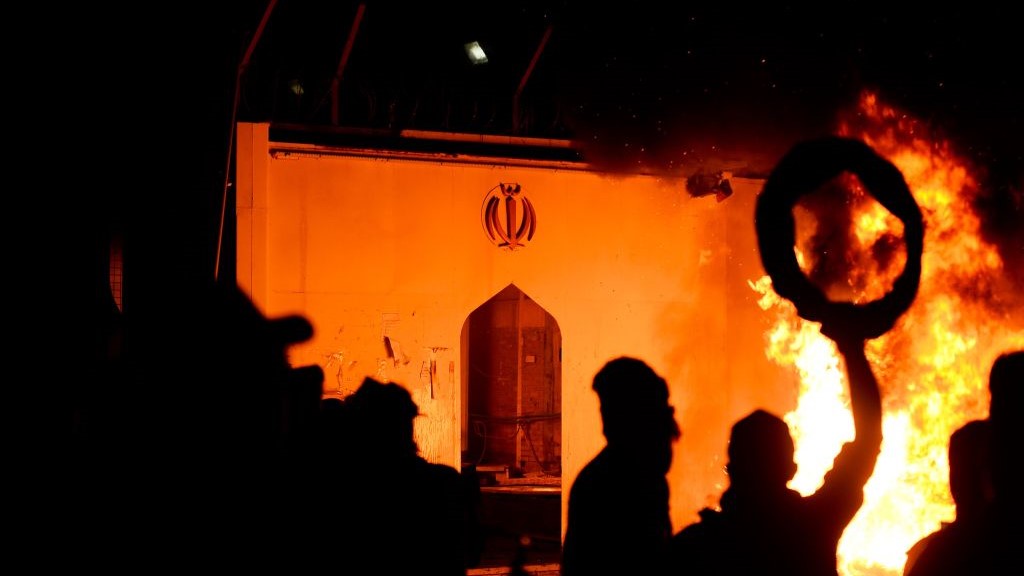
Tehran’s reaction to the resignation of Iraqi Prime Minister Adel Abdul-Mahdi is one of accepting the seemingly inevitable.
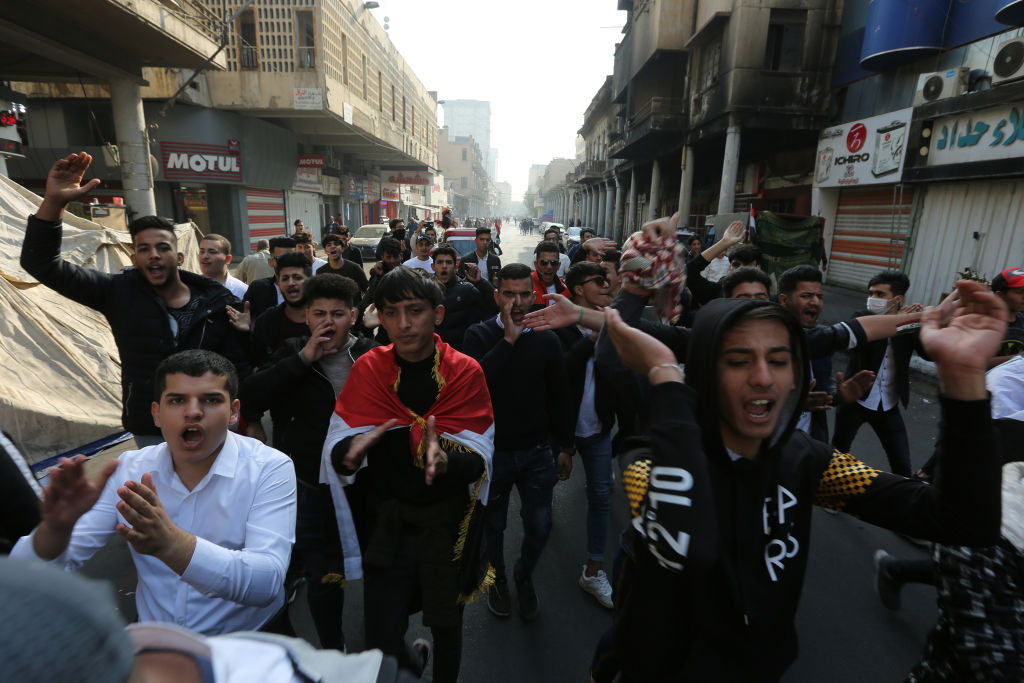
Iraq’s protests continue in force amid political turmoil
Although 350 Iraqis have died to date and close to 16,000 have been wounded, protesters are not going home. Yet, most of the ruling clique is still rejecting the idea of forcing the prime minister to resign.
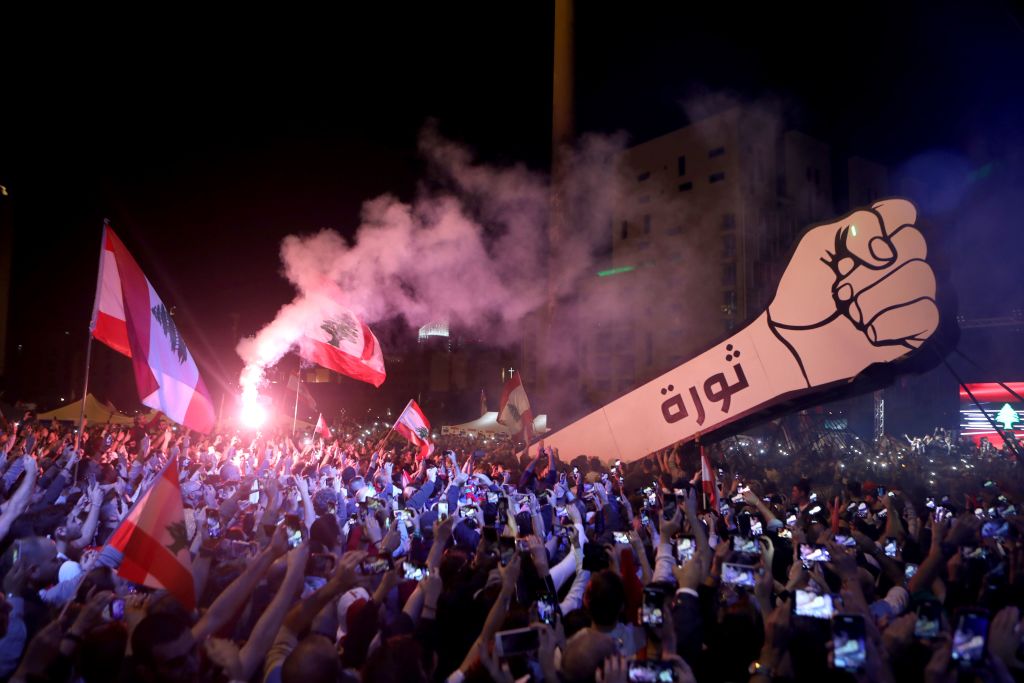
Leveraging the Current Uprising for Sustained Political Change
The nationwide protests are the most significant domestic political development in Lebanon since the end of the civil war. It would be useful to examine both the short and long term political potential of this new awakening.
In the short term, the protests have already mobilized the power of the public to bring down a corrupt and ineffective government, and to gain great leverage on the rejection or acceptance of any new government. They have also raised urgent national demands and forced the ruling class to confront these demands.
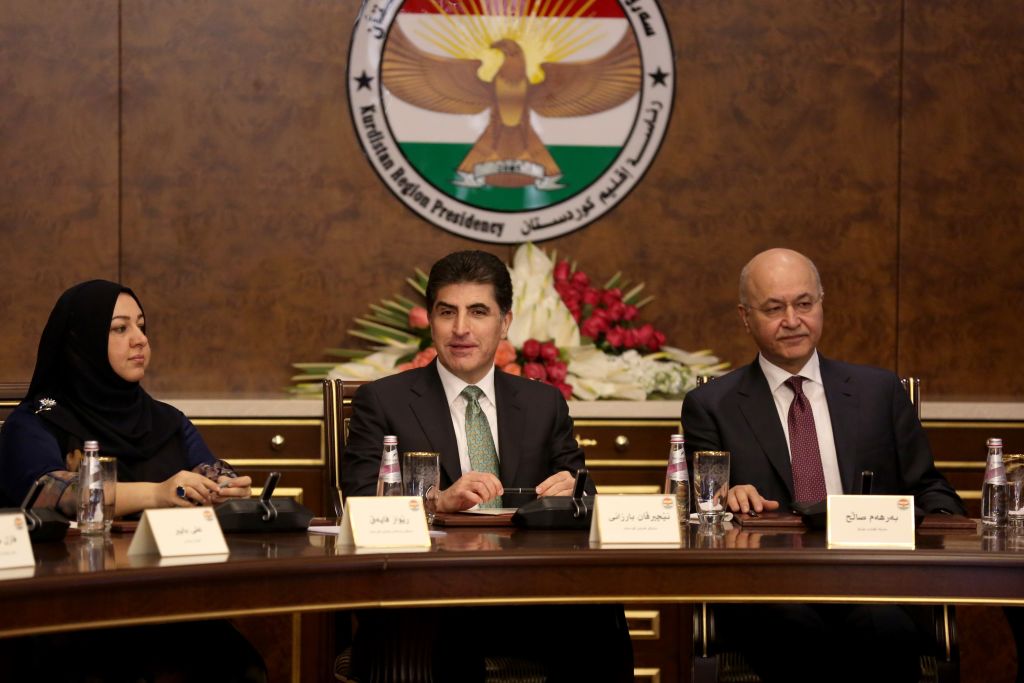
Breaking each other’s fingers: Kurdish parties nervously watch Baghdad — and one another
Since early October, the southern provinces of Iraq have been consumed by protests and strikes. While ruthlessly attempting to suppress protests, the Iraqi government has promised legal and political reforms. Yet some of the Kurdistan Region-Iraq’s elites are suspicious that the government’s reform agenda is a “conspiracy” against Kurdish entitlements masquerading as a good faith effort to placate the protestors. The region’s hegemonic parties are concerned that legal, constitutional, and procedural reforms may overhaul the institutions that guarantee their positions of influence in the federal government and secure their territorial claims.
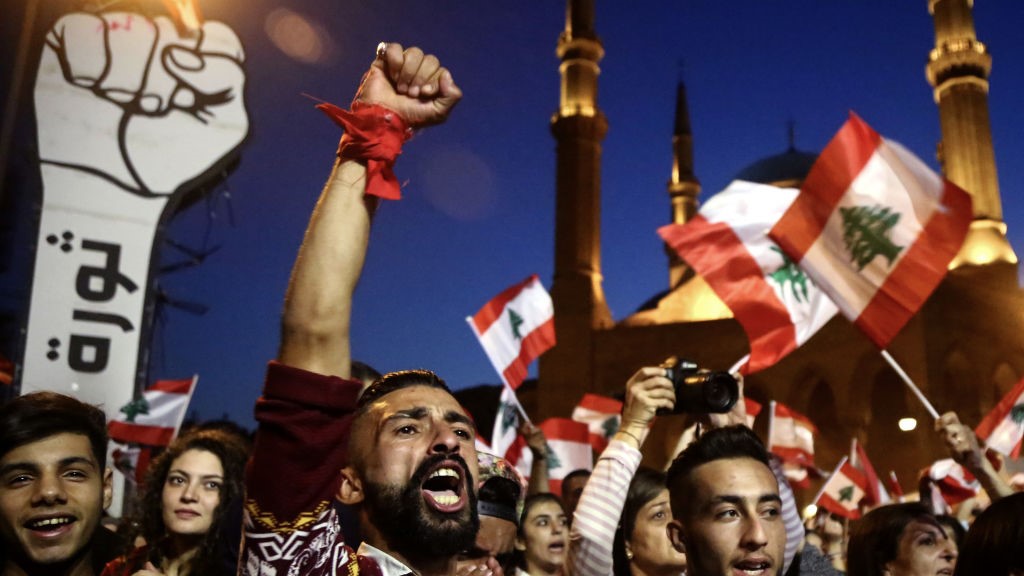
Lebanon’s leap into the unknown
On a recent trip to my native Lebanon I looked on its ongoing, unprecedented protests with both wonder and worry. The country is a month into widespread anti-government demonstrations. The protests’ scale ebbs and flows but the relative calm during my stay had a fleeting if not sinister quality to it. That calm is unraveling. However this chapter of Lebanon’s history unfolds, this complicated country has changed irreversibly.
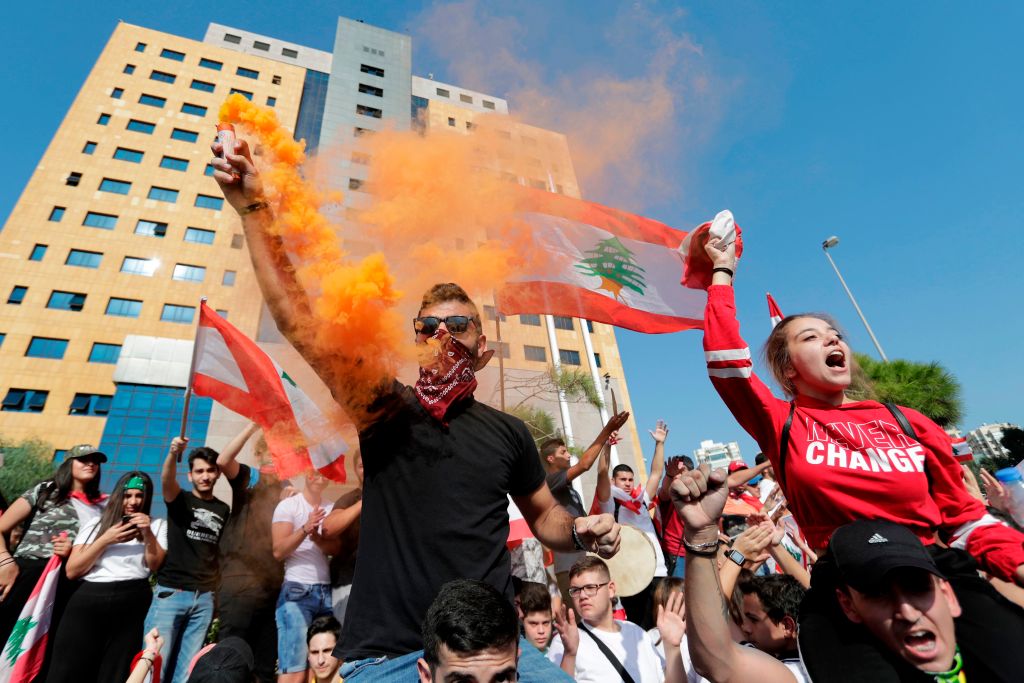
Lebanon protests enter their second month amid stalemate and uncertainty
In Lebanon, the protests have entered their second month with contending parties stuck in a stalemate that is not hurting enough to incentivize concessions from any party. Ruling elites are at a loss what to do.
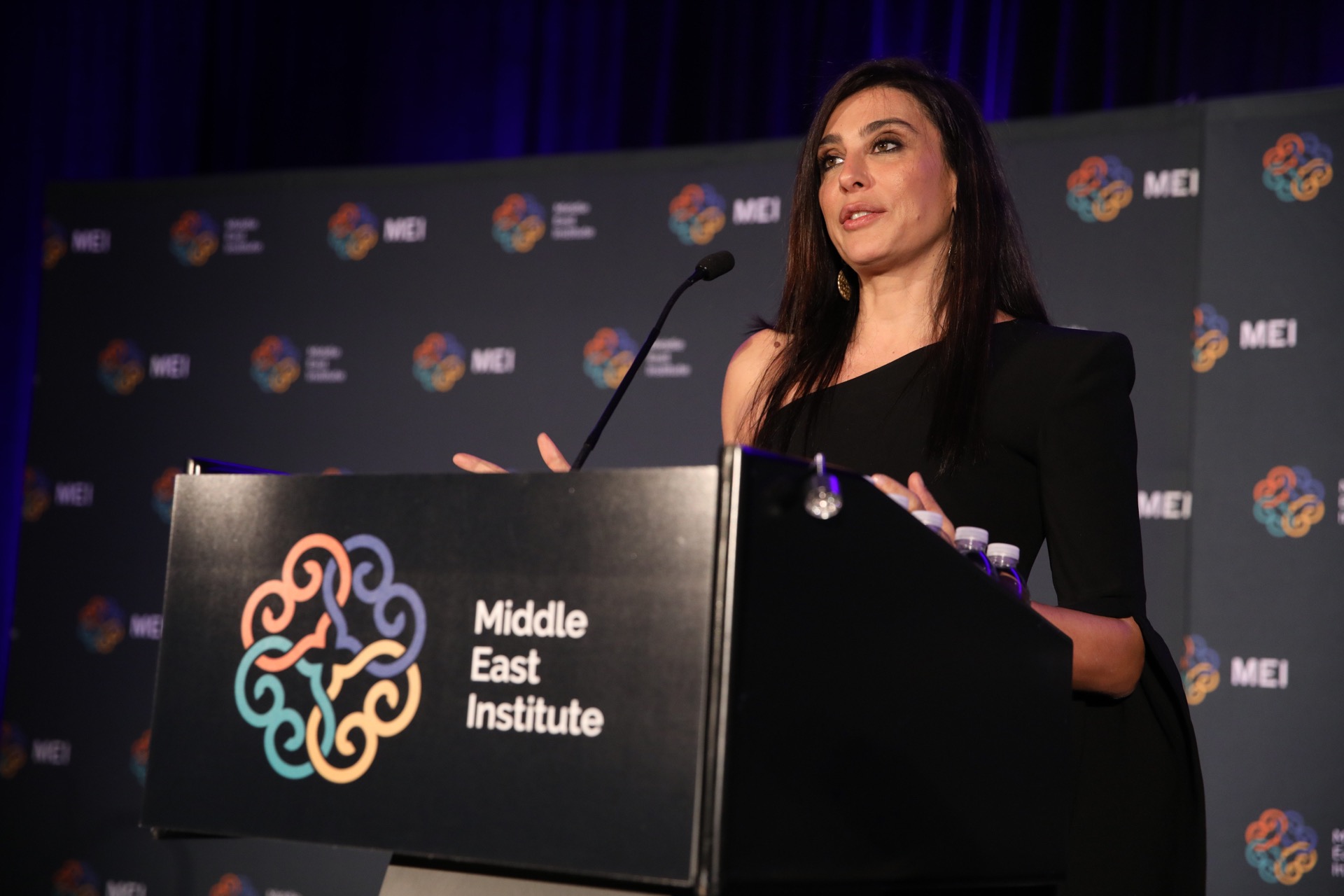
Nadine Labaki receives 2019 Issam M. Fares Award for Excellence
Oscar-nominated Lebanese film director Nadine Labaki received the 2019 Issam M. Fares Award for Excellence at MEI’s 73rd Annual Awards Gala on November 12 in Washington, DC.
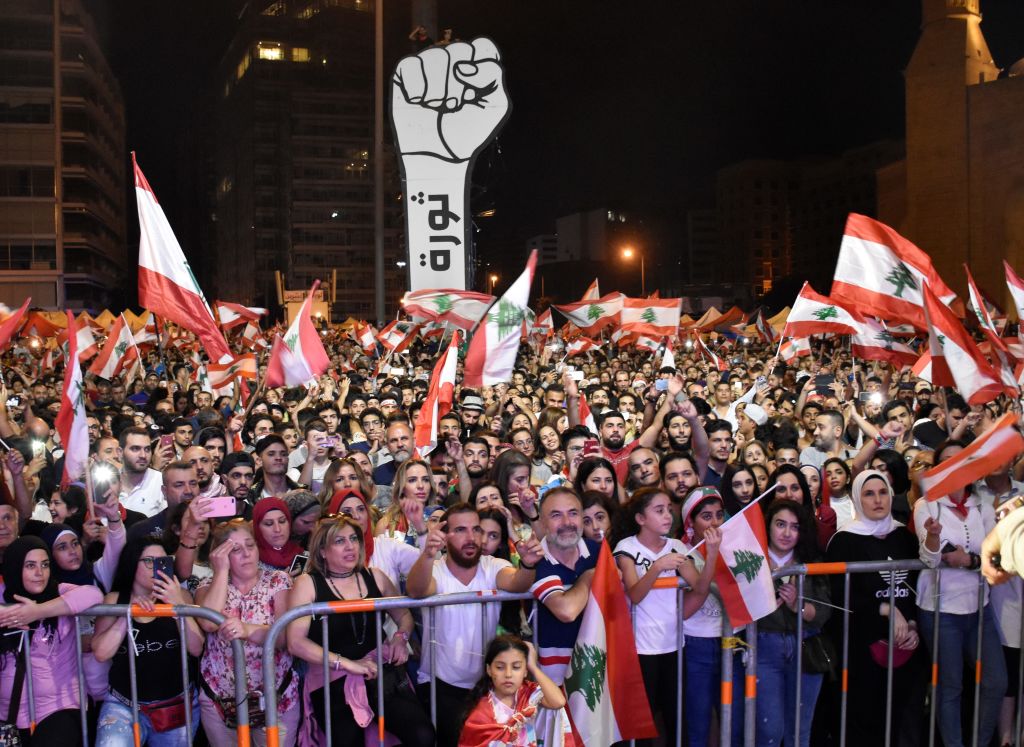
Lebanon’s revolution will be deeper and longer
Lebanon’s popular uprising seems to be moving into a long and painful standoff between, on the one hand, a new generation along with a wide spectrum of the population demanding wholesale accountability and profound change, and on the other a ruling class mired in an interdependent web of corruption, intent on protecting its interests and waiting out the populace.
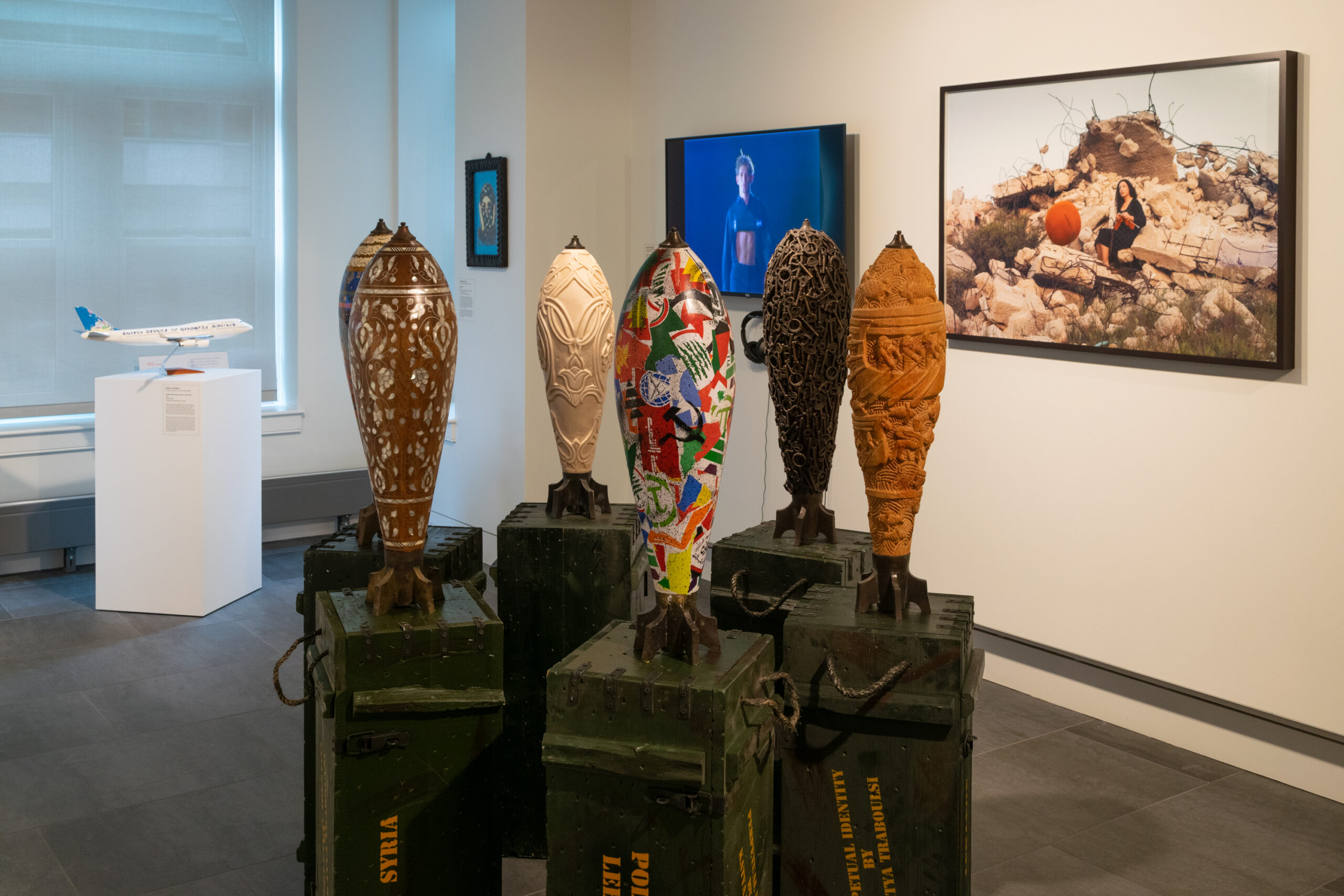
Perpetual Identities: Interview with Katya Traboulsi
Lebanese artist Katya Traboulsi joins guest host Lyne Sneige to discuss her art exhibition, Perpetual Identities, which consists of 22 hand-crafted replicas of bombshells used in the Lebanese civil war, each adorned with designs and iconography associated with the artistic traditions of 22 featured countries.
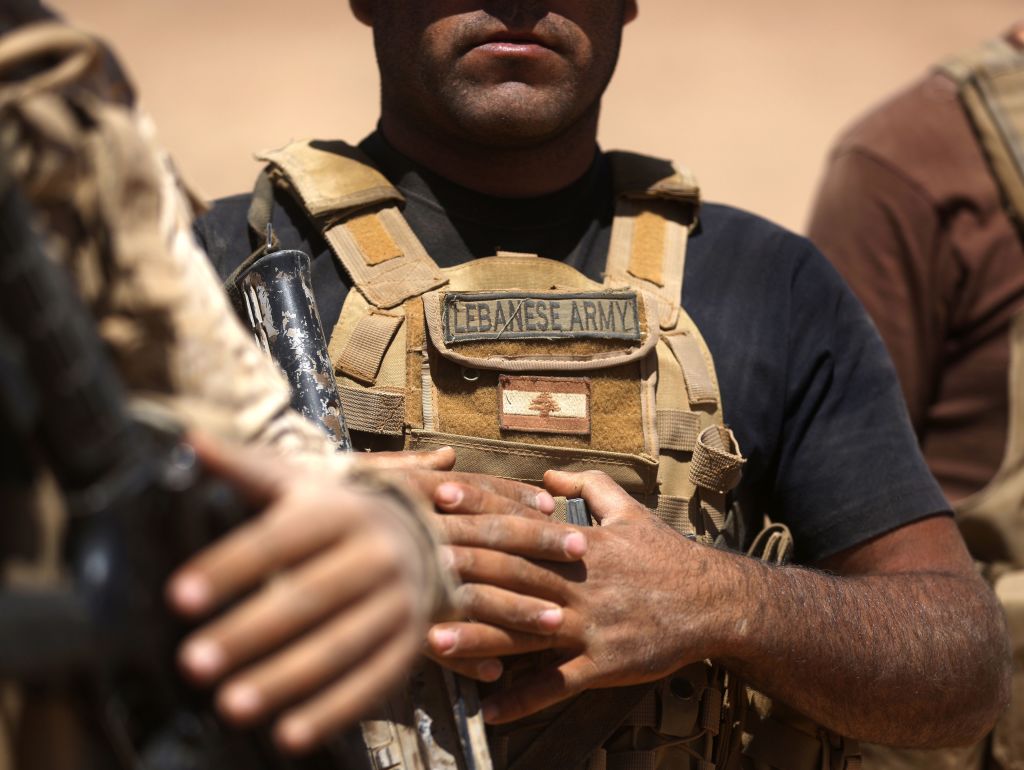
Washington Should Back, Not Punish, the Lebanese Military
With ongoing protests, potential sectarian clashes, and threats of terrorism in the region looming, the country’s armed forces need propping up now more than ever.
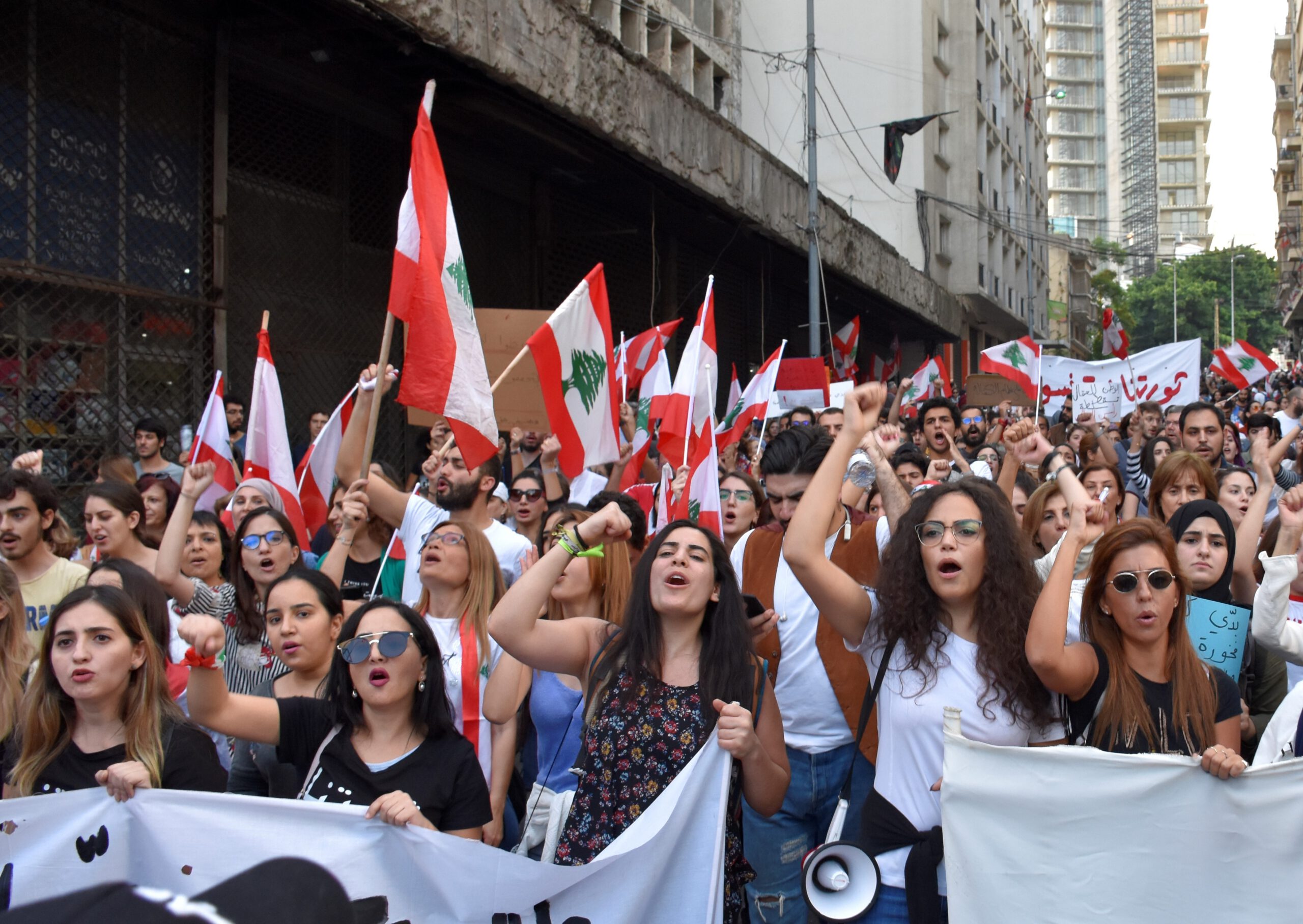
Women and women’s rights are central to Lebanon’s protest movement
On Oct. 29, Prime Minister Saad Hariri submitted his resignation and that of the government, a move that has been hailed as an important victory for the protestors who have taken to the streets across the country for nearly three weeks now. Heralded as al-thawra, or revolution in Arabic, Lebanon is witnessing the rise of an inclusive, decentralized, and grassroots movement that transcends geography, sect, and traditional loyalties to political dynasties and parties.
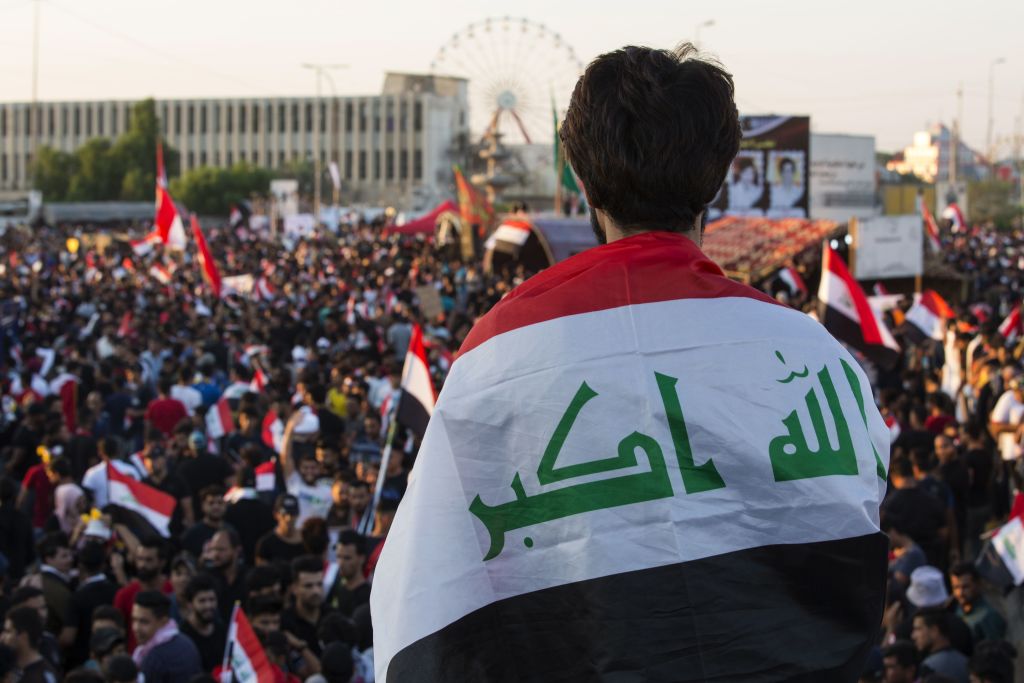
Iraq: Protests and violence continue amid a deepening political crisis
Iranian mediation might bring the two big political blocs to an agreement on a new government, but the protest movement demands only new, clean faces and won’t readily accept another cabinet drawn from discredited political blocs.